Should You Pressure Wash Your House Before Painting?
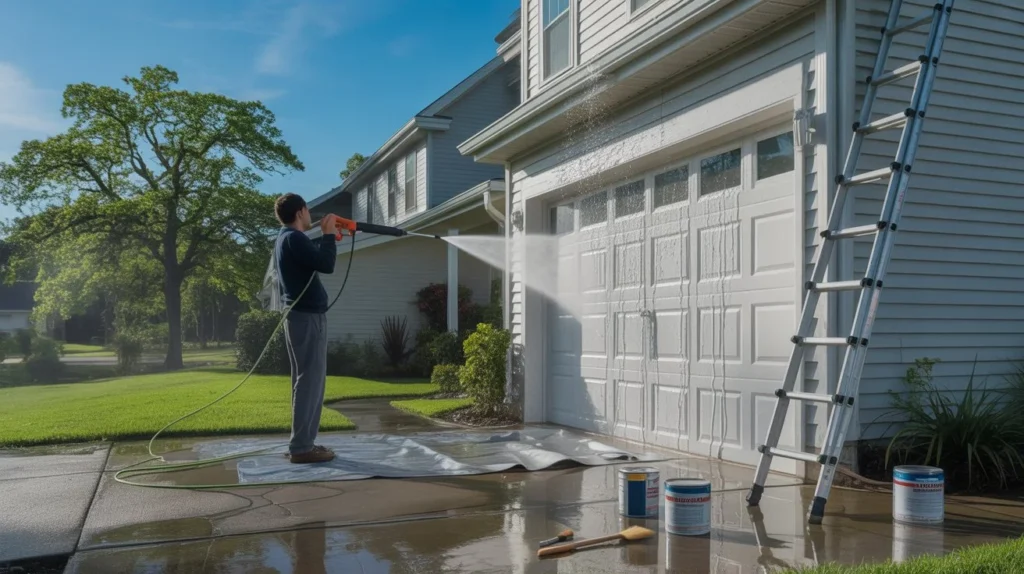
Painting a house without proper prep often leads to peeling, uneven finish, and wasted money. Dirt, dust, and mold block paint from sticking well. Clean surfaces help paint bond better and last longer over time. A quick wash removes layers you cannot see but that affect results. Should You Pressure Wash Your House Before Painting? The short answer is yes for most exterior surfaces that are dirty or exposed. A proper wash improves adhesion and gives a smooth base for paint. In many cases, a clean surface is the difference between a short-term job and a long-lasting finish. Why Pressure Washing Matters Before Painting Pressure washing removes buildup that blocks paint from bonding with the surface. Over time, walls collect dirt, grease, pollen, and mildew. These layers act like a barrier between the paint and the surface. Clean surfaces allow primer and paint to grip better. This reduces peeling and flaking later. It also helps paint spread evenly without patches or streaks. For homeowners looking into house washing services tracy ca, professionals like VJ Pressure Washing use the right methods to prepare surfaces safely. A professional wash ensures consistent cleaning across large areas, which is hard to achieve with DIY tools. Pressure washing also reveals hidden issues. Cracks, loose siding, and damaged areas become visible after cleaning. This allows you to repair problems before painting starts. When You Should Pressure Wash Before Painting You should pressure wash in the following situations: The surface has visible dirt or stains There is mold, mildew, or algae growth The house has not been cleaned in years Old paint is peeling or chalking The home is exposed to dust, traffic, or moisture If you plan to power wash before painting, timing matters. Clean the surface a few days before painting so it dries fully. Fresh cleaning helps primer stick better. It also prevents contaminants from mixing into the paint layer. When Pressure Washing May Not Be Necessary Not every project needs full pressure washing. In some cases, a light clean is enough. You may skip pressure washing when: The surface is newly built and already clean The area was recently washed and maintained You are painting indoors The surface is fragile and could be damaged by water pressure In these cases, a gentle rinse or manual cleaning works better than a full wash. Still, if you are unsure whether to pressure wash before painting, inspect the surface closely. Even light dirt can affect paint adhesion over time. Risks of Pressure Washing Incorrectly Using high pressure without care can cause damage. Common risks include: Water forced behind siding or cracks Wood surface damage or splintering Stripping loose paint layers unevenly Etching softer materials like stucco Incorrect use of a pressure washer can also push moisture into walls. This can lead to mold growth inside the structure. That is why many experts recommend controlled cleaning methods instead of aggressive washing. Choosing the right pressure and nozzle matters as much as the machine itself. Pressure Washing vs Soft Washing Pressure washing uses high force water to remove debris. Soft washing uses low pressure with cleaning solutions. Soft washing is often better for delicate surfaces like: Painted wood Vinyl siding Stucco walls Roof shingles Soft washing cleans deeply without forcing water into surfaces. It is often the preferred method when deciding whether to power wash before painting delicate exteriors. Pressure washing is better for hard surfaces like concrete driveways or brick walls. Choosing the right method depends on the material and its condition. In many home painting projects, a mix of both methods works best. Preparing the House Before Pressure Washing Preparation helps avoid damage and ensures effective cleaning. Before you begin: Close all windows and doors Cover electrical outlets and fixtures Remove outdoor furniture and decor Protect plants with plastic sheets Inspect the surface for cracks or loose parts Also check the weather. Avoid washing before rain or during high humidity. The surface must dry properly before painting. Preparation reduces risks and improves cleaning results. Skipping this step often leads to uneven work or damage. Proper Pressure Washing Techniques Technique plays a major role in results. Start from the top of the house and work downward. This allows dirt and water to flow naturally. Keep these tips in mind: Use a wide spray tip for walls Maintain a steady distance from the surface Move the wand in smooth, overlapping strokes Avoid staying in one spot too long Test pressure on a small area first For most exterior walls, moderate pressure is enough. High pressure should only be used on tough surfaces like concrete. If you are unsure about how to pressure wash before painting, practice on a hidden section first. This helps you avoid mistakes on visible areas. Cleaning Solutions and Detergents Water alone may not remove all contaminants. Cleaning solutions help break down grease, mold, and stains. Use detergents designed for exterior cleaning. Some solutions are made specifically for pre-paint preparation. Apply the solution using a low-pressure setting. Let it sit for a few minutes to loosen dirt. Then rinse thoroughly with clean water. Avoid harsh chemicals that can damage surfaces or affect paint bonding later. Always follow the manufacturer’s instructions. Additional Surface Preparation Steps Pressure washing is only one part of surface prep. After cleaning, additional steps are needed. Scrape off loose or peeling paint Sand rough or uneven areas Fill cracks and holes with filler Apply primer where needed These steps create a smooth base for paint. Even after you power wash before painting, proper surface repair is still required. Skipping these steps can lead to visible defects after painting. Good preparation ensures a clean and durable finish. DIY vs Hiring a Professional You can either do the job yourself or hire a professional service. DIY pressure washing works for small homes or light cleaning. It requires time, equipment, and basic knowledge of pressure settings. Hiring professionals like VJ Pressure Washing offers several benefits: Proper equipment and tools Knowledge of surface types Safe
Do Solar Panels Need to Be Cleaned
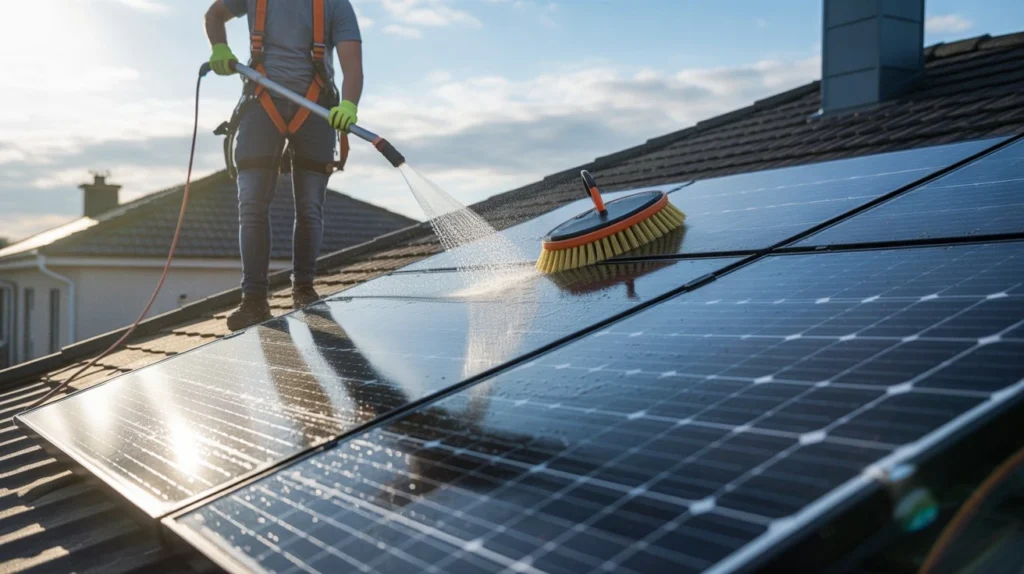
Solar panels help convert sunlight into electricity for homes and businesses. They sit exposed to dust, dirt, and weather all year. Over time, buildup can block sunlight and reduce efficiency. Regular care keeps panels working at their best and protects your investment. Many homeowners ask, do solar panels need to be cleaned to maintain performance. The short answer is yes in most environments. Clean panels allow better light absorption and steady energy output. Ignoring maintenance can lead to reduced efficiency and lower returns from your solar system. How Solar Panels Work Solar panels use photovoltaic cells to capture sunlight and convert it into electricity. When sunlight hits the surface, it creates an electric current that powers your home. The amount of energy produced depends on how much sunlight reaches the cells. Any layer of dirt, dust, or debris blocks light and reduces output. Even a thin film can affect performance over time. This is why understanding do solar panels need to be cleaned is important. Clean panels receive more sunlight and operate closer to their rated capacity. Do Solar Panels Need to Be Cleaned? Yes, in most cases solar panels should be cleaned to maintain efficiency. Rain can remove some dirt, but it does not fully clean the surface. So the question should solar panels be cleaned depends on location and environment. Areas with dust, pollution, bird droppings, or pollen need more frequent care. Regular solar system cleaning helps keep panels free from buildup and ensures consistent energy production. Clean panels perform better and last longer with proper maintenance. What Happens If Solar Panels Are Not Cleaned? Dirty panels reduce energy output. Dust and grime create a barrier that blocks sunlight from reaching the cells. Over time, this leads to lower efficiency and reduced savings on electricity bills. In severe cases, uneven buildup can cause hotspots that affect panel health. Another issue is long-term degradation. Continuous exposure to dirt and moisture may impact the surface coating. This is one of the key benefits of cleaning solar panels, as it helps maintain both performance and durability. Signs Your Solar Panels Need Cleaning There are clear signs that indicate when cleaning is needed: Noticeable drop in energy production Visible dirt, dust, or stains on panels Bird droppings or sticky residue Uneven performance across multiple panels Alerts from monitoring systems If you notice these signs, consider scheduling professional solar panel cleaning tracy ca services from trusted providers like VJ Pressure Washing. Regular inspection helps identify issues early before performance drops further. How Often Should Solar Panels Be Cleaned? Cleaning frequency depends on location and environmental factors. In general, panels should be cleaned once or twice a year. Homes in dusty regions or near construction zones may require more frequent cleaning. Areas with heavy rain may need less frequent manual cleaning, but still require inspection. Monitoring energy output is the best way to decide timing. If production drops without a system issue, cleaning is often needed. DIY Solar Panel Cleaning Cleaning panels yourself is possible with the right approach. Use soft tools like a sponge, microfiber cloth, and a gentle hose. Avoid harsh brushes that can scratch the surface. Steps for safe cleaning: Turn off the solar system Clean during early morning or late evening Use clean water and mild soap Rinse gently without pressure Avoid climbing unsafe surfaces. Safety matters when working at height. DIY cleaning works for accessible systems, but care must be taken. Professional Solar Panel Cleaning Hiring experts is a safer and more effective option for many homeowners. Professionals use proper tools and techniques to clean panels without damage. Services like VJ Pressure Washing provide trained teams who understand panel surfaces and cleaning methods. They also inspect for cracks, loose wiring, or performance issues during service. Professional cleaning ensures deeper results and saves time. It is especially useful for large systems or hard-to-reach installations. Best Practices for Maintaining Solar Panels Regular maintenance helps improve system life and output. Here are useful practices: Inspect panels every few months Remove visible debris when safe Keep surrounding trees trimmed Monitor energy production regularly Schedule periodic solar system cleaning Following these steps ensures steady performance and reduces the need for major repairs. Common Mistakes to Avoid Many homeowners make mistakes that can damage panels. Avoid these errors: Using high-pressure water Cleaning during peak sunlight hours Using abrasive tools or harsh chemicals Ignoring safety precautions Skipping regular inspections Improper cleaning can scratch panels or reduce efficiency. Always follow safe methods or hire professionals when unsure. Cost of Solar Panel Cleaning The cost of cleaning depends on system size, location, and accessibility. DIY cleaning is low cost but requires time and effort. Professional services charge more but provide better results and safety. In most cases, the cost is small compared to the long-term savings from improved efficiency. Regular cleaning also prevents costly repairs, making it a smart investment. Additional Insight: Environmental Impact Clean panels not only improve output but also support better energy efficiency. When panels operate at full capacity, they reduce reliance on other energy sources. This makes maintenance an important part of sustainable energy use. Cleaner panels contribute to consistent power generation and better system performance over time. Conclusion So, do solar panels need to be cleaned? Yes, regular cleaning is important for maintaining efficiency and system health. Dust, dirt, and debris can reduce output and affect long-term performance. Cleaning ensures panels receive maximum sunlight and produce consistent energy. Whether you choose DIY methods or professional help like VJ Pressure Washing, routine maintenance protects your investment. Clean panels perform better, last longer, and deliver stronger returns over time. For expert assistance and reliable service, contact us today. FAQs Should solar panels be cleaned regularly? Yes. Regular cleaning helps maintain efficiency and prevents buildup that blocks sunlight. Can rain clean solar panels? Rain removes some dust but does not fully clean panels. Manual cleaning is still needed. What are the benefits of cleaning solar panels? The benefits of cleaning solar panels include better efficiency,