What are the cons of pressure washing?
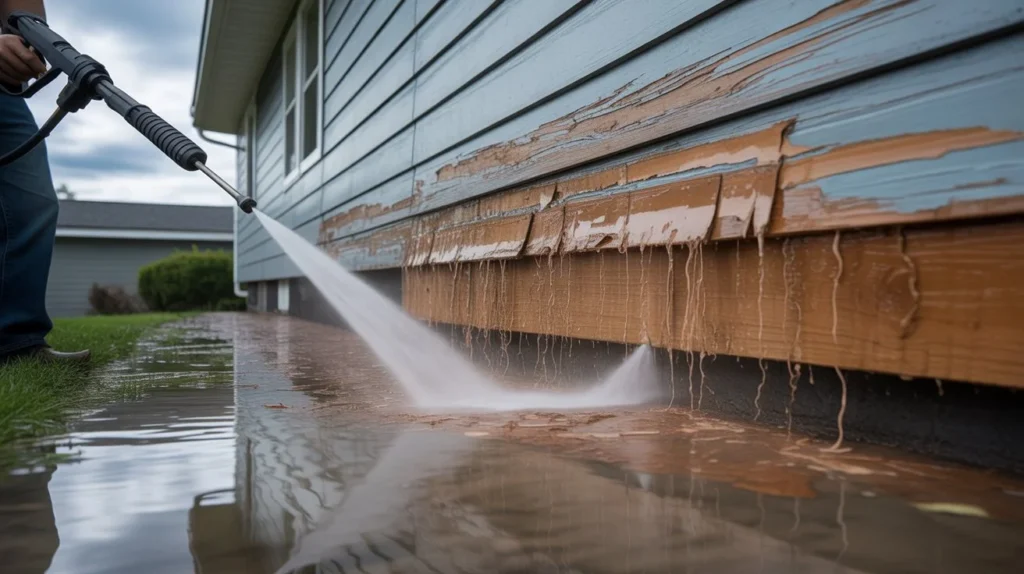
Pressure washing can clean fast, but it can also cause damage if used wrong. It uses high-pressure water that can harm surfaces, waste water, and create safety risks. Many homeowners focus on the shine but miss the downsides that come with it. So, what are the cons of pressure washing? The main issues include surface damage, water leaks, safety risks, and cost. In this guide, you will learn the real pressure washing risks so you can make a smart decision. Risk of Surface Damage One of the biggest disadvantages of power washing is how easily it can damage surfaces. The strong water stream can strip, crack, or wear down materials. Wood is very sensitive. High pressure can cause splintering and leave rough marks. Painted surfaces can lose their coating in seconds. Once paint peels, you may need a full repaint. Vinyl siding can bend or loosen. Even concrete is not fully safe. Too much pressure can leave visible lines or etching marks. This is a common case of pressure washer damage to surfaces. Many people think more pressure means better cleaning. That is not true. It often leads to costly repairs. If you are cleaning a roof, the risk is even higher. Shingles can break or lose their protective layer. This reduces their life and can lead to leaks. Water Intrusion Issues Water does not just clean the surface. It can also get inside places where it should not go. When water is forced into cracks, it can reach insulation, wiring, or wooden frames. Over time, this trapped moisture leads to mold growth. Mold is not just ugly. It can affect air quality and health. Fixing mold damage is often more expensive than the cleaning itself. Doors and windows are common weak spots. If seals are old, pressure washing can push water inside your home. This is one of the hidden pressure washing risks many homeowners ignore. You may not notice the problem right away, but it can show up weeks later. Safety Hazards Pressure washers are powerful tools. If handled wrong, they can cause serious injury. The water jet is strong enough to cut skin. Many accidents happen when users point the nozzle too close to their body. Even a short mistake can lead to deep wounds. Slippery surfaces are another issue. After washing, decks and driveways can become very slick. This increases the chance of falls. There are also electrical dangers. Using water near outlets or wires can lead to shocks. This is one of the major pressure washing safety concerns. Ladders add another level of risk. Many people use pressure washers while standing on a ladder. The force can push them off balance. Environmental Concerns Pressure washing may look clean, but the runoff water tells a different story. The water often carries dirt, oil, paint chips, and chemicals. This runoff can enter storm drains and reach local water sources. Plants and grass can also suffer. Strong water pressure can damage roots or wash away soil. Cleaning agents can harm nearby greenery. Water waste is another concern. A pressure washer uses a large amount of water in a short time. This can be a problem in areas with water limits. These environmental issues are often overlooked but are a key part of the disadvantages of power washing. Cost and Maintenance Factors Many people think pressure washing saves money. That is not always true. Buying a good pressure washer can be expensive. On top of that, you need hoses, nozzles, and cleaning solutions. Maintenance also adds cost over time. Repairs can cost even more. If you damage your siding or deck, fixing it may cost more than hiring a professional from the start. This is why some homeowners choose services like exterior house washing services tracy ca offered by VJ Pressure Washing. A trained team can reduce mistakes and long-term costs. Still, hiring experts also comes with a price. This makes cost one of the key factors when asking, what are the cons of pressure washing? Not Suitable for All Surfaces. Pressure washing is not a one-size-fits-all solution. Some surfaces need a gentler method called soft washing. This uses lower pressure and special cleaners. Older bricks can crumble under high pressure. Stucco can crack or chip. Wooden decks can lose their smooth finish. Roofs are another example. High pressure can damage shingles and void warranties. Many manufacturers do not recommend pressure washing at all. Understanding where not to use it helps avoid serious pressure washer damage to surfaces. Time and Skill Requirements Pressure washing may seem easy, but it takes skill to do it right. You need to know the correct pressure level for each surface. Using the wrong setting can cause damage in seconds. Technique also matters. Holding the nozzle too close or staying in one spot too long can leave marks. Learning these skills takes time. Beginners often make mistakes that lead to extra work or repairs. This is why many people underestimate the effort when asking, what are the cons of pressure washing? Noise and Disturbance Pressure washers are loud machines. The noise can disturb neighbors, especially in quiet areas. If you live in a residential zone, this can become a problem. Some areas even have noise rules for certain hours. The sound can also be stressful if used for long periods. It is not a major risk, but it is still a drawback worth noting. Risk of Overcleaning Cleaning too often can also cause harm. At VJ Pressure Washing, we often see issues caused by overuse. Repeated pressure washing can wear down surfaces over time. Paint fades faster, and wood becomes weaker, which can lead to costly repairs if not handled properly. Many homeowners think frequent cleaning keeps things in good shape. In reality, it can shorten the life of materials. This adds to the list of pressure washing risks that are easy to overlook. Conclusion Pressure washing is useful, but it is not risk-free. It can damage surfaces, cause water leaks, and create