
Is Powerwashing Your House a Good Idea?
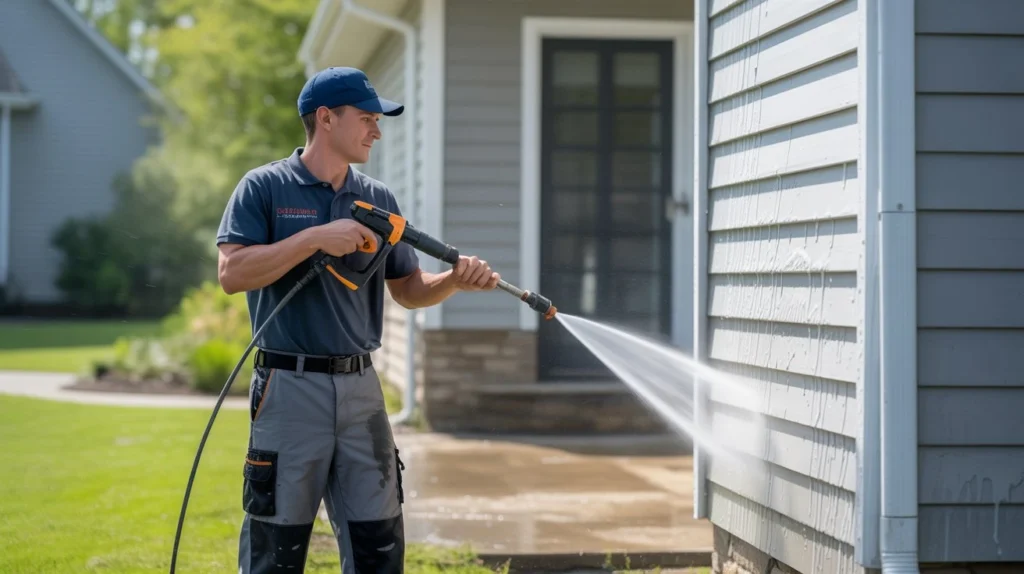
Power washing can strip years of dirt and grime off your house in a single afternoon. It also strips paint, damages wood, and forces water behind siding if done wrong. The tool itself is not the problem. The skill behind it is. So is powerwashing your house a good idea? Yes, when you use the right pressure, the right nozzle, and the right approach for your siding type. Done wrong, it causes real damage fast. What Is Power Washing? Power washing uses hot or cold water at high pressure to blast away dirt, mold, and grime from outdoor surfaces. The machine pushes water through a narrow nozzle, which builds up force strong enough to remove years of buildup in minutes. This is different from a garden hose, which only rinses the surface. Power washers reach deep into pores on concrete, brick, and some siding materials. That extra force is what makes power washing so effective, and also what makes it risky on the wrong surface. Most residential machines run between 1,300 and 3,000 PSI, depending on the job. Driveways and brick can handle the higher end. Vinyl siding and wood need a much gentler touch. Benefits of Power Washing Your House The benefits of power washing your home go beyond looks. A clean exterior protects your investment and your health at the same time. Dirt, algae, and mold eat away at paint and siding over time. Removing buildup regularly slows that damage down and helps materials last longer. This is one of the clearest benefits of power washing that homeowners notice within the first year. There is also a side to power washing for health that gets overlooked. Mold and mildew on your siding can spread spores near windows and vents, which affects indoor air quality. Removing that buildup outside helps keep those spores away from your home. Power washing also boosts curb appeal instantly. A clean house photographs better, sells faster, and simply looks cared for. Many real estate agents recommend a wash before listing a home, since buyers notice exterior conditions right away. When Power Washing Is a Good Idea Power washing makes sense on tougher surfaces that can handle higher pressure. Concrete driveways, brick walkways, and stone patios are good candidates. These materials are dense and do not absorb water the way wood or vinyl can. It also works well before painting or staining a house. A clean surface helps new paint stick better and last longer. Skipping this step often leads to peeling within a year or two. Power washing is a smart choice when mold, algae, or green stains cover a large area. Scrubbing by hand would take days, while a power washer clears the same area in hours. When You Should Avoid Power Washing Some surfaces should never see high pressure water. Older wood siding, stucco, and asbestos shingles can crack or crumble under direct blasts. Roof shingles are another surface to avoid, since high pressure lifts granules and shortens the roof’s life. Windows and window seals are also risky. Water forced at high pressure can break through old caulking and seep into the wall behind it. This often leads to hidden water damage that shows up months later as mold or rot. If your house has any of these surfaces, a gentler method works better and protects your home from accidental damage. Risks of Incorrect Power Washing Incorrect technique causes more damage than people expect. Holding the nozzle too close to siding can strip paint right off the wall. Using too much pressure on wood can leave deep grooves that never look right again. Water can also force its way behind siding panels if the angle is wrong. Once moisture gets trapped there, it leads to mold growth and wood rot that you cannot see until it gets serious. Incorrect chemical use adds another risk. Some cleaning solutions used with power washers can kill nearby plants or grass if they are not rinsed away properly. Always check what is safe for your landscaping before starting. Soft Washing vs. Power Washing: Which Is Better? Soft washing uses low pressure combined with cleaning solutions to break down dirt, mold, and algae. Instead of blasting grime off with force, the solution does the work, and a gentle rinse removes the rest. This method works better on delicate surfaces like vinyl siding, stucco, and painted wood. It cleans just as deep without the risk of cracking or stripping paint. Power washing still wins on hard surfaces like concrete and brick, where strength matters more than gentleness. For most full house exteriors, soft washing is the safer choice, while power washing handles the driveway, patio, and walkways. A good cleaning company often uses both methods on the same property, matching the right approach to each surface. DIY vs. Hiring a Professional Renting a power washer seems simple, but the learning curve is steeper than most people expect. Holding the wrong angle or standing too close for even a few seconds can damage siding or paint. DIY makes sense for small jobs like cleaning a patio or sidewalk, where mistakes are easy to fix. For full exterior house washing, professionals bring the right equipment, the right pressure settings, and years of experience reading different siding materials. Hiring reliable power washing & cleaning professionals also saves time. A job that might take a homeowner an entire weekend often takes a trained crew just a few hours, with far less risk of damage. How Often Should You Power Wash Your House? Most homes benefit from a full exterior wash once a year. Homes near trees, in humid climates, or close to busy roads may need it twice a year, since dirt and mold build up faster in those conditions. Watch for warning signs between scheduled washes. Green or black streaks, a dull or chalky look, and visible mold near gutters all signal it is time to clean again. If you live in the Central Valley and want a team that
Does Roof Cleaning Really Work? The Honest Answer Homeowners Need
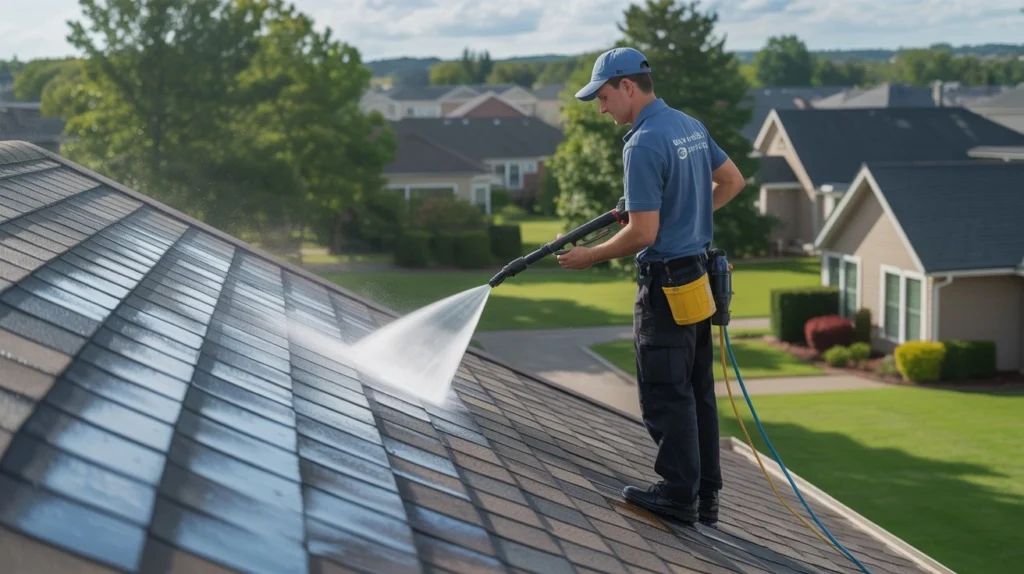
Your roof takes a beating every single day. Rain, wind, sun, algae, moss — all of it adds up over time. Black streaks appear. Green patches grow. And suddenly your home looks old, even if it’s not. Most homeowners wonder if cleaning can fix this or if it’s just a waste of money. So, does roof cleaning really work? Yes, it absolutely does. The right cleaning method removes stains, kills biological growth, and can add years to your roof’s lifespan. Done correctly, the results are visible, lasting, and worth every penny. What Causes Roof Stains and Buildup? Before we talk about solutions, it helps to know what you’re dealing with. Gloeocapsa Magma (Algae) Those dark black or gray streaks you see on asphalt shingles? That’s algae. Specifically, a cyanobacteria called Gloeocapsa Magma. It feeds on the limestone filler in shingles and spreads fast, especially in humid areas. Moss Moss holds moisture against your shingles. Over time, it causes the edges to lift, which lets water sneak underneath. This is one of the biggest causes of hidden roof damage. Lichen Lichen is a combination of algae and fungus. It bonds directly to shingles and is much harder to remove than moss or algae alone. If left too long, it can permanently etch into the surface. Debris Buildup Leaves, twigs, and dirt trap moisture. Wet debris sitting on your roof for weeks at a time is a recipe for rot, mold, and shingle breakdown. UV Damage and Oxidation Sun exposure causes granule loss from asphalt shingles. When this happens, dark patches appear. These aren’t always biological, sometimes it’s plain weathering. Knowing what’s growing on your roof helps you (and your roofer) pick the right cleaning approach. Signs Your Roof Needs Cleaning Some roof problems are obvious. Others are easy to miss until real damage has already started. Here are the signs you should not ignore: Dark streaks or staining running down from the ridge Green or black patches that look fuzzy or spongy Lifted or curling shingle edges, often caused by moss Granule loss showing up in your gutters Water stains on your ceiling, which may point to moisture sneaking under damaged shingles Your roof looks much older than homes nearby even if it was built at the same time Gutters full of biological debris like clumps of green or black material If you notice any of these signs, it’s time to call in professionals. The team at VJ Pressure Washing and a qualified roof cleaning company in Tracy, CA can inspect your roof, identify what’s growing, and recommend the safest cleaning method for your specific shingle type. Don’t wait too long. The longer biological growth sits on your roof, the harder it is to remove and the more damage it causes underneath. How Roof Cleaning Works There are a few ways to clean a roof. Each one works differently depending on the material and the type of buildup. Step 1: Inspection A professional checks the roof condition, identifies the type of growth, and determines which method is safest. Step 2: Pre-Treatment A cleaning solution is applied to the surface. For soft washing, this is usually a sodium hypochlorite mix (similar to bleach, but diluted and targeted). For other methods, a biodegradable cleaner is used. Step 3: Dwell Time The solution sits on the surface for several minutes. This is where the real work happens: the chemical kills the biological growth at the root level. Step 4: Rinse The roof is rinsed off with low or moderate pressure. The dead growth washes away. Step 5: Post-Treatment (Optional) Some professionals apply a zinc or copper-based treatment after cleaning. This creates a protective barrier that slows future growth. The whole process typically takes 2 to 4 hours depending on roof size and condition. Benefits of Roof Cleaning Cleaning your roof is not just about looks. Here’s what it actually does: Extends Roof Lifespan Algae, moss, and lichen physically break down roofing materials. Removing them stops the damage. A clean roof can last several years longer than a neglected one. Improves Curb Appeal A clean roof makes a home look newer and better maintained. This matters a lot if you plan to sell. Boosts Energy Efficiency Dark staining from algae absorbs heat. This raises your attic temperature and puts more load on your air conditioning. Cleaning your roof can reduce cooling costs. Protects Manufacturer Warranties Many roofing material warranties require regular maintenance. Skipping it can void your warranty when you need it most. Prevents Insurance Issues Some home insurance companies flag roofs that show visible biological growth. A clean roof keeps your coverage intact. Does Roof Cleaning Prevent Roof Repairs? This is one of the most common questions homeowners ask. The short answer is yes — but with a condition. Roof cleaning prevents roof damage that is caused by biological growth. If moss has been lifting shingles for two years, cleaning removes the moss, but it can’t reverse the damage that’s already been done. The lifted shingles may still need to be replaced. Think of it this way: cleaning is preventive care, not a repair tool. It’s the same as getting your teeth cleaned. It stops future problems from forming, but it won’t fix a cavity that’s already there. If caught early, regular cleaning can: Stop algae from eating through shingle granules Prevent moss from creating water pathways under the roof Keep lichen from permanently etching into the material If ignored too long, you may still need repairs even after cleaning. That’s why the timing matters. Roof Cleaning Methods Explained Not all roofs are cleaned the same way. Here are the main methods professionals use: Soft Washing This is the most recommended method for asphalt shingles, tile roofs, and older roofs. It uses low pressure and a chemical solution to kill biological growth. No high-pressure blasting — just chemistry doing the work. Best for: Asphalt shingles, clay tile, cedar shake, flat roofs Result: Deep kill of algae, moss, and mold at the root level
What Is the 3 Second Rule in Cleaning? A Simple Habit That Keeps Your Home Spotless
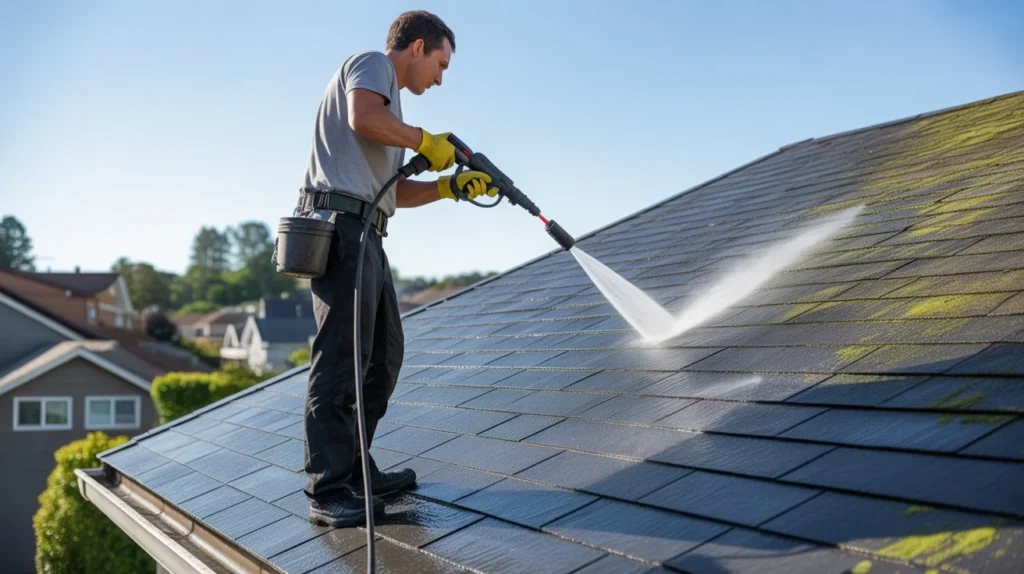
Most people clean when things get too dirty to ignore. But there is a smarter way. Small habits, done fast, stop messes before they spread. The best cleaners do not wait. They act in the moment, every time. So, what is the 3 second rule in cleaning? It is simple: if a cleaning task takes 3 seconds or less, do it right now. Do not put it off. This one habit builds a cleaner home without long scrubbing sessions. What Is the 3 Second Rule in Cleaning? The 3 second rule in cleaning is a mindset rule. If you can clean or tidy something in 3 seconds, you do it immediately. No waiting. No “I’ll do it later.” Wipe the counter after cooking. Pick up the sock on the floor. Rinse the coffee cup before it stains. These tiny actions take almost no time alone. But skipping them causes buildup that takes hours to fix later. The idea comes from productivity thinking. It is similar to the 2-minute rule but focused on physical cleaning. The goal is to stop dirt and clutter before they pile up. This rule works for both homeowners and professional cleaners. It is one of the most practical cleaning tips for maintaining a tidy home every single day. How the 3 Second Rule Works The rule is built on one core idea: prevention beats deep cleaning. Here is how it plays out in real life: You cook dinner. Sauce splashes on the stovetop. Instead of leaving it, you grab a cloth and wipe it in 3 seconds. Done. No scrubbing baked-on grease later. You brush your teeth. Toothpaste hits the mirror. You wipe it off right away. The mirror stays clear all week. You come home. Shoes go directly to the rack, not the floor. Mail goes in a tray, not on the table. Three seconds each. The rule stops the snowball effect. One mess leads to another. When your kitchen is already dirty, you feel less motivated to clean the next spill. The 3 second rule breaks that cycle. This is the same philosophy used by professional cleaning teams. At VJ Pressure Washing, we always say that consistent small actions keep surfaces in better shape than one big cleaning day. It is also why services like roof cleaning in Tracy, CA focus on regular maintenance rather than waiting for heavy buildup to take hold. When you let grime sit, it bonds to surfaces and becomes far harder to remove. Apply the 3 second rule to every room. Train yourself to see small messes as 3-second fixes, not tasks to save for the weekend. Benefits of the 3 Second Rule Why does this rule change how you clean? Here are the real results people notice. 1. Less Deep Cleaning Overall When you stop messes at the source, heavy cleaning happens far less often. Your home stays in a baseline clean state every day. 2. Lower Stress Clutter and mess trigger mental stress. A tidy space feels calmer. The 3 second rule keeps your home at a level that does not feel overwhelming. 3. Faster Daily Cleaning Routines When nothing is severely dirty, your daily wipe-down takes minutes, not hours. You spend less time cleaning total. 4. Better Hygiene Bacteria grow fast on countertops and wet surfaces. Acting in 3 seconds means spills do not sit long enough to become health problems. 5. Builds Good Habits Automatically After a few weeks, the rule becomes muscle memory. You do not even think about it. Clean behavior becomes your default. 6. Protect Your Home Surfaces Stains set. Grease bonds. Rust forms. Acting fast prevents permanent damage to counters, floors, and fixtures. Examples of the 3 Second Rule in Action Let us walk through real daily examples. These show how the rule fits into normal life without adding stress. Kitchen: Wipe stovetop splash right after cooking Rinse dishes before food dries on them Wipe the sink after washing hands Close pantry doors and cabinet handles after use Bathroom: Wipe toothpaste off the sink right after brushing Hang the towel back on the rack Close the shampoo bottle and put it back Wipe the toilet handle after flushing Living Room: Return remote controls to their spot Take cups and plates to the kitchen, not the coffee table Fold the blanket after using it Pick up any item from the floor as you walk past Bedroom: Hang or place clothes immediately after taking them off Make your bed right when you get up Put items back in drawers after use Entryway: Shoes on the rack, not the floor Keys in the bowl, not on the counter Wipe shoes before entering Every single one of these takes 3 seconds or less. But skipping them daily creates clutter and grime that takes real effort to reverse. Areas Where the Rule Works Best Bathrooms Moisture and soap scum build up fast. A quick daily wipe of the sink and mirror takes seconds and prevents hard water stains from forming. Floors Near Entryways Dirt, mud, and debris come in from outside. Catching it at the door prevents it from spreading through the whole house. Laundry Areas Lint, detergent spills, and damp clothes all create issues fast. Handling each one at the moment prevents mold and odors. Outdoor Surfaces Patios, driveways, and walkways collect leaves, dust, and stains. While these often need professional equipment, regular quick sweeps reduce buildup between professional cleanings. Tips to Make the 3 Second Rule Effective The rule only works if you set yourself up for success. Here are practical tips to make it stick. Keep Cleaning Tools Within Reach A microfiber cloth near the sink. A small brush by the stovetop. A trash bin in every room. When the tool is already there, you do the 3-second task without thinking. Do It Now, Always The rule breaks the moment you say “in a minute.” Train yourself to act on sight. If you see a mess, clean it right now. Do Not