
What Are the 7 Stages of Cleaning?: The Complete Step-by-Step Guide (2026)
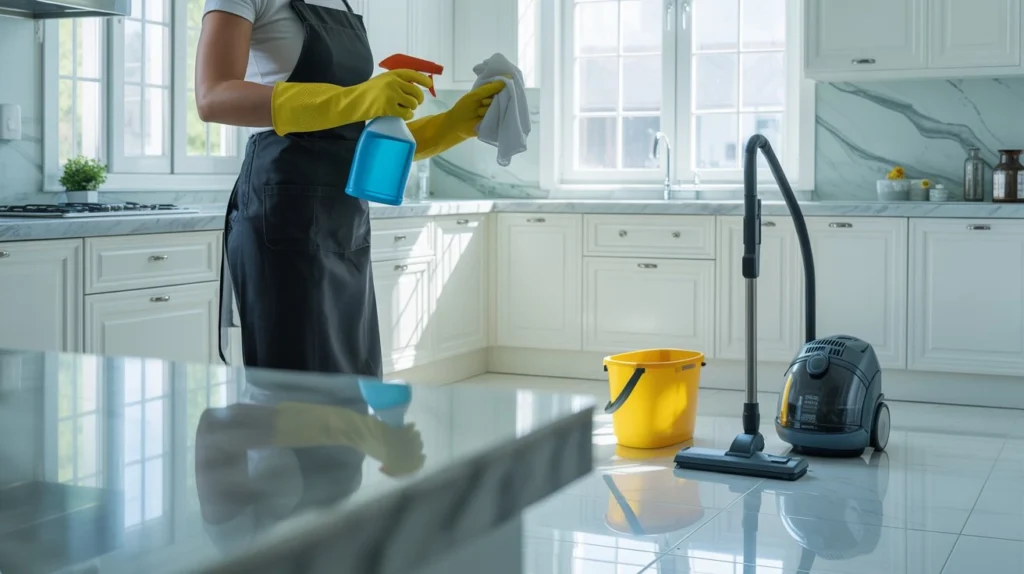
Cleaning your home or workplace takes more than a quick wipe down. Real cleaning follows a set process that removes dirt, dust, and germs in the right order. Skip a step, and grime builds up where you cannot see it. Pros use this method every single day. So what are the 7 stages of cleaning? They are prep, dust removal, washing, rinsing, sanitizing, drying, and a final check. Each stage builds on the last one to leave your space spotless and safe. What Are the 7 Stages of Cleaning? Most people think cleaning means grabbing a rag and spraying some cleaner. That is only part of the picture. A true cleaning routine has a clear order, and each part has a job to do. This order is often called the 7 step cleaning process. It is used in homes, restaurants, hospitals, and offices because it works every time. When you follow each stage in order, you remove dirt first, then bacteria, then moisture. Skipping ahead causes problems. For example, if you sanitize before you remove loose dirt, the cleaner cannot reach the surface underneath. Cleaning is the first level of any good hygiene plan, and the stages of cleaning give you a map to follow. You do not need fancy tools to get this right. You need the right steps, done in the right order, every time. Stage 1: Preparation Preparation is where everything starts. Before you touch a single cleaner, look at the space. Clear off clutter, move small items, and gather your tools and supplies in one spot. This stage also means checking what surfaces you are working with. Wood, tile, granite, and fabric all need different products. Using the wrong one can cause damage or leave a dull finish. Read labels before you mix anything. Good prep also includes safety. Open windows for airflow, put on gloves if needed, and keep kids or pets away from cleaning chemicals. A few extra minutes here saves you time and trouble later. Stage 2: Dry Cleaning or Dust Removal Once the space is ready, remove loose dirt and dust first. This step is sometimes skipped, but it matters a lot. If you skip it, you end up smearing dust around with a wet rag instead of removing it. Use a vacuum, dry mop, or microfiber duster for this stage. Work from top to bottom so dust falls onto surfaces you have not cleaned yet, not ones you just finished. Pay attention to corners, vents, and baseboards, since dust collects there fast. This stage is one of the 4 stages of cleaning that most cleaning checklists highlight, because it sets up every step that follows. A clean dry surface means your wet cleaning tools will actually work better. Stage 3: Washing or Wet Cleaning Now it is time to use water and a cleaning solution. This stage breaks down grease, grime, and stuck on dirt that dry methods cannot touch. Choose a cleaner made for the surface you are working on, whether that is glass, tile, or fabric. Work in small sections instead of trying to clean a whole room at once. Use a clean cloth or sponge, and change your water often so you are not just spreading dirt around. Let the cleaner sit for a minute on tough spots before you scrub. This gives the chemicals time to break down dirt without you needing to scrub hard. Stage 4: Rinsing Rinsing removes leftover soap, cleaner, and loosened dirt from the surface. If you skip this step, residue builds up and attracts even more dust over time. It can also leave streaks or a sticky film behind. Use clean water and a fresh cloth or mop for this stage. On hard floors, change your rinse water at least once per room. For countertops and appliances, wipe the surface twice with clean water to make sure no soap residue is left behind. Rinsing also matters for health reasons. Some cleaning chemicals can irritate skin or lungs if they are not fully rinsed away, especially in kitchens where food touches these surfaces. Stage 5: Sanitizing or Disinfecting This is the stage most people forget, but it is one of the most important. Washing removes dirt, but it does not always kill germs. Sanitizing and disinfecting target bacteria and viruses that you cannot see. Sanitizers reduce germs to a safe level, while disinfectants kill a higher percentage of germs and viruses. Kitchens, bathrooms, and door handles need this step the most, since these are high touch areas. Always check the label for contact time. Most disinfectants need to sit wet on a surface for several minutes to actually work. Spraying and wiping right away does not give the product enough time to do its job. Let it sit, then wipe or let it air dry based on the instructions. Stage 6: Drying Wet surfaces attract dirt, dust, and bacteria faster than dry ones. That is why drying is its own stage, not just an afterthought. Mold and mildew also grow fast in damp spots, especially in bathrooms and kitchens. Use a clean towel, air drying, or a fan depending on the surface. Floors should be dried or allowed to air dry fully before foot traffic returns, both to prevent slips and to stop dirt from sticking to a wet surface. For glass and mirrors, a dry microfiber cloth helps avoid streaks. Drying also protects materials like wood and metal from water damage or rust over time. Stage 7: Inspection and Maintenance The last stage is often skipped, but it closes the loop on the entire process. Walk through the space and check your work. Look for spots you missed, streaks, or areas that need a second pass. This is also the time to check your tools. Rinse out mops, wash cleaning cloths, and store supplies properly so they are ready for next time. Dirty tools spread germs instead of removing them, which defeats the purpose of everything you just did. Maintenance also