What Are the Three Methods of Washing? A Complete Guide
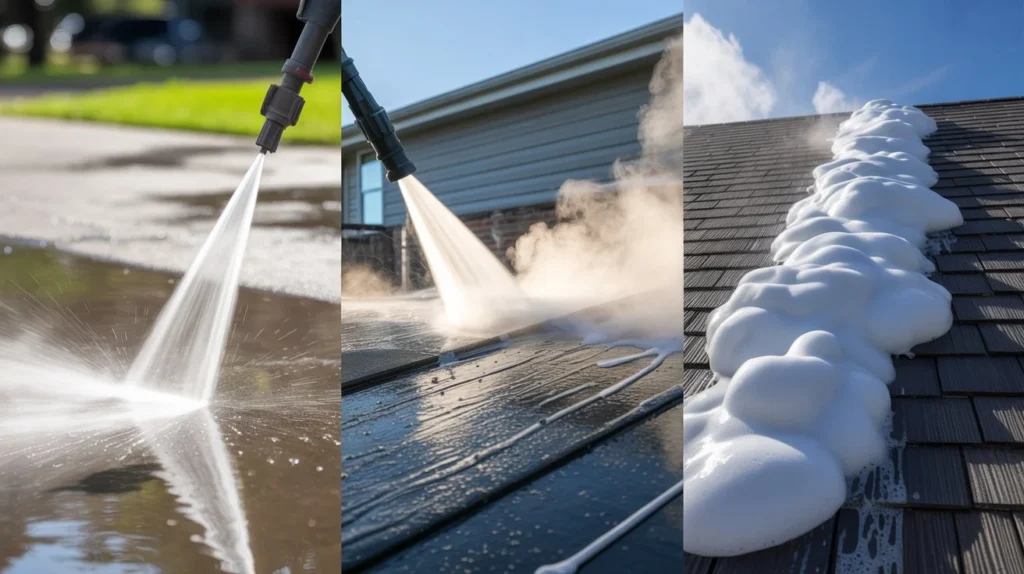
When it comes to cleaning the outside of your home, not all washing methods work the same way. Some surfaces need gentle care. Others need serious force. Picking the wrong method can damage your property or waste your money. That’s why knowing your options matters before you start. So, what are the three methods of washing? They are pressure washing, power washing, and soft washing. Each one works differently and suits different surfaces. This guide breaks all three down in simple terms so you can make the right call. Understanding Different Washing Methods Most homeowners don’t think much about exterior cleaning until things look bad. By then, dirt, mold, and algae have already done damage beneath the surface. Exterior washing isn’t just about looks. It protects your siding, driveway, roof, and deck from long-term wear. Moisture, organic growth, and grime all break down surfaces over time. Regular cleaning stops that from happening. If you live in the Tracy area, house washing Tracy CA is something many locals are now taking seriously. VJ Pressure Washing works with homeowners across the region to find the right washing method for every surface type and condition. Understanding washing ingress is also important here. Washing ingress refers to how water penetrates surfaces during cleaning. The wrong pressure or angle can push water into walls, windows, or gaps, causing moisture damage inside your home. Knowing this helps you avoid costly mistakes. Method #1 – Pressure Washing What Is Pressure Washing? Pressure washing uses cold water at very high pressure to blast away dirt and grime. The machine forces water through a narrow nozzle at high speed. That force does all the heavy lifting. Pressure levels are measured in PSI (pounds per square inch). Most pressure washers used for home cleaning run between 1,500 and 3,000 PSI. What Surfaces Work Best? Pressure washing works great on hard, durable surfaces like: Concrete driveways Brick walls Stone pathways Wooden decks (with care) Fences When Should You Use It? Use pressure washing when you are dealing with heavy buildup. Tire marks on concrete, mud on brick, or years of grime on a patio all respond well to high-pressure cold water. It is also the go-to method for driveways and sidewalks that take a beating from daily traffic and weather. What to Watch Out For Cold water pressure washing does not kill mold or bacteria. It removes visible dirt, but organic growth can return fast if not treated. Also, using too much pressure on softer surfaces like wood siding can strip paint or cause cracks. Method #2 – Power Washing What Is Power Washing? Power washing works just like pressure washing with one key difference. It uses heated water. That heat makes a big difference when dealing with grease, oil, mold, and tough biological stains. Think of it like washing dishes. Hot water cuts through grease faster than cold. The same idea applies to your driveway or exterior walls. What Surfaces Work Best? Power washing is ideal for: Driveways with oil stains Commercial parking lots Industrial equipment Heavily soiled concrete Surfaces with mold or mildew buildup When Should You Use It? Use power washing when regular pressure washing isn’t enough. If you have grease stains from vehicles, stubborn mold, or thick grime that has built up over years, heated water will break it down more effectively. This is also where code 3 power washing comes into play. Code 3 power washing refers to high-intensity cleaning jobs that require maximum heat, pressure, and sometimes chemical treatments together. It’s reserved for the toughest cleaning situations, often in commercial or industrial settings where standard methods just won’t cut it. What to Watch Out For The heat from power washing can damage certain surfaces. Soft wood, older paint, and some types of siding can warp or peel if exposed to high-temperature water. Always check whether your surface can handle heat before choosing this method. Method #3 – Soft Washing What Is Soft Washing? Soft washing uses low pressure and cleaning solutions to remove dirt, algae, mold, and mildew. The pressure is low enough that it won’t damage delicate surfaces. The cleaning agents do the real work instead of force. Soft washing solutions typically contain biodegradable chemicals that kill organic growth at the root. This means results last much longer than pressure or power washing alone. What Surfaces Work Best? Soft washing is the right choice for: Roof shingles Vinyl siding Stucco Wood siding Painted surfaces Gutters Screened enclosures When Should You Use It? Use soft washing when the surface is delicate or when you want longer-lasting results. Roofs, for example, should never be pressure washed. The force can lift shingles and void your warranty. Soft washing cleans the surface and kills the organisms causing the staining without causing damage. What to Watch Out For The cleaning solutions need time to work. Soft washing is not instant. You also need to make sure the chemicals used are safe for your plants and landscaping. A professional will rinse surrounding areas and use plant-safe solutions to avoid damage. Comparing the Three Washing Methods Here’s a quick side-by-side look: Feature Pressure Washing Power Washing Soft Washing Water Temperature Cold Hot Cold Pressure Level High High Low Uses Chemicals Sometimes Sometimes Yes Best For Hard surfaces Grease & heavy grime Delicate surfaces Kills Mold at Root No Partially Yes Risk of Damage Medium Medium-High Low How to Choose the Right Washing Method Choosing the right method comes down to three things: surface type, level of dirt, and what results you want. Choose pressure washing if: You have a concrete driveway, brick patio, or stone path The dirt is heavy but not greasy You want a fast, effective clean Choose power washing if: You have oil or grease stains The buildup is extreme and long-standing You are cleaning a commercial or industrial surface Choose soft washing if: You are cleaning a roof, siding, or painted surface You want results that last longer You want to kill mold and algae at
What Is the Difference Between Washing and Cleaning? A Complete Guide
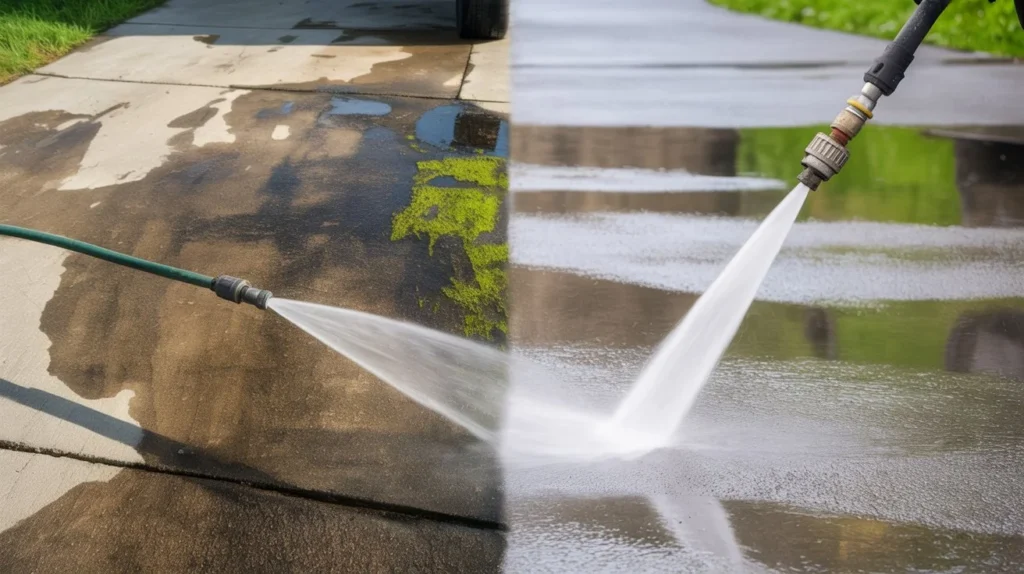
You rinse your hands and call it done. But is that washing or cleaning? Most people use these words like they mean the same thing. They don’t. Washing removes visible dirt using water. Cleaning goes further. It removes bacteria, allergens, stains, and buildup that water alone can’t touch. Think of washing as step one and cleaning as the full job. So, what is the difference between washing and cleaning? Washing is about rinsing and removing loose debris. Cleaning restores a surface to a safe, healthy, and fully treated state. Both matter, but they serve different purposes. Knowing which one you need can save you time, money, and real headaches. What Does Washing Mean? Washing means using water, sometimes with a mild soap, to remove dirt from a surface. It is a physical process. You are pushing grime away, not destroying it. When you hose down your driveway, you are washing it. When you rinse mud off your boots, that is washing too. Water does the heavy lifting here. Washing works well for light surface dirt. But it has real limits. It does not kill germs. It does not remove embedded stains or grease that has soaked into a surface. It leaves behind biofilm, mold spores, and microscopic buildup that water simply cannot touch. Common examples of washing include: Rinsing a plate under the faucet Spraying down a car before a proper wash Hosing mud off a patio or walkway Rinsing a surface before applying a cleaning product Washing is often just prep work. A surface that has been washed is ready to be cleaned properly. What Does Cleaning Mean? Cleaning means removing contaminants that affect health, appearance, and surface integrity. It goes beyond water and loose dirt. Cleaning uses detergents, degreasers, or pressure to break down and remove what washing leaves behind. When you clean a bathroom sink, you remove soap scum, bacteria, hard water deposits, and germs. When a pressure washing company cleans a driveway, they remove oil stains, mold, algae, and deep grime that has bonded to the concrete. Cleaning is a complete process. It makes a surface safe, hygienic, and visually restored. Key goals of cleaning include: Removing bacteria and allergens Breaking down grease, oil, and organic buildup Eliminating mold, mildew, and algae Restoring a surface to its original condition Preventing long-term damage from embedded debris Key Differences Between Washing and Cleaning Here is where it gets practical. What is the difference between washing and cleaning in everyday use? Let’s break it down clearly. 1. Depth of Action Washing removes what sits on top. Cleaning removes what has bonded to the surface. A washed patio still has algae in the pores. A cleaned patio has had the algae treated and fully removed. 2. Products Used Washing uses water and maybe a light soap. Cleaning uses specialized products. Degreasers, disinfectants, surfactants, and pressure washing detergents are all chosen based on the contaminant, not just the surface. 3. Time and Effort Washing is fast. You run water over something, and you are done. Cleaning takes time. You apply the right product, let it dwell, agitate it, then rinse. Skipping any step means the surface is still not clean. 4. Results and Longevity A washed surface gets dirty again quickly. A cleaned surface stays cleaner longer because the source of the problem has been removed, not just disturbed. Proper cleaning also protects materials and extends surface life. 5. Health and Safety Impact Washing may not remove pathogens at all. Cleaning, with the right products and technique, actively reduces health risks. This matters most for kitchens, bathrooms, children’s play areas, and high-traffic outdoor surfaces. Is Washing the Same as Deep Cleaning? No. Not even close. Deep cleaning goes beyond both regular washing and standard cleaning. It addresses what neither can reach. Deep cleaning means getting into cracks, removing buildup that has formed over months or years, and treating surfaces at the pore level using professional-grade equipment or products. A regular cleaning might handle visible dirt on your deck. Deep cleaning removes years of embedded mold, weathered stain, and structural grime. It restores the surface to near-original condition. Here is a simple breakdown of the three levels: Washing: removes loose surface debris using water Cleaning: removes contaminants using products and technique Deep Cleaning: removes embedded buildup and restores surfaces to baseline condition Most exterior surfaces need deep cleaning at least once per year. Driveways, siding, and roofs accumulate damage faster than most homeowners realize. Washing vs. Cleaning for Exterior Surfaces Outdoor surfaces face a different level of exposure. Rain, sun, traffic, organic growth, and pollution all take a toll. This is where the difference between washing and cleaning becomes most visible. Driveways and Concrete A garden hose washes mud and dust from a driveway. But concrete is porous. Oil, fertilizer runoff, mold spores, and algae sink into those pores. Surface washing does not reach them. Pressure washing with the right detergent breaks down and lifts those contaminants out. Home Siding Vinyl and painted siding collect chalking, mildew, and spider webs. Rinsing with water moves some of it around. Proper soft washing applies a low-pressure detergent solution that kills mold and lifts grime without damaging the surface. Decks and Wood Surfaces Wood is vulnerable to mold, rot, and UV damage. Washing a deck with a hose does nothing for the gray, oxidized layer or the mildew growing in the grain. A proper cleaning with a deck brightener and controlled pressure restores color and prevents further decay. Roofs High-pressure washing can damage shingles and void warranties. Proper roof cleaning uses low-pressure soft washing with algaecide solutions. This kills the organism causing those black streaks and removes it safely. Why Professional Pressure Washing Companies Focus on Cleaning Most homeowners think pressure washing is just washing with more force. It is not. VJ Pressure Washing is in the business of cleaning, not rinsing. Pressure alone moves debris. It does not kill mold, treat algae, or remove oily film. That is why professionals use the right