
What Is the Best Method of Washing a House?
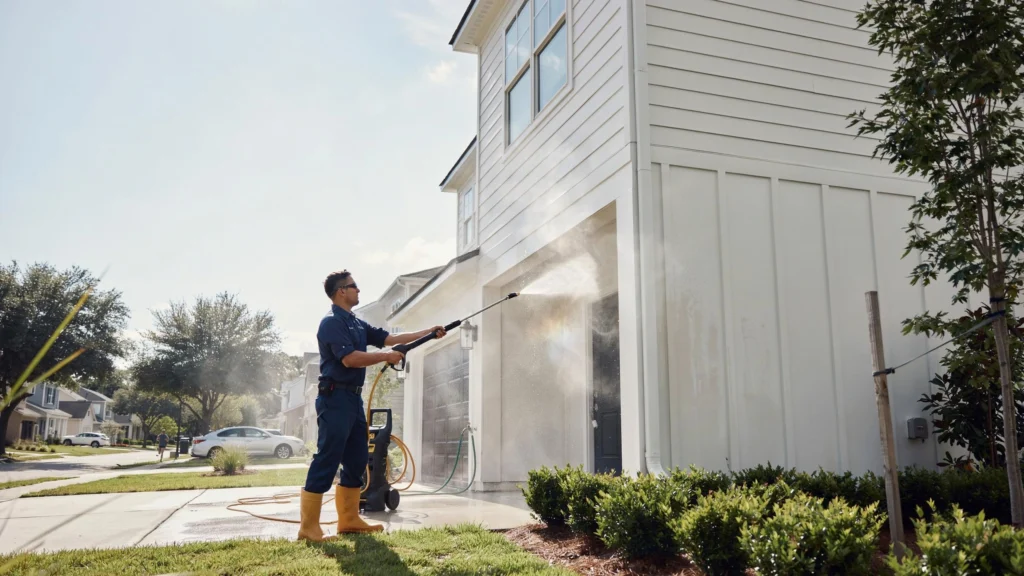
Regularly cleaning the exterior of your home is a basic yet very important part of home maintenance to keep it looking clean, protect building materials, and enhance curb appeal. It can remove layers of dirt, dust, grime, mold, mildew, algae, stains, and air pollution that cause discoloration on your home and make it look old and tired from the outdoors. But also many homeowners wonder: How do I wash the house? The appropriate approach depends on the type of materials used to build your home’s exterior, the nature of the dirt, and how much cleaning is needed. In general, a mixture of mild cleaning methods, appropriate detergents, and the right equipment will yield the safest and most effective results. Although pressure washing enables hard stains to be eliminated rapidly, soft washing is sometimes the better choice for more delicate surfaces. Understanding the Best Method of Washing a House New residential construction with vinyl siding, painted surfaces, stucco, or older materials should be cleaned by soft washing. At VJ Pressure Washing, our soft washing procedures involve cleaning with low pressure and warm water rather than high-pressure cleaning, and is therefore less likely to cause damage to your home. Pressure washing is high-pressure water cleaning that is used to break down difficult dirt. It performs well on solid surfaces like concrete, brick, some stones, as well as other strong surfaces. It should also be noted that too much pressure in delicate areas can result in cracks, paint damage, or water intrusion. A typical house wash involves the following: Examine the surface of the exterior shell Removing loose dust and debris that is loose Using a suitable cleaner solution Let the detergent degrade the stains Rinse with the water pressure under control Inspect for any spots that have been missed, and clean up one last time The correct method selection will help you to safely clean your home and bring out the best results. Soft Wash vs Pressure Wash House They’re each great tools, but made for different applications. Soft Washing Soft washing is a specialized cleaning service that applies organic-based cleaning solutions to effectively clean your exterior and remove organic stains and soils. The cleaning solution kills mold, mildew, algae, and bacteria rather than just removing them by force. Benefits of soft washing include: Safe for delicate siding materials Less chance to damage the surface Lasts longer Soft washing is generally advocated for the following surfaces: vinyl siding, wood siding, stucco, roof shingles, and painted surfaces. Since the detergent is still active on the surface after application, it is claimed that soft washing yields longer-lasting results. Pressure Washing Pressure washing cleans surfaces with a high-pressure stream or jet of water to remove dust, dirt, oil, and other types of soil or contaminants. If you are looking for professional house washing Tracy CA, VJ Pressure Washing delivers powerful results with benefits that include: Good value for money Heavy sediment is removed quickly Ideal for concrete and brick Good for driveways and patios Less chemical cleaning needed The pressure washer is ideal for: concrete walkways, driveways, brick walls, stone surfaces, and patios. Best House Washing Detergent Choosing the right house washing detergent is key to a clean and safe outcome. Various surfaces need to be cleaned using different chemicals. A quality exterior house detergent will clean dirt and stains well, be safe to use on siding, assist in the removal of mold and mildew, not harm plants or landscaping, and be easy to rinse out. 1. Exterior Cleaners that are Environmentally Friendly These exterior cleaners allow you to clean everyday dirt from surfaces without compromising the health of the environment. They can also be used for regular maintenance of your home. 2. Cleaners for Mold & Mildew Solutions Homes in humid regions get mold, algae, and mildew. Professional mold removal cleaners treat these problems and slow down regrowth. 3. Safe Detergents for Siding Vinyl and painted siding require gentle cleansers that can clean them effectively without causing any fading or damage. Please adhere to the instructions for use and test the cleaners on a small hidden area prior to application for the entire house. How to Clean Exterior Siding Siding is one of the most exposed areas of a house; regular cleaning will help prevent it from staining and weathering. Here’s how to clean siding effectively: Step 1: Inspect the Siding Look for cracks, loose or damaged siding panels, peeling paint, and open holes that might allow water in. After the repairs have been taken care of, you can go in and clean them up. Step 2: Get Rid of Loose Soil and Dirt Use a soft-bristled brush, a garden hose, or your fingers to get rid of surface dust, leaves, and other debris. That makes the cleaning solution work better. Step 3: Rinse off Thoroughly After the cleaner has had time to work, rinse the siding off with water. Don’t spray water overhead, as it may go behind the siding. Step 4: Inspect the Results Look for stains and spots that have not been completely removed, or if you think an area requires further attention. For long-lasting grime buildup, you might have to apply again. Conclusion Soft washing is the safest and most effective way to clean the exterior of most homes. Pressure washing continues to have a place for harder substances such as concrete and brick.When it comes to soft wash vs pressure wash house cleaning, the best house washing detergent, and how to clean exterior siding the right way, these tips can help keep your home looking beautiful and protected. Using the right products and methods will keep your home exterior vibrant and well kept for years. For expert help, contact us at VJ Pressure Washing today! FAQ What is the best method to wash the exterior of a house? Soft washing is the safest option for most homes. For harder surfaces like concrete and brick, pressure washing works better. What is the difference between soft washing and pressure washing?