Do People Power Wash Driveways?
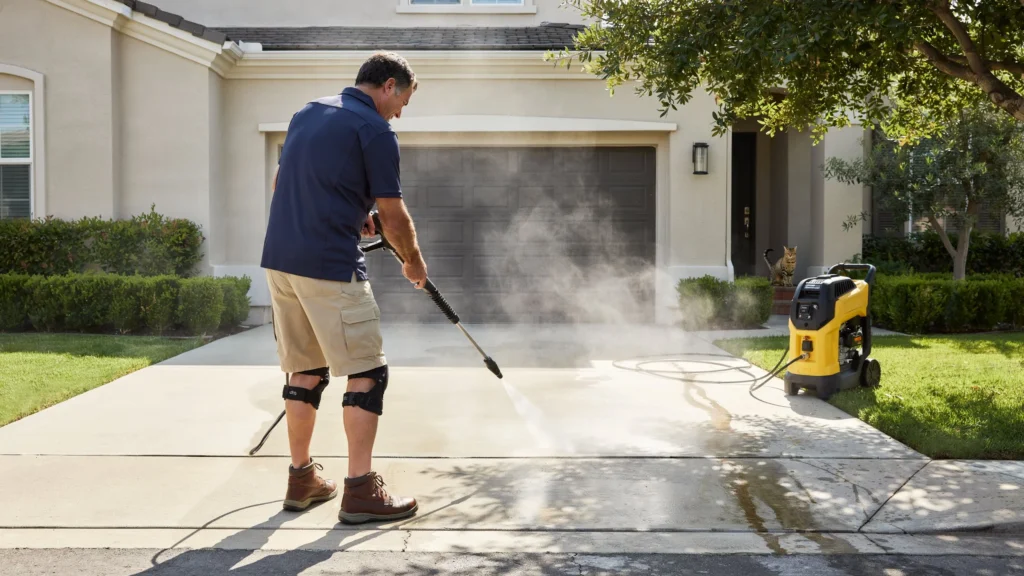
A driveway is one of the first elements of the home exterior that visitors see. Over time, dirt, oil stains, mud, tire marks, algae, mold, and all sorts of grime can accumulate on driveways, making the entire property look run-down and forgotten. “Do people power wash driveways?” Sure, do! Power washing is the best way to clean a driveway and remove tough stains that your traditional cleaning method won’t take care of. Power washing is becoming a popular service to have done in our homes; they clean deep in just minutes. A pressure washer emits a high-velocity jet of water to remove dirt, gunk, and deposits accumulated for years on concrete, asphalt, and brick driveways, making them look as if they are new. Do People Power Wash Driveways? Yes, they power wash their driveways routinely to maintain their cleanliness, hospitality, and good condition. Driveways also experience the endless force of nature and traffic, including weather, cars, running feet, and outdoor debris. Outdoor stains are a bane for many of us; rain, dust, oil drips, and even organic materials can cause tough stains that are difficult to remove once time has elapsed. These problems are preventable if you care for your driveway by cleaning and sealing it on a regular basis and you’re diligent about how you keep it looking. Surface dirt is easily removed by sweeping and rinsing with a garden hose, but they usually don’t have the power to lift deep stains and ingrained dirt. Power washing is a cleaning tool using a high-pressure water jet, which is much better at cleaning than normal cleaning. Power Washing a Driveway Professional cleaners at VJ Pressure Washing usually suggest power washing for: Concrete Driveways Brick Driveways Stone Driveways Paver Driveways Certain asphalt areas Overaggressive cleaning can harm the surface, and you need the right tools and technique Pressure Washing a Driveway Pressure washing a driveway is the use of a machine that uses highly pressurized water to clean dirt, stains, and other materials away from the driveway. Some power cleaners also employ warm water; this is particularly helpful to get rid of grease and oil. If you are looking for pressure washing concrete driveway Tracy CA, our team is ready to deliver outstanding results. The procedure is normally as follows: Cleaning of driveway surface Loosening dirt and debris from the surface Using a cleaning agent if necessary Applying a stain remover with a pressure washer Wash off any dirt and chemicals that are left Let the driveway dry, and the stains fade Depending on the state and type of driveway, the cleaning method may vary. Driveway Pressure Washing Driveway cleaning with pressure washing is simply water coming out of a small hole at the end of a wand at very high speed. The pressure dissolves dirt, grime, algae, and stains adhered to the surface. Several factors influence the efficacy of the pressure washing method: 1. Water Pressure Various surfaces need varying levels of pressure. Concrete needs to be washed with a much stronger pressure, while thin or crumbling surfaces must be washed with a much milder pressure. 2. Cleaning Solutions Certain stains, for example oil and grease, require specialized cleaning agents before pressure washing. Cleaning agents degrade or alter the physical properties of stubborn materials, making matter easier to remove. 3. Quality of Equipment High-quality professional equipment can be more effective than small domestic ones as it ensures even pressure and coverage throughout. Benefits of Power Washing a Driveway Advantages of power washing a driveway: If you are wondering why you should add power washing the driveway to your maintenance to-do list, then here are some things that will convince you. 1. Enhances Your Home’s Curb Appeal A grimy driveway can make even a stunning home look worn and drab. Power washing removes stains and sheds dust and dirt, making it so the driveway clean and bright. Clearing the driveway also projects a good image to visitors, neighbors, and anyone who might be interested in buying your home. 2. Eradicates Stubborn Stains Oil drips, vehicle fluids, dirt buildup, mold and algae, tire marks, and even rust are just some of the unsightly things that can appear on your driveway. Oil leaks Vehicle fluids Dirt buildup Mold and algae Tire marks Rust Many of these stains can be washed away, and power washing can do just that! It will remove stains on the surface that cannot be washed away – and make your surface look like new again. 3. Prevent Damage Soil, algae, and even organics can destroy the layers of driveway materials from within. The moisture moss or algae holds could also contribute to surface degradation with time. Washing frequently keeps the driveway clean and safe from expensive repair works. 4. Raise Property Value Cleanliness, order, and control outside your home can also bring your home a long way. A neat and clean driveway helps to improve the curb appeal of your home and attracts more home buyers. 5. Time and Work Saving Cleaning a driveway by hand can take days and still not yield great results. A pressure washer can do a better job in less time. 6. Results in a Safer Surface Algae and moss can cause driveways to become slippery, particularly when rain comes into the picture. Eliminating these growths also leaves a cleaner and safer space to walk. How Often Should You Power Wash Your Driveway? Many homeowners ask, “How often do I need to power wash my driveway?” The answer depends on a number of things, like the weather, driveway surface, and how busy your driveway is. Generally speaking, power washing most driveways should be: Just once a year for routine maintenance needs. Twice a Year in Regions with High Dirt, Moisture and Pollution Levels Before selling a house Before application of a sealant You may require more cleanings if your driveway has: Heavy vehicle traffic Oil stains Trees growing nearby High moisture Surface mold or algae growth Frequent cleaning can prevent stains from becoming