
Can Pressure Washing Remove Graffiti?
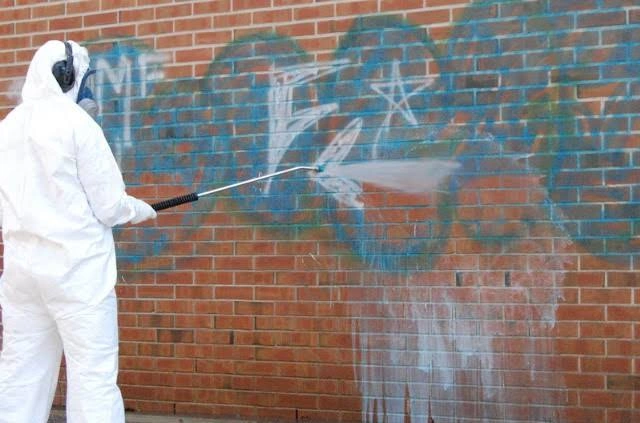
Graffiti can make an otherwise clean property look neglected in a short amount of time. Whether it appears on a concrete wall, brick building, sidewalk, storefront, or another exterior surface, removing it quickly can help restore the property’s appearance. But can pressure washing remove graffiti? Yes, pressure washing can help remove graffiti, but it does not work the same way on every surface or every type of paint. In many situations, pressure washing is most effective when it is combined with an appropriate graffiti remover and a cleaning method suited to the material underneath. The goal should not simply be to use the highest pressure possible. The goal is to remove the paint while preserving the original surface.This matters because graffiti can penetrate porous materials such as brick and concrete. At the same time, excessive pressure can wear, etch, or otherwise damage the surface being cleaned. Can Pressure Washing Remove Graffiti? Pressure washing can remove many types of graffiti, particularly from durable exterior surfaces. However, pressure washing alone is not always enough. If spray paint is sitting on a dense, relatively smooth surface, controlled pressure may remove much of the paint. On porous concrete or brick, however, paint can work its way into small openings in the material. Removing only the visible surface layer may leave behind a faint outline or “ghost” of the original graffiti. This is why effective graffiti removal often involves more than simply pointing a pressure washer at the painted area. A professional may first evaluate the surface and graffiti, select an appropriate cleaning product, allow it to work on the paint, and then rinse the loosened material using controlled pressure. The exact process depends on the substrate and condition of the graffiti. Why Pressure Washing Does Not Always Remove Graffiti Completely Graffiti is not a single type of stain. Spray paints and markers can contain different binders, pigments, and other materials, and they can behave differently once they contact an exterior surface. The surface underneath matters just as much. Concrete and brick, for example, are porous. Paint can enter the small spaces within these materials instead of remaining entirely on top. This makes complete removal more difficult than cleaning paint from a smooth, nonporous surface. Pressure alone may remove the visible layer without removing the pigment that has penetrated deeper. That is one reason professional pressure washing graffiti work often focuses on controlled cleaning rather than maximum pressure. A suitable remover can help loosen the paint, while pressure washing can then be used to rinse away the material that has been released. In some cases, more than one treatment may be necessary, especially when the graffiti is old or heavily layered. How the Surface Affects Graffiti Removal The same graffiti can require different cleaning methods depending on where it appears. Concrete Concrete can be a challenging surface because it is porous. Fresh graffiti may respond well to an appropriate cleaning treatment followed by controlled pressure washing, while older paint may require additional treatment. The objective is to remove the graffiti without unnecessarily wearing away the concrete surface. Brick Brick requires particular care because its surface and mortar can be vulnerable to aggressive cleaning. High pressure can damage softer or older brick, and excessive cleaning can change the appearance of the masonry. For this reason, testing a small area and starting with the least aggressive suitable method is important. Government guidance for historic masonry similarly recommends using the lowest pressure needed and checking the substrate for damage. Painted Surfaces Painted walls create another challenge. Removing graffiti may also remove the original paint underneath it. In some situations, carefully selected cleaning may work. In others, repainting the affected area may produce a better visual result than repeatedly trying to remove every trace of graffiti. Metal and Other Smooth Surfaces Smooth, nonporous surfaces can sometimes be easier to clean because the graffiti has less opportunity to penetrate the material. However, coatings, finishes, and delicate surfaces can still be damaged by aggressive pressure or unsuitable chemicals. There is no single pressure setting or cleaning product that is appropriate for every property. Does Fresh Graffiti Come Off More Easily? Generally, addressing graffiti sooner can make the removal process easier. Fresh graffiti has had less time to bond with and penetrate the underlying material. Guidance from the U.S. General Services Administration notes that graffiti is most easily removed when it is freshly applied, making timely removal important. That does not mean older graffiti cannot be removed. It simply means that an older tag may require more careful treatment, additional applications, or a different removal technique depending on the surface. For a business or property manager, this is one reason it can be useful to address graffiti as soon as it is discovered rather than allowing it to remain on the property for weeks. Can Pressure Washing Damage the Surface? Yes. Pressure washing can damage a surface when the pressure, nozzle, distance, temperature, or cleaning product is inappropriate for the material. For example, aggressive cleaning on brick can damage the brick face or mortar. On concrete, excessive cleaning can alter the surface texture or appearance. Painted surfaces may lose their original coating. The mistake is assuming that stronger pressure automatically produces better graffiti cleaning. It does not. The correct approach is to use enough cleaning power to remove the graffiti while minimizing unnecessary impact on the underlying material. The GSA recommends using the lowest possible pressure that achieves the cleaning result and checking the substrate for damage. A small test area can also help determine how the surface responds before the entire wall is treated. What Is the Right Way to Pressure Wash Graffiti? A practical graffiti removal process usually starts with inspection rather than the pressure washer. First, identify the surface. Determine whether it is concrete, brick, painted masonry, metal, stucco, or another material. Next, examine the graffiti itself. Consider whether it appears to be spray paint, marker, or another material and whether it is fresh or heavily weathered. The