What is Soft Washing? Understanding the Hidden Gem
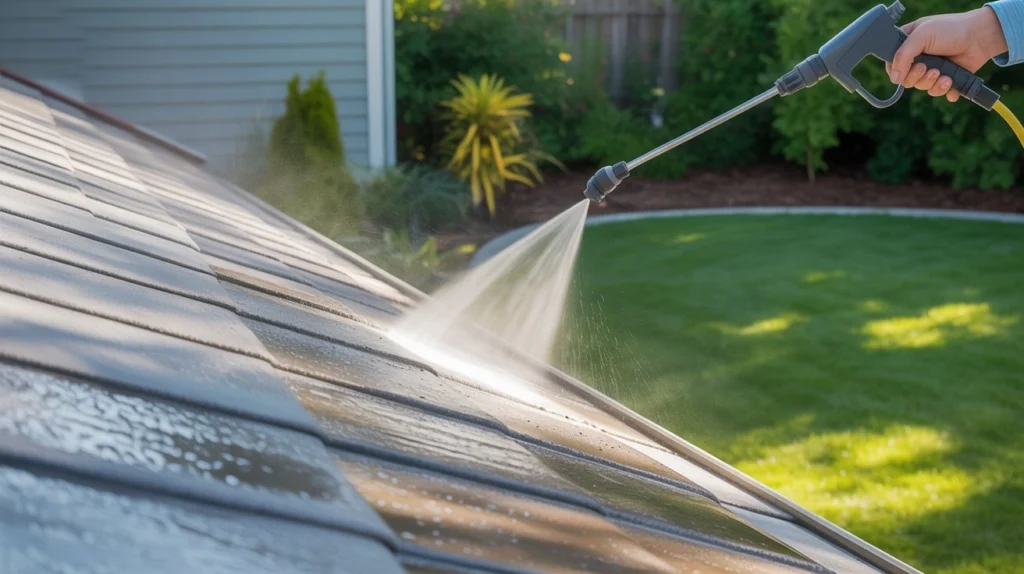
Your home’s exterior collects dirt, mold, algae, and grime over time. Regular garden hoses do not cut it. And plain pressure washing can crack siding, strip paint, or damage roof shingles. There is a better way to clean the outside of your home without causing harm. What is soft washing? It is a low-pressure cleaning method that uses water mixed with cleaning solutions to safely remove biological growth and stains from exterior surfaces. It cleans deeper than a hose and gentler than a pressure washer. What Is Soft Washing? Soft washing uses water pressure below 500 PSI far lower than a standard pressure washer, which runs between 1,500 and 4,000 PSI. The real work is done by the cleaning solution, not the water force. The solution typically contains: A surfactant (helps the solution cling to surfaces) Sodium hypochlorite (kills mold, algae, bacteria, and mildew at the root) Water (to dilute and rinse) This mix is applied to the surface, left to dwell for several minutes, and then rinsed off with low-pressure water. The result is a deep, lasting clean without physical damage to the surface. If you need soft exterior house washing Tracy CA, VJ Pressure Washing uses professional-grade solutions and equipment built for residential surfaces of all types. The Science Behind Soft Washing Understanding the science behind soft washing helps explain why it works so well. Mold, algae, mildew, and lichen are living organisms. They attach to surfaces and reproduce. Pressure washing blasts them off physically, but it does not kill the spores. Those spores stay behind and regrow within weeks. Soft washing uses sodium hypochlorite (similar to bleach but applied in controlled concentrations) to kill these organisms at the cellular level. When the solution contacts algae or mold, it breaks down the cell membrane. The organism dies completely. It cannot regrow from dead cells. This is why soft-washed surfaces stay clean longer. Pressure-washed surfaces often look dirty again in 30 to 60 days. Soft-washed surfaces typically stay clean for 1 to 3 years. The surfactant also plays a key role. It acts like dish soap. It reduces surface tension so the solution spreads evenly and penetrates into pores and cracks where organisms hide. Soft Washing vs. Pressure Washing People often use these terms as if they mean the same thing. They do not. Here is a clear breakdown: Feature Soft Washing Pressure Washing Water Pressure Under 500 PSI 1,500 – 4,000 PSI Cleaning Agent Yes (chemical solution) Sometimes Best For Roofs, siding, wood, painted surfaces Concrete, driveways, patios Risk of Damage Very low Higher on delicate surfaces How Long Results Last 1 – 3 years A few months Use soft washing for: Roof shingles Vinyl, wood, or fiber cement siding Painted surfaces Fences and decks (with care) Stucco and EIFS (synthetic stucco) Use pressure washing for: Concrete driveways and sidewalks Brick pavers Garage floors Unsealed stone surfaces Many professionals use both methods on the same property. The approach depends entirely on the surface. Benefits of Soft Washing There are real, practical reasons why soft washing has become the preferred method for exterior home cleaning. It protects your surfaces. High pressure can crack mortar, chip paint, lift shingles, and force water under siding. Low-pressure soft washing eliminates that risk entirely. It kills what causes the staining. Algae, mold, and mildew are the main causes of dark streaks, green patches, and black discoloration on home exteriors. Soft washing kills them instead of just moving them around. Results last much longer. Because the organisms are dead, not just dislodged, they cannot grow back immediately. Most homeowners see clean surfaces for 1 to 3 years after a single soft wash. It is safer for landscaping. Runoff from soft washing is diluted and manageable. A professional will also pre-wet your plants and rinse them after to prevent any solution from sitting on leaves. It extends the life of your home’s exterior. Mold and algae are not just cosmetic problems. Over time, they break down roofing materials, wood, and siding. Removing them regularly extends the life of those surfaces and saves you money on repairs. Common Problems Soft Washing Removes Soft washing handles a wide range of exterior problems that pressure washing often cannot fully address: Algae (Gloeocapsa Magma): The most common cause of black streaks on roofs. This blue-green algae spreads through airborne spores. Soft washing kills it completely. Mold and mildew: Common on shaded or north-facing surfaces. They appear as green, gray, or black patches. The cleaning solution kills them at the root. Lichen: A tough combination of fungus and algae that bonds tightly to surfaces. It is very difficult to remove with pressure alone. Chemical treatment breaks the bond. Moss: Often found on older roofs and shaded decks. Moss holds moisture, which accelerates deterioration. Soft washing removes and kills it. Dirt and pollution staining: Traffic exhaust, dust, and airborne particles settle on siding over time. The surfactant in soft wash solutions lifts this type of grime effectively. Oxidation on vinyl siding: The dull, chalky look on older vinyl often responds well to soft washing with the right cleaning agents. What Is Soft Washing a House? (How the Process Works) If you are wondering what is softwashing a house step by step, here is exactly how it goes: Pre-inspection: The technician checks the surface type, staining level, and any areas that need extra care. Plant and surface protection: Nearby plants, outdoor furniture, and fixtures get rinsed or covered as needed. Solution application: The soft wash mix is applied using low-pressure spray equipment, starting from the bottom and working up to avoid streaking. Dwell time: The solution sits on the surface for 5 to 15 minutes. This is when it does most of its work. Rinse: A low-pressure rinse removes the solution and dead biological matter from the surface. Post-rinse of plants: Any nearby plants are rinsed again to wash away any runoff. The full process for an average home takes 2 to 4 hours. DIY Soft Washing vs. Hiring a Professional