

The Best Roof Cleaning Methods
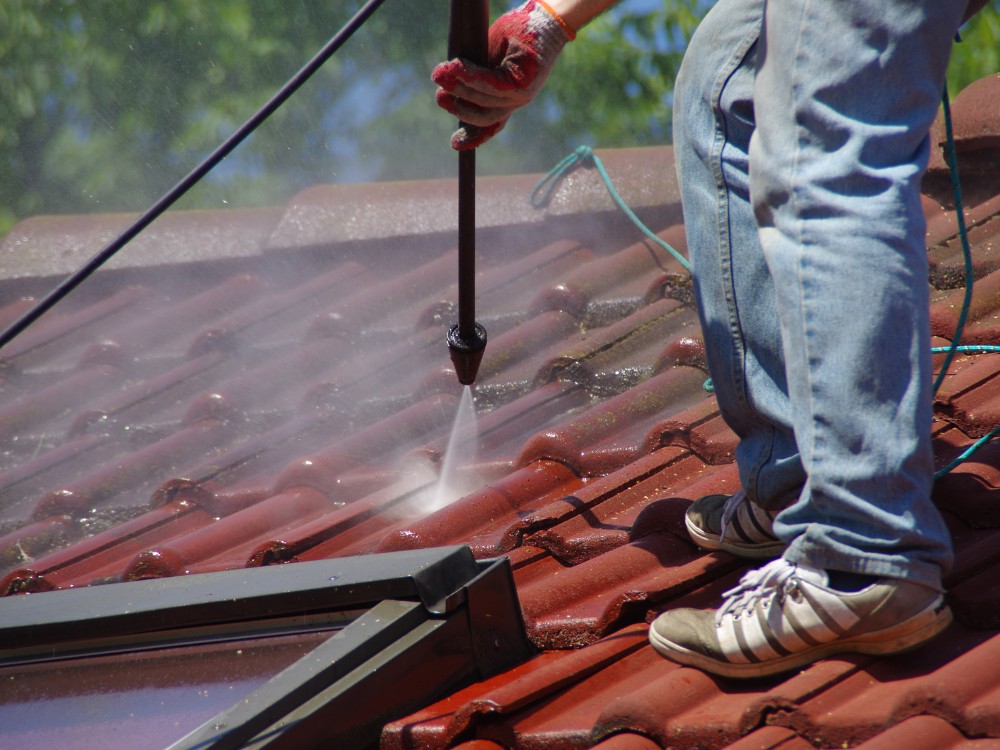
A dirty roof is more than just an eyesore. It can trap moisture, damage shingles, and shorten the life of your home. Algae, moss, and debris slowly break down roofing materials if left untreated. Cleaning your roof the right way protects your investment and keeps your home looking fresh. If you want safe and long-lasting results, understanding The Best Roof Cleaning Methods is key. The right method depends on your roof type, condition, and environment. Why Regular Roof Cleaning Matters Your roof takes constant exposure from sun, rain, and wind. Over time, dirt and organic growth build up and cause damage. Regular cleaning helps you: Extend the life of your roof Prevent costly repairs Improve curb appeal Maintain property value Moss and algae trap moisture. This leads to rot and weak shingles. A clean roof drains water properly and stays strong longer. Common Types of Roof Contaminants Algae Black streaks on roofs come from algae. It feeds on moisture and spreads fast, especially in humid areas. Over time, it can cover large sections of the roof and make it look old and dirty. Algae also reduces your roof’s ability to reflect sunlight, which can increase indoor heat. Moss Moss grows in damp and shaded areas. It holds water like a sponge and keeps the roof surface wet for long periods. This constant moisture can lift shingles and let water seep underneath. If not removed early, moss can cause serious structural damage. Lichen Lichen is tougher than moss and harder to remove. It forms a strong bond with the roof surface and spreads slowly over time. Lichen can create small pits in shingles, weakening them and making your roof more prone to cracks and leaks. Dirt and Debris Leaves, dust, and branches collect on roofs over time. This buildup blocks proper water drainage and can clog gutters. When debris stays on the roof for too long, it traps moisture and creates the perfect place for algae and moss to grow. Mold and Mildew Mold and mildew grow in wet and shaded areas of the roof. They can spread quickly if ignored and may damage roofing materials. In some cases, they can also affect air quality inside your home, especially if moisture seeps into the attic. The Best Roof Cleaning Methods Choosing the right method depends on your roof type and condition. Let’s break down The Best Roof Cleaning Methods used by professionals. Soft Washing Soft washing is the safest and most effective method for most roofs. It uses low-pressure water mixed with cleaning solutions. Kills algae, mold, and bacteria Prevents regrowth Safe for shingles and tiles This method works best for asphalt shingles and delicate surfaces. Many homeowners prefer it when comparing soft washing vs pressure washing roof options. If you are looking for expert-level results, companies like VJ Pressure Washing use this method for long-lasting cleaning. Pressure Washing Pressure washing uses high-pressure water to remove dirt and stains. Works well on metal or concrete roofs Removes heavy buildup quickly But it comes with risks. Too much pressure can damage shingles or remove protective layers. That is why this method should only be used when suitable. Chemical Cleaning This method uses cleaning solutions to break down algae and stains. Effective for deep cleaning Reaches hidden areas The key is using the right mixture. Harsh chemicals can harm your roof or plants. Professionals balance strength and safety. Manual Cleaning Manual cleaning involves brushing or scraping debris. Ideal for small areas Useful for removing moss It requires time and care. It is often combined with other roof cleaning techniques for better results. Roof Cleaning Tracy Services If you want reliable results without risk, consider roof cleaning tracy solutions offered by experts. They combine modern tools with proven methods to protect your roof while delivering a deep clean. DIY vs Professional Roof Cleaning Many homeowners ask if they should clean their roof themselves. DIY Cleaning DIY can save money, but it has limits. Risk of injury from heights Lack of proper tools Possible roof damage You also need to know how to clean a roof safely before starting. Professional Roof Cleaning Services Hiring professional roof cleaning services offers clear benefits: Proper equipment and experience Safe and effective methods Long-lasting results Professionals understand roof types and choose the right method. This reduces risk and improves results. Safety Tips for Roof Cleaning Roof cleaning involves real risks. Safety should always come first. Here are simple tips to follow: Use a stable ladder Wear non-slip shoes Avoid working in wet conditions Use safety harnesses if needed Protect plants and surroundings Learning how to clean a roof safely can prevent accidents and costly mistakes. How Often Should You Clean Your Roof? Cleaning frequency depends on your environment. Every 1–2 years in humid areas Every 2–3 years in dry climates More often if trees are nearby If you notice black streaks or moss, it is time to act. Regular cleaning keeps problems small and manageable. Choosing the Right Roof Cleaning Method Not all roofs are the same. Choosing the wrong method can cause damage. Consider these factors: Roof Material Asphalt shingles need gentle cleaning. Metal roofs can handle more pressure. Level of Dirt Light dirt may only need soft washing. Heavy buildup may need deeper cleaning. Budget DIY is cheaper upfront, but mistakes can cost more later. Long-Term Care Some methods last longer than others. Soft washing often provides extended results. Understanding soft washing vs pressure washing roof options helps you make the best choice. Eco-Friendly Roof Cleaning Options Many homeowners now prefer eco-friendly cleaning methods. These options reduce harm to the environment: Biodegradable cleaning solutions Low-water cleaning systems Plant-safe chemicals Eco-friendly methods are safe for your home, family, and surroundings. They also align with modern home care practices. Common Mistakes to Avoid Avoiding mistakes can save you time and money. Here are common errors: Using too much pressure Ignoring safety precautions Using harsh chemicals Skipping regular cleaning Choosing the wrong method These mistakes can damage your roof
How Solar Panel Guards Protect and Benefit Your Panels
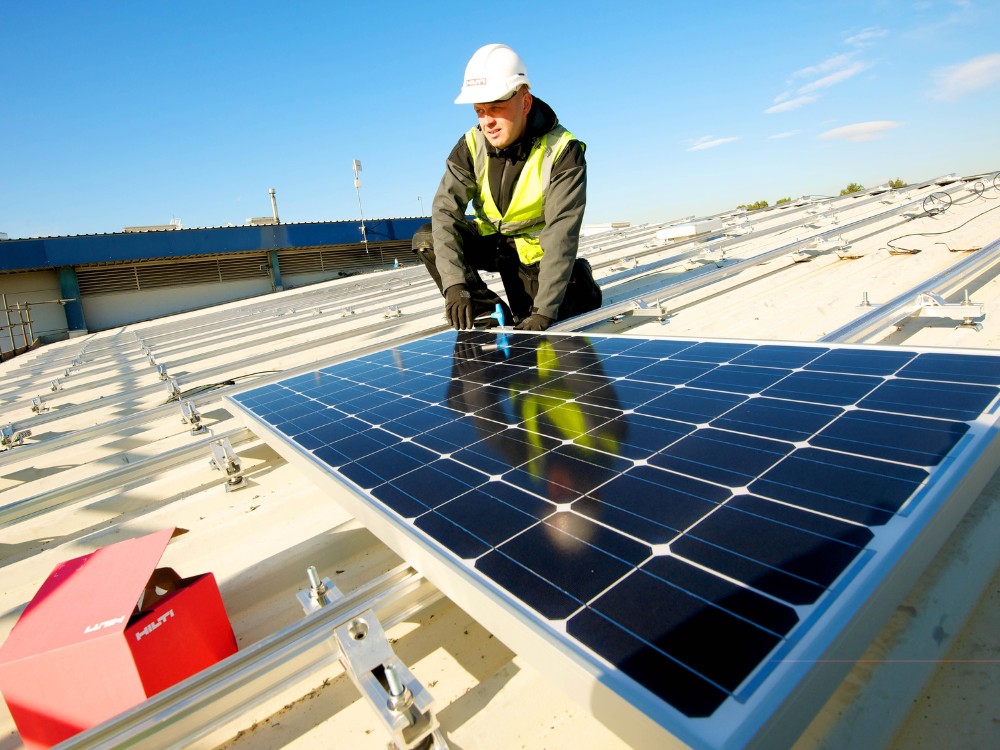
How Solar Panel Guards Protect and Benefit Your Panels Solar panels are a valuable investment in renewable energy, helping homeowners and businesses save on electricity bills while reducing their carbon footprint. However, to keep them working well and lasting longer, they need proper care. One effective way to protect solar panels is by using solar panel guards. This article explains how solar panel guards work, their benefits, and why they are important for keeping your solar energy system in good shape. What Are Solar Panel Guards? Solar panel guards are protective covers or screens placed around solar panels to protect them from various hazards. These guards help prevent damage from physical impacts, weather conditions, and biological growths that could affect the efficiency and durability of solar panels. Solar panel guards come in different forms, such as mesh screens, solid shields, or custom-fit covers. They are usually made from strong materials like aluminum, stainless steel, or durable plastics that can handle tough weather and provide long-lasting protection. How Solar Panel Guards Work Solar panel guards work by creating a barrier around the panels to prevent or reduce damage. Here’s how they provide protection: 1. Protection from Physical Impacts Solar panels are exposed to various physical impacts, such as falling branches, hail, and debris carried by strong winds. These impacts can cause cracks or other damage, reducing the panels’ efficiency and leading to costly repairs. Solar panel guards act as a shield against these impacts. By covering the panels with a protective layer, they absorb and deflect the force of falling objects, lowering the risk of damage. This helps keep the panels intact and ensures they continue to work efficiently 2. Shielding from Harsh Weather Conditions Extreme weather, like heavy rain, snow, and strong winds, can negatively affect solar panels. Rain and snow can lead to dirt, debris, and growths like algae and moss, which block sunlight and reduce the panels’ efficiency. Strong winds can also carry debris that might scratch or damage the panels. Solar panel guards help solve these problems by keeping the panels clean and free from debris. They provide a barrier that stops dirt and growths from building up on the panels, helping them receive the most sunlight and stay efficient, even in bad weather. 3. Preventing Biological Growth Growths like algae, moss, and lichen can thrive on solar panels, especially in damp or shaded areas. These growths not only block sunlight but can also damage the panel’s surface. Over time, this can significantly reduce the panel’s energy output and lifespan. Solar panel guards help prevent biological growth by stopping organic materials from accumulating. With a guard in place, the chance of moss and algae growing on the panels is greatly reduced, keeping the surface clean and functional. 4. Reducing the Risk of Wildlife Damage Birds and small animals can sometimes damage solar panels. Birds may peck at the panels or nest underneath them, while rodents might chew on wires or insulation. This can lead to problems and safety issues. Solar panel guards can also help with this by covering the panels and creating a barrier that keeps animals away. This helps protect the system from potential damage caused by wildlife. Benefits of Solar Panel Guards Installing solar panel guards offers several important benefits: 1. Increased Durability One of the main benefits of solar panel guards is increased durability. By protecting the panels from physical damage, weather problems, and biological growths, guards help extend the life of your solar energy system. This means fewer repairs and replacements, saving you money over time. 2. Enhanced Efficiency The efficiency of solar panels depends on how much sunlight they can absorb. Any damage or blockage can reduce their ability to capture and convert sunlight into energy. Solar panel guards help keep the panels clean and free from debris, so they can perform at their best. 3. Cost Savings While there is an initial cost for installing solar panel guards, the long-term savings can be significant. By preventing damage and reducing maintenance needs, guards help you avoid expensive repairs and replacements. Keeping your panels in good condition also means they operate efficiently, leading to more energy savings. 4. Improved Appearance Solar panel guards can also make your solar energy system look better. By providing a clean and uniform look, guards help your panels blend in with the rest of your roof or building. This can be important if you are concerned about how the panels look on your property. 5. Peace of Mind Knowing that your solar panels are protected gives you peace of mind. With solar panel guards in place, you can be confident that your investment is safe from common issues like physical damage, weather problems, and biological growths. This allows you to enjoy the benefits of solar energy without worrying about potential problems. Conclusion Solar panel guards are important for protecting and benefiting your solar energy system. They shield your panels from physical damage, harsh weather, biological growths, and wildlife, helping your panels stay in excellent condition and work efficiently. With benefits like increased durability, enhanced efficiency, cost savings, improved appearance, and peace of mind, solar panel guards are a smart investment. When choosing guards, consider factors like material durability, fit, and ease of installation to find the best option for your needs.
