

How to Pressure Wash a House (Step-by-Step Guide)
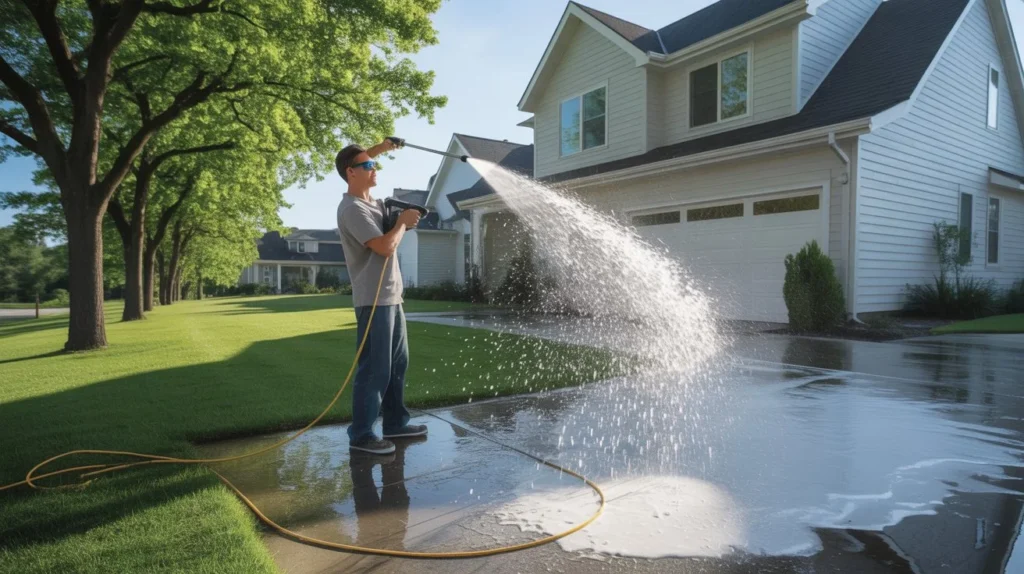
A clean home exterior protects your siding and improves curb appeal. Dirt, mold, algae, and dust build up over time. If left alone, they stain surfaces and slowly damage paint or siding. A proper wash removes these layers and helps your home last longer. If you want to know how to pressure wash a house, the key is simple: use the right pressure, the right cleaner, and the right technique. This guide explains each step so beginners can safely clean their home without causing damage. Why Pressure Washing Your House Matters Exterior walls face rain, dust, and pollution every day. These build up and trap moisture. That leads to mildew, stains, and wood rot. Regular pressure cleaning house surfaces helps prevent these issues. It also prepares walls for painting and keeps the home looking fresh. Benefits include: Removes mold, mildew, and algae Improves curb appeal Protects siding and paint Prepares surfaces before repainting Helps your home look well maintained Many homeowners use power washing house siding once a year to prevent buildup. Tools and Materials Needed Before you start, gather the right tools. Good preparation saves time and prevents mistakes. Basic equipment: Pressure washer (electric or gas) Garden hose with water supply Pressure washer detergent Spray nozzles (25° and 40° are best for siding) Extension wand for higher areas Bucket and brush for stubborn stains Safety gear: Safety glasses Gloves Non-slip shoes Electric machines work well for most homes. Gas units offer stronger pressure for large houses or brick surfaces. Safety Precautions Pressure washers are powerful tools. If used the wrong way, they can damage siding or cause injury. At VJ Pressure Washing, we always stress using the correct pressure, proper equipment, and safe techniques to protect both the home and the person doing the cleaning. Follow these simple rules: 1. Protect yourself Wear protective gloves and safety glasses before you start. A pressure washer sprays water with strong force. Small dirt particles, paint chips, or debris can bounce back toward you. Proper protection helps prevent eye injuries and keeps your hands safe while cleaning. 2. Keep distance Keep the spray nozzle about 2 to 3 feet away from the wall while cleaning. This distance helps control the pressure and prevents damage to siding, paint, or wood surfaces. Standing too close can strip paint or force water behind the siding. 3. Use the right nozzle Use a 25° or 40° spray nozzle when cleaning most types of siding. These nozzles spread the water pressure over a wider area, making the cleaning safer and more controlled. Narrow spray tips focus the pressure into a small stream, which can damage siding, strip paint, or leave marks on the surface. 4. Avoid sensitive areas Avoid spraying water directly at windows, vents, light fixtures, or electrical outlets. High pressure water can force moisture into these areas, which may cause damage or create electrical risks. Always keep the spray slightly angled away from these parts of the house. 5. Watch the ladder If you need to use a ladder, make sure both feet are firmly placed and balanced before you begin spraying. Keep your body steady at all times. Never spray the pressure washer while you are off balance, as the strong water force can cause you to lose stability and fall. Safety comes first when pressure washing your house. Prepare the Area Good prep makes the cleaning process faster and safer. Start by clearing the space around your home. Move patio furniture Remove decorations Park cars away from the wall Trim plants near siding Cover plants with plastic sheets. Cleaning solutions can harm leaves.Seal outdoor outlets and lights with plastic and tape. Also close all windows and doors. If you prefer professional help, many homeowners hire a residential pressure washing service fremont ca like VJ Pressure Washing to handle the prep and cleaning.Preparation also helps when power washing house siding because dirt often collects near plants and corners. Prepare the Pressure Washer Next, set up the machine correctly. Connect the garden hose to the pressure washer. Attach the high-pressure hose to the spray gun. Insert the correct spray nozzle. Turn on the water supply first. Start the pressure washer. Always test the spray on a hidden part of the house first. This helps you check the pressure level. Learning how to pressure wash a house safely starts with a small test area.If the siding looks safe after spraying, you can move forward. Apply Cleaning Solution Most dirt and algae need a cleaning solution to break down stains. Fill the detergent tank with a pressure washer soap designed for siding. Follow these steps: Switch to the low-pressure soap nozzle. Spray the cleaner from bottom to top. Cover one section at a time. Let the solution sit for about 5 to 10 minutes. Do not let the soap dry. If it dries, it can leave streaks.This step is important when power washing house siding because soap loosens grime before rinsing. Wash the House Once the detergent has worked on the surface, you can begin washing the house. Switch to a wider spray nozzle and start rinsing from the top of the wall. Move slowly downward so the dirty water flows away from areas already cleaned. Keep the spray wand moving in smooth horizontal motions. This prevents streaks and uneven marks on the siding. Maintain a steady distance from the wall while spraying. Standing too close can damage siding or strip paint. Work in small sections around the house. This method keeps the cleaning process organized and prevents detergent from drying before rinsing. Using steady motion and controlled pressure is the key when pressure washing your house. Special Tips for Different Siding Types Not all siding handles pressure the same way. Vinyl Siding Vinyl siding is common and fairly easy to clean. Use moderate pressure and keep the nozzle about 2 feet away from the surface. Do not spray upward under the panels because water can get trapped behind them. Wood Siding Wood siding needs extra