
Can I Pressure Wash Roof Tiles? (Complete Safety & Cleaning Guide)
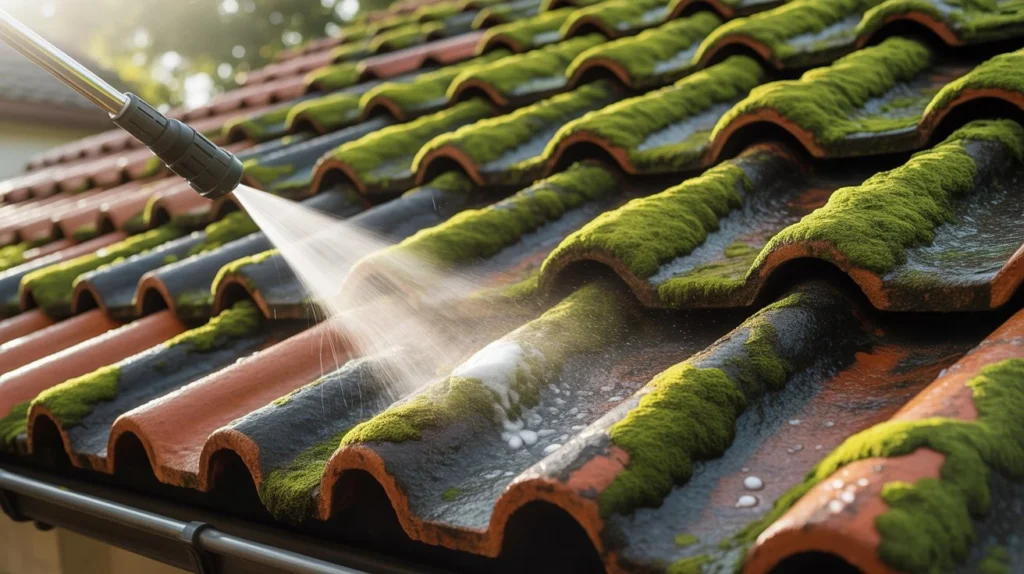
Roof tiles protect your home from rain, heat, wind, and debris. Over time, they collect dirt, moss, algae, and lichen that can make a roof look old and neglected. Many homeowners think a pressure washer is the fastest way to restore a clean appearance. While it can remove stains quickly, it is not always the safest choice for every roof. So, Can I Pressure Wash Roof Tiles? The short answer is yes, but only in certain situations and with the right technique. Using too much pressure can damage tiles, remove protective coatings, and even create leaks. Understanding the risks and safer alternatives can help you make the right decision. Why Roof Tile Cleaning Matters A dirty roof is not just a cosmetic issue. Moss, algae, and debris can hold moisture against the surface of the tiles. Over time, this moisture may weaken roofing materials and shorten the life of the roof. Regular cleaning helps: Improve curb appeal Prevent moss and algae growth Extend roof lifespan Reduce moisture-related damage Support proper drainage A clean roof also allows homeowners to spot damaged areas before they become expensive repairs. What Are Roof Tiles Made Of? Different roof tiles react differently to cleaning methods. Before considering pressure washing roof tiles, it is important to know what material covers your roof. Concrete Roof Tiles Concrete tiles are strong and durable. They can handle more cleaning pressure than many other materials. Even so, excessive force can remove protective coatings and wear down the surface. Clay Roof Tiles Clay tiles are attractive and long-lasting. They are also more brittle than concrete. High-pressure cleaning can crack or chip them. Slate Roof Tiles Slate is a natural stone product. While durable, slate can break if handled incorrectly. Professional cleaning methods are usually recommended. Composite Roof Tiles Composite tiles are manufactured from blended materials. Their cleaning requirements vary by manufacturer. Always check manufacturer recommendations before cleaning. Can You Pressure Wash Roof Tiles? Many homeowners ask, “Can I Pressure Wash Roof Tiles?” because they want a quick and affordable solution. Pressure washing roof tiles can remove dirt, algae, moss, and stains. In some cases, it may be appropriate for certain concrete roofs in good condition. However, high pressure often causes more problems than it solves. Professional roof cleaners rarely rely on extreme pressure. Most prefer low-pressure methods combined with specialized cleaning solutions. These approaches clean effectively while reducing the risk of damage. The answer depends on: Tile material Roof age Existing roof condition Amount of moss or algae growth Pressure settings used Risks of Pressure Washing Roof Tiles Understanding the risks helps explain why many roofing experts avoid high-pressure cleaning. Tile Cracking and Breakage Roof tiles are designed to protect against weather, not direct high-pressure water streams. A strong spray can crack, chip, or loosen tiles. Loss of Protective Coatings Many tiles have protective finishes that help repel water and resist UV damage. Pressure cleaning roof tiles can strip away these coatings. Water Intrusion Water forced beneath tiles can enter the roofing system. This can lead to leaks, mold growth, and structural damage. Reduced Roof Lifespan Repeated high pressure clean roof tiles treatments can wear down surfaces and shorten the life of roofing materials. Safety Risks Working on a roof while handling pressure washing equipment increases the chance of slips and falls. Signs Your Roof Tiles Need Cleaning Not every dirty roof requires aggressive cleaning. Watch for these signs: Moss Growth Moss traps moisture on roof tiles and keeps them damp for long periods. Over time, this can weaken roofing materials, encourage further growth, and shorten the life of your roof. Black Algae Streaks Black streaks are usually caused by algae growth. They spread across roof surfaces, make the roof look dirty, and can become harder to remove if ignored. Lichen Buildup Lichen attaches tightly to roof tiles and can be difficult to remove. As it grows, it may gradually wear down the tile surface and affect your roof’s appearance. Dirt Accumulation Dust, leaves, and debris can build up over time and make the roof look older than it is. This buildup can also create conditions that support moss and algae growth. Drainage Problems Debris on the roof can block water flow and prevent proper drainage. This may lead to standing water, moisture issues, and potential roof damage if not addressed. What Is the Safest Way to Clean Roof Tiles? For most roofs, soft washing provides the safest solution. Soft Washing Soft washing uses low-pressure water combined with cleaning solutions designed to kill algae, moss, and lichen. Benefits include: Reduced risk of tile damage Longer-lasting results Better treatment of biological growth Improved roof appearance Manual Moss Removal Professionals often remove thick moss by hand before any washing begins. This helps prevent damage to roof tiles. It also stops large moss clumps from spreading spores during cleaning. Low-Pressure Rinsing Low-pressure rinsing is used to gently wash away loose dirt and remaining debris. It cleans the surface without forcing water under the tiles, which helps protect the roof structure. Professional Roof Cleaning Experienced roof cleaners know how different tile types react to moisture and cleaning solutions. They adjust their methods based on roof condition, which reduces risk and improves long-term results. Pressure Washing vs. Soft Washing Roof Tiles Both methods clean roofs, but they produce different results. Pressure Washing Advantages: Fast dirt removal Immediate visual improvement Disadvantages: Higher risk of damage Potential water intrusion Removal of protective coatings Soft Washing Advantages: Safe for most tile types Kills algae and moss at the source Longer-lasting cleanliness Disadvantages: Requires specialized cleaning solutions May take longer to show full results For most homeowners, soft washing offers the best balance of safety and effectiveness. How Professionals Clean Roof Tiles Safely Professional roof cleaners follow a structured process to protect both the roof and the property. Step 1: Roof Inspection The roof is carefully checked for cracked tiles, weak spots, and any existing damage. This step helps decide the safest cleaning method and prevents further issues during