
Roof tiles protect your home from rain, heat, wind, and debris. Over time, they collect dirt, moss, algae, and lichen that can make a roof look old and neglected. Many homeowners think a pressure washer is the fastest way to restore a clean appearance. While it can remove stains quickly, it is not always the safest choice for every roof.
So, Can I Pressure Wash Roof Tiles? The short answer is yes, but only in certain situations and with the right technique. Using too much pressure can damage tiles, remove protective coatings, and even create leaks. Understanding the risks and safer alternatives can help you make the right decision.
- Why Roof Tile Cleaning Matters
- What Are Roof Tiles Made Of?
- Concrete Roof Tiles
- Clay Roof Tiles
- Slate Roof Tiles
- Composite Roof Tiles
- Can You Pressure Wash Roof Tiles?
- Risks of Pressure Washing Roof Tiles
- Tile Cracking and Breakage
- Loss of Protective Coatings
- Water Intrusion
- Reduced Roof Lifespan
- Safety Risks
- Signs Your Roof Tiles Need Cleaning
- Moss Growth
- Black Algae Streaks
- Lichen Buildup
- Dirt Accumulation
- Drainage Problems
- What Is the Safest Way to Clean Roof Tiles?
- Soft Washing
- Manual Moss Removal
- Low-Pressure Rinsing
- Professional Roof Cleaning
- Pressure Washing vs. Soft Washing Roof Tiles
- Pressure Washing
- Soft Washing
- How Professionals Clean Roof Tiles Safely
- Step 1: Roof Inspection
- Step 2: Debris Removal
- Step 3: Moss Treatment
- Step 4: Cleaning Solution Application
- Step 5: Low-Pressure Rinse
- Step 6: Final Inspection
- When Pressure Washing Roof Tiles May Be Appropriate
- How Often Should Roof Tiles Be Cleaned?
- Climate
- Tree Coverage
- Roof Orientation
- Local Conditions
- DIY vs. Professional Roof Tile Cleaning
- DIY Cleaning Benefits
- DIY Cleaning Risks
- Professional Cleaning Benefits
- Roof Tile Maintenance Tips
- Keep Gutters Clean
- Trim Nearby Trees
- Schedule Annual Inspections
- Address Moss Quickly
- Remove Debris Regularly
- Common Mistakes Homeowners Make
- Using Maximum Pressure
- Ignoring Manufacturer Guidelines
- Walking Incorrectly on Roof Tiles
- Delaying Maintenance
- Using Harsh Chemicals
- Conclusion
- FAQs
Why Roof Tile Cleaning Matters
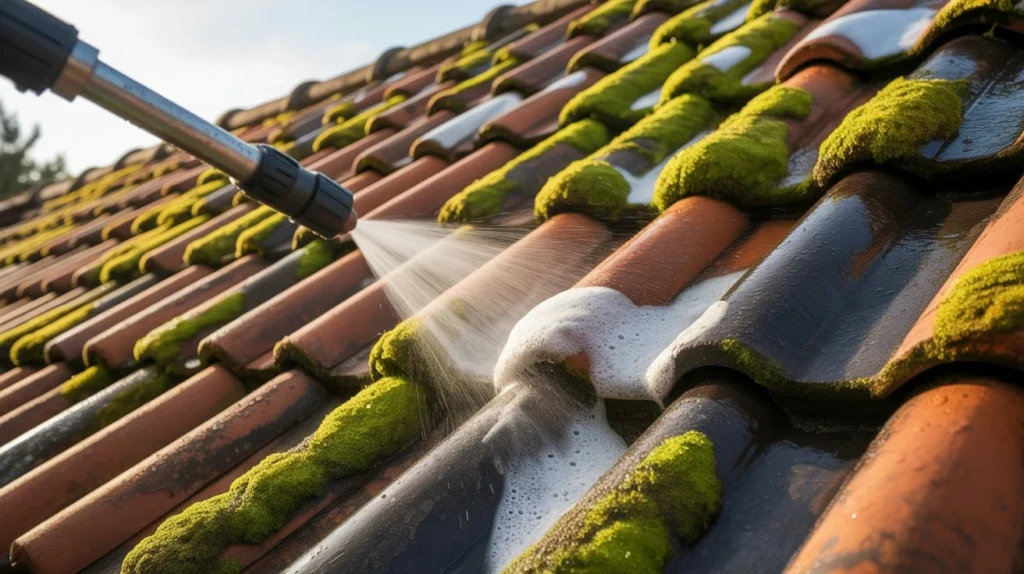
A dirty roof is not just a cosmetic issue. Moss, algae, and debris can hold moisture against the surface of the tiles. Over time, this moisture may weaken roofing materials and shorten the life of the roof.
Regular cleaning helps:
- Improve curb appeal
- Prevent moss and algae growth
- Extend roof lifespan
- Reduce moisture-related damage
- Support proper drainage
A clean roof also allows homeowners to spot damaged areas before they become expensive repairs.
What Are Roof Tiles Made Of?
Different roof tiles react differently to cleaning methods. Before considering pressure washing roof tiles, it is important to know what material covers your roof.
Concrete Roof Tiles
Concrete tiles are strong and durable. They can handle more cleaning pressure than many other materials. Even so, excessive force can remove protective coatings and wear down the surface.
Clay Roof Tiles
Clay tiles are attractive and long-lasting. They are also more brittle than concrete. High-pressure cleaning can crack or chip them.
Slate Roof Tiles
Slate is a natural stone product. While durable, slate can break if handled incorrectly. Professional cleaning methods are usually recommended.
Composite Roof Tiles
Composite tiles are manufactured from blended materials. Their cleaning requirements vary by manufacturer. Always check manufacturer recommendations before cleaning.
Can You Pressure Wash Roof Tiles?
Many homeowners ask, “Can I Pressure Wash Roof Tiles?” because they want a quick and affordable solution.
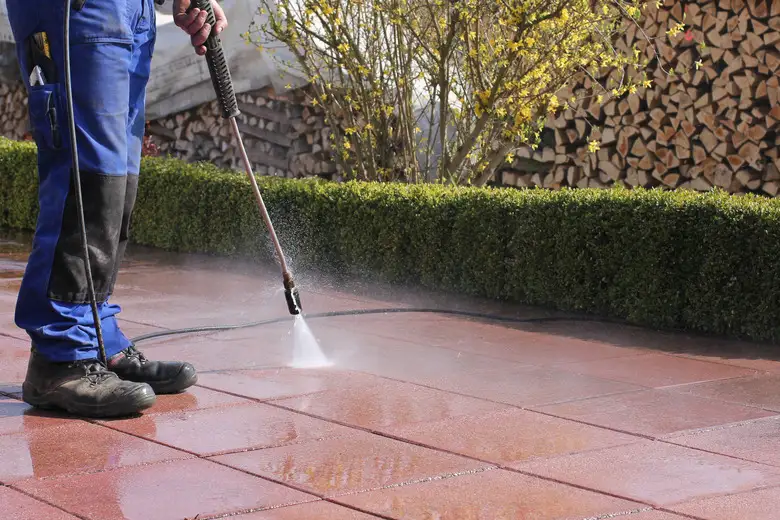
Pressure washing roof tiles can remove dirt, algae, moss, and stains. In some cases, it may be appropriate for certain concrete roofs in good condition. However, high pressure often causes more problems than it solves.
Professional roof cleaners rarely rely on extreme pressure. Most prefer low-pressure methods combined with specialized cleaning solutions. These approaches clean effectively while reducing the risk of damage.
The answer depends on:
- Tile material
- Roof age
- Existing roof condition
- Amount of moss or algae growth
- Pressure settings used
Risks of Pressure Washing Roof Tiles
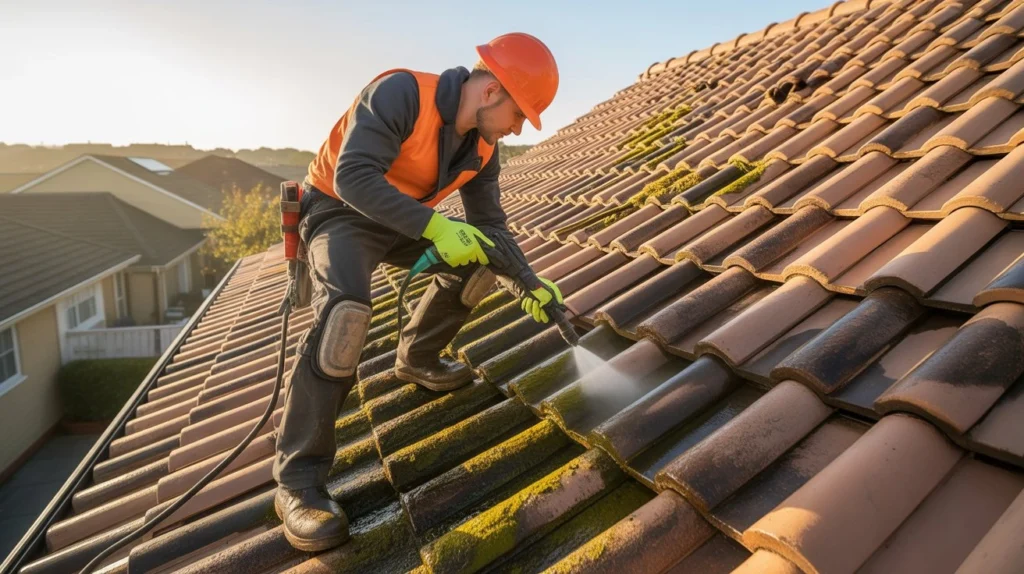
Understanding the risks helps explain why many roofing experts avoid high-pressure cleaning.
Tile Cracking and Breakage
Roof tiles are designed to protect against weather, not direct high-pressure water streams. A strong spray can crack, chip, or loosen tiles.
Loss of Protective Coatings
Many tiles have protective finishes that help repel water and resist UV damage. Pressure cleaning roof tiles can strip away these coatings.
Water Intrusion
Water forced beneath tiles can enter the roofing system. This can lead to leaks, mold growth, and structural damage.
Reduced Roof Lifespan
Repeated high pressure clean roof tiles treatments can wear down surfaces and shorten the life of roofing materials.
Safety Risks
Working on a roof while handling pressure washing equipment increases the chance of slips and falls.
Signs Your Roof Tiles Need Cleaning
Not every dirty roof requires aggressive cleaning.
Watch for these signs:
Moss Growth
Moss traps moisture on roof tiles and keeps them damp for long periods. Over time, this can weaken roofing materials, encourage further growth, and shorten the life of your roof.
Black Algae Streaks
Black streaks are usually caused by algae growth. They spread across roof surfaces, make the roof look dirty, and can become harder to remove if ignored.
Lichen Buildup
Lichen attaches tightly to roof tiles and can be difficult to remove. As it grows, it may gradually wear down the tile surface and affect your roof’s appearance.
Dirt Accumulation
Dust, leaves, and debris can build up over time and make the roof look older than it is. This buildup can also create conditions that support moss and algae growth.
Drainage Problems
Debris on the roof can block water flow and prevent proper drainage. This may lead to standing water, moisture issues, and potential roof damage if not addressed.
What Is the Safest Way to Clean Roof Tiles?
For most roofs, soft washing provides the safest solution.
Soft Washing
Soft washing uses low-pressure water combined with cleaning solutions designed to kill algae, moss, and lichen.
Benefits include:
- Reduced risk of tile damage
- Longer-lasting results
- Better treatment of biological growth
- Improved roof appearance
Manual Moss Removal
Professionals often remove thick moss by hand before any washing begins. This helps prevent damage to roof tiles. It also stops large moss clumps from spreading spores during cleaning.
Low-Pressure Rinsing
Low-pressure rinsing is used to gently wash away loose dirt and remaining debris. It cleans the surface without forcing water under the tiles, which helps protect the roof structure.
Professional Roof Cleaning
Experienced roof cleaners know how different tile types react to moisture and cleaning solutions. They adjust their methods based on roof condition, which reduces risk and improves long-term results.
Pressure Washing vs. Soft Washing Roof Tiles
Both methods clean roofs, but they produce different results.
Pressure Washing
Advantages:
- Fast dirt removal
- Immediate visual improvement
Disadvantages:
- Higher risk of damage
- Potential water intrusion
- Removal of protective coatings
Soft Washing
Advantages:
- Safe for most tile types
- Kills algae and moss at the source
- Longer-lasting cleanliness
Disadvantages:
- Requires specialized cleaning solutions
- May take longer to show full results
For most homeowners, soft washing offers the best balance of safety and effectiveness.
How Professionals Clean Roof Tiles Safely
Professional roof cleaners follow a structured process to protect both the roof and the property.
Step 1: Roof Inspection
The roof is carefully checked for cracked tiles, weak spots, and any existing damage. This step helps decide the safest cleaning method and prevents further issues during cleaning.
Step 2: Debris Removal
Leaves, branches, and loose dirt are cleared from the roof surface. This improves access and stops debris from blocking water flow during cleaning.
Step 3: Moss Treatment
Thick moss is removed using safe tools and controlled methods. This step reduces growth at the root level and prepares the surface for deeper cleaning.
Step 4: Cleaning Solution Application
Professional-grade solutions are applied to target algae, moss, and stains. These treatments break down organic growth without damaging roof tiles.
Step 5: Low-Pressure Rinse
A gentle rinse is used to wash away loosened dirt and residue. The pressure is kept low to protect tiles and prevent water from entering beneath the roof.
Step 6: Final Inspection
The roof is checked again to confirm proper cleaning. Any remaining problem areas are noted for follow-up care or treatment if needed.
At VJ Pressure Washing, this careful process helps protect roof materials while delivering excellent results. Homeowners searching for a roof cleaning service Tracy CA often benefit from professional cleaning rather than attempting risky DIY methods.
When Pressure Washing Roof Tiles May Be Appropriate
There are situations where pressure washing concrete tile roof surfaces can be acceptable.
These include:
- Newer concrete tile roofs
- Roofs in excellent condition
- Low-pressure professional equipment
- Proper operator experience
Even then, lower pressure settings should be used to reduce damage risks.
High-pressure cleaning should never be the first option for fragile or aging roofs.
How Often Should Roof Tiles Be Cleaned?
Cleaning frequency depends on several factors.
Climate
Humid and damp climates create the perfect conditions for moss and algae to grow on roof tiles. Constant moisture keeps surfaces wet for longer periods, which speeds up biological growth.
Tree Coverage
Overhanging branches drop leaves, twigs, and organic debris onto the roof. This not only adds weight but also traps moisture, which encourages moss and algae buildup over time.
Roof Orientation
Roofs that face north or stay in shade receive less sunlight. These areas dry slowly after rain, which allows moss and algae to spread more easily compared to sun-exposed sections.
Local Conditions
Dust, air pollution, and changing weather patterns all affect roof cleanliness. In windy or urban areas, fine particles settle on tiles and gradually create a dull, dirty surface that needs regular cleaning.
Most homeowners benefit from roof inspections every year and professional cleaning every two to five years.
DIY vs. Professional Roof Tile Cleaning
DIY Cleaning Benefits
- Lower upfront cost
- Flexible schedule
DIY Cleaning Risks
- Fall hazards
- Roof damage
- Incorrect chemical use
- Water intrusion
Professional Cleaning Benefits
- Safer methods
- Proper equipment
- Better long-term results
- Reduced risk of damage
The cost of professional service is often lower than repairing roof damage caused by improper cleaning.
Roof Tile Maintenance Tips
Regular maintenance helps reduce the need for major cleaning.
Keep Gutters Clean
Clogged gutters stop water from draining properly. This can cause water to back up onto the roof edge and lead to moisture damage. Regular cleaning helps protect both roof tiles and the building structure.
Trim Nearby Trees
Overhanging trees keep the roof in shade and drop leaves and branches. Trimming them allows more sunlight in, which helps the roof dry faster and reduces moss and algae growth.
Schedule Annual Inspections
A yearly roof check helps spot small issues early. Cracked tiles, weak spots, or early moss growth can be fixed before they turn into costly repairs.
Address Moss Quickly
Small moss patches spread fast if ignored. Removing them early makes cleaning easier and prevents deeper damage to roof tiles over time.
Remove Debris Regularly
Leaves, twigs, and dirt should be cleared from the roof surface. This stops moisture from getting trapped and helps maintain proper drainage during rain.
Common Mistakes Homeowners Make
Many roof cleaning problems result from avoidable mistakes.
Using Maximum Pressure
Using too much pressure does not improve cleaning results. It often increases the risk of cracked tiles, lifted edges, and water entering under the roof surface.
Ignoring Manufacturer Guidelines
Every roofing material has specific cleaning limits. Ignoring these instructions can damage protective coatings and reduce the lifespan of roof tiles.
Walking Incorrectly on Roof Tiles
Stepping in the wrong areas can easily break or loosen tiles. Proper footing and weight distribution are essential to avoid damage.
Delaying Maintenance
Small roof problems become bigger when ignored. Dirt, moss, and minor cracks can quickly turn into costly repairs if not addressed early.
Using Harsh Chemicals
Strong chemicals can damage roof tiles, surrounding plants, and drainage systems. Safer, roof-safe cleaning solutions are always preferred.
Conclusion
The answer to Can I Pressure Wash Roof Tiles? depends on your roof’s material, condition, and cleaning method. While pressure washing roof tiles can remove dirt quickly, it also carries significant risks. Cracked tiles, water intrusion, and reduced roof lifespan are common concerns.
For most homes, soft washing provides a safer and more effective solution. It cleans thoroughly, removes biological growth, and protects the roof’s structure. Before attempting any roof cleaning project, consider the age and condition of your roof. Professional services often provide the safest path to a clean, long-lasting roof. Contact us for expert help and safe roof cleaning solutions.
FAQs
Can I Pressure Wash Roof Tiles safely?
Only in certain situations. Low-pressure cleaning on strong concrete tiles may be safe when performed correctly.
Does pressure washing damage roof tiles?
High pressure can crack tiles, remove coatings, and force water beneath the roof.
Is soft washing better than pressure washing?
For most tile roofs, soft washing is safer and provides longer-lasting results.
How long does roof cleaning last?
Results typically last between two and five years depending on climate and maintenance.
Can pressure washing remove moss?
Yes, but it may also damage the roof. Soft washing is usually a safer option.
How much does professional roof cleaning cost?
Pricing varies based on roof size, condition, and location.