How Do You Clean Concrete With Water? 7 Proven Steps That Actually Work
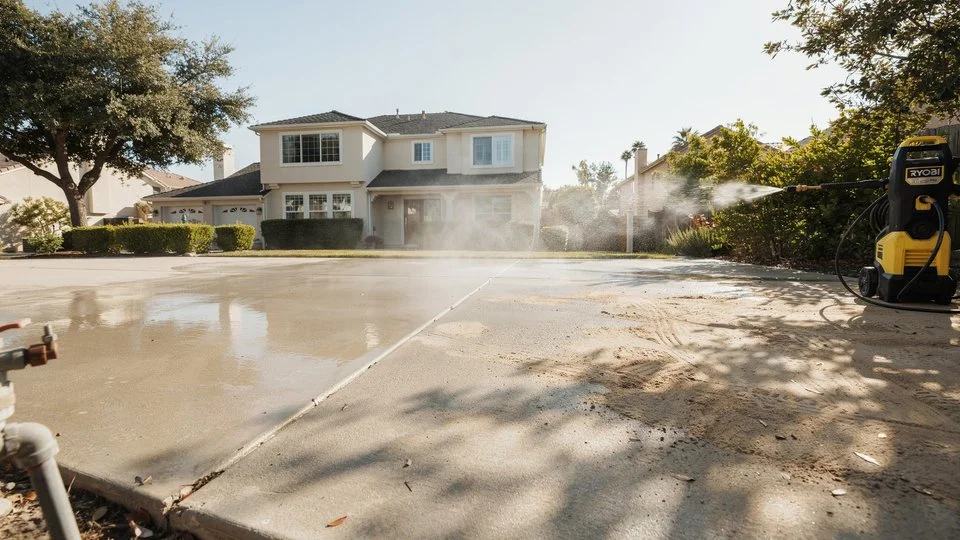
Dirty concrete is more than an eyesore. Oil stains, algae, and grime break down the surface over time and make it slippery. The good news? You don’t always need harsh chemicals to get it clean. So, how do you clean concrete with water? You use water pressure, the right tools, and a smart technique. A standard garden hose handles light dirt. A pressure washer handles the tough stuff. This guide walks you through everything, step by step. Why Concrete Needs Regular Cleaning Concrete looks tough, but it’s actually porous. That means it absorbs everything: oil, grease, mold spores, and mineral deposits. Here’s what happens when you skip cleaning: Stains set permanently. The longer oil or rust sits, the deeper it bonds. Mold and algae grow. They break down the surface and create slip hazards. Cracks form faster. Trapped debris holds moisture that freezes and expands. Curb appeal drops. A stained driveway lowers the first impression of your home. Regular cleaning protects your investment. It also keeps your surfaces safe for kids, pets, and guests. Can Water Alone Clean Concrete? Yes, water alone can clean concrete, but only for light surface dirt. Here’s the honest answer: plain water from a garden hose won’t remove oil stains, rust, or deep grime. You need pressure behind the water to lift embedded dirt from the pores. Cleaning Need Water Only? Light dust and debris Yes Mud and tracked-in dirt Yes, with pressure Oil and grease stains No, need degreaser Mold and mildew No, need cleaner + pressure Old rust stains No For most jobs, water-based concrete cleaning methods work best when you combine water with the right PSI (pounds per square inch) of pressure. Tools Needed to Clean Concrete With Water Before you start, gather the right tools. Using the wrong equipment wastes time and can damage the surface. Basic tools for light cleaning: Garden hose with a high-pressure nozzle Stiff-bristle push broom Bucket Tools for deep cleaning: Pressure washer (1,500–3,000 PSI for most residential concrete) Rotating surface cleaner attachment (great for driveways) Safety glasses and closed-toe shoes Concrete-safe degreaser (for oil stains only) A quick note on pressure washers: Concrete cleaning with a pressure washer gives you the best results. A 25-degree nozzle tip is ideal for general cleaning. A 0-degree tip concentrates pressure into a pinpoint stream and can etch or chip concrete if you’re not careful. Step-by-Step Guide to Cleaning Concrete With Water This is how you clean concrete properly. Follow each step and you’ll get a noticeably cleaner surface without causing damage. Step 1: Clear the Area Remove furniture, potted plants, cars, and anything else sitting on the concrete. You want a clean, open surface to work on. Sweep away loose debris first. Leaves, dirt, and pebbles will just clog your drain or turn into mud when wet. Step 2: Pre-Treat Stains If you have oil or grease spots, apply a concrete degreaser before washing. Let it sit for 5 to 10 minutes. For mold or mildew, a diluted mix of white vinegar and water works well on light growth. Pre-treating makes the water-based concrete cleaning method far more effective. Step 3: Wet the Entire Surface Use your garden hose to rinse the full concrete area. This loosens surface dirt and prevents it from spreading when you apply pressure. Work from the highest point toward the drain or edge. Water should flow away from your home’s foundation. Step 4: Set Up Your Pressure Washer Fill the pressure washer with water. Attach the 25-degree nozzle for broad surface cleaning. For a concrete driveway, use a surface cleaner attachment if you have one. It prevents the streaking that a single wand can leave behind. Start the pressure washer and test it on a small corner. Keep the nozzle 6 to 12 inches from the surface. Step 5: Wash in Overlapping Passes This is the key to knowing how to wash concrete surfaces without leaving streaks. Move the wand in slow, overlapping strokes. Think of it like mowing a lawn. Each pass should overlap the last by about 2 inches. Work in sections. Don’t jump around. Methodical cleaning gets the best results. Step 6: Rinse Thoroughly After washing each section, rinse with clean water. Push the dirty water away from the surface toward a drain. This step removes the loosened grime and any cleaning solution you applied earlier. Step 7: Let It Dry Completely Give the concrete at least 24 to 48 hours to dry before walking on it or parking a vehicle on it. Wet concrete stays slippery and can attract new dirt quickly. If you’re planning to seal the concrete, wait at least 72 hours. Best Practices for Cleaning Concrete With Water These habits separate a decent clean from a great one. Always work with the slope. Water should drain away from structures, not toward them. Don’t use too much pressure. High PSI can etch concrete, especially if it’s older or already cracked. For most driveways, 2,000 to 2,500 PSI is plenty. Use a surface cleaner for large areas. It’s faster and gives an even clean without the zebra-stripe marks a wand leaves. Wear protective gear. Safety glasses protect your eyes from debris. The water spray coming off concrete carries dirt, bacteria, and mold spores. Test before full application. If you’re using any cleaning product, test it on a hidden corner first. The best way to clean a concrete driveway combines the right PSI, a surface cleaner attachment, and a pre-treatment for any stains. It takes about 30 to 60 minutes for a standard two-car driveway. Common Mistakes to Avoid Even experienced homeowners make these errors. Avoid them and you’ll get better results every time. Using too high of a PSI. More pressure isn’t always better. It can damage the concrete surface, especially around cracks or older slabs. Skipping the pre-sweep. Wet leaves and debris turn into a paste that clogs drains and makes cleaning harder. Holding the nozzle too close. Staying at least 6 inches away keeps you from
How to Speed Up Pressure Washing?
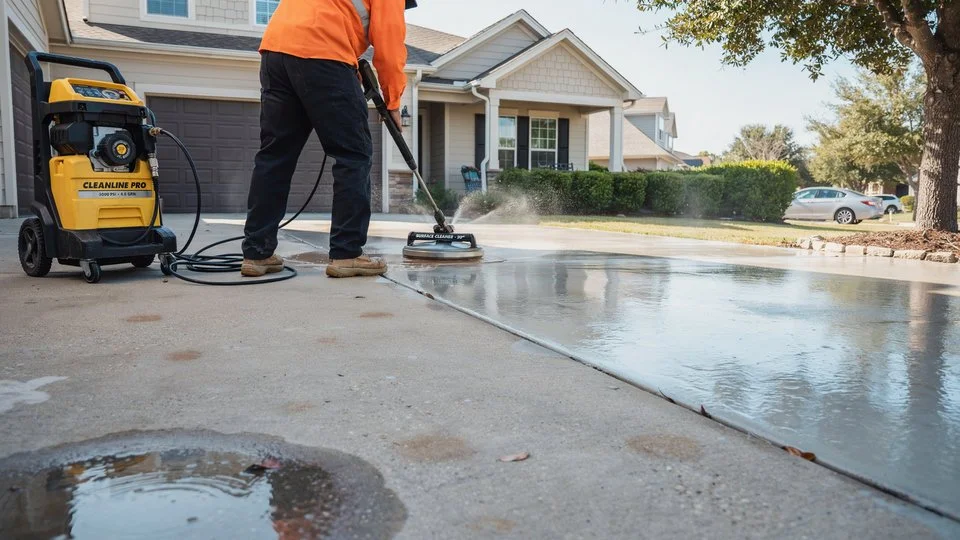
Pressure washing is among the fastest ways to clean outdoor areas. Driveway cleaning, patio cleaning, deck cleaning, sidewalk cleaning, fence cleaning and house exterior cleaning all benefit from enhanced cleaning speed, which can result in time savings, labour reduction and increased cleaning productivity. Rinse, and it is unlikely you’ll ever again hear the question “How do I make pressure washing go faster?” asked by a homeowner or a professional cleaner. And it’s not just about buying a bigger machine. Faster pressure washing is good preparation, good equipment, good technique and good workflow. Knowing tried-and-true Pressure Washing Efficiency Tips, How to Pressure Wash Faster, Professional Pressure Washing Techniques, and Time-Saving Pressure Washing Methods will allow you to finish Cleaning projects in less time and still have the best results. Understanding Pressure Washing Efficiency What is Pressure Washing Efficiency? Efficient cleaning is a combination of good cleaning technique and good ergonomics, resulting in less wastage of movement, and less water, fuel/electricity and time consumed, in addition to better productivity. Strong pressure does not necessarily mean faster cleaning; it is what many people think. However, experts are aware that efficiency is a matter of many factors, including choice of equipment, cleaning method, type of nozzle and planning. For homeowners looking for reliable results, trusted house pressure washing companies in Tracy, CA understand that a smarter approach with the right equipment, the right technique and the right preparation always delivers better outcomes than simply turning up the pressure. With effective pressure washing efficiency tips, you can clean more square feet in less time with no loss of quality. Why Efficiency Matters in Pressure Washing The following are the advantages of increasing productivity: Quicker Completion of Jobs Fatigue reduction in the workforce Cost savings on operations More consistent cleaning results Higher customer satisfaction Increased contractor profitability Efficient techniques, whether cleaning a small patio or an entire building, allow you to keep your energy for more important things. Pressure Washing Efficiency Tips for Better Results A vital Pressure Washing Efficiency Tip is you have to prepare. Too many wash jobs take longer simply because surfaces haven’t been properly prepared before washing. 1. First, Clean the Area Remove: Leaves Branches Outdoor furniture Toys Decorations Weeding around obstacles is slower and messier, with the possibility that you’ll have to make multiple passes over the same spot. 2. Keep Debris out of the Drain Sweeping dirt and debris ahead of pressure washing eliminates the need for excessive rinsing and allows the equipment to work on deeper cleaning. 3. Examine the Surface Check the following before you begin: inspect the site for: Cracks Loose materials Stubborn stains Mold expansion Knowing in advance where the trouble areas are going to be makes for a smoother process, and you’re not surprised as you’re cleaning. How to Pressure Wash Faster People often want to know how to Pressure Wash Faster without sacrificing the quality of pressure washing. One of the easiest answers is having the right tools or equipment. Select the Right Pressure Washer There are different models to suit different requirements. Light-duty machines: Designed for patios and garden furniture Medium-duty machines: Just the thing for cleaning at home. Heavy-duty machines: Perfect for large driveways and commercial projects The right tools for the job or tools suited to the task can also make you clean faster, and clean much more effectively, too! Focus on Water Flow PSI matters, but you also need to consider the water flow. Higher GPM allows: Faster rinsing Greater coverage More efficient cleaning A lot of professional cleaners put more emphasis on the water flow, as it can sometimes be the biggest difference in turnaround time. Professional Pressure Washing Techniques Special techniques are required for big cleaning jobs. At VJ Pressure Washing, we use proven professional methods to deliver faster, cleaner and more efficient results on every job. 1. Work from Top to Bottom Start cleaning at the top. Including the benefits of: Gravity helps clean Dirty water drains down Less need to re-clean the same area This technique is often employed for siding, walls, and exterior areas. 2. Keep the Motion Consistent Smooth editing motions will help avoid streaks and uneven cleaning. Stopping frequently: Wastes time Creates inconsistent results Is additional work Constant motion is the best Professional Pressure Washing Method to use to get even results. 3. Use Overlapping Passes Minimal overlap of your passes will ensure you get full coverage with very few missed spots. This decreases the number of re-visits to the already cleaned areas. 4. Use Surface Cleaners on Large Surfaces Among the greatest Time-Saving Pressure Washing Methods are using surface cleaner attachments. Surface Cleaners are round, spinning bars that have jet nozzles which spin underneath the surface cleaner. Advantages of this are: Cleaning is faster Even look Less operator fatigue Reduced streaking These accessories work particularly well on the following: Driveways Sidewalks Patios Garage Floors A surface cleaner can save you a lot of time when cleaning, when compared to a regular spray wand. Time-Saving Pressure Washing Methods House exteriors should be cleaned differently. 1. Use Soft Washing Soft washing can be faster for cleaning since the detergents do most of the work, rather than having to scrub. 2. Apply Soap with Dedicated Nozzles The detergent can be sprayed evenly on the wide areas by using soap nozzles. 3. Make Sure to Allow Enough Dwell Time You did the right thing by allowing the detergent and water to rest for a while to soften the dirt before you rinsed. This minimizes scrubbing. These are very effective Time-Saving Pressure Washing Techniques for siding and exterior walls. Conclusion If you are wondering how to make pressure washing faster, the response lies in having the proper equipment, doing some prep work and using some good cleaning methods. Achieve faster outcomes by working smarter, rather than harder. Employing practical pressure washing efficiency tips such as pre-soaking stains, making use of surface cleaners, picking the right nozzles and pressure washing tools and much more will allow you