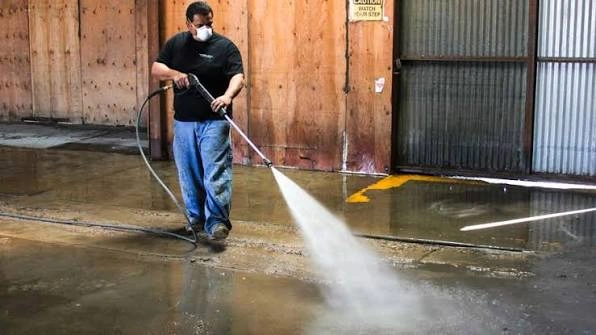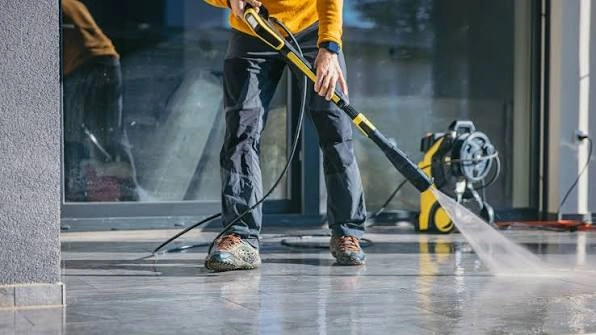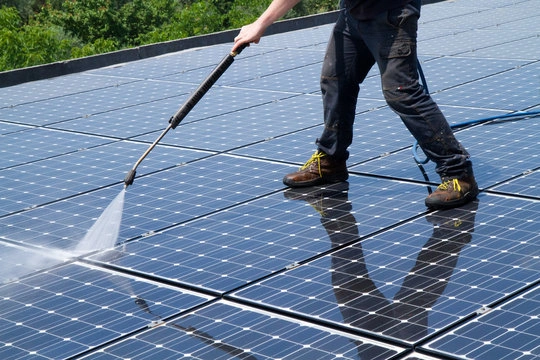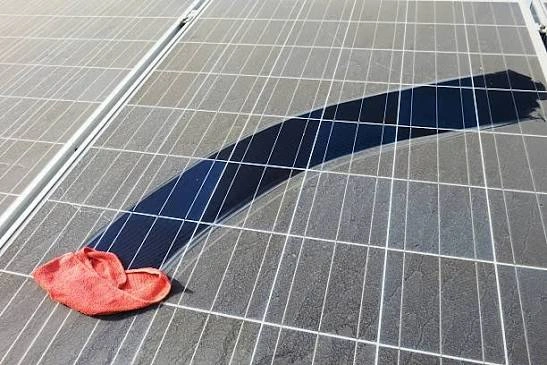
No, you generally should not use a standard pressure washer on solar panels. High-pressure water can damage seals, frames, coatings, or other parts of the module. The exact cleaning method depends on your panel manufacturer’s instructions.
So, can you power wash solar panels? In most home situations, pressure washing is not the safest choice. A garden hose, soft non-abrasive tool, and clean water are usually more suitable for light dirt. Always check the manual for your exact panel model before cleaning.
- Can You Power Wash Solar Panels?
- Why Shouldn’t You Pressure Wash Solar Panels?
- What Happens If You Pressure Wash Solar Panels?
- Can Pressure Washing Damage Solar Panels?
- Can Pressure Washing Crack Solar Panel Glass?
- Can Pressure Washing Damage Solar Panel Seals?
- Can Pressure Washing Damage Electrical Components?
- Can Pressure Washing Void Your Solar Panel Warranty?
- What Is the Safest Way to Clean Solar Panels?
- Can You Use a Garden Hose to Clean Solar Panels?
- What Tools Should You Use to Clean Solar Panels?
- What Should You Avoid When Cleaning Solar Panels?
- Should You Clean Solar Panels Yourself?
- When Should You Hire a Professional Solar Panel Cleaner?
- Does Cleaning Solar Panels Improve Their Performance?
- How Often Should Solar Panels Be Cleaned?
- Can You Pressure Wash Solar Panels?
- Can You Use a Pressure Washer to Clean Solar Panels?
- Conclusion
- Frequently Asked Questions
Can You Power Wash Solar Panels?
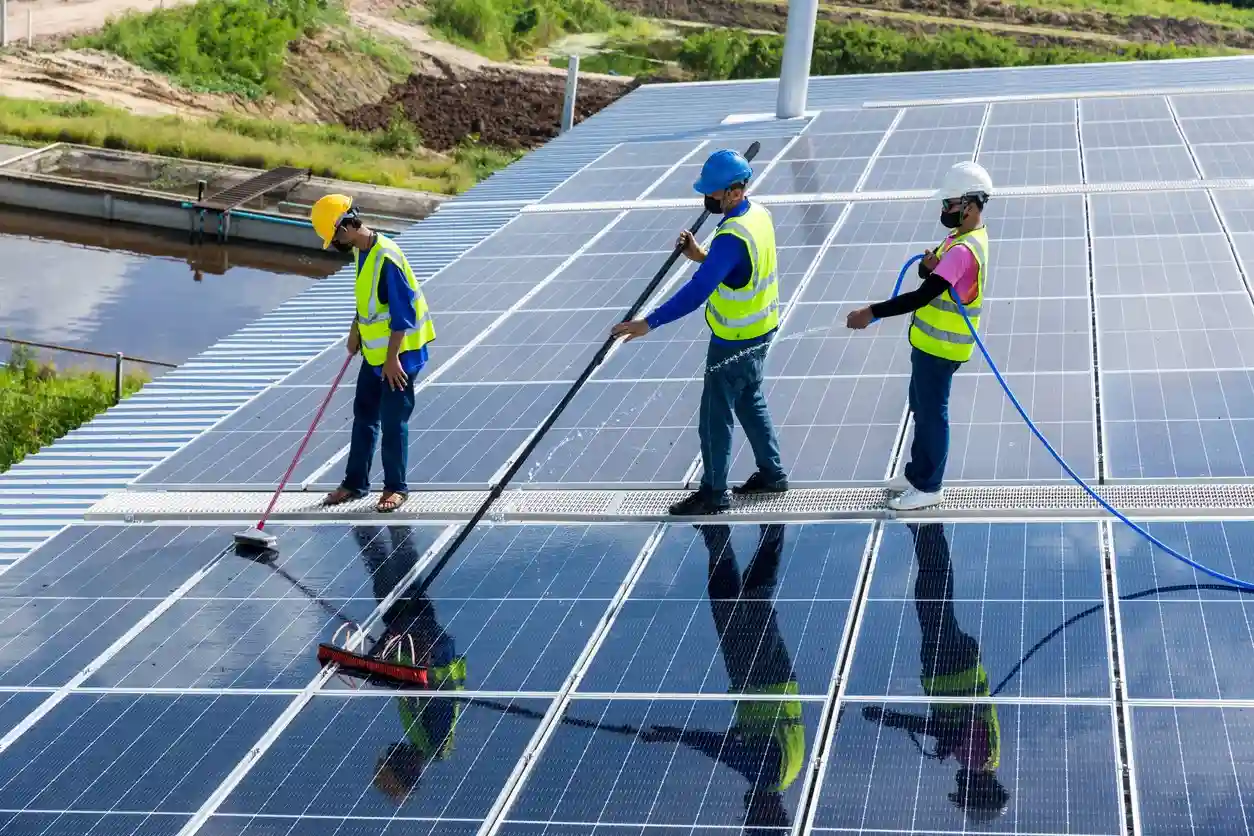
You should not treat solar panels like concrete, siding, or a driveway.
A pressure washer is designed to remove tough dirt from hard surfaces. Solar modules need a gentler approach because they contain glass, cells, seals, frames, electrical connections, and other parts that can be affected by improper cleaning.
There is also an important difference between pressurized water and using a typical pressure washer.
Some solar manufacturers provide specific pressure limits for controlled cleaning. For example, Canadian Solar’s current installation guidance allows wet cleaning with water pressure up to 4 MPa, or 40 bar, while requiring suitable equipment and other precautions.
REC takes a different position. Its cleaning guide says high-pressure hoses and pressure cleaners are not permitted for its panels because they can cause impact damage, affect frame bonding or laminate, and force water between the glass and frame.
This difference is important.
There is no universal pressure setting that is safe for every solar panel. Your manufacturer’s instructions should always come first.
Why Shouldn’t You Pressure Wash Solar Panels?
The main problem is not water itself. Solar panels can be cleaned with water. The concern is excessive pressure, poor technique, and water reaching areas where it should not.
A pressure washer can produce far more force than a normal garden hose. That force can be difficult to control when cleaning a large roof-mounted array.
Potential problems include:
- Damage to seals
- Damage to frame bonding
- Stress on the glass
- Damage to electrical connections
- Water reaching the back of the module
- Damage from improper cleaning tools
- Micro-cracks caused by external force
- Warranty problems if cleaning instructions are ignored
Canadian Solar warns that improper cleaning equipment can create heavy localized loads. It says those loads may cause cell-level micro-cracks and compromise module reliability.
The safest approach is simple: use the least aggressive method that removes the dirt.
What Happens If You Pressure Wash Solar Panels?
The result depends on the equipment, pressure, panel design, distance, spray pattern, and manufacturer’s requirements.
A quick blast may appear harmless because the glass looks strong. The problem is that damage is not always visible immediately.
For example, a strong stream directed near the frame may affect a seal without creating an obvious crack. Water may also reach areas that are not intended to receive direct spray.
A panel can continue producing electricity after minor damage. That does not mean the cleaning method was safe.
Improper cleaning can also create scratches or small defects that become more important over time.
This is why solar manufacturers provide cleaning instructions instead of recommending the same pressure setting for every panel.
Can Pressure Washing Damage Solar Panels?
Yes, it can.
The risk depends on the panel and the cleaning method. Solar modules are built to handle outdoor weather, but that does not mean they should be exposed to unlimited water pressure.
REC warns that high-pressure cleaning can exceed the certified load and may cause impact damage, frame bonding damage, laminate damage, or water intrusion between the glass and frame.
Canadian Solar also warns against improper cleaning equipment because concentrated loads can cause micro-cracks at the cell level.
Damage can come from more than water pressure.
A pressure-washing wand can also hit the panel, frame, or mounting hardware. A worker may lose control of the wand while standing on a ladder or roof.
That creates a second risk: physical impact.
Can Pressure Washing Crack Solar Panel Glass?
It can, especially when excessive force or impact is involved.
Solar panel glass is strong, but it is not designed to handle careless cleaning methods.
The risk can increase when:
- The spray is held too close
- Pressure is too high
- The nozzle creates a narrow, forceful stream
- The panel already has damage
- A hard object hits the glass
- A worker places weight on the module
- Dirt is scraped with a hard tool
Micro-cracks are another concern. They may not look like a large crack across the glass, but they can still affect the cells underneath.
Canadian Solar specifically warns that improper cleaning equipment can create localized heavy loads that may lead to severe micro-cracks at the cell level.
Never walk on solar panels while cleaning them.
Can Pressure Washing Damage Solar Panel Seals?
Yes. This is one of the reasons high-pressure cleaning can be a poor choice.
The edges of a solar module have materials that help protect internal components from the outdoor environment. A strong stream directed toward an edge or frame can create unnecessary stress.
REC warns that high-pressure hoses may force water between the glass and frame.
Once water reaches areas that should remain protected, the problem becomes more serious than surface dirt.
You may not notice seal damage during cleaning. It can become a longer-term maintenance issue.
For this reason, never point a high-pressure nozzle directly at panel edges, joints, connectors, or the rear of a module unless the manufacturer specifically provides instructions for that method.
Can Pressure Washing Damage Electrical Components?
It can create an electrical safety risk if water reaches damaged or exposed electrical parts.
Solar panels generate electricity when exposed to light. A wet, damaged module can increase the risk of electrical problems.
Canadian Solar’s installation guidance warns that cracked or broken modules can create a shock hazard and says the array should be disconnected from active components before cleaning according to its procedure.
Never clean a visibly damaged panel yourself.
Stop and get qualified solar help if you see:
- Cracked glass
- Exposed wires
- Loose connections
- Damaged junction boxes
- Burn marks
- Melted components
- Signs of water intrusion
Pressure washing is not a substitute for electrical maintenance.
Can Pressure Washing Void Your Solar Panel Warranty?
It can, depending on the manufacturer and the type of damage.
Do not assume that every solar warranty automatically becomes invalid because someone used a pressure washer. Warranty terms differ by manufacturer and product.
However, some manufacturers clearly connect warranty coverage with proper cleaning methods.
REC states that its warranty is valid when the instructions in the appropriate installation manual are followed, and its cleaning guide warns that pressure or steam cleaners and high-pressure hoses are not permitted on its panels.
Canadian Solar also states that improper cleaning can affect warranty coverage. Its current manual says damage from improper dry cleaning can void the warranty and warns that improper cleaning equipment can create micro-cracks and compromise reliability.
Before cleaning, find the exact model number and read its maintenance instructions.
That small step can prevent an expensive mistake.
What Is the Safest Way to Clean Solar Panels?
For many residential systems, gentle cleaning is the safer starting point.
A basic process is:
- Check the manufacturer’s cleaning instructions.
- Inspect the panels for damage.
- Choose a cool time of day.
- Remove loose debris gently.
- Rinse with suitable water.
- Use a soft, non-abrasive tool if needed.
- Rinse away remaining dirt.
- Allow the panels to dry naturally when possible.
Canadian Solar recommends water with low mineral content and a near-neutral pH for its modules. It also recommends cleaning during cooler conditions to reduce thermal stress.
Trina Solar also provides detailed cleaning limits and warns against stepping on modules, spraying the rear of modules or cables, and cleaning damaged panels.
The manufacturer’s instructions for your exact panel remain the final reference.
Can You Use a Garden Hose to Clean Solar Panels?
A garden hose is often a better choice than a pressure washer for basic residential cleaning.
A normal hose provides much less force than a pressure washer. It can rinse loose dust and surface dirt without the same level of impact.
REC specifically states that a standard flexible garden hose with domestic water pressure may be used on its panels. It does not permit high-pressure hoses or pressure cleaners.
Still, do not assume every panel has identical instructions.
When using a hose:
- Keep the spray gentle.
- Avoid spraying damaged areas.
- Do not direct water toward connectors.
- Do not spray the back unless the manufacturer allows it.
- Avoid very hot panels.
- Do not use a narrow, forceful nozzle.
- Do not climb onto the panels.
Water quality also matters. Hard water can leave mineral deposits after drying. Canadian Solar recommends low-mineral water for its modules.
What Tools Should You Use to Clean Solar Panels?
The right tools are simple.
For light cleaning, you may need:
- A garden hose
- Clean water
- A soft sponge
- A soft, non-abrasive brush
- A suitable extension pole
- A rubber squeegee with a soft edge
The tools must not scratch the glass or damage the frame.
Canadian Solar recommends non-abrasive cleaning tools and says they should not damage glass, EPDM, silicone, aluminum, or steel.
Avoid using metal scrapers, rough pads, or hard brushes.
Do not scrub dry dirt aggressively. Dry grit can act like sandpaper and create fine scratches.
What Should You Avoid When Cleaning Solar Panels?
Avoid any method that adds unnecessary force or heat.
Do not:
- Use a standard pressure washer without manufacturer approval
- Use steam cleaners
- Walk on the panels
- Use metal scrapers
- Use abrasive brushes
- Scrub dry dirt
- Use harsh chemicals
- Spray directly into connectors
- Spray the rear of panels without approval
- Clean cracked panels yourself
- Clean during extreme heat
Trina Solar specifically warns against steam cleaning, stepping on modules, and spraying water toward the rear or cables.
Canadian Solar also warns against corrosive cleaning chemicals and unauthorized substances.
The goal is to remove dirt without creating a new problem.
Should You Clean Solar Panels Yourself?
You can clean some systems yourself if they are safely reachable and the manufacturer’s instructions allow it.
Ground-mounted panels are often easier to access than roof-mounted panels. A low roof may also be easier to reach than a steep second-story roof.
DIY cleaning may be reasonable when:
- The panels are easy to reach
- The surface has light dirt
- There is no visible damage
- You have suitable tools
- You can clean without standing on the panels
- You understand the manufacturer’s instructions
Roof safety should come first.
If cleaning requires a ladder, steep roof access, or awkward body positions, hiring a professional may be safer.
When Should You Hire a Professional Solar Panel Cleaner?
Professional help makes sense when panels are high, difficult to access, or heavily soiled.
Consider professional cleaning when:
- Panels are on a steep roof
- You cannot reach the entire array safely
- Heavy bird droppings cover the glass
- Thick pollen or dirt has built up
- Mineral deposits are difficult to remove
- You are unsure which cleaning method is approved
- You notice possible damage
A professional cleaner should understand that solar panels are not the same as concrete or siding.
Ask what equipment they use and whether they follow the panel manufacturer’s cleaning requirements.
If the cleaner finds cracked glass, exposed wiring, or electrical problems, the right next step is a qualified solar technician.
Does Cleaning Solar Panels Improve Their Performance?
Cleaning can improve output when dirt is blocking a meaningful amount of sunlight.
The improvement depends on how dirty the panels were before cleaning.
A lightly dusty panel may show little change. A panel covered with heavy pollen, bird droppings, or other residue may show a more noticeable difference.
Canadian Solar notes that soiling can affect system performance and recommends maintenance for systems exposed to higher levels of soiling.
Do not expect cleaning to fix every drop in production.
Low output can also result from:
- Cloudy weather
- Seasonal sunlight changes
- New shade
- Inverter problems
- Electrical faults
- Panel damage
- System age
- Equipment failure
If the panels look clean but output remains low, have the system checked rather than repeatedly cleaning it.
How Often Should Solar Panels Be Cleaned?
The answer depends on your environment.
Many residential systems can start with one or two cleanings each year. Dusty areas, heavy pollen, nearby construction, and bird activity can increase the need.
Inspect the panels every few months. Look for visible buildup and compare your production data under similar weather conditions.
Do not clean only because a calendar says it is time. Clean when the panels actually need it and when the manufacturer’s instructions support the method.
Can You Pressure Wash Solar Panels?
If you are asking can you pressure wash solar panels, the safest general answer is to avoid standard pressure washing unless your exact manufacturer permits the method and gives suitable limits.
The phrase “pressure washer” covers many machines with very different pressure levels. That makes a blanket PSI recommendation unreliable.
For example, Canadian Solar currently allows controlled water pressure up to 40 bar for its modules, while REC prohibits high-pressure hoses on its panels.
Those instructions show why your panel’s manual matters more than a generic online pressure setting.
Can You Use a Pressure Washer to Clean Solar Panels?
If you are wondering can you use a pressure washer to clean solar panels, do not assume the answer is yes just because another solar panel owner has done it.
Check the manufacturer’s manual first.
If the manufacturer does not approve pressure washing, use a gentler cleaning method instead. A garden hose with suitable water and a soft, non-abrasive tool is often enough for normal dirt.
The safest cleaning method is the one that removes the buildup while creating the least risk to the panel and the person doing the work.
Conclusion
So, can you power wash solar panels? Standard pressure washing is generally not the right choice for residential solar panels. The safe method depends on the panel manufacturer, but gentle water cleaning and soft, non-abrasive tools are commonly recommended.
Some manufacturers permit controlled pressurized water within strict limits. Others prohibit high-pressure hoses entirely. REC, for example, does not permit high-pressure cleaning, while Canadian Solar provides a specific maximum pressure for its modules.
That difference is why you should never copy a pressure-washing setting from another solar installation.
For homeowners looking for Solar Panel Cleaning in Tracy CA, professional cleaning can be a safer option when panels are difficult to reach or have heavy buildup. VJ Pressure Washing can help with suitable exterior cleaning needs while keeping solar panel safety in mind.
Before any cleaning, check the panel manual, inspect for damage, choose a cool time, and avoid unnecessary pressure. Clean the panels to remove dirt, not to create a new repair problem.
Frequently Asked Questions
Can you power wash solar panels without damaging them?
It depends on the panel manufacturer and the pressure used. Some manufacturers allow controlled water pressure, while others prohibit high-pressure cleaning. Always follow the instructions for your exact model.
Can you pressure wash solar panels with a low-pressure setting?
A lower setting reduces force, but it does not automatically make the method approved. The nozzle, spray pattern, distance, and panel design also matter. Manufacturer guidance should determine whether the method is allowed.
Can a pressure washer crack solar panel glass?
Excessive pressure or direct impact can create a risk of glass damage. Micro-cracks can also occur from improper loads or cleaning equipment. Canadian Solar warns about localized loads that can cause cell-level micro-cracks.
Can pressure washing damage solar panel seals?
Yes. High-pressure water can affect seals or force water into areas that should remain protected. REC specifically warns that high-pressure hoses may force water between the glass and frame.
Can I clean solar panels with a regular garden hose?
A garden hose is often suitable for rinsing light dirt when the manufacturer’s instructions allow it. REC specifically permits a standard flexible garden hose with domestic water pressure for its panels.
What is the safest way to clean roof-mounted solar panels?
Follow the manufacturer’s instructions, use suitable water, avoid abrasive tools, and clean during cooler conditions. If the roof is steep or difficult to access, professional cleaning is safer than taking a fall risk.
Should I pressure wash bird droppings off solar panels?
Do not use high pressure simply because the droppings are difficult to remove. Follow the manufacturer’s cleaning instructions and use a gentle method that will not scratch the glass or damage the panel.
Does cleaning solar panels increase electricity production?
It can when dirt is blocking sunlight. The improvement depends on how heavily soiled the panels were. Cleaning will not fix production problems caused by equipment faults, shade, or other system issues.
Does pressure washing void a solar panel warranty?
It can if the cleaning method violates the manufacturer’s requirements or causes covered damage. Warranty terms vary, so check the exact warranty and installation manual before cleaning.
Can you use soap on solar panels?
Only use a cleaning product approved by the manufacturer. Some manufacturers warn against harsh or unauthorized chemicals. Clean water and a suitable soft tool may be enough for ordinary dirt.