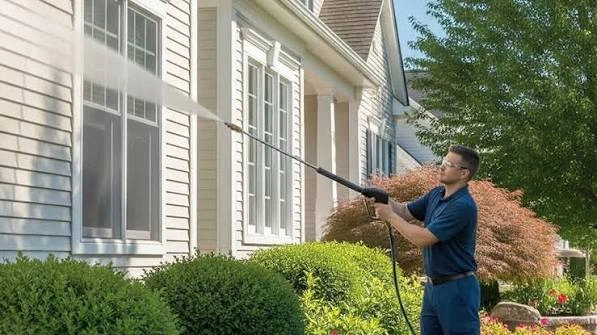

Pressure washing a house with water alone can remove loose dirt, dust, pollen, and light surface grime. However, water may not remove stubborn stains, algae, mold, or mildew. The results depend on the siding material, dirt level, and pressure used.
So, can you pressure wash a house with just water? Yes, but it does not work for every cleaning job. Some surfaces need more than water to get clean. Understanding when water is enough can help you avoid damage and choose the right cleaning method.
- Can You Pressure Wash a House With Just Water?
- Does Pressure Washing With Water Alone Actually Work?
- 1. Type of Dirt
- 2. Water Pressure
- 3. Surface Condition
- What Can You Remove by Pressure Washing With Just Water?
- Loose Dirt and Dust
- Pollen and Surface Grime
- Light Mud and Debris
- Loose Cobwebs and Outdoor Debris
- What Can Water-Only Pressure Washing Not Remove?
- Mold and Mildew
- Algae and Organic Growth
- Grease and Oily Stains
- Deep and Stubborn Stains
- Do You Need Soap or Detergent to Pressure Wash a House?
- What Are the Benefits of Pressure Washing Without Chemicals?
- 1. Less Chemical Use
- 2. Lower Cleaning Costs
- 3. Simple Cleaning Process
- 4. Less Risk of Chemical Residue
- 5. Useful for Regular Maintenance
- Can Pressure Washing a House With Just Water Damage Siding?
- Vinyl Siding
- Wood Siding
- Brick
- Stucco
- Fiber Cement
- Pressure Washing vs. Soft Washing: Which Is Better for House Exteriors?
- How to Pressure Wash a House Safely With Just Water
- 1. Check the Siding Condition
- 2. Prepare the Surrounding Area
- 3. Choose the Right Pressure Setting
- 4. Test a Small Area
- 5. Work From the Top Down
- 6. Rinse the Surface Carefully
- When Should You Use a Professional House Washing Service?
- Conclusion
- Frequently Asked Questions
Can You Pressure Wash a House With Just Water?
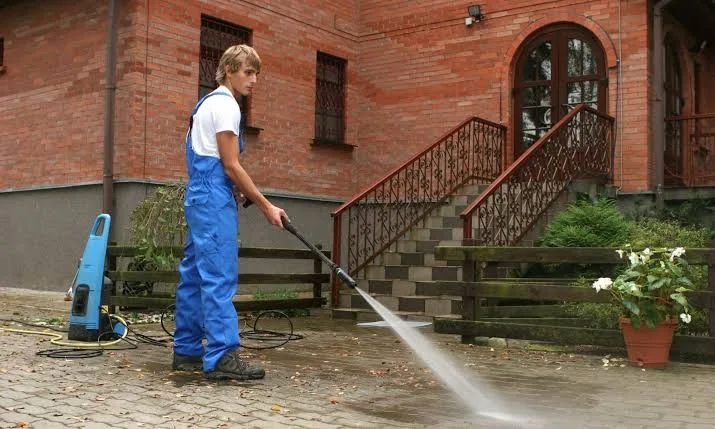
Yes, you can pressure wash a house with just water. A pressure washer uses a strong stream of water to remove dirt and debris from exterior surfaces. For light cleaning, you may not need soap or special chemicals.
Water-only cleaning works best when your siding has loose dirt, dust, pollen, or fresh mud. These materials often sit on the surface and can wash away with the right water pressure.
However, pressure alone does not remove every type of buildup. Grease, algae, mildew, and deep stains may need a suitable cleaning solution. Using more pressure is not always the answer.
The type of siding also matters. Vinyl, brick, wood, stucco, and fiber cement have different cleaning needs. Some materials can handle gentle pressure, while others need a softer method.
Before starting, check your siding manufacturer’s cleaning instructions. This helps you choose a safe method without harming the exterior.
Does Pressure Washing With Water Alone Actually Work?
Pressure washing with water alone can work well for basic exterior cleaning. It removes loose dirt by using water force rather than relying on soap or detergent.
The results depend on three main factors:
1. Type of Dirt
Dust, pollen, and loose mud are easier to remove than grease or organic growth. Water can wash away surface dirt without extra cleaning products.
2. Water Pressure
The right pressure helps remove dirt without harming the siding. High pressure does not always mean better cleaning. It can force water behind siding or damage weak surfaces.
3. Surface Condition
A lightly dirty wall needs less cleaning than one covered with years of grime. Older stains may need a suitable cleaner and extra care.
For example, imagine your vinyl siding has a thin layer of dust after a dry summer. A gentle rinse may restore its clean look. However, green algae around a shaded wall may remain after rinsing.
This is why water-only pressure washing works better for maintenance than deep cleaning.
What Can You Remove by Pressure Washing With Just Water?
Water alone can remove several types of dirt from house exteriors. It works best on materials that sit loosely on the surface.
Loose Dirt and Dust
Dust builds up on siding, especially near roads and open areas. A gentle water spray can remove much of this buildup. Regular rinsing also helps prevent dirt from forming a thicker layer.
Pollen and Surface Grime
Pollen often sticks to windows, siding, and outdoor surfaces during spring. Water can wash away fresh pollen and light surface grime. Some sticky residue may need a mild cleaner.
Light Mud and Debris
Rain and wind can leave mud splashes on lower walls. A pressure washer can remove fresh mud when used at a safe distance. Rinse the area before applying pressure to loosen the dirt.
Loose Cobwebs and Outdoor Debris
Water can help remove cobwebs, loose leaves, and small bits of debris from exterior walls. Use a wide spray pattern to avoid damaging delicate surfaces.
Remember that these results depend on the surface and the amount of buildup. Water alone cannot promise a spotless finish on every house.
What Can Water-Only Pressure Washing Not Remove?
Water is useful for basic cleaning, but some stains need more attention. These problems often involve organic growth or substances that stick tightly to surfaces.
Mold and Mildew
Mold and mildew can grow in damp areas with little sunlight. Water may remove some visible surface material, but it may leave growth behind.
A suitable cleaner may be needed to treat the affected area. Do not assume a surface is clean just because the visible marks disappear.
Algae and Organic Growth
Green algae often appear on shaded siding and walls near trees. A water rinse may remove loose growth, but established algae can remain attached.
Use a cleaning product approved for the siding material when needed. Follow its label and protect nearby plants.
Grease and Oily Stains
Grease does not mix easily with water. A pressure washer may move some residue, but it often cannot remove the oily layer completely.
A suitable exterior cleaner can help break down grease. Always check that the product is safe for the surface.
Deep and Stubborn Stains
Old stains from dirt, minerals, and other sources may need special treatment. Water pressure alone may not remove them.
Avoid holding the spray close to the wall. Excessive pressure can damage the surface while leaving the stain behind.
Do You Need Soap or Detergent to Pressure Wash a House?
You do not always need soap to pressure wash a house. The choice depends on the type of dirt and the siding condition.
Pressure washing without soap is often enough for light dust, pollen, and loose dirt. It can also work for regular rinsing between deeper cleaning jobs.
However, pressure washing without detergent may not give good results when dealing with algae, mildew, grease, or sticky grime. These materials often need a cleaner that helps loosen or break down the buildup.
Choose a product made for exterior house washing. Check its instructions before applying it to vinyl, wood, brick, or other siding.
Never mix cleaning products unless the labels clearly allow it. Some chemical combinations can release harmful fumes.
Also, avoid using strong household cleaners without checking their safety. A product that works on one surface may stain or damage another.
The goal is to use the least aggressive method that gets the job done. This protects your siding and reduces unnecessary chemical use.
What Are the Benefits of Pressure Washing Without Chemicals?
Pressure washing without chemicals has several benefits for homeowners. It can be a good choice when the exterior only needs light cleaning.
1. Less Chemical Use
Water-only cleaning avoids the need for soaps and cleaning solutions. This can reduce chemical runoff around your home.
2. Lower Cleaning Costs
You do not need to buy detergent for every basic rinse. This can help reduce the cost of routine exterior maintenance.
3. Simple Cleaning Process
You only need a suitable pressure washer and a water supply. There is no need to prepare or apply a cleaning solution.
4. Less Risk of Chemical Residue
Some cleaning products can leave residue if they are not rinsed properly. Using water alone avoids this concern.
5. Useful for Regular Maintenance
A light rinse can remove fresh dirt before it builds up. This may reduce the need for stronger cleaning later.
Keep in mind that chemical-free cleaning is not always the safest or most effective option. If organic growth or stubborn stains are present, a suitable cleaner may be necessary.
Can Pressure Washing a House With Just Water Damage Siding?
Yes, pressure washing with just water can damage siding if you use too much pressure or the wrong spray pattern. Water itself is not the main problem. The force and direction of the spray can cause damage.
Different siding materials need different care.
Vinyl Siding
High pressure can loosen panels or force water behind them. Use a wide spray pattern and avoid spraying upward beneath the edges.
Wood Siding
Strong water pressure can remove paint, damage wood fibers, and push moisture into the material. Use a gentle cleaning method.
Brick
Old or damaged mortar can break under strong pressure. Check the condition of the joints before cleaning.
Stucco
High pressure can chip or crack weak areas. A low-pressure approach is often safer.
Fiber Cement
Follow the manufacturer’s cleaning instructions. Avoid directing strong water streams into joints and openings.
Before washing, close windows and doors. Cover outdoor electrical outlets and protect nearby lights. Keep the spray away from vents and damaged areas.
Never spray directly at people, pets, or electrical equipment. Wear eye protection and suitable footwear while working.
Pressure Washing vs. Soft Washing: Which Is Better for House Exteriors?
Pressure washing and soft washing both clean exterior surfaces, but they use different methods.
Pressure washing relies on water force to remove dirt. Soft washing uses low water pressure and a suitable cleaning solution to treat surface buildup.
| Feature | Pressure Washing | Soft Washing |
| Cleaning method | Higher water pressure | Low water pressure |
| Main purpose | Remove loose dirt and grime | Treat organic growth and stains |
| Cleaning products | May or may not be used | Often uses suitable cleaners |
| Common uses | Durable exterior surfaces | Delicate siding and organic growth |
| Main concern | Surface damage from excess pressure | Incorrect cleaner use or application |
For example, pressure washing may work for loose dirt on a suitable exterior surface. Soft washing is often a better choice for algae or mildew on delicate siding.
The best method depends on your home’s material and cleaning needs. Do not assume every exterior surface can handle a standard pressure washer.
How to Pressure Wash a House Safely With Just Water
Using the right method can help you clean your house without unnecessary damage. Follow these steps before and during the job.
1. Check the Siding Condition
Look for cracks, loose panels, peeling paint, damaged caulk, and weak areas. Fix serious problems before washing. Water can enter through openings and cause hidden moisture damage.
2. Prepare the Surrounding Area
Close all windows and doors. Move outdoor furniture, decorations, and other items away from the walls. Cover electrical outlets and protect plants where needed.
3. Choose the Right Pressure Setting
Start with the lowest pressure that can remove the dirt. Use a wide-angle nozzle instead of a narrow, concentrated spray.
The correct setting depends on your pressure washer and siding material. Follow the manufacturer’s guidance rather than choosing a setting based on guesswork.
4. Test a Small Area
Start in a hidden spot before cleaning the entire wall. Hold the nozzle at a safe distance and check the result.
If the siding shows damage, stop immediately. Adjust your method before continuing.
5. Work From the Top Down
Start near the top of the wall and move downward. Use steady, overlapping passes to rinse away loose dirt.
Keep the spray pointed toward the ground. Avoid spraying upward under siding panels or into window and door seals.
6. Rinse the Surface Carefully
After cleaning, inspect the wall for leftover dirt. Rinse any remaining loose debris without holding the nozzle too close.
Let the surface dry and check for missed spots. If stains remain, consider whether a suitable cleaning solution is needed.
When Should You Use a Professional House Washing Service?
Water-only pressure washing is useful for basic cleaning, but some jobs need professional care. Consider hiring an experienced cleaner when your house has stubborn stains, heavy algae, mildew, or delicate siding.
Professional cleaners understand how different exterior materials respond to water pressure. They can choose a suitable cleaning method and avoid areas that may be damaged by strong spray.
Hiring a professional is also helpful for multi-story homes. Cleaning high walls and hard-to-reach areas can be risky without proper equipment and training.
Before hiring a company, ask about its cleaning methods, insurance, and experience with your siding type. Also, confirm whether the quoted price includes cleaning products and any extra treatments.
If you need reliable exterior care, VJ Pressure Washing provides House Washing Services in Tracy CA to help homeowners maintain cleaner exterior surfaces. A professional assessment can help determine whether water-only washing or a suitable cleaning solution is the better choice.
Conclusion
Pressure washing a house with just water can remove loose dirt, dust, pollen, and light grime. It is a practical option for basic exterior maintenance when the siding can handle gentle rinsing.
However, water alone may not remove algae, mildew, grease, or stubborn stains. These problems often need a suitable cleaning product and a safer cleaning method.
Always check your siding material before washing. Use the lowest effective pressure, test a small area, and avoid spraying into openings. When the job involves delicate siding or heavy buildup, professional house washing can help protect your home.
Frequently Asked Questions
Can I pressure wash my house without using soap?
Yes. You can pressure wash your house without soap when the siding only has loose dirt, dust, or light grime. Stubborn stains and organic growth may need a suitable cleaner.
Can water alone clean house siding?
Water alone can clean siding when the dirt is loose and sits on the surface. However, algae, mildew, grease, and old stains may need extra treatment.
Is pressure washing without detergent safe?
It can be safe when you use the correct pressure, nozzle, and distance. The main risk comes from excessive water force or spraying into siding gaps.
What is the best way to pressure wash a house?
The best way to pressure wash a house is to check the siding, use a suitable pressure setting, and start with a wide spray pattern. Work from top to bottom and avoid spraying directly into openings.
Can pressure washing remove mold from house siding?
Pressure washing may remove some visible mold or mildew, but water alone may not treat the growth completely. Use a suitable cleaning method based on the siding material and the type of growth.
Should I pressure wash my house every year?
Not every house needs annual pressure washing. Cleaning frequency depends on local weather, nearby trees, dust, shade, and the amount of exterior buildup.