
Vinyl siding can collect dirt, dust, mold, and mildew over time. These stains can make your home’s exterior look old and poorly cared for. Pressure washing is one way to remove this buildup and restore its clean look. However, using too much pressure can crack siding or force water behind the panels.
Can You Power Wash Vinyl Siding without causing damage? Yes, you can. The key is to use low pressure, a wide spray nozzle, and the right cleaning method. This guide explains how to clean vinyl siding safely and avoid common mistakes.
- How to Pressure Wash Vinyl Siding Safely
- How to Prepare Vinyl Siding for Pressure Washing
- What Pressure Washer and Nozzle Should You Use?
- What Are the Risks of Pressure Washing Vinyl Siding?
- 1. Water Behind the Panels
- 2. Cracked or Broken Panels
- 3. Loose Siding
- 4. Water Around Windows and Doors
- 5. Damaged Paint or Trim
- 6. Personal Injury
- How to Remove Dirt, Mold, and Mildew From Vinyl Siding
- Removing Everyday Dirt
- Removing Mold and Mildew
- Removing Green Algae
- Removing Spider Webs and Cobwebs
- What Cleaning Products Are Safe for Vinyl Siding?
- How to Clean Vinyl Siding Without a Pressure Washer
- What Should You Avoid When Cleaning Vinyl Siding?
- How to Prevent Water From Getting Behind Vinyl Siding
- When Should You Hire a Professional?
- Conclusion
- Frequently Asked Questions
How to Pressure Wash Vinyl Siding Safely
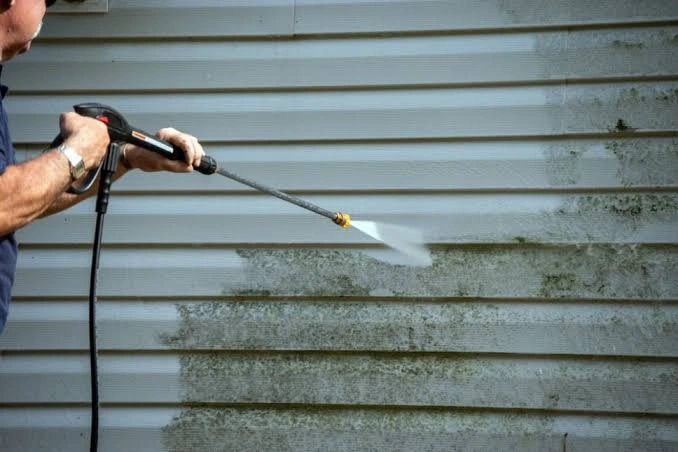
Pressure washing vinyl siding is safe when you use the correct settings and technique. Vinyl is strong enough to handle normal outdoor conditions, but it can crack or loosen under high pressure.
The goal is to remove dirt without forcing water behind the siding. You should also avoid spraying directly into seams, joints, and openings.
Follow these steps for safe cleaning:
- Check the siding: Look for loose panels, cracks, holes, and damaged areas. Repair visible problems before washing.
- Wet nearby plants: Spray garden plants and grass with clean water before using any cleaning product.
- Apply a mild cleaner: Use a siding-safe cleaning solution to loosen dirt and stains. Follow the product label.
- Start with low pressure: Choose a low-pressure setting and a wide spray nozzle. Test it on a small, hidden area first.
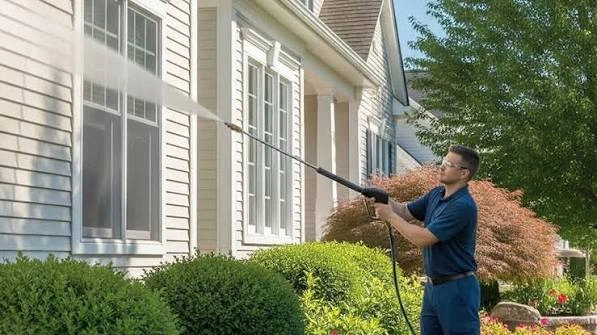
- Keep your distance: Hold the spray wand several feet from the siding. Start around four feet away and adjust only if needed.
- Spray at a downward angle: Direct the water toward the ground. Never spray upward into panel gaps or seams.
- Clean small sections: Work on one section at a time. This helps prevent cleaning products from drying on the surface.
- Rinse with clean water: Remove all soap and loosened dirt. Work from the top down during the final rinse.
- Check the results: Look for missed spots, leftover soap, and signs of water entering behind the panels.
Never stand too close to the siding while pressure washing. A strong stream can damage the surface even when the machine is set to a lower pressure.
How to Prepare Vinyl Siding for Pressure Washing
Good preparation makes the cleaning process safer and easier. It also helps prevent damage to nearby areas of your home.
Before you start pressure washing, take these steps:
Close all windows and doors: Check that every window and exterior door is fully closed. Water can enter through small gaps and damage indoor walls.
Cover electrical outlets: Protect outdoor outlets, light fixtures, and electrical connections from direct water spray. Avoid spraying electrical equipment.
Move outdoor furniture: Remove chairs, tables, grills, toys, and other items from the cleaning area. This gives you enough space to work.
Protect plants and flowers: Cover delicate plants with a suitable protective sheet. Wet them before and after using cleaning products.
Check the siding condition: Look for loose panels, damaged corners, cracked sections, and gaps around windows. High-pressure water can make existing damage worse.
Remove loose dirt: Use a soft brush or garden hose to remove cobwebs, leaves, and loose debris.
Check your cleaning solution: Read the product label to make sure it is safe for vinyl siding. Test it on a small area before cleaning the entire wall.
Taking these steps can prevent avoidable problems. It also helps you get even cleaning results.
What Pressure Washer and Nozzle Should You Use?
Choosing the right pressure washer is important when cleaning vinyl siding. A machine with too much pressure can damage the panels, especially around their edges and joints.
A light-duty electric pressure washer is often enough for normal household siding. You do not need an industrial machine for basic dirt and mildew.
Here are some general guidelines:
- Pressure: Start with a low setting, around 1,300 to 1,600 PSI, if your machine allows it. Follow the siding and equipment manufacturer’s instructions.
- Nozzle: Use a wide 40-degree white nozzle for a gentler spray.
- Distance: Begin around four feet from the surface. Adjust your distance only after testing a small area.
- Water flow: Use a steady flow instead of holding a strong stream in one spot.
- Cleaning solution: Choose a cleaner made for vinyl siding and follow its directions.
A 40-degree nozzle spreads water across a wider area. This helps reduce the force hitting one small section.
Avoid using a zero-degree or 15-degree nozzle on vinyl siding. These tips produce a narrow, powerful stream that can cut into the surface.
Also, remember that PSI is not the only factor. Water flow, nozzle type, distance, and spray angle all affect cleaning power.
If you are unsure about your machine’s settings, test it carefully before starting the full job.
What Are the Risks of Pressure Washing Vinyl Siding?
Pressure washing can clean vinyl siding quickly, but poor technique can cause expensive problems.
Understanding these risks helps you protect your home’s exterior.
1. Water Behind the Panels
This is one of the biggest risks. Spraying upward or directly into panel joints can force water behind the siding.
Trapped moisture may damage the wall materials and lead to mold growth. Always direct the spray downward.
2. Cracked or Broken Panels
Vinyl can become brittle with age and exposure to cold weather. A powerful water stream may crack weak or damaged panels.
Use low pressure and inspect the siding before cleaning.
3. Loose Siding
High-pressure water can lift loose panels or damage their connections. This is more likely when the siding already has weak sections.
Repair loose panels before washing.
4. Water Around Windows and Doors
Spraying directly into window frames, door gaps, and trim can allow water inside. This may damage wood, insulation, or indoor surfaces.
Keep the spray away from these areas.
5. Damaged Paint or Trim
Some homes have painted vinyl siding or older exterior trim. Strong pressure and harsh cleaning products may damage these surfaces.
Check the surface and cleaner before starting.
6. Personal Injury
Pressure washers produce strong water streams. They can cause serious injuries when aimed at skin or feet.
Wear safety glasses and closed shoes. Never point the wand at another person.
How to Remove Dirt, Mold, and Mildew From Vinyl Siding
Dirt, mold, and mildew are common problems on outdoor siding. They often appear on shaded walls, near trees, and in areas with poor airflow.
The best cleaning method depends on the type of stain.
Removing Everyday Dirt
For normal dirt and dust, start with a garden hose and mild soap.
Mix the cleaner according to its label. Apply it with a soft brush or suitable sprayer. Gently scrub dirty areas and rinse them with clean water.
Removing Mold and Mildew
Mold and mildew often appear as dark green, black, or gray spots. They can grow in damp areas that receive little sunlight.
Use a vinyl-safe cleaner labeled for mold and mildew. Follow the directions for mixing, application, and rinsing.
For stubborn stains, use a soft-bristle brush. Avoid hard scrubbing because it can scratch the surface.
Removing Green Algae
Green stains often develop on shaded walls and near trees. These stains may look like a thin layer of dirt.
Apply a suitable exterior siding cleaner and let it work for the time stated on the label. Gently brush the area and rinse it well.
Removing Spider Webs and Cobwebs
Spider webs and loose debris usually do not need strong pressure. A soft broom or garden hose can remove them easily.
Clean these areas before applying soap. This prevents loose debris from spreading across the siding.
If dark stains return quickly, check for nearby moisture sources. Poor drainage, leaking gutters, and constant shade can encourage new growth.
What Cleaning Products Are Safe for Vinyl Siding?
Not every household cleaner is suitable for vinyl siding. Some products can cause discoloration, damage the surface, or harm nearby plants.
Choose a mild cleaning product made for exterior vinyl surfaces.
Common options include:
Mild Dish Soap: A small amount of mild dish soap mixed with water can remove normal dirt and light grease. Use a soft brush and rinse the surface well.
Vinyl Siding Cleaner: Commercial siding cleaners are designed for exterior surfaces. Check the label to confirm that the product is suitable for your siding.
Mold and Mildew Cleaner: These products can help remove dark stains and organic growth. Follow the label and protect nearby plants.
Manufacturer-Approved Solutions: Some siding makers provide their own cleaning instructions. Check your siding warranty or product guide before choosing a chemical.
Avoid mixing different cleaning products. Never mix bleach with ammonia or acidic cleaners. These combinations can release dangerous gases.
Also, do not use strong solvents, abrasive powders, or harsh chemicals unless the siding manufacturer approves them.
How to Clean Vinyl Siding Without a Pressure Washer
You do not need a pressure washer to keep vinyl siding clean. A garden hose, mild cleaner, and soft brush can handle many common stains.
This method is useful for older siding or homes with loose panels.
Follow these simple steps:
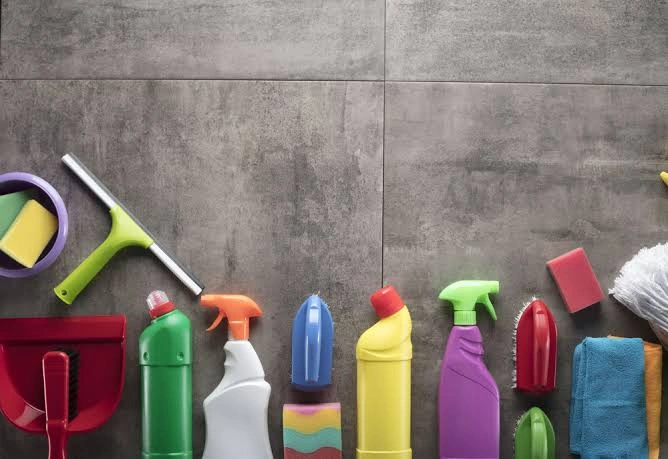
- Prepare your supplies: Get a garden hose, bucket, mild soap, soft-bristle brush, and clean cloth.
- Remove loose dirt: Rinse the siding with a garden hose to remove dust and cobwebs.
- Prepare the cleaner: Mix mild soap with water according to the product instructions.
- Apply the solution: Use a soft brush or sponge to spread the cleaner across a small section.
- Scrub gently: Work from the bottom upward to help prevent dirty water from leaving streaks.
- Rinse the surface: Use your garden hose to remove soap and loosened dirt. Rinse from the top down.
- Check for stains: Repeat the process on areas that still look dirty.
Do not use steel wool, rough scrub pads, or stiff wire brushes. These tools can scratch vinyl and leave visible marks.
This method takes more time than pressure washing, but it gives you better control over the cleaning process.
What Should You Avoid When Cleaning Vinyl Siding?
Some cleaning mistakes can damage vinyl siding or create problems that are costly to fix.
Avoid these common mistakes:
- Using excessive pressure: High pressure can crack panels and force water behind the siding.
- Using narrow spray tips: Zero-degree and 15-degree nozzles can create too much force in one area.
- Spraying upward: Water can enter through the lower edges and panel joints.
- Using harsh chemicals: Strong solvents and unapproved cleaners may damage or discolor vinyl.
- Scrubbing too hard: Rough brushes can scratch the surface and leave marks.
- Ignoring damaged panels: Cleaning over loose or cracked siding can make the damage worse.
- Leaving soap behind: Cleaning product residue can attract dirt and leave visible streaks.
- Spraying electrical parts: Water around outdoor outlets and fixtures can create safety risks.
- Working too close: Holding the wand near the surface increases the chance of damage.
Always read the cleaning product instructions and pressure washer manual before starting.
How to Prevent Water From Getting Behind Vinyl Siding
Water behind vinyl siding can cause serious problems if it remains trapped. It may affect the wall, insulation, and other materials beneath the panels.
You can reduce this risk by following a few simple rules.
Spray Downward: Keep the water stream pointed toward the ground. Never direct water upward under the panel edges.
Keep a Safe Distance: Hold the nozzle several feet away from the wall. Start around four feet away and test the spray before moving closer.
Avoid Direct Spraying Around Openings: Do not spray directly into windows, doors, vents, or trim joints. Use a gentle hose rinse around these areas.
Check Seams and Joints: Look for gaps, loose panels, and damaged sections before cleaning. Repair problems before using water.
Use Low Pressure: A gentle spray is usually enough to remove loose dirt and soap. Avoid using more pressure than the job requires.
Check Drainage: Make sure gutters and downspouts move rainwater away from your home’s walls. Poor drainage can keep the siding damp.
Remember that vinyl siding is designed to shed rain, but it is not a waterproof wall by itself. Proper installation and drainage help protect the materials underneath.
When Should You Hire a Professional?
Cleaning a small, lightly stained section of vinyl siding is often a simple home project. However, some jobs need professional equipment, experience, and care.
Consider hiring a professional when:
- Your home has several stories or hard-to-reach walls.
- The siding has cracks, loose panels, or other visible damage.
- Mold and mildew cover large areas.
- You are unsure which cleaning products are safe.
- You do not have the right pressure washer or cleaning tools.
- Previous cleaning attempts have left stains or marks.
- You want to avoid the risks of working on ladders.
A professional cleaner knows how to choose the right pressure, nozzle, and cleaning solution for different exterior surfaces. They can also spot areas that need attention before washing begins.
If you need help with exterior cleaning, House Washing Services in Tracy CA can help keep your home’s exterior looking clean and well cared for.
VJ Pressure Washing provides house washing services for homeowners who want to remove dirt, stains, and outdoor buildup. Professional cleaning can also save you time and reduce the risk of damage caused by poor washing methods.
Before hiring a company, ask about its cleaning process, products, equipment, and experience with vinyl siding. Make sure the service provider understands how to protect siding joints, windows, plants, and nearby surfaces.
Conclusion
Vinyl siding can be pressure washed safely when you use the right equipment and cleaning method. Start with low pressure, choose a wide spray nozzle, and keep the wand several feet away from the wall. Always spray downward to prevent water from getting behind the panels.
For light dirt, a garden hose and mild soap may be enough. For heavy stains, use a vinyl-safe cleaner and follow its instructions. If the siding is damaged or the job is difficult to reach, consider hiring a professional.
With the right care, you can keep vinyl siding clean without causing unnecessary damage.
Frequently Asked Questions
Can You Power Wash Vinyl Siding Without Damaging It?
Yes, you can power wash vinyl siding without damaging it. Use low pressure, a wide 40-degree nozzle, and a safe distance. Avoid spraying upward or directly into panel joints.
Can You Power Wash Vinyl Siding With Just Water?
Yes, water can remove loose dust, dirt, and cobwebs from vinyl siding. However, stubborn stains, mold, and mildew may need a suitable cleaning solution.
What PSI Is Safe for Power Washing Vinyl Siding?
A low setting around 1,300 to 1,600 PSI can work for many vinyl siding jobs. Always check the siding manufacturer’s instructions and test a small area first.
Can You Use a 15-Degree Nozzle on Vinyl Siding?
It is better to avoid a 15-degree nozzle on vinyl siding. It produces a narrow stream that can damage panels. A wider 40-degree nozzle is a safer starting choice.
How Often Should You Power Wash Vinyl Siding?
Most homes only need exterior siding cleaning when visible dirt, algae, or mildew builds up. The timing depends on weather, trees, shade, and nearby dust.
Can Pressure Washing Remove Mold From Vinyl Siding?
Pressure washing can remove some surface mold and mildew. For better results, use a vinyl-safe mold cleaner before rinsing. Fix moisture problems to help prevent new growth.
Is Bleach Safe for Vinyl Siding?
Some siding cleaning instructions allow properly diluted bleach solutions for certain stains. However, you should check the siding manufacturer’s guidance and follow product safety instructions. Never mix bleach with ammonia or acidic cleaners.
Can Pressure Washing Cause Water to Get Behind Vinyl Siding?
Yes, water can enter behind siding when you spray upward or directly into panel joints. Always direct the spray downward and avoid damaged seams and openings.
Can You Power Wash Old Vinyl Siding?
You can clean old vinyl siding, but you should inspect it first. Older panels may be brittle or loose. A garden hose and soft brush may be safer than pressure washing.
Should You Use Hot or Cold Water to Clean Vinyl Siding?
Cool or normal-temperature water is usually suitable for cleaning vinyl siding. Avoid very hot water because excessive heat can affect the material. Follow the siding manufacturer’s care instructions.