What Is Soft Wash Roof Cleaning? | A Complete Guide
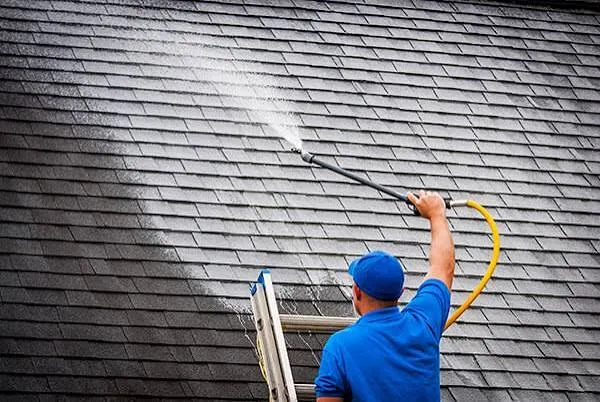
So, what is a soft wash roof cleaning? It is a roof-cleaning technique that employs low pressure to wash away dirt, algae, moss, mildew, and other surface deposits without that high pressure typically used on certain exterior cleaning projects. A soft wash systems’ technique depends on a combination of water flow with a suitable cleaning solution. For homeowners, soft wash roof cleaning can be an easy solution to not only make your roof look better but also eliminate the opportunity for surface damage that is avoidable. Soft wash cleaning methods should be determined based on roof material and manufacturer guidelines. What Is Soft Wash Roof Cleaning? What is soft washing? Soft washing is a low-pressure process that employs cleaning solutions and detergents to remove grime and organic stains from a roof. Soft washing in no way works by using the power of high pressure to clean the roof. This is advantageous when cleaning a roof that can be damaged from high-pressure water. The professional soft wash process might assist you in eliminating: Algae stains Moss Mildew Dirt and grime Organic growth Surface discoloration The specific cleaning process and agent used should be tailored to the material and state of the roof, as well as to manufacturer guidelines. How Does Soft Roof Washing Work? The process generally involves several controlled steps. 1. Roof Inspection A professional will start by inspecting the roof and noting the type, condition, stains, organic growth and any trouble spots. The reason that this step is important is that not every roof needs to be cleaned the same. 2. Protecting Surrounding Areas Prior to starting the cleaning, protect the neighbouring flora, outdoor furniture, walls, windows and other sections that need safeguarding in the best way possible. 3. Applying the Cleaning Solution The areas to be cleaned are treated with an appropriate cleaning solution by way of controlled equipment to aid in loosening of organic growth and surface contaminants. 4. Gentle Rinsing Once the designated treatment has been achieved, the roof is rinsed at low water pressure. The aim is to wash the surface gently with water that will not dislodge roofing materials. 5. Final Inspection Check the roof after cleaning to verify any apparent build-up has been removed and the areas were cleaned effectively. Soft Washing vs. Pressure Washing One of the biggest differences between the two methods is the amount of water pressure used. Soft Washing Pressure Washing Uses low water pressure Uses significantly higher pressure Relies on cleaning solutions Relies heavily on water pressure Designed for more delicate surfaces Better suited to appropriate hard surfaces Helps reduce unnecessary physical impact Can damage unsuitable roofing materials Commonly used for roof cleaning More commonly used for suitable exterior surfaces The right method depends on the surface being cleaned. Roofing manufacturers provide specific installation and maintenance requirements for their products, so contractors should consider those requirements before cleaning. Why Is Soft Wash Roof Cleaning Used? Reasons for soft washing your roof there are a few reasons why you may choose to soft wash. Helps Remove Organic Growth Moss and Algae, moss and mildew will stain your roof and make it appear neglected. To clean these, a good soft-washing treatment is ideal. Uses Less Physical Pressure Since the cleaning process is not driven by high pressure it avoids damaging your ridge, tiles, and slate. Improves Roof Appearance A roof that is not dirty can still suffer from dark streaks and organic growth, leaving the appearance of your home affected. A professional clean can bring it back to a cleaner appearance. Can Reach Difficult Areas If designed well, the cleaning process will be able to thoroughly clean those parts that may have a difficulty to be cleaned by manual cleaning. Is Soft Wash Roof Cleaning Safe for Shingles? Some shingle roofs can be treated with soft washing when done properly, however not all roof types should be soft washed. Ask yourself what type of roof material the roof is made of, its age and condition, prior damage, pitch (flat or steep), manufacturer directions, etc. For instance, Roofing manufacturers direct you to follow their product instructions and applicable requirements. A professional ought to check the roof before you use the cleaning method instead of simply assuming that one method applies to every single roof. What Types of Roofs Can Be Soft Washed? Use a degreaser such as a roofing cleaner. Anyone who is considering power washing should make sure that the roofing material is power wash safe. Professional roof cleaners may encounter: Asphalt shingles Metal roofing Tile roofing Composite roofing Other specialty roofing materials But for different materials you may have to vary the cleaning solution, the pressure and method of cleaning. In case you are unsure whether your roof can be cleaned by the soft washing technique, it would be wise to let a specialist do an inspection on the surface. How Often Should You Soft Wash a Roof? There isn’t a one size fits all schedule. The ideal cleaning frequency can depend on: Local climate Humidity Shade around the property Nearby trees Roof material Amount of algae or moss growth Previous cleaning Overall roof condition Organic growth on homes in shaded areas or moist climates will be faster than those in warm, sunny climates. The homeowner should not stick with the monthly cleaning schedule but instead watch for some staining or growth before scheduling a cleaning. What Should You Avoid When Cleaning a Roof? Dirty roofs are not just about the aesthetics of the surface. If you want to be completely wrong you use the wrong technique. Avoid: Using excessive water pressure Walking unnecessarily across fragile roofing Scrubbing aggressively Employ chemicals not compatible with roofing material. Ignoring existing roof damage Blocking or damaging gutters and drainage systems Cleaning without considering nearby plants and surfaces Cracked, loose, missing or badly worn materials may take priority over cleaning. A professional roofing contractor will determine if cleaning is suitable. Benefits of Professional Soft
What Is the Black Stuff on My Roof? | Causes and Safe Removal
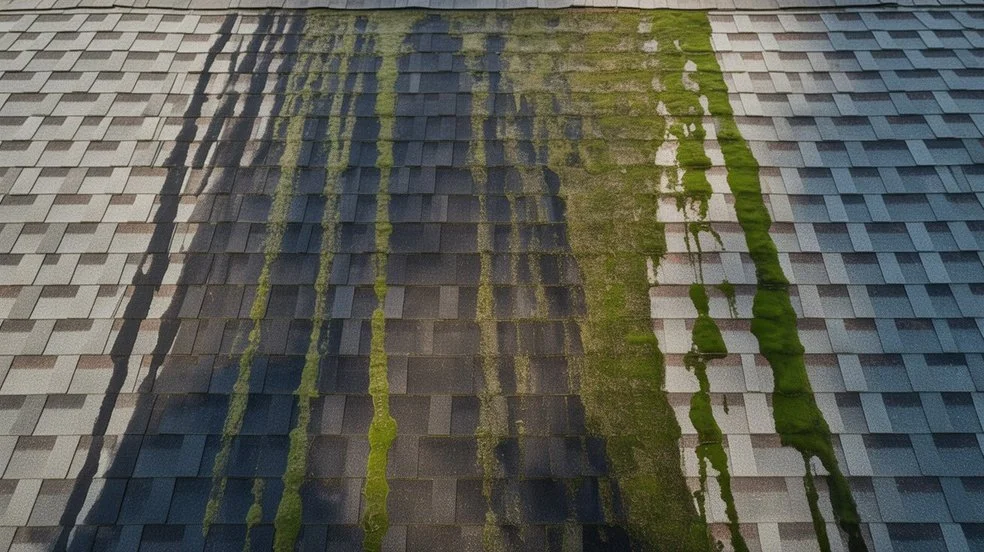
If you have noticed dark streaks, spots, or patches across your roof, you may be wondering, What Is the Black Stuff on My Roof? In many cases, the black discoloration seen on asphalt shingles is associated with algae growth, particularly a type commonly referred to as blue-green algae. However, not every dark mark on a roof has the same cause. Black discoloration can also be related to dirt, debris, moisture, moss, or other surface buildup. Identifying what you are actually seeing is important because the appropriate cleaning method depends on the roof material and the type of growth. For most homeowners, the biggest concern is whether those dark areas are damaging the roof. In some situations, the issue is mainly cosmetic, while persistent moisture and organic growth can contribute to roof deterioration over time. What Causes Black Stains on Roofs? There are several possible reasons for black stains on roof surfaces. The most common explanation for dark streaking on asphalt shingles is algae. Algae can spread across areas of the roof that stay damp for longer periods, particularly where there is limited sunlight. Other possible causes include: Dirt and airborne particles Accumulated organic debris Moss or other plant growth Moisture-related buildup Staining from surrounding trees Material aging or weathering The appearance can provide clues, but homeowners should avoid assuming that every black mark is automatically algae. If the discoloration is accompanied by thicker vegetation, raised patches, or persistent moisture, the roof may have a different problem that requires closer inspection. Is the Black Stuff on My Roof Algae? Often, yes. If you see long dark streaks running down asphalt shingles, algae is a common possibility. These streaks can become more noticeable as the growth spreads across the roof. Algae is particularly common on roof areas that receive less direct sunlight and stay damp for longer periods. However, visual appearance alone is not always enough to identify the exact cause. If you are unsure whether the material is algae, moss, dirt, or another substance, it is better to have the roof evaluated before choosing a cleaning method. What Does Black Algae Look Like? Black algae on roof surfaces commonly appears as dark streaks or patches. The discoloration may begin in small areas and gradually become more noticeable. Over time, an affected roof can develop a patchy or streaked appearance, especially on shingles exposed to repeated moisture. One useful clue is the texture. Thin, flat discoloration is different from thick, raised growth. Moss generally has a more substantial, plant-like appearance, while algae may appear primarily as staining or discoloration. Knowing the difference matters because the cleaning approach should be selected according to what is actually present. Why Does Algae Grow on Roofs? Moisture and environmental conditions play an important role. Roofs located beneath trees or in areas with limited sunlight may stay damp longer after rain. Leaves and other organic debris can also collect on the surface, creating conditions that support biological growth. The direction a roof faces can also affect how quickly areas dry. This means two sections of the same roof can look very different. One side may remain relatively clean while another develops noticeable dark streaks because it receives less sunlight or stays damp for longer. Can Black Algae Damage Roof Shingles? Black algae is often considered primarily a cosmetic problem, particularly when it appears as surface staining. However, a roof with persistent organic growth should not simply be ignored. Moisture, debris, moss, and other growth can create conditions that contribute to deterioration. Moss deserves particular attention because it can grow around and beneath portions of shingles. As it develops, it can interfere with proper water shedding and contribute to problems with the roofing material. The important point is that not every black stain means your roof needs to be replaced. If the shingles are otherwise in good condition, cleaning may improve the appearance without replacing the roofing system. If there are cracked, curling, missing, or badly deteriorated shingles, however, cleaning alone will not solve the underlying problem. What Are Black Stains on Roof Shingles? Black stains on roof shingles are commonly associated with algae-related discoloration, particularly on asphalt-shingle roofs. These stains can make a relatively new roof appear old or poorly maintained. Because the discoloration often spreads gradually, homeowners may not notice how much the appearance has changed until they compare the roof with an older photograph. Before cleaning, inspect the shingles for signs of physical deterioration. If the shingles are brittle, damaged, loose, or missing granules, aggressive cleaning can make the condition worse. How to Remove Black Stains From Roof Shingles The safest approach depends on the roof material and its condition. For asphalt shingles with algae-related staining, roof-cleaning methods commonly rely on an appropriate cleaning solution rather than aggressive mechanical pressure. The basic process should focus on: Inspecting the roof and identifying the type of buildup. Checking the condition of the shingles. Selecting a cleaning solution appropriate for the roofing material. Applying the solution carefully. Allowing the treatment to work according to the product instructions. Rinsing or allowing the treated growth to break down as appropriate for the chosen method. Protecting landscaping and surrounding surfaces throughout the process. The exact procedure can vary by product and roofing material, so homeowners should follow the manufacturer’s recommendations. Why You Should Not Pressure Wash Your Roof Like a Driveway A common mistake is assuming that because pressure washing works well on concrete, it should also be used on roof shingles. That is not a safe assumption. Roof shingles can be damaged by excessive pressure. A powerful spray can loosen or remove protective granules and may damage the shingle surface. Roof cleaning generally requires a gentler approach than cleaning a concrete driveway. If you are considering using a pressure washer on your roof, check the roofing manufacturer’s recommendations first. When in doubt, professional roof cleaning is a safer option than experimenting with high pressure. Should You Clean a Roof With Black Algae? If black algae is mainly affecting the