Can You Power Wash Solar Panels? | What to Know
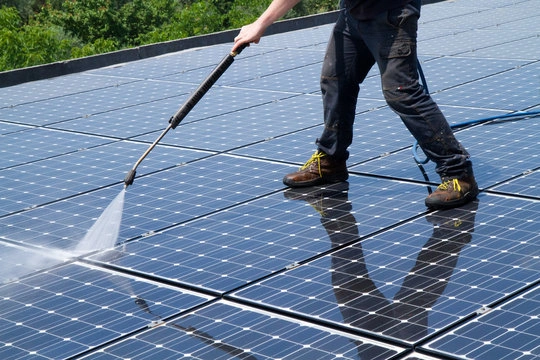
No, you generally should not use a standard pressure washer on solar panels. High-pressure water can damage seals, frames, coatings, or other parts of the module. The exact cleaning method depends on your panel manufacturer’s instructions. So, can you power wash solar panels? In most home situations, pressure washing is not the safest choice. A garden hose, soft non-abrasive tool, and clean water are usually more suitable for light dirt. Always check the manual for your exact panel model before cleaning. Can You Power Wash Solar Panels? You should not treat solar panels like concrete, siding, or a driveway. A pressure washer is designed to remove tough dirt from hard surfaces. Solar modules need a gentler approach because they contain glass, cells, seals, frames, electrical connections, and other parts that can be affected by improper cleaning. There is also an important difference between pressurized water and using a typical pressure washer. Some solar manufacturers provide specific pressure limits for controlled cleaning. For example, Canadian Solar’s current installation guidance allows wet cleaning with water pressure up to 4 MPa, or 40 bar, while requiring suitable equipment and other precautions. REC takes a different position. Its cleaning guide says high-pressure hoses and pressure cleaners are not permitted for its panels because they can cause impact damage, affect frame bonding or laminate, and force water between the glass and frame. This difference is important. There is no universal pressure setting that is safe for every solar panel. Your manufacturer’s instructions should always come first. Why Shouldn’t You Pressure Wash Solar Panels? The main problem is not water itself. Solar panels can be cleaned with water. The concern is excessive pressure, poor technique, and water reaching areas where it should not. A pressure washer can produce far more force than a normal garden hose. That force can be difficult to control when cleaning a large roof-mounted array. Potential problems include: Damage to seals Damage to frame bonding Stress on the glass Damage to electrical connections Water reaching the back of the module Damage from improper cleaning tools Micro-cracks caused by external force Warranty problems if cleaning instructions are ignored Canadian Solar warns that improper cleaning equipment can create heavy localized loads. It says those loads may cause cell-level micro-cracks and compromise module reliability. The safest approach is simple: use the least aggressive method that removes the dirt. What Happens If You Pressure Wash Solar Panels? The result depends on the equipment, pressure, panel design, distance, spray pattern, and manufacturer’s requirements. A quick blast may appear harmless because the glass looks strong. The problem is that damage is not always visible immediately. For example, a strong stream directed near the frame may affect a seal without creating an obvious crack. Water may also reach areas that are not intended to receive direct spray. A panel can continue producing electricity after minor damage. That does not mean the cleaning method was safe. Improper cleaning can also create scratches or small defects that become more important over time. This is why solar manufacturers provide cleaning instructions instead of recommending the same pressure setting for every panel. Can Pressure Washing Damage Solar Panels? Yes, it can. The risk depends on the panel and the cleaning method. Solar modules are built to handle outdoor weather, but that does not mean they should be exposed to unlimited water pressure. REC warns that high-pressure cleaning can exceed the certified load and may cause impact damage, frame bonding damage, laminate damage, or water intrusion between the glass and frame. Canadian Solar also warns against improper cleaning equipment because concentrated loads can cause micro-cracks at the cell level. Damage can come from more than water pressure. A pressure-washing wand can also hit the panel, frame, or mounting hardware. A worker may lose control of the wand while standing on a ladder or roof. That creates a second risk: physical impact. Can Pressure Washing Crack Solar Panel Glass? It can, especially when excessive force or impact is involved. Solar panel glass is strong, but it is not designed to handle careless cleaning methods. The risk can increase when: The spray is held too close Pressure is too high The nozzle creates a narrow, forceful stream The panel already has damage A hard object hits the glass A worker places weight on the module Dirt is scraped with a hard tool Micro-cracks are another concern. They may not look like a large crack across the glass, but they can still affect the cells underneath. Canadian Solar specifically warns that improper cleaning equipment can create localized heavy loads that may lead to severe micro-cracks at the cell level. Never walk on solar panels while cleaning them. Can Pressure Washing Damage Solar Panel Seals? Yes. This is one of the reasons high-pressure cleaning can be a poor choice. The edges of a solar module have materials that help protect internal components from the outdoor environment. A strong stream directed toward an edge or frame can create unnecessary stress. REC warns that high-pressure hoses may force water between the glass and frame. Once water reaches areas that should remain protected, the problem becomes more serious than surface dirt. You may not notice seal damage during cleaning. It can become a longer-term maintenance issue. For this reason, never point a high-pressure nozzle directly at panel edges, joints, connectors, or the rear of a module unless the manufacturer specifically provides instructions for that method. Can Pressure Washing Damage Electrical Components? It can create an electrical safety risk if water reaches damaged or exposed electrical parts. Solar panels generate electricity when exposed to light. A wet, damaged module can increase the risk of electrical problems. Canadian Solar’s installation guidance warns that cracked or broken modules can create a shock hazard and says the array should be disconnected from active components before cleaning according to its procedure. Never clean a visibly damaged panel yourself. Stop and get qualified solar help if you see: Cracked glass Exposed wires Loose connections Damaged junction