
Rain can help remove loose dust and some surface dirt from solar panels, but it does not reliably clean them completely. Fine dust, bird droppings, sticky pollen, and other stubborn deposits can remain after a rainstorm. In some conditions, rainfall can even leave visible water spots or muddy residue. If you own a residential solar system, you may wonder whether you can rely on rain instead of arranging regular cleaning.
The answer depends on your local environment, the amount of dirt on your panels, and how effectively rainwater runs across their surfaces. Understanding what rain can and cannot remove will help you decide when to inspect your panels and when additional cleaning may be worthwhile.
- How Does Rain Affect Solar Panel Cleanliness?
- Can Rain Clean Solar Panels Completely?
- Loose Dust and Light Dirt
- Bird Droppings
- Pollen and Sticky Residue
- Mud and Environmental Pollution
- Does Rain Wash Dirt Off Solar Panels?
- Can Rain Keep Solar Panels Clean?
- Why Are Solar Panels Still Dirty After Rain?
- How to Check Solar Panels After Rain
- When Should You Clean Solar Panels Instead of Relying on Rain?
- How to Clean Solar Panels Safely
- Common Mistakes Homeowners Make
- Is Professional Solar Panel Cleaning Worth It?
- Final Thoughts
- Frequently Asked Questions
How Does Rain Affect Solar Panel Cleanliness?
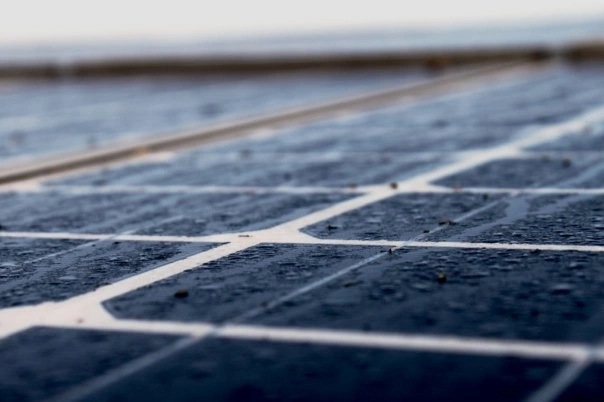
Solar panels are installed outdoors, so they naturally collect material from their surroundings. Dust, pollen, airborne pollution, leaves, and bird droppings can accumulate on the glass surface over time.
When it rains, water flows over the panels and may carry away some loose particles. This can make the glass look cleaner, particularly after a period of light dust accumulation.
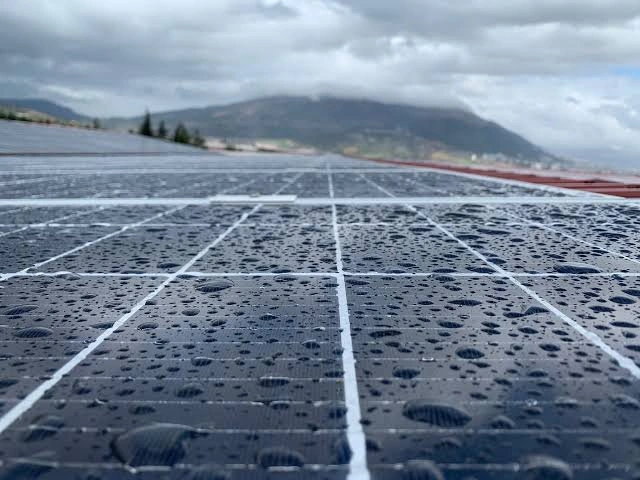
However, rainfall is not the same as a controlled cleaning process. Water may flow unevenly across a panel, and some dirt can stick to the glass instead of washing away. Deposits around panel edges and areas where water evaporates may remain even after heavy rain.
The result depends on several factors, including the amount of rainfall, the type of dirt, the panel’s angle, and the surrounding environment.
For example, a home in a relatively clean area may have solar panels covered mainly in loose dust. A rainstorm might remove a noticeable amount of that dust. A home near a busy road or construction site may have heavier buildup that requires more than rainfall to remove.
Can Rain Clean Solar Panels Completely?
Rain can provide some natural cleaning, but homeowners should not assume it removes every type of dirt. The effectiveness of rainfall varies with the conditions around the solar installation.
Loose Dust and Light Dirt
Loose dust is among the types of dirt that rain may remove most easily. Water can loosen particles and carry them toward the lower edge of a tilted panel.
However, fine dust can sometimes mix with water and form a thin layer of residue. If the water dries before carrying the dirt away, marks may remain on the glass.
Bird Droppings
Bird droppings can stick firmly to solar panels, especially when they dry in the sun. Light rainfall may soften some of the residue, but it may not remove it completely.
Leaving stubborn deposits in place can also create localized shading. If a deposit remains after rain, follow the panel manufacturer’s cleaning instructions rather than trying to scrape it off.
Pollen and Sticky Residue
Pollen can settle on solar panels during certain seasons. Depending on the amount and type of pollen, rain may remove some of it while leaving a thin film behind.
Sticky organic material can be particularly difficult to remove through rainfall alone. A panel may look slightly cleaner after a storm but still have visible residue when viewed from the ground.
Mud and Environmental Pollution
Dusty rain can leave muddy streaks, while airborne pollution may contribute to deposits on the glass. These substances do not always wash away evenly.
If you notice persistent streaks, cloudy patches, or visible buildup after rainfall, inspect the panels from a safe location and consider whether cleaning is necessary.
Does Rain Wash Dirt Off Solar Panels?
Yes, rain can wash some dirt off solar panels, especially when the dirt is loose and the water can flow freely across the glass. However, the amount removed depends on the type of contamination and the conditions during the rainfall.
A short shower may do little to remove accumulated grime. Longer or heavier rainfall may carry away more loose material, but even substantial rainfall cannot guarantee a spotless surface.
Another important factor is the panel’s slope. Water generally drains more readily from an angled surface than from a nearly flat one. Dirt can collect along the lower edges where water slows down or evaporates.
This is why two solar installations in the same neighborhood may look different after the same rainstorm. One may appear relatively clean, while another still has visible dust or streaks.
The practical takeaway is simple: rain can assist with cleaning, but it should not be treated as a complete replacement for inspection and maintenance.
Can Rain Keep Solar Panels Clean?
Rain may help slow the accumulation of loose dust, but it cannot guarantee that solar panels will remain clean throughout the year.
How often your panels need attention depends on the conditions around your property.
Homes near construction areas may experience frequent dust buildup. Properties surrounded by trees may collect pollen, leaves, or other organic debris. Homes in dry, windy areas may develop dusty surfaces between rainfall events.
Bird activity can also affect cleaning needs. A panel with several dried droppings may need attention even if the surrounding glass appears clean.
For these reasons, there is no single cleaning schedule that works for every solar installation. A homeowner in a relatively clean environment may need less frequent cleaning than someone living near a dusty road.
Instead of relying entirely on the weather, check your panels periodically and look for persistent dirt or changes in system performance.
Why Are Solar Panels Still Dirty After Rain?
If your solar panels look dirty after a storm, several factors may explain why.
The dirt was already stuck to the glass. Dried bird droppings, sticky pollen, and other deposits may resist ordinary rainfall.
Rainwater carried additional particles. Rain can pick up dust and airborne material before reaching your panels. Depending on local conditions, this water may leave residue as it dries.
Water drained unevenly. Some parts of a panel may receive more water flow than others. Dirt can remain in areas where water does not rinse the surface effectively.
The panels accumulated dirt between storms. In dry weather, dust and other debris can build up faster than occasional rainfall can remove them.
Mineral deposits were already present. Water containing dissolved minerals can leave marks when it evaporates. Rainwater composition and contaminants can also affect the residue left behind.
If the glass remains visibly dirty after several rain events, additional cleaning may be appropriate. However, do not assume that every water spot or patch of dust has a significant effect on electricity production.
How to Check Solar Panels After Rain
You do not need to climb onto your roof to perform a basic visual inspection. In fact, staying on the ground is usually the safer approach for homeowners.
Start by looking at the panels from a suitable ground-level viewpoint after the surface has dried. Check for obvious bird droppings, dusty streaks, muddy residue, leaves, or other debris.
Next, consider whether your solar system’s energy production has changed. If your monitoring app or inverter displays production data, compare readings across similar weather conditions and times of day. Cloud cover, seasonal sunlight, shading, and system issues can all affect output, so one low reading does not prove that dirt is the cause.
If the panels appear clean and the system is performing normally under comparable conditions, immediate cleaning may not be necessary.
If substantial residue remains or production seems consistently lower than expected, investigate further. A qualified solar technician can help distinguish soiling from electrical, inverter, shading, or equipment problems.
Never walk on solar panels or lean out of an upstairs window to inspect them. Roof access and electrical equipment can present serious safety hazards.
When Should You Clean Solar Panels Instead of Relying on Rain?
Additional cleaning may be worthwhile when you can see stubborn deposits that rainfall has not removed, especially when they cover a meaningful portion of the glass.
Consider cleaning or arranging a professional inspection when:
- Bird droppings remain on the panels after rain.
- Dust, pollen, or muddy residue has accumulated visibly.
- Dirt is collecting around panel edges.
- Your panels are in a particularly dusty environment.
- Solar production appears consistently lower than expected and other possible causes have been considered.
- The manufacturer’s maintenance guidance recommends cleaning under the conditions affecting your installation.
You do not necessarily need to clean panels after every storm. Unnecessary cleaning uses water and creates opportunities for scratches, accidental damage, and falls if the work is performed unsafely.
A better approach is to inspect periodically and clean when there is a practical reason to do so. Follow the panel manufacturer’s instructions regarding suitable cleaning methods, water quality, and any restrictions for your specific equipment.
How to Clean Solar Panels Safely
When rain is not enough, the appropriate cleaning method depends on the panel manufacturer’s guidance and the location of the installation.
For many systems, gentle cleaning with a soft, nonabrasive tool and suitable water is preferable to aggressive scrubbing. The manufacturer’s instructions should determine whether any cleaning solution is appropriate.
Before cleaning, consider these precautions:
Choose suitable conditions. Avoid cleaning hot panels in direct sunlight. Rapid temperature changes from applying cold water to hot glass may create thermal stress.
Use nonabrasive tools. Rough brushes, scouring pads, and sharp tools can scratch the glass or damage its surface.
Avoid harsh chemicals. Household detergents, solvents, and other cleaning products should not be used unless the manufacturer permits them.
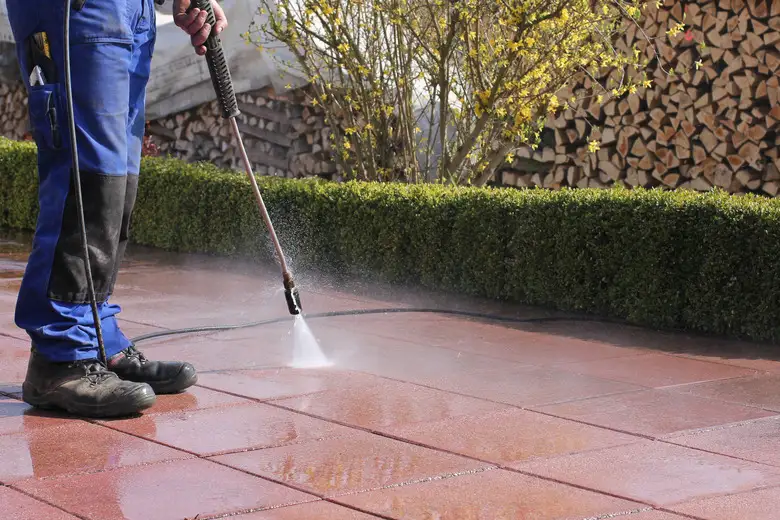
Never use high-pressure washing indiscriminately. High pressure can damage seals, wiring, or other components. Follow the equipment manufacturer’s instructions and avoid directing pressurized water at vulnerable areas.
Stay off the roof unless properly qualified and equipped. Falls are a major concern when working at height. If panels are difficult to reach, professional service is generally the safer option.
If you are unsure about the correct method, consult the solar installer or manufacturer before attempting to clean the system yourself.
Common Mistakes Homeowners Make
One common mistake is assuming that a heavy rainstorm means the panels are completely clean. Rainfall can remove loose dirt, but the result depends on the material covering the glass.
Another mistake is cleaning panels too frequently without checking whether it is necessary. Regular inspection is useful, but unnecessary washing can waste water and introduce avoidable risks.
Some homeowners also use abrasive brushes or strong household cleaners to remove stubborn marks. These methods may damage the glass or other components and should be avoided unless specifically approved by the manufacturer.
Finally, it is easy to mistake a drop in energy production for a cleaning problem. Weather, shade, inverter performance, and equipment faults can also affect output. Check the wider situation before deciding that dirty panels are responsible.
Is Professional Solar Panel Cleaning Worth It?
Professional cleaning may be worthwhile when panels have stubborn buildup, are difficult to access, or require a cleaning method that you are not comfortable performing yourself.
A professional can assess visible contamination, use suitable cleaning equipment, and help avoid common safety mistakes. However, professional cleaning is not automatically necessary after every rainfall or for every solar installation.
For homeowners in Tracy, CA, VJ Pressure Washing offers professional Solar Panel Cleaning in Tracy CA to help remove accumulated dust, dirt, and other surface buildup. If rain has not fully cleaned your solar panels, professional cleaning can help keep them clear and support proper solar panel maintenance.
Before scheduling a service, explain the type of buildup you have noticed and whether the panels are difficult to reach. It is also useful to ask what cleaning method will be used and whether it is suitable for your particular system.
Final Thoughts
So, does rain clean solar panels? Yes, to a degree, but not completely or consistently. Rain can remove loose dust and some surface dirt, yet stubborn deposits and residue may remain after a storm.
The most practical approach is to let rainfall help where it can, inspect your panels periodically, and arrange additional cleaning when visible buildup or other evidence suggests it is needed. Avoid unnecessary washing, follow the manufacturer’s care instructions, and never take risks climbing onto a roof.
With sensible maintenance, you can make informed cleaning decisions without relying entirely on the weather or spending money on cleaning that may not yet be necessary.
Frequently Asked Questions
Does rainwater clean solar panels?
Rainwater can rinse away loose dust and some surface dirt. However, it may not remove dried bird droppings, sticky residue, or mineral deposits. The result depends on rainfall, panel angle, and the type of contamination.
Can rain keep solar panels clean all year?
No. Rain can help with routine removal of loose dirt, but dust, pollen, bird droppings, and other debris can accumulate between storms. Periodic inspection helps determine whether additional cleaning is necessary.
Should I clean my solar panels after it rains?
Not automatically. Inspect the panels from a safe location after they dry. If the glass looks reasonably clean and there are no signs of a problem, immediate cleaning may not be needed.
Does heavy rain clean solar panels better than light rain?
Heavy rain may carry away more loose dirt than a light shower, but it does not guarantee complete cleaning. Stubborn deposits can remain regardless of how much rain falls.
Can rain improve solar panel efficiency?
Rain may improve cleanliness by removing some loose dirt, which can help when soiling was affecting the panels. However, rainfall also commonly occurs with cloud cover, which reduces available sunlight. Any change in power output depends on several factors, not just cleanliness.
Does rain damage solar panels?
Rain itself is a normal part of outdoor operating conditions for properly installed solar panels. Problems are more likely to involve issues such as damaged equipment, improper installation, or water intrusion through defective components. If you notice leaks or visible damage, contact a qualified solar professional.
How often should solar panels be cleaned if it rains regularly?
There is no universal schedule. Consider your local dust and pollen levels, bird activity, visible buildup, manufacturer guidance, and system performance. Regular visual checks are more useful than assuming that a particular number of rainy days eliminates the need for cleaning.