

How to Clean Marvin Windows | A Homeowner’s Guide

Marvin windows can collect dust, pollen, fingerprints, water spots, and outdoor grime over time. Regular cleaning helps keep the glass clear and the window frames looking their best. However, the right cleaning method depends on the window’s materials, finish, and specific product design. If you are wondering how to clean Marvin windows without leaving streaks or damaging the frames, start with gentle cleaning products, soft cloths, and the manufacturer’s care instructions. You do not need expensive equipment for routine maintenance. A few basic supplies and the correct technique can help you achieve a cleaner finish while protecting your windows. This guide explains how to clean Marvin window glass, frames, screens, and tracks, which products to consider, and which mistakes to avoid. What You Need to Clean Marvin Windows Before you begin, gather the supplies you need. Using the right tools makes cleaning easier and reduces the risk of scratching glass or damaging a window’s finish. For routine cleaning, you may need: A bucket of clean water A soft microfiber cloth or lint-free towel A nonabrasive sponge A mild cleaning solution suitable for the window material A soft-bristled brush for loose dirt on screens and tracks A squeegee for larger glass surfaces A dry cloth for wiping edges and removing leftover moisture Avoid steel wool, abrasive scouring pads, stiff brushes, and rough towels. These can scratch surfaces or damage certain finishes. You should also check the care instructions for your specific Marvin window before choosing a cleaner. A product that is suitable for ordinary glass may not be appropriate for a coated surface, painted frame, or specialized finish. How to Clean Marvin Windows Step by Step Cleaning Marvin windows is easier when you work from the dirtiest surrounding areas toward the glass. This helps prevent dust and debris from spreading onto surfaces you have already cleaned. Step 1: Check the Window and Choose a Suitable Time Inspect the windows before applying water or cleaning solution. Look for loose hardware, damaged seals, peeling finishes, cracked glass, or other visible problems. Cleaning will not repair these issues, and damaged areas may require professional attention. Choose a cool, overcast day when possible. Direct sunlight can dry the cleaning solution too quickly, leaving streaks and water marks before you have time to wipe the glass properly. If you need to clean windows in sunny weather, work on shaded sections and clean one window at a time. Step 2: Remove Loose Dust and Debris Start by removing loose dirt from the window frame, sill, and surrounding edges. Use a soft, dry cloth or a soft-bristled brush to lift dust and cobwebs. Pay attention to corners and joints where dirt tends to accumulate. If you wet these areas before removing loose debris, the dust may turn into muddy residue that is harder to remove. Do not force tools into narrow gaps or use sharp objects to scrape away dirt. Window tracks and drainage openings should remain clear without damaging the components. Step 3: Clean the Window Glass Mix a mild cleaning solution according to its label or use a glass cleaner approved for your particular window. Apply it gently with a soft cloth or nonabrasive sponge. Work in manageable sections rather than covering the entire window at once. Move the cloth across the glass with even strokes, paying extra attention to fingerprints, dust, and visible smudges. For larger panes, a clean squeegee can help remove the solution evenly. Wipe the squeegee blade between passes and dry the edges with a lint-free cloth. Avoid scraping glass with blades or other sharp tools unless the window manufacturer’s instructions specifically permit the method for that glass type. Some glass surfaces and coatings can be damaged by improper scraping. Step 4: Clean the Window Frames Once the glass is clean, move to the frames. The correct method depends on whether your Marvin windows have wood, fiberglass, aluminum-clad wood, or another material. For routine dirt, begin with a soft cloth and a small amount of an appropriate mild cleaning solution. Wipe gently and remove any residue with a clean cloth, following the manufacturer’s instructions about rinsing and drying. For wood frames, take particular care around the finish and avoid excessive moisture. Do not assume that every wood finish can tolerate the same cleaner. For fiberglass or coated frames, avoid strong chemicals and abrasive materials unless the product instructions specifically approve them. If you are unsure which material or finish you have, confirm it before using a new cleaning product. Step 5: Clean the Screens If your windows have removable screens, consult the product instructions before taking them out. Some screen designs require specific removal and reinstallation steps. When permitted, place the screen on a clean, flat surface. Use a soft brush to remove loose dust, then gently clean it with a suitable mild solution and soft cloth or sponge. Rinse only as directed by the manufacturer and allow the screen to dry completely before reinstalling it. Avoid pushing hard against the mesh, as excessive pressure can stretch or damage it. Step 6: Clean the Tracks and Sills Window tracks can collect dirt, pollen, insects, and small pieces of debris. Use a soft brush or vacuum attachment to remove loose material first. Wipe accessible surfaces with a slightly damp cloth and an appropriate cleaning solution. Dry the area as directed by the manufacturer’s care instructions. Keep drainage openings clear, and do not pack them with cleaning solution, debris, or cloth fibers. Avoid pouring large amounts of water into tracks, especially if you do not know how the window is designed to drain. Step 7: Inspect Your Work Look at the glass from different angles to check for streaks, cloudy patches, or missed spots. If you notice residue, wipe the affected area again with a clean microfiber cloth and the appropriate solution. Dry any remaining moisture from the edges, sills, and other areas where water could collect. Make sure screens are dry and correctly installed before finishing the job. Best Cleaner for Marvin
How to Clean Windows Streak Free | A Complete DIY Guide
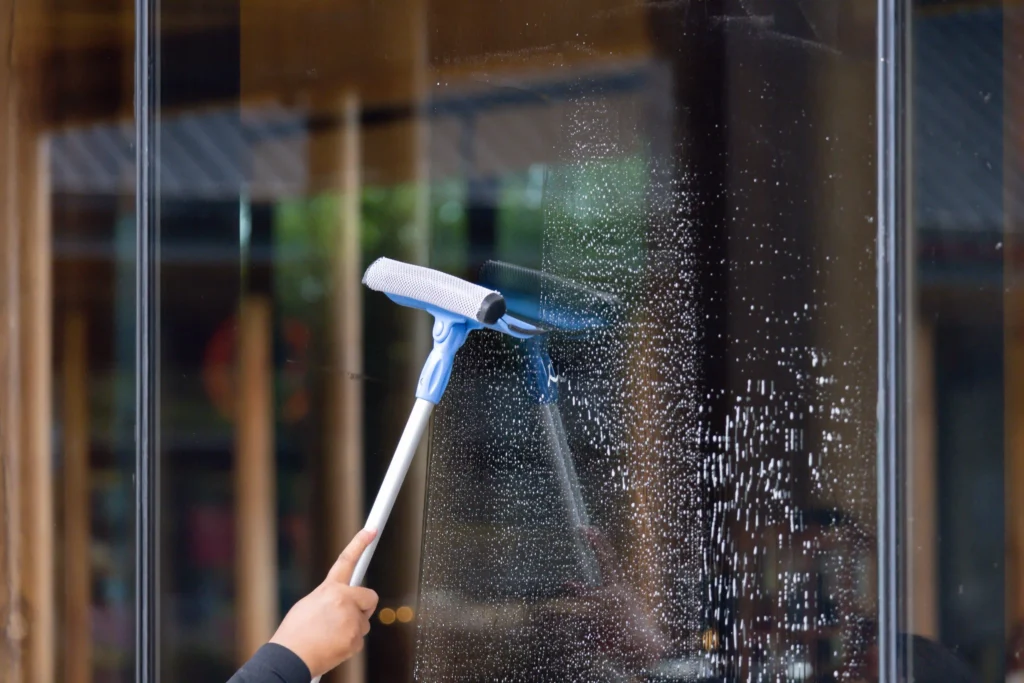
Clean windows can make a home look brighter, fresher, and more inviting. However, getting truly clear glass can be frustrating when streaks, smudges, and cloudy marks remain after cleaning. If you have ever washed a window and noticed lines appearing once the glass dries, the problem may not be the cleaning product alone. Your technique, timing, tools, and the amount of solution you use can all affect the final result. Learning how to clean windows streak free does not require expensive equipment or complicated methods. With a few basic supplies and the right process, most homeowners can achieve much clearer glass. This guide explains how to prepare the windows, clean the glass, use a squeegee properly, prevent streaks, and deal with marks that remain after cleaning. Why Do Windows Get Streaks After Cleaning? Window streaks usually happen when residue or moisture remains on the glass and dries unevenly. Using too much cleaning solution can leave a thin film behind, while dirty water or an unclean cloth can spread dust and grime across the surface. The weather can also affect your results. Cleaning glass in strong direct sunlight may cause the cleaning solution to dry before you have enough time to remove it properly. This can leave visible lines or cloudy patches. Another common problem is trying to clean heavily dusty glass with a wet cloth immediately. Loose dirt can mix with the cleaning solution and create a film that is harder to remove. Removing dust and debris before wet cleaning can make the entire process easier. What Do You Need for Streak-Free Window Cleaning? You do not need a large collection of products to clean household windows effectively. A clean microfiber cloth, bucket, water, a suitable window-cleaning solution, and a good-quality squeegee are enough for many routine cleaning jobs. It is also helpful to keep a separate dry microfiber cloth for finishing the edges. Using the same dirty cloth for the frame and final glass can transfer dust and residue back onto a surface you have already cleaned. The condition of your tools matters as much as the products. A dirty microfiber cloth can leave residue behind, while a worn or dirty squeegee blade may create lines across the glass. Choose the Right Time to Clean Your Windows Timing can make a noticeable difference when you are trying to achieve streakless window cleaning. Avoid cleaning glass when it is being heated by strong direct sunlight. A hot window can cause the cleaning solution to dry too quickly. A shaded side of the house or a cooler part of the day gives you more time to wash and dry the glass before the solution evaporates. You do not necessarily need a completely cloudy day. You can simply start with windows that are not receiving direct sunlight. How to Clean Windows Streak Free Step by Step Start by Removing Loose Dirt Before applying any cleaning solution, remove dust, cobwebs, pollen, and other loose debris from the window frame, sill, corners, and glass. A soft brush, duster, or vacuum can help with this step. If you immediately add water to a dusty window, the dirt can turn into a muddy film and become more difficult to remove. This simple preparation step is often overlooked, but it can improve the final result. Clean the Window Frame and Sill Next, clean the surrounding frame and sill. These areas often contain dust, insects, and accumulated grime that can run back onto the glass during cleaning. Cleaning them first helps prevent freshly cleaned glass from becoming dirty again. For heavily soiled windows, spend extra time around the corners and edges because these areas can collect more dirt than the center of the pane. Apply the Cleaning Solution Apply an appropriate amount of window-cleaning solution to the glass. You do not need to soak the entire window with product. A mild cleaning solution can be enough for ordinary household dirt, while a suitable commercial streak free window cleaner can also be used according to its instructions. The important point is not to assume that more cleaner means cleaner glass. Excess product can leave residue, which may become visible once the glass dries. Wash the Glass Thoroughly Use a clean microfiber cloth or window washer to loosen dirt from the glass. Work systematically from the upper portion of the window toward the lower portion. Pay attention to fingerprints, grease, water residue, and areas around the edges. If the glass is heavily dirty, allow the cleaning solution to loosen the dirt instead of aggressively rubbing the same area repeatedly. The goal at this stage is to remove the dirt rather than immediately trying to make the glass look perfectly polished. Use a Squeegee to Remove Moisture A squeegee can be particularly useful for achieving a streak-free finish. Start near the top of the glass and move the squeegee across the surface using controlled, overlapping strokes. Keep the rubber blade clean as you work. If dirt builds up on the blade, it can be dragged across the glass and leave lines behind. Avoid repeatedly going over areas that are already drying. Work steadily so that the water and cleaning solution are removed before they dry on the surface. Dry the Edges After using the squeegee, inspect the edges and corners of the window. Small amounts of water can remain around the frame even when the center of the glass looks clean. Use a clean, dry microfiber cloth to remove this remaining moisture. Do not use a cloth that has already been used to clean dirty frames or sills. Inspect the Window From Different Angles Once the window appears clean, step back and look at it from different angles. Streaks are not always visible when you look directly at the glass. Natural light can help reveal marks that are difficult to see at first. If you notice a streak, determine whether it is on the inside or outside before cleaning the entire window again. A useful troubleshooting method is to use
What Is the Best Homemade Window Cleaning Solution?
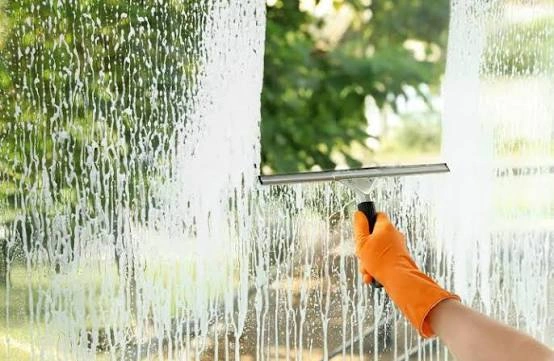
If your windows look cloudy, dusty, or covered with fingerprints, you don’t necessarily need an expensive commercial glass cleaner. A few basic household ingredients can make an effective window-cleaning solution at home. So, what is the best homemade window cleaning solution? For ordinary, uncoated glass, a simple mixture of white distilled vinegar and water is a practical choice for everyday cleaning. If the glass has greasy fingerprints or heavier household grime, adding a very small amount of liquid dish soap can help loosen the residue. For the best results, however, the cleaning solution is only part of the process. Your water, cloth, squeegee, amount of solution, and cleaning conditions all affect the final finish. Quick Answer: The Best Homemade Window Cleaning Solution For general household windows, try this simple recipe: 1 cup white distilled vinegar 1 cup distilled water Pour the ingredients into a clean spray bottle and gently mix. For windows with fingerprints or light grease, you can add one or two drops of mild liquid dish soap. Avoid adding a large amount of soap because excessive detergent can leave a film that makes glass look streaky. Vinegar-based solutions are commonly recommended for glass because their mild acidity can help with mineral residue and everyday grime. Dish soap, meanwhile, helps loosen oils and greasy residue. Why Use Distilled Water? If your tap water contains a significant amount of minerals, those minerals can remain on glass after the water evaporates. Distilled water contains far fewer dissolved minerals, which can make it a useful choice when you’re trying to achieve a clearer finish. This is especially worth considering if you’ve noticed spots appearing again shortly after cleaning. The Best All-Purpose DIY Window Cleaning Solution A good diy window cleaning solution doesn’t need to contain a long list of ingredients. For routine interior glass, start with: Ingredients 1 cup distilled water 1 cup white distilled vinegar Optional: 1–2 drops of mild liquid dish soap for greasy fingerprints Instructions Pour the distilled water into a clean spray bottle. Add the white vinegar. Add only a drop or two of dish soap if necessary. Close the bottle and gently mix. Spray a small amount onto the glass. Wipe with a clean microfiber cloth or use a squeegee. Buff remaining moisture from the edges with a dry microfiber cloth. The goal isn’t to soak the window. A light, even application is usually easier to remove and reduces the amount of residue left behind. Why This Homemade Window Cleaner Works Each ingredient has a different purpose. White Vinegar White distilled vinegar is mildly acidic. That makes it useful for loosening certain mineral residues and everyday buildup on ordinary glass. It can be particularly helpful when windows have developed a light cloudy film from water deposits. However, vinegar isn’t a universal cleaner for every material around a window. Don’t assume that because vinegar works on ordinary glass, it is automatically appropriate for every frame, sill, seal, stone surface, or specialty coating. Water Water provides the dilution that makes the solution easier to spread over the glass. Distilled water can be especially useful when mineral deposits from tap water are contributing to spotting. Dish Soap Dish soap is useful when you’re dealing with oils, fingerprints, or greasy residue. The key is moderation. Too much soap can actually make cleaning harder because it may leave a noticeable film behind. Some professional-style cleaning approaches use only a small amount of dish soap in water for this reason. What Is the Best Cleaning Solution for Windows With Different Types of Dirt? There isn’t one mixture that is automatically ideal for every cleaning situation. For Dust and Light Dirt Use: Distilled water + white vinegar This is a good starting point for ordinary interior windows that aren’t heavily soiled. For Fingerprints and Grease Use: Water + vinegar + a tiny amount of dish soap Kitchen windows and frequently touched glass may have more oily residue than bedroom or hallway windows. Use only a small amount of soap. If the solution becomes very sudsy, you’ve probably added more detergent than necessary. For Hard-Water Spots Vinegar may help loosen light mineral deposits because of its acidity. For stubborn or long-standing deposits, however, repeated spraying and wiping may not be enough. Avoid aggressively scraping glass unless you know the glass is suitable for that treatment. For Exterior Windows Exterior glass can contain more than ordinary household dust. Pollen, dirt, insects, environmental residue, and dried water spots may require a preliminary rinse or gentle scrub before the final glass cleaning. In these situations, technique becomes just as important as the recipe. How to Make the Best House Window Cleaner Without Streaks A homemade solution can work well and still produce streaks if you use it incorrectly. Follow these steps for a cleaner finish. 1. Remove Loose Dirt First Don’t immediately attack a heavily dusty window with a wet cloth. Brush or wipe away loose dust and debris first. Otherwise, you’re turning loose particles into wet grime and moving them across the glass. 2. Don’t Over-Spray More cleaner doesn’t automatically mean cleaner glass. Apply enough solution to loosen the dirt, but avoid saturating the entire window. 3. Use a Clean Microfiber Cloth A cloth containing old detergent, fabric softener, grease, or other residue can transfer that residue back onto your glass. Use a clean, lint-free microfiber cloth for wiping and a separate dry cloth for final edge work. 4. Use a Squeegee for Larger Windows A squeegee can remove water and cleaning solution efficiently from large panes. Start at the top and work methodically downward. Wipe the squeegee blade between passes if it accumulates dirty water. 5. Don’t Let the Solution Dry on the Glass This is one of the easiest ways to create streaks. If the solution dries before you remove it, the dissolved dirt and cleaning ingredients can remain on the surface. Work in manageable sections instead. 6. Be Careful in Direct Sunlight Hot glass can cause water and cleaning solution to evaporate quickly.