
Clean windows can make a home look brighter, fresher, and more inviting. However, getting truly clear glass can be frustrating when streaks, smudges, and cloudy marks remain after cleaning. If you have ever washed a window and noticed lines appearing once the glass dries, the problem may not be the cleaning product alone. Your technique, timing, tools, and the amount of solution you use can all affect the final result.
Learning how to clean windows streak free does not require expensive equipment or complicated methods. With a few basic supplies and the right process, most homeowners can achieve much clearer glass. This guide explains how to prepare the windows, clean the glass, use a squeegee properly, prevent streaks, and deal with marks that remain after cleaning.
- Why Do Windows Get Streaks After Cleaning?
- What Do You Need for Streak-Free Window Cleaning?
- Choose the Right Time to Clean Your Windows
- How to Clean Windows Streak Free Step by Step
- Start by Removing Loose Dirt
- Clean the Window Frame and Sill
- Apply the Cleaning Solution
- Wash the Glass Thoroughly
- Use a Squeegee to Remove Moisture
- Dry the Edges
- Inspect the Window From Different Angles
- How to Clean Outside Windows Without Streaks
- What Is the Best Streak Free Window Cleaner?
- Common Mistakes That Cause Window Streaks
- What Should You Do If Streaks Remain?
- Streak Free Window Cleaning Tips for Better Results
- When Should You Hire a Professional Window Cleaner?
- Final Thoughts
- Frequently Asked Questions
Why Do Windows Get Streaks After Cleaning?
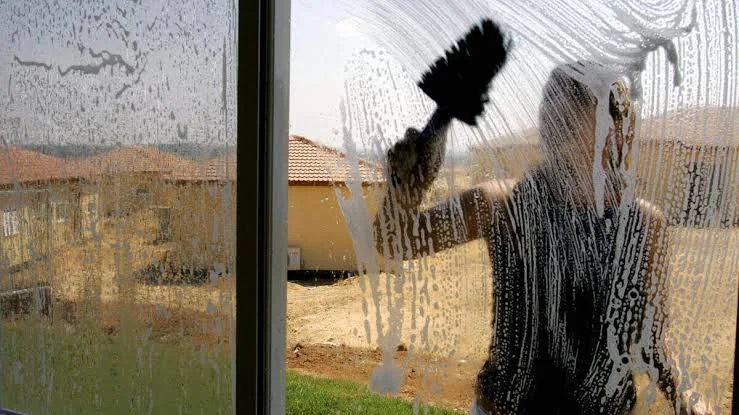
Window streaks usually happen when residue or moisture remains on the glass and dries unevenly. Using too much cleaning solution can leave a thin film behind, while dirty water or an unclean cloth can spread dust and grime across the surface.
The weather can also affect your results. Cleaning glass in strong direct sunlight may cause the cleaning solution to dry before you have enough time to remove it properly. This can leave visible lines or cloudy patches.
Another common problem is trying to clean heavily dusty glass with a wet cloth immediately. Loose dirt can mix with the cleaning solution and create a film that is harder to remove. Removing dust and debris before wet cleaning can make the entire process easier.
What Do You Need for Streak-Free Window Cleaning?
You do not need a large collection of products to clean household windows effectively. A clean microfiber cloth, bucket, water, a suitable window-cleaning solution, and a good-quality squeegee are enough for many routine cleaning jobs.
It is also helpful to keep a separate dry microfiber cloth for finishing the edges. Using the same dirty cloth for the frame and final glass can transfer dust and residue back onto a surface you have already cleaned.
The condition of your tools matters as much as the products. A dirty microfiber cloth can leave residue behind, while a worn or dirty squeegee blade may create lines across the glass.
Choose the Right Time to Clean Your Windows
Timing can make a noticeable difference when you are trying to achieve streakless window cleaning. Avoid cleaning glass when it is being heated by strong direct sunlight. A hot window can cause the cleaning solution to dry too quickly.
A shaded side of the house or a cooler part of the day gives you more time to wash and dry the glass before the solution evaporates. You do not necessarily need a completely cloudy day. You can simply start with windows that are not receiving direct sunlight.
How to Clean Windows Streak Free Step by Step
Start by Removing Loose Dirt
Before applying any cleaning solution, remove dust, cobwebs, pollen, and other loose debris from the window frame, sill, corners, and glass.
A soft brush, duster, or vacuum can help with this step. If you immediately add water to a dusty window, the dirt can turn into a muddy film and become more difficult to remove.
This simple preparation step is often overlooked, but it can improve the final result.
Clean the Window Frame and Sill
Next, clean the surrounding frame and sill. These areas often contain dust, insects, and accumulated grime that can run back onto the glass during cleaning.
Cleaning them first helps prevent freshly cleaned glass from becoming dirty again.
For heavily soiled windows, spend extra time around the corners and edges because these areas can collect more dirt than the center of the pane.
Apply the Cleaning Solution
Apply an appropriate amount of window-cleaning solution to the glass. You do not need to soak the entire window with product.
A mild cleaning solution can be enough for ordinary household dirt, while a suitable commercial streak free window cleaner can also be used according to its instructions.
The important point is not to assume that more cleaner means cleaner glass. Excess product can leave residue, which may become visible once the glass dries.
Wash the Glass Thoroughly
Use a clean microfiber cloth or window washer to loosen dirt from the glass. Work systematically from the upper portion of the window toward the lower portion.
Pay attention to fingerprints, grease, water residue, and areas around the edges. If the glass is heavily dirty, allow the cleaning solution to loosen the dirt instead of aggressively rubbing the same area repeatedly.
The goal at this stage is to remove the dirt rather than immediately trying to make the glass look perfectly polished.
Use a Squeegee to Remove Moisture
A squeegee can be particularly useful for achieving a streak-free finish. Start near the top of the glass and move the squeegee across the surface using controlled, overlapping strokes.
Keep the rubber blade clean as you work. If dirt builds up on the blade, it can be dragged across the glass and leave lines behind.
Avoid repeatedly going over areas that are already drying. Work steadily so that the water and cleaning solution are removed before they dry on the surface.
Dry the Edges
After using the squeegee, inspect the edges and corners of the window. Small amounts of water can remain around the frame even when the center of the glass looks clean.
Use a clean, dry microfiber cloth to remove this remaining moisture. Do not use a cloth that has already been used to clean dirty frames or sills.
Inspect the Window From Different Angles
Once the window appears clean, step back and look at it from different angles. Streaks are not always visible when you look directly at the glass.
Natural light can help reveal marks that are difficult to see at first. If you notice a streak, determine whether it is on the inside or outside before cleaning the entire window again.
A useful troubleshooting method is to use different wiping directions on each side of the glass. For example, you can use vertical finishing strokes on one side and horizontal strokes on the other. This can make it easier to identify which side contains a remaining streak.
How to Clean Outside Windows Without Streaks
Exterior windows usually require more preparation because they are exposed to dust, pollen, rain residue, insects, and other outdoor contaminants.
Start by removing loose debris from the frame and surrounding area. If the glass is heavily dirty, loosen and remove the surface dirt before attempting the final streak-free finish.
Work on manageable sections instead of applying a cleaning solution to a large area and allowing it to dry before you can remove it.
For larger exterior panes, a window washer and squeegee can make the process easier than repeatedly spraying and wiping with a small cloth.
Safety is also important. If an exterior window is located on an upper floor or requires an unstable ladder position, DIY cleaning may not be worth the risk. Professional equipment can make difficult windows safer to reach.
What Is the Best Streak Free Window Cleaner?
There is no single cleaning product that automatically guarantees streak-free results. Even a high-quality streak free window cleaner can leave marks if it is used incorrectly.
For normal household dirt, a mild cleaning solution may be sufficient when combined with proper cleaning and drying techniques. Commercial glass cleaners are another option when used according to their instructions.
The most important factors are using an appropriate amount of solution, working with clean tools, preventing the solution from drying on the glass, and properly removing moisture.
For windows with mineral deposits, hard-water marks, or unusual coatings, the cleaning approach may need to be different. Always make sure the product you use is appropriate for the specific glass and surrounding materials.
Common Mistakes That Cause Window Streaks
One of the most common mistakes is using too much cleaning solution. Excess product can leave a film behind and make the glass look cloudy after drying.
Another problem is cleaning windows in direct sunlight. When the solution dries too quickly, it can leave residue before you have finished wiping or squeegeeing the surface.
Dirty microfiber cloths can also create streaks. Instead of removing residue, they may simply spread it around the glass.
A dirty or damaged squeegee blade can cause similar problems. If the blade does not make consistent contact with the glass, it can leave water lines behind.
Some homeowners also skip cleaning the frames and sills. Dirt from these areas can run onto freshly cleaned glass and make the window look dirty again.
What Should You Do If Streaks Remain?
If your windows still have streaks after cleaning, do not immediately repeat the entire process.
First, inspect the mark closely. It may be ordinary cleaner residue, grease, dirt, water spotting, or mineral buildup. It is also possible that the mark is on the opposite side of the glass.
For ordinary residue, try using a clean, slightly damp microfiber cloth followed by a dry cloth. If the mark does not disappear, you may be dealing with a different type of buildup that requires a more suitable cleaning method.
Also inspect your tools. If the same streak keeps returning, the problem could be a dirty cloth, excess product, contaminated water, or a squeegee blade that needs cleaning or replacement.
Streak Free Window Cleaning Tips for Better Results
The easiest way to improve your results is to focus on the complete cleaning process rather than only the final wiping step.
Remove loose dirt before wet cleaning, clean the frames first, avoid working on extremely hot glass, and use only the amount of cleaning solution you need. Always work with clean microfiber cloths and a clean squeegee blade.
Do not allow the cleaning solution to dry on the glass. Work in manageable sections and remove the moisture while the surface is still wet.
Finally, inspect the glass from different angles before deciding that the job is finished. These simple streak free window cleaning tips can make DIY window cleaning much more consistent.
When Should You Hire a Professional Window Cleaner?
DIY window cleaning can be a good choice when the windows are easy to reach and only moderately dirty. However, professional help may be more practical when windows are located on upper floors, are difficult to access, or have heavy exterior buildup.
Professional window cleaners also have equipment designed for reaching difficult areas while reducing the need for unsafe ladder positions.
If you live in Tracy and prefer not to handle the entire job yourself, professional Window Cleaning in Tracy CA can be a convenient option for maintaining clean and clear windows.
VJ Pressure Washing can help homeowners who prefer professional exterior cleaning instead of spending their time handling difficult or hard-to-reach areas themselves.
Final Thoughts
Getting streak-free windows is mostly about using a consistent technique. Start by removing loose dirt, clean the surrounding frame and sill, apply an appropriate amount of solution, wash the glass thoroughly, and remove the moisture before it dries.
If streaks remain, do not simply add more cleaner. Check the glass, your tools, and your technique to identify the actual cause.With the right approach, homeowners can handle many routine window-cleaning jobs themselves.
Frequently Asked Questions
How do I clean windows without leaving streaks?
Remove loose dirt first, use an appropriate amount of cleaning solution, and remove the moisture before it dries. A clean squeegee and microfiber cloth can help produce a clearer finish.
Why do my windows look streaky after cleaning?
Streaks can result from excess cleaning solution, dirty tools, residue, water spots, or cleaning the glass in conditions where the solution dries too quickly.
Is vinegar good for streak-free windows?
Diluted vinegar is sometimes used for certain cleaning tasks, but it is not necessary for every window. Always consider the type of glass, frame, seals, and any special coating before using a homemade cleaning solution.
Is a squeegee better than a microfiber cloth?
Both have useful roles. A squeegee is effective for removing water from larger glass surfaces, while microfiber cloths are useful for cleaning, edges, frames, and final touch-ups.
Should I clean windows on a sunny day?
It is generally easier to clean windows when direct sunlight is not heating the glass. This gives you more time to remove the cleaning solution before it dries.