Stained pavers can make an otherwise clean driveway, patio, walkway, or pathway look neglected. Oil spots, rust, algae, dirt, food spills, and other marks can become especially noticeable on lighter-colored pavers. The good news is that many surface stains can be treated with the right cleaning method. The important part is knowing what caused the stain before choosing a cleaner or applying pressure.
If you are wondering how to remove stains from pavers, start with a simple approach: identify the stain, remove loose debris, choose a suitable cleaning solution, test it on a small area, and rinse the surface thoroughly. More stubborn stains may require repeated treatment or professional cleaning.
- Why Do Pavers Get Stained?
- Identify the Type of Paver Stain
- How to Remove Stains From Pavers
- 1. Remove Loose Dirt and Debris
- 2. Identify the Stain
- 3. Test Your Cleaning Solution
- 4. Apply the Appropriate Cleaner
- 5. Scrub the Stain
- 6. Rinse Thoroughly
- 7. Repeat if Necessary
- How to Clean Different Types of Paver Stains
- Oil and Grease Stains
- Rust Stains
- Dirt and Mud
- Algae and Moss
- Organic Stains
- Tire Marks
- What Is the Best Paver Stain Remover?
- Can You Pressure Wash Stained Pavers?
- Common Mistakes When Cleaning Stained Pavers
- How to Prevent New Paver Stains
- When Should You Hire a Professional?
- Final Thoughts
- Frequently Asked Questions
Why Do Pavers Get Stained?
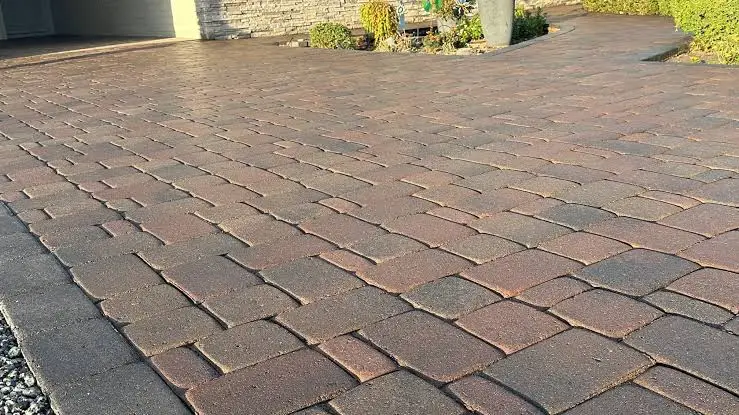
Pavers are exposed to weather, vehicles, foot traffic, dirt, plants, spills, and moisture. Because many pavers have a textured or slightly porous surface, substances can settle into small spaces and become harder to remove over time.
Driveways commonly develop oil and grease marks from vehicles. Patios may collect food and drink spills, while walkways can develop dirt, algae, moss, or organic discoloration.
The longer some stains remain on the surface, the more difficult they can become to clean. That does not mean every old stain can be removed completely, but addressing spills and buildup sooner can make maintenance easier.
Identify the Type of Paver Stain
Before choosing a paver stain remover, look closely at the discoloration.
A dark, greasy spot may be oil or automotive fluid. Orange or reddish marks may indicate rust. Green or dark organic growth can point to algae or moss. Brown discoloration around leaves or plants may have an organic cause.
This distinction matters because a cleaner that works well on one type of stain may do little for another.
It is also important to consider the paver material and whether it has been sealed. If you are unsure what product is safe for the surface, check the paver manufacturer’s care instructions or test the cleaning solution in an inconspicuous location first.
How to Remove Stains From Pavers
A careful cleaning process can help you deal with many common stains without unnecessarily damaging the surface.
1. Remove Loose Dirt and Debris
Start by sweeping the area thoroughly. Remove leaves, loose soil, gravel, and other debris from the pavers and joints.
This simple step prevents loose material from getting in the way while you clean and gives you a clearer view of the actual stain.
For outdoor surfaces with a significant amount of loose dirt, a soft brush can help remove buildup from textured areas.
2. Identify the Stain
Do not immediately cover the entire surface with a strong chemical.
Look at the color, texture, and location of the stain. Consider what may have caused it. For example, a stain underneath a parked vehicle may be related to oil or another automotive fluid, while green discoloration in a shaded, damp area may be organic growth.
Knowing the likely cause helps you choose a more appropriate treatment.
3. Test Your Cleaning Solution
Before treating the entire area, test your chosen cleaner on a small, less noticeable section.
Allow the area to respond to the cleaner according to its instructions, then rinse it thoroughly. Check whether the paver’s color, finish, or appearance has changed.
This is particularly important with colored, decorative, sealed, or older pavers.
4. Apply the Appropriate Cleaner
Apply a suitable cleaning product according to its instructions. Avoid assuming that a stronger concentration will produce better results.
For some light stains, a mild cleaning solution and mechanical scrubbing may be enough. More difficult stains may require a product specifically designed for that type of contamination.
Use a stiff but appropriate brush to work the cleaner into the stained area without unnecessarily damaging the surface.
5. Scrub the Stain
Work the cleaner into the affected area with controlled scrubbing.
You do not necessarily need to scrub the entire driveway or patio aggressively. Focus on the stained sections and give the cleaning solution enough time to work as directed.
For oil and grease, several treatments may sometimes be necessary because these substances can penetrate porous surfaces.
6. Rinse Thoroughly
Once the cleaning process is complete, rinse the area thoroughly.
Leaving cleaning chemicals or loosened residue on the pavers can create additional problems. Make sure runoff is handled appropriately and does not flow into areas where it could cause damage.
After rinsing, allow the surface to dry so you can accurately judge the result.
7. Repeat if Necessary
One treatment does not always remove a stubborn stain completely.
If the paver remains discolored after drying, reassess the stain and determine whether another appropriate treatment is safe. Avoid immediately switching to a much stronger chemical simply because the first attempt was unsuccessful.
Some stains may have penetrated deeper into porous material and may require professional treatment.
How to Clean Different Types of Paver Stains
Different stains require different approaches. There is no single cleaning product that is ideal for every situation.
Oil and Grease Stains
Oil and grease are common problems on driveways.
Begin by removing any loose material and absorbing fresh spills as soon as possible. For an existing stain, use a cleaner designed for oil or grease and follow its directions carefully.
Scrubbing can help loosen the residue. Older or deeply absorbed oil stains may require more than one treatment.
Avoid using a random household chemical simply because it is strong. The wrong product can affect the appearance of certain pavers.
Rust Stains
Rust can leave orange, brown, or reddish discoloration.
Rust removal products are typically designed specifically for this type of stain. However, paver materials and finishes vary, so always check whether the product is suitable for your surface.
Test a small area first and follow the manufacturer’s instructions.
Dirt and Mud
Ordinary dirt and mud are usually easier to address than oil or rust.
Sweep away loose debris first, then use water and an appropriate surface cleaner. For larger outdoor areas, controlled pressure washing can help remove embedded dirt that ordinary scrubbing cannot reach effectively.
Algae and Moss
Algae and moss are more likely to develop where pavers remain damp or receive limited sunlight.
Remove loose growth first, then use an appropriate outdoor surface cleaner. Improving drainage and reducing persistent moisture can also help slow future buildup.
Pressure washing may remove visible growth, but cleaning alone does not address every environmental condition that allows it to return.
Organic Stains
Leaves, berries, grass, and other plant material can leave discoloration behind.
Remove the source material as soon as possible and clean the affected area with a suitable paver-safe cleaner. Fresh organic stains are generally easier to address than old discoloration that has remained on the surface for a long period.
Tire Marks
Tire marks can appear on driveways and other paved surfaces where vehicles regularly turn or park.
Light marks may respond to ordinary surface cleaning and scrubbing. Heavier marks may require a suitable degreasing product and more mechanical cleaning.
What Is the Best Paver Stain Remover?
There is no universal paver stain remover that is best for every stain.
The right product depends on three main things: the type of stain, the paver material, and the condition or finish of the surface.
A cleaner designed for oil may not be appropriate for rust. A product intended for organic growth may not be effective against grease.
For this reason, avoid choosing a cleaning product based only on how powerful it sounds. A suitable product used correctly is generally a better approach than using an unnecessarily aggressive chemical.
Always read the product label and follow its directions, especially regarding dilution, contact time, protective equipment, and rinsing.
Can You Pressure Wash Stained Pavers?
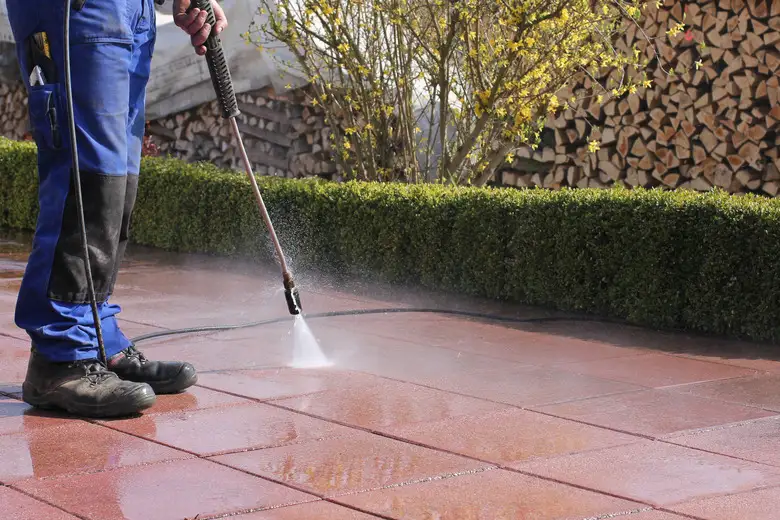
Yes, pressure washing can be useful for cleaning stained pavers, particularly when dirt, mud, algae, and other surface buildup are involved.
However, more pressure is not automatically better.
Excessive pressure can disturb joint material, damage the surface of some pavers, or force water and debris into unwanted areas. The correct approach depends on the paver material, condition, stain, and equipment being used.
For this reason, pressure washing should be treated as part of a cleaning strategy rather than the solution to every type of stain.
If the pavers have heavy buildup across a large driveway or patio, professional cleaning may be more practical than trying to remove every stain manually.
Common Mistakes When Cleaning Stained Pavers
One common mistake is treating every stain in exactly the same way. Oil, rust, algae, and organic stains have different causes and may respond differently to cleaning methods.
Another mistake is using too much pressure. A surface may look cleaner immediately but still suffer unnecessary damage.
Using an untested chemical is another risk. A product that works well on one material can discolor or damage another.
It is also a mistake to judge the result while the pavers are still wet. Water can temporarily change the appearance of the surface. Let the area dry before deciding whether another treatment is needed.
How to Prevent New Paver Stains
Regular maintenance can make future cleaning easier.
Sweep pavers periodically to remove dirt and organic debris. Clean spills as soon as practical, particularly oil and other substances that can penetrate porous materials.
Keep leaves and plant debris from remaining on the surface for long periods. If water consistently collects in one area, investigate the drainage problem rather than repeatedly cleaning the same spot.
If your pavers are sealed, follow the manufacturer’s recommendations for maintenance and resealing rather than applying products without checking compatibility.
When Should You Hire a Professional?
DIY cleaning makes sense for many small and manageable stains. However, professional cleaning can be a better choice when stains cover a large area, buildup is severe, or previous cleaning attempts have not worked.
It can also be worthwhile when you are concerned about damaging expensive or decorative pavers.
For homeowners dealing with a heavily stained driveway, professional driveway washing in Tracy, CA can provide a more practical way to clean a larger outdoor surface without spending hours treating individual stains.
VJ Pressure Washing can help property owners evaluate the condition of exterior surfaces and determine an appropriate cleaning approach based on the type of buildup present.
Final Thoughts
Learning how to remove stains from pavers starts with identifying the stain rather than immediately reaching for the strongest cleaner or highest pressure.
Oil, rust, algae, dirt, organic marks, and tire stains can require different approaches. A careful process of identifying the problem, testing a suitable cleaner, scrubbing appropriately, and rinsing thoroughly can help protect the appearance of your pavers.
For small stains, homeowners may be able to handle the work themselves. For large, heavily stained driveways or difficult buildup, professional cleaning can save time and reduce the risk of using the wrong method.
The goal is not simply to make pavers look cleaner for a day. It is to remove the buildup while preserving the surface and making future maintenance easier.
Frequently Asked Questions
How do I clean stained pavers?
Start by sweeping away loose debris, identifying the stain, choosing a suitable cleaner, testing it on a small area, scrubbing the affected section, and rinsing thoroughly. More difficult stains may require repeated treatment or professional cleaning.
Can vinegar remove stains from pavers?
Vinegar is sometimes suggested as a household cleaning solution, but it should not automatically be considered safe for every paver. The material, finish, and type of stain matter. Check manufacturer recommendations and test any cleaning solution in a small area first.
Can bleach clean stained pavers?
Bleach may affect certain organic stains, but it is not appropriate for every paver or situation. It can also create safety and runoff concerns. Use only a product that is suitable for the specific surface and follow its instructions carefully.
How do you clean stained pavers without damaging them?
Use the least aggressive method that can reasonably address the stain. Identify the contamination, test the cleaning solution, avoid unnecessary pressure, and follow the paver manufacturer’s care recommendations.
Can pressure washing remove stains from pavers?
Pressure washing can remove many types of surface dirt and buildup, but its effectiveness depends on the type of stain. Oil, rust, and deeply absorbed discoloration may require additional treatment.
Should I seal pavers after cleaning?
Sealing may be appropriate for some paver installations, but it is not automatically necessary after every cleaning. If you are considering a sealer, check whether it is compatible with your paver material and follow the manufacturer’s preparation and application instructions.