
Black spots on a sidewalk are usually caused by algae, mold, mildew, lichen, or built-up dirt. They often appear in damp, shaded areas where sunlight cannot dry the concrete. Some spots also come from tire marks, oil, rust, or other stains. The right cleaning method depends on what caused them. A simple wash may remove loose dirt, but organic growth often needs a suitable cleaner and careful scrubbing.
If you are asking What Are Black Spots on Sidewalk, the answer depends on their look, location, and texture. Identifying the cause first helps you choose the right cleaning method and avoid damaging the concrete.
- What Are Black Spots on Sidewalk?
- What Causes Black Spots on Sidewalks?
- Algae and Mold Growth
- Lichen
- Dirt and Organic Debris
- Tire and Rubber Marks
- Oil and Grease
- Rust and Metal Stains
- Are Black Spots on Sidewalk Mold, Algae, or Lichen?
- Can Pressure Washing Remove Black Spots From a Sidewalk?
- How to Remove Black Spots From a Concrete Sidewalk
- 1. Clear the Sidewalk
- 2. Wet the Concrete
- 3. Apply a Suitable Cleaner
- 4. Let the Cleaner Work
- 5. Scrub Stubborn Areas
- 6. Rinse the Sidewalk
- 7. Check the Results
- Why Do Black Spots Come Back After Cleaning?
- Can Black Spots Damage a Concrete Sidewalk?
- How to Prevent Black Spots From Returning
- When Should You Hire a Professional Sidewalk Cleaning Service?
- Conclusion
- Frequently Asked Questions
What Are Black Spots on Sidewalk?
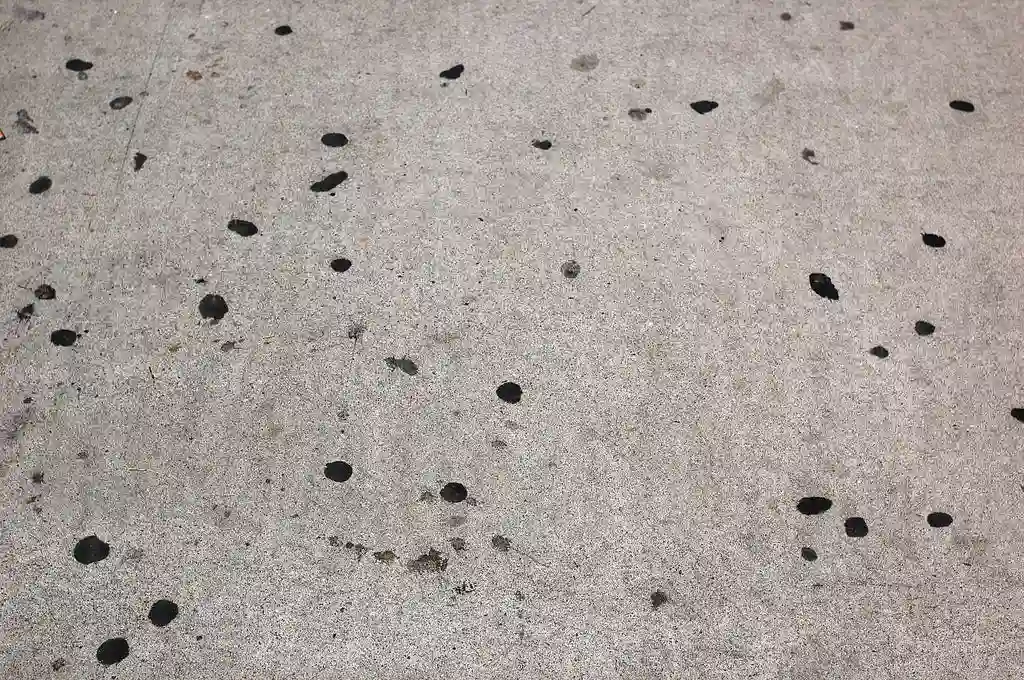
Black spots are dark marks or patches that form on the concrete surface. They may look like tiny dots, flat stains, or rough areas that spread over time.
Some spots sit on the surface and wash away easily. Others attach to the tiny pores in concrete and need more effort to remove.
Their appearance can offer clues about the cause. Small dark dots in shaded areas may point to organic growth. Greasy marks near a driveway may come from oil or vehicle tires. Dark patches under trees may contain dirt, leaf waste, and moisture.
Concrete has small pores that can hold water and dirt. When the surface stays damp, organic growth can develop. That is why sidewalks near trees, garden beds, sprinklers, and shaded walls often develop dark marks.
Not every black spot is moldy. A close look at the stain can help you decide what to do next.
What Causes Black Spots on Sidewalks?
Several things can leave dark marks on concrete. These are the most common causes.
Algae and Mold Growth
Algae can grow on damp concrete. It often appears as green, dark green, or nearly black patches. Mold and other fungi can also leave dark marks on outdoor surfaces.
These growths are more common where water sits for long periods. Shaded walkways and areas near leaking sprinklers are common places to find them.
Lichen
Lichen is a mix of fungi and algae or similar organisms. It can attach firmly to concrete and form small, crusty patches.
It may look black, gray, green, or white. Lichen can be harder to remove than loose dirt because it grips the surface.
Dirt and Organic Debris
Leaves, soil, grass clippings, and other debris can collect on sidewalks. When they stay wet, they may leave dark stains.
The problem often gets worse near trees and garden beds. Regular sweeping can help reduce this type of buildup.
Tire and Rubber Marks
Vehicle tires can leave dark rubber marks on concrete. These marks often appear near driveways, parking areas, and curb edges.
They are not organic growth. A cleaner made for concrete may help loosen them.
Oil and Grease
Oil from cars, lawn tools, or outdoor equipment can soak into concrete. These stains often look dark and greasy.
A normal rinse may not remove them. They may need a suitable degreaser and repeated cleaning.
Rust and Metal Stains
Metal furniture, tools, planters, and gates can leave rust marks. Rust stains may look dark brown, orange, or almost black.
A rust remover made for concrete may help. Always check the product label before using it.
Are Black Spots on Sidewalk Mold, Algae, or Lichen?
They can be, but appearance alone cannot confirm the exact cause. These materials often create similar dark marks on concrete.
Use these signs as a starting point:
| Possible cause | Common appearance | Where it often appears |
| Algae | Dark green or black film | Damp, shaded concrete |
| Mold or fungi | Dark patches or small spots | Areas with moisture and debris |
| Lichen | Firm, crusty dots or patches | Older concrete and exposed surfaces |
| Dirt | Flat brown or black marks | Near soil, trees, and garden beds |
| Tire marks | Dark streaks or curved lines | Driveways and parking areas |
| Oil | Dark, greasy patches | Near parked vehicles or equipment |
The Concrete Society explains that biological staining can come from algae, fungi, lichens, and moss. These growths often develop when concrete stays wet for long periods.
If you are wondering what are those black spots on the sidewalk, check whether they feel slimy, rough, greasy, or dry. A slimy film may suggest algae. A crusty patch may point to lichen. A greasy mark may be oil or rubber.
Do not scrape unknown stains with sharp tools. You could scratch the concrete without removing the cause.
Can Pressure Washing Remove Black Spots From a Sidewalk?
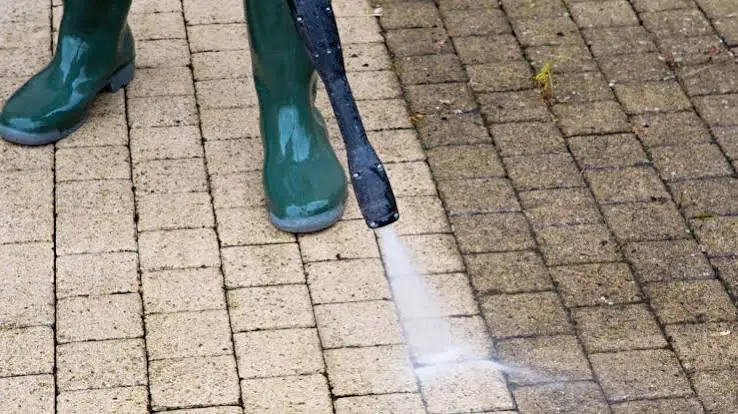
Yes, pressure washing can remove many black spots from concrete. It works well on loose dirt, surface grime, and some types of organic buildup.
However, water pressure alone may not remove every stain. Lichen, oil, and deep-set marks can need a suitable cleaning product first.
The condition of the sidewalk also matters. New, worn, cracked, or decorative concrete may react differently to pressure.
Using too much pressure or holding the spray too close can leave marks. It may also remove weak surface material. Start with a suitable setting, use a broad spray pattern, and test a small hidden area first.
A surface cleaner can help produce a more even result across larger areas. It can also reduce the striped look that sometimes comes from using a wand alone.
For older or damaged concrete, a lower-pressure cleaning method may be the safer choice. Stop if the surface begins to chip, flake, or show rough lines.
How to Remove Black Spots From a Concrete Sidewalk
The best method depends on the type of stain. Follow these steps for a basic cleaning job.
1. Clear the Sidewalk
Move planters, outdoor furniture, toys, and other items away from the area. Sweep loose leaves, soil, and dust from the concrete.
This helps you see the stains more clearly. It also stops loose debris from spreading during cleaning.
2. Wet the Concrete
Rinse the sidewalk with a garden hose. This removes loose dirt and prepares the surface for cleaning.
Avoid spraying water toward people, pets, doors, or nearby electrical items.
3. Apply a Suitable Cleaner
Choose a cleaner that is safe for concrete and suitable for the stain. Use a product made for algae or outdoor growth when dealing with organic marks.
For oil or grease, choose a concrete-safe degreaser. For rust, use a product labeled for concrete rust stains.
Read the label before applying any product. Follow its dilution, use, and rinse instructions.
4. Let the Cleaner Work
Give the product the amount of time listed on its label. Do not let it dry on the surface unless the directions allow it.
Keep children and pets away while the cleaner is in use. Protect nearby plants when the product label calls for it.
5. Scrub Stubborn Areas
Use a stiff nylon brush to work on marks that remain. Avoid metal brushes because they may scratch the surface or leave metal particles behind.
Scrub gently and check whether the stain begins to lift. Some deep stains may need another treatment.
6. Rinse the Sidewalk
Rinse away the cleaner and loosened dirt as directed by the product label. Make sure the cleaning solution does not run into storm drains, garden beds, or areas where it could cause harm.
Follow local rules for handling outdoor cleaning wastewater.
7. Check the Results
Let the area dry before judging the final result. Wet concrete can look darker than dry concrete.
If marks remain, identify the stain again before repeating the process. Applying stronger chemicals without knowing the cause can damage the surface.
Never mix bleach with ammonia or other cleaning products. The mixture can create dangerous fumes. The EPA also advises against using bleach as a routine solution for mold cleanup. .
Why Do Black Spots Come Back After Cleaning?
Black spots can return when the cause remains. Cleaning removes visible buildup, but it may not fix the conditions that allowed it to form.
For example, a sidewalk under a large tree may stay damp for much of the day. If the area receives little sunlight, algae and other growth may return.
Common reasons include:
- Poor drainage: Water collects in low spots instead of running away.
- Leaking sprinklers: Regular spraying keeps the concrete wet.
- Heavy shade: Nearby trees and walls block sunlight.
- Leaf buildup: Wet leaves leave dirt and organic material behind.
- Dirty surroundings: Soil and debris keep settling on the walkway.
- Deep surface staining: Some marks remain inside the pores after cleaning.
If you want to know what are the black spots on sidewalks that keep returning, look at the area around them. Check for standing water, sprinkler leaks, and heavy shade.
Fixing these issues can help the sidewalk stay cleaner for longer.
Can Black Spots Damage a Concrete Sidewalk?
Many black spots are mainly a surface appearance problem. Dirt, tire marks, and light algae stains do not always mean the concrete is damaged.
However, long periods of moisture can create other problems. Organic growth may make the walkway slippery, especially when wet.
Lichen and thick growth can also hold moisture against the surface. In areas with freezing weather, trapped water may add to damage during freeze-thaw cycles.
Watch for signs such as:
- Cracks that grow over time
- Flaking or peeling concrete
- Loose surface material
- Deep pits or rough patches
- Water that stays in the same place
These signs may point to a concrete issue beyond normal staining. Cleaning will not repair cracks or restore weak concrete. A concrete repair professional can check serious surface damage.
How to Prevent Black Spots From Returning
You can reduce future buildup with a few simple steps. The goal is to keep the sidewalk clean and limit long periods of moisture.
- Sweep often: Remove leaves, soil, and other debris before they build up.
- Fix sprinkler leaks: Adjust sprinkler heads so they do not spray the sidewalk.
- Improve drainage: Address low spots where water collects.
- Trim nearby plants: Remove excess growth that blocks sunlight and airflow.
- Clean small stains early: Treat new marks before they spread or become harder to remove.
- Check gutters and downspouts: Make sure roof water does not pour onto the walkway.
- Inspect the surface: Look for cracks and areas that hold water after rain.
Sealing concrete may help in some cases, but it is not a fix for every stain. The surface must be clean, dry, and suitable for the chosen sealer. Follow the product instructions or ask a concrete professional before applying one.
When Should You Hire a Professional Sidewalk Cleaning Service?
You can handle light dirt and small stains with basic tools. A professional service may be a better choice when the marks cover a large area or resist normal cleaning.
Consider hiring help when:
- Black spots cover most of the sidewalk.
- Lichen or heavy growth is firmly attached.
- Oil and grease stains keep returning.
- The concrete is old, worn, or already damaged.
- You do not have the right cleaning equipment.
- You want an even finish across a long walkway.
A professional cleaner can inspect the surface and choose a suitable cleaning method. This matters because concrete condition, stain type, and cleaning pressure all affect the result.
Ask what products the company plans to use. Also ask how it protects nearby plants, manages runoff, and avoids damage to the concrete.
Conclusion
Black spots on sidewalks often come from algae, fungi, lichen, dirt, oil, or tire marks. The right way to remove them depends on their cause. Cleaning the surface is only part of the job. You should also address standing water, shade, and other conditions that allow stains to return.
If you are still asking What Are Black Spots on Sidewalk, start by checking the marks and the area around them. For large or stubborn stains, consider professional help. VJ Pressure Washing can help homeowners looking for exterior cleaning.
Frequently Asked Questions
What are the black dots on sidewalks?
Black dots can come from algae, fungi, lichen, dirt, or other stains. Their cause depends on their texture and location. Small, crusty dots may be lichen, while dark film in damp areas may be algae.
What are the black spots on the sidewalk after rain?
Rain can make existing dirt and organic growth more visible. It also keeps shaded concrete damp, which can support algae and fungi. Check the area for poor drainage or sprinkler leaks.
Will vinegar remove black spots from concrete?
Vinegar may help with some light surface dirt, but it is not a reliable cleaner for every black stain. It may also affect nearby plants and some surfaces. Use a product labeled for your concrete and the type of stain.
Does bleach remove black spots from sidewalks?
Bleach may change the appearance of some organic stains, but it is not the right choice for every surface or stain. Follow product safety instructions and never mix bleach with other cleaners. A concrete-safe outdoor cleaner may be a better option.
How often should I clean my concrete sidewalk?
Clean it when dirt, leaves, or stains begin to build up. Sidewalks under trees or near sprinklers may need more frequent care. Regular sweeping and quick attention to spills can reduce the need for heavy cleaning.