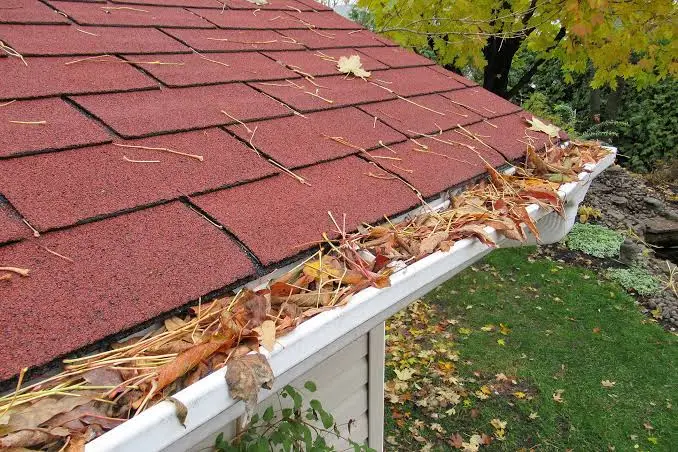

Gutters guide rainwater off your roof and away from your home. When leaves, twigs, dirt, and other debris block them, water can spill over the edges. This can damage your roof, walls, foundation, garden, and walkways. Standing debris also adds weight to the gutter system and may attract pests. Small blockages can turn into costly repairs when they remain untreated for months.
If you wonder what happens if you dont clean your gutters, the main risk is poor drainage. Water may collect where it should not, leading to leaks, rot, mold, and soil damage. Regular checks and cleaning help prevent these problems before they grow.
- 1. Water Overflows and Damages Your Home
- 2. Your Roof Can Develop Leaks and Rot
- 3. Foundation Damage and Basement Flooding
- 4. Mold and Mildew Can Grow
- 5. Pests Can Nest in Dirty Gutters
- 6. Gutters Can Sag, Crack, or Break
- 7. Your Landscaping and Walkways Can Be Damaged
- 8. Blocked Downspouts Can Cause Drainage Problems
- 9. Ice Dams and Winter Damage in Cold Climates
- 10. Gutter Neglect Can Lead to Expensive Repairs
- How Often Should You Clean Your Gutters?
- Warning Signs Your Gutters Need Cleaning
- How to Prevent Problems Caused by Dirty Gutters
- Conclusion
- Frequently Asked Questions
1. Water Overflows and Damages Your Home
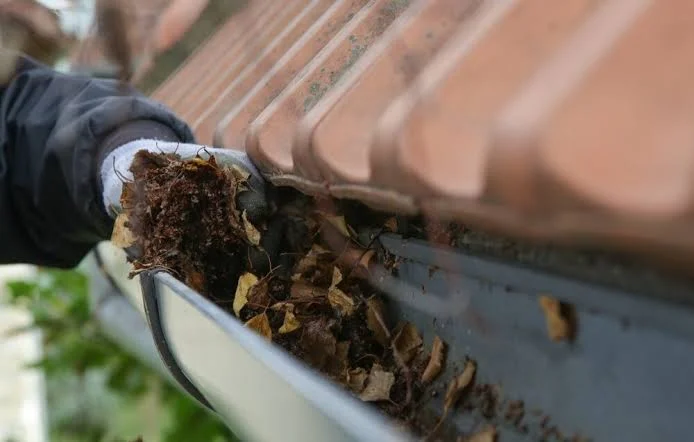
Gutters collect rainwater and carry it toward downspouts. When debris blocks this path, water can spill over the sides. It may run down siding, collect near windows, or soak the ground beside your home.
Repeated exposure can stain exterior walls and damage paint. Water may also seep into gaps around windows and doors. Over time, this moisture can affect wood trim and other building materials.
Overflow can happen even when gutters look clear from the ground. A hidden blockage near an outlet may stop water from draining. Check the system during safe weather, or ask a professional to inspect it.
2. Your Roof Can Develop Leaks and Rot
Leaves and wet debris hold moisture against parts of your roof. If water cannot drain away, it may collect along the roof edge. This can expose fascia boards, roof trim, and nearby wood to long periods of dampness.
Wood that stays wet can soften, rot, or lose strength. Water may also enter beneath roofing materials if drainage problems combine with damaged flashing or worn roof parts. A leak can then spread into the attic or ceiling.
Dirty gutters do not cause every roof leak. Still, blocked drainage can make existing roof problems worse. Clean gutters and inspect roof edges for peeling paint, soft wood, loose parts, and signs of water entry.
3. Foundation Damage and Basement Flooding
One of the biggest risks of blocked gutters is water collecting near the foundation. Rainwater that spills from the roof can soak the soil around the house. If this happens often, moisture may enter through foundation cracks or basement walls.
You might notice damp spots, a musty smell, peeling paint, or water on the basement floor. In some homes, wet soil can also affect foundation movement. The risk depends on soil type, drainage, building design, and how much water collects near the home.
The U.S. Department of Energy explains that roof runoff can quickly saturate soil near a house and contribute to moisture problems.
Make sure downspouts discharge water away from the house. The ground should also slope away from the foundation instead of directing runoff toward it.
4. Mold and Mildew Can Grow
Blocked gutters can leave walls, roof edges, and nearby soil wet for long periods. If moisture reaches indoor materials, it may create conditions that support mold growth. Mold can grow on damp drywall, wood, insulation, and other materials.
Outside, you may see green or dark stains on siding and trim. Inside, warning signs include a musty odor, damp patches, and visible growth near ceilings or walls. These signs need attention because fixing the moisture source is key to preventing more growth.
The U.S. Environmental Protection Agency advises homeowners to clean and repair gutters regularly and control moisture in the home.
Cleaning gutters alone will not remove mold that has already grown indoors. Find and repair the leak, dry wet materials, and seek professional help if the affected area is large or keeps returning.
5. Pests Can Nest in Dirty Gutters
Wet leaves and trapped debris create shelter for insects and small animals. Mosquitoes may breed where water remains standing. Ants, flies, and other insects can also gather around damp organic material.
Birds and rodents may use gutter debris as nesting material. In some cases, nests can block downspouts and cause even more water to collect. Pests near the roof may also find openings into an attic or roof space.
Clean gutters remove much of this shelter and help water flow freely. If you find a nest, check local wildlife rules before removing it. Some species and active nests may be protected.
6. Gutters Can Sag, Crack, or Break
Wet leaves, mud, and standing water make gutters heavier. Over time, this extra weight can pull gutters away from their brackets. Seams may separate, fasteners can loosen, and plastic or older parts may crack.
A sagging gutter no longer carries water toward the downspout as it should. Water can pool in low spots, adding more weight and worsening the problem. During heavy rain, a weak section may bend or fall.
Look for uneven gutter lines, loose brackets, gaps between sections, and water that stays in the channel after rain. Remove debris before it builds up. If the gutter is already loose or damaged, have it repaired before cleaning or using it again.
7. Your Landscaping and Walkways Can Be Damaged
When rainwater pours over clogged gutters, it can hit the ground with force. This may wash away mulch, move soil, expose plant roots, and flatten flower beds. Repeated runoff can also create small channels in the yard.
Water can splash dirt onto walls and windows. If it falls beside a walkway or driveway, it may wash out the soil underneath. In areas with freezing weather, repeated wetting and freezing can also contribute to surface damage.
Keep downspouts pointed toward a suitable drainage area. Use splash blocks or a proper extension where needed. Avoid sending runoff toward a neighbor’s property, a steep slope, or a place where water already collects.
8. Blocked Downspouts Can Cause Drainage Problems
A gutter can look clean on top but still drain poorly. Leaves, seed pods, roof grit, and small twigs may collect inside the downspout opening or pipe. This blocks the route that carries water away from the roof.
Signs include water spilling over the gutter, a downspout that stays dry during rain, or water pooling near its base. You may also hear water trapped inside the pipe after a storm.
Remove loose debris from the gutter outlet and check that the downspout flows freely. If a blockage is deep inside the pipe, use a safe cleaning method or call a professional. Do not climb a ladder during rain or reach blindly into a blocked pipe.
9. Ice Dams and Winter Damage in Cold Climates
In cold areas, clogged gutters can add to winter drainage problems. Leaves and debris may stop meltwater from draining away. When temperatures drop, water can freeze in the gutter or downspout.
Ice buildup adds weight and may bend brackets or damage seams. Under the right roof and weather conditions, ice dams can also form along roof edges. These dams can trap meltwater and increase the risk of water entering beneath roofing materials.
Dirty gutters are not the only cause of ice dams. Heat escaping into the attic, poor ventilation, and changing outdoor temperatures can also play a role. Before winter, clear gutters and check roof drainage. Never chip ice from a roof or gutter while standing on a ladder.
10. Gutter Neglect Can Lead to Expensive Repairs
Gutter cleaning is usually simpler than repairing water damage. When drainage stays blocked, a homeowner may face several problems at once. These can include rotted wood, damaged paint, wet insulation, basement leaks, and broken gutter sections.
The final cost depends on the amount of damage and the materials involved. A small blockage may need only cleaning. A long-term leak could require roof work, wall repairs, or help from a drainage specialist.
There is no single repair cost for every home. Roof height, gutter length, access, local labor rates, and the severity of the damage all matter. Regular maintenance helps you spot small issues before they affect other parts of the house.
How Often Should You Clean Your Gutters?
Many homes need gutter cleaning at least twice a year, often in spring and fall. Your home may need more frequent checks if trees hang over the roof or if storms leave heavy debris behind.
Use these factors to set a schedule:
- Many nearby trees: Check gutters every few months during periods of heavy leaf or seed drop.
- Few trees: Spring and fall may be enough, but inspect after strong storms.
- Heavy rain or wind: Look for overflow, loose sections, and blocked downspouts once the weather is safe.
- Pine trees: Needles can build up quickly, so check the system more often.
- Gutter guards: These can reduce debris buildup but do not remove the need for inspections and occasional cleaning.
Your roof shape, local weather, and gutter design also affect how often cleaning is needed.
Warning Signs Your Gutters Need Cleaning
You do not have to wait for a leak to check your gutters. Look for these common warning signs:
- Water spills over the gutter during rain.
- Leaves or plants are growing inside the gutter.
- Gutters sag or pull away from the roof.
- Water pools beside the foundation.
- Downspouts have little or no flow during rain.
- You see stains on siding or water marks under the roof edge.
- Birds or pests gather around debris-filled sections.
- The ground below the roof edge shows signs of erosion.
Do not climb onto a wet roof or use a ladder near power lines. If your gutters are high, damaged, or hard to reach, hire a trained professional.
How to Prevent Problems Caused by Dirty Gutters
A simple maintenance routine can protect your home from avoidable water damage.
- Check gutters through the year. Look for debris, loose brackets, and visible damage from the ground. Inspect after major storms when it is safe.
- Remove leaves and debris. Use proper tools and stable equipment. Wear gloves and eye protection, and never lean too far from a ladder.
- Keep downspouts clear. Confirm that water can flow through the outlet and discharge away from the house.
- Check where water lands. Add a suitable extension or drainage solution if runoff collects near the foundation.
- Repair damaged parts early. Fix loose fasteners, separated seams, and sagging sections before the next heavy rain.
- Consider gutter guards carefully. Guards may reduce how much debris enters, but they are not a maintenance-free solution. Small debris can still collect on top or block the outlet.
Some ads promise that you can “never clean your gutters again.” Be careful with claims like these. Even systems marketed with phrases such as “never clean gutters again” can need checks and upkeep. The phrase “no clean rain gutters” may appear in searches for low-maintenance options, but no gutter setup can guarantee that inspection and cleaning will never be needed.
Conclusion
Dirty gutters can cause more than an untidy roofline. They can lead to water overflow, roof and wood damage, foundation moisture, mold, pests, and costly repairs. Regular cleaning and clear downspouts help move rainwater away from your home and reduce these risks.
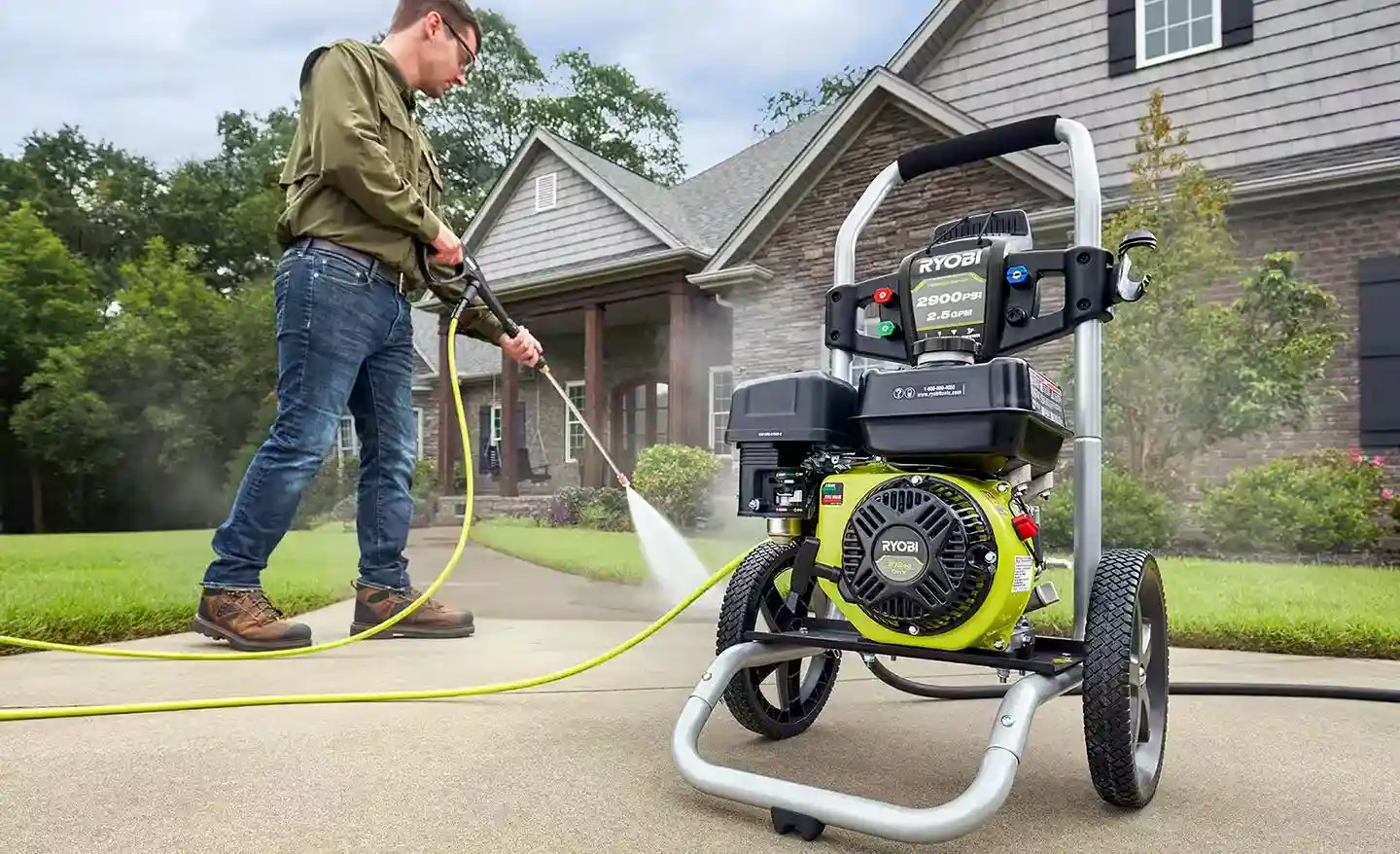
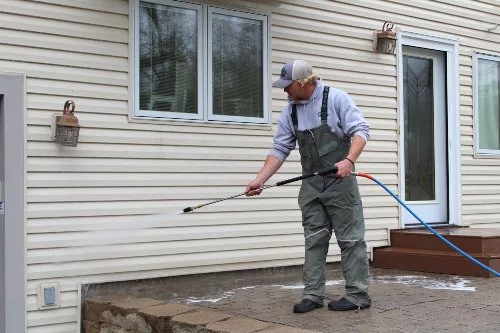
If your gutters are hard to reach or keep getting blocked, professional help can make upkeep safer and easier. VJ Pressure Washing can help homeowners explore exterior cleaning options. For local help, visit Gutter Cleaning in Tracy CA and arrange an inspection or cleaning that suits your home’s needs.
Frequently Asked Questions
What happens if you dont clean your gutters for a year?
Leaves and dirt can build up, blocking water flow. During heavy rain, water may overflow and damage siding, roof edges, landscaping, or the foundation. The amount of damage depends on weather, trees, and drainage around the home.
Can clogged gutters cause roof leaks?
Yes, blocked gutters can contribute to moisture damage around roof edges and fascia boards. Water may also worsen existing roof or flashing problems. A roof leak can have other causes, so inspect the roof as well as the gutters.
Can dirty gutters damage a foundation?
Yes. Overflowing rainwater can saturate soil near the foundation. If water collects there repeatedly, it may enter through cracks or contribute to basement dampness. Keep downspouts clear and direct runoff away from the house.
Is it okay to clean gutters once a year?
Some homes with few nearby trees may need less frequent cleaning, but once a year may not be enough for many houses. Check gutters in spring and fall, and inspect them after storms or heavy leaf drop.
Do gutter guards mean I never have to clean gutters again?
No. Gutter guards can reduce the amount of debris entering the system, but leaves, needles, seeds, and roof grit may still collect. Inspect the guards, gutters, and downspouts regularly.
What is the safest way to clean gutters?
Use stable equipment, wear gloves and eye protection, and keep away from power lines. Never work on a wet or icy roof. For tall homes, steep roofs, or damaged gutters, hire a qualified professional.