
Gutters play an important role in protecting your home from rainwater. They collect water flowing off the roof and direct it away from exterior walls, walkways, and the foundation. However, leaves, twigs, dirt, and other debris can build up inside gutters over time. When this happens, water may overflow instead of draining properly. Regular maintenance helps keep the drainage system working as intended.
What Is Gutter Cleaning? Gutter cleaning is the process of removing leaves, dirt, twigs, and other debris from gutters and downspouts so rainwater can flow freely. It may also include checking for blockages, loose brackets, leaks, and drainage problems. Understanding how the process works helps homeowners recognize when their gutters need attention and decide whether to clean them themselves or hire a professional.
- What Is Gutter Cleaning?
- What Does Gutter Cleaning Include?
- 1. Removing Leaves and Debris
- 2. Checking the Downspouts
- 3. Checking for Visible Damage
- 4. Checking Where Water Drains
- Why Is Gutter Cleaning Important?
- It Helps Protect the Roof Edge
- It Helps Reduce Foundation Water Problems
- It Helps Prevent Wall Stains and Moisture Damage
- It Reduces Excess Weight in Gutters
- What Are the Signs That Gutters Need Cleaning?
- How Does the Gutter Cleaning Process Work?
- Step 1: Inspect the Gutters
- Step 2: Remove the Debris
- Step 3: Clear the Downspouts
- Step 4: Check Water Flow
- Step 5: Identify Repairs That May Be Needed
- How Often Should Gutters Be Cleaned?
- What Happens If You Never Clean Your Gutters?
- Can You Clean Gutters Yourself?
- How Can You Keep Gutters Clear Between Cleanings?
- When Should You Hire a Professional Gutter Cleaner?
- Final Thoughts
- Frequently Asked Questions
What Is Gutter Cleaning?
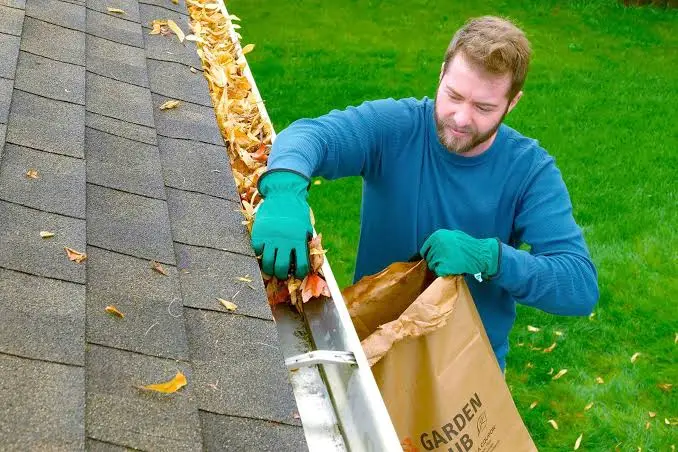
Gutter cleaning involves clearing the channels attached to the edges of a roof and checking that water can move through the downspouts. These channels collect rainwater and carry it toward a safe drainage point away from the property.
Over time, gutters can collect more than fallen leaves. Roof granules, seed pods, pine needles, small branches, dirt, and even bird nests can restrict water flow. Wet debris may also become heavy and place extra strain on gutter brackets.
The gutter cleaning meaning is simple: remove the material that blocks the drainage system and check that water can move through it properly. Cleaning does not automatically repair damaged gutters, replace loose fasteners, or fix poor drainage. Those issues may need separate attention.
For example, imagine that water spills over the front of your gutters during heavy rain, even though the roof itself appears to be in good condition. A blockage could be preventing water from reaching the downspout. Clearing the debris and checking the drainage path can help identify the problem.
What Does Gutter Cleaning Include?
A proper gutter cleaning job should address the main parts of the rainwater drainage system, not just the leaves visible from the ground.
1. Removing Leaves and Debris
The first step is to remove loose material from the gutter channels. This may include leaves, twigs, dirt, roof granules, and other debris.
Clearing this material creates room for rainwater to flow. It also allows the cleaner to inspect the gutter more closely for damage or buildup that could cause future problems.
2. Checking the Downspouts
Downspouts carry water from the gutters toward the ground or a connected drainage system. A blockage inside a downspout can prevent water from leaving the gutter, even when the channel itself is clear.
A complete cleaning should include checking for restricted flow. Depending on the blockage, the downspout may need to be flushed or cleared using suitable tools.
3. Checking for Visible Damage
During cleaning, it is useful to look for sagging sections, loose brackets, leaking joints, rust, cracks, and sections pulling away from the fascia board.
These problems can affect drainage even after debris has been removed. Cleaning can reveal damage, but repairs may require a separate service.
4. Checking Where Water Drains
After cleaning, check that water can move through the system and discharge at the intended location. Water should not collect against the home’s foundation or flow toward areas where it may cause damage.
This final check helps distinguish a simple blockage from a wider drainage problem.
Why Is Gutter Cleaning Important?
Gutter cleaning helps maintain the path that carries rainwater away from your home. When that path becomes blocked, water can spill over the gutter edges or collect in places where it should not.
Here are some of the main reasons to keep gutters clear.
It Helps Protect the Roof Edge
When gutters remain clogged, water can back up or overflow near the roofline. Repeated exposure to moisture may damage fascia boards, soffits, and nearby exterior materials.
In cold climates, trapped water may also contribute to ice buildup during freezing conditions. The exact risk depends on the climate, roof design, and drainage system.
It Helps Reduce Foundation Water Problems
Gutters and downspouts are designed to move rainwater away from the building. If a downspout is blocked or discharges too close to the house, water may collect around the foundation.
Repeated pooling can contribute to damp conditions and may worsen existing drainage problems. Keeping gutters clear and checking where downspout water goes are both important parts of home maintenance.
It Helps Prevent Wall Stains and Moisture Damage
Overflowing water can run down siding, brickwork, or exterior walls. Over time, this may leave stains and keep certain areas damp.
If water regularly spills over one section of a gutter, look for a blockage, a sagging section, or a drainage issue rather than assuming that cleaning alone will solve every problem.
It Reduces Excess Weight in Gutters
Wet leaves, compacted dirt, and standing water can add weight to a gutter system. If the brackets are already loose or damaged, this extra load may contribute to sagging or separation from the roof edge.
Removing debris helps reduce this unnecessary strain.
What Are the Signs That Gutters Need Cleaning?
You do not always need to climb a ladder to recognize possible gutter problems. Some warning signs are visible from the ground or become clear during rainfall.
Watch for these signs:
- Water spilling over the edges: Gutters may be blocked or unable to handle the flow because of a drainage problem.
- Plants growing in gutters: Seeds can take root where dirt and moisture have collected.
- Visible leaves or twigs: Debris sticking out of the gutter may indicate a larger buildup inside.
- Sagging gutter sections: Heavy debris, loose brackets, or damaged supports may be responsible.
- Water stains on exterior walls: Overflowing gutters or leaking joints can leave visible marks.
- Water pooling near the foundation: Downspouts may be blocked, disconnected, or discharging too close to the house.
- Birds or pests gathering near the roofline: Accumulated debris or nesting material may be attracting them.
One sign does not always prove that a gutter is clogged. For example, overflowing water may also result from poor gutter alignment or unusually heavy rainfall. Inspection helps determine the actual cause.
How Does the Gutter Cleaning Process Work?
The exact process depends on the roof height, gutter design, debris level, and condition of the system. However, most cleaning jobs follow a similar sequence.
Step 1: Inspect the Gutters
The cleaner checks visible sections for debris, blockages, loose connections, and damage. The surrounding area is also assessed for access and safety concerns.
Step 2: Remove the Debris
Leaves, twigs, dirt, and other material are removed using suitable tools. Debris should be collected and disposed of properly rather than left scattered around the property.
Step 3: Clear the Downspouts
The downspouts are checked to make sure water can pass through them. If a blockage remains, it needs to be cleared before the system can drain correctly.
Step 4: Check Water Flow
Where appropriate, water can be used to check whether the gutter and downspout are draining properly. Any persistent backup or overflow may indicate a blockage or another problem.
Step 5: Identify Repairs That May Be Needed
The cleaner checks for visible signs of loose brackets, leaks, corrosion, or poor alignment. These issues should be addressed separately if cleaning does not restore proper drainage.
The goal is not simply to make the gutters look clean. It is to help the drainage system work properly and identify problems that could otherwise go unnoticed.
How Often Should Gutters Be Cleaned?
There is no single cleaning schedule that suits every home. The right frequency depends on the amount of debris around the property, the local climate, the roof design, and whether gutter guards are installed.
Many homeowners inspect their gutters at least twice a year, often in spring and fall. Homes surrounded by trees may need more frequent checks, particularly after leaves drop or storms bring down branches.
Consider inspecting your gutters:
- Nearby trees shed large amounts of leaves or needles.
- Following a strong storm that may have carried debris onto the roof.
- Before a season with frequent heavy rainfall.
- When you notice overflow, sagging, or visible buildup.
- If gutter guards are installed, to check that the guards and downspouts remain clear.
Gutter guards can reduce the amount of debris entering a gutter, but they do not eliminate maintenance. Small particles can accumulate, and debris may still block openings or downspouts.
Rather than relying only on a calendar, combine scheduled inspections with checks after major weather events.
What Happens If You Never Clean Your Gutters?
Neglected gutters can develop blockages that affect the way rainwater leaves your roof. The consequences depend on the severity of the blockage, how long it remains, and the condition of the property.
Possible problems include:
- Water overflowing onto siding, doors, windows, or walkways.
- Damp or damaged fascia boards and soffits.
- Sagging gutters caused by debris weight or failing supports.
- Water collecting near the foundation.
- Soil erosion and puddles around the house.
- Increased opportunities for pests to use accumulated debris as shelter.
Not every clogged gutter will cause all these problems. However, leaving repeated blockages unresolved can allow a small maintenance issue to become a more expensive repair.
If water is already entering the home, staining ceilings, or collecting around the foundation, do not assume gutter cleaning alone will solve the issue. The roof, flashing, drainage layout, and other possible sources of water intrusion may need inspection.
Can You Clean Gutters Yourself?
Homeowners can sometimes clean accessible, single-story gutters if they have the right tools and can work safely. Basic equipment may include gloves, eye protection, a gutter scoop, a debris container, and a suitable method for checking downspout flow.
However, gutter cleaning involves real fall risks. Wet surfaces, unstable ladders, overhead power lines, and the need to reach across the roof edge can make the task dangerous.
If using a ladder, follow its safety instructions, place it on firm and level ground, and avoid leaning or reaching beyond the side rails. Never work near exposed or potentially hazardous power lines.
Do not climb onto a wet or steep roof just to reach a blocked gutter. If the building is tall, access is difficult, the gutters are damaged, or you are uncomfortable working at height, hiring a professional is the safer choice.
How Can You Keep Gutters Clear Between Cleanings?
A few simple maintenance habits can help reduce debris buildup and make future cleaning easier.
Trim overhanging branches where appropriate. Branches that hang above the roof can drop leaves, seed pods, and twigs directly into the gutters.
Inspect after storms. Strong winds can carry debris onto the roof or damage gutter sections. A visual check from the ground can help you identify obvious problems.
Check gutter guards. Look for visible buildup and make sure water can still enter the gutter and reach the downspouts.
Watch how water drains. During rainfall, look for overflow, persistent dripping at joints, or water pooling near the building.
Keep the ground-level drainage area clear. Make sure the downspout outlet is not blocked by leaves, soil, or other material, and that water is directed away from the foundation in line with the drainage system’s design.
These steps do not replace periodic cleaning, but they help you spot problems before they become harder to manage.
When Should You Hire a Professional Gutter Cleaner?
Professional help may be worthwhile when gutters are difficult to reach, heavily blocked, or showing signs of damage. It can also be a practical option for homeowners who lack suitable equipment or do not feel safe working on ladders.
A professional may remove accumulated debris, clear downspouts, check water flow, and identify visible problems that need repair. Ask what the cleaning includes, whether downspouts are checked, and how any debris will be removed from the property.
If you are looking for local help, Gutter Cleaning in Tracy CA is a relevant option for homeowners in Tracy who want assistance with gutter maintenance. VJ Pressure Washing can be mentioned as your brand when directing readers toward your local service. Before publishing, link the anchor text to the correct gutter-cleaning service page.
Remember that cleaning and repair are different tasks. If gutters are loose, leaking, badly corroded, or pulling away from the house, confirm whether repairs are needed in addition to cleaning.
Final Thoughts
Gutter cleaning is an important part of routine home maintenance. It removes debris from gutters and downspouts, helps rainwater drain properly, and gives homeowners an opportunity to spot leaks, loose brackets, and other visible problems.
The right cleaning schedule depends on your surroundings and the condition of your drainage system. Inspect your gutters regularly, pay attention to overflow after rainfall, and do not ignore signs of damage. If the work involves unsafe heights or difficult blockages, consider professional help.
Frequently Asked Questions
What does gutter cleaning mean?
Gutter cleaning means removing leaves, dirt, twigs, and other debris from gutters and downspouts so rainwater can drain properly. It may also include checking for blockages and visible damage.
What is a gutter cleaner?
The phrase gutter cleaner meaning can refer to a person or company that cleans gutters, or to a tool or product used for the job. The intended meaning depends on the context. A professional gutter cleaner removes debris and may check for visible drainage problems.
Is gutter cleaning necessary if I have gutter guards?
Yes. Gutter guards can reduce debris buildup, but small particles may still collect, and downspouts can still become blocked. Periodic inspection and maintenance remain important.
Can clogged gutters damage a foundation?
They can contribute to water problems around a foundation if overflow or poorly directed downspout water repeatedly collects near the building. Keeping gutters clear and directing water away from the house helps reduce this risk.
Is gutter cleaning the same as gutter repair?
No. Cleaning removes debris and restores the path for water to flow. Repair addresses problems such as leaks, loose brackets, damaged sections, or poor alignment. A property may need one or both.
What is the best time of year to clean gutters?
Spring and fall are common times for inspection and cleaning, but the best schedule depends on local weather and nearby trees. Homes that collect debris throughout the year may need additional checks.