
Pressure washing provides a fast and effective method for cleaning the outdoor areas of your home or business. From greasy driveways to slippery pool decks, a pressure washer can take away dirt, grease, stains, algae and more. But a lot of homeowners share the same crucial question: What is the best pressure washer pressure? That depends on the surface to clean, the level of dirt on the surface and the type of pressure washer you are using. When you’re soaping up your car, yard or house with a pressure washer, make sure you’re not overdoing it, dear readers: excess pressure can have disastrous results and imperil your well-being. If the pressure is too low, you will get the expected poor cleaning results. To wash safely and effectively, you really should know the necessary PSI levels and cleaning methods.
Understanding Pressure Washer PSI
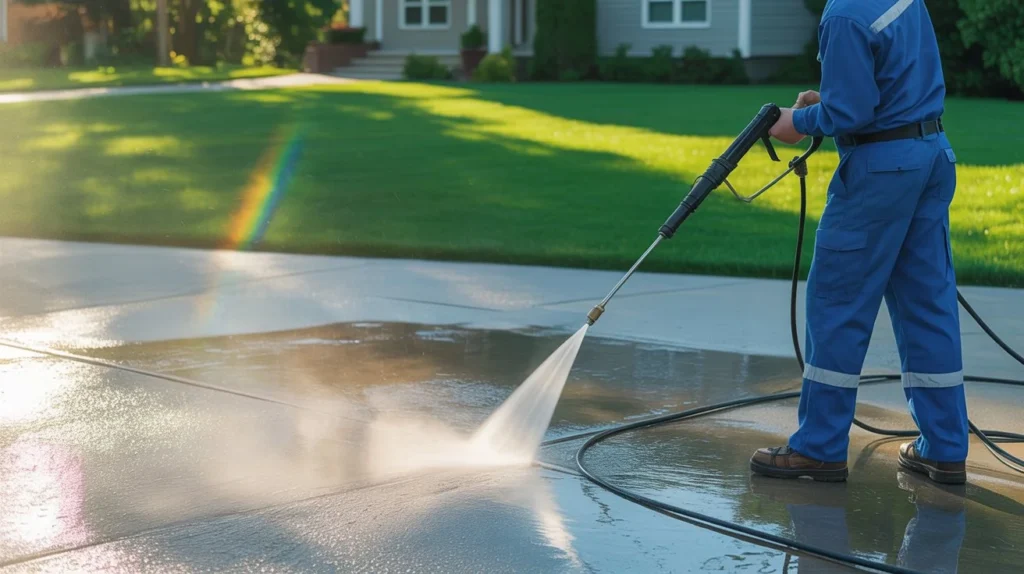
- Understanding Pressure Washer PSI
- What Is the Best Pressure for Pressure Washing?
- 1: House Siding
- 2: Wooden Decks and Fences
- 3: Concrete Driveways
- 4: Cars and Vehicles
- 5: Brick and Stone
- Residential Pressure Washing Tips
- 1: Try Out On A Small Area
- 2: Obligation To Wear Safety Equipment Is Required
- 3: Risks for Electric Shock Are Avoided
- 4: Use Appropriate Detergent
- 5: Keep the Right Distance
- 6: Never Spray People or Pets
- Pressure Washing a Concrete Driveway Properly
- How To Clean A Concrete Driveway
- Conclusion
- FAQs
Pressure washers can mostly be categorised into three types: 1:Light-duty pressure washer 13,00-19,00 PSI Best for cars, patio furniture, grills and small outdoor areas 2:Medium-duty pressure washers2,000 to 2,800 PSI Ideal for decks and fences, siding and driveways 3:Heavy-duty pressure washers2,900 to 4,000+ PSI Best for commercial use: concrete, brick, and industry cleaningCar, patio furniture, grills, and moreBest for cleaning wagons, fences, siding, and driveways suitable for decks, fences, siding and drivewaysMedium-duty pressure washers2,000 to 2,800 PSILight-duty pressure washers Heavy-duty pressure washers 2,000 to 2,800 PSIBest for decks and fences, siding and drivewaysHeavy-duty pressure washers2,900 to 4,000+ PSIFree Shipping on Orders Over $75Buy 1993112 12 Amp High Performance Water Blaster $69.99 Medium-duty pressure washers2,000 to 2,800 PSILight-duty pressure washersHeavy-duty pressure washers2,900 to 4,000+ PSISuitable for commercial work; concrete, brick, industry cleaningKnowing these categories is a first step in figuring out the Best PSI for pressure washing different surfaces.
What Is the Best Pressure for Pressure Washing?
What PSI Should I Use for Pressure Washing? At VJ Pressure Washing, we understand that nothing online can give you a definitive answer on what PSI to use for each type of work. Different materials need different amounts of pressure. Here is a more in-depth description of the suggested PSI ranges for some of the more popular residential surfaces.
1: House Siding
Vinyl siding & wood siding need a medium pressure. Pressure washing too hard or too close can break the siding and can push water in behind your walls. Recommended PSI: 1,300–1,800 PSI Best Method: Soft Washing with Detergent Safe distance: 3/4 feet from the surface In many cases, soft washing is better than high-pressure washing for house exteriors since it cleans without causing damage.
2: Wooden Decks and Fences
Wood is softer than concrete and is also prone to splintering when the pressure is too high. Suggested Pressure Levels: 500–1,200 PSI Spray with a fan spray nozzle. Spray always in the direction of the wood grain. One of the best tips for residential pressure washing is to begin at a low pressure and gradually increase as needed until the dust is safely removed.
3: Concrete Driveways
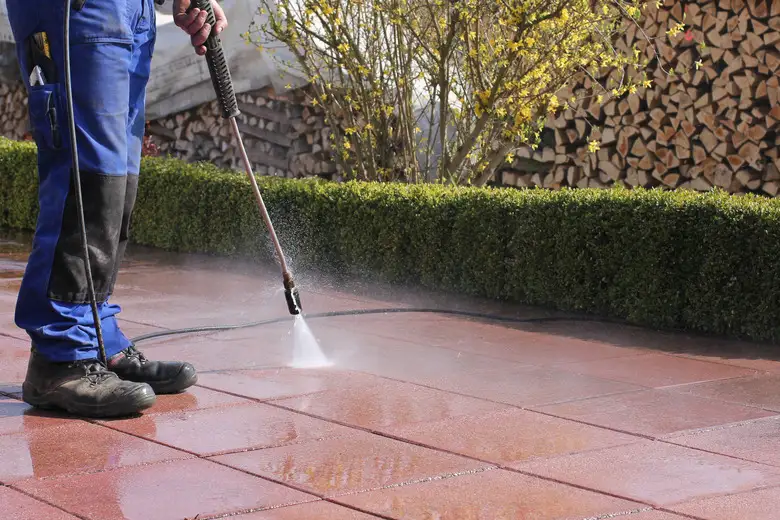
Strong pressure can be applied to concrete as opposed to wood or siding. Gasoline spots and tyre marks may require you to work at a higher pressure. PSI recommended: 2,500-3,000 PSI. If you have one, use a rotating surface cleaner. Hot water removes grease stains. Pressure Washing Concrete Driveway Areas: Stronger Pressure for Deep Cleaning and Faster Results when cleaning concrete with a pressure washer? Yes, pressure washers – or power washers, as they’re sometimes called – are great for cleaning concrete surfaces of all sorts, but there are some things you should bear in mind before you start.
4: Cars and Vehicles
Vehicles need to be washed gently to protect the paint and finishes. Recommended PSI: 1,200–1,900 PSI Use foam soap and wide-angle nozzles Do not use soap that is too old or too new Agent concentrations in the doser must not change Avoid spraying too closely to the glass because it may cause spots (warranty does not cover damages caused by spots) Soap pH: 11 Two phases: Slow slow Fast slow you can go in fast mode if necessary (make sure all users are informed and warning is visible) Please remove all dirt or ice from windscreen before Ejaculation glass stove oven 1″. 5″ and pieces 0.12″).
5: Brick and Stone
Can be long-lasting, but older mortar may deteriorate. Recommended PSI: 1,500–2,500 PSI. Check cracks before cleanings. Use medium pressure initially. A good Pressure washer PSI guide also helps to avoid unintended damage to the old bricks.
Residential Pressure Washing Tips
Maintenance-free has a new face: pressure washing! These Residential Pressure Washing Tips will enable you as a homeowner to clean effectively and efficiently without doing any damage. Whether you are tackling your siding, deck, or looking for a professional driveway pressure washing service tracy ca, following the right tips will always deliver safer and better results.
1: Try Out On A Small Area
Wait and see how the surface reacts to the pressure before you work on the entire area of the surface. This should help you avoid any surprises.
2: Obligation To Wear Safety Equipment Is Required
Apply: Safety goggles Closed-toed shoes or boots Gloves Hearing protection when required Water under high pressure can injure the eyes and skin.
3: Risks for Electric Shock Are Avoided
Stay clear of electrical outlets, light fixtures and power lines when using water.
4: Use Appropriate Detergent
There are different cleaners made for concrete, wood, cars, vinyl and so on. The incorrect cleaner may harm surfaces.
5: Keep the Right Distance
Spraying too closely can lead to discolouration or cracking. Begin at a distance and gradually go closer.
6: Never Spray People or Pets
Pressure washers are strong and dangerous weapons; they should be treated as such forever. These Residential pressure washer tips will help you achieve better results and still remain safe.
Pressure Washing a Concrete Driveway Properly
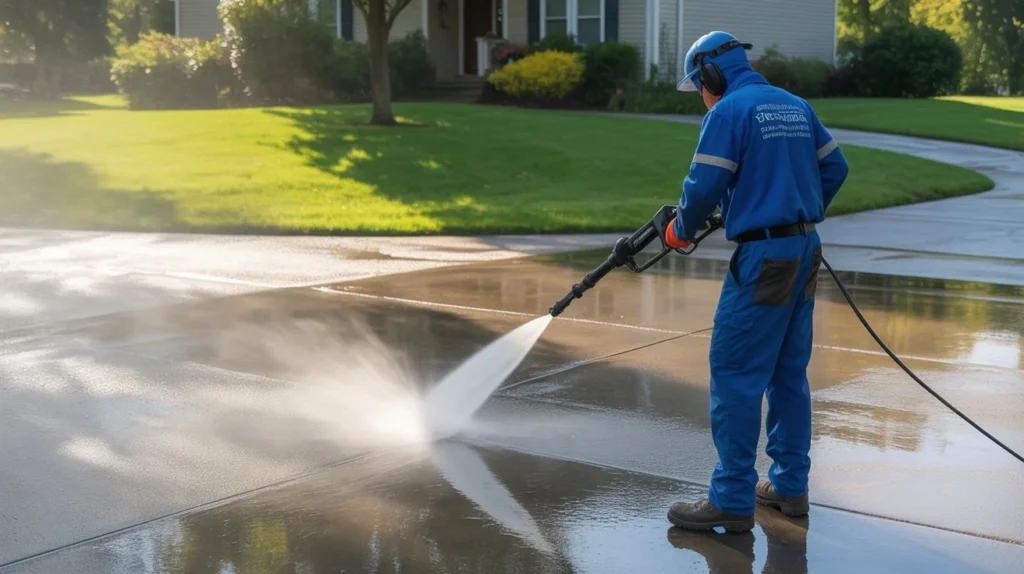
Concrete is harder and more solid than wood or vinyl siding. The high pressure will also help to lift deep set sTips for pressure washing: Use 3000 psi for a concrete driveway for best results. Suggested PSI: 2,500 to 3,000 Recommended gallons per minute (GPM): ≥ 2.5 indicates that you have in the material’s pores. 15° or Surface cleaner rotatable jet for Nozzle
How To Clean A Concrete Driveway
1: Dust and wipe off Use a concrete-safe detergent. Let the detergent sit for a few minutes. Clean Use firm parallel strokes that overlap when you pressure wash. 2: Rinse thoroughly. For stubborn oil spots, degreasers and hot water pressure washers are more efficient.
Conclusion
A good Pressure washer PSI guide for homeowners can help avoid costly mistakes and guide you to leave your home looking like a pro did it. The right PSI for pressure washing is important for the cleanliness and safety of the materials being cleaned. Consequent to this intelligent advice on Residential pressure washing, dangers can be minimised, and the longevity of exterior surfaces can be maximised.
For big jobs like Pressure washing concrete driveway areas, the correct amount of PSI, nozzle, and cleaning technique can make a great deal of difference. From small electric models to large commercial gas units, the difference is the pressure suitable for the task.
Pressure washing can enhance the appearance of your home, shield your exterior surfaces, and help you keep up the value of your property for a long time with lasting benefits. Not sure where to start or which PSI is right for your surfaces? Contact Us today and our pressure washing experts will guide you through the entire process and get the job done safely and professionally.
FAQs
What PSI is safe for pressure washing my house?
For most house surfaces like vinyl or wood siding, a PSI between 1,300 and 1,800 is safe and effective. Using too much pressure can crack the siding or force water behind your walls, causing serious damage.
Can I use a heavy-duty pressure washer on my wooden deck?
No. Wood is a soft material and is prone to splintering under high pressure. A PSI between 500 and 1,200 with a fan spray nozzle is recommended. Always spray in the direction of the wood grain and start at the lowest pressure setting.
What is the best PSI for cleaning a concrete driveway?
Concrete is one of the toughest surfaces and can handle higher pressure. A PSI of 2,500 to 3,000 is ideal for removing deep-set oil stains, tire marks, and embedded grime from a concrete driveway. A rotating surface cleaner attachment gives the best results.
Is pressure washing safe for cars?
Yes, but only when done correctly. Use a PSI between 1,200 and 1,900 along with a wide-angle nozzle and foam soap. Never spray too closely to the glass or painted surfaces as it can damage the finish and cause permanent marks.
Do I need to use detergent when pressure washing?
Yes, in most cases using the right detergent makes a big difference. Different surfaces require different cleaners concrete, wood, vinyl, and cars each need a specific cleaning solution. Using the wrong detergent can harm the surface, so always choose a cleaner designed for the material you are washing.