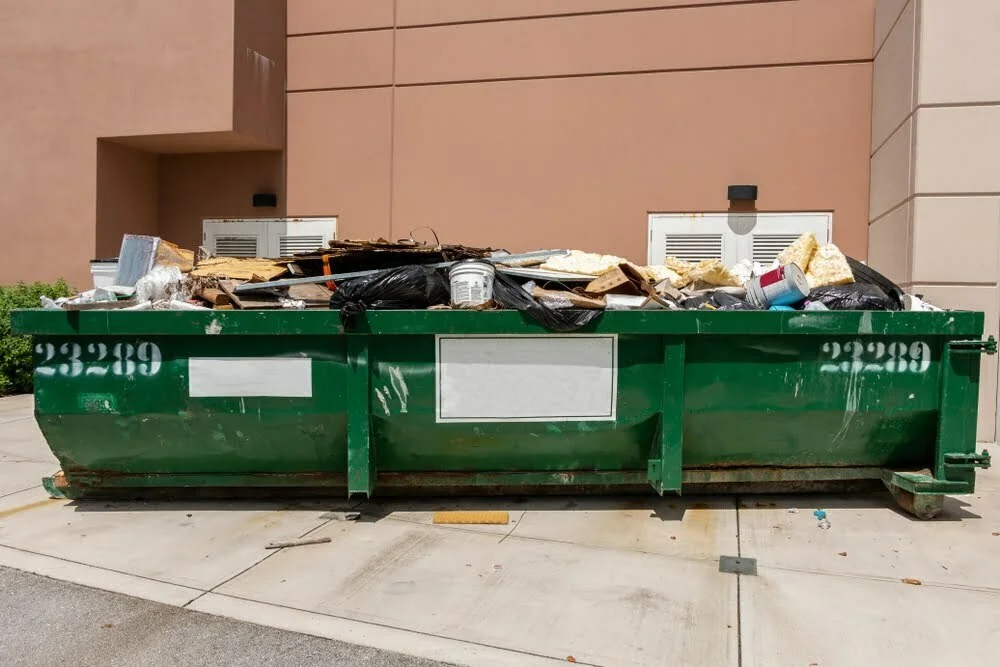
A smelly dumpster can make a business, parking lot, or outdoor area unpleasant. Food scraps, leaking bags, dirty surfaces, and trapped moisture often cause strong odors. Spraying air freshener may hide the smell for a short time. It will not remove the waste and grime causing it. The best fix starts with removing the source, washing the container, and letting it dry.
What is the best way to deodorize a dumpster? Empty it, remove stuck waste, clean the inside with a suitable cleaner, rinse it, and apply a dumpster-safe deodorizer. Regular waste control and cleaning help stop the smell from coming back.
- What Causes a Dumpster to Smell Bad?
- What Is the Best Way to Deodorize a Dumpster?
- 1. Empty the Dumpster Completely
- 2. Remove Stuck Waste and Liquid
- 3. Wash the Interior
- 4. Treat Remaining Odor Sources
- 5. Rinse and Let the Dumpster Dry
- 6. Apply a Dumpster-Safe Deodorizer
- Best Products for Dumpster Odor Control
- Natural Ways to Get Rid of Dumpster Smells
- How to Prevent Dumpster Odors
- How Often Should You Clean and Deodorize a Dumpster?
- Dumpster Deodorizing Mistakes to Avoid
- Commercial Dumpster Odor Control Tips
- Conclusion
- Frequently Asked Questions
What Causes a Dumpster to Smell Bad?
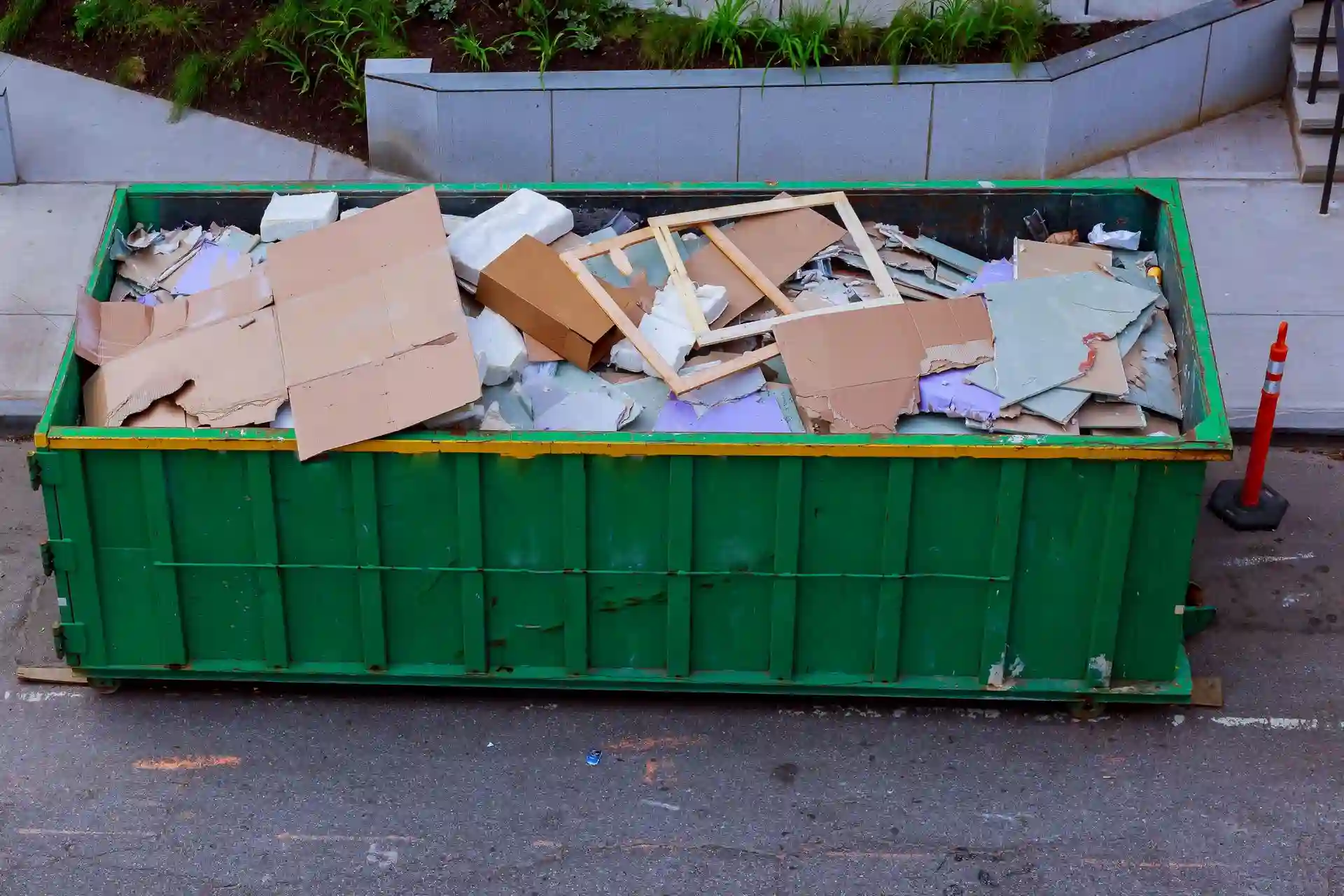
Dumpster odors usually come from waste that breaks down inside the container. Warm weather and moisture can make these smells stronger. Several common problems may be responsible.
Rotting food waste: Leftover food, meat, dairy, and produce can break down quickly. This process creates strong odors, especially when waste stays inside for several days.
Leaking trash bags: Liquid from food scraps can collect at the bottom of a dumpster. These liquids may contain grease, bacteria, and decaying material. The longer they remain, the harder they become to remove.
Dirty interior walls: Waste can stick to the floor, corners, and sides of a container. These layers may keep producing odors even after the dumpster is emptied.
Poor drainage: Water from rain or cleaning can collect inside a container. Standing water mixes with waste and creates a damp area where odors can build.
Loose dumpster lids: Open lids allow odors to spread around the property. They can also attract flies, rodents, and other pests looking for food.
Infrequent cleaning: Emptying a dumpster does not remove residue left behind. Without proper washing, old waste can continue to cause a dumpster smell.
What Is the Best Way to Deodorize a Dumpster?
The best approach is to clean the dumpster before using a deodorizer. A fragrance alone cannot remove old food, grease, or liquid waste. Follow these steps to deal with the source of the smell.
1. Empty the Dumpster Completely
Arrange for the dumpster to be emptied before cleaning. Check the bottom for loose trash, food scraps, and other waste. Remove any material that remains after collection.
Wear suitable gloves and closed shoes when handling waste. Avoid reaching into the container by hand. Use proper tools and follow workplace safety rules.
2. Remove Stuck Waste and Liquid
Look for food, grease, and other material stuck to the floor or walls. Remove loose debris with a suitable scraper or cleaning tool. Do not use sharp tools that could damage the container.
Pay close attention to corners, seams, and the area around the drain. These spots can hold waste that keeps producing odors.
3. Wash the Interior
Use a cleaner made for waste containers or the dumpster’s surface material. Apply it according to the product label. Scrub areas with visible buildup, then rinse with water where drainage rules allow.
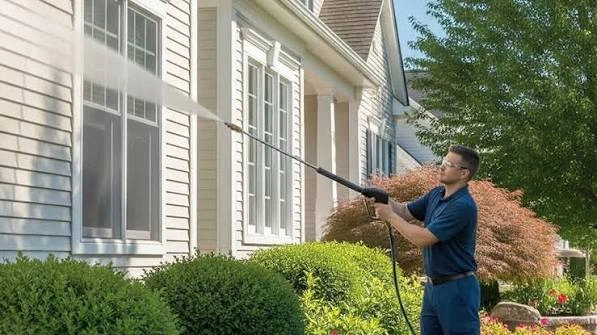
A pressure washer can help remove stuck dirt and residue. Use a suitable pressure level and nozzle for the container. Excessive pressure may damage paint, seals, or other parts.
4. Treat Remaining Odor Sources
After washing, check for any remaining film, grease, or waste. Repeat cleaning on areas that still look dirty. A deodorizer works better when the surface is already clean.
For organic residue, a suitable enzyme-based product may help break down certain odor-causing materials. Check that the product is designed for dumpster use. Follow its label for application, dilution, and contact time.
5. Rinse and Let the Dumpster Dry
Rinse away cleaner and loosened waste as directed by the product label. Make sure dirty water goes to an approved drain or collection system. Do not let wash water flow into storm drains or nearby soil.
Allow the dumpster to dry before adding fresh waste. Moisture can help odors return, especially when food waste is added soon after cleaning.
6. Apply a Dumpster-Safe Deodorizer
Once the container is clean, apply a deodorizer made for waste bins or dumpsters. Choose a product that suits the container material and the type of waste. Follow the label instead of guessing the amount.
This cleaning-first method is the most reliable answer to the question, “What is the best way to deodorize a dumpster?” It removes the source instead of covering the smell.
Best Products for Dumpster Odor Control
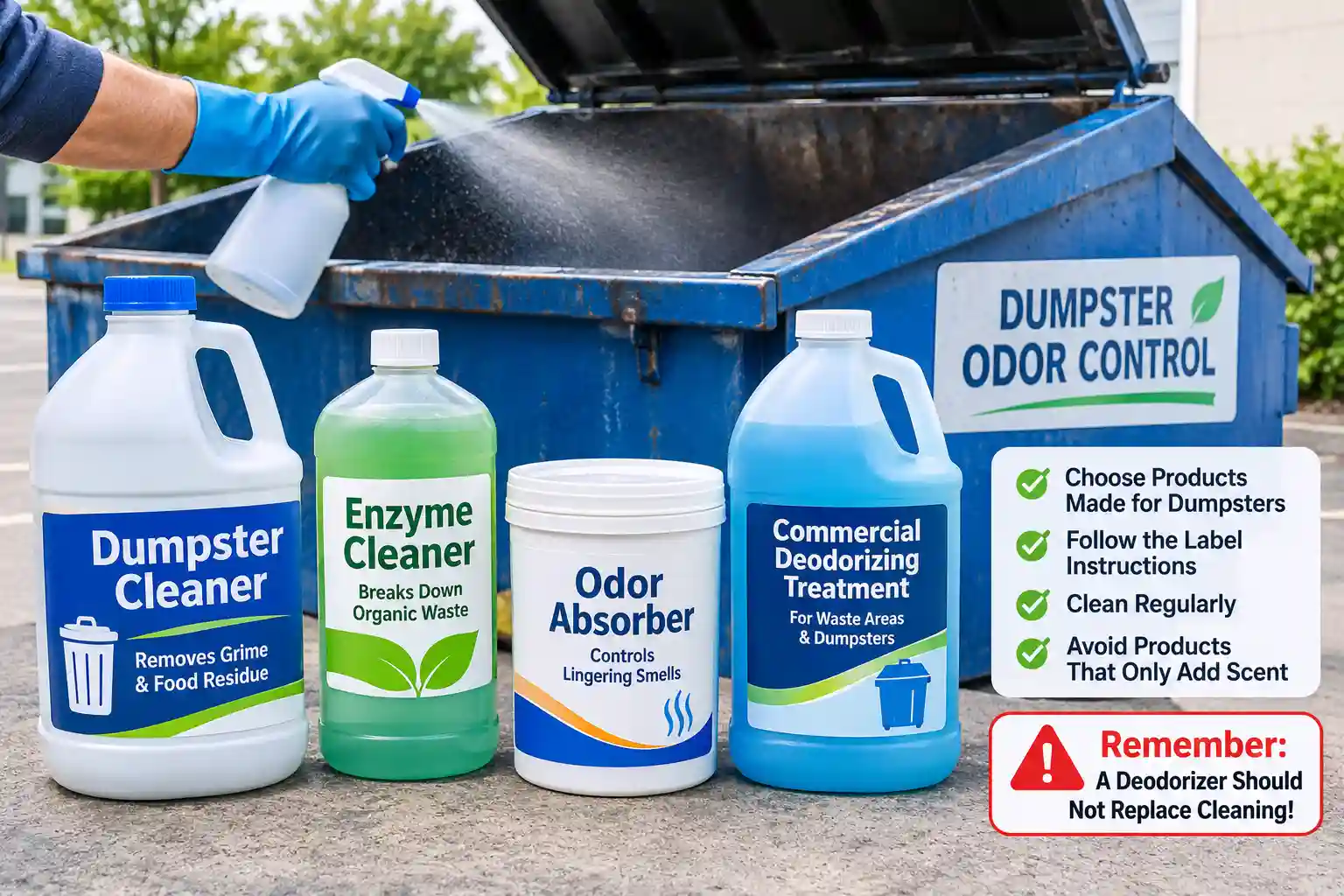
The right product depends on the odor, waste type, and dumpster material. Read the label before buying or applying any cleaner.
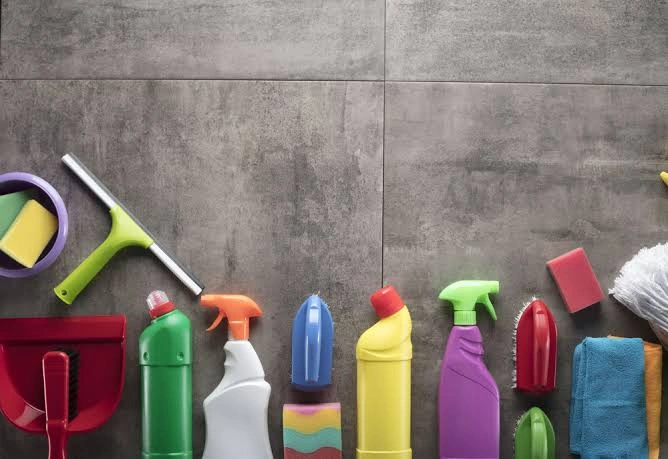
Dumpster-safe cleaners: These products remove dirt, food residue, and grime from hard surfaces. Choose one approved for the container material. A clean surface gives other odor-control products a better chance to work.
Enzyme-based cleaners: Some enzyme products are made to break down organic waste and related residue. They may help with food-based odors when used as directed. They are not a replacement for removing solid waste or washing the dumpster.
Commercial dumpster deodorizers: These products are made to control odors in waste containers. Some use odor-neutralizing ingredients, while others add fragrance. Check whether the product neutralizes odors or only masks them.
Disinfectants: A suitable disinfectant may be useful when sanitation is also needed. It must be approved for the intended surface and used at the correct contact time. Disinfecting does not remove all dirt, grease, or odor-causing waste.
Absorbent materials: Products made to absorb small spills may help manage certain liquids. Use only materials suitable for waste containers and local disposal rules. They cannot replace proper cleaning.
Do not choose a product based only on its scent. A strong fragrance can mix with rotten waste odors and make the area less pleasant.
Natural Ways to Get Rid of Dumpster Smells
Some simple steps can help manage mild odors between full cleanings. They work best as part of a larger cleaning routine.
Baking soda: Baking soda may help absorb some mild odors in small, suitable waste bins. It has limited value in a large dumpster filled with wet or rotting waste. Do not use it as a substitute for washing.
Dry absorbent materials: Materials made for absorbing spills can help manage small amounts of liquid. Choose a product designed for the waste involved. Follow local rules for handling and disposal.
Better airflow: Keep the dumpster area clear and avoid blocking approved ventilation openings. Do not leave lids open as a way to air out odors. Open lids can attract pests and allow rain to enter.
Frequent waste removal: Arrange pickups before food waste builds up for too long. This is often more effective than adding more fragrance or odor powder.
Avoid pouring vinegar, bleach, or homemade chemical mixes into a dumpster. Some combinations can release dangerous fumes. Natural does not always mean safe for every surface or waste type.
How to Prevent Dumpster Odors
Prevention reduces the need for deep cleaning and helps keep the surrounding area pleasant.
- Use strong trash bags: Choose bags that suit the weight and type of waste. Tie them securely to reduce leaks.
- Drain food waste where allowed: Keep excess liquid out of trash bags when local rules permit.
- Keep the lid closed: A closed lid helps contain odors and limits pest access.
- Clean spills quickly: Remove leaks from the dumpster floor and nearby pad as soon as it is safe.
- Schedule waste collection: Avoid letting food waste sit for long periods, especially in hot weather.
- Keep the area tidy: Remove loose trash around the container and keep access paths clear.
- Check for damage: Look for cracks, broken lids, damaged seals, and drainage problems that may hold waste or water.
For restaurants and food businesses, staff should know how to bag waste and report leaks. A simple daily check can catch small problems before they become major odor issues.
How Often Should You Clean and Deodorize a Dumpster?
There is no single cleaning schedule that works for every dumpster. The right timing depends on waste type, use, weather, container size, and pickup frequency.
A dumpster used by a restaurant may need more frequent cleaning than one used for dry office waste. Food scraps, meat, dairy, and grease can create strong odors quickly. Hot weather can make the problem worse.
Check the container regularly for leaks, stains, standing water, and strong smells. Clean it when residue builds up or odors remain after waste collection. High-use commercial dumpsters may need a planned cleaning schedule, with extra cleaning after spills.
Deodorizer use should follow the product label. Applying it too often will not solve a dirty container. Focus on removing waste and residue first.
Dumpster Deodorizing Mistakes to Avoid
Some common mistakes can make odors worse or create safety risks.
Spraying fragrance over dirty waste: Air fresheners may hide the smell briefly. They do not remove food scraps, grease, or residue.
Using too much chemical cleaner: More product does not always mean better cleaning. Excess chemicals may damage surfaces or create unsafe runoff. Follow the label.
Mixing cleaning products: Never mix bleach with ammonia, acids, vinegar, or other cleaners. Dangerous gases can form. Use one product at a time and follow its safety instructions.
Ignoring the dumpster pad: Liquid waste can leak onto the ground around the container. Cleaning only the inside leaves another source of odor behind.
Leaving standing water: Water left inside can mix with waste and cause smells to return. Check drainage and allow the container to dry.
Using a product on the wrong surface: Some chemicals can damage metal coatings, plastic, or painted areas. Check product and container instructions before use.
Commercial Dumpster Odor Control Tips
Businesses often need a more planned approach because several people use the same dumpster. A clear routine makes odor control easier to manage.
Place the dumpster away from customer entrances, outdoor dining areas, and busy walkways when site rules allow. Keep the area accessible for waste collection and cleaning. Do not block fire lanes or service access.
Use signs to remind staff to close bags and keep the lid shut. Assign someone to check for leaks and loose trash. Keep a record of cleaning dates, spills, and odor complaints. This helps identify patterns and adjust the schedule.
The concrete pad around a dumpster also needs attention. Food liquids, grease, and dirty wash water can soak into surface grime and cause smells near the container. Clean the pad with suitable methods and manage wastewater properly.
For businesses in Tracy, CA, professional dumpster pad cleaning in Tracy, CA can help remove built-up grime around the waste area. VJ Pressure Washing can support a cleaner exterior space with suitable pressure washing services. Choose a cleaning plan based on the surface, waste conditions, and site needs.
Conclusion
The best way to control dumpster odors is to remove the waste causing them. Empty the container, clear stuck debris, wash the inside, rinse it safely, and let it dry. Then use a dumpster-safe deodorizer when needed. Keep lids closed, prevent leaks, and clean the surrounding pad.
A regular cleaning routine helps prevent strong smells from returning. Businesses should also train staff to handle waste properly and report spills early. If odors remain after basic cleaning, inspect for hidden residue, drainage problems, or damaged parts.
Frequently Asked Questions
What is the fastest way to get rid of dumpster smell?
Empty the dumpster and remove any leftover waste or liquid. Wash dirty surfaces with a suitable cleaner, rinse safely, and let the container dry. Apply a dumpster-safe deodorizer after cleaning.
Why does my dumpster still smell after it has been emptied?
Old food residue, grease, and liquid waste may remain on the floor and walls. The dumpster pad may also hold spilled waste. Wash these areas instead of relying on fragrance.
Do enzyme cleaners work on dumpster odors?
Some enzyme cleaners can help break down certain organic residues that cause odors. Choose one made for waste containers and follow the label. Heavy buildup still needs to be removed through proper cleaning.
Can baking soda deodorize a dumpster?
Baking soda may help with mild odors in small bins, but it has limited effect in large dumpsters. It cannot remove rotting waste, grease, or thick residue. Clean the container first.
How do you keep a dumpster from smelling in hot weather?
Keep food waste sealed, close the lid, and arrange regular pickups. Clean leaks quickly and remove residue before it builds up. Check the dumpster more often during hot weather.
Should you use bleach to deodorize a dumpster?
Bleach is not a general-purpose deodorizer. Use a disinfectant only when it is suitable for the surface and task. Never mix bleach with other cleaners, and follow all label directions.
Does pressure washing remove dumpster odors?
Pressure washing can remove stuck dirt and residue when used with a suitable cleaning method. It will not fix every odor source by itself. Proper waste removal, cleaning products, rinsing, and drying are also important.