A dirty driveway can make your entire property look less inviting. Oil spots, tire marks, algae, mud, and dark patches can build up over time, especially in areas exposed to rain, shade, vehicle traffic, and falling leaves. The good news is that most everyday driveway dirt can be removed with the right cleaning method.
What’s the best way to clean a driveway? For most concrete driveways, start by removing loose debris, applying a suitable driveway cleaner, scrubbing stubborn stains, and rinsing the surface thoroughly. A pressure washer can help remove heavy grime, but the best approach depends on your driveway material and the type of stain. Using the right cleaner and the correct amount of pressure helps you get a cleaner finish without damaging the surface.
- What Is the Best Way to Clean a Driveway?
- What Do You Need for Driveway Cleaning?
- How to Clean a Driveway Step by Step
- Step 1: Remove Loose Dirt and Debris
- Step 2: Identify and Treat Stains
- Step 3: Apply the Right Cleaner
- Step 4: Scrub Stubborn Areas
- Step 5: Rinse the Driveway Carefully
- Step 6: Check the Surface After It Dries
- How to Remove Different Driveway Stains
- Oil and Grease Stains
- Tire Marks
- Algae and Green Buildup
- Rust and Mineral Stains
- How to Clean Concrete, Asphalt, and Paver Driveways
- Is Pressure Washing the Best Option?
- Common Driveway Cleaning Mistakes to Avoid
- How to Keep Your Driveway Clean Longer
- When Should You Hire a Professional?
- Final Thoughts
- Frequently Asked Questions
What Is the Best Way to Clean a Driveway?
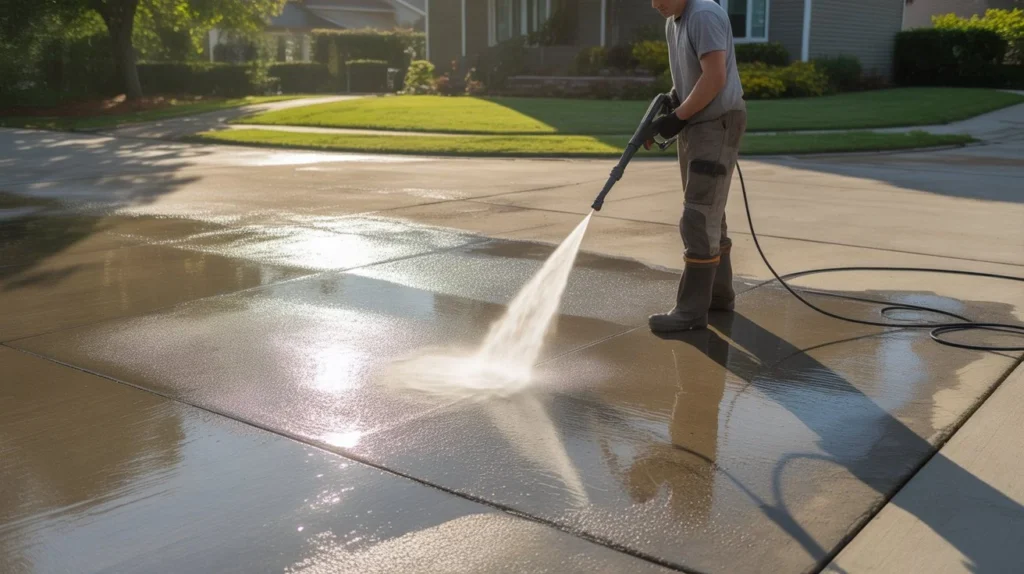
The best driveway cleaning method combines the right cleaning product, gentle scrubbing when needed, and a controlled rinse. You do not always need a pressure washer. A garden hose, a suitable detergent, and a stiff nylon brush may be enough for light dirt and small stains.
For heavier buildup on a sound concrete driveway, pressure washing can provide a more thorough clean. However, pressure alone will not always remove deep oil stains because oil can soak into the pores of concrete. Those stains often need a suitable degreaser before rinsing.
Before you start, check three things:
- The surface: Is the driveway concrete, asphalt, pavers, or decorative stone?
- The stain: Are you dealing with oil, algae, tire marks, rust, or ordinary dirt?
- The condition: Are there cracks, loose paving blocks, peeling sealer, or crumbling areas?
These details help you choose a safe and effective cleaning method.
What Do You Need for Driveway Cleaning?
Gather your supplies before you begin. Having everything ready makes cleaning easier and helps prevent dirty water or cleaning products from drying on the surface.
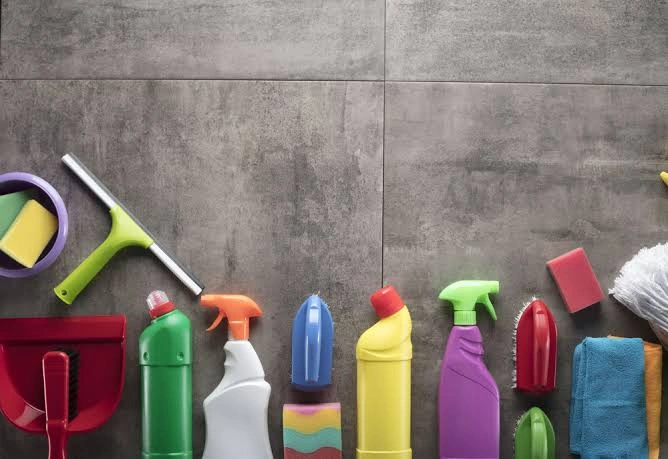
For a typical concrete driveway, you may need:
- A stiff nylon-bristle brush or outdoor broom
- A garden hose with an adjustable spray nozzle
- A driveway cleaner suitable for your surface
- A concrete-safe degreaser for oil and grease stains
- A pressure washer, if needed
- Protective gloves and eye protection
- Absorbent material for fresh oil spills
Choose cleaning products according to the manufacturer’s instructions. Avoid mixing different cleaners, especially bleach, acids, and ammonia-based products. Mixing chemicals can release dangerous fumes.
Also, consider where the dirty water will flow. Keep cleaning chemicals and oily runoff away from storm drains, nearby waterways, and garden beds. Follow local disposal requirements and product-label directions.
How to Clean a Driveway Step by Step
If you want to know how to clean driveway surfaces without leaving uneven marks, follow a consistent process. Rushing straight to pressure washing can spread stains or leave visible cleaning lines.
Step 1: Remove Loose Dirt and Debris
Move vehicles, toys, planters, and other objects away from the driveway. Sweep away leaves, dust, loose soil, grass clippings, and small stones.
Removing debris first prevents you from pushing dirt around while washing. It also makes stains easier to identify.
Pay attention to corners, the edges near the garage, and areas beneath parked vehicles. These spots often collect dirt that is easy to miss during a quick rinse.
Step 2: Identify and Treat Stains
Look for oil spots, tire marks, green growth, rust, and dark patches before applying cleaner to the entire driveway.
Treating stains first can improve the final result. For example, a degreaser may help loosen oil, while a surface-appropriate cleaner may work better on organic buildup.
Always test a cleaning product on a small, inconspicuous area. This is especially important for decorative concrete, colored surfaces, pavers, and sealed driveways.
Step 3: Apply the Right Cleaner
Apply a suitable driveway cleaner according to its label. Some products require a dry surface, while others work best when the surface is damp. Follow the directions rather than assuming every cleaner works the same way.
Give the product the recommended time to loosen dirt. Do not allow it to dry if the instructions tell you to keep the surface wet.
For general grime, a suitable detergent may be enough. For oil and grease, use a cleaner designed for those stains and your driveway material.
Step 4: Scrub Stubborn Areas
Use a stiff nylon brush to work the cleaner into visible stains. Short, overlapping strokes help you cover the affected area evenly.
Do not automatically reach for a wire brush or an aggressive chemical. These can scratch softer materials, damage decorative finishes, or harm asphalt.
If the stain remains, repeat the recommended treatment rather than increasing pressure or using an unapproved chemical.
Step 5: Rinse the Driveway Carefully
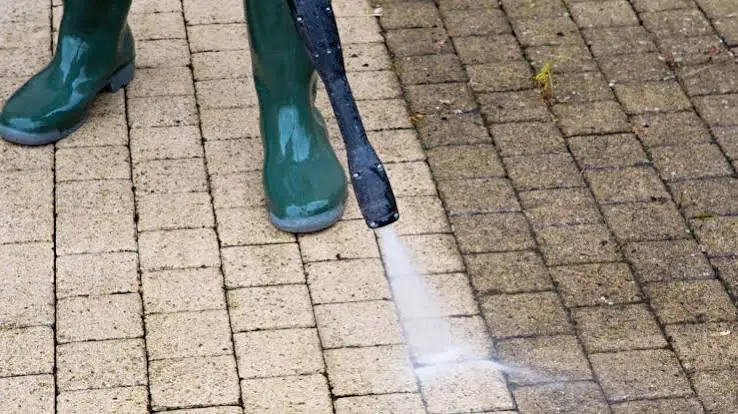
For light dirt, a garden hose may be sufficient. For heavier grime on suitable concrete, a pressure washer can help remove loosened residue.
If using a pressure washer, begin with a lower-pressure setting and a wider spray pattern. Test an inconspicuous area, keep the nozzle moving, and avoid holding the spray close to one spot. Never point the spray at people, pets, electrical equipment, or your skin.
Rinse in a consistent pattern so you do not leave dirty lines between cleaned sections. Control the runoff and avoid directing dirty water into storm drains.
Step 6: Check the Surface After It Dries
Allow the driveway to dry before judging the result. Wet concrete can appear darker than it will once dry, and some stains may become more visible again as moisture evaporates.
If a mark remains, identify its cause before treating it again. Deep oil stains may need several treatments, while rust or mineral deposits may require a different product.
A second careful treatment is usually better than trying to remove every mark with excessive pressure.
How to Remove Different Driveway Stains
Different stains need different treatments. Using the wrong cleaner may waste time or damage the driveway.
Oil and Grease Stains
Fresh oil spills are easier to handle than old, deeply absorbed stains. Cover a fresh spill with an appropriate absorbent material, such as oil absorbent or clay-based cat litter. Allow it to absorb the liquid, then collect and dispose of it properly.
For remaining residue, apply a surface-compatible degreaser according to the label. Scrub gently and rinse while controlling the runoff.
Older stains may lighten without disappearing completely. Concrete is porous, so oil can penetrate below the surface. Avoid pouring oil or chemical residue into a drain.
Tire Marks
Tire marks can develop when hot tires leave rubber residue on concrete. Start with a cleaner approved for the surface and scrub the affected area with a nylon brush.
For stubborn marks on sound concrete, pressure washing may help after pretreatment. Keep the spray moving and use a consistent technique to avoid creating a lighter patch around the stain.
Algae and Green Buildup
Green or slippery patches often appear in damp, shaded areas where moisture remains for long periods.
Use a cleaner labeled for the surface and the type of organic buildup. Follow the application instructions, protect nearby plants, and rinse carefully. Avoid aggressive pressure on cracked concrete, fragile pavers, or decorative finishes.
If the same areas keep developing green growth, look for contributing conditions such as poor drainage, leaking irrigation, or persistent shade.
Rust and Mineral Stains
Rust marks can come from metal furniture, tools, irrigation water, or other metal objects left on the driveway. Ordinary detergent may not remove them.
Use a rust remover specifically approved for your driveway material. Some acidic products can etch concrete or damage natural stone, so do not assume a cleaner designed for one surface is safe for another.
How to Clean Concrete, Asphalt, and Paver Driveways
The driveway material is one of the most important factors when choosing a cleaning method.
Concrete driveways: Concrete usually handles routine scrubbing and suitable driveway cleaners well. Pressure washing can help with heavy dirt, but excessive pressure or a narrow spray can etch the surface. Decorative or sealed concrete needs extra care.
Asphalt driveways: Asphalt contains a petroleum-based binder, so strong solvents and harsh cleaning methods can damage it. Choose a cleaner approved for asphalt, use a gentle brush, and avoid aggressive pressure washing.
Paver driveways: Pavers can collect dirt and weeds in their joints. Use a suitable cleaner and avoid directing a powerful water stream into the gaps, as this can remove jointing sand. If the sand washes out, it may need to be replaced.
Natural stone and resin-bound surfaces: These materials can react differently to cleaning chemicals and pressure. Check the manufacturer’s guidance before cleaning, especially if the surface is coated, sealed, or made from a sensitive stone.
When you are unsure what the driveway is made from, identify the material before choosing a cleaner or pressure setting.
Is Pressure Washing the Best Option?
Pressure washing can be an effective way to remove embedded dirt, algae, and general grime from a suitable driveway. It is particularly useful when a garden hose cannot remove the buildup.
However, it is not always the best first step. Pressure washing without pretreating an oil stain may leave the mark behind. Using excessive pressure can also etch concrete, damage asphalt, disturb paver joints, or strip a protective finish.
For a more even result, work in overlapping passes and keep the spray at a consistent distance from the surface. A surface-cleaner attachment can help cover broad areas evenly when used with appropriate equipment and technique.
If your driveway is old, cracked, decorative, or already deteriorating, consider a professional assessment before using high-pressure equipment.
Common Driveway Cleaning Mistakes to Avoid
Avoid these common mistakes when cleaning your driveway:
- Using too much pressure: A powerful spray can leave permanent marks or loosen paving materials.
- Using the same cleaner on every surface: Products suitable for concrete may harm asphalt, natural stone, or sealed finishes.
- Ignoring fresh oil spills: Oil can soak into porous concrete, making the stain harder to remove later.
- Letting cleaner dry on the driveway: Dried product may leave residue or discoloration if the label requires rinsing before it dries.
- Mixing cleaning chemicals: Combining products can create dangerous reactions.
- Ignoring water runoff: Dirty water and chemicals should not be allowed to enter storm drains or sensitive planting areas.
- Expecting every old stain to disappear: Some stains penetrate deeply and may only become lighter after cleaning.
A careful process often produces better results than using the strongest product or highest pressure available.
How to Keep Your Driveway Clean Longer
Regular maintenance can reduce the effort required for future driveway cleaning.
Sweep away leaves and dirt before they accumulate. Clean fresh oil spills promptly, and inspect the area beneath vehicles for signs of leaks. If irrigation water repeatedly leaves marks, adjust the sprinkler direction where possible.
Keep gutters and nearby drains clear so water does not collect on the driveway. Address persistent dampness, pooling water, and drainage issues rather than repeatedly cleaning the same patch.
If your driveway has a suitable sealer, follow the manufacturer’s guidance on cleaning and resealing. Not every driveway needs the same treatment schedule, and the correct approach depends on the material, finish, and condition.
When Should You Hire a Professional?
DIY cleaning may work well for light dirt, small stains, and routine maintenance. Professional cleaning can be a better choice when the driveway has widespread buildup, stubborn discoloration, a delicate finish, or areas that are difficult to clean evenly.
A professional can assess the surface, select suitable cleaning products, and use equipment designed to clean broad areas consistently. This can reduce the risk of streaking or surface damage when the correct method is used.
If you are in the local area, Driveway Washing in Tracy CA is an option to consider when your driveway needs more than a basic rinse. VJ Pressure Washing can be included as your local point of contact for homeowners who want to explore professional driveway cleaning.
Before booking any service, explain the type of driveway you have and the stains you want addressed. Ask how the surface will be cleaned, how runoff will be handled, and whether older stains are likely to remain visible.
Final Thoughts
The best way to clean a driveway is to identify the surface and stain first, use a suitable cleaner, scrub where necessary, and rinse carefully. Pressure washing can make a big difference on appropriate surfaces, but more pressure does not always mean better cleaning.
Regular sweeping, quick treatment of oil spills, and attention to drainage can help keep your driveway looking better for longer. If the stains are stubborn or you are concerned about damaging the surface, professional driveway washing may be worth considering.
Frequently Asked Questions
What’s the easiest way to clean a very dirty driveway?
Start by sweeping away loose debris, then pretreat stains with a cleaner suited to the driveway material. Scrub where needed and rinse thoroughly. A pressure washer may help with heavy grime on suitable surfaces, but correct technique matters.
Can I clean my driveway without a pressure washer?
Yes. For light dirt and many everyday stains, use a garden hose, suitable detergent, and a stiff nylon brush. Stubborn oil stains may need a dedicated degreaser and more than one treatment.
Is bleach safe for driveway cleaning?
It depends on the product, surface, and purpose. Bleach can harm nearby plants and may damage some materials or finishes. Never mix bleach with other cleaners. Use a product specifically approved for your surface and follow its safety instructions.
How often should I clean my driveway?
There is no single schedule for every property. Sweep regularly and wash when dirt, stains, or organic growth begin to build up. Driveways beneath trees or exposed to vehicle leaks may need more frequent attention.
Why does my driveway still look stained after pressure washing?
Some stains, especially old oil marks, penetrate below the surface. Pressure washing may remove surface grime without removing the material trapped in the concrete. A suitable pretreatment or repeated cleaning may help, but some discoloration can remain.
Can pressure washing damage a concrete driveway?
Yes. Excessive pressure, a narrow nozzle, or holding the spray too close can etch concrete and create visible marks. Start with a less aggressive setting, test a small area, and use consistent passes.