
What Are the 5 Rules of Smart Cleaning?
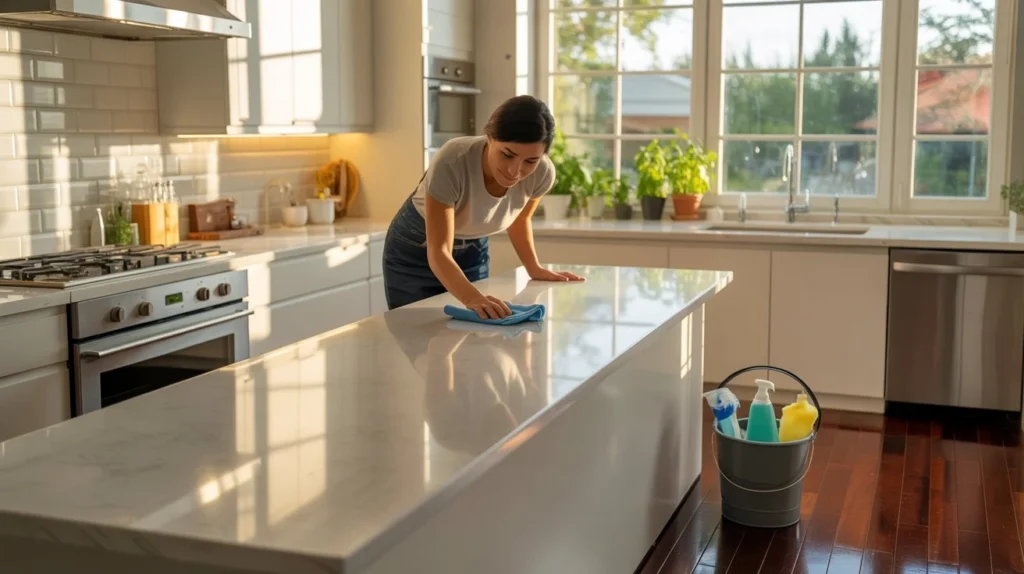
A clean home does not happen by accident. It takes the right approach, the right tools, and a system that actually works. What are the 5 rules of smart cleaning? They are the foundation every homeowner needs to stop wasting effort and start seeing real results. Whether you are cleaning a bathroom, a kitchen, or your outdoor spaces, these rules apply across the board. At VJ Pressure Washing, we have seen firsthand how following a smart cleaning system transforms a home from dull and grimy to fresh and well-maintained. Skipping these rules means more time spent cleaning and less satisfying results. Follow them and every cleaning session becomes faster, safer, and more effective. Rule #1 – Clean From Top to Bottom This is the most basic rule in smart cleaning. And it is the one most people ignore. When you clean a ceiling fan before sweeping the floor, the dust falls down onto the floor you already cleaned. You end up doing double the work. Always start at the top and work your way down. Here is the correct order: Ceiling fans and light fixtures first Shelves and countertops next Furniture and appliances after Floors and ground surfaces last This rule applies indoors and outdoors. If you are cleaning your home’s exterior, the same logic holds. At VJ Pressure Washing, our crew always starts from the top of the wall and works downward. This prevents dirty water from running over clean surfaces. The same principle applies when you need power washing driveway tracy ca services. Professionals start from one end and push dirt in a single direction, so they never re-contaminate a clean section. Pro Tip: When cleaning a room, dust and wipe all surfaces before you vacuum or mop. Never vacuum first. Rule #2 – Use the Right Cleaning Products Using the wrong product is one of the most common smart cleaning mistakes. The wrong cleaner can damage surfaces, leave residue, or simply not work at all. Different surfaces need different products. Here is a quick reference: Wood floors: pH-neutral cleaner only. Harsh chemicals strip the finish. Glass and mirrors: Streak-free glass cleaner or diluted white vinegar. Stainless steel: Microfiber cloth with a small amount of dish soap. Always wipe with the grain. Grout and tile: Baking soda paste or a grout-specific cleaner. Carpets: Enzyme-based cleaner for stains. Avoid soaking the carpet. Concrete driveways: Degreaser for oil stains. High-pressure water for general grime. Upholstery: Always check the fabric code before using any cleaner. One product does not clean everything. Using a bathroom cleaner on wood floors or a glass cleaner on stainless steel creates more problems than it solves. Always read the label. A cleaner that says “all-purpose” still has limits. Check what surfaces it is safe for before using it. Using eco-friendly, biodegradable cleaners is also a smart move. They are safer for your family, your pets, and your home’s surfaces. Rule #3 – Clean Regularly Instead of Deep Cleaning Rarely Most homeowners wait until their home is visibly dirty before they clean. That is the wrong approach. Regular light cleaning is far more effective than occasional deep cleaning. Here is why. Dirt and grime build up in layers. The longer you wait, the harder it is to clean. A quick wipe-down of your kitchen counters every day takes 2 minutes. Letting grease build up for three weeks turns that into a 30-minute scrubbing session. The Smart Cleaning Schedule Daily tasks (5 to 10 minutes): Wipe kitchen counters after use Rinse the sink Do a quick sweep of high-traffic floors Make the bed Weekly tasks (30 to 60 minutes): Vacuum all rooms Mop hard floors Clean bathrooms Wipe down appliances Monthly tasks (1 to 2 hours): Clean inside the fridge Dust blinds and window sills Wipe down walls and baseboards Clean light switches and door handles Seasonal tasks (every 3 to 6 months): Wash windows inside and out Power wash outdoor surfaces Clean gutters Deep clean carpets A consistent schedule keeps your home clean with less effort. You never have to deal with a massive backlog of cleaning again. Rule #4 – Declutter Before You Clean You cannot clean a cluttered space properly. Clutter hides dirt, traps dust, and makes every cleaning task take longer than it should. Before you pick up a mop or a sponge, clear the space. Put things away. Throw away what you do not need. Move items off surfaces so you can actually clean those surfaces. This step feels like extra work but it saves you time overall. Here is what happens when you skip decluttering: You clean around objects instead of cleaning under and behind them Dust and dirt accumulate in hidden corners You spend extra time moving things mid-clean The space never feels truly clean The 3-Box Method When decluttering before cleaning, use three boxes or bags: Keep – Items that belong in this room Relocate – Items that belong elsewhere in the home Remove – Items to donate, sell, or throw away This method speeds up decluttering and prevents you from standing still trying to make decisions. Make a quick choice and move on. Decluttering also makes your cleaning products more effective. Cleaning a clear countertop takes seconds. Cleaning around a pile of objects takes minutes and often gets missed. Rule #5 – Focus on High-Touch Areas Not all surfaces carry the same amount of germs, dirt, and bacteria. High-touch areas collect the most contamination and need more frequent cleaning. Most homeowners spend time cleaning visible surfaces like floors and countertops. But they ignore the areas touched dozens of times every day. High-Touch Areas You Must Not Skip Door handles and knobs – Touched by everyone, cleaned by almost no one Light switches – One of the germiest spots in any room TV remotes and phone screens – Cleaned rarely despite constant use Faucet handles – Touched before and after hand washing Toilet flush handles – High bacteria zone Keyboard and mouse – Collect oils, food particles, and bacteria
What Is the Best Pressure for Pressure Washing?
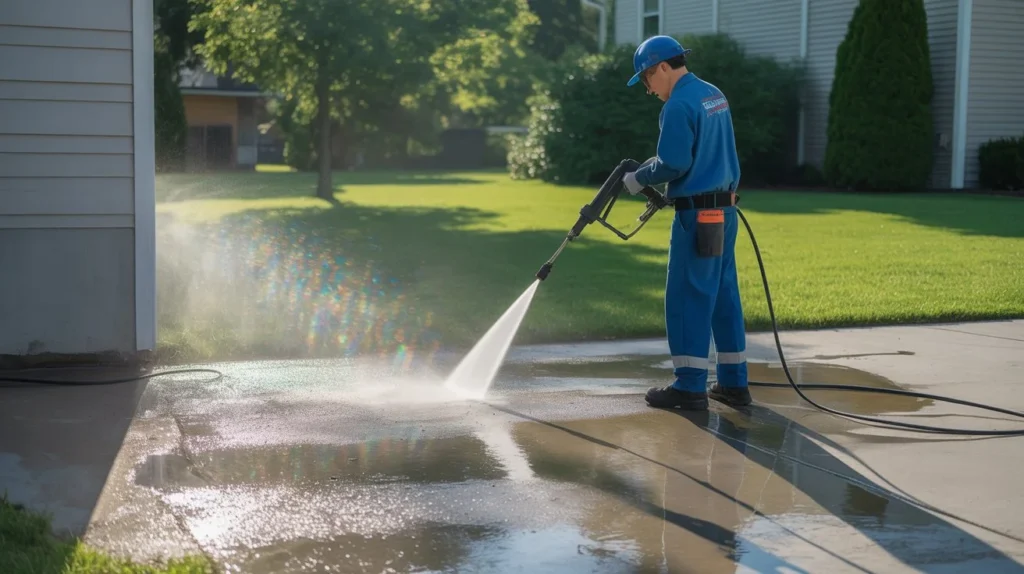
Pressure washing provides a fast and effective method for cleaning the outdoor areas of your home or business. From greasy driveways to slippery pool decks, a pressure washer can take away dirt, grease, stains, algae and more. But a lot of homeowners share the same crucial question: What is the best pressure washer pressure? That depends on the surface to clean, the level of dirt on the surface and the type of pressure washer you are using. When you’re soaping up your car, yard or house with a pressure washer, make sure you’re not overdoing it, dear readers: excess pressure can have disastrous results and imperil your well-being. If the pressure is too low, you will get the expected poor cleaning results. To wash safely and effectively, you really should know the necessary PSI levels and cleaning methods. Understanding Pressure Washer PSI Pressure washers can mostly be categorised into three types: 1:Light-duty pressure washer 13,00-19,00 PSI Best for cars, patio furniture, grills and small outdoor areas 2:Medium-duty pressure washers2,000 to 2,800 PSI Ideal for decks and fences, siding and driveways 3:Heavy-duty pressure washers2,900 to 4,000+ PSI Best for commercial use: concrete, brick, and industry cleaningCar, patio furniture, grills, and moreBest for cleaning wagons, fences, siding, and driveways suitable for decks, fences, siding and drivewaysMedium-duty pressure washers2,000 to 2,800 PSILight-duty pressure washers Heavy-duty pressure washers 2,000 to 2,800 PSIBest for decks and fences, siding and drivewaysHeavy-duty pressure washers2,900 to 4,000+ PSIFree Shipping on Orders Over $75Buy 1993112 12 Amp High Performance Water Blaster $69.99 Medium-duty pressure washers2,000 to 2,800 PSILight-duty pressure washersHeavy-duty pressure washers2,900 to 4,000+ PSISuitable for commercial work; concrete, brick, industry cleaningKnowing these categories is a first step in figuring out the Best PSI for pressure washing different surfaces. What Is the Best Pressure for Pressure Washing? What PSI Should I Use for Pressure Washing? At VJ Pressure Washing, we understand that nothing online can give you a definitive answer on what PSI to use for each type of work. Different materials need different amounts of pressure. Here is a more in-depth description of the suggested PSI ranges for some of the more popular residential surfaces. 1: House Siding Vinyl siding & wood siding need a medium pressure. Pressure washing too hard or too close can break the siding and can push water in behind your walls. Recommended PSI: 1,300–1,800 PSI Best Method: Soft Washing with Detergent Safe distance: 3/4 feet from the surface In many cases, soft washing is better than high-pressure washing for house exteriors since it cleans without causing damage. 2: Wooden Decks and Fences Wood is softer than concrete and is also prone to splintering when the pressure is too high. Suggested Pressure Levels: 500–1,200 PSI Spray with a fan spray nozzle. Spray always in the direction of the wood grain. One of the best tips for residential pressure washing is to begin at a low pressure and gradually increase as needed until the dust is safely removed. 3: Concrete Driveways Strong pressure can be applied to concrete as opposed to wood or siding. Gasoline spots and tyre marks may require you to work at a higher pressure. PSI recommended: 2,500-3,000 PSI. If you have one, use a rotating surface cleaner. Hot water removes grease stains. Pressure Washing Concrete Driveway Areas: Stronger Pressure for Deep Cleaning and Faster Results when cleaning concrete with a pressure washer? Yes, pressure washers – or power washers, as they’re sometimes called – are great for cleaning concrete surfaces of all sorts, but there are some things you should bear in mind before you start. 4: Cars and Vehicles Vehicles need to be washed gently to protect the paint and finishes. Recommended PSI: 1,200–1,900 PSI Use foam soap and wide-angle nozzles Do not use soap that is too old or too new Agent concentrations in the doser must not change Avoid spraying too closely to the glass because it may cause spots (warranty does not cover damages caused by spots) Soap pH: 11 Two phases: Slow slow Fast slow you can go in fast mode if necessary (make sure all users are informed and warning is visible) Please remove all dirt or ice from windscreen before Ejaculation glass stove oven 1″. 5″ and pieces 0.12″). 5: Brick and Stone Can be long-lasting, but older mortar may deteriorate. Recommended PSI: 1,500–2,500 PSI. Check cracks before cleanings. Use medium pressure initially. A good Pressure washer PSI guide also helps to avoid unintended damage to the old bricks. Residential Pressure Washing Tips Maintenance-free has a new face: pressure washing! These Residential Pressure Washing Tips will enable you as a homeowner to clean effectively and efficiently without doing any damage. Whether you are tackling your siding, deck, or looking for a professional driveway pressure washing service tracy ca, following the right tips will always deliver safer and better results. 1: Try Out On A Small Area Wait and see how the surface reacts to the pressure before you work on the entire area of the surface. This should help you avoid any surprises. 2: Obligation To Wear Safety Equipment Is Required Apply: Safety goggles Closed-toed shoes or boots Gloves Hearing protection when required Water under high pressure can injure the eyes and skin. 3: Risks for Electric Shock Are Avoided Stay clear of electrical outlets, light fixtures and power lines when using water. 4: Use Appropriate Detergent There are different cleaners made for concrete, wood, cars, vinyl and so on. The incorrect cleaner may harm surfaces. 5: Keep the Right Distance Spraying too closely can lead to discolouration or cracking. Begin at a distance and gradually go closer. 6: Never Spray People or Pets Pressure washers are strong and dangerous weapons; they should be treated as such forever. These Residential pressure washer tips will help you achieve better results and still remain safe. Pressure Washing a Concrete Driveway Properly Concrete is harder and more solid than wood or vinyl siding. The high pressure will also help to lift deep set sTips for pressure