
A clean home does not happen by accident. It takes the right approach, the right tools, and a system that actually works. What are the 5 rules of smart cleaning? They are the foundation every homeowner needs to stop wasting effort and start seeing real results. Whether you are cleaning a bathroom, a kitchen, or your outdoor spaces, these rules apply across the board.
At VJ Pressure Washing, we have seen firsthand how following a smart cleaning system transforms a home from dull and grimy to fresh and well-maintained. Skipping these rules means more time spent cleaning and less satisfying results. Follow them and every cleaning session becomes faster, safer, and more effective.
- Rule #1 – Clean From Top to Bottom
- Rule #2 – Use the Right Cleaning Products
- Rule #3 – Clean Regularly Instead of Deep Cleaning Rarely
- The Smart Cleaning Schedule
- Rule #4 – Declutter Before You Clean
- The 3-Box Method
- Rule #5 – Focus on High-Touch Areas
- High-Touch Areas You Must Not Skip
- Smart Cleaning Tips for Busy Homeowners
- Common Smart Cleaning Mistakes
- Why Smart Cleaning Matters for Your Home’s Value
- Conclusion
- FAQs
Rule #1 – Clean From Top to Bottom
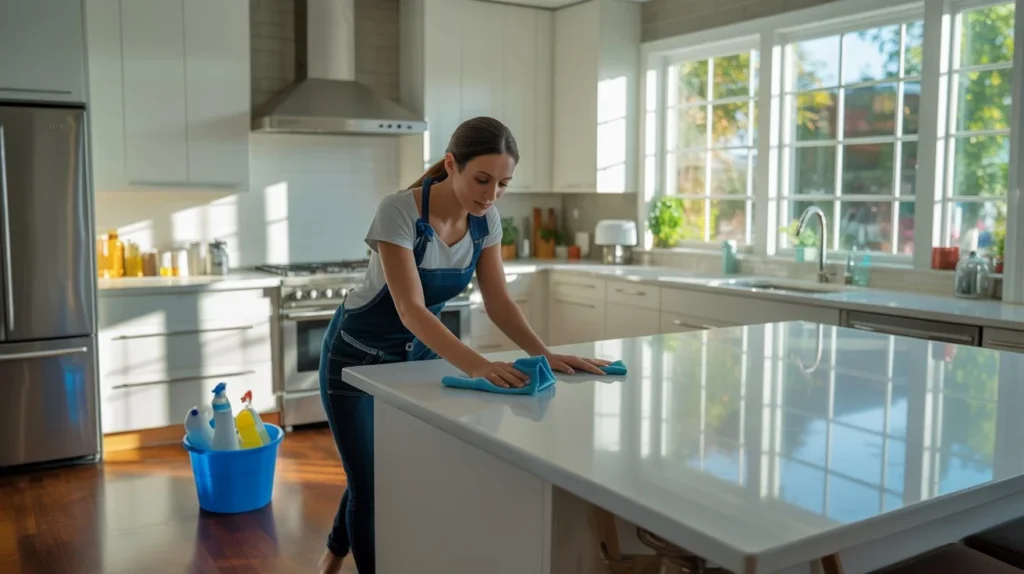
This is the most basic rule in smart cleaning. And it is the one most people ignore.
When you clean a ceiling fan before sweeping the floor, the dust falls down onto the floor you already cleaned. You end up doing double the work. Always start at the top and work your way down.
Here is the correct order:
- Ceiling fans and light fixtures first
- Shelves and countertops next
- Furniture and appliances after
- Floors and ground surfaces last
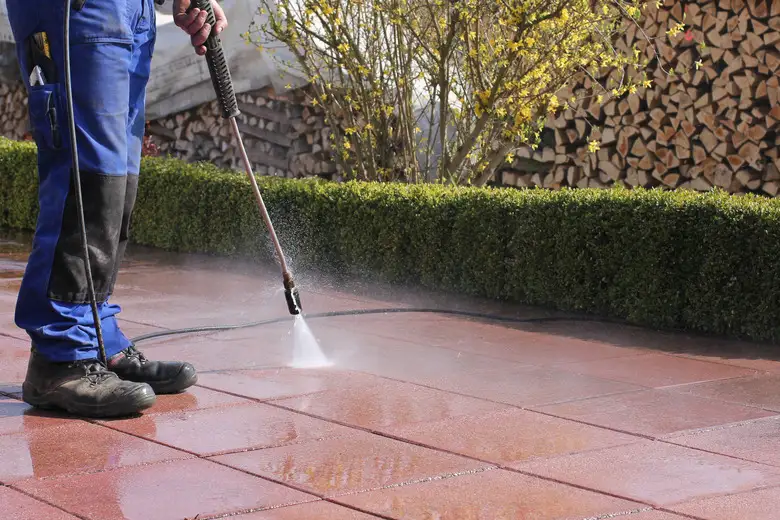
This rule applies indoors and outdoors. If you are cleaning your home’s exterior, the same logic holds. At VJ Pressure Washing, our crew always starts from the top of the wall and works downward. This prevents dirty water from running over clean surfaces.
The same principle applies when you need power washing driveway tracy ca services. Professionals start from one end and push dirt in a single direction, so they never re-contaminate a clean section.
Pro Tip: When cleaning a room, dust and wipe all surfaces before you vacuum or mop. Never vacuum first.
Rule #2 – Use the Right Cleaning Products
Using the wrong product is one of the most common smart cleaning mistakes. The wrong cleaner can damage surfaces, leave residue, or simply not work at all.
Different surfaces need different products. Here is a quick reference:
- Wood floors: pH-neutral cleaner only. Harsh chemicals strip the finish.
- Glass and mirrors: Streak-free glass cleaner or diluted white vinegar.
- Stainless steel: Microfiber cloth with a small amount of dish soap. Always wipe with the grain.
- Grout and tile: Baking soda paste or a grout-specific cleaner.
- Carpets: Enzyme-based cleaner for stains. Avoid soaking the carpet.
- Concrete driveways: Degreaser for oil stains. High-pressure water for general grime.
- Upholstery: Always check the fabric code before using any cleaner.
One product does not clean everything. Using a bathroom cleaner on wood floors or a glass cleaner on stainless steel creates more problems than it solves.
Always read the label. A cleaner that says “all-purpose” still has limits. Check what surfaces it is safe for before using it.
Using eco-friendly, biodegradable cleaners is also a smart move. They are safer for your family, your pets, and your home’s surfaces.
Rule #3 – Clean Regularly Instead of Deep Cleaning Rarely
Most homeowners wait until their home is visibly dirty before they clean. That is the wrong approach. Regular light cleaning is far more effective than occasional deep cleaning.
Here is why. Dirt and grime build up in layers. The longer you wait, the harder it is to clean. A quick wipe-down of your kitchen counters every day takes 2 minutes. Letting grease build up for three weeks turns that into a 30-minute scrubbing session.
The Smart Cleaning Schedule
Daily tasks (5 to 10 minutes):
- Wipe kitchen counters after use
- Rinse the sink
- Do a quick sweep of high-traffic floors
- Make the bed
Weekly tasks (30 to 60 minutes):
- Vacuum all rooms
- Mop hard floors
- Clean bathrooms
- Wipe down appliances
Monthly tasks (1 to 2 hours):
- Clean inside the fridge
- Dust blinds and window sills
- Wipe down walls and baseboards
- Clean light switches and door handles
Seasonal tasks (every 3 to 6 months):
- Wash windows inside and out
- Power wash outdoor surfaces
- Clean gutters
- Deep clean carpets
A consistent schedule keeps your home clean with less effort. You never have to deal with a massive backlog of cleaning again.
Rule #4 – Declutter Before You Clean
You cannot clean a cluttered space properly. Clutter hides dirt, traps dust, and makes every cleaning task take longer than it should.
Before you pick up a mop or a sponge, clear the space. Put things away. Throw away what you do not need. Move items off surfaces so you can actually clean those surfaces.
This step feels like extra work but it saves you time overall. Here is what happens when you skip decluttering:
- You clean around objects instead of cleaning under and behind them
- Dust and dirt accumulate in hidden corners
- You spend extra time moving things mid-clean
- The space never feels truly clean
The 3-Box Method
When decluttering before cleaning, use three boxes or bags:
- Keep – Items that belong in this room
- Relocate – Items that belong elsewhere in the home
- Remove – Items to donate, sell, or throw away
This method speeds up decluttering and prevents you from standing still trying to make decisions. Make a quick choice and move on.
Decluttering also makes your cleaning products more effective. Cleaning a clear countertop takes seconds. Cleaning around a pile of objects takes minutes and often gets missed.
Rule #5 – Focus on High-Touch Areas
Not all surfaces carry the same amount of germs, dirt, and bacteria. High-touch areas collect the most contamination and need more frequent cleaning.
Most homeowners spend time cleaning visible surfaces like floors and countertops. But they ignore the areas touched dozens of times every day.
High-Touch Areas You Must Not Skip
- Door handles and knobs – Touched by everyone, cleaned by almost no one
- Light switches – One of the germiest spots in any room
- TV remotes and phone screens – Cleaned rarely despite constant use
- Faucet handles – Touched before and after hand washing
- Toilet flush handles – High bacteria zone
- Keyboard and mouse – Collect oils, food particles, and bacteria
- Stair railings and banisters – Gripped multiple times daily
- Refrigerator and microwave handles – Kitchen contact points
These areas should be wiped down at least twice a week with a disinfectant. During cold and flu season, daily cleaning of these surfaces is recommended.
High-touch area cleaning is one of the most important smart cleaning tips for maintaining a healthy home environment. It reduces the spread of illness and keeps your home hygienic between deep cleans.
Smart Cleaning Tips for Busy Homeowners
Life gets busy. These practical tips will help you stay on top of cleaning without it taking over your schedule.
Use a timer. Set a 15-minute timer and clean as much as you can. You will be surprised how much gets done when there is a deadline. This works especially well for quick daily tasks.
Clean as you go. Wipe the stovetop while cooking. Rinse dishes immediately after use. Hang towels straight after using them. These micro-habits prevent buildup.
Keep cleaning supplies in each room. A bathroom with its own cleaning products gets cleaned more often. You are more likely to do a quick wipe-down if the supplies are right there.
Use the two-minute rule. If a cleaning task takes less than two minutes, do it now. Putting it off guarantees it will pile up.
Involve the household. Assign age-appropriate tasks to children. Divide responsibilities between adults. Cleaning should not fall entirely on one person.
Invest in the right tools. A good microfiber mop, a quality vacuum, and the right brushes make cleaning faster and more effective. Cheap tools waste time.
Do one load of laundry daily. Laundry is one of the biggest sources of household overwhelm. A daily load keeps it manageable.
Batch similar tasks. Clean all bathrooms in one session rather than one bathroom today and another tomorrow. Batching reduces setup and transition time.
Common Smart Cleaning Mistakes
Even people who clean regularly make mistakes that reduce their results. Here are the most common ones and how to fix them.
Using too much product. More cleaner does not mean cleaner surfaces. Excess product leaves residue that attracts more dirt. Use the recommended amount.
Not letting products sit. Most disinfectants need 30 seconds to 2 minutes of contact time to kill bacteria. Spraying and wiping immediately reduces effectiveness.
Using a dirty cloth or mop. A dirty mop just spreads bacteria around. Wash mop heads and microfiber cloths regularly. Replace sponges every one to two weeks.
Skipping the ventilation. Cleaning products release fumes. Open windows and doors when using any chemical cleaner. This is especially important in bathrooms and kitchens.
Mixing cleaning products. Never mix bleach and ammonia, or bleach and vinegar. The chemical reaction creates toxic gases that are dangerous to inhale.
Forgetting to rinse. After using a cleaner on a surface, rinse it off. Residue buildup dulls surfaces and can damage finishes over time.
Cleaning in the wrong direction. Always clean in a consistent direction: top to bottom, back to front, left to right. Random cleaning just redistributes dirt.
Why Smart Cleaning Matters for Your Home’s Value
A clean home is not just about hygiene. It directly affects the condition and value of your property.
Dirt, grime, and moisture damage surfaces over time. Mold grows in uncleaned bathrooms. Grease builds up in uncleaned kitchens and becomes a fire hazard. Oil stains left on driveways seep deeper into concrete the longer they sit.
Regular cleaning protects your investment. It extends the life of flooring, appliances, fixtures, and exterior surfaces. A home that is cleaned smart looks better, lasts longer, and holds more value.
Exterior surfaces deserve the same attention as interior ones. Algae, mold, and embedded grime on driveways, patios, and siding cause gradual but significant damage. Professional pressure washing removes these threats before they cause permanent harm.
Conclusion
A good homeowner does not just clean more. They clean smarter. What are the 5 rules of smart cleaning? Start at the top and work down. Use the right product for each surface. Clean regularly rather than waiting for a disaster. Declutter before you clean. And give high-touch areas the attention they deserve.
These five rules are not complicated. But most people do not follow them consistently. Start applying them today and you will notice the difference within a week. Your home will be cleaner, your cleaning sessions will be shorter, and your surfaces will last longer. And if your outdoor surfaces need a deeper clean than any mop or brush can handle, Contact Us at VJ Pressure Washing and we will take care of it for you.
FAQs
What are the 5 rules of smart cleaning in simple terms?
Clean from top to bottom, use the correct products for each surface, maintain a regular schedule, declutter before you start, and always prioritize high-touch areas. These five rules form the foundation of an efficient cleaning routine.
How often should I clean high-touch areas in my home?
High-touch areas like door handles, light switches, and faucet handles should be wiped down at least twice a week. During flu season or if someone in the home is sick, clean these areas daily with a disinfectant.
Is it better to clean regularly or do one big deep clean?
Regular cleaning is always more effective. Consistent light cleaning prevents dirt from building up and makes each session faster and easier. Deep cleaning is still useful a few times a year, but it should complement regular cleaning, not replace it.
What happens if I use the wrong cleaning product on a surface?
Using the wrong product can damage or discolor the surface, leave harmful residue, or simply fail to clean effectively. Always check the label and match the cleaner to the surface type. Using a harsh chemical on wood floors, for example, can strip the finish permanently.
Why is decluttering important before cleaning?
Clutter hides dirt and makes cleaning take longer. When surfaces are clear, you can clean them properly and efficiently. Decluttering first also helps you spot problem areas, like dust buildup in corners or spills under objects, that would otherwise go unnoticed.