
Can You Pressure Wash Granite?
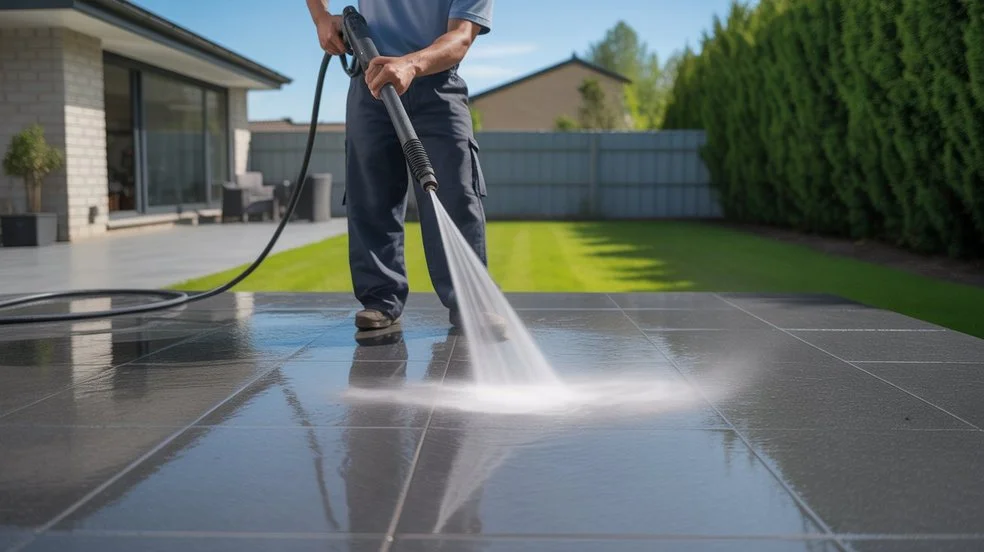
Granite is one of the toughest and most beautiful natural stones on the market that can be used for residential and commercial needs. It is also used for countertops, patios, walkways, outdoor kitchens, pool decks, monuments, and landscaping products. Because of its strength and durability, a lot of homeowners who own granite countertops are compelled to ask, Can You Pressure Wash Granite? “Can you pressure wash granite?” The short answer is yes, but granite cannot just be pressure washed. But you need to do it right, or you’re going to be harming the stone, the grout lines, the sealants, maybe even the surfaces around it. Although granite is far tougher than many other stones found in nature, you are going to have problems sooner or later if you clean it improperly. Can You Pressure Wash Granite Safely? A lot of homeowners ask, “Is it safe to pressure wash granite?” A general answer is yes. Pressure washing is not simply holding a spray gun that shoots water under high pressure. The goal is to clean the stone, and only the stone, on the stone and on any perimeter materials. For professional results, consider our house pressure washing service tracy ca. Factors That Affect Safety Condition of Surface Good quality granite generally withstands pressure washing better than broken or worn surfaces. Sealed vs. Unsealed Granite A sealed granite surface has an extra layer of protection from water and stains. Unsealed granite may absorb moisture, resulting in discoloration. Integrity of Joints and Grout Exterior granite installations typically involve joints or grout lines which may be forced apart by too much pressure. Equipment Settings Appropriate PSI levels minimize the cleaning hazards. Awareness of these variables does allow us, to a certain extent, to answer the question: Can you pressure wash granite safely? And in most cases, yes – you can, when using proper methods. Granite Cleaning Pressure Washer Tips Adhering to the correct granite cleaning pressure washer guidelines enables users to have a greater cleaning effect while maintaining the safety of the stone. Test a very small area first. Always start by testing on an inconspicuous area. This lets you assess: pressure effectiveness, surface response, and potential discoloration. Use a Wide-Angle Nozzle A wide-angle spray applies pressure more uniformly. Typical options are: 25-degree nozzle and 40-degree nozzle. The risk of focused damage is minimized with these options. Keep a Proper Distance: The nozzle is too close which the pressure impact is too strong. A distance of approximately 12 to 24 inches often gives safe cleaning performance. Use a consistent motion: Don’t drain the water in one spot. Keep the spray moving uniformly on the surface. Clean from Top to Bottom: For vertical granite walls: Start at the top. Work downward. This stops muddy water from running down and across windows you’ve already cleaned. Stay away from the damaged areas: Fissured granite can permit water penetration. Examine surfaces before starting cleaning. Use appropriate cleaning supplies: For stubborn stains, granite-safe cleaners may help you achieve better results without the need to press harder. Following these suggestions to clean granite with a pressure washer, you will be able to take care of your granite safely and effectively. Best PSI for Cleaning Granite Surfaces Everything about the care for granite is related to deciding what the best PSI is for cleaning granite. PSI is an acronym for pounds per square inch, and it is a measure of water pressure. The right PSI level lets you clean effectively without the risk of damage. Suggested PSI Range For the majority of outdoor granite: 1,200–2,000 PSI is the minimum for most jobs. This level is risky, but so is lower. Light Cleaning (Soft Wash) For regular maintenance cleaning: 1,200–1,500 PSI The pressure removes dirt and light stains without causing damage. Moderate Cleaning For algae, mildew, and heavier deposits: 1,500–2,000 PSI It is not uncommon to see power levels that provide better cleaning results without too much power. Avoid Too Much Pressure Extreme PSI levels can: hurt the grout, strip sealant, push water into cracks, and speed up the wear. So, you should know what the best pressure to clean granite (PSI) is for safe results. How to Clean Granite Without Damage There are several things homeowners should know about how to clean granite without damage. Pressure washing is just one of the things that needs to be done to take proper care of granite. At VJ Pressure Washing, we help you do it right.. Use Gentle Cleaners Strong chemicals may impact: sealants, surface finishes, and uniformity of color. Granite cleaners are usually the safest option. Avoid acidic products Do not use: vinegar, lemon cleansers, or strong solutions of acids. Acids can etch the finish of the stone. Rinse well. Residual film may streak and catch dirt. Fermentables and cleaners should be rinsed well, always. Re-apply sealant as necessary / when advised Outdoor granite is often treated to periodic sealing. Sealing serves to: inhibit moisture absorption, resist staining, and prolong the life of the surface. Cut Down on Debris Regularly A little maintenance can go a long way in lessening the demands for heavy cleanings. Take out regularly: leaf litter, dirt, and organic matter. This is important when you’re learning how to clean granite without breaking it. Conclusion So, is it possible to pressure wash granite? Can you pressure wash granite? In most cases, yes. Since granite is a very hard natural stone, it will generally take some pressure. Appropriate technique, though, is necessary. Can you pressure wash granite? When used with the appropriate PSI levels, nozzles, and cleaning procedures, the response is used for many types of stones, including offers clean answer to the question: Can you safely pressure wash granite? If You Know The Proper PSI to Clean Granites Surfaces, It Will Well Protect Your Granites from You’re Over Cleaning While Still Doing Great Job in Cleaning! Adhering to the tried and tested granite cleaning pressure washer advice of working in small sections, using wide-angle tips, keeping the right
What Is the Black Stuff on My Roof? | Causes and Safe Removal
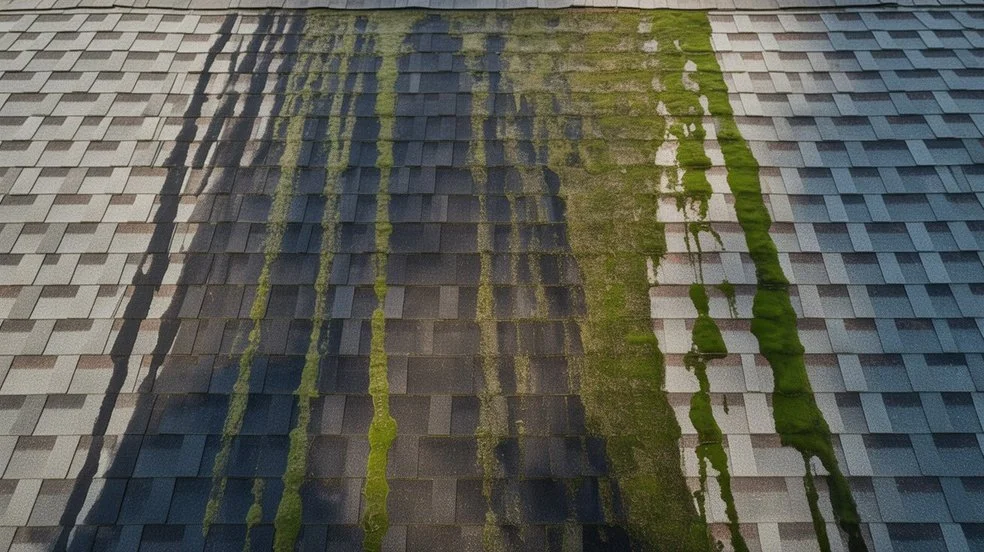
If you have noticed dark streaks, spots, or patches across your roof, you may be wondering, What Is the Black Stuff on My Roof? In many cases, the black discoloration seen on asphalt shingles is associated with algae growth, particularly a type commonly referred to as blue-green algae. However, not every dark mark on a roof has the same cause. Black discoloration can also be related to dirt, debris, moisture, moss, or other surface buildup. Identifying what you are actually seeing is important because the appropriate cleaning method depends on the roof material and the type of growth. For most homeowners, the biggest concern is whether those dark areas are damaging the roof. In some situations, the issue is mainly cosmetic, while persistent moisture and organic growth can contribute to roof deterioration over time. What Causes Black Stains on Roofs? There are several possible reasons for black stains on roof surfaces. The most common explanation for dark streaking on asphalt shingles is algae. Algae can spread across areas of the roof that stay damp for longer periods, particularly where there is limited sunlight. Other possible causes include: Dirt and airborne particles Accumulated organic debris Moss or other plant growth Moisture-related buildup Staining from surrounding trees Material aging or weathering The appearance can provide clues, but homeowners should avoid assuming that every black mark is automatically algae. If the discoloration is accompanied by thicker vegetation, raised patches, or persistent moisture, the roof may have a different problem that requires closer inspection. Is the Black Stuff on My Roof Algae? Often, yes. If you see long dark streaks running down asphalt shingles, algae is a common possibility. These streaks can become more noticeable as the growth spreads across the roof. Algae is particularly common on roof areas that receive less direct sunlight and stay damp for longer periods. However, visual appearance alone is not always enough to identify the exact cause. If you are unsure whether the material is algae, moss, dirt, or another substance, it is better to have the roof evaluated before choosing a cleaning method. What Does Black Algae Look Like? Black algae on roof surfaces commonly appears as dark streaks or patches. The discoloration may begin in small areas and gradually become more noticeable. Over time, an affected roof can develop a patchy or streaked appearance, especially on shingles exposed to repeated moisture. One useful clue is the texture. Thin, flat discoloration is different from thick, raised growth. Moss generally has a more substantial, plant-like appearance, while algae may appear primarily as staining or discoloration. Knowing the difference matters because the cleaning approach should be selected according to what is actually present. Why Does Algae Grow on Roofs? Moisture and environmental conditions play an important role. Roofs located beneath trees or in areas with limited sunlight may stay damp longer after rain. Leaves and other organic debris can also collect on the surface, creating conditions that support biological growth. The direction a roof faces can also affect how quickly areas dry. This means two sections of the same roof can look very different. One side may remain relatively clean while another develops noticeable dark streaks because it receives less sunlight or stays damp for longer. Can Black Algae Damage Roof Shingles? Black algae is often considered primarily a cosmetic problem, particularly when it appears as surface staining. However, a roof with persistent organic growth should not simply be ignored. Moisture, debris, moss, and other growth can create conditions that contribute to deterioration. Moss deserves particular attention because it can grow around and beneath portions of shingles. As it develops, it can interfere with proper water shedding and contribute to problems with the roofing material. The important point is that not every black stain means your roof needs to be replaced. If the shingles are otherwise in good condition, cleaning may improve the appearance without replacing the roofing system. If there are cracked, curling, missing, or badly deteriorated shingles, however, cleaning alone will not solve the underlying problem. What Are Black Stains on Roof Shingles? Black stains on roof shingles are commonly associated with algae-related discoloration, particularly on asphalt-shingle roofs. These stains can make a relatively new roof appear old or poorly maintained. Because the discoloration often spreads gradually, homeowners may not notice how much the appearance has changed until they compare the roof with an older photograph. Before cleaning, inspect the shingles for signs of physical deterioration. If the shingles are brittle, damaged, loose, or missing granules, aggressive cleaning can make the condition worse. How to Remove Black Stains From Roof Shingles The safest approach depends on the roof material and its condition. For asphalt shingles with algae-related staining, roof-cleaning methods commonly rely on an appropriate cleaning solution rather than aggressive mechanical pressure. The basic process should focus on: Inspecting the roof and identifying the type of buildup. Checking the condition of the shingles. Selecting a cleaning solution appropriate for the roofing material. Applying the solution carefully. Allowing the treatment to work according to the product instructions. Rinsing or allowing the treated growth to break down as appropriate for the chosen method. Protecting landscaping and surrounding surfaces throughout the process. The exact procedure can vary by product and roofing material, so homeowners should follow the manufacturer’s recommendations. Why You Should Not Pressure Wash Your Roof Like a Driveway A common mistake is assuming that because pressure washing works well on concrete, it should also be used on roof shingles. That is not a safe assumption. Roof shingles can be damaged by excessive pressure. A powerful spray can loosen or remove protective granules and may damage the shingle surface. Roof cleaning generally requires a gentler approach than cleaning a concrete driveway. If you are considering using a pressure washer on your roof, check the roofing manufacturer’s recommendations first. When in doubt, professional roof cleaning is a safer option than experimenting with high pressure. Should You Clean a Roof With Black Algae? If black algae is mainly affecting the