Using a pressure washer can make outdoor cleaning faster and easier. It removes dirt, mud, algae, and grime from many hard surfaces. But the wrong nozzle or too much pressure can damage wood, paint, and concrete. Knowing the right steps helps you clean safely and get better results.
If you want to learn how to use a pressure washer, start by connecting the water supply, choosing the right nozzle, and testing a small area. Then clean with steady strokes and a safe distance. Always follow your machine’s manual before starting.
- What Is a Pressure Washer and How Does It Work?
- What You Need Before Using a Pressure Washer
- Essential Tools and Supplies
- Prepare the Cleaning Area
- How to Choose the Right Pressure Washer Nozzle
- Red Nozzle: 0 Degrees
- Yellow Nozzle: 15 Degrees
- Green Nozzle: 25 Degrees
- White Nozzle: 40 Degrees
- Black Nozzle: Low-Pressure Soap Tip
- How to Use a Pressure Washer Step by Step
- Step 1: Connect the Water Supply
- Step 2: Connect the High-Pressure Hose
- Step 3: Remove Trapped Air
- Step 4: Fit the Correct Nozzle
- Step 5: Start the Pressure Washer
- Step 6: Test a Small Area
- Step 7: Clean With Steady Strokes
- Step 8: Apply Detergent When Needed
- Step 9: Shut Down Safely
- What Can You Clean With a Pressure Washer?
- Driveways and Concrete
- House Siding and Exterior Walls
- Decks and Fences
- Cars and Outdoor Furniture
- Pressure Washer Safety Tips
- Common Pressure Washing Mistakes to Avoid
- How to Maintain and Store a Pressure Washer
- Conclusion
- Frequently Asked Questions
What Is a Pressure Washer and How Does It Work?
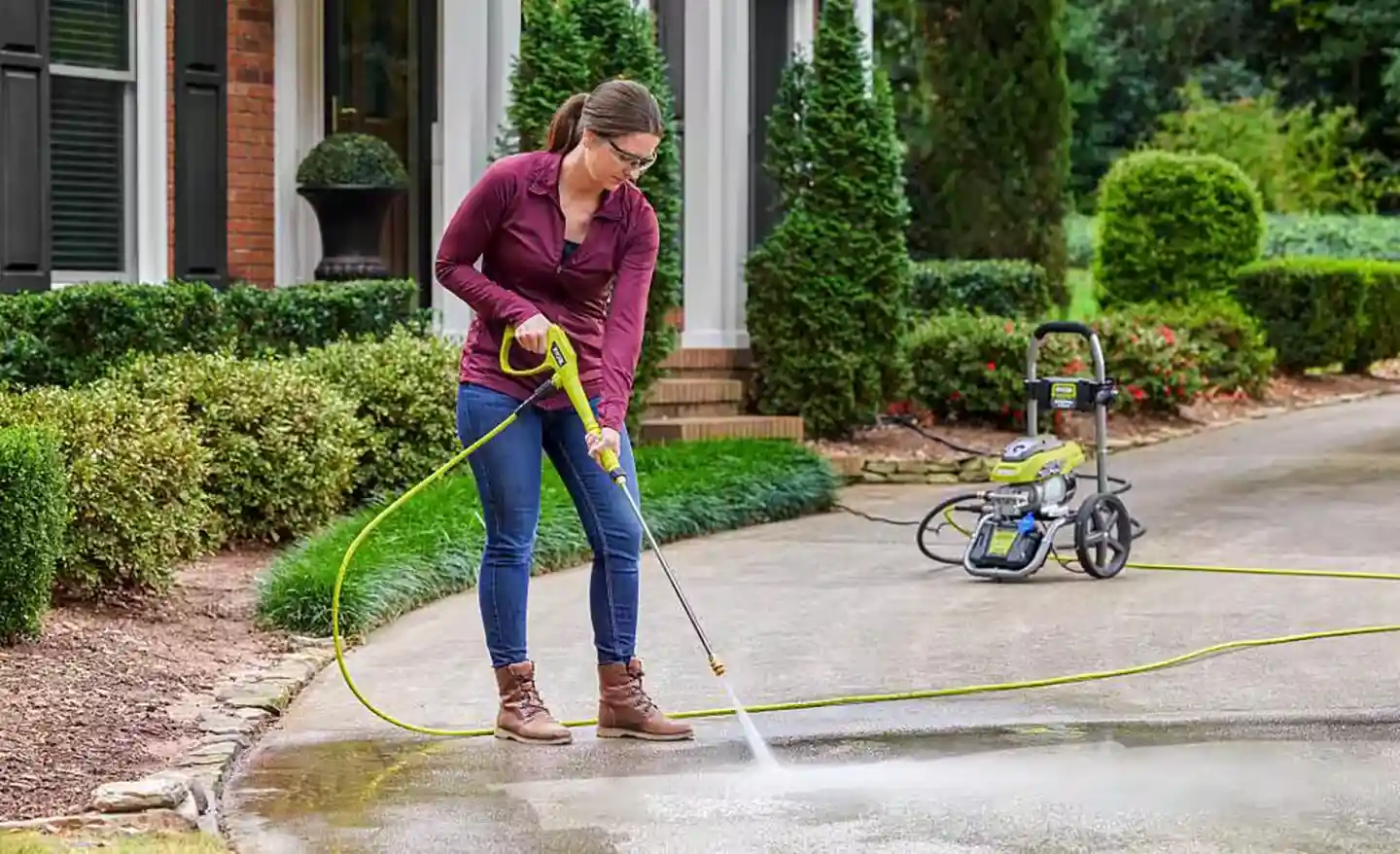
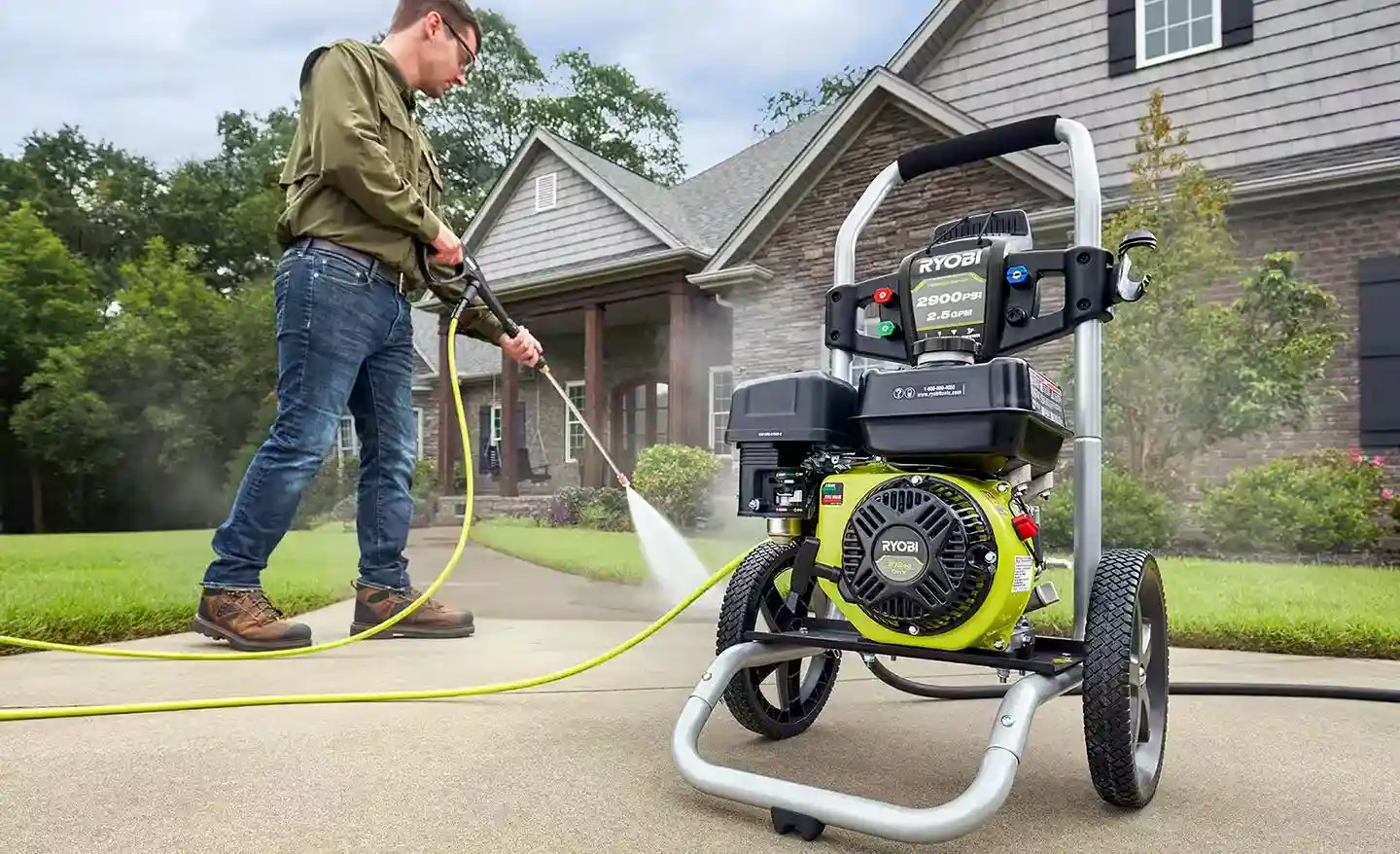
A pressure washer uses a motor or engine to pump water at high pressure. The water exits through a narrow nozzle, which helps remove dirt from outdoor surfaces.
Most machines use either an electric motor or a gas engine. Electric models suit small jobs, such as patio furniture and garden paths. Gas models often provide more power for large driveways and heavy outdoor cleaning.
A pressure washer’s cleaning power depends on three main factors:
- PSI (pounds per square inch): Measures water pressure.
- GPM (gallons per minute): Measures how much water flows through the machine.
- Cleaning method: The nozzle, spray distance, detergent, and movement all affect the result.
Higher PSI does not always mean better cleaning. Too much pressure can strip paint, mark wood, or damage soft surfaces. The best setting is the lowest pressure that removes the dirt without harming the material.
Pressure washing and power washing are closely related. Power washing usually uses heated water, while standard pressure washing often uses unheated water. Both methods can clean outdoor surfaces when used correctly.
What You Need Before Using a Pressure Washer
Gather your tools before turning on the machine. Having everything ready helps you work safely and avoid unnecessary stops.
Essential Tools and Supplies
- Pressure washer: Choose an electric or gas model that suits your cleaning task.
- Garden hose: Use a hose with enough flow to meet the machine’s water supply needs.
- High-pressure hose: Check that it fits securely and is rated for your machine.
- Spray gun and wand: These direct water toward the surface.
- Nozzle tips: Keep several suitable tips ready for different surfaces.
- Cleaning detergent: Use a product approved for your pressure washer and target surface.
- Safety gear: Wear closed-toe, slip-resistant shoes and eye protection. Add hearing protection when needed.
Prepare the Cleaning Area
Remove outdoor furniture, toys, plant pots, and other loose items. Sweep away leaves and loose dirt before washing. Close nearby windows and doors to keep water outside.
Cover electrical outlets and nearby items that should stay dry. Keep children and pets away from the work area. Check for loose paint, cracked surfaces, and damaged seals before spraying.
If you are cleaning near plants, check the detergent label and protect nearby greenery as needed. Never aim the spray at people, animals, electrical equipment, or the pressure washer itself.
How to Choose the Right Pressure Washer Nozzle
The nozzle controls the spray pattern and affects how strongly water hits the surface. Choosing the right tip can prevent damage and improve cleaning results.
Red Nozzle: 0 Degrees
This nozzle creates a narrow, forceful stream. It can damage most surfaces and is best avoided for routine home cleaning.
Yellow Nozzle: 15 Degrees
This nozzle provides a narrow fan for tough dirt on suitable hard surfaces. Test first and keep it away from soft materials.
Green Nozzle: 25 Degrees
This is a common choice for general cleaning jobs, including suitable concrete and outdoor surfaces.
White Nozzle: 40 Degrees
This nozzle creates a wider, gentler spray for more delicate cleaning tasks. Test the surface before continuing.
Black Nozzle: Low-Pressure Soap Tip
This nozzle is used with compatible detergent systems to apply cleaning solutions. Follow your machine’s instructions.
These colors are common, but not every machine uses the same system. Check the labels and manual before fitting a nozzle. Never change a nozzle while the machine is running or the system is pressurized.
How to Use a Pressure Washer Step by Step
Follow these steps for a safe setup and a more even clean. Your machine’s manual takes priority if its instructions differ.
Step 1: Connect the Water Supply
Place the pressure washer on stable, level ground. Connect the garden hose to the water inlet and turn on the tap fully.
Check the hose for kinks, leaks, or damage. Make sure the water supply can provide the flow your machine needs. Running a pump without enough water can cause damage.
Step 2: Connect the High-Pressure Hose
Attach the high-pressure hose to the machine and spray gun. Tighten each connection as instructed by the manufacturer.
Check that the trigger lock works and the wand is secure. Never use a damaged hose, leaking fitting, or cracked spray gun.
Step 3: Remove Trapped Air
With the machine switched off, turn on the water supply. Point the spray gun toward a safe, open area and squeeze the trigger until the water flows steadily without air bursts.
This helps clear air from the system before the pump starts. Keep the nozzle pointed away from people and fragile items.
Step 4: Fit the Correct Nozzle
Choose a nozzle suited to the surface. For a first test, use a wider spray and begin at a greater distance.
Make sure the machine is off and pressure is released before changing tips. Secure the nozzle according to the manufacturer’s directions.
Step 5: Start the Pressure Washer
Plug in an electric model using a suitable, protected power supply, or start a gas model according to its manual. Keep electrical connections dry and away from standing water.
Some machines require the trigger to be held while starting. Follow the exact start-up steps for your model. Do not run a gas engine indoors or in an enclosed space.
Step 6: Test a Small Area
Hold the wand firmly with both hands. Aim at an inconspicuous part of the surface and squeeze the trigger.
Move the spray slowly across the test area. Check for scratches, faded paint, splintering, or other damage. Reduce the pressure or increase the distance if the surface looks affected.
Step 7: Clean With Steady Strokes
Keep the wand moving instead of holding the spray in one place. Use overlapping passes to avoid streaks and missed spots.
Start farther away and move closer only if the surface can handle it. Work in manageable sections, and avoid spraying directly into joints, vents, or gaps where water could enter.
Step 8: Apply Detergent When Needed
Use only a detergent approved for your machine and the material being cleaned. Apply it with the correct low-pressure setting, following the label instructions.
Let the solution sit for the recommended time, but do not allow it to dry on the surface. Rinse thoroughly with clean water.
Step 9: Shut Down Safely
Turn off the machine and close the water supply according to its manual. Squeeze the trigger to release trapped pressure before disconnecting hoses or accessories.
Unplug electric models or allow gas-powered equipment to cool before handling hot parts. Drain and store the machine as directed by the manufacturer.
What Can You Clean With a Pressure Washer?
A pressure washer can clean many outdoor surfaces, but each material needs the right approach. Always check the surface condition before choosing a pressure setting.
Driveways and Concrete
Concrete driveways can collect mud, tire marks, oil, and algae. Sweep away loose debris first, then use a suitable fan nozzle and consistent passes.
For large areas, a compatible surface cleaner can help produce more even results. Avoid directing a narrow, powerful stream at cracks or damaged concrete. Older concrete may chip or develop marks under excessive pressure.
House Siding and Exterior Walls
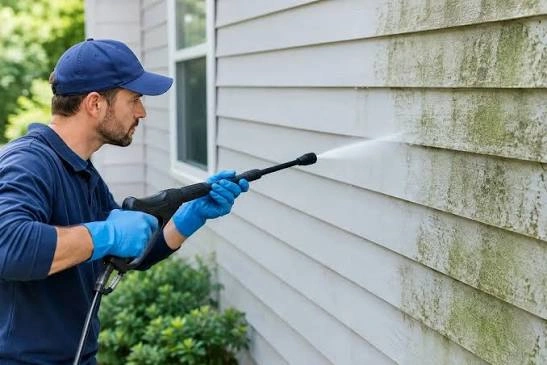
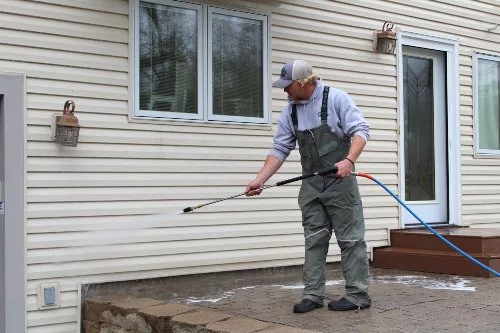
Vinyl siding can often be cleaned with a wider spray and suitable detergent. Work carefully and follow the siding maker’s cleaning instructions.
Spray downward where possible, and avoid forcing water behind panels. Keep the spray away from vents, window seals, and electrical fittings. Painted wood, older paint, and fragile siding may need a gentler method.
Decks and Fences
Wood can split, develop grooves, or lose its finish when exposed to excessive pressure. Start with a wide spray, low pressure, and a greater distance.
Follow the grain where practical, and test a hidden area first. Allow the wood to dry before deciding whether it needs sanding, sealing, or staining.
Cars and Outdoor Furniture
Vehicles have paint, seals, lights, and other parts that can be damaged by a strong spray. Use a vehicle-safe cleaning method and a suitable nozzle at a safe distance.
For outdoor furniture, check the material and care instructions. Metal, plastic, and fabric surfaces can all respond differently to high-pressure water.
Pressure Washer Safety Tips
High-pressure water can cause serious injuries, even when the spray looks harmless. Treat the wand as a powerful tool, not an ordinary garden hose.
- Wear protective gear: Use eye protection, closed-toe shoes, and hearing protection when needed.
- Never point the spray at anyone: High-pressure water can break skin and cause serious injury.
- Keep a firm grip: The spray gun can kick back when you pull the trigger.
- Watch electrical hazards: Keep plugs and connections dry. Use outdoor-rated electrical protection as required.
- Avoid ladders: The force of the spray can throw you off balance. Use a safer ground-level method.
- Never spray asbestos or loose hazardous coatings: These materials may release dangerous particles. Seek suitable professional help.
- Use chemicals carefully: Follow product labels and keep runoff away from drains, waterways, and sensitive plants as directed by local rules.
- Never bypass safety features: Use only approved parts and follow the machine’s manual.
If a high-pressure jet breaks the skin, seek urgent medical care, even if the wound looks small. Serious damage can occur beneath the skin.
Common Pressure Washing Mistakes to Avoid
Small errors can damage surfaces, waste water, or shorten the life of your machine. Watch for these common problems.
Using too much pressure: More force is not always better. Start with a gentle setting and increase it only when the surface can handle it.
Choosing the wrong nozzle: A narrow spray can leave marks or cut into soft materials. Choose a suitable fan tip and test first.
Spraying too close: Holding the wand near the surface can damage paint, wood, and mortar. Begin farther away and move closer gradually.
Skipping surface preparation: Leaves, loose dirt, and outdoor items can interfere with cleaning. Clear the area before you begin.
Letting detergent dry: Dried cleaning solution can leave stains or residue. Work in smaller sections and rinse within the time stated on the label.
Ignoring water supply needs: Low water flow can harm the pump. Confirm the tap is fully open and the supply meets the machine’s requirements.
Forgetting to release pressure: Disconnecting a pressurized hose can cause sudden movement or spray. Shut down and release pressure as directed before taking anything apart.
How to Maintain and Store a Pressure Washer
Good care helps your pressure washer work well and reduces the risk of costly repairs. Clean and inspect the machine after each use.
- Clean the accessories: Rinse the nozzle and wand, and remove dirt according to the manual.
- Check the hoses: Look for cracks, leaks, worn seals, and loose fittings before storing them.
- Clear the system: Follow the manufacturer’s instructions for releasing pressure and draining water.
- Protect the pump: Use the recommended winterizing method if freezing temperatures are expected.
- Store it in a dry place: Keep the machine away from frost, excess moisture, and direct weather exposure.
- Follow service intervals: Check the manual for pump care, oil changes, filter cleaning, and other maintenance needs.
Never use your fingers to clear a blocked nozzle while the system is pressurized. Turn off the machine, release the pressure, and clean the tip as directed.
Conclusion
Learning how to use a pressure washer starts with the right setup, a suitable nozzle, and safe cleaning habits. Prepare the area, check your water supply, and test a small spot before washing the full surface. Keep the wand moving and use only enough pressure to remove the dirt.
Different surfaces need different cleaning methods. Concrete may handle more pressure than wood, painted siding, or a vehicle. When a job needs special tools or careful handling, professional help can prevent damage.
If you need help with outdoor cleaning, VJ Pressure Washing can help you explore professional pressure washing services. Choose the right cleaning method for your property and keep your outdoor surfaces looking their best.
Frequently Asked Questions
How Do You Use a Pressure Washer for the First Time?
Connect the water supply and high-pressure hose, then clear air from the system. Fit a suitable nozzle, start the machine according to its manual, and test a small area before cleaning.
How to Use a Power Washer Safely?
Wear eye protection and closed-toe shoes, keep both hands on the spray gun, and never point the stream at people. Start at a safe distance and follow the manufacturer’s safety instructions.
What PSI Should I Use for Pressure Washing?
The right PSI depends on the surface, its condition, and the cleaning task. Use the lowest effective pressure and test a hidden spot before proceeding.
Should I Use Soap With a Pressure Washer?
Soap is useful for grease, grime, and some organic dirt, but it is not always necessary. Use a compatible detergent and follow its label for application and rinsing.
Do You Turn on the Water Before the Pressure Washer?
Yes. For most machines, connect the water and turn it on before starting the pump or engine. Squeeze the trigger to remove trapped air as directed by the manual.
Can a Pressure Washer Damage Concrete or Wood?
Yes. Excessive pressure or a narrow spray can mark concrete, damage mortar, and cut into wood. Use a suitable nozzle, keep the wand moving, and test first.
How Far Should the Nozzle Be From the Surface?
There is no single safe distance for every job. Start farther away, follow the machine’s guidance, and move closer only if the surface remains undamaged.
How Long Can You Run a Pressure Washer?
The safe running time depends on the model and its cooling system. Follow the manufacturer’s operating limits and never let the pump run without enough water.