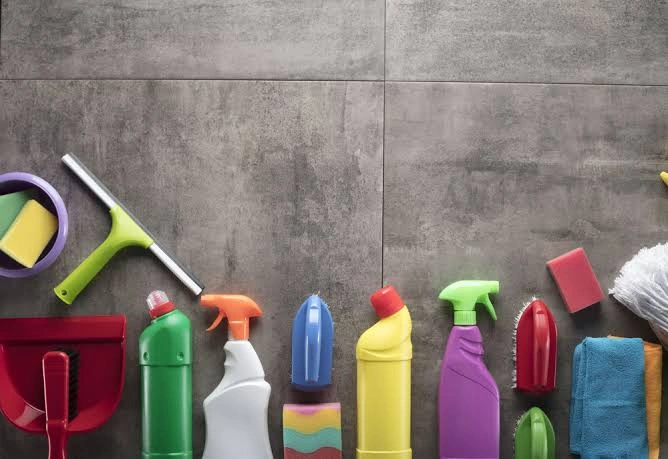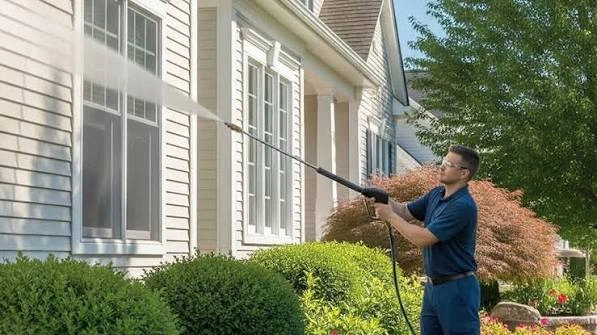
Soft washing uses low-pressure water and cleaning solutions to remove algae, mold, mildew, and dirt from exterior surfaces. The main chemical is sodium hypochlorite, often called bleach. Surfactants are also used to help the solution spread and stay on surfaces.
If you are wondering, What Chemicals Do I Need for Soft Washing, the answer depends on the surface and type of buildup. House siding, roofs, concrete, and wood may need different products. Choosing the right solution helps clean surfaces without causing unnecessary damage.
- What Are the Main Chemicals Used in Soft Washing?
- 1. Sodium Hypochlorite (Bleach)
- 2. Surfactants
- 3. Water
- 4. Specialty Cleaning Solutions
- What Does Sodium Hypochlorite Do in Soft Washing?
- Why Is Sodium Hypochlorite Commonly Used?
- Why Are Surfactants Important for Soft Washing?
- Main Benefits of Surfactants
- Do You Need Different Chemicals for Roof Washing and House Washing?
- Chemicals for House Washing
- Chemicals for Roof Washing
- Chemicals for Concrete and Brick
- How to Choose the Right Soft Washing Chemicals
- 1. Identify the Surface Material
- 2. Identify the Type of Stain
- 3. Check Chemical Compatibility
- 4. Review Product Concentration
- 5. Consider Nearby Plants and Landscaping
- How to Use Soft Wash Chemicals Safely
- Wear Protective Equipment
- Follow the Product Label
- Protect Plants and Outdoor Areas
- Avoid Chemical Mixing
- Store Chemicals Properly
- What Chemicals Should You Avoid When Soft Washing?
- Can You Soft Wash a House Without Chemicals?
- When Should You Hire a Professional Soft Washing Company?
- Conclusion
- Frequently Asked Questions
What Are the Main Chemicals Used in Soft Washing?
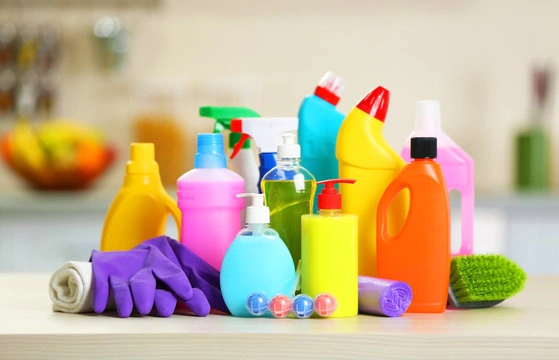
Soft washing uses a few common chemicals to clean exterior surfaces. Each product has a different purpose. You do not need every chemical for every cleaning job.
Here are the main products used in many soft washing applications.
1. Sodium Hypochlorite (Bleach)
Sodium hypochlorite is the main cleaning chemical used in many soft washing jobs. It helps treat organic growth, including algae, mold, and mildew.
It works by breaking down organic material on exterior surfaces. This makes it useful for cleaning roofs, siding, and other areas with green or dark stains.
Professional cleaners often use commercial-grade sodium hypochlorite. Its strength can vary, so the product label matters. Never assume that all bleach products have the same concentration.
2. Surfactants
Surfactants help cleaning solutions spread across a surface. They reduce surface tension and help the mixture stay in contact with the area being cleaned.
For example, a surfactant can help a soft wash solution cover vertical siding more evenly. It may also help the solution cling to sloped surfaces.
Some surfactants also add fragrance or help make the cleaning process easier. However, they do not replace the main cleaning chemical.
3. Water
Water is an important part of every soft washing solution. It helps dilute the cleaning product to the level stated on its label.
The correct amount of water depends on the product, surface, and cleaning needs. Using the wrong amount can make a solution ineffective or unsafe.
Clean water also helps rinse away loosened dirt and leftover cleaning products after treatment.
4. Specialty Cleaning Solutions
Some cleaning jobs need products made for specific stains. These may include rust removers, mineral deposit cleaners, and wood-safe cleaning products.
For example, rust stains on concrete may need a product designed for rust removal. A regular soft wash solution may not remove them.
Always choose a cleaner that matches the stain and surface. Read its instructions before applying it.
What Does Sodium Hypochlorite Do in Soft Washing?
Sodium hypochlorite helps treat organic growth on exterior surfaces. It is commonly used when cleaning areas affected by algae, mold, and mildew.
These growths often appear on shaded siding, roof shingles, and damp outdoor surfaces. A water rinse may remove loose dirt, but established growth can remain attached.
This is where sodium hypochlorite for soft washing becomes useful. It helps break down organic buildup without depending on strong water pressure.
Why Is Sodium Hypochlorite Commonly Used?
There are several reasons professional cleaners use this chemical:
- Treats organic growth: It helps break down algae and other organic stains.
- Works with low pressure: It allows cleaners to treat buildup without relying on strong water force.
- Useful on different surfaces: Properly selected products can be used for certain siding and roofing applications.
- Helps remove dark stains: It can treat many stains caused by organic growth.
However, sodium hypochlorite is not suitable for every surface or stain. It can damage plants, discolor materials, and harm some finishes if used incorrectly.
Always follow the product label and surface manufacturer’s cleaning instructions. Do not use a stronger solution just to speed up the job.
Why Are Surfactants Important for Soft Washing?
Surfactants help soft wash chemicals cover surfaces more evenly. They are often added to cleaning solutions to improve how the mixture spreads and stays in place.
Without a suitable surfactant, a solution may run off a vertical wall too quickly. This can lead to uneven coverage and inconsistent results.
Main Benefits of Surfactants
Better Surface Coverage: Surfactants help the cleaning solution spread across siding, shingles, and other surfaces.
Improved Contact Time: Some surfactants help the solution remain on a surface longer. This gives the cleaning product more time to work according to its label.
Easier Application: A suitable product can make the solution easier to apply across large exterior areas.
More Even Cleaning: Better coverage can help reduce missed spots during the cleaning process.
Not every surfactant works with every cleaning product. Some may not be compatible with certain chemicals or application systems.
Choose a product designed for soft washing. Follow its instructions and avoid adding extra products without checking compatibility.
Do You Need Different Chemicals for Roof Washing and House Washing?
Yes. Roof washing and house washing can require different cleaning products. The right choice depends on the surface material, type of buildup, and manufacturer’s instructions.
Using the same solution for every surface can cause damage. Always check product labels before starting a cleaning job.
Chemicals for House Washing
House washing often involves vinyl siding, brick, painted surfaces, and fiber cement. These materials have different cleaning needs.
A suitable exterior house wash solution may contain sodium hypochlorite and a compatible surfactant. The product must be safe for the specific siding material.
For example, vinyl siding may have algae around shaded corners. A suitable soft wash cleaner can help treat this growth without aggressive pressure.
Painted wood needs extra care because strong chemicals can affect its finish.
Chemicals for Roof Washing
Roof cleaning requires special attention because shingles and roofing materials can be damaged by incorrect products or methods.
Some asphalt shingle cleaning methods use manufacturer-approved sodium hypochlorite solutions. These help treat algae that causes dark roof streaks.
However, not every roof can be cleaned with the same product. Metal roofs, tile roofs, and other materials may have different requirements.
Avoid pressure washing roof shingles with strong water pressure. Follow the roofing manufacturer’s guidance and use a suitable low-pressure method.
Chemicals for Concrete and Brick
Concrete and brick can collect algae, dirt, rust, and oil stains. These problems may need different cleaning products.
A soft wash solution may help treat organic growth. However, grease and rust often need surface-specific cleaners.
Check the condition of mortar and concrete before applying chemicals. Older or damaged surfaces may need a gentler approach.
How to Choose the Right Soft Washing Chemicals
Choosing the right cleaning solution is important for getting good results. The wrong product can damage siding, discolor surfaces, or harm nearby plants.
Consider these factors before selecting a chemical.
1. Identify the Surface Material
First, determine what you are cleaning. Vinyl, wood, brick, asphalt shingles, and metal can have different cleaning requirements.
Check the manufacturer’s care instructions before selecting a product.
2. Identify the Type of Stain
Different stains need different treatments. Algae and mildew are not the same as rust, grease, or mineral deposits.
Choose a cleaner designed for the problem you are trying to remove.
3. Check Chemical Compatibility
Some cleaning products may not work well together. Read the labels and check whether the products are approved for use together.
Never mix chemicals based on guesswork.
4. Review Product Concentration
Soft washing chemical ratios depend on the product’s strength and intended use.
For example, commercial sodium hypochlorite and household bleach may have different concentrations. A dilution suitable for one product may be wrong for another.
Follow the manufacturer’s mixing instructions. There is no single ratio that works safely for every roof, wall, or cleaning job.
5. Consider Nearby Plants and Landscaping
Some soft wash chemicals can harm grass, flowers, shrubs, and trees. Choose a cleaning method that accounts for the surrounding area.
Use suitable plant protection steps and follow the product label. Avoid allowing chemical runoff to reach storm drains or unwanted areas.
How to Use Soft Wash Chemicals Safely
Soft washing chemicals can cause skin, eye, and breathing problems if handled incorrectly. Proper preparation helps reduce these risks.
Follow these safety steps before applying any cleaning solution.
Wear Protective Equipment
Use chemical-resistant gloves, suitable eye protection, and protective clothing. Follow the product label to determine whether additional equipment is needed.
Do not handle concentrated chemicals with bare hands.
Follow the Product Label
Read the instructions before mixing or applying any solution. Check the required dilution, application method, contact time, and rinsing directions.
Never use more chemicals than the label recommends.
Protect Plants and Outdoor Areas
Cover or protect sensitive plants when needed. Wetting nearby vegetation with clean water may help reduce exposure, but it does not guarantee protection.
Control runoff and follow local rules for outdoor chemical use.
Avoid Chemical Mixing
Never mix sodium hypochlorite with ammonia, acids, or other cleaning products. These combinations can release dangerous gases.
Use only products that the manufacturers confirm are compatible. The CDC also advises against mixing bleach with other cleaners.
Store Chemicals Properly
Keep cleaning products in their original, labeled containers. Store them in a secure, cool, and suitable area away from children and pets.
Follow the storage instructions on each product label.
What Chemicals Should You Avoid When Soft Washing?
Not every cleaning chemical is suitable for soft washing. Some products can react with sodium hypochlorite or damage exterior materials.
Avoid these common mistakes:
Ammonia-Based Cleaners: Never combine ammonia with bleach. This can release toxic gases that cause serious breathing problems.
Acid-Based Cleaners: Acids can react with sodium hypochlorite and release hazardous chlorine gas. Keep these products separate.
Unapproved Household Cleaners: Kitchen and bathroom cleaners may contain ingredients that are not suitable for exterior soft washing.
Strong Degreasers: Some degreasers can damage paint, siding, or nearby materials. Use them only when the product is approved for the surface.
Unlabeled Chemical Mixtures: Never use a chemical mixture when you do not know its ingredients or strength.
The safest choice is a product designed for the cleaning job. Read the label and follow all safety instructions.
Can You Soft Wash a House Without Chemicals?
Yes, you can clean some house exteriors without soft wash chemicals. Water alone can remove loose dust, pollen, and light dirt from certain surfaces.
However, water may not treat established algae, mold, or mildew. These stains often need a suitable cleaning solution.
You can also use a mild, surface-approved exterior cleaner for some cleaning jobs. The right choice depends on the material and type of buildup.
If you want to avoid chemicals, start by checking how dirty the surface is. A gentle water rinse may be enough for basic maintenance.
Do not increase water pressure to replace a cleaning solution. Strong pressure can damage siding, force water behind panels, or harm delicate finishes.
When Should You Hire a Professional Soft Washing Company?
Some exterior cleaning jobs are better handled by trained professionals. This is especially true when dealing with roofs, delicate siding, heavy organic growth, or hard-to-reach areas.
Professional cleaners understand how different surfaces respond to cleaning products. They can select suitable chemicals, use the correct equipment, and take steps to protect nearby landscaping.
Before hiring a company, ask about its cleaning products, safety methods, insurance, and experience with your type of siding.
If your home needs expert exterior care, VJ Pressure Washing provides House Washing Services in Tracy CA to help homeowners maintain cleaner siding and exterior surfaces. A professional assessment can help determine which cleaning method and products are suitable for your property.
Conclusion
Soft washing uses cleaning chemicals and low-pressure water to remove organic growth and exterior dirt. Sodium hypochlorite is a common cleaning chemical, while surfactants help solutions spread and stay on surfaces.
However, not every cleaning job needs the same product. Roofs, siding, concrete, and wood have different care requirements.
Always check product labels, use compatible chemicals, and follow proper safety steps. Avoid mixing cleaning products and protect nearby plants. When a job involves difficult stains or delicate surfaces, professional help can prevent costly mistakes.
Frequently Asked Questions
What is the main chemical used in soft washing?
Sodium hypochlorite is the main chemical used in many soft washing applications. It helps treat organic growth, including algae, mold, and mildew on suitable exterior surfaces.
Do you need bleach for soft washing?
Bleach is commonly used in soft washing because it helps treat organic stains. However, not every cleaning job requires it. The right product depends on the surface and type of buildup.
What is a surfactant in soft washing?
A surfactant is an ingredient that helps a cleaning solution spread across a surface. It can also help the solution stay in contact with walls and other areas during application.
What chemicals are used for roof soft washing?
Some roof cleaning methods use sodium hypochlorite and compatible surfactants. The correct product depends on the roofing material and manufacturer instructions.
What are the best chemicals for soft washing?
The best chemicals for soft washing depend on the surface and stain. Sodium hypochlorite is common for organic growth, while surfactants improve coverage. Specialty cleaners may be needed for rust or mineral stains.
Is sodium hypochlorite safe for house siding?
It can be used on certain siding materials when the product and method are approved for that surface. Incorrect concentration or application can cause discoloration and damage. Always follow the product label and siding manufacturer’s instructions.
Can you soft wash a house with just water?
Water alone can remove loose dirt, dust, and pollen. However, it may not treat algae, mold, or mildew. These problems often need a suitable cleaning product.