
Your home’s exterior takes a beating all year. Dirt, algae, mold, and grime build up fast. Most homeowners skip preparation and then wonder why results fall short. Good prep is what separates a clean house from a truly restored one.
- What Is House Washing?
- Why Preparation Matters Before House Washing
- Steps to Prepare for House Washing
- 1. Clear the Area Around Your Home
- 2. Protect Plants and Landscaping
- 3. Close All Windows and Doors
- 4. Cover Outdoor Electrical Outlets and Fixtures
- 5. Move or Cover HVAC Units and Vents
- 6. Secure Your Pets and Inform Your Family
- 7. Do a Final Walkthrough With Your Technician
- Common Mistakes to Avoid
- What to Expect During the House Washing Process
- Benefits of Professional House Washing
- How Often Should You Wash Your Home Exterior?
- How to Choose the Right House Washing Service
- Conclusion
- FAQs
So, how to prepare for house washing? Start at least a day before. Move outdoor furniture, cover plants, close all windows and doors, and disconnect electrical items near the wash zone. These steps protect your property and help the cleaning crew work faster and safer.
What Is House Washing?
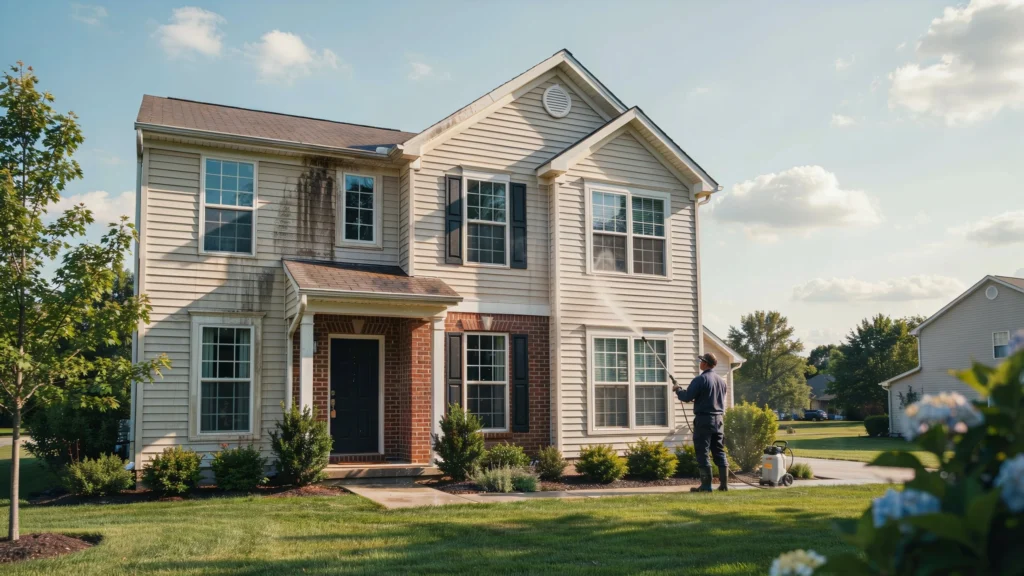
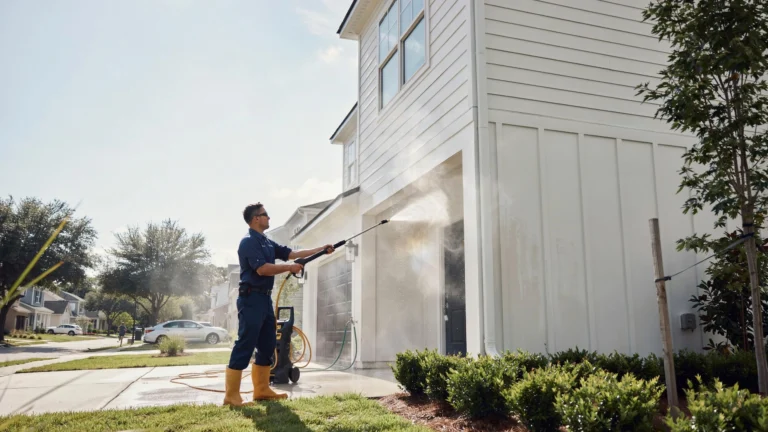
House washing is the professional cleaning of a home’s exterior surfaces. It removes dirt, algae, mold, mildew, and stains from siding, brick, stucco, and wood.
There are two main methods:
Soft washing uses low water pressure combined with a cleaning solution. It is ideal for painted wood, vinyl siding, and older surfaces. The chemicals do the heavy lifting, not the water force.
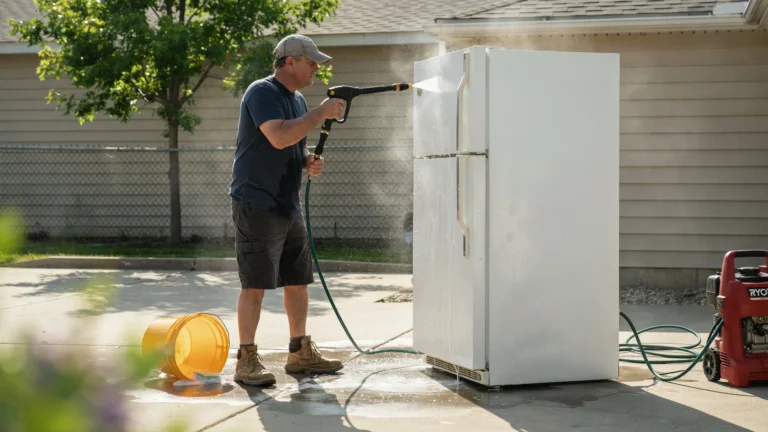
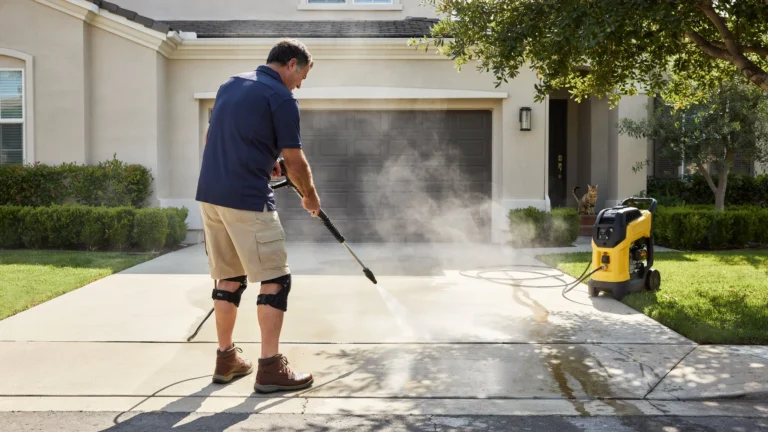
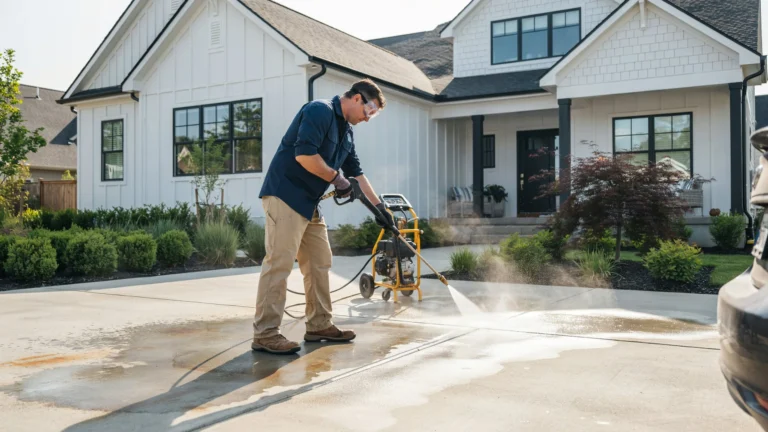
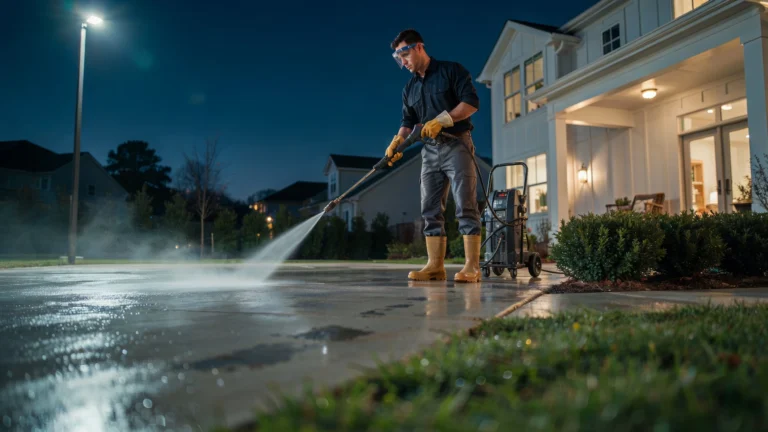
Pressure washing uses high-pressure water. It works well on concrete, driveways, brick, and tougher surfaces that can handle the force.
Many professionals use both methods together depending on the surface type. The right choice protects your home while getting it fully clean.
Why Preparation Matters Before House Washing
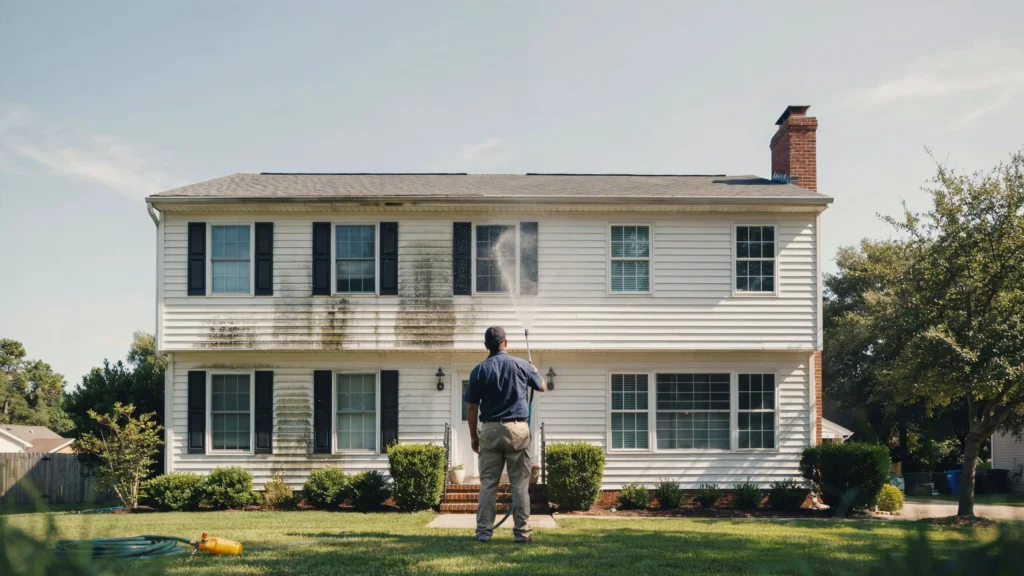
Skipping prep is one of the biggest mistakes homeowners make. Here is why preparation matters:
It protects your property. High-pressure water can push into gaps, damage plants, or soak outdoor furniture. A few minutes of prep prevents hours of cleanup.
It speeds up the job. When the area is clear, technicians can move efficiently. No stopping to shift chairs or cover exposed items mid-job.
It gives better results. Water and cleaning solutions need a clear path to work. Obstacles block spray angles and create uneven cleaning.
It keeps your family safe. Cleaning chemicals and high-pressure water are not safe around children, pets, or uncovered electronics.
If you are looking for trusted house washing services Tracy CA, VJ Pressure Washing handles residential properties with care and expertise. Their team walks you through what to expect before they ever start a machine. Proper preparation is something they emphasize with every client.
Understanding the residential pressure washing preparation process also helps you communicate clearly with your service provider. You know what they need, and they can do their best work.
Steps to Prepare for House Washing
Here is a complete exterior home cleaning checklist to follow before your appointment.
1. Clear the Area Around Your Home
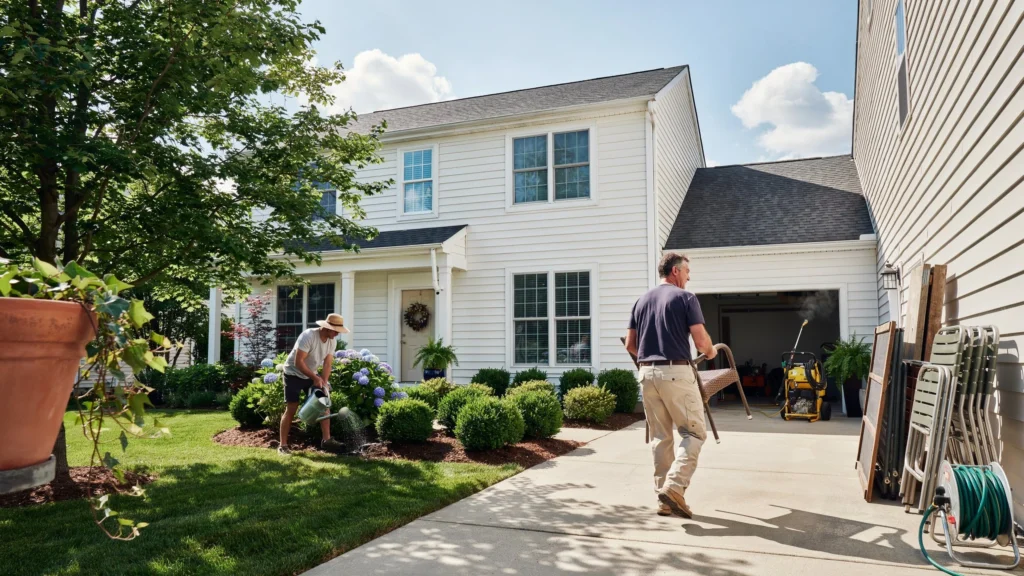
Walk the perimeter of your house. Move everything that does not need to be there.
This includes:
- Outdoor furniture (chairs, tables, loungers)
- Potted plants and garden decor
- Doormats and outdoor rugs
- Kids’ toys, bikes, and sports equipment
- Garden hoses and tools
Move these items at least 10 feet from the house. This gives the technician full access without tripping hazards or accidental damage.
2. Protect Plants and Landscaping
Cleaning solutions can damage grass, shrubs, and flowers. Even soft wash chemicals are strong enough to harm delicate plants.
Here is what to do:
- Water your plants and grass thoroughly the morning of the wash. Saturated soil dilutes runoff chemicals.
- Cover sensitive plants with plastic sheeting or tarps.
- Keep garden beds wet during and right after the wash.
A good professional will also rinse surrounding vegetation as part of their soft wash house preparation process. But you should not rely on that alone.
3. Close All Windows and Doors
Walk through every room of your house. Make sure every window is fully closed and latched. Check sliding glass doors too.
Pressure washing spray travels fast and far. Water getting into your home can damage floors, walls, and furniture. It can also create moisture problems and mold inside your walls.
Check attic vents, dryer vents, and crawl space openings. These are easy to miss but can allow water entry.
4. Cover Outdoor Electrical Outlets and Fixtures
Water and electricity are a dangerous mix. Before the wash team arrives:
- Cover outdoor electrical outlets with waterproof covers or tape plastic sheeting over them
- Turn off and cover outdoor light fixtures
- Unplug any outdoor string lights, speakers, or cameras
Let your technician know where these items are located. This is a key part of residential pressure washing preparation that many homeowners overlook.
5. Move or Cover HVAC Units and Vents
Your air conditioning unit has electrical components and metal fins that can be damaged by direct pressure washing. If the unit is near an exterior wall being washed:
- Turn it off before the job starts
- Cover it with a tarp or plastic sheet
- Tell the technician its location
The same applies to gas meters and electrical panels on exterior walls.
6. Secure Your Pets and Inform Your Family
The noise from pressure washing equipment is loud. It can scare pets and cause them to bolt. Keep dogs and cats inside during the entire job.
Also let family members know the schedule. Children should stay inside and away from windows during washing. The process involves chemicals and high-pressure water that are not safe to be near without protection.
7. Do a Final Walkthrough With Your Technician
Before work begins, walk the property with the technician. Point out:
- Areas with stubborn stains you want focused attention on
- Loose siding, cracked caulking, or damaged surfaces
- Items you were unable to move
- Fragile landscaping or features
This walkthrough is important. It helps the team plan their approach and ensures nothing gets missed or damaged accidentally.
Common Mistakes to Avoid
Even with good intentions, homeowners make prep errors. Watch out for these:
Leaving windows cracked. A small gap is enough for water to pour in. Check every window twice.
Forgetting second-floor items. Items on balconies or decks get hit by overspray. Bring them inside or cover them.
Not watering plants beforehand. Dry soil absorbs chemical runoff directly into the roots. Wet soil buffers the impact.
Parking cars too close. Move vehicles to the street or a safe distance from the house. Overspray can leave water spots on paint and glass.
Assuming the crew handles everything. Professionals handle the washing. Property prep is on you unless specifically included in the service agreement.
Letting pets roam. Even tied-up pets can get stressed or injured. Keep them fully indoors.
What to Expect During the House Washing Process
Knowing what happens during the wash helps you stay calm and informed.
Step 1: Pre-rinse. The technician wets the home’s exterior with clean water. This loosens surface dirt and prepares the siding for treatment.
Step 2: Chemical application. For soft washing, a cleaning solution is applied to the surface. It targets algae, mold, and organic staining at the root level. This phase requires dwell time, usually 5 to 15 minutes.
Step 3: Rinsing. The exterior is thoroughly rinsed from top to bottom. This removes the cleaning solution along with lifted dirt.
Step 4: Detail areas. Tight spots, corners, and difficult angles get focused attention. Technicians check for streaks or missed areas.
Step 5: Final inspection. The technician does a walkthrough with you to confirm the results meet your expectations.
A standard house wash for a single-story home typically takes one to three hours. Larger or two-story homes may take longer depending on surface type and level of dirt buildup.
Benefits of Professional House Washing
Many homeowners try to DIY this job and regret it. Professional house washing has clear advantages.
Better results. Professionals use commercial-grade equipment and the right cleaning agents for each surface. A garden hose and a rented pressure washer cannot match that.
Surface protection. Using the wrong pressure setting on the wrong surface causes real damage. Professionals know the difference between vinyl, brick, stucco, and wood.
Saves time. What takes a homeowner a full Saturday morning takes a crew an hour or two.
Boosts curb appeal. A clean exterior looks sharp. It raises the perceived value of your home instantly.
Prevents long-term damage. Algae and mold eat into siding over time. Regular washing stops that damage before it gets expensive.
Safer for your family. Professionals handle chemicals responsibly and know how to protect surrounding areas. You avoid exposure to harsh cleaning agents.
Preparation for painting or repairs. If you plan to repaint or seal your exterior, washing is the required first step. Paint does not stick well to a dirty surface.
How Often Should You Wash Your Home Exterior?
This is a question many homeowners ask after their first professional wash. The short answer: once a year for most homes.
However, homes in humid climates, near trees, or in areas with heavy rainfall may need washing twice a year. Areas prone to algae and mold growth, like homes with north-facing walls that stay shaded, need more frequent attention.
After each wash, inspect your exterior for early signs of regrowth. Catching it early means a lighter job next time.
How to Choose the Right House Washing Service
Not all companies are equal. Here is what to look for:
Licensed and insured. This protects you if anything goes wrong on your property.
Experience with your siding type. Ask specifically about your material whether it is vinyl, wood, stucco, or brick.
Clear pricing. No surprise fees after the job is done.
Reviews from local customers. Look for consistent feedback on care, communication, and results.
Written agreement. Know exactly what is included before work begins.
VJ Pressure Washing checks all these boxes for homeowners in the Tracy, CA area. Their team uses the right method for each surface and treats every home with professional care.
Conclusion
Understanding how to prepare for house washing is not complicated. But it does require attention to detail. Clear the area, protect your plants, close your windows, cover electrical items, and do a walkthrough with your crew before they start.
Good preparation protects your property, speeds up the job, and gives you better results. It also shows your technician that you take the service seriously, and that matters.
Whether you hire a crew or are doing the research to decide, this guide gives you everything you need to get started on the right foot. Ready to book? Contact us today.
FAQs
How far in advance should I prepare for house washing?
Start your prep the day before the scheduled wash. Move furniture and do a full walkthrough the evening prior. On the day of the wash, water your plants and do a final window check.
Do I need to be home during the house washing?
It is recommended, at least for the start. You should walk the property with the technician before work begins. After that, you can go inside.
Will house washing damage my plants?
It can if no precautions are taken. Wet your soil and plants thoroughly before the wash. Cover delicate flowers or shrubs with plastic. Ask your technician if they rinse surrounding vegetation as part of their process.
Can I wash my house myself instead of hiring a pro?
You can rent a pressure washer and attempt it. But without knowing the correct pressure settings for your siding type, you risk causing damage. Soft washing also requires specific chemical knowledge. Professionals get better results with far less risk.
How long does house washing take?
Most single-story homes take between one and three hours. Two-story homes or heavily stained surfaces can take longer.
Is soft washing better than pressure washing for my house?
For most home exteriors, yes. Soft washing is gentler on surfaces and more effective at killing algae and mold at the root. Pressure washing works better for driveways, walkways, and concrete.
What is the best time of year for house washing?
Spring and early fall are ideal. Spring removes winter buildup before humid summer months set in. Fall prep helps your home go into winter in clean condition.