
How Much Does Sandblasting Cost? | A Practical Guide
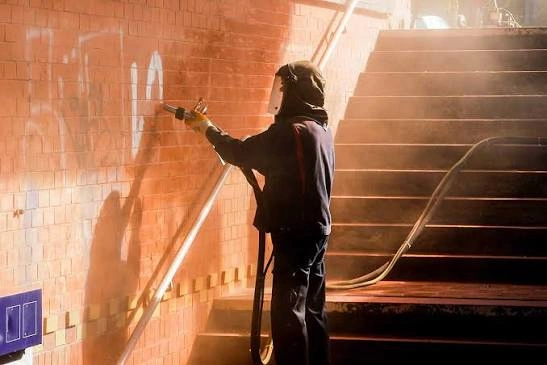
If you are wondering how much does sandblasting cost, there is no single price that applies to every project. Sandblasting prices depend on several factors, including the size of the surface, the material being cleaned, the type of coating or buildup being removed, accessibility, preparation, abrasive media, and labor. A small, accessible metal surface with light buildup can be very different from a large wall covered in several layers of old paint. The same is true for graffiti removal. A small painted mark on one surface may require far less work than widespread graffiti across a large brick or concrete area. Understanding these factors can help you evaluate quotes and choose the right cleaning method for your property. What Is Sandblasting? Sandblasting is an abrasive cleaning and surface-preparation process. It uses compressed air to propel an abrasive material against a surface at high speed. The process can remove unwanted materials such as old coatings, paint, rust, and other buildup. It can also prepare certain surfaces for repainting or refinishing. Although the term “sandblasting” is commonly used, modern abrasive blasting can involve different types of media depending on the surface and the job. The appropriate media and pressure need to be selected carefully because an overly aggressive process can damage some materials. That is one reason a professional quote should consider the actual surface rather than simply charging one flat rate for every project. How Much Does Sandblasting Cost? The cost of sandblasting varies from project to project, so a professional should evaluate the surface before giving a firm quote. A contractor may price the project based on surface area, labor time, equipment requirements, or a combination of these factors. Some projects are relatively straightforward, while others require extensive preparation, containment, cleanup, or specialized equipment. For example, removing a thin layer of paint from an accessible metal surface may be considerably different from removing several layers of coating from an older structure. Instead of focusing only on the advertised price, ask what is included in the quote. A low initial price may not tell you whether preparation, cleanup, containment, travel, or other required work is included. What Affects Sandblasting Prices? Several factors can change the final price. Understanding them makes it easier to compare estimates from different professionals. Size of the Surface Larger surfaces generally require more labor, abrasive material, preparation, and equipment time. A small gate, sign, or section of wall is a different project from an entire building exterior. Even when the same cleaning method is used, the amount of work can be dramatically different. Type of Surface The material being cleaned matters. Concrete, brick, steel, wood, and other materials can respond differently to abrasive cleaning. Some surfaces can tolerate aggressive treatment better than others. A professional needs to consider the condition and characteristics of the material before selecting the blasting method. Material Being Removed The substance being removed can also affect the price for sandblasting. Light surface dirt may require less work than thick paint, corrosion, multiple coatings, or stubborn residue. If the unwanted material is strongly bonded to the surface, additional passes or preparation may be necessary. Graffiti can also vary considerably. A small amount of paint on a smooth surface is not the same project as extensive graffiti covering porous brick or concrete. Surface Condition The condition of the underlying surface is another important consideration. A damaged, deteriorated, or fragile surface may require more careful treatment. In some cases, aggressive abrasive blasting may not be the best option at all. Professionals should evaluate whether the goal is simply to remove the unwanted material or to do so while preserving the underlying surface. Accessibility A surface that is easy to reach from ground level is usually simpler to work on than one that requires difficult access. Tight spaces, elevated areas, obstacles, and complicated work locations can increase labor and equipment requirements. This is particularly important for commercial buildings and large exterior structures. Preparation and Containment Sandblasting is not always as simple as pointing equipment at a surface and starting the machine. Depending on the project, surrounding areas may need protection from abrasive material and removed debris. Preparation and cleanup can therefore become a meaningful part of the overall project. When comparing sandblasting prices, check whether preparation and cleanup are included in the quoted amount. Abrasive Media and Equipment Different projects may require different abrasive materials and equipment settings. The choice depends on the surface, the material being removed, and the desired result. Equipment requirements can also change depending on the size and location of the project. This is another reason why online estimates should be treated as general guidance rather than a guaranteed quote for your property. Sandblasting Cost Can Vary by Project Type The purpose of the work is another useful way to understand pricing. Paint Removal Removing old paint from metal, concrete, or another hard surface may require different techniques depending on how many layers are present and how strongly they are bonded. A surface with multiple old coatings may take considerably more preparation than one with a single deteriorating layer. Rust Removal Rust removal can involve metal preparation rather than simple cleaning. The condition of the metal and the amount of corrosion can influence how much work is required. The goal should be to remove the unwanted corrosion while avoiding unnecessary damage to the underlying material. Graffiti Removal Sandblasting can be used for graffiti removal on certain hard surfaces, but the method needs to be selected carefully. Porous materials such as brick and concrete can present additional challenges because paint can penetrate into the surface. The appropriate cleaning method depends on the material, paint, location, and condition of the surface. If you are dealing with unwanted graffiti locally, graffiti removal in Tracy, CA may be a more appropriate service to investigate than choosing a blasting method based solely on price. Surface Preparation Abrasive blasting can also be used to prepare some surfaces before painting or refinishing. In these situations, the desired surface condition
What to Spray on Concrete Before Pressure Washing?
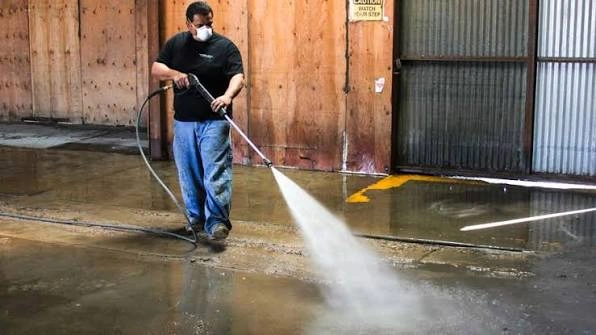
Before pressure washing concrete, you can spray it with a concrete-safe cleaning solution, detergent, or degreaser, depending on what you are trying to remove. A general concrete cleaner works well for dirt and grime, while a degreaser is more appropriate for oil and grease. Organic growth such as algae, mold, and mildew may require a cleaner specifically labeled for those stains. Pre-spraying the surface helps loosen buildup before the pressure washer does the rinsing. This can produce a more even clean and may reduce the need to use excessive pressure. The right product matters, though. Concrete is porous, and the wrong chemical or concentration can discolor the surface or damage nearby plants, metal, paint, or other materials. What Should You Spray on Concrete Before Pressure Washing? For most routine cleaning, start with a concrete cleaner or pressure-washer detergent that is labeled for concrete surfaces. The best option depends on the type of buildup: Concrete Problem Cleaner to Consider Dirt and general grime Concrete cleaner or pressure-washer detergent Oil and grease Concrete-safe degreaser Algae, mold, or mildew Appropriate outdoor cleaner for organic growth Tire marks Concrete cleaner or suitable degreaser Rust stains Specialty rust remover labeled for concrete Heavy buildup Professional-grade concrete cleaning product There is no single product that is the best cleaner for pressure washing concrete in every situation. A cleaner designed for oil may not be the right choice for algae, and a product intended for organic growth may not address deeply embedded grease. Always read the product label for dilution, application, dwell time, surface compatibility, and rinsing instructions. What to Spray for Dirt and General Grime If the concrete simply looks dull, dirty, or weathered, you usually do not need an aggressive chemical. A concrete-safe detergent or general-purpose concrete cleaner can help loosen: Dust Mud Road grime Food residue Outdoor dirt General surface buildup Apply the product according to its label, allow it to work for the recommended amount of time, and then pressure wash the surface. For lightly dirty concrete, water pressure alone may be enough. Pretreatment becomes more useful when the dirt has built up over time or has become difficult to remove with rinsing alone. What Should You Spray on Concrete for Oil and Grease? Oil and grease require a different approach because they can penetrate porous concrete. A concrete-safe degreaser is generally more appropriate than a basic detergent. The product helps break down the oily material so the pressure washer can rinse away more of the loosened residue. This is particularly useful on: Driveways Garage floors Parking areas Concrete around vehicles Areas beneath mechanical equipment Do not assume that stronger pressure will solve an oil stain. Increasing pressure may clean the surrounding concrete while leaving the deeper oil contamination behind. For an older or heavily embedded oil stain, several cleaning attempts may be necessary, and complete removal may not always be possible. What Should You Spray on Concrete for Algae, Mold, and Mildew? Green, black, or slippery growth on concrete is often associated with moisture and organic buildup. For these surfaces, use a product specifically labeled for outdoor organic growth or a concrete-safe cleaner designed for the problem. The cleaner should have time to work before pressure washing. Follow the manufacturer’s instructions rather than guessing at the concentration. Be especially careful around: Grass Flower beds Shrubs Trees Pets Painted surfaces Nearby metal Protect sensitive areas from unintended overspray and runoff. What About Tire Marks? Tire marks can be stubborn because rubber residue may adhere to the concrete rather than simply sitting on top of it. A suitable concrete cleaner or degreaser may help loosen the marks. Apply it to the affected area, follow the product’s instructions, and then rinse with controlled pressure. Avoid repeatedly concentrating a high-pressure stream on one small spot. If the mark does not respond, additional pressure is not necessarily the answer. What Are the Best Concrete Cleaners for Pressure Washers? The right concrete cleaners for pressure washers generally fall into a few categories. General Concrete Cleaners These are useful for ordinary dirt, grime, and weather-related buildup. They are a practical starting point when the concrete does not have a specific type of heavy stain. Degreasers Degreasers are intended for oily or greasy contamination. They are particularly useful on driveways and garage floors where vehicles regularly sit. Outdoor Cleaners for Organic Growth These products are designed to address buildup such as algae, mold, or mildew. Check the label to make sure the product is suitable for your specific surface. Specialty Stain Removers Rust and mineral deposits can require specialty products. Using a general detergent for every type of stain may produce disappointing results. When comparing power washing chemicals for concrete, do not choose based only on how strong the product sounds. Surface compatibility and proper application are more important. How to Apply Cleaner Before Pressure Washing The application process is straightforward, but small details can affect the result. 1. Remove Loose Debris Sweep the concrete first to remove leaves, dirt, stones, and other loose material. This prevents you from turning loose debris into a muddy layer when the cleaning solution is applied. 2. Identify the Stain Look at the surface before choosing the product. Is it: General dirt? Oil? Grease? Algae? Mold? Tire residue? Rust? Knowing what you are cleaning helps you choose a more appropriate product. 3. Read the Product Label Check the label for: Dilution instructions Suitable surfaces Application method Recommended dwell time Required protective equipment Rinsing instructions Plant or environmental precautions Do not guess the concentration when the manufacturer provides specific directions. 4. Apply the Cleaner Evenly Use the application method recommended for the product. A pump sprayer, pressure washer detergent system, or other suitable applicator may be appropriate depending on the product. Try to cover the surface evenly rather than creating heavily concentrated patches. 5. Let It Work This is known as dwell time. The cleaner needs enough time to loosen the buildup before you rinse it away. The correct time varies by product and
How Much PSI to Clean Concrete?
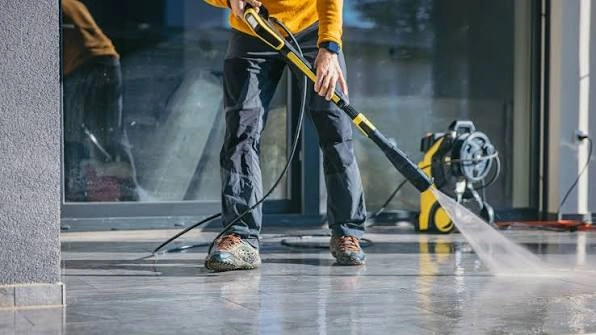
For most residential concrete surfaces, 2,500 to 3,000 PSI is a practical range for pressure washing, but the right setting depends on the concrete’s condition, the type of dirt or stain, and the equipment being used. Older, damaged, painted, or decorative concrete may require a gentler approach. Using more pressure does not automatically produce better results. A pressure washer combines water pressure, water flow, nozzle selection, cleaning technique, and sometimes detergent to remove buildup. Using excessive pressure or holding the nozzle too close can damage the surface. If you’re wondering how much PSI to clean concrete, start with a moderate setting and adjust your technique before increasing pressure. How Much PSI Do You Need to Clean Concrete? A typical residential pressure washer with around 2,500 to 3,000 PSI can handle many common concrete cleaning jobs, including driveways, sidewalks, patios, and other hard outdoor surfaces. However, PSI should not be treated as a universal number. For example, a relatively new and solid concrete driveway may tolerate stronger cleaning than an older surface with cracks, exposed aggregate, previous surface damage, or decorative finishes. Here is a practical starting point: Concrete Surface General PSI Approach Newer, solid concrete Around 2,500–3,000 PSI Typical residential driveway Around 2,500–3,000 PSI Sidewalks and patios Around 2,000–3,000 PSI Older or weathered concrete Start lower and increase carefully Cracked or damaged concrete Use lower pressure and extra caution Decorative or coated concrete Follow the surface manufacturer’s guidance These ranges are starting points rather than strict rules. Always test an inconspicuous area first, especially when you do not know the condition of the concrete. What Is the Best Pressure Washer PSI for Concrete? The best pressure washer PSI for concrete depends on what you are trying to remove and the condition of the surface. For ordinary dirt, dust, mud, and general outdoor buildup, moderate pressure is often enough. If the concrete has heavier organic growth or stubborn staining, pretreatment and proper cleaning technique can sometimes do more than simply turning the machine up. This is why choosing the highest available PSI is usually not the best strategy. A 4,000-PSI machine does not automatically clean a driveway better than a properly operated 2,500- or 3,000-PSI machine. Excessive pressure can concentrate too much force in one small area and leave visible marks or surface damage. What Concrete PSI Should You Use for Different Surfaces? Different concrete areas have different cleaning needs. Driveways Driveways commonly collect vehicle dirt, mud, tire marks, oil spots, leaves, and other outdoor debris. A solid residential driveway can often be cleaned effectively with moderate-to-high pressure. However, oil and grease may require a suitable cleaner or degreaser rather than simply increasing the PSI. If you’re looking for professional Driveway Washing in Tracy CA, a proper cleaning approach can help remove buildup while reducing the risk of unnecessary surface wear. Sidewalks Sidewalks usually need less aggressive cleaning than heavily stained driveways. Dirt, dust, algae, and weather-related discoloration can often be removed with moderate pressure and controlled passes. Be especially careful around cracks and damaged edges, where concentrated water pressure can make existing problems worse. Patios Concrete patios may have furniture marks, dirt, algae, food spills, and other stains. Start conservatively, particularly if the patio has a decorative finish or coating. A controlled spray pattern is more important than simply using maximum PSI. Garage Floors Garage floors can collect oil, grease, dirt, and tire residue. Pressure washing can help with general buildup, but stubborn oil contamination may require pretreatment. Also consider where the wastewater will go before cleaning the floor. Older or Damaged Concrete Older concrete deserves extra caution. If the surface is already deteriorating, using high pressure may remove loose material or make existing surface problems more noticeable. Cracks, spalling, exposed aggregate, and weakened areas should be inspected before pressure washing. Does Higher PSI Clean Concrete Better? Not necessarily. PSI stands for pounds per square inch, which describes the pressure produced by the machine. But cleaning performance also depends on water flow, nozzle design, spray distance, surface condition, and cleaning products. Think of it this way: pressure is only one part of the cleaning system. If you hold a high-pressure nozzle extremely close to concrete, the force is concentrated in a small area. Move it too quickly and the surface may clean unevenly. Hold it too far away and the cleaning effect may become weaker. Good technique allows the machine to do its job without relying on excessive pressure. What Nozzle Should You Use on Concrete? Nozzle selection matters because different spray tips produce different spray patterns and levels of surface impact. A wider spray pattern generally distributes the water over a larger area. A narrower spray pattern concentrates the force. For general concrete cleaning, avoid assuming that the most aggressive nozzle is automatically the best choice. A narrow, highly concentrated spray can create lines, marks, or surface damage if it is used incorrectly. Before cleaning the entire area: Select a suitable nozzle. Test it in a less visible location. Keep the wand moving. Maintain a consistent distance. Check the result before continuing. A surface cleaner attachment can also help produce more uniform results on large, flat concrete areas compared with making repeated passes with a wand. How to Pressure Wash Concrete Safely Once you know the appropriate concrete PSI, the cleaning technique is just as important. 1. Remove Loose Debris Sweep away leaves, dirt, stones, and other loose material before using the pressure washer. This gives you a cleaner surface to work with and prevents loose debris from being pushed around during washing. 2. Inspect the Concrete Look for: Cracks Loose sections Spalling Exposed aggregate Previous coatings Damaged edges Areas that have already started breaking down Do not assume every concrete surface can handle the same pressure. 3. Apply Cleaner When Needed For ordinary dirt, water may be enough. Heavier stains may respond better to an appropriate concrete cleaner or degreaser. Letting a suitable cleaner loosen the buildup can reduce the temptation to increase PSI. 4. Start With
How Often Should Solar Panels Be Cleaned? | Best Schedule
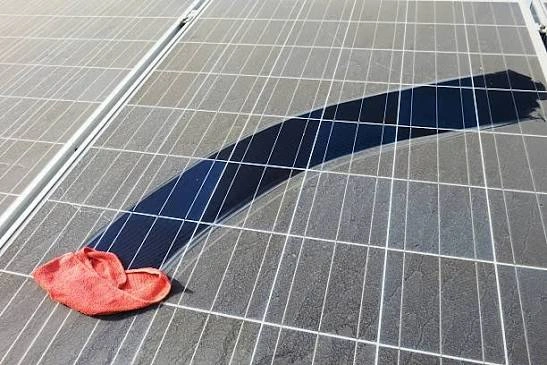
Most residential solar panels should be cleaned once or twice a year, but there is no schedule that fits every home. Dust, pollen, bird droppings, tree sap, rain, roof angle, and nearby construction can all change how quickly panels get dirty. If your panels sit near trees, roads, farms, or construction, they may need more frequent cleaning. So, how often should solar panels be cleaned depends on how much dirt reaches the panels and whether that buildup affects sunlight or energy production. How Often Should Solar Panels Be Cleaned? For many homes, cleaning solar panels once or twice a year is a practical starting point. However, you should not clean them simply because six months have passed. Look at the condition of the panels and your system’s production data. If the glass has a heavy layer of dust, pollen, bird droppings, or other debris, cleaning may be useful sooner. For example, a home surrounded by mature trees may collect pollen and leaves during spring. A home near an active construction site may collect fine dust for several months. Both homes can need more cleaning than a house in a cleaner, open area. Panel angle also matters. Rain can move loose dirt more easily on panels with a steeper angle. Dirt may remain longer on flatter panels because water and debris do not run off as easily. A good approach is to inspect the panels every few months. You can then decide whether they actually need cleaning. The goal is not to wash solar panels as often as possible. The goal is to keep buildup from blocking useful sunlight or creating other maintenance problems. A simple starting schedule Situation Suggested approach Low-dust residential area Check every 3 to 6 months Normal residential conditions Clean around 1 to 2 times yearly Heavy dust or pollen Check every 1 to 3 months Near construction Inspect after major dusty work Many nearby trees Check during heavy pollen and leaf seasons Frequent bird activity Inspect more often Heavy visible buildup Clean when needed rather than waiting These are starting points, not strict rules. Your local conditions should determine the final schedule. Do Solar Panels Need Cleaning? Yes, solar panels can need cleaning, but not every system needs frequent washing. Solar panels are designed to remain outdoors through changing weather. Rain removes some loose dust and debris. Wind can also move lighter material away from the surface. The problem starts when material sticks to the glass. Common examples include: Fine dust Pollen Bird droppings Tree sap Mud Leaves Airborne pollution Mineral deposits from water Salt residue in coastal areas A small amount of loose dust may not justify an immediate cleaning. A thick layer of dirt or a large bird dropping covering part of a panel is different. The answer also depends on your system’s location. A clean-looking panel in a rainy area may need less attention than a panel in a dry, dusty area. Solar panel cleaning is therefore a maintenance decision, not simply a calendar task. What Factors Affect How Often Solar Panels Need Cleaning? Several factors determine how quickly dirt builds up. 1. Local weather Dry weather can leave dust on the glass for long periods. Extended dry spells can make panels visibly dirty even when there has been no major storm. Regular rain can help remove loose dirt, but rain does not remove every type of buildup. 2. Dust and air quality Homes near busy roads, dirt roads, farms, industrial areas, or construction sites may receive more airborne particles. Fine dust can create a thin film across the glass. Over time, that film can reduce the amount of sunlight reaching the solar cells. 3. Trees and plants Trees can create several cleaning problems at once. Leaves can land on the panels. Pollen can cover the glass. Tree sap can create sticky spots. Branches can also increase shade during certain parts of the day. If your roof is surrounded by mature trees, inspect the panels more often during pollen and leaf seasons. 4. Birds Bird droppings can be harder to remove than loose dust. A small amount may not matter much. Large or repeated deposits can cover part of a panel and create localized dirty areas. Bird activity is especially important when panels provide a convenient perch. 5. Panel angle Panel slope affects how easily water and debris move across the surface. Steeper panels generally allow water to run off more easily. Flatter panels may hold dust, leaves, and water spots for longer. This does not mean every flat panel needs frequent cleaning. It simply means panel angle is one factor to consider. 6. Nearby construction Construction can produce large amounts of fine dust. If work is happening close to your home, inspect the panels after dusty stages of construction. Waiting for your normal yearly cleaning may allow a thick layer of material to remain on the glass. 7. Water quality Water itself can leave deposits. Hard water contains minerals that may remain on glass after evaporation. Repeated use of mineral-heavy water can create visible spots or residue. For this reason, the type and quality of water matter when choosing a cleaning method. How Often Should Solar Panels Be Cleaned in Different Environments? The right frequency changes from one environment to another. Dry and dusty areas Check panels every few months. If dust builds up quickly, cleaning may be needed several times a year. Areas with heavy pollen Pollen can create a fine coating that remains even after rain. Check panels during the strongest pollen periods. Homes near trees Inspect panels during spring and after periods when trees shed large amounts of leaves or other debris. Homes near construction Check panels after nearby construction creates visible dust. A cleaning may be worthwhile before the normal schedule. Rainy climates Panels may stay cleaner for longer, but still inspect them. Rain does not remove every type of dirt. Coastal areas Salt and airborne particles can settle on exposed surfaces. Regular visual checks can help
What Are Black Spots on Sidewalk? | Causes & Fixes
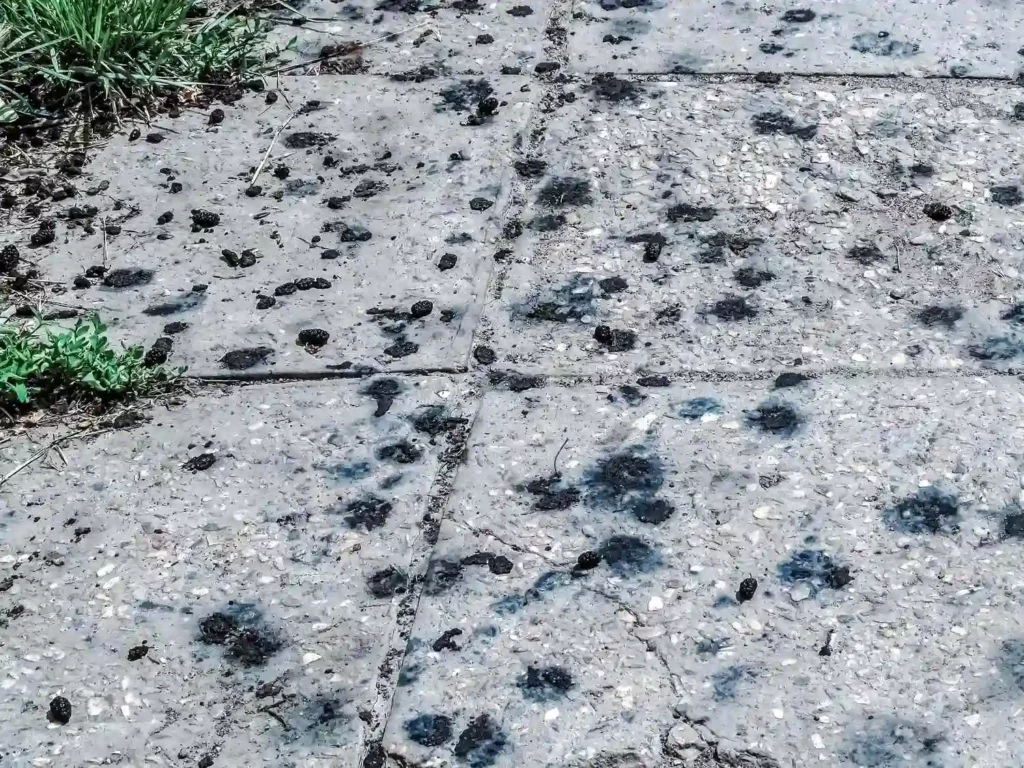
Dark spots can make a clean sidewalk look old and poorly cared for. They often appear where moisture, shade, dirt, and organic growth stay on concrete. Some spots come from algae, mold, lichen, or other buildup. Others may come from oil, rubber, leaves, or dirt. What are black spots on sidewalk? They are usually stains or organic growth that settle into the small pores of concrete. The cause matters because each type needs a different cleaning method. Pressure washing can remove many surface stains, but stubborn growth may need treatment before washing. What Are Black Spots on Sidewalk? The answer depends on what created the dark marks. Black spots on sidewalk surfaces are often linked to organic growth, especially in damp and shaded areas. Concrete is porous, so moisture and debris can stay inside its small surface pores. Lichen can create small, dark dots that remain stuck after basic cleaning. Algae and mildew can also leave dark films or patches. In other cases, the marks may not be biological at all. Oil, tire rubber, food spills, leaf stains, and general grime can all change the color of concrete. This is why simply looking at a spot does not always tell you what caused it. If the spots are spread across a shaded walkway and look like tiny dark dots, organic growth is one possible cause. If they appear as greasy smears near a driveway entrance, oil or rubber may be more likely. The cleaning method should match the stain. Treating every dark mark with the same chemical can waste time and may harm the surface. What Causes Black Spots on Sidewalks? Several common problems can create dark spots on outdoor concrete. Algae and organic growth Algae can grow where concrete stays damp for long periods. Shaded sidewalks often provide the right conditions because they dry more slowly. Mold and mildew Mold and mildew can develop where moisture and organic debris collect. They may appear as dark patches, especially around areas that receive little sunlight. Lichen Lichen is another common cause of small black dots. It is made from a partnership between a fungus and a photosynthetic organism. Some lichen can attach firmly to concrete and stone. Leaves and plant debris Leaves can leave dark stains when they sit on wet concrete. The plant material breaks down and can leave tannins and other residue behind. Oil and grease Oil leaks from cars, lawn equipment, and other machines can create dark marks. These stains often have a different look from organic growth and may feel slightly greasy. Tire and rubber marks Rubber from tires can transfer onto concrete. These marks often appear near driveways, parking areas, and places where vehicles turn. Dirt and moisture Plain dirt can become dark when it mixes with moisture and organic material. Poor drainage can make the problem worse by keeping the surface wet. Are Black Spots on Sidewalk Mold, Algae, or Lichen? They can be, but you should not assume every black spot has the same cause. Mold is a fungus. Algae are different organisms, while lichen is a stable partnership involving a fungus and a photosynthetic organism. For cleaning purposes, the important point is that each can behave differently on a concrete surface. Lichen often appears as small, firm dots that seem attached to the concrete. Some types can be difficult to remove with normal pressure washing alone. Industry cleaning sources also report that black spotting on concrete and paving can involve lichen, algae, mold, or other organic growth. Algae may look more like a flat film. Green algae is easy to notice, but some growth can appear dark after it dries. Mildew may show as dark patches in damp areas. It is often more common where water remains around the sidewalk. The key is not to guess based only on color. Look at the shape, texture, location, and surrounding conditions. A cleaning professional can also help identify the likely cause before treatment. Can Pressure Washing Remove Black Spots From a Sidewalk? Yes, pressure washing can remove many black stains from concrete sidewalks. It works by using pressurized water to lift dirt, grime, loose organic material, and some surface growth. However, pressure alone is not always enough. Some lichen and biological growth can attach firmly inside the surface pores. A pressure washer may remove the visible layer while leaving material behind. The spots can then return. Using excessive pressure is also a mistake. Concrete can be damaged by aggressive cleaning, especially when the surface is old, cracked, weak, or already worn. A better approach is to use enough pressure to clean the surface without trying to force every stain away with maximum power. Some organic growth may need a suitable treatment before washing. The cleaning method should also account for runoff. Dirty water and cleaning chemicals should not be allowed to flow into sensitive garden areas or storm drains. How to Remove Black Spots From a Concrete Sidewalk The safest process starts by finding out what you are dealing with. 1. Clear the sidewalk Remove leaves, sticks, soil, and other loose debris. Sweep the surface before applying water or cleaning products. 2. Inspect the spots Look for patterns. Small dots in a damp, shaded area may point toward organic growth. Greasy marks near vehicle areas may need a different cleaner. 3. Test a small area Before cleaning the entire sidewalk, test your chosen method in a less visible spot. Check how the concrete reacts after rinsing and drying. 4. Apply the right cleaner Choose a product that matches the stain and is approved for concrete. Do not mix cleaning chemicals unless the manufacturer clearly states that the combination is safe. 5. Give the cleaner time to work Follow the product directions for contact time. Do not allow the solution to dry on the surface. 6. Agitate stubborn areas A stiff outdoor brush can help loosen growth and buildup. This can reduce the amount of pressure needed during washing. 7. Pressure wash carefully Use a
Can You Power Wash a Fridge?
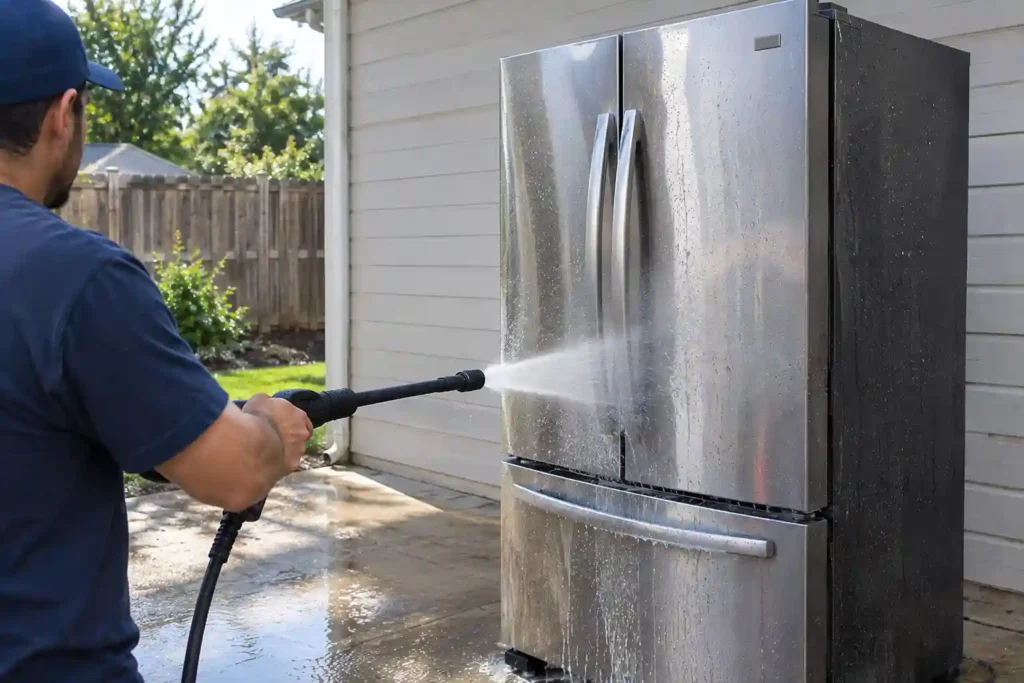
A refrigerator is necessary in the kitchen. From keeping food fresh, drinks cold, and making frozen treats, to perhaps even helping make the kitchen a safe place to work, the refrigerator is a staple in at-home cooking. Since refrigerators come in contact with food spills, dust, grease, and the general daily grime, cleaning and maintenance are required. Some homeowners wondered, “Can I power wash a fridge?” In other words, don’t power-wash your fridge. Unlike outdoor spaces such as your driveway or the side of your home, refrigerators have electrical components and insulation, plus motors and other sensitive parts that could get damaged by water at high pressure. A pressure washer could cause you to have electrical issues, rust, and a fridge that you have had to pay to fix. Can You Power Wash a Fridge? Does a pressure washer clean a refrigerator? Power washing is great for outdoor cleaning, but not kitchen appliances. It’s best to never power wash a fridge because… Water can get into electrical parts. The pressure can force dust and dirt into the seals or insulation Moisture can lead to rust and corrosion Internal components may cease functioning properly Could your appliance be dangerous to you? If it is Morse? Refrigerators are meant to be cleaned with the help of a clean cloth, a mild detergent, and some common sense about maintenance. It is always better to err on the side of caution and be too gentle with your cleaning instead of too harsh with the pressure wash. For exterior surfaces and tough outdoor grime, professional house washing Tracy CA services are a safer and smarter choice. When it’s dirty, the answer is to scrub it with your hands, not with power washing. How to Clean a Refrigerator Safely Safe cleaning techniques for the refrigerator ensure the protection of both your appliance and your food. They say a well cleaning routine will remove bacteria, odors, and buildup without damage to your appliance. Following are the steps to clean a refrigerator safely safe to clean refrigerator 1: Unplug the Refrigerator. Please remember to always unplug the outlet in English! Before cleaning deeply, unplug your refrigerator from the wall. This minimizes the chance of an electrical problem and enables you to clean safely. Quick cleaning: You probably don’t need to unplug the appliance for regular quick cleanings, but for a deep cleaning it’s best to turn the power off. 2: Take Everything Out and Toss First Things First, you need to take everything out of your fridge and check the expiration dates. Throw away any that are spoiled and place any products that need refrigeration in a cooler. Taking food off the shelves also makes it easier to clean the shelves and drawers and scrub the corners. 3: Drain and rinse all in warm water with a few drops of mild dish soap. Let the glass shelves warm up to room temperature before cleaning, as temperature shocks can cause them to shatter. 4: Clean Inside Surfaces Clean inside surfaces Twice a week, clean the inside surfaces with a baking soda solution. Make a paste of half a cup of baking soda with a quart of warm water, and use a clean cloth or sponge to apply the paste. Wipe out the following with a clean cloth: Walls Shelves Door compartments Drawers Seals around the door Avoid harsh chemicals that may have toxic residues near your food storage. 5: Everything Should Be Dry After Cleaning. Before you handle food again, everything had better be dry. Excess moisture can lead to mold growth and bad odors. Cleaning Refrigerator Coils A quick tip (and yes, I’ve seen skinks do this!) is that you clean the coils. Coils of the refrigerator are usually found at the back or bottom of the unit. They release heat, so the fridge can remain cool at the correct temp Striped coils on the back or underneath your fridge are part of its cooling system, but when they get covered in dust and grime, it makes the fridge work harder. This may cause: An increase in your energy bill. Decreased cooling capacity Overheating Reduced life expectancy of the appliance How to Clean Refrigerator Coils Follow these steps: Unplug the refrigerator. / Locate the coils. / Vacuum up any dust that is loose. For Any Stubborn Dirt That’s Stuck, Use a Coil Cleaning Brush. Clean up the area around you. Tuck it into the fridge. Coils must be cleaned well, as they are an important component of the cooling system. HOW DO I CLEAN A FRIDGE? How do you clean inside your fridge? Keep away from: Pressure washers Abrasive scrubbers Harsh chemicals Excess water It should clean well and not harm the materials and electrical parts of the refrigerator. Refrigerator Maintenance Tips Following some basic refrigerator maintenance guidelines can boost its performance and avoid some of the common issues. 1: Keep the door seals clean. The rubber seals on your fridge door must help to keep the cold air in. Cooling issues may result if the seals are dirty or damaged. Clean them with a warm cloth and water regularly. 2: Don’t Pack the Fridge too Full. A fridge requires good airflow to ensure a consistent temperature. Overcrowded shelves can impede airflow. 3: Verify temperature settings Maintain your refrigerator at the proper temperature to keep your food safe and your energy bills low. 4: Clean spills at once Spills are easy to clean with your towels before it dries. Cleaning spills immediately will prevent odors and sticky residue. 5: Defrost If Needed A few fridges need to have the ice taken off every now and then. Too much ice build-up can impair performance. 6: Look for Unusual Problems Watch For: Off sounds Leaks of water No or poor cooling Too much frost Early attention can stop bigger issues Conclusion So, is it safe to use a power washer on a fridge? No, applying water under high pressure to clean a fridge isn’t any sort of safe cleaning
Do People Power Wash Driveways?
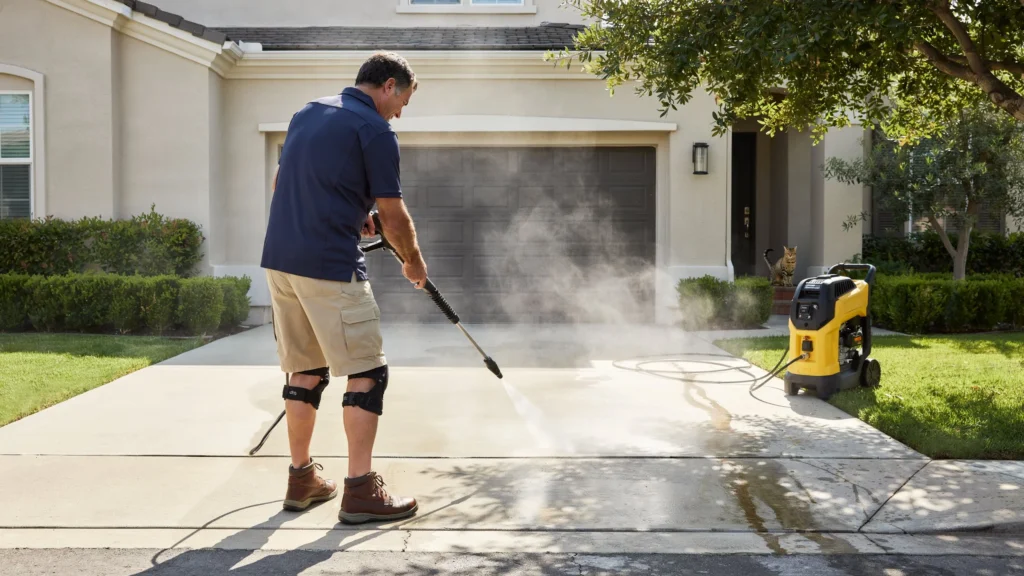
A driveway is one of the first elements of the home exterior that visitors see. Over time, dirt, oil stains, mud, tire marks, algae, mold, and all sorts of grime can accumulate on driveways, making the entire property look run-down and forgotten. “Do people power wash driveways?” Sure, do! Power washing is the best way to clean a driveway and remove tough stains that your traditional cleaning method won’t take care of. Power washing is becoming a popular service to have done in our homes; they clean deep in just minutes. A pressure washer emits a high-velocity jet of water to remove dirt, gunk, and deposits accumulated for years on concrete, asphalt, and brick driveways, making them look as if they are new. Do People Power Wash Driveways? Yes, they power wash their driveways routinely to maintain their cleanliness, hospitality, and good condition. Driveways also experience the endless force of nature and traffic, including weather, cars, running feet, and outdoor debris. Outdoor stains are a bane for many of us; rain, dust, oil drips, and even organic materials can cause tough stains that are difficult to remove once time has elapsed. These problems are preventable if you care for your driveway by cleaning and sealing it on a regular basis and you’re diligent about how you keep it looking. Surface dirt is easily removed by sweeping and rinsing with a garden hose, but they usually don’t have the power to lift deep stains and ingrained dirt. Power washing is a cleaning tool using a high-pressure water jet, which is much better at cleaning than normal cleaning. Power Washing a Driveway Professional cleaners at VJ Pressure Washing usually suggest power washing for: Concrete Driveways Brick Driveways Stone Driveways Paver Driveways Certain asphalt areas Overaggressive cleaning can harm the surface, and you need the right tools and technique Pressure Washing a Driveway Pressure washing a driveway is the use of a machine that uses highly pressurized water to clean dirt, stains, and other materials away from the driveway. Some power cleaners also employ warm water; this is particularly helpful to get rid of grease and oil. If you are looking for pressure washing concrete driveway Tracy CA, our team is ready to deliver outstanding results. The procedure is normally as follows: Cleaning of driveway surface Loosening dirt and debris from the surface Using a cleaning agent if necessary Applying a stain remover with a pressure washer Wash off any dirt and chemicals that are left Let the driveway dry, and the stains fade Depending on the state and type of driveway, the cleaning method may vary. Driveway Pressure Washing Driveway cleaning with pressure washing is simply water coming out of a small hole at the end of a wand at very high speed. The pressure dissolves dirt, grime, algae, and stains adhered to the surface. Several factors influence the efficacy of the pressure washing method: 1. Water Pressure Various surfaces need varying levels of pressure. Concrete needs to be washed with a much stronger pressure, while thin or crumbling surfaces must be washed with a much milder pressure. 2. Cleaning Solutions Certain stains, for example oil and grease, require specialized cleaning agents before pressure washing. Cleaning agents degrade or alter the physical properties of stubborn materials, making matter easier to remove. 3. Quality of Equipment High-quality professional equipment can be more effective than small domestic ones as it ensures even pressure and coverage throughout. Benefits of Power Washing a Driveway Advantages of power washing a driveway: If you are wondering why you should add power washing the driveway to your maintenance to-do list, then here are some things that will convince you. 1. Enhances Your Home’s Curb Appeal A grimy driveway can make even a stunning home look worn and drab. Power washing removes stains and sheds dust and dirt, making it so the driveway clean and bright. Clearing the driveway also projects a good image to visitors, neighbors, and anyone who might be interested in buying your home. 2. Eradicates Stubborn Stains Oil drips, vehicle fluids, dirt buildup, mold and algae, tire marks, and even rust are just some of the unsightly things that can appear on your driveway. Oil leaks Vehicle fluids Dirt buildup Mold and algae Tire marks Rust Many of these stains can be washed away, and power washing can do just that! It will remove stains on the surface that cannot be washed away – and make your surface look like new again. 3. Prevent Damage Soil, algae, and even organics can destroy the layers of driveway materials from within. The moisture moss or algae holds could also contribute to surface degradation with time. Washing frequently keeps the driveway clean and safe from expensive repair works. 4. Raise Property Value Cleanliness, order, and control outside your home can also bring your home a long way. A neat and clean driveway helps to improve the curb appeal of your home and attracts more home buyers. 5. Time and Work Saving Cleaning a driveway by hand can take days and still not yield great results. A pressure washer can do a better job in less time. 6. Results in a Safer Surface Algae and moss can cause driveways to become slippery, particularly when rain comes into the picture. Eliminating these growths also leaves a cleaner and safer space to walk. How Often Should You Power Wash Your Driveway? Many homeowners ask, “How often do I need to power wash my driveway?” The answer depends on a number of things, like the weather, driveway surface, and how busy your driveway is. Generally speaking, power washing most driveways should be: Just once a year for routine maintenance needs. Twice a Year in Regions with High Dirt, Moisture and Pollution Levels Before selling a house Before application of a sealant You may require more cleanings if your driveway has: Heavy vehicle traffic Oil stains Trees growing nearby High moisture Surface mold or algae growth Frequent cleaning can prevent stains from becoming
What Is the Best Method of Washing a House?
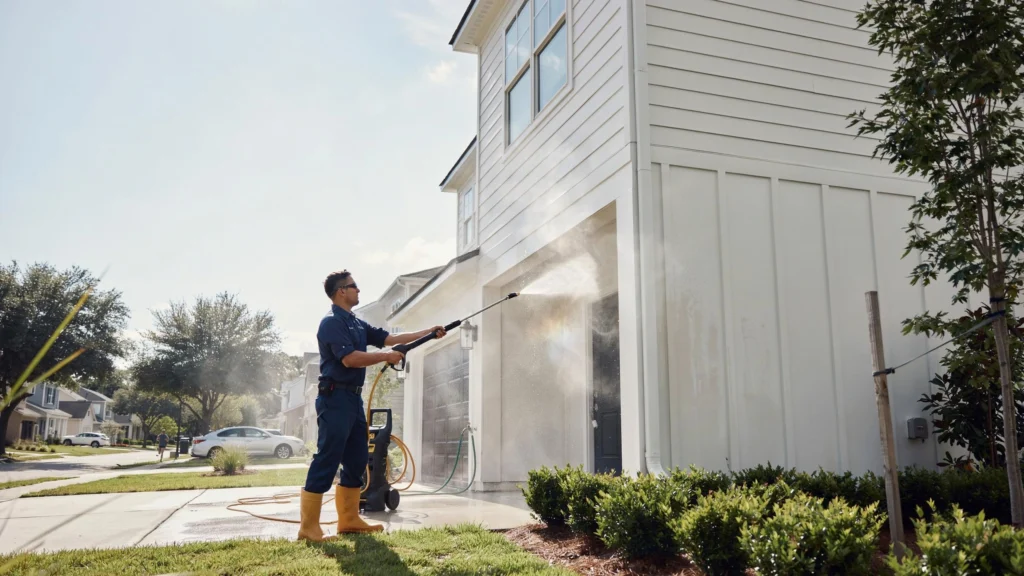
Regularly cleaning the exterior of your home is a basic yet very important part of home maintenance to keep it looking clean, protect building materials, and enhance curb appeal. It can remove layers of dirt, dust, grime, mold, mildew, algae, stains, and air pollution that cause discoloration on your home and make it look old and tired from the outdoors. But also many homeowners wonder: How do I wash the house? The appropriate approach depends on the type of materials used to build your home’s exterior, the nature of the dirt, and how much cleaning is needed. In general, a mixture of mild cleaning methods, appropriate detergents, and the right equipment will yield the safest and most effective results. Although pressure washing enables hard stains to be eliminated rapidly, soft washing is sometimes the better choice for more delicate surfaces. Understanding the Best Method of Washing a House New residential construction with vinyl siding, painted surfaces, stucco, or older materials should be cleaned by soft washing. At VJ Pressure Washing, our soft washing procedures involve cleaning with low pressure and warm water rather than high-pressure cleaning, and is therefore less likely to cause damage to your home. Pressure washing is high-pressure water cleaning that is used to break down difficult dirt. It performs well on solid surfaces like concrete, brick, some stones, as well as other strong surfaces. It should also be noted that too much pressure in delicate areas can result in cracks, paint damage, or water intrusion. A typical house wash involves the following: Examine the surface of the exterior shell Removing loose dust and debris that is loose Using a suitable cleaner solution Let the detergent degrade the stains Rinse with the water pressure under control Inspect for any spots that have been missed, and clean up one last time The correct method selection will help you to safely clean your home and bring out the best results. Soft Wash vs Pressure Wash House They’re each great tools, but made for different applications. Soft Washing Soft washing is a specialized cleaning service that applies organic-based cleaning solutions to effectively clean your exterior and remove organic stains and soils. The cleaning solution kills mold, mildew, algae, and bacteria rather than just removing them by force. Benefits of soft washing include: Safe for delicate siding materials Less chance to damage the surface Lasts longer Soft washing is generally advocated for the following surfaces: vinyl siding, wood siding, stucco, roof shingles, and painted surfaces. Since the detergent is still active on the surface after application, it is claimed that soft washing yields longer-lasting results. Pressure Washing Pressure washing cleans surfaces with a high-pressure stream or jet of water to remove dust, dirt, oil, and other types of soil or contaminants. If you are looking for professional house washing Tracy CA, VJ Pressure Washing delivers powerful results with benefits that include: Good value for money Heavy sediment is removed quickly Ideal for concrete and brick Good for driveways and patios Less chemical cleaning needed The pressure washer is ideal for: concrete walkways, driveways, brick walls, stone surfaces, and patios. Best House Washing Detergent Choosing the right house washing detergent is key to a clean and safe outcome. Various surfaces need to be cleaned using different chemicals. A quality exterior house detergent will clean dirt and stains well, be safe to use on siding, assist in the removal of mold and mildew, not harm plants or landscaping, and be easy to rinse out. 1. Exterior Cleaners that are Environmentally Friendly These exterior cleaners allow you to clean everyday dirt from surfaces without compromising the health of the environment. They can also be used for regular maintenance of your home. 2. Cleaners for Mold & Mildew Solutions Homes in humid regions get mold, algae, and mildew. Professional mold removal cleaners treat these problems and slow down regrowth. 3. Safe Detergents for Siding Vinyl and painted siding require gentle cleansers that can clean them effectively without causing any fading or damage. Please adhere to the instructions for use and test the cleaners on a small hidden area prior to application for the entire house. How to Clean Exterior Siding Siding is one of the most exposed areas of a house; regular cleaning will help prevent it from staining and weathering. Here’s how to clean siding effectively: Step 1: Inspect the Siding Look for cracks, loose or damaged siding panels, peeling paint, and open holes that might allow water in. After the repairs have been taken care of, you can go in and clean them up. Step 2: Get Rid of Loose Soil and Dirt Use a soft-bristled brush, a garden hose, or your fingers to get rid of surface dust, leaves, and other debris. That makes the cleaning solution work better. Step 3: Rinse off Thoroughly After the cleaner has had time to work, rinse the siding off with water. Don’t spray water overhead, as it may go behind the siding. Step 4: Inspect the Results Look for stains and spots that have not been completely removed, or if you think an area requires further attention. For long-lasting grime buildup, you might have to apply again. Conclusion Soft washing is the safest and most effective way to clean the exterior of most homes. Pressure washing continues to have a place for harder substances such as concrete and brick.When it comes to soft wash vs pressure wash house cleaning, the best house washing detergent, and how to clean exterior siding the right way, these tips can help keep your home looking beautiful and protected. Using the right products and methods will keep your home exterior vibrant and well kept for years. For expert help, contact us at VJ Pressure Washing today! FAQ What is the best method to wash the exterior of a house? Soft washing is the safest option for most homes. For harder surfaces like concrete and brick, pressure washing works better. What is the difference between soft washing and pressure washing?
What Is the Best Time to Clean a Roof?
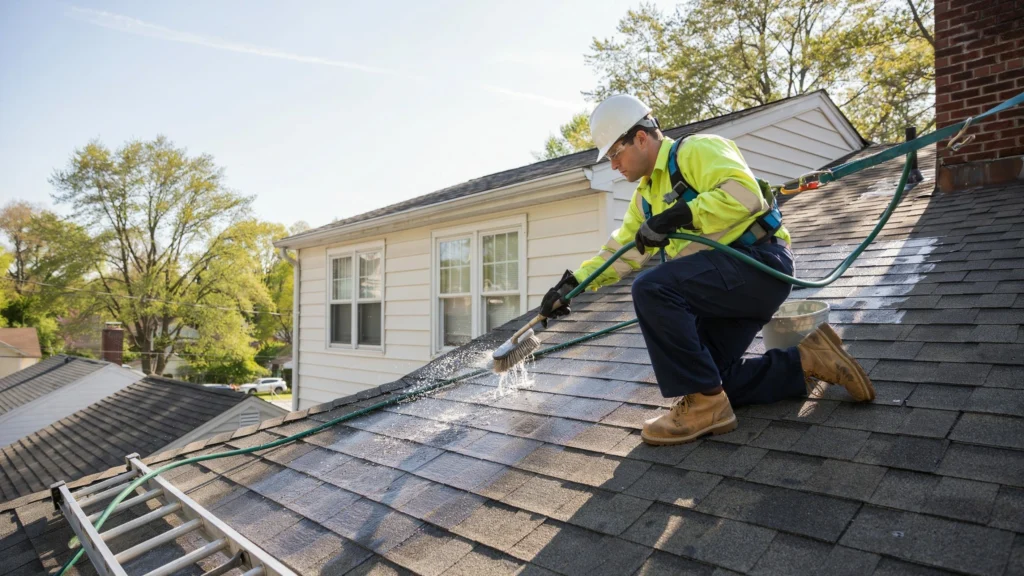
Keeping the roof in good condition is the key to protecting a house. To be sure, many homeowners pay attention to gutters, siding, and landscaping, but they neglect the roof until problems become obvious. Over time, dirt, algae, moss, lichen, leaves, and other debris can build up, compromising not only the appearance but also the roof’s performance. And so now we have many homeowners asking us, “When is the best time to clean a roof?” When you clean your roof, it’s pretty significant for getting the best results. Cleaning at the best time helps remove contaminants more thoroughly, preserves roof materials, and increases safety. After learning this knowledge, it can help any home stay strong and have a good looking roof. Why Roof Cleaning Is Important A roof is always under the influence of the outdoors. Rain, wind, sun, pollen, leaves, and other debris mixed with dirt: a layer of grime forms on roofs. Regular cleaning of the roof prevents moisture from being trapped under its surface, and it also keeps the roof clear of algae, moss, and mildew. It also enhances the curb appeal of the house and elevates the lifespan of roofing materials. Proper care catches the minor problems, and the same are solved before they get blown out of proportion and become major, costly problems. For homeowners in the area, our services of roof cleaning in Pleasanton, CA is here to help you stay ahead of those issues before they turn expensive. What Is the Best Time to Clean a Roof? Weather patterns, climate, and roof condition all play a part in this question. In general, mild weather is best, and this makes roof cleaning safe and effective. Heat, freezing temperatures, heavy rain, and strong winds can hinder roof cleaning and can be dangerous. Most roofers advise that you arrange for roof cleaning in the warm or cool season when the temperature is in a moderate range, and the weather is not too uncertain. At VJ Pressure Washing, we recommend scheduling your roof cleaning during spring or fall for the best and safest results. Best Season for Roof Cleaning A lot of homeowners ask what the best time to clean a roof is. Spring and fall often provide the ideal conditions to clean a roof because the weather is neither too hot nor too cold, and there are usually enough mild days in a row. Cleaning agents do their job in these seasons without being hastened by the sun or slowed down by the cold. Selecting the right time to clean your roof can lead to better cleaning results and less chance of damage to your roof. Spring Roof Cleaning Benefits Spring is usually considered the best time for roof cleaning in most areas. Winter storms tend to pack the dirt and debris along with moisture conducive to the growth of algae and moss. Spring roof cleaning helps restore its clean look and gets it ready for the summer heat. Because spring weather is generally moderate, it is often simpler and safer to perform work on the roof during this time. Fall Roof Cleaning Advantages For many homeowners, fall is another great season for roof cleaning. Leaves, twigs, and other organic material get deposited on roofs in autumn. Cleaning off these materials can help prevent moisture and drainage problems in the winter. Fall cleaning, with its inspection and cleaning, can help a homeowner catch a roof problem before inclement weather arrives. When Should You Clean Your Roof? It depends on various factors like the climate in your region, vegetation around your home, and what you see in the way of contamination. In general, you can answer “when should you clean your roof” by looking for algae stains, moss, accumulated debris, or discoloration. These are all signs that it’s time to clean. Routine examinations enable you to pinpoint the best time to perform upkeep. Roof Cleaning Weather Conditions Proper weather conditions should be dry for good cleaning efficiency. Dry weather and mild temperatures are usually the best. During heavy rain, you are creating a sliding risk, which can cause falls or slips off the roof. Good weather conditions are crucial for cleaning solutions to do their job without being washed off too soon. This is why fall, when the weather turns cool and dry, is often ideal. Watching the weather forecasts before booking a roof cleaning job is always a good idea. Avoid Cleaning During Extreme Heat High temperatures in summer can make for difficult roof cleaning conditions. Cleaning solutions may dry too rapidly and become less effective, leaving streaks. Moreover, a hot roof is uncomfortable and possibly dangerous to work on. Selecting cooler times of the day aids in both safety and cleaning efficacy. Avoid Roof Cleaning During Rain Rainy weather makes for bad roof cleaning conditions. Wet surfaces are slick and dangerous underfoot. Rain can also dilute detergents and diminish their effectiveness. In order to get the best results, always clean your roof in dry weather. How Often Should a Roof Be Cleaned? Though cleaning rates depend on region and roof style, in general it is suggested to clean once every 1 to 3 years. How soon your roof needs cleaning depends on factors like humidity, tree cover, and weather patterns in your area. Periodic inspections can help establish how often each home needs to be cleaned. Conclusion So, when is the best time to clean a roof? Spring and fall are the best times to do roof work in most situations. These seasons bring just the right temperatures and weather conditions for roof cleaning without risking your health and getting the job done right. Removing debris, algae, and other contaminants that accumulate on roofs minimizes long-term damage. Understanding when to clean your roof allows homeowners to fix issues at an early stage and keep the exterior of their property presentable. Regular reviews also establish how often a roof should be cleaned, allowing for upkeep as necessary. With just a little foresight, homeowners can enjoy a
How Many Litres of Water Does a Pressure Washer Use?
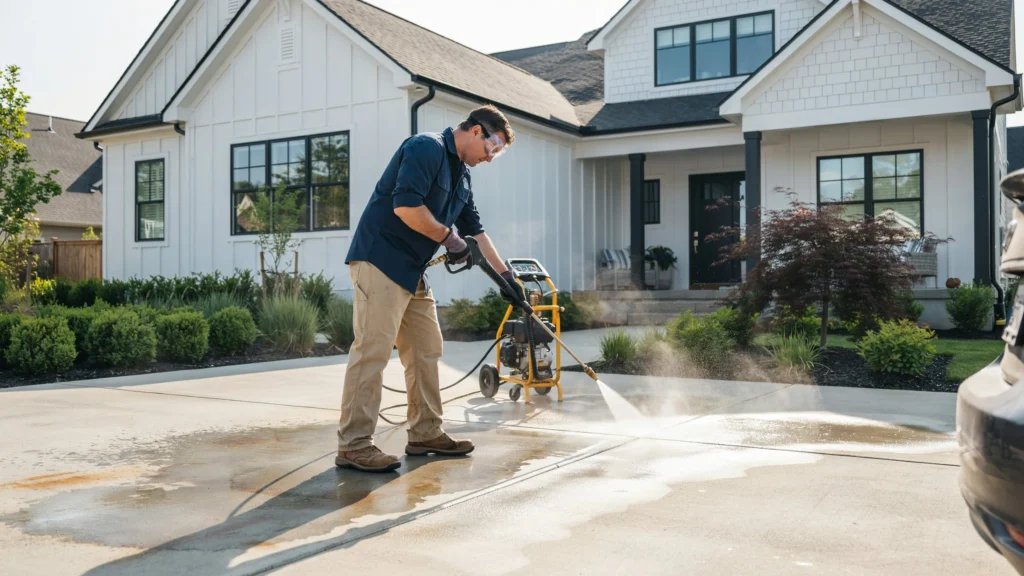
Pressure washers are the best way to clean driveways, patios, decks, cars, siding, and a million things outdoors. They remove dirt, grime, mold, and stains at a pace that is far superior to traditional rubbing and scrubbing with their high-pressure water jets. However, many household or business owners are wondering: how much water does a pressure washer use? This depends on several factors, such as the type of pressure washer you have, the flow rate, what you’re cleaning, and how long you run it. Knowing how much water a Pressure washer uses per minute can be invaluable information for users in making decisions regarding water consumption, efficiency, and operational costs. Understanding Pressure Washer Water Usage How much water does a pressure washer use? Before we get the answer, you should understand how pressure washers work. If you are looking for professional driveway power washing services in Tracy, CA (driveway power washing services tracy ca) our team has the expertise and equipment to get the job done efficiently while keeping water usage to a minimum. Pressure washers use a motor or engine to pressurize the water and force it through a small orifice at high pressure. The pressure is high, but the total water consumption is usually much lower than what people anticipate. Water consumption of pressure washers is generally expressed in litres per minute (L/min) or gallons per minute (GPM). It is this flow rate which determines the water used in a cleaning job. Average Pressure Washer Water Consumption Flow Rate The most crucial aspect when you answer How much water does a pressure washer use? is the flow rate of the machine itself. The water consumption of most residential pressure washers is between 6 and 12 litres per minute. Commercial and industrial units can consume as much as 15 to 30 litres per minute and beyond that. Typical Pressure Washer Water Usage includes: Small electric units: 6-8 l/min Medium home models: 8-12 l/min Professional units: 12-20 litres per minute Industrial units: 20-30+ l/min This gives you an idea of how much water certain equipment will make you use. How Much Water Does Pressure Washing Use per Hour? Many people like to be able to see how much water they are using at the hour level. Calculating the amount of water pressure washing uses is just the flow rate multiplied by 60 minutes. For example: 8 litres per minute = 480 litres per hour 10 litres par minute = 600 litres par heure 15 litres par minute = 900 litres par heure 20 litres par minute = 1 200 litres par heure Water consumption of airless painting machines: How much water is needed in airless painting machines? The duration for which the pressure washer is running determines how long the actual consumption lasts. Water Usage of Pressure Washers One “myth” is that pressure washers use too much water. Pressure washers may use less water than a garden hose. Many garden hoses consume 15 to 25 liters of water per minute. A pressure washer may be more effective at cleaning and use only 8 to 12 liters per minute, whereas a hose consumes 15 to 25. This leads to faster cleaning, with potentially less water consumption. Since water conservation is a concern, pressure washers often clean a surface more quickly with less water than a standard hose. Pressure Washing Water Efficiency One of the reasons pressure washers are so popular is their amazing Efficiency of water Pressure washing. Since the water is delivered at high pressure, it can dislodge dirt and debris much faster without the need for excessive amounts of water. Better Pressure washing water efficiency also means users can finish cleaning jobs sooner – and use less water overall. This marriage of power and conservation makes pressure washing a viable cleaning option for home-based as well as office or retail applications. Why Pressure Washing Water Efficiency Matters Water conservation is now of great concern all over the world. Increasing Pressure washing Water efficiency enables homeowners and businesses to lessen their environmental impact. At VJ Pressure Washing, we are committed to delivering powerful cleaning results while keeping water usage as low as possible, helping both homeowners and businesses in Tracy, CA do their part for the environment. Effective cleaning products and methods also reduce water and energy use as well as associated utility costs, and they promote the sustainable maintenance of building grounds. Using water-efficient equipment is good for the user and good for the environment. Factors Affecting Pressure Washer Water Consumption Water consumption by pressure washers depends on several things. These are: Machine size Pressure rating Flow rate Nozzle selection Cleaning surface Duration of operation With this knowledge, users can make better estimations of water needs. 1. Electric Pressure Washers Electric pressure washers are more often designed for household use and requirements. As for How Much Water Does Pressure Washing Use, electric models are usually the most water-efficient type. The majority of electric models have a flow rate of 6 to 10L per min, which makes them perfect for small to medium cleaning tasks. Lower flow rates also mean better Pressure washing water efficiency. Gas Pressure Washers Pressure washers that run on gas are usually more powerful than those that run on electricity. The Flow rate of pressure washers in this range is usually between 10 and 20 litres per minute. These units are designed for bigger cleaning jobs and may actually consume more water compared to smaller residential units. That said, they do tend to work faster because they clean better. Conclusion So how many litres of water does a pressure washer consume? This depends on the type of equipment, its flow rate, and the job that is being done. Most home pressure washers draw between 6 and 12 litres of water per minute, with larger models capable of using considerably more. The truth is that the water consumption for pressure washers is usually less than what some people anticipate, particularly when compared with regular garden hoses.