

How to Clean Gutters From the Ground | A Homeowner’s Guide
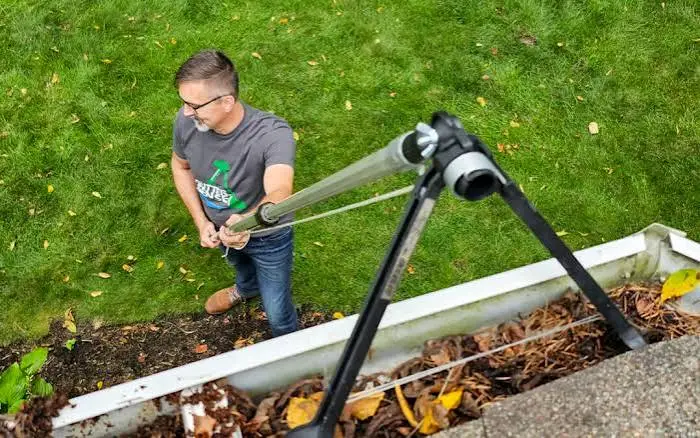
Cleaning gutters is an important part of home maintenance, but climbing a ladder to remove leaves and debris can be risky. Fortunately, several tools allow homeowners to clean many gutters while standing safely on the ground. Telescopic cleaning poles, gutter vacuums, and suitable hose attachments can help remove loose debris without requiring access to the roof. If you are wondering how to clean gutters from the ground, the best method depends on your home’s height, the type of debris in the gutters, and whether the downspouts are draining correctly. Some blockages are easy to remove with an extension tool, while compacted debris and hidden drain problems may require professional attention. This guide explains how to choose the right equipment, clean rain gutters from ground level, identify drainage problems, and determine when DIY cleaning is no longer enough. Can You Clean Gutters From the Ground? Yes, you can clean many residential gutters from the ground using specialized extension tools. These tools allow you to reach the gutter channel from below without climbing onto a ladder or walking on the roof. However, ground-level cleaning has limitations. A telescopic pole may remove loose leaves from an accessible gutter, but it might not reach compacted debris in a deep channel or clear a blockage inside a downspout. The height and design of the house also matter. Single-story homes are often easier to clean from the ground than taller properties. If the gutters are unusually high, difficult to reach, or heavily blocked, a professional assessment may be the better option. The goal is not simply to remove visible leaves. It is to make sure the gutters can collect rainwater and direct it toward the appropriate drainage system. Tools Needed for Cleaning Gutters From the Ground Before starting, choose a tool designed for the type of gutter and debris you need to remove. Using unsuitable equipment can make the job harder or damage the gutter system. 1. Telescopic Gutter Cleaning Pole A telescopic pole extends upward and holds a compatible brush, scoop, or curved gutter-cleaning attachment. Some designs allow you to reach into the gutter and pull loose leaves toward an accessible edge. This option can work well when the gutters contain dry leaves, small twigs, and other loose debris. It also gives you some control over where the material falls. Choose a pole long enough to reach the gutter comfortably from the ground. A pole that is too short may encourage you to stand on steps or lean into an unstable position, defeating the purpose of ground-level cleaning. 2. Gutter Vacuum With Extension Tubes A gutter vacuum uses suction to remove leaves and other debris through a long extension system. Depending on the equipment, it may be suitable for gutters that are difficult to access with a brush. Some systems are designed specifically for gutter cleaning and include curved attachments to reach into the channel. Check the equipment’s instructions before using it on wet leaves or compacted debris. Not every vacuum can safely handle heavy, damp material, and attempting to remove unsuitable debris may clog or damage the equipment. 3. Garden Hose With a Gutter Attachment Some gutter-cleaning attachments connect to a garden hose and direct water into the gutter from the ground. They can help move loose dirt and rinse certain types of residue toward an accessible outlet. However, water alone may not remove compacted leaves, thick mud, or established blockages. Before using a hose attachment, make sure the gutter and downspout can handle the water flow. Avoid high-pressure attachments unless the gutter manufacturer and equipment instructions specifically permit their use. Excessive pressure can damage joints, dislodge components, or force water into areas where it should not enter. 4. Protective Equipment Wear eye protection, sturdy footwear, and clothing suitable for the job. Leaves, grit, insects, and dirty water can fall toward you while cleaning. Keep children and pets away from the work area. Before extending a pole or hose, check for overhead electrical lines, unstable ground, nearby windows, and other obstacles. How to Clean Gutters From the Ground Step by Step A methodical approach helps you remove debris while reducing the need for repeated passes. Step 1: Inspect the Gutters From the Ground Walk around the property and look at the gutters from a safe position. Identify areas where leaves have accumulated, where plants appear to be growing, or where the gutter looks unusually heavy or distorted. Check the ground below the gutters for fallen debris and signs of overflowing water, such as staining or erosion. These observations can help you identify sections that need attention. You may also use binoculars or a camera with a zoom function to inspect difficult-to-see areas. Do not assume a gutter is clear simply because you cannot see debris from below. If a gutter appears detached, badly bent, or unstable, do not attempt to push or pull it with an extension pole. Step 2: Choose the Right Cleaning Method Select your tool according to the debris you have identified. For loose, dry leaves, a telescopic pole or suitable gutter vacuum may be sufficient. For light dirt that can safely be rinsed away, a compatible hose attachment may help. If you suspect that the gutter contains thick mud, wet compacted leaves, or a blockage near the downspout opening, be more cautious. These conditions may be difficult to resolve from the ground. Read the tool instructions and confirm that the attachment is appropriate for your gutter material. Vinyl, aluminum, and other gutter systems may respond differently to force or pressure. Step 3: Remove Loose Leaves and Debris Position yourself on stable, level ground. Extend the tool gradually until its attachment reaches the gutter channel. If you are using a pole, work gently and pull loose leaves toward a suitable collection area. Avoid forcing the attachment against the gutter’s edges, hangers, seams, or brackets. If you are using a gutter vacuum, move the nozzle according to the manufacturer’s instructions and avoid forcing large clumps into a narrow opening. Work along
What Is Gutter Cleaning? | A Complete Guide for Homeowners
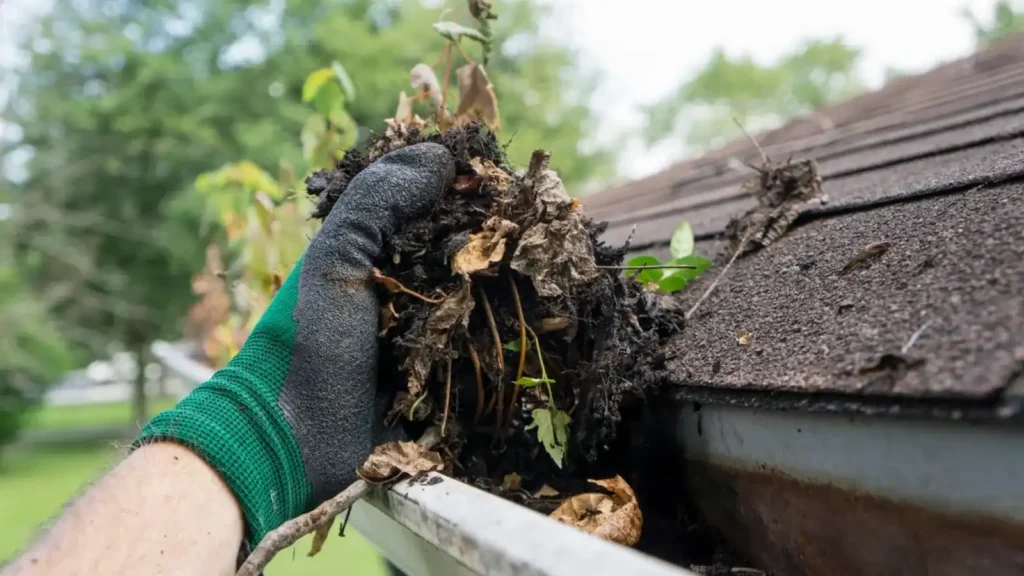
Gutters play an important role in protecting your home from rainwater. They collect water flowing off the roof and direct it away from exterior walls, walkways, and the foundation. However, leaves, twigs, dirt, and other debris can build up inside gutters over time. When this happens, water may overflow instead of draining properly. Regular maintenance helps keep the drainage system working as intended. What Is Gutter Cleaning? Gutter cleaning is the process of removing leaves, dirt, twigs, and other debris from gutters and downspouts so rainwater can flow freely. It may also include checking for blockages, loose brackets, leaks, and drainage problems. Understanding how the process works helps homeowners recognize when their gutters need attention and decide whether to clean them themselves or hire a professional. What Is Gutter Cleaning? Gutter cleaning involves clearing the channels attached to the edges of a roof and checking that water can move through the downspouts. These channels collect rainwater and carry it toward a safe drainage point away from the property. Over time, gutters can collect more than fallen leaves. Roof granules, seed pods, pine needles, small branches, dirt, and even bird nests can restrict water flow. Wet debris may also become heavy and place extra strain on gutter brackets. The gutter cleaning meaning is simple: remove the material that blocks the drainage system and check that water can move through it properly. Cleaning does not automatically repair damaged gutters, replace loose fasteners, or fix poor drainage. Those issues may need separate attention. For example, imagine that water spills over the front of your gutters during heavy rain, even though the roof itself appears to be in good condition. A blockage could be preventing water from reaching the downspout. Clearing the debris and checking the drainage path can help identify the problem. What Does Gutter Cleaning Include? A proper gutter cleaning job should address the main parts of the rainwater drainage system, not just the leaves visible from the ground. 1. Removing Leaves and Debris The first step is to remove loose material from the gutter channels. This may include leaves, twigs, dirt, roof granules, and other debris. Clearing this material creates room for rainwater to flow. It also allows the cleaner to inspect the gutter more closely for damage or buildup that could cause future problems. 2. Checking the Downspouts Downspouts carry water from the gutters toward the ground or a connected drainage system. A blockage inside a downspout can prevent water from leaving the gutter, even when the channel itself is clear. A complete cleaning should include checking for restricted flow. Depending on the blockage, the downspout may need to be flushed or cleared using suitable tools. 3. Checking for Visible Damage During cleaning, it is useful to look for sagging sections, loose brackets, leaking joints, rust, cracks, and sections pulling away from the fascia board. These problems can affect drainage even after debris has been removed. Cleaning can reveal damage, but repairs may require a separate service. 4. Checking Where Water Drains After cleaning, check that water can move through the system and discharge at the intended location. Water should not collect against the home’s foundation or flow toward areas where it may cause damage. This final check helps distinguish a simple blockage from a wider drainage problem. Why Is Gutter Cleaning Important? Gutter cleaning helps maintain the path that carries rainwater away from your home. When that path becomes blocked, water can spill over the gutter edges or collect in places where it should not. Here are some of the main reasons to keep gutters clear. It Helps Protect the Roof Edge When gutters remain clogged, water can back up or overflow near the roofline. Repeated exposure to moisture may damage fascia boards, soffits, and nearby exterior materials. In cold climates, trapped water may also contribute to ice buildup during freezing conditions. The exact risk depends on the climate, roof design, and drainage system. It Helps Reduce Foundation Water Problems Gutters and downspouts are designed to move rainwater away from the building. If a downspout is blocked or discharges too close to the house, water may collect around the foundation. Repeated pooling can contribute to damp conditions and may worsen existing drainage problems. Keeping gutters clear and checking where downspout water goes are both important parts of home maintenance. It Helps Prevent Wall Stains and Moisture Damage Overflowing water can run down siding, brickwork, or exterior walls. Over time, this may leave stains and keep certain areas damp. If water regularly spills over one section of a gutter, look for a blockage, a sagging section, or a drainage issue rather than assuming that cleaning alone will solve every problem. It Reduces Excess Weight in Gutters Wet leaves, compacted dirt, and standing water can add weight to a gutter system. If the brackets are already loose or damaged, this extra load may contribute to sagging or separation from the roof edge. Removing debris helps reduce this unnecessary strain. What Are the Signs That Gutters Need Cleaning? You do not always need to climb a ladder to recognize possible gutter problems. Some warning signs are visible from the ground or become clear during rainfall. Watch for these signs: Water spilling over the edges: Gutters may be blocked or unable to handle the flow because of a drainage problem. Plants growing in gutters: Seeds can take root where dirt and moisture have collected. Visible leaves or twigs: Debris sticking out of the gutter may indicate a larger buildup inside. Sagging gutter sections: Heavy debris, loose brackets, or damaged supports may be responsible. Water stains on exterior walls: Overflowing gutters or leaking joints can leave visible marks. Water pooling near the foundation: Downspouts may be blocked, disconnected, or discharging too close to the house. Birds or pests gathering near the roofline: Accumulated debris or nesting material may be attracting them. One sign does not always prove that a gutter is clogged. For example, overflowing water may also result from poor gutter alignment