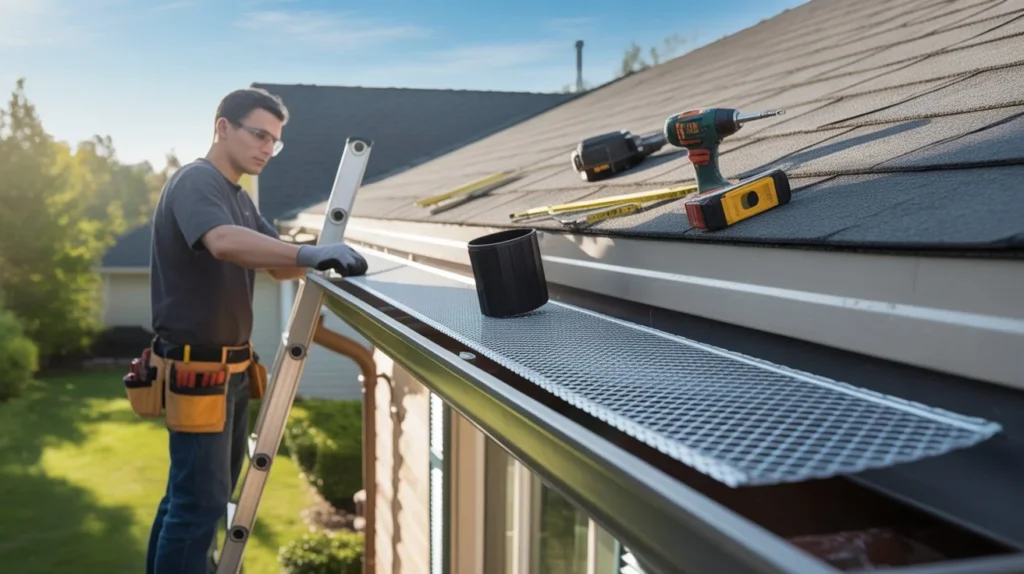
Clogged gutters cause water damage, roof leaks, and costly repairs. Gutter guards stop leaves and debris from blocking water flow. With the right tools and steps, most homeowners can handle this task and protect their home for years.
If you want a simple and proven method, this guide on How to Install Gutter Guards walks you through each step in plain terms so you can do it right the first time.
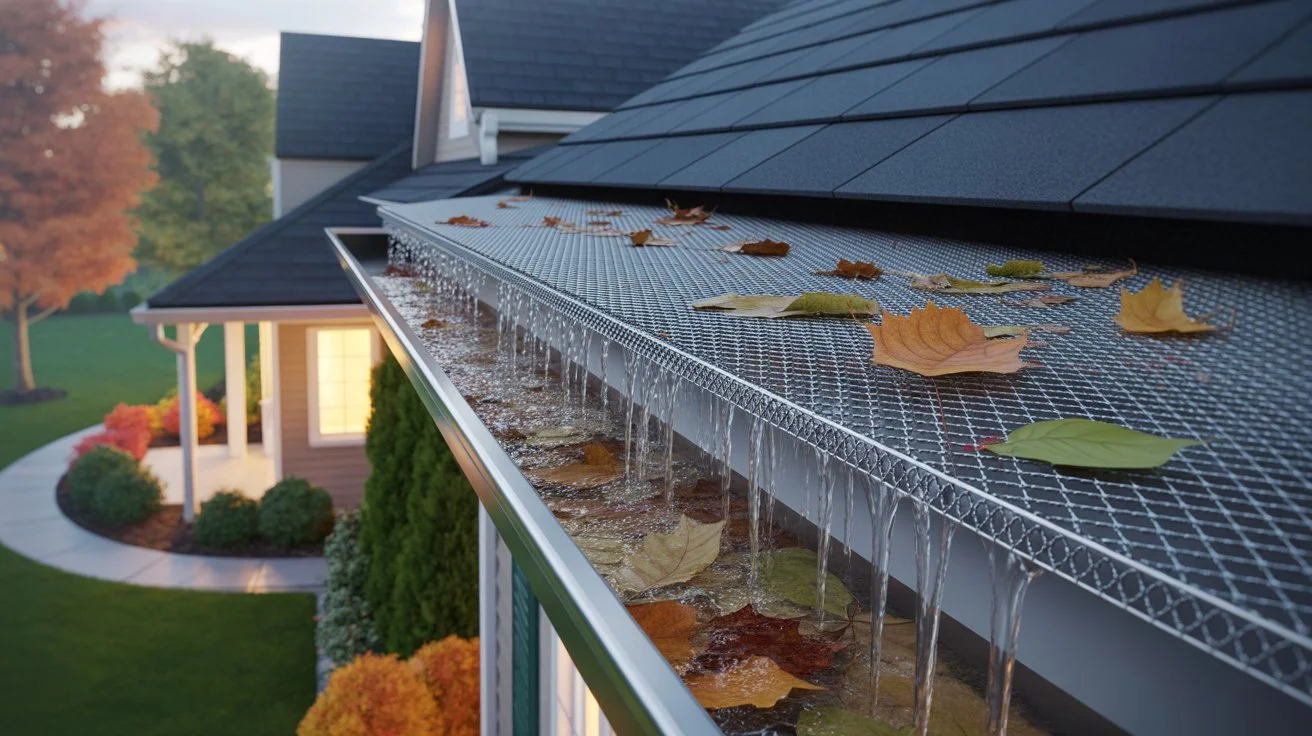
Gutter guards are covers that sit on top of your gutters. They block debris but let water pass through. This keeps your gutter system clean and working well.
They reduce the need for frequent cleaning. They also help prevent pests, rust, and overflow issues. Many homeowners choose gutter guard installation to save time and protect their property.
Types of Gutter Guards
1. Mesh Gutter Guards
Mesh gutter guards use a fine metal or plastic layer that blocks even the smallest debris. They are a strong choice for homes surrounded by trees or areas with heavy leaf fall. These guards are known for their durability and long life. When installed properly, they offer one of the most effective solutions for keeping gutters clear.
2. Screen Gutter Guards
Screen gutter guards have larger openings compared to mesh systems. They are simple to install and are often chosen by homeowners looking for a budget-friendly option. While they do a decent job at blocking larger debris, smaller particles can still get through, which means you may need to clean your gutters more often.
3. Reverse Curve Guards
Reverse curve guards work by directing water over a curved surface and into the gutter while pushing leaves and debris off the edge. This design performs well during heavy rain and can handle strong water flow. However, they must be installed at the correct angle to function properly, which makes careful setup very important.
4. Foam Gutter Guards
Foam gutter guards sit inside the gutter and allow water to pass through while blocking debris on top. They are quick and easy to install, making them a popular DIY option. Over time, though, dirt and small particles can build up inside the foam, which may reduce their effectiveness and require cleaning or replacement.
5. Brush Gutter Guards
Brush gutter guards look like large pipe cleaners placed inside the gutter. They catch leaves and debris while letting water flow through. These are one of the easiest options for DIY installation. However, they need regular maintenance since debris can get stuck in the bristles and build up over time.
Tools and Materials Needed
Before you start, gather these items:
- Sturdy ladder
- Work gloves
- Measuring tape
- Drill or screwdriver
- Gutter guards (your chosen type)
- Screws or clips
- Garden hose
Having everything ready saves time and avoids mistakes.
Preparation Before Installation
Clean Your Gutters
Start by removing all leaves, dirt, and debris from your gutters. You can use a scoop, gloves, or even a small garden tool. Once cleared, rinse the gutters with water to wash away fine particles. A clean surface helps the guards sit properly and improves overall performance. This step is essential before installing gutter guards to avoid trapping debris underneath.
Inspect for Damage
Take a close look at your gutter system. Check for cracks, rust spots, holes, or sections that are pulling away from the roof. Even small damage can lead to leaks later. Repair or replace any weak areas before moving forward. A strong and stable gutter system is the base of a successful gutter guard installation.
Check Water Flow
Use a garden hose to run water through the gutters. Watch how it flows toward the downspouts. If water pools in certain spots or drains slowly, there may be a slope issue or blockage. Fix these problems now so your system works efficiently after you install gutter guards.
Secure Loose Parts
Inspect all brackets, hangers, and fasteners along the gutter. Tighten any loose screws and make sure each section is firmly attached to the fascia board. Loose gutters can shift over time, which affects how well the guards perform. A secure setup ensures long-term results and a smoother installation process.
Good prep work is key to successful gutter cover installation.
Step-by-Step Guide: How to Install Gutter Guards
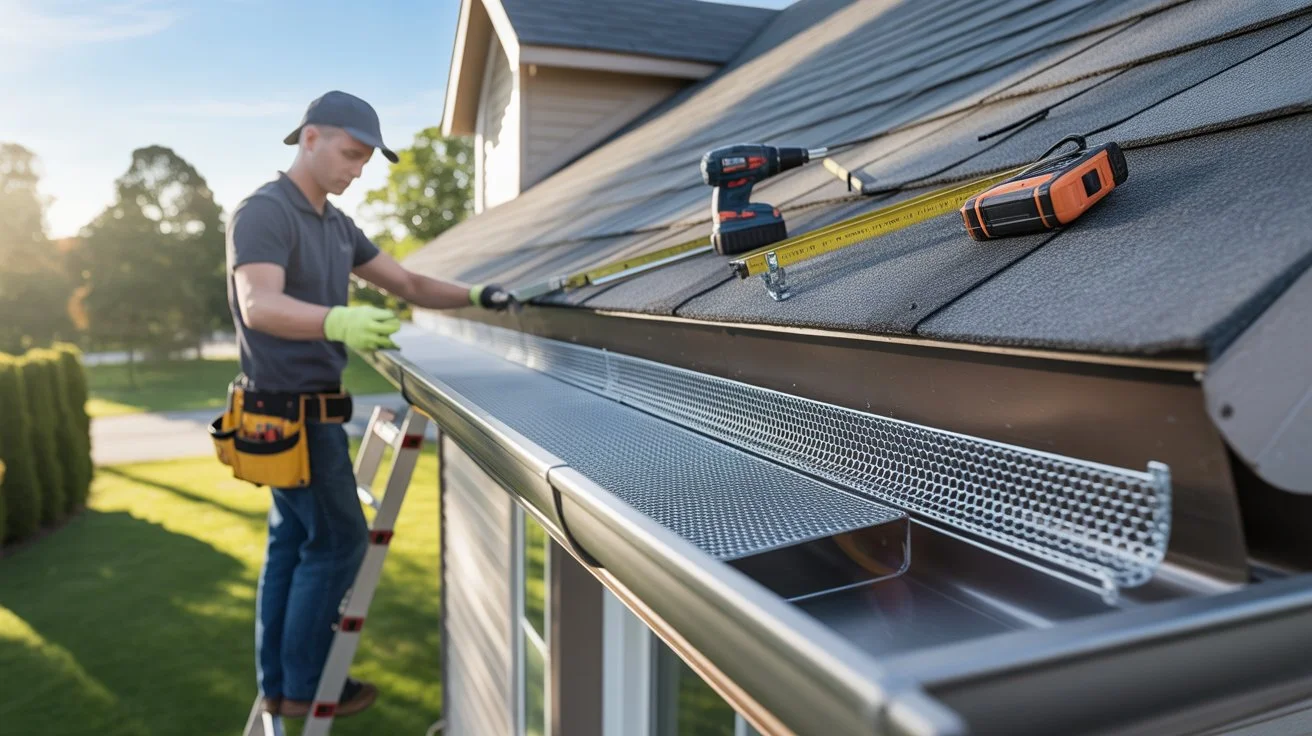
Step 1: Measure Your Gutters
Start by measuring the full length of your gutter system. Use a measuring tape and note each section, including corners and downspout areas. Accurate measurements help you avoid waste and ensure a tight fit.
If your gutters have different sections or angles, measure each part separately. This step is very important when installing gutter guards, as even small errors can lead to gaps where debris can enter.
Step 2: Cut the Guards
Once you have your measurements, cut the gutter guards to match each section. Use tin snips or a suitable cutting tool based on the material.
Make clean, straight cuts to avoid sharp edges or uneven ends. When working around corners or joints, cut carefully so the pieces fit snugly together. A proper cut makes the entire gutter guard installation look neat and work better over time.
Step 3: Position the Guards
Now place the guards onto the gutters. Depending on the type, they may sit on top, snap into place, or slide inside the gutter.
Make sure each section lies flat and lines up with the gutter edge. Check that there are no bends or raised areas. Poor positioning can block water flow or allow debris to slip through. Take your time here, as correct placement is key when you install gutter guards.
Step 4: Secure the Guards
After positioning, secure each guard using screws, clips, or built-in locking systems. Follow the instructions provided with your product.
Space the fasteners evenly to keep the guards stable. Do not overtighten screws, as this can damage the material. At the same time, avoid leaving them loose. A secure fit prevents guards from shifting during strong winds or heavy rain.
Step 5: Check Shingle Placement
Some gutter covers are designed to slide under the first row of roof shingles. If your system works this way, gently lift the shingles just enough to insert the guard.
Be careful not to damage or bend the shingles too much. Improper handling can lead to roof leaks. This step is often overlooked in gutter cover installation, but it plays a big role in directing water properly into the gutter.
Step 6: Test with Water
After installing all sections, test the system using a garden hose. Run water along the roof and watch how it flows into the gutters. Check for any overflow, leaks, or areas where water does not enter properly. This test helps you spot issues early. Adjust any misaligned sections before moving on.
Step 7: Final Inspection
Finish by doing a full inspection of your work. Look for loose sections, gaps, or uneven areas. Press down on each guard to ensure it is firmly in place. Walk around your home and check from different angles. A final inspection ensures your gutter guard installation is complete and ready to handle rain and debris.
If you prefer expert help, you can always connect with VJ Pressure Washing or explore services like best gutter guard installers tracy ca for reliable results and long-term protection.
Following these steps will help you install gutter guards correctly and avoid future issues.
Safety Tips During Installation
- Use a stable ladder on flat ground
- Never lean too far to one side
- Wear gloves to protect your hands
- Avoid working in rain or strong wind
- Ask someone to hold the ladder
Safety should always come first during gutter guard installation.
Common Mistakes to Avoid
Skipping Cleaning
One of the biggest mistakes is installing gutter guards over dirty gutters. Leaves, dirt, and small debris can block water flow even after the guards are in place. Before installing gutter guards, always clean the gutters fully. Remove all buildup and flush them with water. This ensures the system works properly from day one and prevents hidden clogs.
Choosing the Wrong Type
Not all gutter guards are the same. Some work better in areas with heavy rain, while others are designed for dry climates or light debris. If you choose the wrong type, you may still face clogging issues. For example, large screen guards may not stop small debris like pine needles. Always match the guard type to your environment and roof design for better results.
Poor Alignment
Improper placement is another common issue. If the guards are not aligned correctly, gaps can form along the edges. These gaps allow leaves and debris to enter the gutter. Over time, this reduces the effectiveness of your gutter guard installation. Make sure each section sits flat and lines up evenly with the gutter edge.
Loose Fastening
If the guards are not secured properly, they can shift or come off during strong winds or storms.
Use the correct screws, clips, or fasteners for your system. Check each section after installation to confirm it is firmly in place. A secure fit is key when you install gutter guards that last.
Ignoring Roof Angle
Your roof’s slope plays a big role in how water flows into the gutters. If the guards are not installed at the correct angle, water may flow over the edge instead of entering the gutter. This can lead to overflow and water damage around your home. Always check the slope and position the guards so water flows smoothly into the system.
Avoiding these mistakes ensures your install gutter guards project lasts longer.
Maintenance Tips After Installation
Even the best guards need some care.
- Inspect gutters twice a year
- Remove small debris buildup
- Check after heavy storms
- Rinse with water if needed
Regular care keeps your gutter system working at its best.
DIY vs Professional Installation
DIY Installation
DIY installation is a good option if you want to save money and have a simple gutter system. The main benefit is the lower cost since you only pay for materials. Many gutter guard types are designed for easy setup, so homeowners can handle the job with basic tools.
However, it does require time and effort. You need to measure, cut, and secure everything properly. Working on a ladder also comes with some risk. If you make mistakes during installing gutter guards, it can lead to poor performance or future repairs.
Professional Installation
Professional installation is a better choice for complex roofs or multi-story homes. Experts from VJ Pressure Washing can complete the job faster and with greater precision. They understand proper angles, secure fitting, and how to handle different guard types for long-lasting results.
While the upfront cost is higher, it often saves time and reduces the chance of errors. A professional gutter guard installation by VJ Pressure Washing also gives peace of mind, especially if your home has tricky rooflines or drainage issues.
If you are unsure, hiring experts can save time and prevent costly errors.
Cost of Installing Gutter Guards
Costs depend on material and labor:
- Basic guards: $3–$6 per foot
- Premium systems: $8–$20 per foot
- Labor: $2–$5 per foot
DIY projects cost less but require effort. Professional gutter guard installation offers peace of mind.
Conclusion
Learning How to Install Gutter Guards is a smart step for any homeowner. With proper tools, preparation, and attention to detail, you can complete the job with confidence. If you follow the steps above and maintain your system, your gutters will stay clean and functional for years. Whether you choose DIY or professional help, the goal is the same: protect your home and avoid costly repairs.
If you want expert results without the hassle, contact us at VJ Pressure Washing today. Our team is ready to help you with reliable gutter solutions that keep your home safe and protected year-round.
FAQs
Do gutter guards eliminate cleaning completely?
No, gutter guards do not eliminate cleaning completely. They reduce how often you need to clean your gutters, but some debris like dirt and small particles can still build up over time. Occasional inspection and light cleaning are still needed to keep the system working properly.
How long do gutter guards last?
Most gutter guards last between 5 to 20 years, depending on the material and quality. Metal guards like aluminum or stainless steel tend to last longer, while foam or plastic options may need replacement sooner. Regular maintenance can also extend their lifespan.
Can I install gutter guards myself?
Yes, many gutter guards are designed for DIY installation and can be installed with basic tools. Simple systems like foam or brush guards are especially easy to handle. However, more advanced systems may require extra care or professional help for the best results.
Do gutter guards work in heavy rain?
Yes, gutter guards can work well in heavy rain if they are installed correctly and suited to your roof type. High-quality designs allow water to flow smoothly into the gutters while keeping debris out. Poor installation or the wrong type may reduce their effectiveness.
Are gutter guards worth the investment?
Yes, gutter guards are a worthwhile investment for most homeowners. They help prevent clogs, reduce maintenance time, and protect your home from water damage. Over time, they can save money by reducing the need for frequent cleaning and repairs.