
Clean windows change how a place feels. They let in more light and make any space look fresh. But not every cleaner gives the same result. Some leave streaks. Some damage glass or frames. Others rush the job and miss corners.
What Is a Good Window Cleaner? A good one removes dirt, water marks, and grime without leaving streaks. They also protect your glass, frames, and seals during cleaning. This guide breaks down what really matters so you can choose the right service or do it yourself with confidence.
- What Is a Window Cleaner?
- Key Qualities of a Good Window Cleaner
- Tools a Good Window Cleaner Uses
- Best Cleaning Solutions Used by Professionals
- Signs of a Poor Window Cleaner
- Benefits of Hiring a Professional Window Cleaner
- How to Choose the Best Window Cleaner
- DIY Window Cleaning Tips
- Why Window Maintenance Matters
- Conclusion
- FAQs
What Is a Window Cleaner?
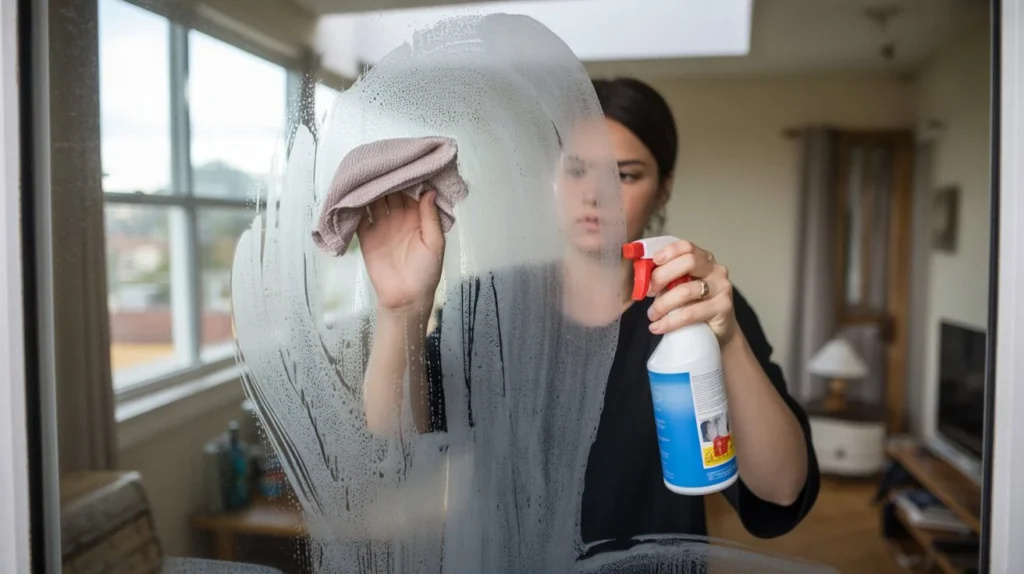
A window cleaner is a person or method used to clean glass surfaces. It removes dust, stains, bird marks, and water spots. It can be done by hand or with tools.
There are different types of window cleaning jobs. These include home windows, office glass, shop fronts, and tall building glass. This is known as types of window cleaning in the industry.
Some people do it themselves. Others hire trained workers. Professional cleaners like VJ Pressure Washing use better tools and safer methods. They also reach high or risky areas without damage.
Key Qualities of a Good Window Cleaner
A good cleaner does more than wipe glass. The result should look clear from every angle.
Here are the main qualities:
- Leaves no streaks or water lines
- Cleans edges and corners properly
- Uses safe pressure on glass
- Protects window frames and seals
- Works in a steady and careful way
- Shows up on time and finishes the job
A skilled cleaner also checks their work twice. Small details matter. Smudges in corners can ruin the final look.
When people ask whats a good window cleaner, the answer always comes down to results and care, not just speed.
Tools a Good Window Cleaner Uses
Good tools make cleaning faster and safer. Poor tools often cause streaks and scratches.
Common tools include:
- Squeegees for smooth water removal
- Microfiber cloths for drying edges
- Buckets with clean water
- Scrub pads for stuck dirt
- Extension poles for high windows
- Water-fed pole systems for tall buildings
Professional tools also reduce the need for ladders. This improves safety and speed.
A clean tool matters as much as skill. Dirty cloths can leave marks instead of removing them.
Best Cleaning Solutions Used by Professionals
The cleaning solution plays a big role in results. Some are mild. Some are strong. The wrong choice can damage glass or leave haze.
Most professionals use:
- Mild soap and water mix
- Vinegar-based solutions for light stains
- Pure water systems for spot-free cleaning
A common question is, window cleaner is acidic or basic. The answer depends on the solution. Vinegar is acidic. Soap-based cleaners are usually mild and slightly basic. Pure water is neutral and safest for glass.
Strong acidic or harsh chemicals are avoided on modern windows. They can damage coatings or seals over time.
Signs of a Poor Window Cleaner
Bad cleaning is easy to spot once you know what to look for.
Warning signs include:
- Visible streaks after drying
- Missed corners or edges
- Dirty water left on frames
- Scratched or foggy glass
- Rushed work with no detail
A poor cleaner often uses dirty tools or old clothes. They may also use too much pressure on glass.
If windows look worse after cleaning, the service is not done correctly.
Benefits of Hiring a Professional Window Cleaner
Hiring experts saves time and improves results. It also reduces risk, especially for tall or hard-to-reach windows.
A professional cleaner offers:
- Safer cleaning for high windows
- Better and longer-lasting shine
- No streaks or leftover marks
- Proper care of frames and seals
Businesses like VJ Pressure Washing also offer expert care for exterior glass. In many cases, customers looking for professional window cleaning Tracy CA want reliable, trained teams who understand both safety and detail work.
Professionals also bring insurance and proper tools. This reduces risk of damage or injury during cleaning.
How to Choose the Best Window Cleaner
Choosing the right cleaner is important for long-term results.
Look for:
- Real customer reviews
- Experience in different types of window cleaning
- Proper insurance coverage
- Clear pricing with no hidden costs
- Photos of past work
Ask simple questions before hiring:
- What tools do you use?
- How do you avoid streaks?
- Do you clean frames and edges?
A good service will answer clearly without confusion.
When people search What Is a Good Window Cleaner?, they often want a trusted checklist like this to avoid poor service.
DIY Window Cleaning Tips
You can clean windows at home with basic tools. But technique matters more than effort.
Follow these steps:
- Use clean water mixed with mild soap
- Wipe dust before adding water
- Clean top to bottom
- Use a squeegee in straight lines
- Dry edges with microfiber cloth
The best time to clean windows is early morning or late evening. Direct sun can dry soap too fast and leave marks.
Common mistakes:
- Using paper towels that leave lint
- Cleaning in hot sunlight
- Reusing dirty water
- Skipping corners
DIY cleaning works for small jobs. Large or high windows are better left to experts.
Why Window Maintenance Matters
Clean windows are not only about looks. They also protect glass life.
Dirt and minerals can build up over time. This causes etching on glass. Regular cleaning prevents long-term damage.
Clean windows also improve indoor light. This reduces the need for artificial lighting during the day.
For homes and businesses, it improves overall appearance. It also adds value when selling or renting property.
Conclusion
So, What Is a Good Window Cleaner? It is someone or something that delivers clear glass without damage or streaks. It should protect your windows, not harm them.
A good cleaner uses the right tools, safe solutions, and careful methods. They pay attention to detail and never rush the job. Whether you hire a professional or clean yourself, the goal is always the same. Clean, clear, and safe windows that last longer.
For reliable exterior care, companies like VJ Pressure Washing provide trusted solutions for homeowners and businesses who want consistent results. Contact us today for more details.
FAQs
What is the best way to clean windows without streaks?
Use a squeegee with a mild soap mix and dry edges with microfiber cloth.
What Is a Good Window Cleaner for home use?
A good cleaner removes dirt fully, leaves no streaks, and protects glass surfaces.
What are the types of window cleaning services?
Main types of window cleaning include residential, commercial, and high-rise cleaning.
Window cleaner is acidic or basic?
It depends on the solution. Vinegar is acidic, soap is mild, and pure water is neutral.
How often should windows be cleaned?
Homes need cleaning every 2–3 months. Businesses may need it more often.