
A clean driveway does more than improve curb appeal; it protects your home and prevents long-term damage. Dirt, oil, algae, and moss can degrade surfaces over time. Regular maintenance keeps your driveway safe, attractive, and functional.
How to Pressure Wash a Driveway? is simpler than many think. With the right tools, techniques, and safety measures, you can remove stubborn stains, restore your driveway’s appearance, and extend its lifespan. Whether you tackle it yourself or hire professionals, this guide provides practical, step-by-step advice to get the job done efficiently.
- Why Pressure Washing Your Driveway Matters
- Tools and Equipment Needed
- Step-by-Step Guide to Pressure Washing a Driveway
- Step 1 – Preparation
- Step 2 – Pre-Treat Stains
- Step 3 – Set Up Your Pressure Washer
- Step 4 – Pressure Washing
- Step 5 – Rinse and Inspect
- DIY vs Professional Pressure Washing
- Tips for Maintaining a Clean Driveway
- Safety Precautions
- Cost Considerations
- Conclusion
- FAQs
Why Pressure Washing Your Driveway Matters
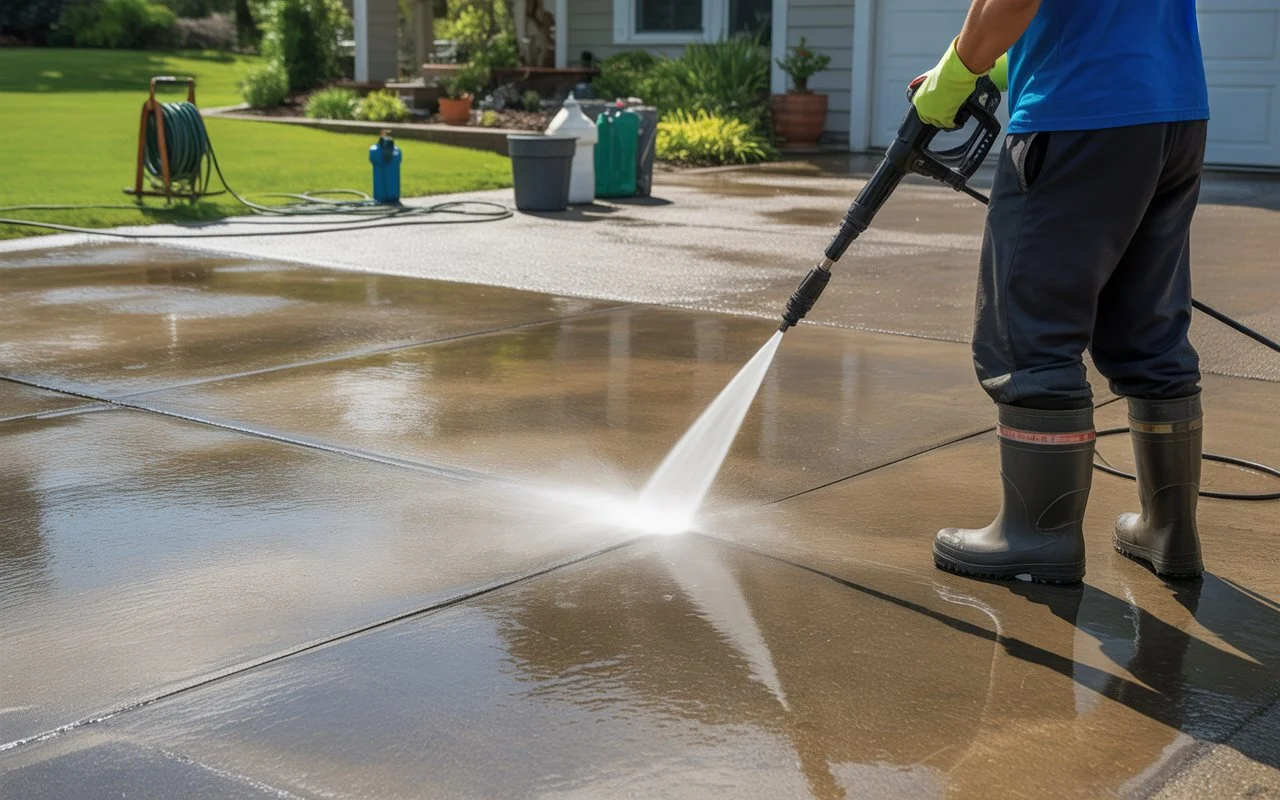
Driveway cleaning goes beyond appearance. Over time, dirt, algae, and oil create slippery, unsafe surfaces and can erode concrete, asphalt, or pavers. Pressure washing removes grime, prevents damage, and improves longevity. A well-maintained surface also enhances curb appeal and home value.
For homeowners seeking professional help, services like driveway washing service tracy ca by VJ Pressure Washing offer safe and effective solutions. Experts use the right pressure and detergents to remove tough stains while protecting your driveway from damage, saving you time and effort.
Tools and Equipment Needed
To pressure wash your driveway effectively, gather these essentials:
- A pressure washer suitable for your surface type
- Cleaning solutions or degreasers for oil, rust, or algae stains
- Brushes or brooms for scrubbing stubborn spots
- A garden hose power washer can be used for lighter cleaning
- Protective gear such as gloves, goggles, and boots
Having the right equipment ensures safety and efficiency while achieving a pressure washed driveway that looks clean and refreshed.
Step-by-Step Guide to Pressure Washing a Driveway
Step 1 – Preparation
Remove all vehicles, furniture, and debris from the driveway. Protect nearby landscaping, walls, and plants from water and cleaning solutions. A clear surface prevents accidents and allows thorough cleaning.
Step 2 – Pre-Treat Stains
Apply appropriate cleaning solutions to tough stains like oil, grease, or rust. Let the product sit for 5–10 minutes to break down grime. Pre-treatment ensures the pressure washer can remove stains more easily.
Step 3 – Set Up Your Pressure Washer
Choose the correct nozzle and PSI for your surface. Concrete can handle higher pressure, while asphalt needs gentler settings. Test a small section first. Maintain a safe distance to avoid damaging the driveway.
Step 4 – Pressure Washing
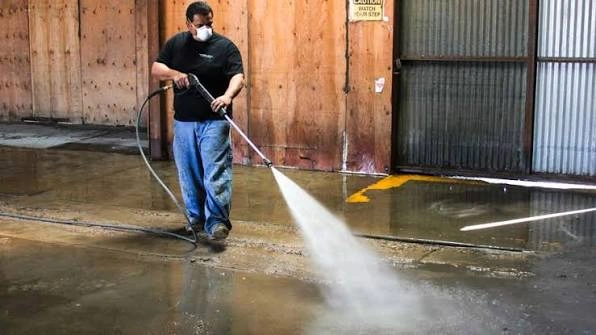
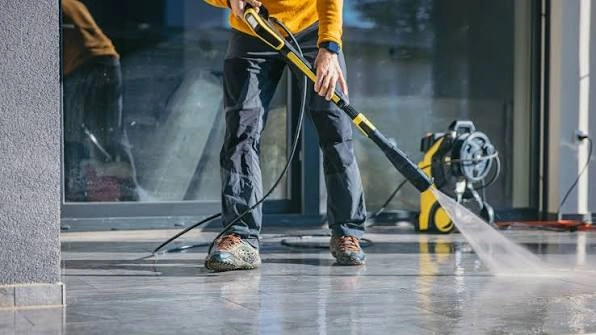
Work in sections for even coverage. Move the nozzle consistently in sweeping motions. Focus on stubborn stains while avoiding prolonged pressure in one spot. This method ensures the best results for pressure wash driveway projects.
Step 5 – Rinse and Inspect
Thoroughly rinse the driveway to remove all cleaning solution and debris. Inspect for remaining stains. Repeat washing or scrubbing if necessary. Allow the driveway to dry completely before use.
DIY vs Professional Pressure Washing
DIY driveway cleaning saves money but carries risks. Improper technique, incorrect pressure, or harsh chemicals can damage surfaces or cause injury. Small driveways and light stains may be suitable for DIY work.
Hiring professional driveway cleaning services like VJ Pressure Washing ensures safe, thorough results. Experts use proper tools, detergents, and techniques for a pressure washed driveway that lasts longer and avoids accidental damage. Professionals also save time and effort, especially for large or heavily stained driveways.
Tips for Maintaining a Clean Driveway
Regular upkeep reduces cleaning frequency and preserves your driveway:
- Sweep regularly to remove dirt and debris
- Seal driveway surfaces annually to prevent staining
- Address spills and stains immediately
- Trim overhanging branches to limit leaf and moss buildup
- Schedule periodic professional cleaning for a deep refresh
Safety Precautions
Pressure washing can be hazardous if done incorrectly:
- Wear gloves, goggles, and boots
- Keep children and pets away from the work area
- Avoid excessive pressure to prevent surface damage
- Follow manufacturer instructions for all equipment and cleaning products
Following safety measures ensures an effective and accident-free cleaning process.
Cost Considerations
The cost of pressure washing varies by driveway size, surface type, and stain severity. DIY costs are limited to equipment and cleaning solutions. Professional services like VJ Pressure Washing are higher upfront but provide efficient, thorough results and prevent costly mistakes. Investing in professional cleaning can save money in the long term by avoiding damage and extending the life of your driveway.
Conclusion
How to Pressure Wash a Driveway? requires the right approach, tools, and care. Whether you choose DIY methods or hire VJ Pressure Washing for professional service, the goal is a safe, clean, and long-lasting driveway. Regular maintenance keeps your driveway looking its best, prevents damage, and improves home curb appeal. For tough stains or large surfaces, contacting professionals ensures the most effective results.
Contact us today at VJ Pressure Washing to schedule expert driveway cleaning services and restore your driveway to pristine condition.
FAQs
How often should I pressure wash my driveway?
Most driveways benefit from pressure washing once or twice a year. However, if you notice stains from oil, algae, or dirt buildup, it’s best to clean sooner. Regular cleaning prevents long-term damage and keeps your driveway looking fresh.
What is the best way to pressure wash a driveway?
Start by selecting the correct PSI for your driveway surface. Work in small sections, pre-treat stubborn stains with a suitable cleaner, and use a consistent sweeping motion. Finish by thoroughly rinsing the driveway to remove all debris and cleaning solution.
Can pressure washing damage my driveway?
Yes, improper pressure or incorrect technique can damage surfaces, especially asphalt or older concrete. Using a professional ensures the right pressure, distance, and tools are applied, minimizing the risk of cracks or erosion.
Are professional services worth it?
Absolutely. Professionals save time, ensure even and deep cleaning, and prevent accidental damage. They also have the expertise and equipment to handle tough stains that DIY methods may struggle with.
Can a garden hose power washer be used instead?
Yes, for light cleaning or minor dirt and debris, a garden hose power washer can help. However, it is less effective on tough stains like oil, rust, or algae, which usually require a higher-pressure solution.