
Graffiti can damage the look of homes, businesses, and public spaces. It lowers curb appeal and may reduce property value. Fast action matters because fresh paint is easier to clean than old stains. The right method depends on the surface and type of paint used. Using the wrong approach can make the damage worse or permanent.
If you are looking for practical methods, this guide explains how to remove graffiti step by step. You will learn safe techniques, tools, and the best way to remove graffiti from different surfaces. The goal is to help you handle graffiti removal with confidence and avoid costly mistakes.
What Is Graffiti?
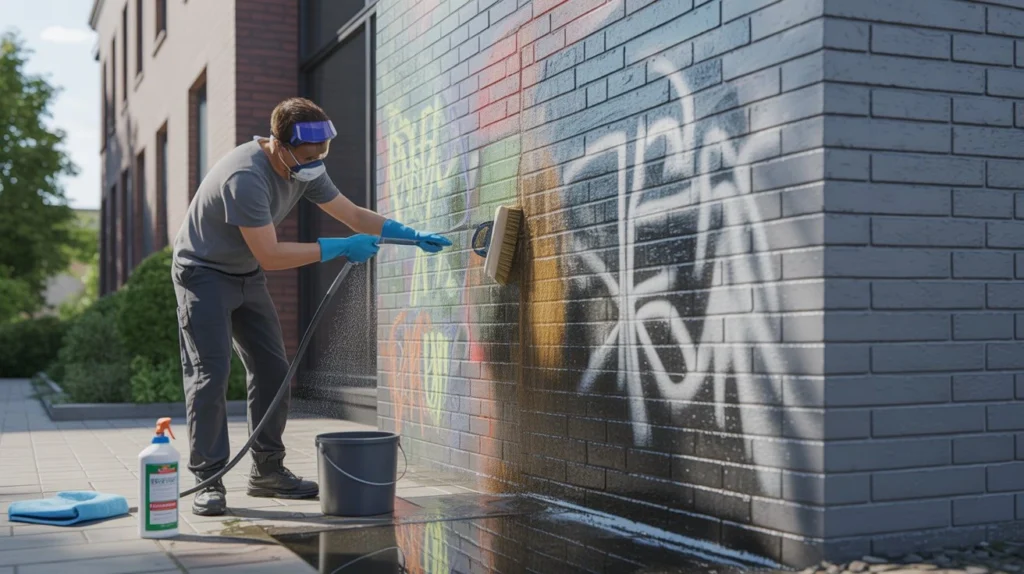
Graffiti refers to paint, ink, or markings applied on surfaces without permission. It often appears on walls, fences, doors, and public structures.
Common types include:
- Spray paint graffiti
- Permanent marker tags
- Stickers and adhesive labels
- Etched or scratched marks
Graffiti removal depends on the material used and the surface affected. For example, removing spray paint graffiti from metal is easier than from porous brick.
Key Factors to Consider Before Removing Graffiti
Before starting graffiti removal, you must assess a few key factors. This helps you choose the safest and most effective method. Surface type plays a major role. Non-porous surfaces like glass and metal clean faster. Porous surfaces like concrete absorb paint and require stronger methods.
Type of graffiti also matters. Spray paint behaves differently from ink or markers. Older graffiti is harder to remove than fresh markings. Weather conditions can affect results. Cleaning in dry conditions works better than during rain or high humidity. Safety is important. Always wear gloves, masks, and eye protection when using chemicals.
For local property owners seeking reliable help, services like tracy graffiti removal offered by VJ Pressure Washing can handle tough cases safely and efficiently.
Tools and Materials Needed
Having the right tools improves results and reduces damage risks.
Basic tools include:
- Protective gloves and goggles
- Face mask or respirator
- Soft brushes and scrub pads
- Clean cloths or microfiber towels
- Buckets and water supply
Cleaning materials:
- Graffiti remover solution
- Mild detergent
- Solvents for stubborn stains
- Pressure washer for large areas
Optional items:
- Surface sealants
- Anti-graffiti coatings
Using proper tools ensures the best way to remove graffiti without harming the surface.
Step-by-Step Methods to Remove Graffiti
1. Removing Graffiti from Non-Porous Surfaces
Non-porous surfaces include glass, metal, and sealed tiles. Start by applying a graffiti remover or solvent. Let it sit for a few minutes. This loosens the paint. Then wipe it using a clean cloth. Repeat if needed for stubborn marks. This method works well to remove graffiti quickly from smooth surfaces.
2. Removing Graffiti from Porous Surfaces
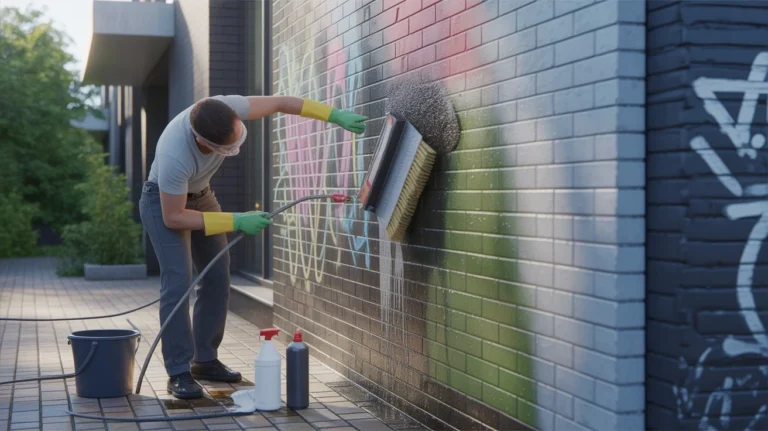
Porous surfaces like brick, concrete, and stone absorb paint deeply. Apply a graffiti removal solution designed for porous materials. Use a stiff brush to scrub the surface. Allow the cleaner to penetrate before rinsing. Pressure washing may be required for deep stains. Use moderate pressure to avoid damage.
This method is commonly used in professional graffiti removal jobs.
3. Using Pressure Washing
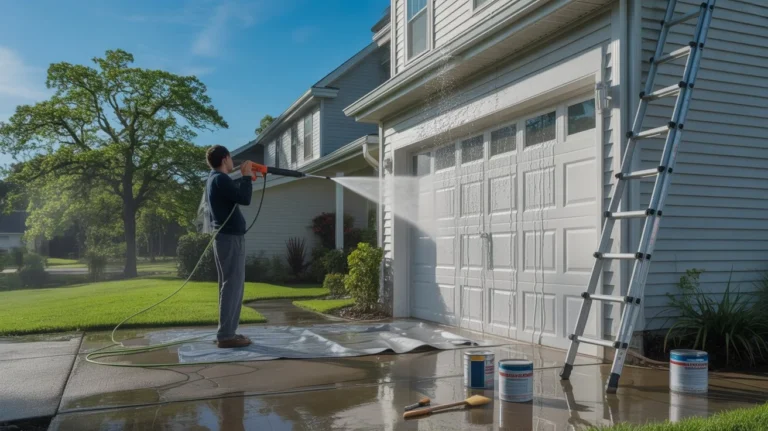
Pressure washing is effective for large areas. It helps remove graffiti along with dirt and grime. Set the pressure at a safe level. Too much pressure can damage the surface. Combine pressure washing with cleaning agents for better results. Companies like VJ Pressure Washing often use controlled pressure systems to ensure safe cleaning while achieving strong results.
4. Chemical Graffiti Removal
Chemical removers are designed to break down paint bonds. Apply the solution evenly across the graffiti area. Let it sit based on product instructions. Scrub lightly and rinse with water. This method is often the best way to remove graffiti when dealing with tough or layered paint.
Always test chemicals on a small hidden area first.
Eco-Friendly Graffiti Removal Options
Eco-friendly methods are safer for the environment and users.
Options include:
- Biodegradable graffiti removers
- Citrus-based solvents
- Low-toxicity cleaning agents
These solutions reduce harmful runoff into soil and water systems. Eco-friendly graffiti removal is a good choice for residential areas and public spaces where safety matters.
Preventive Measures After Removal
After cleaning, prevention helps avoid repeat graffiti. You can apply anti-graffiti coatings. These coatings create a protective layer that prevents paint from bonding strongly to the surface. Regular maintenance also helps. Cleaning surfaces frequently reduces the chance of permanent stains.
Installing lighting or security cameras can discourage vandalism.
Common Mistakes to Avoid
Many people make errors during graffiti removal that lead to damage. Avoid using high pressure on delicate surfaces. This can erode brick or strip paint. Do not use harsh chemicals without testing. Some cleaners may discolor or weaken surfaces. Ignoring safety gear is another common mistake. Chemicals and debris can cause injuries. Delaying removal makes graffiti harder to clean. Fresh graffiti is always easier to handle than old stains.
When to Hire Professional Graffiti Removal Services
Some situations require expert help. Large graffiti areas need professional equipment. Sensitive surfaces like historic buildings require careful handling. If the graffiti is deeply absorbed, professionals can apply advanced methods to remove graffiti without damage. Hiring experts also saves time and reduces risk.
For homeowners and businesses looking for reliable service, VJ Pressure Washing provides expert graffiti removal solutions tailored to different surfaces and conditions.
Cost of Graffiti Removal
The cost of graffiti removal depends on several factors. Small jobs may cost less, while large or complex jobs cost more. Surface type, paint type, and labor time all affect pricing.
DIY cleaning may seem cheaper but requires time, tools, and effort. Professional services provide better results and long-term value. Investing in proper graffiti removal helps maintain property appearance and avoid repeated damage.
Additional Tips for Effective Graffiti Removal
- Act quickly before paint sets deeply
- Use the correct cleaner for the surface
- Test products before full application
- Avoid mixing chemicals
- Follow manufacturer instructions
These steps improve results and reduce risks when learning how to remove graffiti.
Conclusion
Graffiti can affect property appearance and value, but proper removal methods make a big difference. Understanding surface types, using the right tools, and choosing safe cleaning methods ensures effective results.
Whether you handle it yourself or hire professionals, the best way to remove graffiti is to act early and use the correct approach. Professional services like VJ Pressure Washing can provide reliable graffiti removal when the job becomes too complex. Consistent maintenance and preventive coatings help keep surfaces clean and protected over time. For expert assistance and to get started, contact us today.
FAQs
How long does graffiti removal take?
It depends on the surface and size of the area. Small spots may take under an hour, while larger areas take several hours.
Can all graffiti be removed completely?
Most graffiti can be removed, but deeply absorbed paint on porous surfaces may leave faint marks.
What is the best way to remove graffiti from brick?
Use a specialized cleaner combined with scrubbing or light pressure washing.
Is graffiti removal safe for all surfaces?
Yes, if the correct method is used. Always test products before full application.
How can I prevent graffiti in the future?
Use anti-graffiti coatings, improve lighting, and maintain regular inspections.