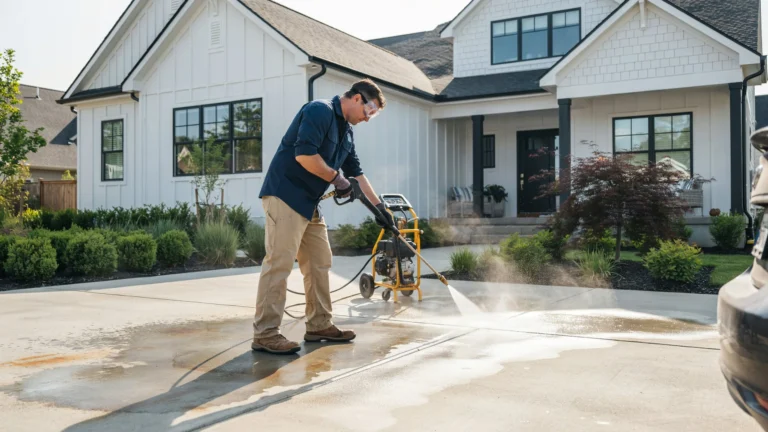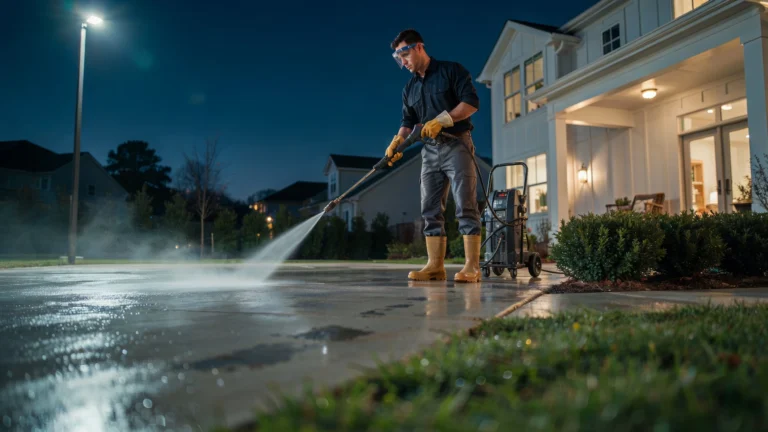
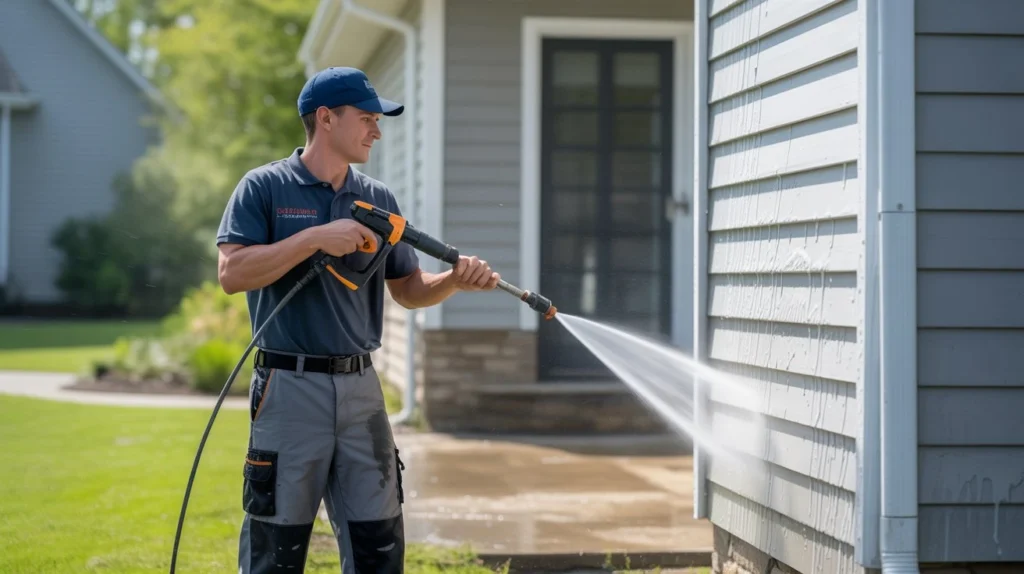
Power washing can strip years of dirt and grime off your house in a single afternoon. It also strips paint, damages wood, and forces water behind siding if done wrong. The tool itself is not the problem. The skill behind it is.
- What Is Power Washing?
- Benefits of Power Washing Your House
- When Power Washing Is a Good Idea
- When You Should Avoid Power Washing
- Risks of Incorrect Power Washing
- Soft Washing vs. Power Washing: Which Is Better?
- DIY vs. Hiring a Professional
- How Often Should You Power Wash Your House?
- Common Power Washing Mistakes to Avoid
- Tips to Keep Your House Cleaner for Longer
- Professional House Washing Process
- Conclusion
- FAQs
So is powerwashing your house a good idea? Yes, when you use the right pressure, the right nozzle, and the right approach for your siding type. Done wrong, it causes real damage fast.
What Is Power Washing?
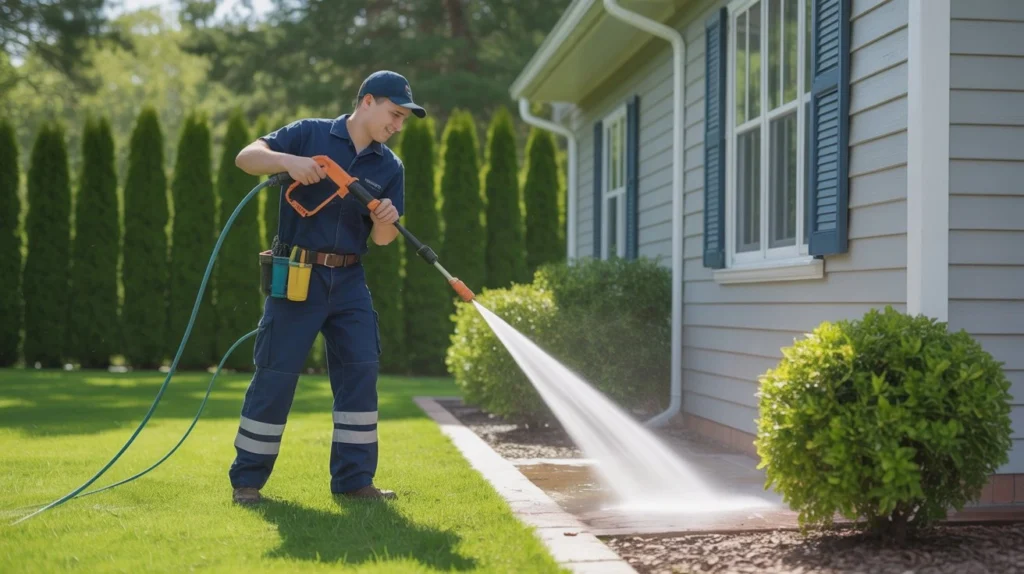
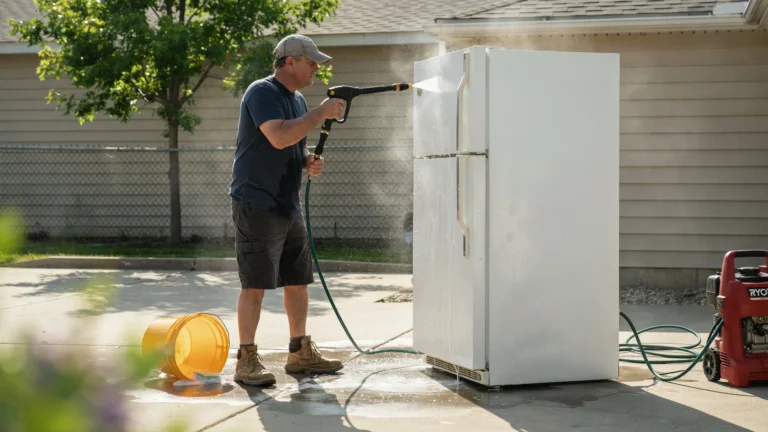
Power washing uses hot or cold water at high pressure to blast away dirt, mold, and grime from outdoor surfaces. The machine pushes water through a narrow nozzle, which builds up force strong enough to remove years of buildup in minutes.
This is different from a garden hose, which only rinses the surface. Power washers reach deep into pores on concrete, brick, and some siding materials. That extra force is what makes power washing so effective, and also what makes it risky on the wrong surface.
Most residential machines run between 1,300 and 3,000 PSI, depending on the job. Driveways and brick can handle the higher end. Vinyl siding and wood need a much gentler touch.
Benefits of Power Washing Your House
The benefits of power washing your home go beyond looks. A clean exterior protects your investment and your health at the same time. Dirt, algae, and mold eat away at paint and siding over time. Removing buildup regularly slows that damage down and helps materials last longer. This is one of the clearest benefits of power washing that homeowners notice within the first year.
There is also a side to power washing for health that gets overlooked. Mold and mildew on your siding can spread spores near windows and vents, which affects indoor air quality. Removing that buildup outside helps keep those spores away from your home. Power washing also boosts curb appeal instantly. A clean house photographs better, sells faster, and simply looks cared for. Many real estate agents recommend a wash before listing a home, since buyers notice exterior conditions right away.
When Power Washing Is a Good Idea
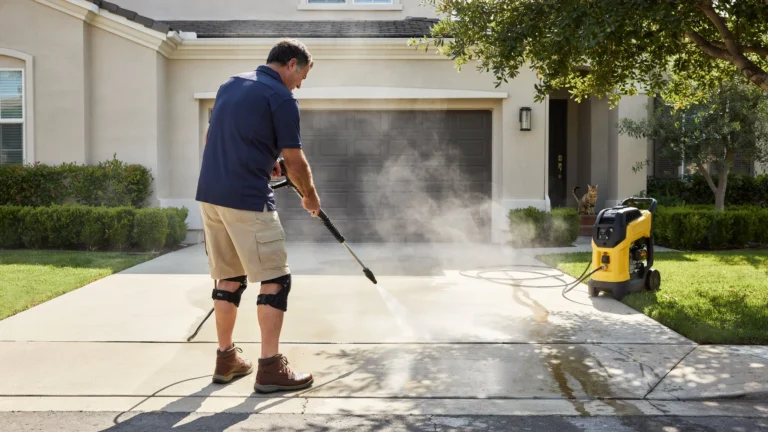
Power washing makes sense on tougher surfaces that can handle higher pressure. Concrete driveways, brick walkways, and stone patios are good candidates. These materials are dense and do not absorb water the way wood or vinyl can.
It also works well before painting or staining a house. A clean surface helps new paint stick better and last longer. Skipping this step often leads to peeling within a year or two.
Power washing is a smart choice when mold, algae, or green stains cover a large area. Scrubbing by hand would take days, while a power washer clears the same area in hours.
When You Should Avoid Power Washing
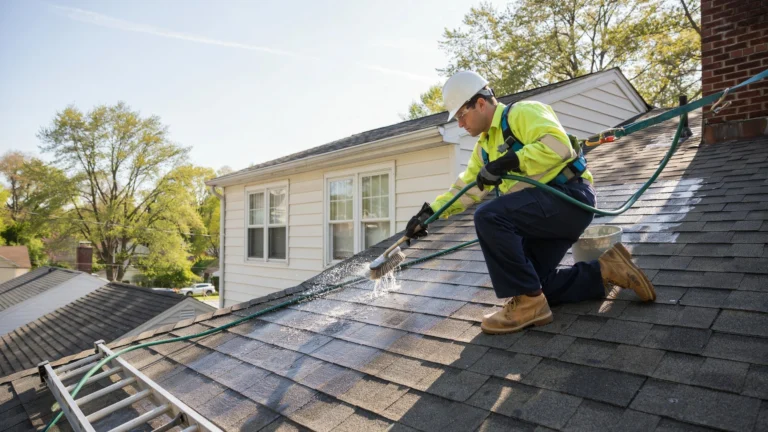
Some surfaces should never see high pressure water. Older wood siding, stucco, and asbestos shingles can crack or crumble under direct blasts. Roof shingles are another surface to avoid, since high pressure lifts granules and shortens the roof’s life.
Windows and window seals are also risky. Water forced at high pressure can break through old caulking and seep into the wall behind it. This often leads to hidden water damage that shows up months later as mold or rot.
If your house has any of these surfaces, a gentler method works better and protects your home from accidental damage.
Risks of Incorrect Power Washing
Incorrect technique causes more damage than people expect. Holding the nozzle too close to siding can strip paint right off the wall. Using too much pressure on wood can leave deep grooves that never look right again.
Water can also force its way behind siding panels if the angle is wrong. Once moisture gets trapped there, it leads to mold growth and wood rot that you cannot see until it gets serious.
Incorrect chemical use adds another risk. Some cleaning solutions used with power washers can kill nearby plants or grass if they are not rinsed away properly. Always check what is safe for your landscaping before starting.
Soft Washing vs. Power Washing: Which Is Better?
Soft washing uses low pressure combined with cleaning solutions to break down dirt, mold, and algae. Instead of blasting grime off with force, the solution does the work, and a gentle rinse removes the rest.
This method works better on delicate surfaces like vinyl siding, stucco, and painted wood. It cleans just as deep without the risk of cracking or stripping paint.
Power washing still wins on hard surfaces like concrete and brick, where strength matters more than gentleness. For most full house exteriors, soft washing is the safer choice, while power washing handles the driveway, patio, and walkways.
A good cleaning company often uses both methods on the same property, matching the right approach to each surface.
DIY vs. Hiring a Professional
Renting a power washer seems simple, but the learning curve is steeper than most people expect. Holding the wrong angle or standing too close for even a few seconds can damage siding or paint.
DIY makes sense for small jobs like cleaning a patio or sidewalk, where mistakes are easy to fix. For full exterior house washing, professionals bring the right equipment, the right pressure settings, and years of experience reading different siding materials.
Hiring reliable power washing & cleaning professionals also saves time. A job that might take a homeowner an entire weekend often takes a trained crew just a few hours, with far less risk of damage.
How Often Should You Power Wash Your House?
Most homes benefit from a full exterior wash once a year. Homes near trees, in humid climates, or close to busy roads may need it twice a year, since dirt and mold build up faster in those conditions.
Watch for warning signs between scheduled washes. Green or black streaks, a dull or chalky look, and visible mold near gutters all signal it is time to clean again.
If you live in the Central Valley and want a team that knows your local climate and siding types, VJ Pressure Washing offers trusted house washing Tracy CA homeowners rely on to keep their homes clean year after year, without the guesswork of doing it yourself.
Common Power Washing Mistakes to Avoid
A few mistakes show up again and again, even with people who try to do it right.
Standing too close to the surface is one of the most common errors. Even a few inches makes a huge difference in how much force hits the siding.
Using the wrong nozzle tip causes uneven cleaning or accidental damage. Wide fan tips spread pressure safely, while narrow tips concentrate force and can cut into soft materials.
Skipping a test spot before washing the whole house often leads to regret. Always test a small hidden area first to see how the surface reacts.
Ignoring the manufacturer’s pressure guide for your siding type is another mistake. Vinyl, wood, and brick all have different limits, and pushing past them causes damage that is hard to reverse.
Tips to Keep Your House Cleaner for Longer
Trim back trees and bushes that touch your siding, since they trap moisture and feed mold growth. Keeping a few feet of clearance helps surfaces dry faster after rain.
Clean gutters regularly so water flows away from your siding instead of overflowing and running down the walls. Overflowing gutters are one of the biggest causes of streaking on exterior walls.
Address mold or algae spots as soon as you notice them, rather than waiting for your next scheduled wash. Small spots are easier and cheaper to handle early.
Professional House Washing Process
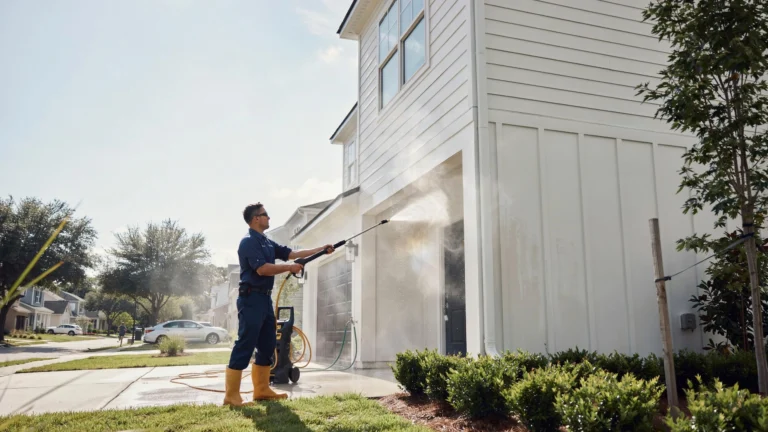
A professional crew starts by inspecting your home’s siding type and condition before choosing a method. This step decides whether your house gets a full power wash, a soft wash, or a mix of both.
Next, they apply a cleaning solution suited to your siding, which breaks down mold, algae, and dirt before any rinsing begins. Letting the solution sit for the right amount of time matters more than people realize.
The final rinse uses pressure matched to your siding material, removing the loosened grime without damaging the surface underneath. A good crew finishes by checking windows, doors, and trim for any missed spots.
Conclusion
So is powerwashing your house a good idea? The answer depends entirely on your siding, your approach, and your tools. Used correctly, it protects your home, boosts curb appeal, and even supports better air quality around your property.
Used incorrectly, it strips paint, damages wood, and pushes water where it should never go. Knowing your surface, picking the right method, and following the right steps make all the difference between a great result and an expensive mistake.
FAQs
Is powerwashing your house a good idea for every type of siding?
No. It works well on brick, concrete, and some vinyl, but wood, stucco, and older siding often need a gentler soft wash instead.
What is the difference between power washing and soft washing?
Power washing uses high pressure alone to blast away dirt. Soft washing uses low pressure with a cleaning solution to break down grime before rinsing.
How often should I power wash my house?
Most homes need a full wash once a year. Homes in humid areas or near trees may need it twice a year.
Can power washing damage my house?
Yes, if the pressure is too high or the nozzle is held too close. Wrong technique can strip paint, crack siding, or force water behind panels.
Should I hire a professional or do it myself?
Small jobs like patios are fine for DIY. Full house exteriors are safer with a trained professional who knows how to match pressure to your siding.