
Graffiti can show up overnight and turn a clean wall into an eyesore. Whether it’s on your fence, brick wall, or storefront, the longer it sits, the harder it gets. The good news? You don’t always need a professional to fix it.
- What Is Graffiti and Why It’s Hard to Remove
- How to Remove Graffiti (Quick Overview)
- Tools and Materials You’ll Need
- How to Remove Graffiti from Different Surfaces
- Brick and Concrete
- Wood Fences and Surfaces
- Metal Surfaces (Fences, Garage Doors, Dumpsters)
- Glass and Windows
- Stucco and Painted Walls
- Plastic Surfaces
- Best Graffiti Removal Methods
- 1. Chemical Graffiti Removers
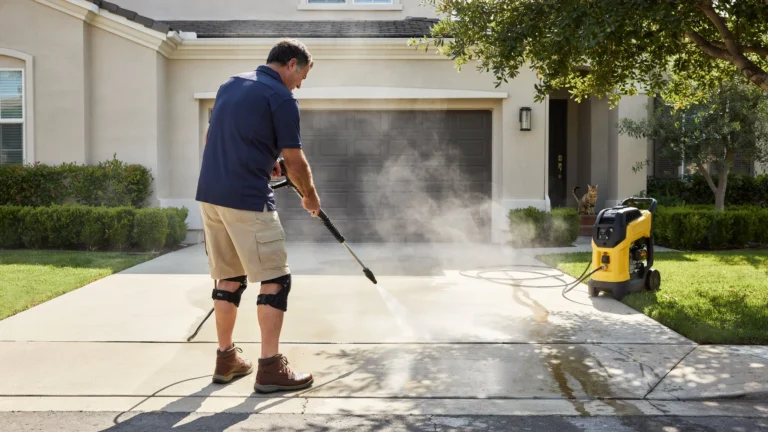
- 2. Pressure Washing
- 3. Baking Soda Blasting
- 4. Dry Ice Blasting
- 5. Painting Over Graffiti
- Anti-Graffiti Coatings: Prevention That Works
- DIY vs. Professional Graffiti Removal
- When DIY Makes Sense
- When to Hire a Professional
- Common Mistakes to Avoid
- Is Graffiti Removal Legal?
- Conclusion
- FAQs
Learning how to remove graffiti the right way saves you time and money. This guide covers every surface, every method, and every mistake to avoid so you can get your property looking clean again.
What Is Graffiti and Why It’s Hard to Remove
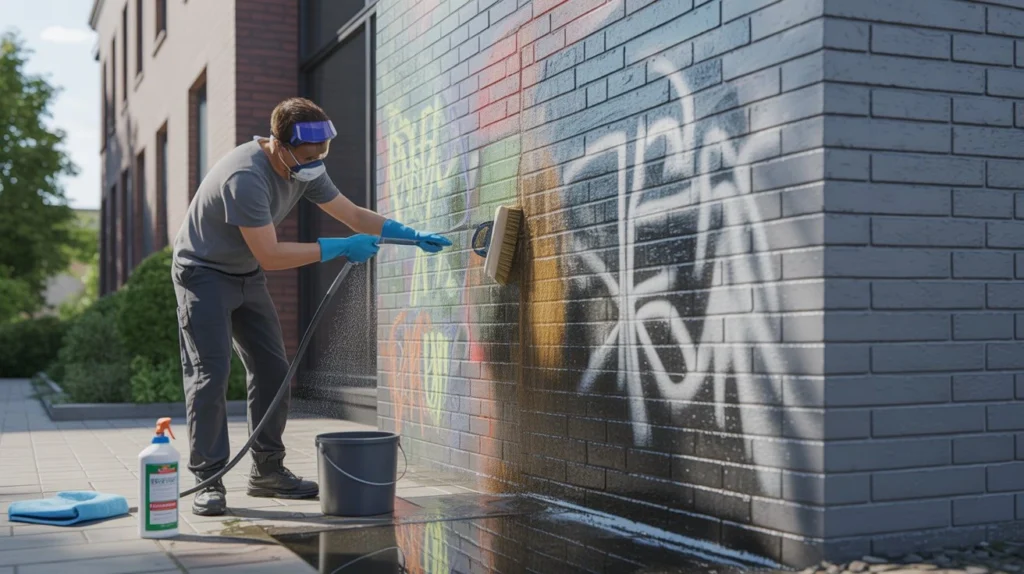
Graffiti is spray paint, markers, or other paint applied to surfaces without permission. It bonds quickly with porous surfaces like brick and concrete. Paint soaks into tiny gaps in the material, making it tough to lift out. The type of paint matters. Aerosol spray paint is oil-based and designed to stick. Permanent markers are alcohol-based. Both resist regular soap and water completely.
Surface type also plays a role. Smooth surfaces like glass or metal are easier to clean. Rough or porous surfaces like brick, stone, and concrete hold paint deep inside the material. This is why graffiti removal is not as simple as wiping something down.
The age of the graffiti also matters. Fresh graffiti from the past few hours is far easier to remove than paint that has cured for days or weeks.
How to Remove Graffiti (Quick Overview)
Here’s a simple breakdown of the process:
- Identify your surface type
- Choose the right removal method
- Test on a small hidden area first
- Apply your cleaner or solvent
- Scrub or pressure wash
- Rinse thoroughly
- Repeat if needed
- Apply anti-graffiti coating to prevent future vandalism
Tools and Materials You’ll Need
Before you start, gather your supplies. Having the right tools makes a real difference.
For light graffiti:
- Acetone or nail polish remover
- Rubbing alcohol
- Graffiti remover spray (commercial grade)
- Soft cloths or rags
- Stiff-bristle brush
- Bucket of warm water
For heavy graffiti:
- Pressure washer (1,500–3,000 PSI)
- Chemical graffiti stripper
- Wire brush (metal surfaces only)
- Safety gloves and eye protection
- Respirator mask (for enclosed spaces)
- Paint thinner or mineral spirits
For finishing:
- Matching paint (for repainting)
- Anti-graffiti coating or sealant
- Painter’s tape (if painting over)
Always wear gloves and eye protection when working with chemicals. Work in a well-ventilated area.
How to Remove Graffiti from Different Surfaces
Different surfaces need different approaches. Here’s how to handle the most common ones.
Brick and Concrete
These are the hardest surfaces to clean because they’re porous. Paint sinks into the material.
Method:
- Apply a commercial graffiti remover or gel-based stripper
- Let it sit for 10–15 minutes
- Scrub with a stiff brush
- Rinse with a pressure washer at 2,000–3,000 PSI
- Repeat if paint remains
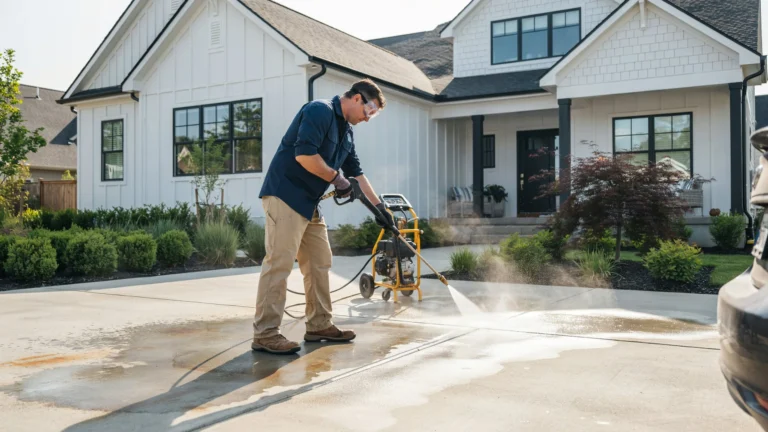
For stubborn stains, a hot water pressure washer works better than cold water. If you’re in the Tracy, California area, tracy graffiti removal by VJ Pressure Washing uses professional-grade hot water systems specifically designed for brick and concrete surfaces.
Wood Fences and Surfaces
Wood is porous but softer than brick. Be careful not to damage the grain.
Method:
- Try mineral spirits or paint thinner first
- Rub gently with a cloth in the direction of the wood grain
- If that doesn’t work, use a commercial graffiti remover
- Rinse with water and let dry
- Sand lightly if staining remains
- Repaint or restain the affected area
Avoid wire brushes on wood. They’ll scratch and damage the surface.
Metal Surfaces (Fences, Garage Doors, Dumpsters)
Metal is non-porous, which makes removal easier.
Method:
- Apply acetone, nail polish remover, or graffiti remover
- Let it sit for 2–3 minutes
- Wipe with a cloth or soft-bristle brush
- Rinse with water
- For stubborn areas, use a light sandpaper (400 grit) then repaint
Avoid steel wool on painted metal. It causes rust.
Glass and Windows
Fresh graffiti on glass comes off easily. Older graffiti takes more work.
Method:
- Apply acetone or rubbing alcohol to a cloth
- Rub the graffiti in circular motions
- For thick paint, use a razor blade scraper at a low angle
- Wipe clean and rinse with glass cleaner
Never use abrasive pads on glass. They’ll scratch permanently.
Stucco and Painted Walls
These surfaces need a gentler approach to avoid damaging the paint underneath.
Method:
- Try warm soapy water first for fresh graffiti
- Use a graffiti remover spray designed for painted surfaces
- Apply, wait 5 minutes, then wipe gently
- If graffiti remains, painting over is often the best option
Plastic Surfaces
Plastic is tricky because solvents can melt or warp it.
Method:
- Use a product labeled safe for plastics
- Try baby wipes or rubbing alcohol first for light marks
- Avoid acetone it melts most plastics
- Rinse well after cleaning
Best Graffiti Removal Methods
1. Chemical Graffiti Removers
These are the most effective commercial solutions. Products like Graffiti Safewipes, Taginator, and Motsenbocker’s Lift Off are designed to break down spray paint fast.
Best for: Brick, concrete, metal, wood
How to use:
- Spray or apply to the surface
- Wait the recommended dwell time (usually 5–15 minutes)
- Scrub with a brush
- Rinse thoroughly
Always read the label. Some products are not safe for certain surfaces.
2. Pressure Washing
Pressure washing alone works on fresh graffiti. Combined with a chemical remover, it handles most cases effectively.
Best for: Brick, concrete, stone, metal
A pressure washer between 2,000 and 3,500 PSI removes most surface-level paint. Use a 25-degree nozzle for a good balance of power and coverage. Hot water pressure washing is even more effective because heat softens the paint.
3. Baking Soda Blasting
This is a gentler alternative to pressure washing. It uses fine baking soda particles blasted at high speed to lift paint without damaging the surface underneath.
Best for: Brick, stone, historic surfaces
It’s used on surfaces where pressure washing could cause damage. It’s also more environmentally friendly than chemical solvents.
4. Dry Ice Blasting
A newer method where dry ice pellets are blasted onto the graffiti. The extreme cold causes the paint to crack and flake off.
Best for: Delicate surfaces, heritage buildings
It leaves no chemical residue and is non-toxic. It’s typically a professional-only method due to the equipment cost.
5. Painting Over Graffiti
Sometimes the fastest fix is to repaint. If the graffiti covers a large area or the surface is too porous to clean fully, repainting is practical.
Steps:
- Apply a primer or stain-blocking coat first
- Let it dry fully
- Paint over with matching exterior paint
- Apply a graffiti-resistant topcoat for future protection
Anti-Graffiti Coatings: Prevention That Works
Once you’ve cleaned the surface, protecting it is smart. Anti-graffiti coatings come in two types.
Sacrificial coatings form a layer that graffiti bonds to. When you remove graffiti, the coating comes off too and needs to be reapplied. These are common on historic buildings.
Permanent coatings create a slick surface so paint doesn’t bond well. Graffiti wipes off easily with mild cleaners. These last for years and are great for commercial properties, fences, and transit infrastructure.
DIY vs. Professional Graffiti Removal
When DIY Makes Sense
- Graffiti is small (less than 1 square foot)
- It’s on a simple surface like metal or glass
- The graffiti is fresh (less than 48 hours old)
- You have the right tools on hand
For small jobs, a graffiti remover spray from a hardware store and some elbow grease will usually do the job.
When to Hire a Professional
- Graffiti covers a large area
- It’s on brick, stone, or a historic surface
- You’ve tried DIY and it’s not working
- The graffiti is on a high or hard-to-reach surface
- You don’t have access to a pressure washer
VJ Pressure Washing handles professional graffiti removal with industrial-grade equipment that most homeowners don’t have access to. The results are faster, cleaner, and less likely to damage your property.
Common Mistakes to Avoid
- Waiting too long Fresh graffiti is always easier to remove. The longer paint cures, the deeper it bonds. Act within 24–48 hours when possible.
- Using the wrong solvent for the surface Acetone melts plastic. Wire brushes scratch glass. Always match your method to your surface.
- Skipping the test spot Always test your cleaner on a small hidden area first. Some chemicals damage paint, stucco, or sealants.
- Using too much pressure High PSI can blast away mortar from brick joints or gouge wood. Use the right pressure for each material.
- Not rinsing properly Chemical residues left on surfaces can cause staining over time. Always rinse completely after cleaning.
- Not applying protection after removal If you clean the surface and leave it bare, it’s an easy target again. Apply an anti-graffiti coating after every clean.
Is Graffiti Removal Legal?
In most cases, you have the legal right to remove graffiti from your own property. It’s actually required in many cities local ordinances often mandate removal within a set number of days to avoid fines.
Key things to know:
- If graffiti appears on your fence, wall, or building, you’re typically responsible for removing it even though you didn’t put it there
- Most city governments and municipalities offer free graffiti removal programs or kits for property owners
- If graffiti is on a public surface or utility box near your property, contact your local city or county government don’t attempt to remove it yourself
- Some historic buildings have restrictions on what chemicals or methods you can use check with your local preservation board
Do not remove graffiti from someone else’s property without their permission, even if you’re trying to help. This can create legal problems.
Conclusion
Graffiti doesn’t have to be permanent. With the right method and a bit of speed, most graffiti comes off completely. The key is matching your approach to the surface brick needs different treatment than glass, and fresh paint cleans up easier than cured paint.
Knowing how to remove graffiti correctly protects your property value, keeps your space looking professional, and sends a clear message that vandalism won’t be tolerated.
Once it’s clean, take the extra step to apply an anti-graffiti coating. It’s one of the best investments you can make to protect your property long term. Contact us to get expert help with application and protection.
FAQs
What removes graffiti the fastest?
Commercial graffiti remover spray combined with a pressure washer is the fastest method for most surfaces. For glass and metal, acetone or rubbing alcohol works quickly.
Does WD-40 remove graffiti?
Yes, WD-40 can work on light graffiti on smooth surfaces like metal. It’s not strong enough for brick or concrete with deep paint penetration.
How do you remove graffiti from brick without damaging it?
Use a gel-based graffiti remover, let it dwell, then rinse with a hot water pressure washer. Avoid wire brushes which can damage mortar joints.
Can graffiti ever be fully removed?
In most cases, yes. Very old or deeply set paint on porous surfaces may leave a ghost stain. Repainting is sometimes the best final solution.
How do you prevent graffiti from coming back?
Apply a permanent anti-graffiti coating after cleaning. Improve lighting around the area. Graffiti vandals prefer dark, hidden spots.
Does baking soda remove graffiti?
Standard baking soda mixed with water is not strong enough. However, professional baking soda blasting equipment uses pressurized fine particles to effectively strip paint without surface damage.
How long does graffiti take to remove?
Small jobs take 30 minutes to a few hours. Large commercial surfaces may take a full day. Fresh graffiti always removes faster than old, cured paint.