
What Is a Good Window Cleaner?
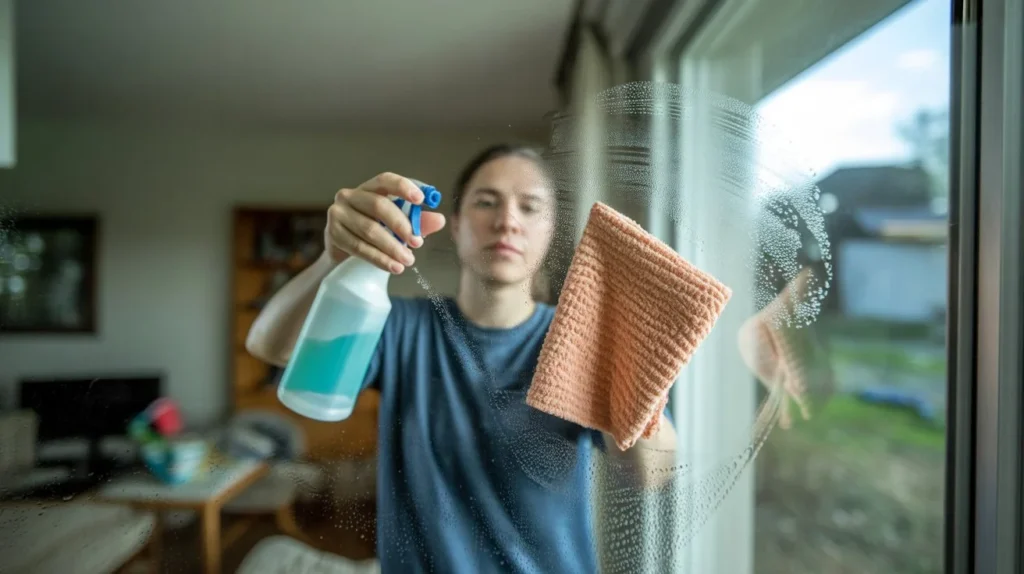
Clean windows change how a space looks and feels. Clear glass brings in more light and improves visibility indoors and outdoors. Dirt, water marks, and dust can build up fast and affect both homes and businesses. Choosing the right product saves time and avoids streaks that ruin results. A good cleaner should remove grime quickly, dry fast, and leave no residue behind. What Is a Good Window Cleaner? It is a solution that cleans glass deeply, dries without streaks, and works with simple tools. It must balance strong cleaning power, safety, and ease of use for consistent, clear results every time. What Makes a Window Cleaner “Good”? A good window cleaner must do more than just make glass look clean for a few minutes. It should deliver lasting clarity without leaving marks behind. Key traits include: Streak-free finish after drying Fast evaporation with no residue Ability to remove grease, dust, and fingerprints Safe use on different glass types Easy application without extra effort Many users search for the best window cleaner, but the real test is performance after the surface dries. If streaks appear later, the product is not effective. A reliable cleaner should also prevent dust from sticking again. The best solution to clean windows keeps the surface clear for longer, not just right after cleaning. Types of Window Cleaners Different situations require different types of cleaners. Commercial Window Cleaners These are ready-made products sold in stores. They are easy to use and provide consistent results. Many households rely on them as the best window washing solution for regular cleaning. Homemade Window Cleaners These use simple ingredients like vinegar and water. They are cost-effective and useful for light cleaning tasks. However, they may not handle heavy dirt or oil buildup. Professional-Grade Cleaners These are used by cleaning experts and commercial services. They are stronger and designed for large or heavily soiled glass areas. For example, services like professional window cleaning tracy ca often use advanced formulas that deliver streak-free results on large buildings and homes. Key Ingredients in Effective Window Cleaners Understanding ingredients helps you judge product quality. Common components include: Ammonia: Breaks down grease and tough stains Alcohol: Helps quick drying and reduces streaks Vinegar: Cuts mineral spots and light grime Surfactants: Lift dirt from the glass surface A balanced mix is important. Too strong formulas can damage coatings, while weak ones leave residue. The best cleaner for glass uses ingredients that clean effectively while protecting the surface. Good formulations avoid buildup and maintain clarity after repeated use. How to Choose the Best Window Cleaner Choosing the right product depends on your needs and environment. Consider these factors: Type of glass (tinted, coated, or standard) Indoor or outdoor cleaning Level of dirt or grease Safety for kids and pets Ease of use and availability For commercial or large-scale cleaning, professional help may be better. Brands like VJ Pressure Washing understand how product choice impacts results and efficiency. If you want expert-level cleaning results, you can also explore professional window cleaning tracy ca services for guidance or support. The goal is to match the cleaner with your surface type and cleaning frequency. A mismatch often leads to streaks or wasted effort. Tools That Improve Window Cleaning Results Even the best window cleaner will not perform well without the right tools. Useful tools include: Microfiber cloths for dirt pickup Squeegees for streak-free drying Spray bottles for even application Extension poles for high windows Scrub pads for tough spots Microfiber cloths trap dirt instead of spreading it. Squeegees remove excess liquid and help avoid streaks. Using proper tools makes the best window washing solution more effective and reduces cleaning time. Tips for Streak-Free Window Cleaning Technique plays a major role in final results. Follow these tips: Clean windows on cloudy days Avoid direct sunlight Use a small amount of cleaner Wipe in straight, consistent lines Dry with a clean, lint-free cloth Always start from the top and move downward. This prevents dirty water from dripping onto cleaned areas. Consistency matters more than speed. Proper method combined with the right cleaner gives the best outcome. Common Mistakes to Avoid Many users fail to get clean results due to small errors. Avoid these: Using too much cleaning solution Cleaning in direct sunlight Using dirty or rough cloths Ignoring edges and frames Reusing saturated cloths These mistakes reduce performance even when using the best solution to clean windows. Clean tools and proper timing improve results more than switching products often. Eco-Friendly Window Cleaning Options Eco-friendly cleaners are growing in demand due to safety concerns. Popular options include: Vinegar and water mixtures Lemon-based solutions Plant-based commercial cleaners These options reduce chemical exposure and are safer for indoor environments. They still qualify as the best cleaner for glass when used correctly. Proper dilution and application are key for effectiveness. Many modern products now combine eco-friendly ingredients with strong cleaning performance. DIY vs Store-Bought Window Cleaners Both options have pros and cons. DIY Cleaners Low cost Easy to make Good for light cleaning Limited performance on heavy stains Store-Bought Cleaners Ready to use Consistent formula Better for tough dirt Designed for streak-free results Store-bought options are often considered the best window cleaner for users who want quick and reliable results. DIY solutions work well for maintenance, while commercial products handle deeper cleaning tasks. How Often Should You Clean Windows? Cleaning frequency depends on location and exposure. Homes in clean areas: every 2–3 months Urban or dusty areas: monthly cleaning Commercial spaces: weekly or biweekly Regular cleaning prevents buildup and keeps glass clear. It also reduces effort during each cleaning session. Using the best window washing solution consistently helps maintain a spotless appearance over time. When to Consider Professional Help Some situations require expert cleaning. Consider professionals when: Windows are hard to reach Glass surfaces are large or tall Dirt buildup is heavy Safety risks are involved Services like professional window cleaning tracy can use advanced tools and techniques for better results. Companies such as VJ Pressure
How Much Does It Cost to Pressure Wash a Driveway
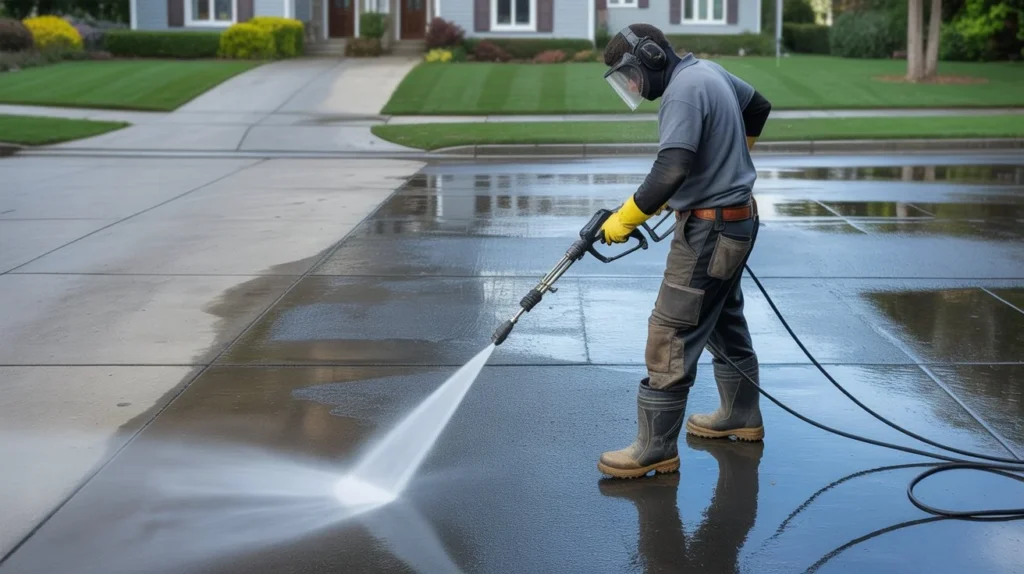
A clean driveway improves curb appeal and helps prevent long-term surface damage. Dirt, oil stains, mold, and algae build up over time. Pressure washing removes these layers and restores the original look of the surface. Many homeowners schedule this service once or twice a year to maintain property value and safety. How Much Does It Cost to Pressure Wash a Driveway depends on size, condition, and service type. Most homeowners spend between $100 and $350. Larger or heavily stained driveways cost more due to extra labor and cleaning time. Typical Cost Range The cost to pressure wash driveway varies based on national averages and local pricing. Most professional services fall within a predictable range. Small driveway: $100–$150 Medium driveway: $150–$300 Large driveway: $300–$500+ On average, the power wash driveway cost for a standard home sits around $200 to $300. This includes labor, equipment, and cleaning solutions. Some companies charge per square foot. Rates often range from $0.30 to $0.55 per sq. ft. This method is common for larger or custom-sized driveways. The final pressure cleaning driveway cost may include minimum service fees. Even small jobs often start at $100 to cover travel and setup. How Professionals Price Driveway Pressure Washing Professional companies use several pricing models depending on the job scope. One common example is per square footage pricing. Another is flat-rate pricing for standard driveway sizes. Some companies also use hourly pricing for complex jobs. Local providers like VJ Pressure Washing often evaluate the driveway in person before giving a quote. This ensures accuracy based on surface type and stain level. In some regions, services like driveway washing service tracy ca show how location impacts pricing. Labor costs, travel distance, and demand influence final rates. Professionals consider: Surface size and layout Type of material Severity of stains Water access Time required Clear quotes help avoid surprises and ensure fair pricing for both sides. Key Factors That Affect Cost Several elements influence How Much Does It Cost to Pressure Wash a Driveway. 1. Driveway Size Larger driveways require more time, more water, and more cleaning solution. A small single-car driveway can be completed quickly, while a multi-car or long driveway takes significantly longer. The extra surface area directly increases labor hours and overall cost. In most cases, pricing is calculated based on square footage, so bigger driveways naturally lead to higher service charges. 2. Material Type The type of surface plays a big role in pricing. Concrete is the most common and usually the easiest to clean. Pavers, brick, or natural stone require more care to avoid damage or joint displacement. These materials often need lower pressure and specialized techniques, which increases cleaning time and cost. 3. Stain Level The condition of the driveway affects how much effort is needed. Light dirt and dust are quick to remove, but oil stains, rust marks, mold, and tire streaks require pre-treatment and extra passes. Heavily stained surfaces take longer to restore, which increases both labor and material usage. 4. Location Where the property is located can influence pricing. Urban areas may have higher service rates due to labor demand and operating costs. Remote locations may include travel fees or minimum charges. Local competition and regional pricing trends also affect the final estimate. 5. Accessibility Driveways that are easy to access cost less to clean. If the area has limited space, steep slopes, parked vehicles, or obstacles like walls and landscaping, it becomes harder to work efficiently. Limited access slows down the process and may require additional equipment or time. 6. Additional Treatments Extra services can increase the total cost. These include applying sealants, using degreasers for tough stains, or hot water pressure washing for deep cleaning. Each add-on requires more materials and time, which raises the final price but also improves the quality and durability of the results. Each of these factors contributes to the final estimate, so two similar driveways can still have different prices. Price Examples by Size Real examples help understand pressure cleaning driveway cost in practical terms. Small driveway (200 sq. ft.) Usually costs between $100 and $150. Suitable for compact homes. Medium driveway (400–600 sq. ft.) Typically ranges from $150 to $300. This is the most common category. Large driveway (800+ sq. ft.) Costs can exceed $400 depending on stains and layout. For irregular shapes, professionals may adjust pricing based on total square footage. Multi-car driveways or long private lanes increase the total cost. DIY vs. Hiring a Professional Homeowners often compare DIY cleaning with hiring experts. DIY Pressure Washing Equipment rental: $40–$100 per day Cleaning solution: $10–$30 Time investment: several hours DIY may reduce upfront cost, but results depend on skill and equipment quality. Professional Service Higher upfront cost Faster completion Better cleaning results Reduced risk of surface damage Professionals at VJ Pressure Washing understand pressure levels and nozzle types. Incorrect use can damage concrete or leave uneven marks. For most homeowners, hiring a pro provides better long-term value. It also saves time and avoids mistakes. How Often Should You Pressure Wash a Driveway Most experts recommend cleaning a driveway once a year. High-traffic areas may need cleaning every 6 to 9 months. Homes in humid climates may require more frequent washing due to algae growth. Regular cleaning: Prevents permanent stains Reduces surface wear Improves safety by removing slippery buildup Maintains property appearance Routine maintenance lowers the overall cost to pressure wash driveway over time. Light cleaning costs less than heavy restoration jobs. Tips to Get the Best Price You can manage the power wash driveway cost with a few simple steps. 1. Compare Multiple Quotes Get at least 2–3 estimates from local providers. This helps you understand the average market rate and avoid overpaying. Make sure each quote includes labor, materials, and any extra fees so you can compare fairly. 2. Ask About Packages Many companies offer discounts when you bundle services like patios, sidewalks, or exterior walls. Bundling reduces the cost per service and gives better overall value for larger cleaning jobs. 3.
Why Gutter Cleaning is Important
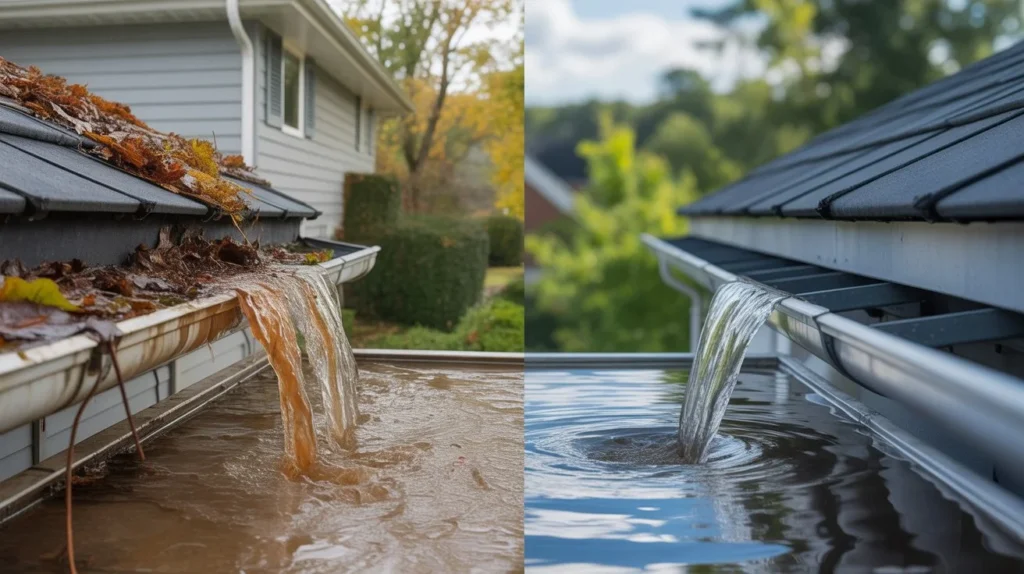
Gutters play a quiet but critical role in protecting your home from water damage. When they work well, rainwater flows safely away from your roof, walls, and foundation. When they fail, small issues quickly turn into costly repairs that affect the structure and safety of your home. Understanding Why Gutter Cleaning is Important helps homeowners avoid these problems before they start. Clean gutters keep water moving, prevent buildup, and protect your home from long-term damage. Regular care is not optional. It is a necessary part of maintaining a safe and healthy property. What Are Gutters and How Do They Work? Gutters are channels installed along the edge of your roof. Their main job is to collect rainwater and direct it away from your home through downspouts. Without gutters, rainwater would fall directly near your foundation. Over time, this leads to soil erosion, basement leaks, and structural damage. Gutters act as a controlled drainage system. They guide water away in a safe and efficient way. When debris like leaves, dirt, and twigs blocks this system, water cannot flow properly. That is when problems begin. This is why clean gutters are essential for proper home protection. Prevents Water Damage to Your Home One of the main reasons Why Gutter Cleaning is Important is water protection. Clogged gutters force water to overflow. This water can run down walls and pool around your foundation. For example, homeowners looking for services like gutter cleaning tracy ca often deal with seasonal debris buildup that blocks drainage. Regular cleaning prevents this issue before it starts. Water damage can affect siding, insulation, and even interior walls. Over time, moisture weakens materials and leads to expensive repairs. Clean gutters ensure water flows away from your home safely. At VJ Pressure Washing, proper maintenance routines focus on keeping gutters clear so water never becomes a threat to your property. Avoids Clogged Gutters and Overflow Clogs happen when debris collects inside the gutter system. Leaves, dust, bird nests, and even small branches can block water flow. Overflow is a direct result of these blockages. When gutters overflow, water spills over the edges and lands near your home. This can stain walls and damage landscaping. The importance of gutter maintenance becomes clear when you see how quickly buildup forms. Even a small blockage can cause water to back up during heavy rain. Regular inspection and cleaning help avoid these issues and keep the system working as designed. Protects Your Roof Your roof depends on gutters to remove excess water. When gutters are clogged, water can sit along the roof edge. This standing water leads to rot, mold, and shingle damage. Over time, it weakens the roof structure and shortens its lifespan. Another benefit of gutter cleaning is preventing ice dams in colder climates. Ice buildup can push water under shingles and cause leaks inside the home. Among the many benefits of gutter cleaning, roof protection is one of the most important. Clean gutters reduce stress on roofing materials and help maintain overall integrity. Prevents Pest Infestations Blocked gutters create a perfect environment for pests. Standing water attracts mosquitoes. Damp debris attracts insects, birds, and rodents. These pests can build nests inside gutters or near your roofline. Once they settle in, they may find their way into your attic or walls. Clean gutters remove this habitat. This is one of the practical reasons homeowners ask why clean out gutters on a regular basis. Keeping gutters free of debris helps reduce pest activity and keeps your home safer and more comfortable. Saves Money on Repairs Ignoring gutter maintenance can lead to costly repairs. Water damage, roof issues, and foundation problems all come with high repair costs. Regular cleaning is a small investment compared to fixing structural damage. This highlights the real importance of gutter maintenance as a preventive step. Homeowners often compare cleaning vs replacing your gutters. In many cases, routine cleaning extends the life of the system and delays the need for replacement. Preventive care always costs less than emergency repairs. Clean gutters help avoid unexpected expenses and protect your budget over time. Enhances Curb Appeal Clean gutters also improve the look of your home. Overflowing gutters can leave stains on siding and fascia boards. Dirt streaks and water marks reduce curb appeal. Well-maintained gutters show that the property is cared for. This matters if you plan to sell your home or maintain its value. Another benefit of gutter cleaning is preserving exterior finishes. Clean gutters prevent stains and discoloration caused by dirty water runoff. Simple maintenance can make a noticeable difference in how your home looks from the outside. How Often Should Gutters Be Cleaned? Most homes need gutter cleaning at least twice a year. A common schedule is spring and fall. Homes near trees may need more frequent cleaning. Falling leaves and debris can quickly block gutters during certain seasons. Weather conditions also play a role. Heavy rain or storms can push debris into gutters faster than usual. Signs you may need cleaning include: Water spilling over the edges Sagging gutters Visible debris buildup Plants growing inside gutters Sticking to a schedule ensures your system stays clear year-round. DIY vs Professional Gutter Cleaning Homeowners often choose between doing the job themselves or hiring professionals. DIY cleaning can save money but comes with risks. Ladders, heights, and improper tools can lead to accidents. It also requires time and effort. Professional services like VJ Pressure Washing offer trained teams, proper tools, and safe methods. They can spot issues early and handle cleaning efficiently. Professionals also help with inspections. They check for leaks, loose brackets, and drainage issues during the process. Choosing professional service ensures thorough cleaning and reduces risk, especially for multi-story homes. Signs Your Gutters Need Cleaning Knowing the warning signs helps you act before damage occurs. Common signs include: Water overflowing during rain Gutters pulling away from the roof Visible debris or plants growing Stains on siding or walls Pooled water near the foundation These signs indicate blockages or poor
Should You Pressure Wash Your House Before Painting?
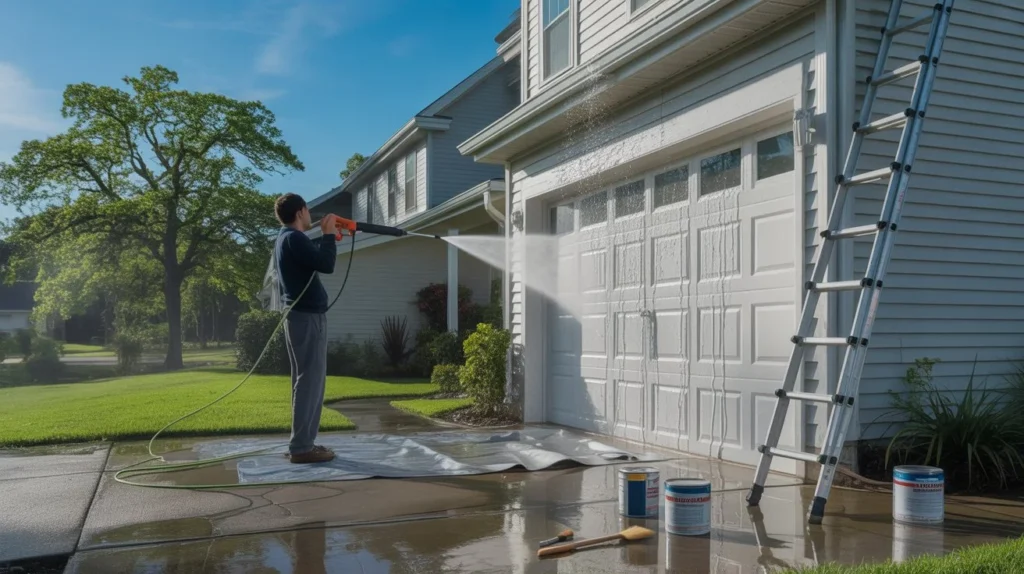
Painting a house without proper prep often leads to peeling, uneven finish, and wasted money. Dirt, dust, and mold block paint from sticking well. Clean surfaces help paint bond better and last longer over time. A quick wash removes layers you cannot see but that affect results. Should You Pressure Wash Your House Before Painting? The short answer is yes for most exterior surfaces that are dirty or exposed. A proper wash improves adhesion and gives a smooth base for paint. In many cases, a clean surface is the difference between a short-term job and a long-lasting finish. Why Pressure Washing Matters Before Painting Pressure washing removes buildup that blocks paint from bonding with the surface. Over time, walls collect dirt, grease, pollen, and mildew. These layers act like a barrier between the paint and the surface. Clean surfaces allow primer and paint to grip better. This reduces peeling and flaking later. It also helps paint spread evenly without patches or streaks. For homeowners looking into house washing services tracy ca, professionals like VJ Pressure Washing use the right methods to prepare surfaces safely. A professional wash ensures consistent cleaning across large areas, which is hard to achieve with DIY tools. Pressure washing also reveals hidden issues. Cracks, loose siding, and damaged areas become visible after cleaning. This allows you to repair problems before painting starts. When You Should Pressure Wash Before Painting You should pressure wash in the following situations: The surface has visible dirt or stains There is mold, mildew, or algae growth The house has not been cleaned in years Old paint is peeling or chalking The home is exposed to dust, traffic, or moisture If you plan to power wash before painting, timing matters. Clean the surface a few days before painting so it dries fully. Fresh cleaning helps primer stick better. It also prevents contaminants from mixing into the paint layer. When Pressure Washing May Not Be Necessary Not every project needs full pressure washing. In some cases, a light clean is enough. You may skip pressure washing when: The surface is newly built and already clean The area was recently washed and maintained You are painting indoors The surface is fragile and could be damaged by water pressure In these cases, a gentle rinse or manual cleaning works better than a full wash. Still, if you are unsure whether to pressure wash before painting, inspect the surface closely. Even light dirt can affect paint adhesion over time. Risks of Pressure Washing Incorrectly Using high pressure without care can cause damage. Common risks include: Water forced behind siding or cracks Wood surface damage or splintering Stripping loose paint layers unevenly Etching softer materials like stucco Incorrect use of a pressure washer can also push moisture into walls. This can lead to mold growth inside the structure. That is why many experts recommend controlled cleaning methods instead of aggressive washing. Choosing the right pressure and nozzle matters as much as the machine itself. Pressure Washing vs Soft Washing Pressure washing uses high force water to remove debris. Soft washing uses low pressure with cleaning solutions. Soft washing is often better for delicate surfaces like: Painted wood Vinyl siding Stucco walls Roof shingles Soft washing cleans deeply without forcing water into surfaces. It is often the preferred method when deciding whether to power wash before painting delicate exteriors. Pressure washing is better for hard surfaces like concrete driveways or brick walls. Choosing the right method depends on the material and its condition. In many home painting projects, a mix of both methods works best. Preparing the House Before Pressure Washing Preparation helps avoid damage and ensures effective cleaning. Before you begin: Close all windows and doors Cover electrical outlets and fixtures Remove outdoor furniture and decor Protect plants with plastic sheets Inspect the surface for cracks or loose parts Also check the weather. Avoid washing before rain or during high humidity. The surface must dry properly before painting. Preparation reduces risks and improves cleaning results. Skipping this step often leads to uneven work or damage. Proper Pressure Washing Techniques Technique plays a major role in results. Start from the top of the house and work downward. This allows dirt and water to flow naturally. Keep these tips in mind: Use a wide spray tip for walls Maintain a steady distance from the surface Move the wand in smooth, overlapping strokes Avoid staying in one spot too long Test pressure on a small area first For most exterior walls, moderate pressure is enough. High pressure should only be used on tough surfaces like concrete. If you are unsure about how to pressure wash before painting, practice on a hidden section first. This helps you avoid mistakes on visible areas. Cleaning Solutions and Detergents Water alone may not remove all contaminants. Cleaning solutions help break down grease, mold, and stains. Use detergents designed for exterior cleaning. Some solutions are made specifically for pre-paint preparation. Apply the solution using a low-pressure setting. Let it sit for a few minutes to loosen dirt. Then rinse thoroughly with clean water. Avoid harsh chemicals that can damage surfaces or affect paint bonding later. Always follow the manufacturer’s instructions. Additional Surface Preparation Steps Pressure washing is only one part of surface prep. After cleaning, additional steps are needed. Scrape off loose or peeling paint Sand rough or uneven areas Fill cracks and holes with filler Apply primer where needed These steps create a smooth base for paint. Even after you power wash before painting, proper surface repair is still required. Skipping these steps can lead to visible defects after painting. Good preparation ensures a clean and durable finish. DIY vs Hiring a Professional You can either do the job yourself or hire a professional service. DIY pressure washing works for small homes or light cleaning. It requires time, equipment, and basic knowledge of pressure settings. Hiring professionals like VJ Pressure Washing offers several benefits: Proper equipment and tools Knowledge of surface types Safe
Do Solar Panels Need to Be Cleaned
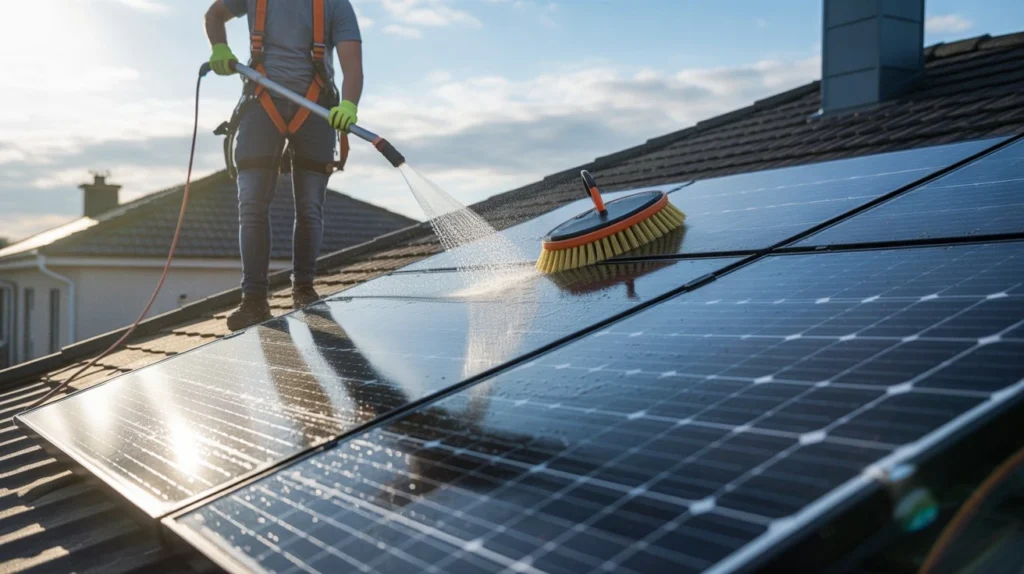
Solar panels help convert sunlight into electricity for homes and businesses. They sit exposed to dust, dirt, and weather all year. Over time, buildup can block sunlight and reduce efficiency. Regular care keeps panels working at their best and protects your investment. Many homeowners ask, do solar panels need to be cleaned to maintain performance. The short answer is yes in most environments. Clean panels allow better light absorption and steady energy output. Ignoring maintenance can lead to reduced efficiency and lower returns from your solar system. How Solar Panels Work Solar panels use photovoltaic cells to capture sunlight and convert it into electricity. When sunlight hits the surface, it creates an electric current that powers your home. The amount of energy produced depends on how much sunlight reaches the cells. Any layer of dirt, dust, or debris blocks light and reduces output. Even a thin film can affect performance over time. This is why understanding do solar panels need to be cleaned is important. Clean panels receive more sunlight and operate closer to their rated capacity. Do Solar Panels Need to Be Cleaned? Yes, in most cases solar panels should be cleaned to maintain efficiency. Rain can remove some dirt, but it does not fully clean the surface. So the question should solar panels be cleaned depends on location and environment. Areas with dust, pollution, bird droppings, or pollen need more frequent care. Regular solar system cleaning helps keep panels free from buildup and ensures consistent energy production. Clean panels perform better and last longer with proper maintenance. What Happens If Solar Panels Are Not Cleaned? Dirty panels reduce energy output. Dust and grime create a barrier that blocks sunlight from reaching the cells. Over time, this leads to lower efficiency and reduced savings on electricity bills. In severe cases, uneven buildup can cause hotspots that affect panel health. Another issue is long-term degradation. Continuous exposure to dirt and moisture may impact the surface coating. This is one of the key benefits of cleaning solar panels, as it helps maintain both performance and durability. Signs Your Solar Panels Need Cleaning There are clear signs that indicate when cleaning is needed: Noticeable drop in energy production Visible dirt, dust, or stains on panels Bird droppings or sticky residue Uneven performance across multiple panels Alerts from monitoring systems If you notice these signs, consider scheduling professional solar panel cleaning tracy ca services from trusted providers like VJ Pressure Washing. Regular inspection helps identify issues early before performance drops further. How Often Should Solar Panels Be Cleaned? Cleaning frequency depends on location and environmental factors. In general, panels should be cleaned once or twice a year. Homes in dusty regions or near construction zones may require more frequent cleaning. Areas with heavy rain may need less frequent manual cleaning, but still require inspection. Monitoring energy output is the best way to decide timing. If production drops without a system issue, cleaning is often needed. DIY Solar Panel Cleaning Cleaning panels yourself is possible with the right approach. Use soft tools like a sponge, microfiber cloth, and a gentle hose. Avoid harsh brushes that can scratch the surface. Steps for safe cleaning: Turn off the solar system Clean during early morning or late evening Use clean water and mild soap Rinse gently without pressure Avoid climbing unsafe surfaces. Safety matters when working at height. DIY cleaning works for accessible systems, but care must be taken. Professional Solar Panel Cleaning Hiring experts is a safer and more effective option for many homeowners. Professionals use proper tools and techniques to clean panels without damage. Services like VJ Pressure Washing provide trained teams who understand panel surfaces and cleaning methods. They also inspect for cracks, loose wiring, or performance issues during service. Professional cleaning ensures deeper results and saves time. It is especially useful for large systems or hard-to-reach installations. Best Practices for Maintaining Solar Panels Regular maintenance helps improve system life and output. Here are useful practices: Inspect panels every few months Remove visible debris when safe Keep surrounding trees trimmed Monitor energy production regularly Schedule periodic solar system cleaning Following these steps ensures steady performance and reduces the need for major repairs. Common Mistakes to Avoid Many homeowners make mistakes that can damage panels. Avoid these errors: Using high-pressure water Cleaning during peak sunlight hours Using abrasive tools or harsh chemicals Ignoring safety precautions Skipping regular inspections Improper cleaning can scratch panels or reduce efficiency. Always follow safe methods or hire professionals when unsure. Cost of Solar Panel Cleaning The cost of cleaning depends on system size, location, and accessibility. DIY cleaning is low cost but requires time and effort. Professional services charge more but provide better results and safety. In most cases, the cost is small compared to the long-term savings from improved efficiency. Regular cleaning also prevents costly repairs, making it a smart investment. Additional Insight: Environmental Impact Clean panels not only improve output but also support better energy efficiency. When panels operate at full capacity, they reduce reliance on other energy sources. This makes maintenance an important part of sustainable energy use. Cleaner panels contribute to consistent power generation and better system performance over time. Conclusion So, do solar panels need to be cleaned? Yes, regular cleaning is important for maintaining efficiency and system health. Dust, dirt, and debris can reduce output and affect long-term performance. Cleaning ensures panels receive maximum sunlight and produce consistent energy. Whether you choose DIY methods or professional help like VJ Pressure Washing, routine maintenance protects your investment. Clean panels perform better, last longer, and deliver stronger returns over time. For expert assistance and reliable service, contact us today. FAQs Should solar panels be cleaned regularly? Yes. Regular cleaning helps maintain efficiency and prevents buildup that blocks sunlight. Can rain clean solar panels? Rain removes some dust but does not fully clean panels. Manual cleaning is still needed. What are the benefits of cleaning solar panels? The benefits of cleaning solar panels include better efficiency,
how to remove graffiti

Graffiti can damage the look of homes, businesses, and public spaces. It lowers curb appeal and may reduce property value. Fast action matters because fresh paint is easier to clean than old stains. The right method depends on the surface and type of paint used. Using the wrong approach can make the damage worse or permanent. If you are looking for practical methods, this guide explains how to remove graffiti step by step. You will learn safe techniques, tools, and the best way to remove graffiti from different surfaces. The goal is to help you handle graffiti removal with confidence and avoid costly mistakes. What Is Graffiti? Graffiti refers to paint, ink, or markings applied on surfaces without permission. It often appears on walls, fences, doors, and public structures. Common types include: Spray paint graffiti Permanent marker tags Stickers and adhesive labels Etched or scratched marks Graffiti removal depends on the material used and the surface affected. For example, removing spray paint graffiti from metal is easier than from porous brick. Key Factors to Consider Before Removing Graffiti Before starting graffiti removal, you must assess a few key factors. This helps you choose the safest and most effective method. Surface type plays a major role. Non-porous surfaces like glass and metal clean faster. Porous surfaces like concrete absorb paint and require stronger methods. Type of graffiti also matters. Spray paint behaves differently from ink or markers. Older graffiti is harder to remove than fresh markings. Weather conditions can affect results. Cleaning in dry conditions works better than during rain or high humidity. Safety is important. Always wear gloves, masks, and eye protection when using chemicals. For local property owners seeking reliable help, services like tracy graffiti removal offered by VJ Pressure Washing can handle tough cases safely and efficiently. Tools and Materials Needed Having the right tools improves results and reduces damage risks. Basic tools include: Protective gloves and goggles Face mask or respirator Soft brushes and scrub pads Clean cloths or microfiber towels Buckets and water supply Cleaning materials: Graffiti remover solution Mild detergent Solvents for stubborn stains Pressure washer for large areas Optional items: Surface sealants Anti-graffiti coatings Using proper tools ensures the best way to remove graffiti without harming the surface. Step-by-Step Methods to Remove Graffiti 1. Removing Graffiti from Non-Porous Surfaces Non-porous surfaces include glass, metal, and sealed tiles. Start by applying a graffiti remover or solvent. Let it sit for a few minutes. This loosens the paint. Then wipe it using a clean cloth. Repeat if needed for stubborn marks. This method works well to remove graffiti quickly from smooth surfaces. 2. Removing Graffiti from Porous Surfaces Porous surfaces like brick, concrete, and stone absorb paint deeply. Apply a graffiti removal solution designed for porous materials. Use a stiff brush to scrub the surface. Allow the cleaner to penetrate before rinsing. Pressure washing may be required for deep stains. Use moderate pressure to avoid damage. This method is commonly used in professional graffiti removal jobs. 3. Using Pressure Washing Pressure washing is effective for large areas. It helps remove graffiti along with dirt and grime. Set the pressure at a safe level. Too much pressure can damage the surface. Combine pressure washing with cleaning agents for better results. Companies like VJ Pressure Washing often use controlled pressure systems to ensure safe cleaning while achieving strong results. 4. Chemical Graffiti Removal Chemical removers are designed to break down paint bonds. Apply the solution evenly across the graffiti area. Let it sit based on product instructions. Scrub lightly and rinse with water. This method is often the best way to remove graffiti when dealing with tough or layered paint. Always test chemicals on a small hidden area first. Eco-Friendly Graffiti Removal Options Eco-friendly methods are safer for the environment and users. Options include: Biodegradable graffiti removers Citrus-based solvents Low-toxicity cleaning agents These solutions reduce harmful runoff into soil and water systems. Eco-friendly graffiti removal is a good choice for residential areas and public spaces where safety matters. Preventive Measures After Removal After cleaning, prevention helps avoid repeat graffiti. You can apply anti-graffiti coatings. These coatings create a protective layer that prevents paint from bonding strongly to the surface. Regular maintenance also helps. Cleaning surfaces frequently reduces the chance of permanent stains. Installing lighting or security cameras can discourage vandalism. Common Mistakes to Avoid Many people make errors during graffiti removal that lead to damage. Avoid using high pressure on delicate surfaces. This can erode brick or strip paint. Do not use harsh chemicals without testing. Some cleaners may discolor or weaken surfaces. Ignoring safety gear is another common mistake. Chemicals and debris can cause injuries. Delaying removal makes graffiti harder to clean. Fresh graffiti is always easier to handle than old stains. When to Hire Professional Graffiti Removal Services Some situations require expert help. Large graffiti areas need professional equipment. Sensitive surfaces like historic buildings require careful handling. If the graffiti is deeply absorbed, professionals can apply advanced methods to remove graffiti without damage. Hiring experts also saves time and reduces risk. For homeowners and businesses looking for reliable service, VJ Pressure Washing provides expert graffiti removal solutions tailored to different surfaces and conditions. Cost of Graffiti Removal The cost of graffiti removal depends on several factors. Small jobs may cost less, while large or complex jobs cost more. Surface type, paint type, and labor time all affect pricing. DIY cleaning may seem cheaper but requires time, tools, and effort. Professional services provide better results and long-term value. Investing in proper graffiti removal helps maintain property appearance and avoid repeated damage. Additional Tips for Effective Graffiti Removal Act quickly before paint sets deeply Use the correct cleaner for the surface Test products before full application Avoid mixing chemicals Follow manufacturer instructions These steps improve results and reduce risks when learning how to remove graffiti. Conclusion Graffiti can affect property appearance and value, but proper removal methods make a big difference. Understanding surface types, using the right
How Much Does Roof Cleaning Cost
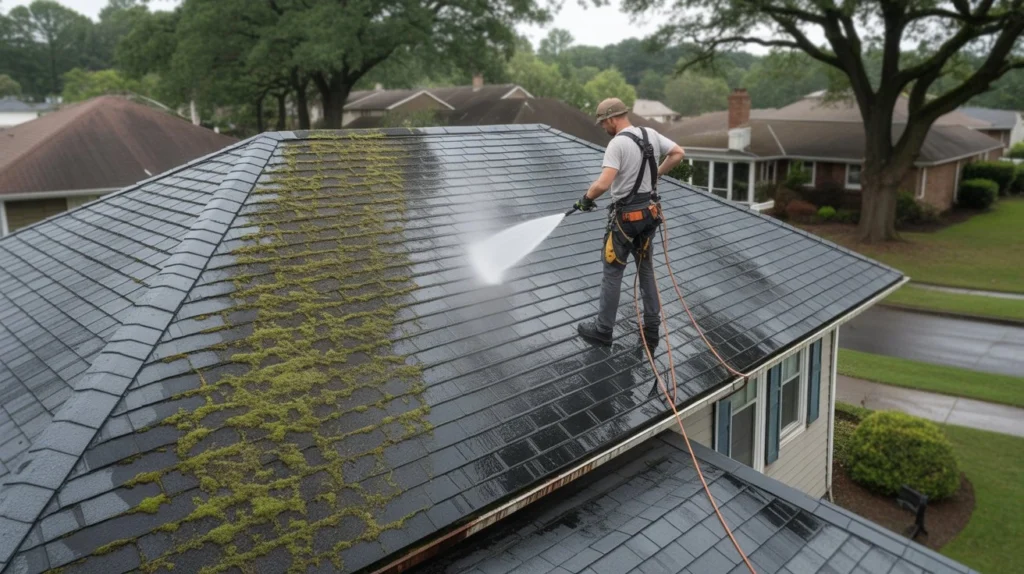
A clean roof protects your home and keeps it looking fresh. Dirt, moss, and algae can damage shingles over time. Many homeowners delay cleaning because they are unsure about pricing. The truth is, roof cleaning is more affordable than most people think. So, how much does roof cleaning cost? Most homeowners pay between $250 and $700. Small roofs cost less, while large or steep roofs cost more. Average Roof Cleaning Cost (Quick Breakdown) Here’s a quick look at common roof cleaning prices: Small roof: $200 to $400 Medium roof: $300 to $600 Large roof: $500 to $900+ National average: $350 to $600 Most companies base pricing on size, condition, and method used. Homes with heavy moss or stains may pay more. These ranges help answer the common question, how much does roof cleaning cost, at a glance. Roof Cleaning Cost Per Square Foot Roof cleaning is often priced per square foot. Average cost: $0.20 to $0.70 per sq ft Heavily soiled roofs: up to $1.00 per sq ft For example, a 2,000 sq ft roof may cost $400 to $1,200 depending on condition. If you are looking for professional roof cleaning tracy ca, companies like VJ Pressure Washing usually provide custom quotes based on roof size and cleaning needs. Understanding cost per square foot helps you estimate your total roof washing cost more accurately. Factors That Affect Roof Cleaning Prices Several key factors impact your final bill. Roof Size Roof size plays a major role in determining the final cost. Larger roofs require more time, more labor, and more cleaning solution to cover the entire surface. A small roof can often be cleaned in a few hours, while a large roof may take most of the day. As the size increases, so does the effort needed to clean safely and evenly. This is why homeowners with bigger properties usually pay higher overall roof cleaning prices. Roof Type The type of roofing material also impacts the cost. Asphalt shingles are the most common and usually the least expensive to clean. They can handle soft washing well and do not require special care. On the other hand, tile or slate roofs are more delicate and need careful handling. These materials can crack or break if cleaned incorrectly. Because of this, professionals use special techniques and take extra time, which increases the total cost. Roof Pitch Roof pitch refers to how steep your roof is. A steep roof is harder and more dangerous to work on. Cleaners must use safety harnesses, ropes, and extra equipment to prevent accidents. This slows down the process and adds to labor costs. Even if the roof size is average, a steep slope can raise the price significantly due to the added difficulty and risk. Dirt and Growth The condition of your roof also matters. Light dirt can be removed quickly, but heavy buildup takes more effort. Moss, algae, and dark streaks require deeper cleaning and sometimes special treatments. If the roof has not been cleaned in years, the job becomes more time-consuming. This increases labor costs and raises the overall roof washing cost. Cleaning Method The method used to clean the roof has a direct impact on pricing. Soft washing is the most recommended method because it is safe and effective. It uses low pressure and cleaning solutions to remove dirt and organic growth without damaging the roof. While it costs more than simple rinsing, the results last longer. Pressure washing may be cheaper, but it carries risks if not done correctly. Choosing the right method affects both cost and long-term results. Location Your location also plays a part in pricing. Labor rates differ from one area to another. In cities or high-demand areas, roof washing prices tend to be higher. Travel distance, local demand, and the cost of doing business all affect what companies charge. This is why two similar homes in different areas can have different cleaning costs. These factors explain why the answer to how much does roof cleaning cost can vary. Roof Cleaning Pricing Methods Companies use different pricing models. Flat Rate Flat rate pricing is one of the most common methods used by roof cleaning companies. In this model, the contractor gives you a fixed price based on the overall size of your roof. This means you know the total cost upfront without worrying about time or minor changes during the job. Flat rates work best for standard homes where the roof size and condition are easy to assess. It also makes it simple to compare quotes from different providers since the price is clear and predictable. Per Square Foot Per square foot pricing is the most accurate way to estimate roof cleaning costs. The contractor measures your roof area and charges based on that size. This method ensures you only pay for the exact space being cleaned. It is commonly used for both residential and commercial properties. If your roof has more surface area or complex sections, the total cost increases accordingly. Many homeowners prefer this method because it feels fair and transparent. Hourly Rate Some companies charge by the hour instead of offering a fixed price. The average hourly rate usually falls between $50 and $100, depending on the experience level and location. This method is often used for smaller jobs or when the condition of the roof is unknown. While it can work well in some cases, it may lead to higher costs if the job takes longer than expected. That is why it is important to ask for a time estimate before agreeing to hourly pricing. Custom Quote Custom quotes are used for roofs that are large, complex, or in poor condition. In this case, the company will inspect your roof and create a tailored estimate based on several factors. These include roof size, material, slope, and the level of dirt or moss buildup. Custom pricing gives the most accurate result for unique situations. It ensures that both the homeowner and the contractor understand the scope of
How Much Does Window Cleaning Cost
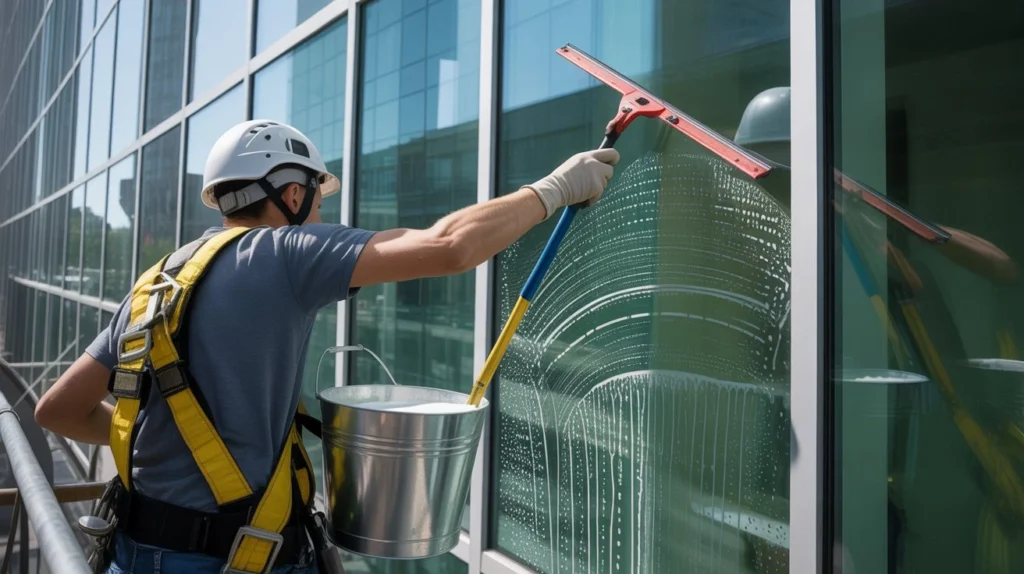
Clean windows improve light, comfort, and curb appeal fast. Most homes can be cleaned in a few hours, and the price is often lower than people expect. Basic jobs are quick. Deep cleaning takes more time. The final cost depends on window count, size, height, and dirt level. A simple plan helps you avoid overpaying and get better results. So, how much does window cleaning cost? Most homeowners pay $150 to $300 per visit, or $5 to $15 per window. Larger homes or extra services raise the total. This guide explains prices, options, and smart ways to save. Average Window Cleaning Cost (Quick Breakdown) Here is a clear snapshot of common window cleaning prices: Per window: $5 to $15 Per pane: $2 to $8 Per hour: $40 to $75 Small home (10–15 windows): $120 to $200 Medium home (20–30 windows): $200 to $350 Large home (30+ windows): $350 to $600 These are typical window cleaning services prices for standard homes. Rates can change by region and demand. For example, a local window cleaning service tracy ca may offer package deals during slow seasons, while busy areas charge more during peak months. If you want a fast estimate, count your windows and multiply by $8 to $12. Then add extras like screens or tracks. Factors That Affect Window Cleaning Prices Your final window cleaning cost depends on a few clear factors. Number of Windows More windows mean more work. Each window takes time to clean inside and out. This directly increases labor time and total cost. A home with 30 windows will cost much more than one with 10. This is often the biggest factor in overall pricing. Size and Type Not all windows are the same. Large picture windows take longer because of their size. French pane windows have many small sections that need extra care. Skylights are harder to reach and clean. These details raise the total time and effort needed. Height and Access Easy access keeps costs lower. Ground-level windows are quick and safe to clean. Upper floors need ladders or special tools. In some cases, lifts or safety gear are required. This adds time, effort, and cost to the job. Condition of Glass Clean glass is faster to wash. Light dust or fingerprints are easy to remove. But built-up dirt, grease, or hard water stains need more work. Special tools or solutions may be used. This can increase the final window cleaning cost. Screens and Tracks Many homeowners forget about screens and tracks. These areas collect dust, bugs, and debris over time. Cleaning them takes extra effort but improves the final look. Adding this service will increase the total price slightly. Location and Demand Your location plays a role in pricing. Busy cities often have higher window cleaning prices due to higher demand and labor costs. Smaller towns may offer lower rates. Seasonal demand can also affect how much you pay. Window Cleaning Pricing Models Companies price services in a few common ways. Per Window This is the most common pricing method. Each window has a fixed price, which makes it easy to understand. It works best for standard homes with regular-sized windows. Homeowners like this model because they can quickly estimate total window cleaning cost based on window count. Per Pane This method is used for windows with multiple sections. Each pane of glass is counted separately. For example, a window with six panes will cost more than a single-pane window. This pricing is common for older homes or decorative window designs. Hourly Rate Some companies charge by the hour, especially for large or complex jobs. This works well when the number of windows is high or access is difficult. You pay for the time spent on site, so the final cost depends on how long the job takes. Flat Rate A flat rate means one fixed price for the entire home. This is often used in service packages. It gives peace of mind because there are no surprise charges. Many homeowners prefer this option when booking full-service window cleaning services prices packages. Ask what is included. Some quotes cover glass only, while others include screens and tracks. Residential Window Washing Cost Breakdown Most homeowners choose full residential window washing. Here is how costs break down: Interior Only $2 to $5 per window Fast and low effort Exterior Only $4 to $10 per window More dirt and weather impact Interior + Exterior $8 to $15 per window Most popular option Full Service $10 to $20 per window Includes glass, screens, tracks, and frames A typical home with 25 windows may cost $250 to $400 for full service. Regular cleaning keeps costs steady and prevents heavy buildup. Commercial Window Cleaning Cost Commercial pricing depends on building type and access. Storefronts: $100 to $300 per visit Small offices: $150 to $400 Mid-size buildings: $400 to $1,000 High-rise: custom quotes Many businesses choose weekly or monthly plans. This lowers long-term window cleaning cost and keeps glass clear for customers. DIY vs Professional Window Cleaning Cost DIY Cleaning Tools: $50 to $150 Time: 2 to 6 hours Risk: slips or ladder falls DIY works for small homes. Results may not be streak-free. Professional Cleaning Higher upfront cost Faster and safer Better finish For multi-story homes, hiring pros is the safer choice. The value is in time saved and consistent results. Additional Services That Affect Cost Extras can raise your total bill but improve the outcome. Screen cleaning: $2 to $5 each Track cleaning: $3 to $7 per window Hard water stain removal: priced per window Post-construction cleaning: higher due to debris Pressure washing bundles: often discounted Companies like VJ Pressure Washing offer bundle pricing. This can lower your overall window cleaning services prices. How Often Should You Clean Your Windows? Most homes need cleaning twice a year. Spring removes winter dirt Fall clears dust before colder weather Homes near roads, trees, or the coast may need more frequent service. Regular care keeps your window cleaning cost lower over time.
How Much Does Gutter Cleaning Cost?
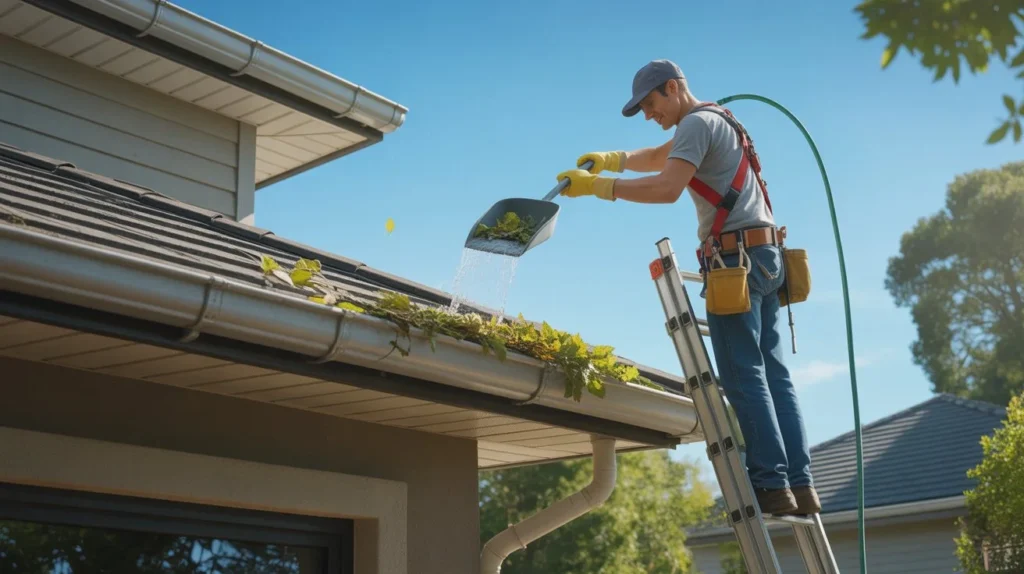
Clogged gutters cause real damage. Water can spill over, soak your walls, and weaken your foundation. A simple cleaning can prevent repairs that cost thousands. That’s why many homeowners plan this service each year. So, how much does gutter cleaning cost? Most homeowners pay between $100 and $300 per visit. The exact price depends on home size, height, and debris level. Average Gutter Cleaning Cost in 2026 The gutter cleaning cost in 2026 stays within a clear range. Most homes fall between $120 and $320. Smaller homes cost less, while larger or taller homes cost more. In many areas, the average price for gutter cleaning is about $150 to $250. This covers standard debris removal and basic flushing. If your gutters are heavily clogged, the price can rise. If you live in California, services like gutter cleaning tracy ca often include full inspections. Companies like VJ Pressure Washing may also check for leaks and blockages. This adds value, not just cost. The cost to clean gutters also changes with demand. Fall and spring are busy seasons. Prices can be higher during these times. Gutter Cleaning Cost by Home Size One-Story Homes These are the most affordable options. The average cost ranges from $70 to $200. Easier access reduces labor time, which keeps the price lower. Two-Story Homes These homes require more safety measures. The average cost falls between $120 and $300. The added risk and setup increase the overall price. Three-Story Homes These require special tools and extra care. The average cost starts around $200 and can exceed $400. More time and equipment are needed for safe cleaning. The cost for gutter cleaning increases with height. Safety gear and longer setup time add to the final bill. Cost by Pricing Method Per Linear Foot Many professionals charge based on the length of your gutters. The cost usually ranges from $0.80 to $2.50 per foot. This method works best for larger homes where total gutter length is higher. Flat Rate Some companies offer fixed pricing for standard jobs. The average cost ranges from $100 to $250 per visit. This option is common for homes with average gutter size and easy access. Hourly Rate This method is less common but still used in some cases. Rates usually range from $40 to $100 per hour, depending on the difficulty of the job. Knowing these pricing methods helps you understand your quote better. It also makes it easier to compare different service providers. Factors That Affect Gutter Cleaning Cost Home Height and Access Taller homes cost more. Hard-to-reach areas increase labor time and risk. Workers often need ladders, stabilizers, or safety harnesses to complete the job. This setup takes extra time and skill. In some cases, special equipment is required for safe access, which adds to the total cost. Gutter Length More linear feet means more work. Larger homes with longer gutter systems take more time to clean and inspect. Even if the debris is light, the added length still increases labor time. This directly raises the gutter cleaning cost, especially for properties with complex layouts. Debris Build-Up Leaves, mud, bird nests, and roof dirt can clog gutters over time. When buildup is heavy, it slows down the cleaning process. Workers may need to scoop, flush, and rinse multiple times to clear everything. In severe cases, clogged gutters can also block water flow completely, which increases the effort and price. Roof Type Steep or uneven roofs make cleaning more difficult. Workers must move carefully to avoid slips or damage. This slows down the job and requires extra safety steps. Homes with tile or metal roofs may need special care, which can raise the cost to clean gutters. Location Labor rates vary depending on where you live. Cities and high-demand areas usually have higher service costs. Travel distance also matters. If your home is far from the service provider, you may pay extra for transportation time and fuel. Condition of Gutters Old, rusted, or damaged gutters need careful handling during cleaning. If sections are loose or leaking, workers must clean them gently to avoid further damage. In some cases, small repairs may be needed during the service. This can increase the cost for gutter cleaning. Frequency of Cleaning If gutters are cleaned regularly, the job stays simple and quick. But if they have been ignored for a long time, debris becomes compact and harder to remove. This increases both time and effort, leading to higher costs. Season and Demand Prices can change based on the time of year. Fall and spring are the busiest seasons because leaves and debris build up quickly. During these periods, demand is high, and some companies may charge more. Booking during slower months can help reduce costs. Accessibility Around the Home Things like fences, tight walkways, or heavy landscaping can make it harder to reach gutters. Workers may need extra time to set up or move equipment around obstacles. This added effort can increase the overall price. Downspout Condition Downspouts are an important part of the system. If they are clogged or blocked, cleaning them takes extra time. Some professionals flush the entire system to ensure proper water flow. This additional work may increase the final cost. Additional Costs & Add-Ons Many companies offer extra services: Downspout cleaning: $50 to $150 Minor repairs: $75 to $200 Gutter guard installation: $200 to $600 Roof debris removal: $100 to $300 These add-ons can increase the total gutter cleaning cost, but they also improve system performance. DIY vs Professional Gutter Cleaning Cost DIY Cleaning Cleaning gutters yourself may seem cheaper at first. The cost for tools typically ranges from $50 to $200, and the job can take 2 to 5 hours. However, there are risks involved. Falls and injuries are common, and it’s easy to miss hidden issues that could cause damage later. Professional Cleaning Hiring a professional costs more upfront, usually between $120 and $300. However, it saves time and reduces risk. Professionals from VJ Pressure Washing can also spot potential
How to Pressure Wash a House (Step-by-Step Guide)
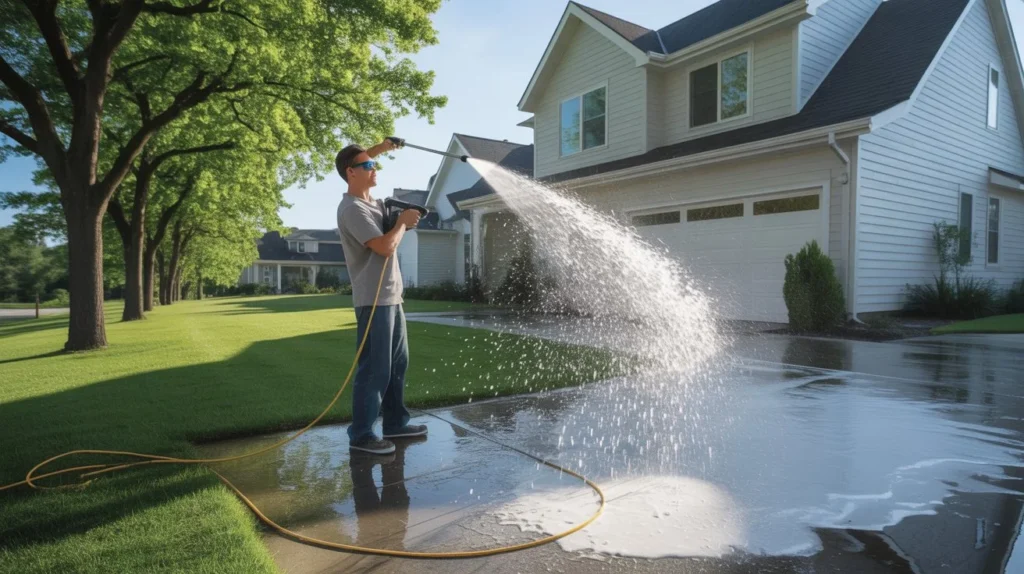
A clean home exterior protects your siding and improves curb appeal. Dirt, mold, algae, and dust build up over time. If left alone, they stain surfaces and slowly damage paint or siding. A proper wash removes these layers and helps your home last longer. If you want to know how to pressure wash a house, the key is simple: use the right pressure, the right cleaner, and the right technique. This guide explains each step so beginners can safely clean their home without causing damage. Why Pressure Washing Your House Matters Exterior walls face rain, dust, and pollution every day. These build up and trap moisture. That leads to mildew, stains, and wood rot. Regular pressure cleaning house surfaces helps prevent these issues. It also prepares walls for painting and keeps the home looking fresh. Benefits include: Removes mold, mildew, and algae Improves curb appeal Protects siding and paint Prepares surfaces before repainting Helps your home look well maintained Many homeowners use power washing house siding once a year to prevent buildup. Tools and Materials Needed Before you start, gather the right tools. Good preparation saves time and prevents mistakes. Basic equipment: Pressure washer (electric or gas) Garden hose with water supply Pressure washer detergent Spray nozzles (25° and 40° are best for siding) Extension wand for higher areas Bucket and brush for stubborn stains Safety gear: Safety glasses Gloves Non-slip shoes Electric machines work well for most homes. Gas units offer stronger pressure for large houses or brick surfaces. Safety Precautions Pressure washers are powerful tools. If used the wrong way, they can damage siding or cause injury. At VJ Pressure Washing, we always stress using the correct pressure, proper equipment, and safe techniques to protect both the home and the person doing the cleaning. Follow these simple rules: 1. Protect yourself Wear protective gloves and safety glasses before you start. A pressure washer sprays water with strong force. Small dirt particles, paint chips, or debris can bounce back toward you. Proper protection helps prevent eye injuries and keeps your hands safe while cleaning. 2. Keep distance Keep the spray nozzle about 2 to 3 feet away from the wall while cleaning. This distance helps control the pressure and prevents damage to siding, paint, or wood surfaces. Standing too close can strip paint or force water behind the siding. 3. Use the right nozzle Use a 25° or 40° spray nozzle when cleaning most types of siding. These nozzles spread the water pressure over a wider area, making the cleaning safer and more controlled. Narrow spray tips focus the pressure into a small stream, which can damage siding, strip paint, or leave marks on the surface. 4. Avoid sensitive areas Avoid spraying water directly at windows, vents, light fixtures, or electrical outlets. High pressure water can force moisture into these areas, which may cause damage or create electrical risks. Always keep the spray slightly angled away from these parts of the house. 5. Watch the ladder If you need to use a ladder, make sure both feet are firmly placed and balanced before you begin spraying. Keep your body steady at all times. Never spray the pressure washer while you are off balance, as the strong water force can cause you to lose stability and fall. Safety comes first when pressure washing your house. Prepare the Area Good prep makes the cleaning process faster and safer. Start by clearing the space around your home. Move patio furniture Remove decorations Park cars away from the wall Trim plants near siding Cover plants with plastic sheets. Cleaning solutions can harm leaves.Seal outdoor outlets and lights with plastic and tape. Also close all windows and doors. If you prefer professional help, many homeowners hire a residential pressure washing service fremont ca like VJ Pressure Washing to handle the prep and cleaning.Preparation also helps when power washing house siding because dirt often collects near plants and corners. Prepare the Pressure Washer Next, set up the machine correctly. Connect the garden hose to the pressure washer. Attach the high-pressure hose to the spray gun. Insert the correct spray nozzle. Turn on the water supply first. Start the pressure washer. Always test the spray on a hidden part of the house first. This helps you check the pressure level. Learning how to pressure wash a house safely starts with a small test area.If the siding looks safe after spraying, you can move forward. Apply Cleaning Solution Most dirt and algae need a cleaning solution to break down stains. Fill the detergent tank with a pressure washer soap designed for siding. Follow these steps: Switch to the low-pressure soap nozzle. Spray the cleaner from bottom to top. Cover one section at a time. Let the solution sit for about 5 to 10 minutes. Do not let the soap dry. If it dries, it can leave streaks.This step is important when power washing house siding because soap loosens grime before rinsing. Wash the House Once the detergent has worked on the surface, you can begin washing the house. Switch to a wider spray nozzle and start rinsing from the top of the wall. Move slowly downward so the dirty water flows away from areas already cleaned. Keep the spray wand moving in smooth horizontal motions. This prevents streaks and uneven marks on the siding. Maintain a steady distance from the wall while spraying. Standing too close can damage siding or strip paint. Work in small sections around the house. This method keeps the cleaning process organized and prevents detergent from drying before rinsing. Using steady motion and controlled pressure is the key when pressure washing your house. Special Tips for Different Siding Types Not all siding handles pressure the same way. Vinyl Siding Vinyl siding is common and fairly easy to clean. Use moderate pressure and keep the nozzle about 2 feet away from the surface. Do not spray upward under the panels because water can get trapped behind them. Wood Siding Wood siding needs extra
