
Can I Pressure Wash at Night? 5 Honest Truths You Need to Know
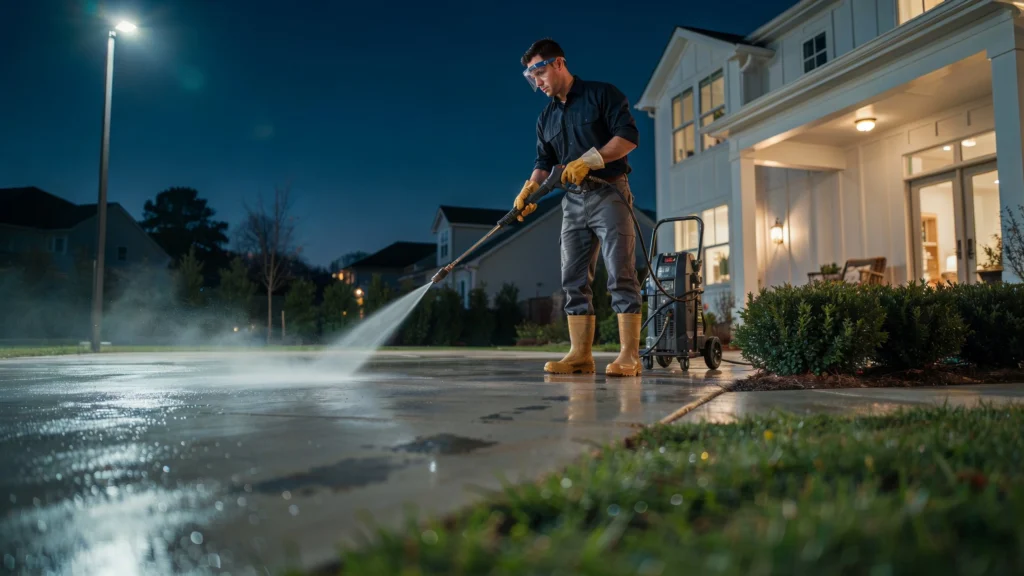
You had a long day. The driveway still looks grimy. The kids are finally in bed. And now you’re thinking about grabbing the pressure washer before it gets too late. It sounds like a good plan. But is it actually safe, smart, or even allowed? Yes, you can pressure wash at night in most cases but there are real safety risks, noise concerns, and visibility problems you need to think through first. Can I pressure wash at night without causing problems? That depends on where you live, what you’re cleaning, and how prepared you are. This article covers everything you need to know. Is It Safe to Pressure Wash at Night? The short answer: it can be safe, but the risks go up after dark. Pressure washing uses water at high force. That alone demands full attention. Now add low-light conditions, wet surfaces, and tired eyes and your risk of slipping or making mistakes increases. Here’s what actually changes at night: Visibility Drops Fast You can’t clearly see what you’re spraying, where water is pooling, or if a surface is cracking. Missing these cues can cause surface damage or personal injury. Wet Surfaces Are Harder to See Puddles look invisible in poor light. One wrong step on a slick driveway or patio tile and you’re down. Electrical Hazards Become More Serious Water near outdoor outlets, extension cords, or lighting fixtures is always a risk. At night, it’s easier to miss a hazard you’d spot in daylight. Fatigue Affects Your Control Operating a pressure washer when you’re tired reduces reaction time. The machine kicks back. Your grip matters. None of this means nighttime pressure washing is off the table. It means you need to take it more seriously than a daytime job. Benefits of Pressure Washing at Night Despite the risks, there are real reasons people choose to pressure wash after dark. Some of those reasons are actually quite practical. 1. Cooler Temperatures Help Surfaces Dry Properly In summer, daytime heat can cause water to evaporate too fast. This can leave streaks or detergent residue on concrete and siding. Cooler nighttime air gives surfaces time to rinse and dry evenly. 2. Lower Water Pressure on City Systems In some areas, municipal water pressure drops slightly during peak daytime hours. Late at night, you get more consistent water flow, which can improve your wash results. 3. No Direct Sunlight Means Less Glare Bright sun on a wet concrete driveway can cause serious glare. At night, with a proper work light, you control the lighting and reduce eye strain from reflections. 4. Less Foot Traffic and Distraction Daytime washing means dealing with neighbors walking by, vehicles, kids, and pets. Nighttime pressure washing is often quieter in terms of activity, which lets you focus. 5. Cooler Surfaces Absorb Cleaning Solutions Better Hot concrete in the sun repels some cleaning solutions before they can work. Cooler surfaces at night allow dwell time, which means your detergent actually does its job. These are real advantages especially for residential pressure washing tips that focus on getting the best clean possible. Potential Drawbacks of Nighttime Pressure Washing The benefits are real, but so are the downsides. Here are the ones that matter most. Noise Complaints Are a Major Issue Pressure washers are loud. Most residential areas have noise ordinances that kick in after 10 p.m. or even 9 p.m. in some neighborhoods. Pressure washing after dark, especially near bedrooms or in close quarters, can lead to complaints or fines. You Miss What You’re Cleaning Without full visibility, it’s easy to over-spray delicate areas, miss grimy patches, or damage a surface without realizing it. You won’t know until daylight shows you the result. Setup Takes Longer Laying out hoses, finding outlets, setting up work lights everything takes more time and effort at night. A 30-minute job in daylight can take twice as long after dark. Runoff Is Harder to Manage Dirty water and cleaning solutions run into driveways, lawns, and storm drains. At night, you can’t see where it’s going. Some of those chemicals can harm plants or local waterways if not managed properly. Slip and Fall Risk Is Higher This is the biggest safety concern. Wet concrete, tile, wood decking all of these become more dangerous when you can’t see the water clearly. Best Surfaces to Pressure Wash at Night Some surfaces handle nighttime washing better than others. If you’re going to clean after dark, these are your safest choices: Concrete Driveways and Walkways Flat, open, and easy to light. Use portable work lights and you’ll be fine. Fences and Walls Vertical surfaces that don’t pool water underfoot. You stand back and spray, which reduces slip risk. Vinyl Siding As long as you’re careful around windows and light fixtures, vinyl handles nighttime washing well. Patios with Good Lighting If your patio already has overhead lights or you set up temporary ones, it’s a manageable surface at night. Garbage Bins and Outdoor Furniture These can be moved to a well-lit area for an easy nighttime clean. Surfaces That Are Better Cleaned During the Day Some jobs are just better done when you have full visibility and proper lighting. Wood Decks Wood is sensitive to pressure, and you need to see grain direction and any soft or rotten spots clearly. Nighttime washing on a deck increases the risk of over-washing or missing problem areas. Roof Washing This requires height, balance, and full visibility at all times. Never do roof work after dark. Painted Surfaces You need to watch closely for paint lifting, blistering, or streaking. You can’t catch those issues at night. Stone and Brick Mortar joints can be damaged if you spray at the wrong angle. Daytime gives you the visibility to avoid that. Vehicles and RVs Even with pressure washer-safe settings, cleaning a vehicle at night risks missing paint chips, seals, and trim details that need careful attention. Essential Safety Tips for Night Pressure Washing If you decide to move forward with pressure washing after dark, follow
What to Use to Wash a Driveway?
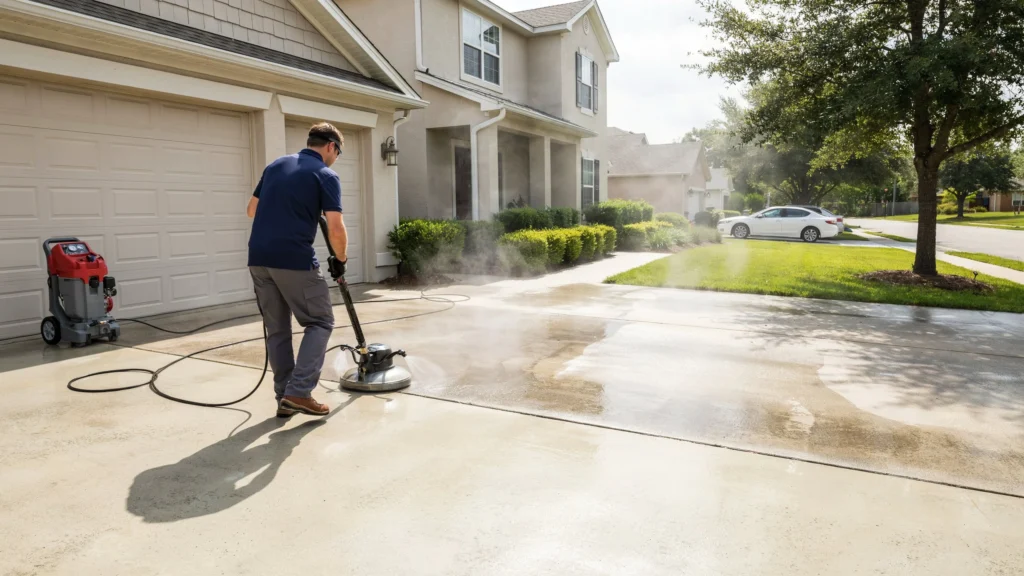
Your house will be more stylish with a clean driveway. Dust, tire tracks, oil stains, mold, mildew, algae, and other natural debris can settle on your driveway, which makes it look greasy and dull. Many people are curious to ask, what do you wash a driveway with, and how do you make it look like the job of a professional without impairing it? Which product to use will depend on the surface of your driveway, the kind of stains, and how much you want to clean up. No matter if your driveway is constructed from concrete, asphalt, brick, or pavers, there are cleaners and cleaning methods that will breathe new life into your driveway and help it last for years longer. Why Regular Driveway Cleaning Matters A driveway is among the most used parts of your home’s exterior. Vehicles, weather, and pedestrians continually batter it with dirt and grime. The benefits of regular cleaning are numerous: Helps your curb appeal, Prevents Stains from becoming permanent, Mold and Algae Growth is reduced, Life of Driveway is Prolonged, Safety is improved – wet and slippery surfaces are decreased, Property Value and your investment in your home is protected. Understanding what to use to clean a driveway can help a homeowner keep a clean and safe outdoor environment all year round. With VJ Pressure Washing, you can ensure your driveway stays spotless and well-maintained throughout the year. Best Driveway Cleaning Solution Choose the most suitable driveway cleaner appropriate for the kind of soil or stain on your driveway. 1. Mild Detergent and Water Warm water and mild dish detergent are all you need for routine cleaning. The solution penetrates dirt on the surface. Oil and grease stains, however, will call for stronger cleaning agents. 2. Degreasers Professional degreasers emulsify oil-based soils so they can be flushed away. Surface and light stains can be applied to the majority of driveway materials. 3. Oxygen Bleach Oxygen bleach is a safe and effective, environmentally friendly product that kills mold, mildew, and algae without any harsh chemicals. 4. Vinegar Remedy A solution of water and white vinegar is effective in removing organic stains and mildew. But take care with some surfaces you don’t want to damage them. Pressure Washing Driveway Tips Power washing is the only effective way to clean a grimy driveway. Using the correct driveway washing Tracy CA tips will enable you to get results that are comparable to those of a professional, but without compromising the surface. 1. Pre-washing Treatment Before pressure washing, treat oil stains, grease spots, and dirt with a degreaser or driveway cleaner with good reviews. Allow the cleaner to work on breaking down the substances for 10 to 15 minutes. 2. Sweep the Driveway First Remove leaves, dirt, stones, and other debris from the area before pressure washing. This allows the soil to be washed away, rather than coming between the water and the surface that you’re cleaning. 3. Use a Surface Cleaner Attachment A surface cleaner attachment delivers uniform cleaning, minimizing streaks. It also makes the job go faster than a regular spray nozzle. 4. Work in Small Sections Break up the job into little pieces, and take each one at a time. This way you won’t switch rooms, and dirt will be deeper. 5. Rinse Well After you have finished scrubbing, use a hose to rinse the driveway off of all the detergent along with the dirt and grime. A good rinse will also help to whiten the floor and prevent stains. Concrete Driveway Cleaner A good quality concrete driveway cleaner will significantly impact how well it cleans. Choose from products that: Get rid of the oil and grease stains Remove mold & mildew Are biodegradable Are safe for the plants around them Use with pressure washers Professional products can make a big difference in deep cleaning driveways. How to Remove Driveway Stains Knowing how to clean driveway stains is vital to keeping up a neat look. 1. Oil Stains Oil stains are also a popular driveway issue. To remove them: Cover the stain with an absorbent material, apply a degreaser, scrub vigorously, rinse thoroughly. 2. Grease Stains Grease needs to be treated several times with a special degreaser. 3. Rust Stains Apply a rust remover that is suitable for use on concrete. 4. Mould and Mildew Use an oxygen bleach or a solution of mildew remover, then scrub well. 5. Skid Marks Skid marks also can cause black lines to appear on your driveway, especially on concrete. These are typically the result of hot tires leaving rubber on the driveway over time. A good detergent and a special cleaner for tire marks applied with a stiff bristle brush can help you get rid of tire marks and bring back a clean look for your driveway. Conclusion If you’re wondering, “How do you clean a driveway?” It depends on the type of driveway you have and what stains are on it. Soap and water should suffice for standard cleaning. For heavy-duty stains, a concrete driveway cleaner or commercial degreaser is the best bet. The best product to clean a driveway and a few simple tips to pressure wash a driveway will bring your driveway back to life and protect it from damage again. Knowing how to get stains out of a driveway is just as crucial in keeping an eye-catching exterior as it is when it comes to having a driveway that lasts a long time. By maintaining your driveway regularly using the right cleaning approach and occasionally providing it with a deep clean, you will be able to enjoy a clean, good-looking, and strong driveway for many years. For more information or professional assistance, feel free to Contact Us today! FAQs What is the best solution to wash a driveway? For routine cleaning, warm water and mild dish detergent work well. For tougher stains like oil and grease, a professional degreaser or concrete driveway cleaner is the best option. Oxygen bleach is ideal for mold and
What Is the Correct Order to Clean Your House?
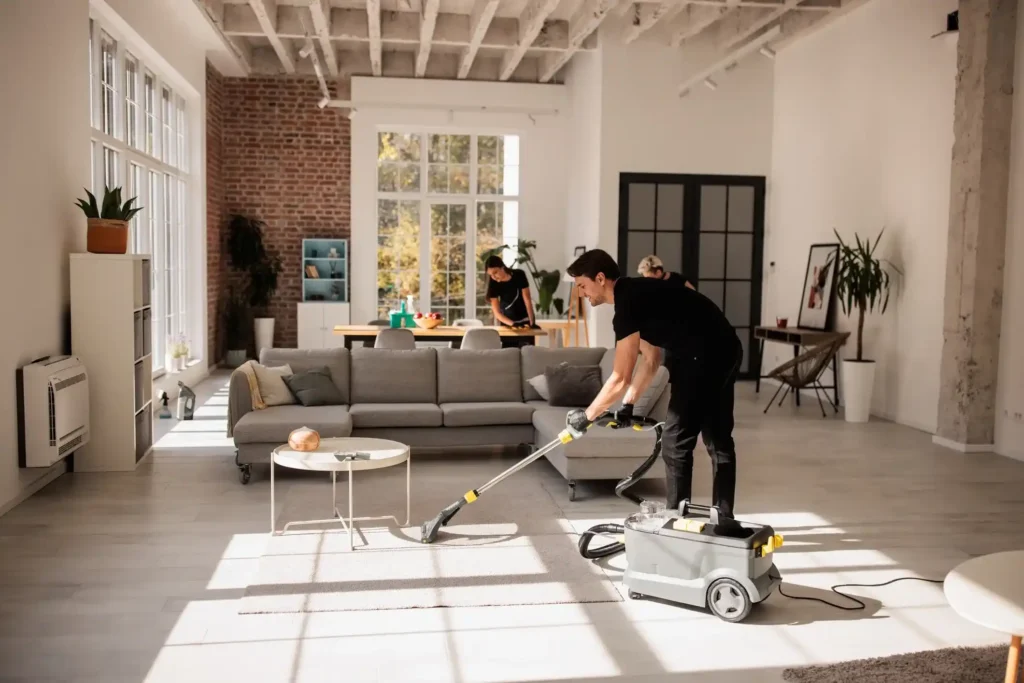
Maintaining a clean house can feel overwhelming if you don’t know where to begin. You may feel that dusting and vacuuming are on the losing side in some areas of your home. That’s why doing the cleaning in the right order is so important. So, what is the right order to clean a house? Observing an order of cleaning is more organized, efficient, and effective! Don’t just wander from one chore on the list to the next like a lost soul, but have a strategy to at least touch each room adequately. A well-defined step-by-step guide for how to clean a house enables you to clean the house without wasting your time and your energy. Why Cleaning Order Matters Cleaning a mess twice because you clean in the wrong order is annoying. Say you vacuum the floors before you dust the furniture, dust will land on the floor you just cleaned. At VJ Pressure Washing, we always recommend cleaning top to bottom and in the right order so every surface stays clean and no effort goes to waste. Cleaning in your home works fastest when you do it from the top down, and you’ll get the best results if you clean from the inside (cleanest area) moving outward (dirtiest area). This method keeps dust and dirt from being distributed, and cleaning is only done once. Best Way to Clean a House Efficiently The most efficient way to clean a house is to clean each room in the house each day and not clean in a random manner. Begin by collecting all your cleaning products for a task, then do the job. The clean-up process is smoother, and the motivation to keep cleaning stays up if you prevent unnecessary breaks to clean or start again after stopping to clean a mess. And if the outside of your home needs attention too, our exterior house washing services Tracy CA are just a call away. Room by Room Cleaning Sequence A good cleaning routine also keeps you on track and makes you more efficient. 1. Gather Cleaning Supplies First But first, get your supplies for the house cleaning in the correct order of steps. Among the standard cleaning products are microfibre cloths, sponges, disinfectants, glass polishes, vacuum cleaners, mops, buckets and refuse sacks. Preparation ensures there is no lag time between cleaning, and it also makes cleaning flow better. 2. Declutter Every Room Collect anything that belongs in another room and bring it back. Remove Chaos: Clear off your counters, tables, floors, and your shelves. While you are decluttering, you are clearing things out to make space, and you can get down and dirty, really clean under and behind things. 3. Start with Dusting Dusting should always precede vacuuming or mopping. While doing a house cleaning step-by-step guide, start dusting ceiling fans, light covers, shelves, furniture, and any other raised surfaces. Dust settles under gravity, so higher areas should be cleaned first. 4. Clean Windows and Mirrors Once dusting is done, go over glass surfaces. Clean windows, mirrors, and glass doors with suitable detergent and dry with a clean cloth. 5. Move to the Kitchen The kitchen is the busiest room in the house. Work from the countertops and appliances down as you wipe off. Clean the cabinet fronts, sink, and backsplash. Clean up by sanitizing your contact surfaces high. 6. Deep Clean Kitchen Appliances Grease, food residue, and bacteria build up in kitchen appliances. A thorough cleaning of the microwave, fridge, oven, and dishwasher regularly will ensure hygiene, enhance performance, and keep the kitchen smelling fresh. 7. Clean the Bathrooms Bathrooms are to be cleaned following the kitchen. As part of a good room-by-room cleaning routine, clean sinks, countertops, mirrors, toilets, showers, and tubs. Let cleaning solutions sit for a short duration prior to scrubbing. This enables easier removal of soap scum and stains. 8. Disinfect High-Touch Areas Bathrooms have a lot of touched surfaces. How to Clean Your Home Efficiently: Disinfect doorknobs, faucet handles, light switches, and bathroom flush handles. Cleaning regularly will also help to reduce the spread of germs in the home. 9. Move to Bedrooms A bedroom after all, is it not the place you sleep? is typically given a more cursory cleaning than a kitchen or bathroom. Working with the house cleaning order by process, make the bed and put away the personal items first. Dust furniture, clean mirrors, and Windex surfaces before vacuuming or mopping, or use a damp cloth before vacuuming or mopping. 10. Wash Bedding Regularly Sheets, pillowcases, blankets, and comforters collect dust, sweat, and allergens over time. Fresh bedding contributes to a cleaner and healthier sleeping environment. 11. Clean Living Areas The living and family rooms are second active spaces in the home. Dust shelves, electronics, furniture, and knickknacks. Fluff cushions, corral clutter, and wipe surfaces to a clean finish. 12. Vacuum All Floors When you are done dusting and wiping surfaces, vacuum the floors. Clean the floor at the end of your work, always, since dust and dirt are falling while working. Vacuum carpets, rugs, and all corners thoroughly. 13. Mop Hard Floors After you vacuum, mop tile, hardwood, laminate, or vinyl floors. Mopping takes off the last layer of dirt and dust on your floors and makes them look fresh and clean. 14. Empty Trash Bins Throw away the garbage when you have finished cleaning the worst part. A good housecleaning is to pass through the house, collecting the contents of all the wastebaskets on each floor in the kitchen and lining them. Garbage out, smell out, clean house. Deep Cleaning Deep cleaning at home can come with a few extra tasks like cleaning behind appliances, washing walls, scrubbing grout, and organizing storage spaces. If you want to have a healthy and beautiful home, you should deep clean regularly. And don’t forget the outside our roof cleaning services Tracy CA keeps your roof free from moss, algae, and dirt all year round. Conclusion So what is the right order to
How Do Professionals Clean Roof Tiles? (7 Proven Steps Experts Follow)
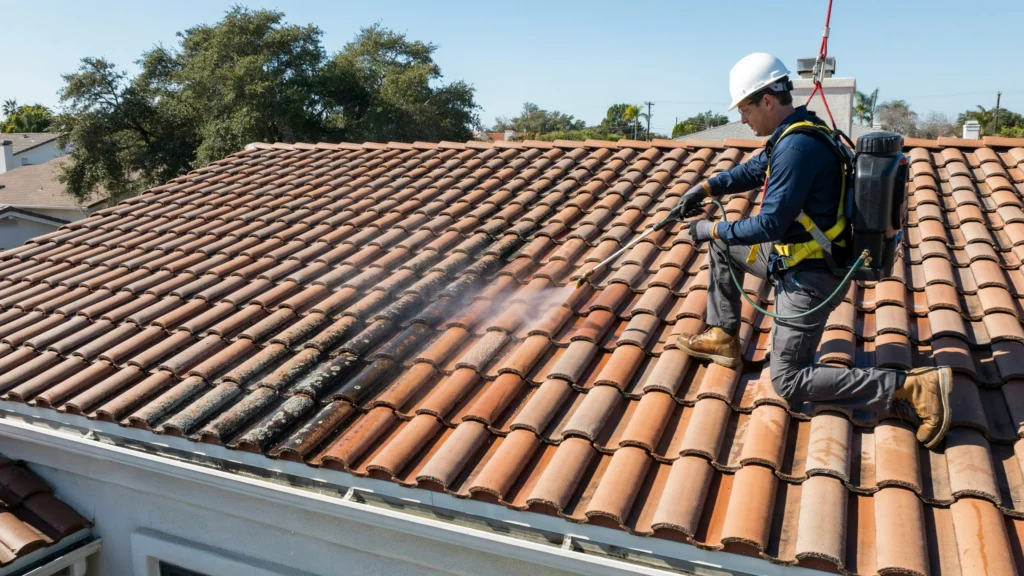
Your roof works hard every single day. Rain, wind, algae, and moss slowly build up on tiles over time. Left alone, that grime can shorten your roof’s life and hurt your home’s value. Cleaning it isn’t just about looks. It’s about protecting a big investment. So how do professionals clean roof tiles? They follow a careful process using the right tools, the right pressure, and the right chemicals without causing damage. This guide breaks it all down for you, step by step. What Causes Roof Tiles to Get Dirty? Before cleaning, it helps to understand what you’re dealing with. Roof tiles face constant exposure to the elements. Several things cause that dark, ugly buildup. Algae and Moss are the most common culprits. Algae thrives in humid, shaded areas and spreads fast. Moss holds moisture against tiles, which can crack them over time. Lichen is trickier. It’s a combination of algae and fungus. It grips tile surfaces tightly and is harder to remove than algae alone. Dirt and debris accumulate from wind, nearby trees, and birds. Leaves rot on the roof and create damp patches that encourage organic growth. Hard Water Stains appear in areas with mineral-rich water. These white or gray streaks are calcium deposits left behind after rain evaporates. Air Pollution leaves a thin film of grime over time. Urban homes deal with this more than rural ones. Understanding the type of dirt matters. Different problems need different solutions. A professional identifies what’s on your roof before starting any work. Why Hire Professionals for Roof Tile Cleaning? You might think a garden hose and some scrubbing will do the job. It won’t not properly, anyway. And doing it wrong can cost you more than hiring someone in the first place. Here’s why professional roof tile cleaning is the smarter choice: Safety First. Roofs are slippery, especially when wet or covered in moss. Professionals use proper harnesses, non-slip boots, and fall protection equipment. Falls from roofs cause serious injuries every year. The Right Equipment. Professionals use commercial-grade tools that you simply can’t rent from a hardware store. They know how much pressure each tile type can handle. No Tile Damage. Too much water pressure cracks tiles, lifts ridge caps, and forces water under the surface. A trained technician knows exactly how to avoid this. Long-Lasting Results. Professionals apply post-treatment biocides that prevent regrowth for years. DIY cleaning usually only removes visible grime without stopping it from coming back. Insurance and Liability. Licensed professionals carry insurance. If anything goes wrong on your property, you’re protected. If you’re in the area and need reliable help, check out our roof cleaning services Tracy CA page. Our team at VJ Pressure Washing handles everything from inspection to final treatment with care and precision. How Professionals Clean Roof Tiles This is the core of what you’re here for. So let’s walk through how professionals clean roof tiles, from the first inspection to the final rinse. Step 1: Roof Inspection Every job starts with a walkthrough. The technician checks for cracked, broken, or loose tiles. They note areas with heavy moss or lichen. They look for damaged flashing and clogged gutters. This matters because cleaning a damaged roof can make problems worse. Cracks let water in. Loose tiles can slide off. A professional won’t start until the roof is safe to work on. Step 2: Protecting the Property Before any water or chemicals touch your roof, the area below is protected. This means: Covering garden beds and plants with tarps Closing windows and doors Moving outdoor furniture away from the work zone Blocking gutters temporarily to control runoff Cleaning solutions can harm plants and stain surfaces. A good crew takes time to prep the site properly. Step 3: Applying Biocidal Treatment On most tile roofs, professionals apply a biocidal cleaning solution first. This is a mix of water and a surfactant-based chemical designed to kill moss, algae, and lichen at the root level. The solution is sprayed evenly across the roof surface and left to dwell. Dwell time depends on how heavy the growth is anywhere from 20 minutes to a few hours. This step does the hard work. The chemical breaks down organic material so it’s easier to remove. Step 4: Soft Washing or Pressure Washing After the treatment dwells, the roof is rinsed. This is where the debate between soft washing and pressure washing comes in (more on that below). Most professionals use low to medium pressure for tile roofs. High pressure can crack tiles, especially older concrete or terracotta ones. The goal is to rinse off the treated grime without putting stress on the surface. The technician works from the ridge (top) downward. This ensures runoff flows naturally with gravity and doesn’t force water under tiles. Step 5: Scrubbing Stubborn Areas For thick moss or lichen that doesn’t rinse away, professionals use long-handled soft bristle brushes. They scrub gently in the direction of the tile’s profile. This loosens material without scratching the surface. Wire brushes are never used. They scratch tile coatings and speed up weathering. Step 6: Gutter Cleaning All that loosened moss and debris ends up in the gutters. A professional job always includes clearing and flushing the gutters after the roof is done. Blocked gutters cause water damage to fascias and foundations. Step 7: Post-Treatment Application This is the step most DIYers skip and it’s the most important one for long-term results. After the roof is clean, a protective biocide or algae inhibitor is applied. This soaks into the tile surface and kills any remaining spores. It also creates a barrier that slows future growth. Quality biocide treatments can keep your roof clean for 2 to 5 years, depending on your local climate and tree coverage. Soft Washing vs. Pressure Washing Roof Tiles These two roof washing techniques are often confused. They’re very different. Soft Washing uses low water pressure (under 500 PSI) combined with a cleaning solution. The chemicals do most of the work. Soft wash roof cleaning
What Are the Advantages of Home Washing?
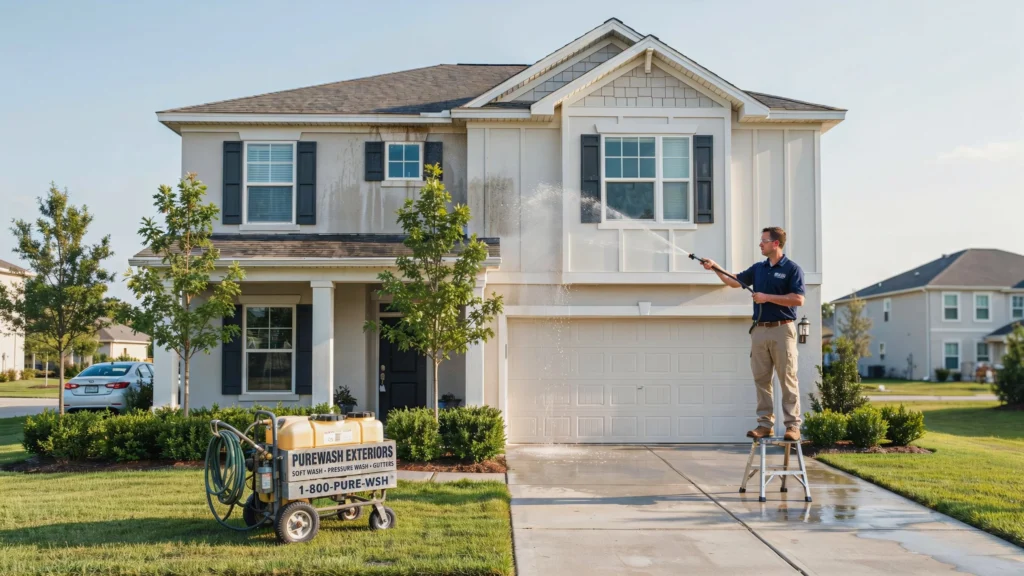
People only think about cleaning inside their home and don’t realize the importance of cleaning outside their home. Over time, dirt, algae, dust, mold, and other contaminants collect on a home’s exterior surfaces, making the house look tired and dingy. Routine home washing is among the best ways to protect and preserve a property. It cleans and brightens, protects exterior surfaces, and promotes a healthier environment. Whether by homeowners or professional exterior house cleaning company services, routine cleaning of your house comes with many benefits you can keep for a long time. Understanding Home Washing Home Washing Service is the professional power washing service of the sides of a house, including its siding, brick, stucco, roof, driveway, patio, and even fence! It is designed to remove dirt, grime, algae, mildew, and other long-stay residents. If left unchecked and untreated, these contaminants can eat away at surfaces and can fade the look and the curb appeal of a house. house washing services Tracy CA is necessary for the beauty and life maintenance of the home. Benefits of House Washing The advantages of house washing are not just cosmetic. A clean exterior helps protect your home’s structure and can extend the lifespan of siding, paint, and other building materials. At VJ Pressure Washing, we help homeowners maintain a cleaner, healthier, and longer-lasting property through professional house washing services. Homeowners can also prevent decay and save on maintenance costs by eliminating harmful deposits. Regular cleaning can also help catch small problems before they become expensive repairs. The Advantages of House Washing: The effects of house washing provide ideal conditions for maintaining the walls of the home free of incompatible dirt and matter that can eat away at wall coverings and Christian home maintenance. When these effects stack up over time, they can cover paint and sealants, making it possible for the dirt to stick around longer and keep out water, which in turn can lead to surface degradation. If you’re thinking of hosing down the home yourself, consider these five advantages of house washing 1. Solar House Washing Although it is an essential part of responsible home maintenance. A house full of life has lots of water, electricity, and air flowing in and out with all the doors and windows open to let in the vectors of nature. The post Advantages of house washing appeared first on Guy & Sons Pressure Washing, Inc. 2. Improve Curb Appeal Instantly One of the greatest advantages of house washing is improving the appearance of your home. It also makes the home look better, as a clean home gives a good first impression. Mud stains, algae streaks, and other stains will cause even the cleanest homes to look tired. The exterior is so pretty and clean after a power washing; I could just eat off it! When they Enhance Curb Appeal, homeowners are increasing the attractiveness of their home to not only visitors and neighbors, but potential buyers as well. 3. Exterior House Cleaning Services Save Time A lot of homeowners prefer professional Exterior house cleaning services as they save time and labour. Cleaning the exterior of a whole home can be tiring and take up a lot of your time. Using the correct equipment and know-how, the pros get the job done. With the help of exterior house cleaning services, you can clean any number of houses and get high-quality cleaning without the hard work and stress. 4. Protect Exterior Surfaces The protection of exterior surfaces from damage is one of the significant benefits of house washing. Dirt, mold, and algae can hold moisture against surfaces, causing them to break down slowly. Siding, brick, wood, and concrete can all be affected by long periods of exposure. Routine cleaning rids these harmful materials from the exterior and keeps exterior materials looking and feeling their best for years. 5. Prevent Mold and Mildew Growth One of the great benefits of home washing is the option to stop mold and mildew growth. Mold and mildew grow in moist areas where soil and organic matter lie. They can diffuse and make ugly stains if you don’t handle them. Regular cleaning contributes to the prevention of mold and mildew growth by eliminating moisture and other sources of fungal development. 6. Create a Healthier Environment Washing your house is part of cleaning up the outdoors. Homeowners When they Prevent Mold And Mildew Growth! They are also decreasing airborne spores on the property. This is good for cleaner air and for more enjoyable outdoor living. Also, a cleaner house exterior means fewer allergens like pollen and dust. 7. Increase Property Value Advantages of house washing are that it helps to maintain and even increase the value of the property. A clean exterior is a sign of good maintenance. Prospective purchasers generally like to look at a clean, well-maintained house rather than one with dirt and stains on it. Routine cleaning maintains the appearance and salability of the real estate. Improve Curb Appeal If you are a homeowner and you would like to sell, Enhance Curb Appeal Prior To Your Listing. The outside is the first impression of the home for the potential buyer. A clean home looks more appealing and welcoming. A home wash is one of the best values under your control to Improve Curb Appeal before selling, according to many real estate agents. Exterior House Cleaning Services Exterior house cleaning services typically produce better results than cleaning by hand. What the pros are and how. They employ advanced tools to get rid of difficult stains. Because of this, Exterior House Cleaning services can bring back the look of your home inside and out more completely and quickly. 1. Extend the Life of Paint Painted surfaces are the happiest when they are lightly and regularly cleaned. House washing has the advantage of cleaning away pollutants that may degrade paint over time. Staining and discoloration are caused by dirt and algae. Paint bonds better to clean surfaces and holds better, so you
How to Prepare for House Washing? 7 Steps That Actually Work

Your home’s exterior takes a beating all year. Dirt, algae, mold, and grime build up fast. Most homeowners skip preparation and then wonder why results fall short. Good prep is what separates a clean house from a truly restored one. So, how to prepare for house washing? Start at least a day before. Move outdoor furniture, cover plants, close all windows and doors, and disconnect electrical items near the wash zone. These steps protect your property and help the cleaning crew work faster and safer. What Is House Washing? House washing is the professional cleaning of a home’s exterior surfaces. It removes dirt, algae, mold, mildew, and stains from siding, brick, stucco, and wood. There are two main methods: Soft washing uses low water pressure combined with a cleaning solution. It is ideal for painted wood, vinyl siding, and older surfaces. The chemicals do the heavy lifting, not the water force. Pressure washing uses high-pressure water. It works well on concrete, driveways, brick, and tougher surfaces that can handle the force. Many professionals use both methods together depending on the surface type. The right choice protects your home while getting it fully clean. Why Preparation Matters Before House Washing Skipping prep is one of the biggest mistakes homeowners make. Here is why preparation matters: It protects your property. High-pressure water can push into gaps, damage plants, or soak outdoor furniture. A few minutes of prep prevents hours of cleanup. It speeds up the job. When the area is clear, technicians can move efficiently. No stopping to shift chairs or cover exposed items mid-job. It gives better results. Water and cleaning solutions need a clear path to work. Obstacles block spray angles and create uneven cleaning. It keeps your family safe. Cleaning chemicals and high-pressure water are not safe around children, pets, or uncovered electronics. If you are looking for trusted house washing services Tracy CA, VJ Pressure Washing handles residential properties with care and expertise. Their team walks you through what to expect before they ever start a machine. Proper preparation is something they emphasize with every client. Understanding the residential pressure washing preparation process also helps you communicate clearly with your service provider. You know what they need, and they can do their best work. Steps to Prepare for House Washing Here is a complete exterior home cleaning checklist to follow before your appointment. 1. Clear the Area Around Your Home Walk the perimeter of your house. Move everything that does not need to be there. This includes: Outdoor furniture (chairs, tables, loungers) Potted plants and garden decor Doormats and outdoor rugs Kids’ toys, bikes, and sports equipment Garden hoses and tools Move these items at least 10 feet from the house. This gives the technician full access without tripping hazards or accidental damage. 2. Protect Plants and Landscaping Cleaning solutions can damage grass, shrubs, and flowers. Even soft wash chemicals are strong enough to harm delicate plants. Here is what to do: Water your plants and grass thoroughly the morning of the wash. Saturated soil dilutes runoff chemicals. Cover sensitive plants with plastic sheeting or tarps. Keep garden beds wet during and right after the wash. A good professional will also rinse surrounding vegetation as part of their soft wash house preparation process. But you should not rely on that alone. 3. Close All Windows and Doors Walk through every room of your house. Make sure every window is fully closed and latched. Check sliding glass doors too. Pressure washing spray travels fast and far. Water getting into your home can damage floors, walls, and furniture. It can also create moisture problems and mold inside your walls. Check attic vents, dryer vents, and crawl space openings. These are easy to miss but can allow water entry. 4. Cover Outdoor Electrical Outlets and Fixtures Water and electricity are a dangerous mix. Before the wash team arrives: Cover outdoor electrical outlets with waterproof covers or tape plastic sheeting over them Turn off and cover outdoor light fixtures Unplug any outdoor string lights, speakers, or cameras Let your technician know where these items are located. This is a key part of residential pressure washing preparation that many homeowners overlook. 5. Move or Cover HVAC Units and Vents Your air conditioning unit has electrical components and metal fins that can be damaged by direct pressure washing. If the unit is near an exterior wall being washed: Turn it off before the job starts Cover it with a tarp or plastic sheet Tell the technician its location The same applies to gas meters and electrical panels on exterior walls. 6. Secure Your Pets and Inform Your Family The noise from pressure washing equipment is loud. It can scare pets and cause them to bolt. Keep dogs and cats inside during the entire job. Also let family members know the schedule. Children should stay inside and away from windows during washing. The process involves chemicals and high-pressure water that are not safe to be near without protection. 7. Do a Final Walkthrough With Your Technician Before work begins, walk the property with the technician. Point out: Areas with stubborn stains you want focused attention on Loose siding, cracked caulking, or damaged surfaces Items you were unable to move Fragile landscaping or features This walkthrough is important. It helps the team plan their approach and ensures nothing gets missed or damaged accidentally. Common Mistakes to Avoid Even with good intentions, homeowners make prep errors. Watch out for these: Leaving windows cracked. A small gap is enough for water to pour in. Check every window twice. Forgetting second-floor items. Items on balconies or decks get hit by overspray. Bring them inside or cover them. Not watering plants beforehand. Dry soil absorbs chemical runoff directly into the roots. Wet soil buffers the impact. Parking cars too close. Move vehicles to the street or a safe distance from the house. Overspray can leave water spots on paint and glass. Assuming the crew handles everything. Professionals handle the
Can You Pressure Wash Tile Grout?
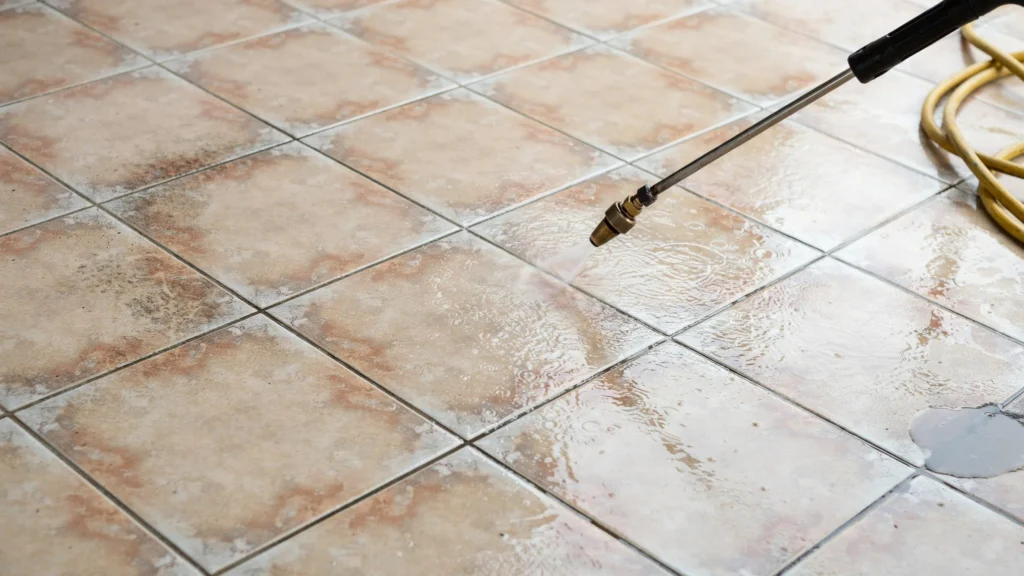
The resilient beauty and easy upkeep of tile floors and walls have made them staples in homes and business buildings. However, it is also true that tiles collect dust and dirt (even the clean and polished ones) due to the existence of lines of grout between them. That’s why so many homeowners are asking, “Is it OK to pressure wash tile grout?” So, the verdict is yes, you can pressure wash tile grout in some cases. With the right equipment, proper technique, and a few safety precautions, you can clean tile and grout without causing damage. Follow these tips to restore your floors to their original appearance with VJ Pressure Washing. Understanding Tile Grout Grout is a filler-type material that is used in the construction industry to fill the gaps between tiles. It secures the tiles and prevents water from running beneath them. Most grout is porous, and dirt, grease, mold, mildew, and other contaminants can get embedded in it over time. And as grout is also more porous than tile, it gets dirty more quickly. Even brooms and mops aren’t enough to clean up that sticky dirt. No wonder so many guys think the best solution is to pressure wash tile grout. Can You Pressure Wash Tile Grout? Yes, having the grout pressure washed is an option, and it’s great for exterior use on: Patios Walkways Pool Decks Outdoor Kitchenettes Garage Floors Entrances Pressure washers use jets of high-pressure water to rapidly remove dirt and grime from the surface of materials, such as grout. When used correctly, they’ll bring the colour of your grout back to life and remove tough stains. Having said that, there is a pressure-washing grout no-no. Water pressure too high can damage aged, cracked, or flaking grout. Check your grout first before performing any work to see if it’s in good shape. How to Clean Grout with a Pressure Washer Many homeowners ask Can you use a pressure washer to clean grout. Instructions along the lines of this could be helpful in achieving the best results. Step 1: Check the Surface Before cleaning the grout lines, inspect the grout lines. Look for: Cracks Missing grout Loose tiles Water damage Before you power wash, fix any damage. Step 2: Dust and Dirt Loosely Be sure to dust or vacuum the tile well. Step 3: Apply a Cleaning Solution A grout-safe cleaner will help break down stains and contaminants. Allow the cleaner to dwell for a few minutes as per the product instructions. Step 4: Set the Correct Pressure For the majority of grout-cleaning jobs: 1200 to 2000 PSI is usually enough. Stay away from very high pressures if not guided by the experts. Beginning with a lower pressure reduces your risk of harm. Step 5: Select the Right Nozzle A wide spray nozzle is usually better for grout. Some common advice is: 25-degree nozzle 40-degree nozzle Keep away from small nozzles that focus too much power on one spot. Step 6: Keep Away Hold the spray wand a few inches away from the surface. “If you spin too close, you can damage the tile and grout.” Step 7: Clean Organized Work in small batches. Spray evenly along the lines of grout, but do not stay too long in one place. Step 8: Rinse Well After cleaning, wash away all remaining dirt and solution. Step 9: Machine Dry Let the surface dry for evaluation. The Best Way to Clean Tile Grout Many homeowners ask about how to clean grout in tile. There’s no question that pressure washing can work wonders, but what is the best method will vary with the circumstance. Indoor Tile Grout Cleansers For indoor use only: Steam Cleaning Grout brushes Mild cleaning solutions These treatments are generally very effective and will not make things too wet. Grout for Outdoor Tile In outdoor applications, tile grout is often subjected to pressure washing, which is among the most effective tile grout cleaning solutions, as it allows you to cover large areas and remove deeply ingrained grime. Combination Approach Many professionals recommend: Applying a cleaning solution. Let it dwell. Power washing the grout. Follow with the grout sealer. This method delivers deep cleaning and durable protection. Grout Cleaning Pressure Washer Tips This professional grout cleaning pressure washer advice can help you get better results. Learn more about our professional house washing Tracy ca services for a cleaner, better-looking property. 1. Start Low and Titrate Up Begin with low pressure and increase if needed. 2. Test a Small Area First Before cleaning the whole area, do a rinse test on a small, hidden area. 3. Keep a Consistent Motion Don’t Concentrate Water in One Place. 4. Clean Along the Lines Cleaning “with the grain” (following grout lines) is more effective too. It is cleaner! 5. Use the Right Cleaning Solutions Professional-grade grout cleaners will make a huge difference in the cleaning results. 6. Wear Protective Equipment Safety glasses, gloves, and rubber-soled shoes provide some protection against mishaps. Conclusion So can you pressure clean tile grout? Usually the answer is yes. Pressure washing can be used to clean grout lines (on any surface really, especially on outdoor tiled areas); it can be extremely useful for removing dirt, stains, mold, and grime from surfaces. How to Clean Grout With a Pressure Washer: Using the right pressure and technique can make dirty grout look like new. For safe, professional results, contact us today for expert grout and tile cleaning services. FAQs Can you pressure wash indoor tile grout? It is not recommended for most indoor surfaces. Indoor grout is usually thinner and more delicate. The water can seep under tiles and cause water damage to the subfloor. Stick to steam cleaning, grout brushes, or mild cleaning solutions for indoor tile grout. What PSI is safe for pressure washing grout? 1200 to 2000 PSI is safe for most grout-cleaning jobs. Starting at the lower end and increasing only if needed reduces the risk of damaging the grout. Avoid going above 2000
How Do You Clean Concrete With Water? 7 Proven Steps That Actually Work
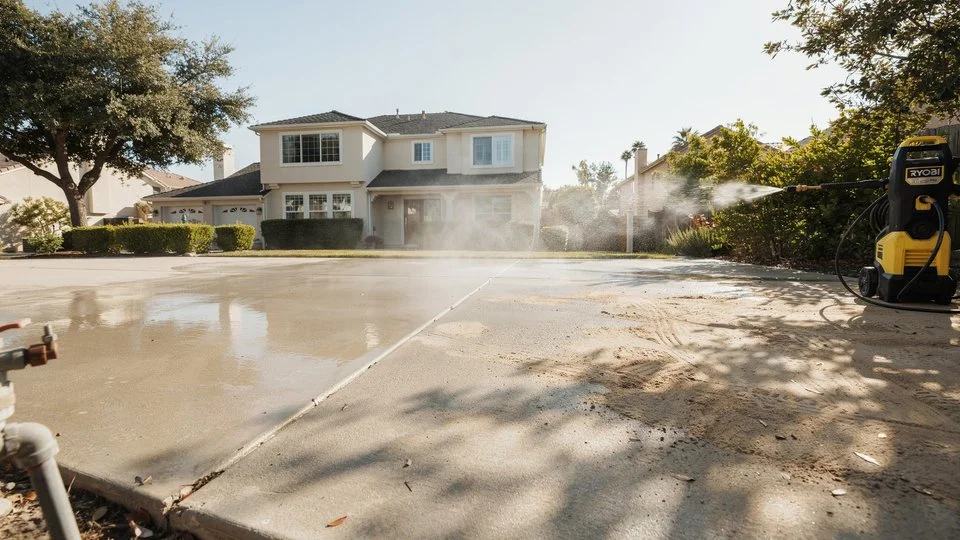
Dirty concrete is more than an eyesore. Oil stains, algae, and grime break down the surface over time and make it slippery. The good news? You don’t always need harsh chemicals to get it clean. So, how do you clean concrete with water? You use water pressure, the right tools, and a smart technique. A standard garden hose handles light dirt. A pressure washer handles the tough stuff. This guide walks you through everything, step by step. Why Concrete Needs Regular Cleaning Concrete looks tough, but it’s actually porous. That means it absorbs everything: oil, grease, mold spores, and mineral deposits. Here’s what happens when you skip cleaning: Stains set permanently. The longer oil or rust sits, the deeper it bonds. Mold and algae grow. They break down the surface and create slip hazards. Cracks form faster. Trapped debris holds moisture that freezes and expands. Curb appeal drops. A stained driveway lowers the first impression of your home. Regular cleaning protects your investment. It also keeps your surfaces safe for kids, pets, and guests. Can Water Alone Clean Concrete? Yes, water alone can clean concrete, but only for light surface dirt. Here’s the honest answer: plain water from a garden hose won’t remove oil stains, rust, or deep grime. You need pressure behind the water to lift embedded dirt from the pores. Cleaning Need Water Only? Light dust and debris Yes Mud and tracked-in dirt Yes, with pressure Oil and grease stains No, need degreaser Mold and mildew No, need cleaner + pressure Old rust stains No For most jobs, water-based concrete cleaning methods work best when you combine water with the right PSI (pounds per square inch) of pressure. Tools Needed to Clean Concrete With Water Before you start, gather the right tools. Using the wrong equipment wastes time and can damage the surface. Basic tools for light cleaning: Garden hose with a high-pressure nozzle Stiff-bristle push broom Bucket Tools for deep cleaning: Pressure washer (1,500–3,000 PSI for most residential concrete) Rotating surface cleaner attachment (great for driveways) Safety glasses and closed-toe shoes Concrete-safe degreaser (for oil stains only) A quick note on pressure washers: Concrete cleaning with a pressure washer gives you the best results. A 25-degree nozzle tip is ideal for general cleaning. A 0-degree tip concentrates pressure into a pinpoint stream and can etch or chip concrete if you’re not careful. Step-by-Step Guide to Cleaning Concrete With Water This is how you clean concrete properly. Follow each step and you’ll get a noticeably cleaner surface without causing damage. Step 1: Clear the Area Remove furniture, potted plants, cars, and anything else sitting on the concrete. You want a clean, open surface to work on. Sweep away loose debris first. Leaves, dirt, and pebbles will just clog your drain or turn into mud when wet. Step 2: Pre-Treat Stains If you have oil or grease spots, apply a concrete degreaser before washing. Let it sit for 5 to 10 minutes. For mold or mildew, a diluted mix of white vinegar and water works well on light growth. Pre-treating makes the water-based concrete cleaning method far more effective. Step 3: Wet the Entire Surface Use your garden hose to rinse the full concrete area. This loosens surface dirt and prevents it from spreading when you apply pressure. Work from the highest point toward the drain or edge. Water should flow away from your home’s foundation. Step 4: Set Up Your Pressure Washer Fill the pressure washer with water. Attach the 25-degree nozzle for broad surface cleaning. For a concrete driveway, use a surface cleaner attachment if you have one. It prevents the streaking that a single wand can leave behind. Start the pressure washer and test it on a small corner. Keep the nozzle 6 to 12 inches from the surface. Step 5: Wash in Overlapping Passes This is the key to knowing how to wash concrete surfaces without leaving streaks. Move the wand in slow, overlapping strokes. Think of it like mowing a lawn. Each pass should overlap the last by about 2 inches. Work in sections. Don’t jump around. Methodical cleaning gets the best results. Step 6: Rinse Thoroughly After washing each section, rinse with clean water. Push the dirty water away from the surface toward a drain. This step removes the loosened grime and any cleaning solution you applied earlier. Step 7: Let It Dry Completely Give the concrete at least 24 to 48 hours to dry before walking on it or parking a vehicle on it. Wet concrete stays slippery and can attract new dirt quickly. If you’re planning to seal the concrete, wait at least 72 hours. Best Practices for Cleaning Concrete With Water These habits separate a decent clean from a great one. Always work with the slope. Water should drain away from structures, not toward them. Don’t use too much pressure. High PSI can etch concrete, especially if it’s older or already cracked. For most driveways, 2,000 to 2,500 PSI is plenty. Use a surface cleaner for large areas. It’s faster and gives an even clean without the zebra-stripe marks a wand leaves. Wear protective gear. Safety glasses protect your eyes from debris. The water spray coming off concrete carries dirt, bacteria, and mold spores. Test before full application. If you’re using any cleaning product, test it on a hidden corner first. The best way to clean a concrete driveway combines the right PSI, a surface cleaner attachment, and a pre-treatment for any stains. It takes about 30 to 60 minutes for a standard two-car driveway. Common Mistakes to Avoid Even experienced homeowners make these errors. Avoid them and you’ll get better results every time. Using too high of a PSI. More pressure isn’t always better. It can damage the concrete surface, especially around cracks or older slabs. Skipping the pre-sweep. Wet leaves and debris turn into a paste that clogs drains and makes cleaning harder. Holding the nozzle too close. Staying at least 6 inches away keeps you from
How to Speed Up Pressure Washing?
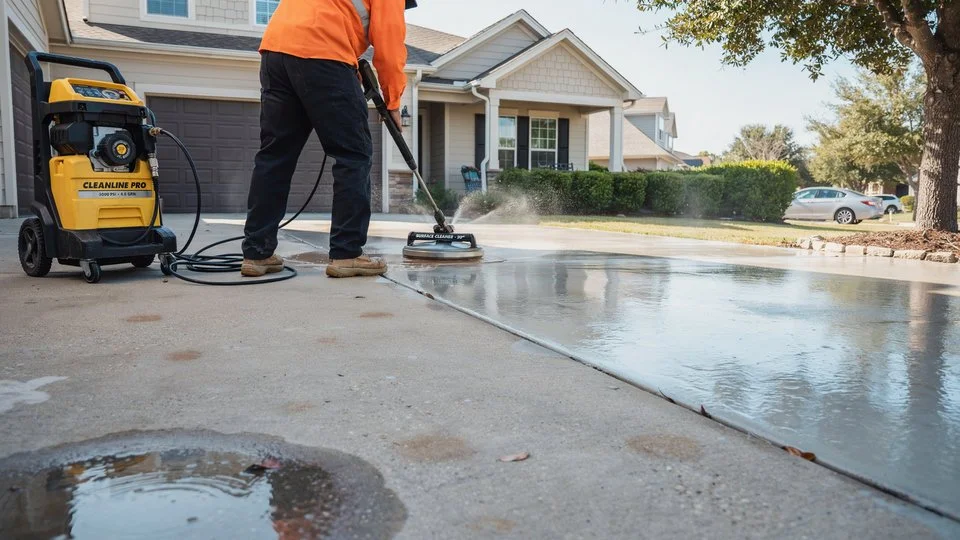
Pressure washing is among the fastest ways to clean outdoor areas. Driveway cleaning, patio cleaning, deck cleaning, sidewalk cleaning, fence cleaning and house exterior cleaning all benefit from enhanced cleaning speed, which can result in time savings, labour reduction and increased cleaning productivity. Rinse, and it is unlikely you’ll ever again hear the question “How do I make pressure washing go faster?” asked by a homeowner or a professional cleaner. And it’s not just about buying a bigger machine. Faster pressure washing is good preparation, good equipment, good technique and good workflow. Knowing tried-and-true Pressure Washing Efficiency Tips, How to Pressure Wash Faster, Professional Pressure Washing Techniques, and Time-Saving Pressure Washing Methods will allow you to finish Cleaning projects in less time and still have the best results. Understanding Pressure Washing Efficiency What is Pressure Washing Efficiency? Efficient cleaning is a combination of good cleaning technique and good ergonomics, resulting in less wastage of movement, and less water, fuel/electricity and time consumed, in addition to better productivity. Strong pressure does not necessarily mean faster cleaning; it is what many people think. However, experts are aware that efficiency is a matter of many factors, including choice of equipment, cleaning method, type of nozzle and planning. For homeowners looking for reliable results, trusted house pressure washing companies in Tracy, CA understand that a smarter approach with the right equipment, the right technique and the right preparation always delivers better outcomes than simply turning up the pressure. With effective pressure washing efficiency tips, you can clean more square feet in less time with no loss of quality. Why Efficiency Matters in Pressure Washing The following are the advantages of increasing productivity: Quicker Completion of Jobs Fatigue reduction in the workforce Cost savings on operations More consistent cleaning results Higher customer satisfaction Increased contractor profitability Efficient techniques, whether cleaning a small patio or an entire building, allow you to keep your energy for more important things. Pressure Washing Efficiency Tips for Better Results A vital Pressure Washing Efficiency Tip is you have to prepare. Too many wash jobs take longer simply because surfaces haven’t been properly prepared before washing. 1. First, Clean the Area Remove: Leaves Branches Outdoor furniture Toys Decorations Weeding around obstacles is slower and messier, with the possibility that you’ll have to make multiple passes over the same spot. 2. Keep Debris out of the Drain Sweeping dirt and debris ahead of pressure washing eliminates the need for excessive rinsing and allows the equipment to work on deeper cleaning. 3. Examine the Surface Check the following before you begin: inspect the site for: Cracks Loose materials Stubborn stains Mold expansion Knowing in advance where the trouble areas are going to be makes for a smoother process, and you’re not surprised as you’re cleaning. How to Pressure Wash Faster People often want to know how to Pressure Wash Faster without sacrificing the quality of pressure washing. One of the easiest answers is having the right tools or equipment. Select the Right Pressure Washer There are different models to suit different requirements. Light-duty machines: Designed for patios and garden furniture Medium-duty machines: Just the thing for cleaning at home. Heavy-duty machines: Perfect for large driveways and commercial projects The right tools for the job or tools suited to the task can also make you clean faster, and clean much more effectively, too! Focus on Water Flow PSI matters, but you also need to consider the water flow. Higher GPM allows: Faster rinsing Greater coverage More efficient cleaning A lot of professional cleaners put more emphasis on the water flow, as it can sometimes be the biggest difference in turnaround time. Professional Pressure Washing Techniques Special techniques are required for big cleaning jobs. At VJ Pressure Washing, we use proven professional methods to deliver faster, cleaner and more efficient results on every job. 1. Work from Top to Bottom Start cleaning at the top. Including the benefits of: Gravity helps clean Dirty water drains down Less need to re-clean the same area This technique is often employed for siding, walls, and exterior areas. 2. Keep the Motion Consistent Smooth editing motions will help avoid streaks and uneven cleaning. Stopping frequently: Wastes time Creates inconsistent results Is additional work Constant motion is the best Professional Pressure Washing Method to use to get even results. 3. Use Overlapping Passes Minimal overlap of your passes will ensure you get full coverage with very few missed spots. This decreases the number of re-visits to the already cleaned areas. 4. Use Surface Cleaners on Large Surfaces Among the greatest Time-Saving Pressure Washing Methods are using surface cleaner attachments. Surface Cleaners are round, spinning bars that have jet nozzles which spin underneath the surface cleaner. Advantages of this are: Cleaning is faster Even look Less operator fatigue Reduced streaking These accessories work particularly well on the following: Driveways Sidewalks Patios Garage Floors A surface cleaner can save you a lot of time when cleaning, when compared to a regular spray wand. Time-Saving Pressure Washing Methods House exteriors should be cleaned differently. 1. Use Soft Washing Soft washing can be faster for cleaning since the detergents do most of the work, rather than having to scrub. 2. Apply Soap with Dedicated Nozzles The detergent can be sprayed evenly on the wide areas by using soap nozzles. 3. Make Sure to Allow Enough Dwell Time You did the right thing by allowing the detergent and water to rest for a while to soften the dirt before you rinsed. This minimizes scrubbing. These are very effective Time-Saving Pressure Washing Techniques for siding and exterior walls. Conclusion If you are wondering how to make pressure washing faster, the response lies in having the proper equipment, doing some prep work and using some good cleaning methods. Achieve faster outcomes by working smarter, rather than harder. Employing practical pressure washing efficiency tips such as pre-soaking stains, making use of surface cleaners, picking the right nozzles and pressure washing tools and much more will allow you
Can You Pressure Wash Granite?
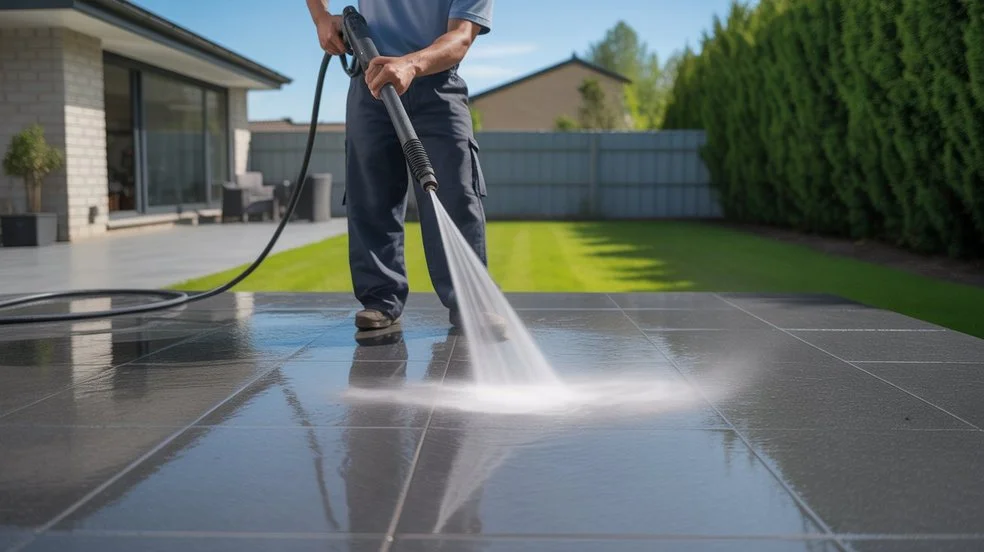
Granite is one of the toughest and most beautiful natural stones on the market that can be used for residential and commercial needs. It is also used for countertops, patios, walkways, outdoor kitchens, pool decks, monuments, and landscaping products. Because of its strength and durability, a lot of homeowners who own granite countertops are compelled to ask, Can You Pressure Wash Granite? “Can you pressure wash granite?” The short answer is yes, but granite cannot just be pressure washed. But you need to do it right, or you’re going to be harming the stone, the grout lines, the sealants, maybe even the surfaces around it. Although granite is far tougher than many other stones found in nature, you are going to have problems sooner or later if you clean it improperly. Can You Pressure Wash Granite Safely? A lot of homeowners ask, “Is it safe to pressure wash granite?” A general answer is yes. Pressure washing is not simply holding a spray gun that shoots water under high pressure. The goal is to clean the stone, and only the stone, on the stone and on any perimeter materials. For professional results, consider our house pressure washing service tracy ca. Factors That Affect Safety Condition of Surface Good quality granite generally withstands pressure washing better than broken or worn surfaces. Sealed vs. Unsealed Granite A sealed granite surface has an extra layer of protection from water and stains. Unsealed granite may absorb moisture, resulting in discoloration. Integrity of Joints and Grout Exterior granite installations typically involve joints or grout lines which may be forced apart by too much pressure. Equipment Settings Appropriate PSI levels minimize the cleaning hazards. Awareness of these variables does allow us, to a certain extent, to answer the question: Can you pressure wash granite safely? And in most cases, yes – you can, when using proper methods. Granite Cleaning Pressure Washer Tips Adhering to the correct granite cleaning pressure washer guidelines enables users to have a greater cleaning effect while maintaining the safety of the stone. Test a very small area first. Always start by testing on an inconspicuous area. This lets you assess: pressure effectiveness, surface response, and potential discoloration. Use a Wide-Angle Nozzle A wide-angle spray applies pressure more uniformly. Typical options are: 25-degree nozzle and 40-degree nozzle. The risk of focused damage is minimized with these options. Keep a Proper Distance: The nozzle is too close which the pressure impact is too strong. A distance of approximately 12 to 24 inches often gives safe cleaning performance. Use a consistent motion: Don’t drain the water in one spot. Keep the spray moving uniformly on the surface. Clean from Top to Bottom: For vertical granite walls: Start at the top. Work downward. This stops muddy water from running down and across windows you’ve already cleaned. Stay away from the damaged areas: Fissured granite can permit water penetration. Examine surfaces before starting cleaning. Use appropriate cleaning supplies: For stubborn stains, granite-safe cleaners may help you achieve better results without the need to press harder. Following these suggestions to clean granite with a pressure washer, you will be able to take care of your granite safely and effectively. Best PSI for Cleaning Granite Surfaces Everything about the care for granite is related to deciding what the best PSI is for cleaning granite. PSI is an acronym for pounds per square inch, and it is a measure of water pressure. The right PSI level lets you clean effectively without the risk of damage. Suggested PSI Range For the majority of outdoor granite: 1,200–2,000 PSI is the minimum for most jobs. This level is risky, but so is lower. Light Cleaning (Soft Wash) For regular maintenance cleaning: 1,200–1,500 PSI The pressure removes dirt and light stains without causing damage. Moderate Cleaning For algae, mildew, and heavier deposits: 1,500–2,000 PSI It is not uncommon to see power levels that provide better cleaning results without too much power. Avoid Too Much Pressure Extreme PSI levels can: hurt the grout, strip sealant, push water into cracks, and speed up the wear. So, you should know what the best pressure to clean granite (PSI) is for safe results. How to Clean Granite Without Damage There are several things homeowners should know about how to clean granite without damage. Pressure washing is just one of the things that needs to be done to take proper care of granite. At VJ Pressure Washing, we help you do it right.. Use Gentle Cleaners Strong chemicals may impact: sealants, surface finishes, and uniformity of color. Granite cleaners are usually the safest option. Avoid acidic products Do not use: vinegar, lemon cleansers, or strong solutions of acids. Acids can etch the finish of the stone. Rinse well. Residual film may streak and catch dirt. Fermentables and cleaners should be rinsed well, always. Re-apply sealant as necessary / when advised Outdoor granite is often treated to periodic sealing. Sealing serves to: inhibit moisture absorption, resist staining, and prolong the life of the surface. Cut Down on Debris Regularly A little maintenance can go a long way in lessening the demands for heavy cleanings. Take out regularly: leaf litter, dirt, and organic matter. This is important when you’re learning how to clean granite without breaking it. Conclusion So, is it possible to pressure wash granite? Can you pressure wash granite? In most cases, yes. Since granite is a very hard natural stone, it will generally take some pressure. Appropriate technique, though, is necessary. Can you pressure wash granite? When used with the appropriate PSI levels, nozzles, and cleaning procedures, the response is used for many types of stones, including offers clean answer to the question: Can you safely pressure wash granite? If You Know The Proper PSI to Clean Granites Surfaces, It Will Well Protect Your Granites from You’re Over Cleaning While Still Doing Great Job in Cleaning! Adhering to the tried and tested granite cleaning pressure washer advice of working in small sections, using wide-angle tips, keeping the right