
What Is a Good Window Cleaner? A Complete Guide for Clear, Spot-Free Glass
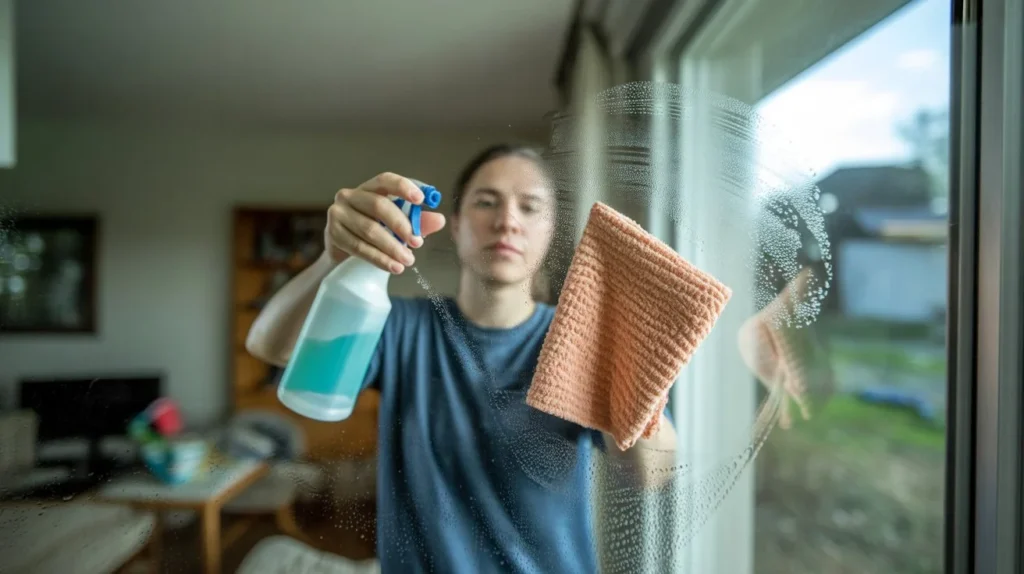
Clean windows change how a place feels. They let in more light and make any space look fresh. But not every cleaner gives the same result. Some leave streaks. Some damage glass or frames. Others rush the job and miss corners. What Is a Good Window Cleaner? A good one removes dirt, water marks, and grime without leaving streaks. They also protect your glass, frames, and seals during cleaning. This guide breaks down what really matters so you can choose the right service or do it yourself with confidence. What Is a Window Cleaner? A window cleaner is a person or method used to clean glass surfaces. It removes dust, stains, bird marks, and water spots. It can be done by hand or with tools. There are different types of window cleaning jobs. These include home windows, office glass, shop fronts, and tall building glass. This is known as types of window cleaning in the industry. Some people do it themselves. Others hire trained workers. Professional cleaners like VJ Pressure Washing use better tools and safer methods. They also reach high or risky areas without damage. Key Qualities of a Good Window Cleaner A good cleaner does more than wipe glass. The result should look clear from every angle. Here are the main qualities: Leaves no streaks or water lines Cleans edges and corners properly Uses safe pressure on glass Protects window frames and seals Works in a steady and careful way Shows up on time and finishes the job A skilled cleaner also checks their work twice. Small details matter. Smudges in corners can ruin the final look. When people ask whats a good window cleaner, the answer always comes down to results and care, not just speed. Tools a Good Window Cleaner Uses Good tools make cleaning faster and safer. Poor tools often cause streaks and scratches. Common tools include: Squeegees for smooth water removal Microfiber cloths for drying edges Buckets with clean water Scrub pads for stuck dirt Extension poles for high windows Water-fed pole systems for tall buildings Professional tools also reduce the need for ladders. This improves safety and speed. A clean tool matters as much as skill. Dirty cloths can leave marks instead of removing them. Best Cleaning Solutions Used by Professionals The cleaning solution plays a big role in results. Some are mild. Some are strong. The wrong choice can damage glass or leave haze. Most professionals use: Mild soap and water mix Vinegar-based solutions for light stains Pure water systems for spot-free cleaning A common question is, window cleaner is acidic or basic. The answer depends on the solution. Vinegar is acidic. Soap-based cleaners are usually mild and slightly basic. Pure water is neutral and safest for glass. Strong acidic or harsh chemicals are avoided on modern windows. They can damage coatings or seals over time. Signs of a Poor Window Cleaner Bad cleaning is easy to spot once you know what to look for. Warning signs include: Visible streaks after drying Missed corners or edges Dirty water left on frames Scratched or foggy glass Rushed work with no detail A poor cleaner often uses dirty tools or old clothes. They may also use too much pressure on glass. If windows look worse after cleaning, the service is not done correctly. Benefits of Hiring a Professional Window Cleaner Hiring experts saves time and improves results. It also reduces risk, especially for tall or hard-to-reach windows. A professional cleaner offers: Safer cleaning for high windows Better and longer-lasting shine No streaks or leftover marks Proper care of frames and seals Businesses like VJ Pressure Washing also offer expert care for exterior glass. In many cases, customers looking for professional window cleaning Tracy CA want reliable, trained teams who understand both safety and detail work. Professionals also bring insurance and proper tools. This reduces risk of damage or injury during cleaning. How to Choose the Best Window Cleaner Choosing the right cleaner is important for long-term results. Look for: Real customer reviews Experience in different types of window cleaning Proper insurance coverage Clear pricing with no hidden costs Photos of past work Ask simple questions before hiring: What tools do you use? How do you avoid streaks? Do you clean frames and edges? A good service will answer clearly without confusion. When people search What Is a Good Window Cleaner?, they often want a trusted checklist like this to avoid poor service. DIY Window Cleaning Tips You can clean windows at home with basic tools. But technique matters more than effort. Follow these steps: Use clean water mixed with mild soap Wipe dust before adding water Clean top to bottom Use a squeegee in straight lines Dry edges with microfiber cloth The best time to clean windows is early morning or late evening. Direct sun can dry soap too fast and leave marks. Common mistakes: Using paper towels that leave lint Cleaning in hot sunlight Reusing dirty water Skipping corners DIY cleaning works for small jobs. Large or high windows are better left to experts. Why Window Maintenance Matters Clean windows are not only about looks. They also protect glass life. Dirt and minerals can build up over time. This causes etching on glass. Regular cleaning prevents long-term damage. Clean windows also improve indoor light. This reduces the need for artificial lighting during the day. For homes and businesses, it improves overall appearance. It also adds value when selling or renting property. Conclusion So, What Is a Good Window Cleaner? It is someone or something that delivers clear glass without damage or streaks. It should protect your windows, not harm them. A good cleaner uses the right tools, safe solutions, and careful methods. They pay attention to detail and never rush the job. Whether you hire a professional or clean yourself, the goal is always the same. Clean, clear, and safe windows that last longer. For reliable exterior care, companies like VJ Pressure Washing provide trusted solutions for homeowners and businesses who want
How Much Does It Cost to Pressure Wash a Driveway
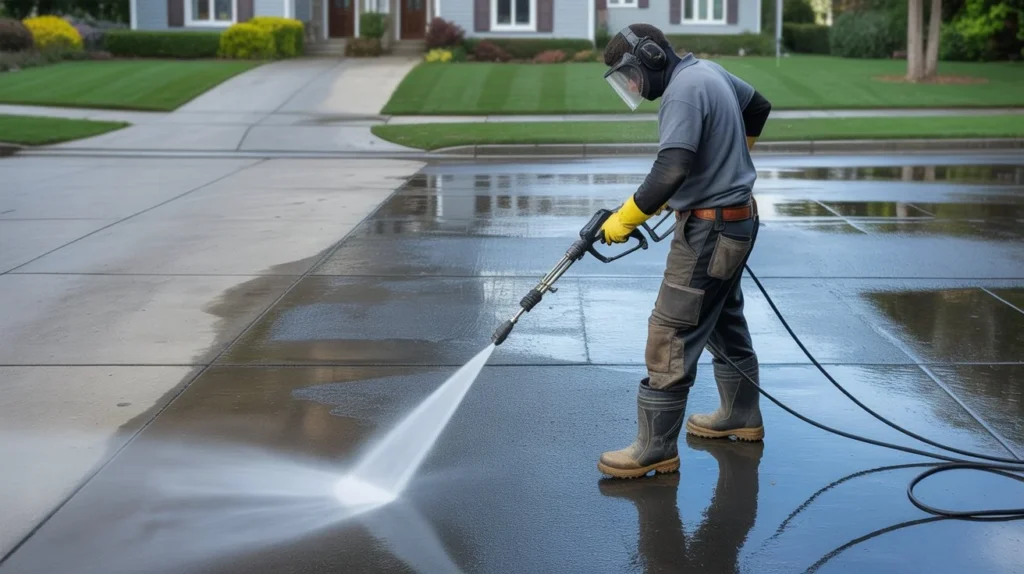
A clean driveway improves curb appeal and helps prevent long-term surface damage. Dirt, oil stains, mold, and algae build up over time. Pressure washing removes these layers and restores the original look of the surface. Many homeowners schedule this service once or twice a year to maintain property value and safety. How Much Does It Cost to Pressure Wash a Driveway depends on size, condition, and service type. Most homeowners spend between $100 and $350. Larger or heavily stained driveways cost more due to extra labor and cleaning time. Typical Cost Range Average Cost to Pressure Wash a Driveway Here is a quick breakdown of what you can expect to pay: Driveway Size Estimated Cost Small (1-car, ~400 sq ft) $80 – $130 Medium (2-car, ~600 sq ft) $130 – $200 Large (3-car+, ~1,000 sq ft) $200 – $350 Extra-large / circular $300 – $500+ Most contractors charge by the square foot, usually $0.15 to $0.35 per square foot. Some charge a flat rate per job, especially for standard residential driveways. If you are searching for a local driveway washing service Tracy CA, VJ Pressure Washing offers transparent pricing with no hidden fees. You can get a free quote based on your exact driveway size and condition. The national average for pressure washing driveway cost sits around $180 to $220 for most homes. That price includes labor, water, and equipment. It does not include add-ons like sealing or stain treatment. Factors That Affect Driveway Pressure Washing Costs A dirty driveway stands out. Oil stains, mold, and grime build up fast, especially in wet climates. The good news? Pressure washing fixes all of it in a few hours. Costs are lower than most homeowners expect, and the results are instant. So, how much does it cost to pressure wash a driveway? Most homeowners pay between $100 and $300. The average lands around $180 for a standard two-car driveway. Your final price depends on size, material, condition, and where you live. Average Cost to Pressure Wash a Driveway No two driveways are the same. Several things push your price up or down. Driveway Size The bigger the driveway, the higher the cost. Most pros measure in square feet and charge accordingly. A 400 sq ft driveway costs far less than a 1,200 sq ft one. Level of Dirtiness Heavy staining, oil buildup, mold, or algae takes more time and product to remove. Expect to pay 20–40% more for badly neglected driveways. Driveway Material Concrete, asphalt, brick, and pavers all clean differently. Some need lower pressure to avoid damage. More delicate surfaces require extra care and time. Location Labor rates vary by city and region. Urban areas and high cost-of-living cities tend to charge more. Rural areas are often cheaper. Access and Layout A tight driveway with fencing or landscaping close by takes longer. Wide, open driveways are faster to clean. Additional Services If you add sealing, degreasing, or mold treatment, the price goes up. These are worth it in many cases, but they add to the base cost. Driveway Pressure Washing Costs by Material Different surfaces need different treatment. Here is what to expect for each: Concrete Driveways Concrete is the most common material. It handles high-pressure water well. Cleaning costs range from $0.15 to $0.30 per square foot. A typical concrete driveway runs about $120 to $220 total. Asphalt Driveways Asphalt is softer than concrete. Too much pressure can damage it. Professionals use lower PSI settings and charge slightly more for the extra care. Expect $130 to $250 depending on size. Brick and Paver Driveways These take more time. Grout lines trap dirt and require careful, targeted cleaning. Costs range from $0.25 to $0.45 per square foot or $150 to $350+ for a full driveway. Gravel Driveways Pressure washing is rarely used on gravel because it displaces the stones. If you have gravel, ask about alternative cleaning methods. Additional Costs and Services The base power wash driveway cost covers basic cleaning. But some jobs need extras. Add-On Service Typical Cost Concrete sealing $100 – $250 Oil/grease stain treatment $20 – $75 Mold and mildew treatment $25 – $80 Rust stain removal $30 – $100 Edging and curb cleaning $20 – $50 Dumpster pad or apron cleaning $40 – $100 Sealing after pressure washing is the most popular add-on. It protects concrete from future stains and extends the life of your driveway. If you plan to seal, do it right after washing while the surface is clean and open. DIY vs. Hiring a Professional You have two options: rent a pressure washer and do it yourself, or hire a pro. Both have merit. Here is an honest comparison. DIY Cost Breakdown Pressure washer rental: $50 – $100 per day Cleaning detergent: $10 – $30 Your time: 2 to 4 hours Total: $60 – $130 (not counting your time) DIY works well if you are comfortable with equipment and your driveway is in decent shape. But there are real risks. Using the wrong PSI on asphalt or pavers can cause permanent damage. Without proper technique, you can leave streaks or uneven patches. Hiring a Pro A professional team like VJ Pressure Washing brings commercial-grade equipment, the right cleaning agents, and years of hands-on experience. Our team finishes the job faster and delivers better results on tough stains, oil spots, and heavy buildup. The cost to power wash driveway surfaces professionally usually ranges from $100 to $350 depending on the driveway size, material, and condition. When to hire a pro: Your driveway has oil stains, rust, or heavy mold You have pavers, brick, or an older asphalt surface You do not want to risk damaging the surface You want sealing done at the same time When DIY makes sense: Your driveway is lightly soiled and in good shape You have experience with pressure washers You want to save money on a simple job Signs Your Driveway Needs Pressure Washing Not sure if it is time to clean? Look for these signs: Dark staining
Why Gutter Cleaning is Important
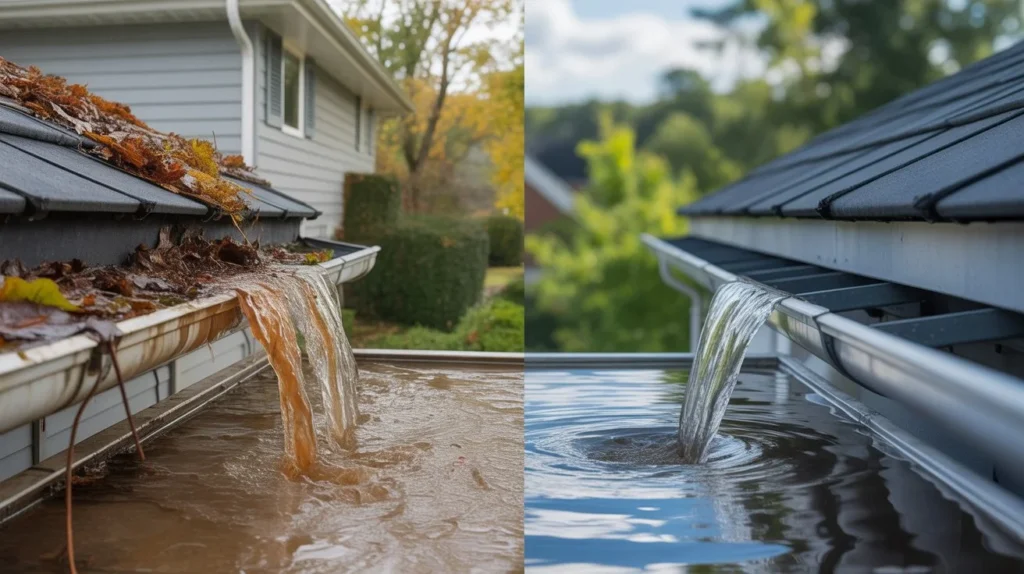
Most homeowners focus on what they can see. Clean floors, painted walls, a mowed lawn. But gutters sit quietly above it all, doing one of the most important jobs on your property. When they get clogged, the damage spreads fast and quietly. Water backs up, seeps into walls, and destroys foundations before you even notice. A few hours of neglect can turn into thousands of dollars in repairs. Understanding why gutter cleaning is important could be the single best thing you do for your home this year. Clean gutters protect your roof, your walls, your foundation, and your family. This guide covers every reason you need to take gutter maintenance seriously and what happens when you do not. What Do Gutters Actually Do? Gutters channel rainwater away from your home. That is their only job. But that one job protects nearly every part of your property. Without gutters, rainwater falls directly off your roof and pools around your foundation. With clogged gutters, the same thing happens. Water overflows the sides and goes exactly where it should not go. A healthy gutter system moves water from your roof, through the downspout, and away from your home’s structure. When leaves, twigs, dirt, and debris block that path, water has nowhere to go but over the edge or backward under your roofline. Prevents Water Damage to Your Home Water is the number one enemy of any home structure. Clogged gutters cause water to overflow and run down the sides of your house. Over time, this soaks into your siding, your walls, and your interior. Here is what water damage from clogged gutters looks like in real life: Water stains on interior ceilings and walls Peeling paint on exterior siding Rotting wood around window frames and doors Warped or damaged drywall inside the home Wet insulation that loses its effectiveness One clogged gutter can direct hundreds of gallons of water toward your home during a single heavy rainstorm. That water does not disappear. It finds the path of least resistance and works its way into your structure. The importance of cleaning gutters regularly cannot be overstated when it comes to water damage prevention. It is one of the most cost-effective ways to protect your home. Protects Your Roof Life Your roof is one of the most expensive parts of your home to replace. A full roof replacement can cost anywhere from $8,000 to $25,000 depending on the size and materials. Keeping your gutters clean is one of the simplest ways to extend your roof’s life. When gutters clog, water pools on the edge of the roof. This is called roof ponding. Standing water seeps under shingles, softens the decking beneath, and causes rot. In winter, clogged gutters cause ice dams. Ice dams form when melting snow refreezes at the roof’s edge, forcing water back under the shingles. The benefits of gutter cleaning for your roof are direct and measurable. Clean gutters mean water moves off the roof quickly. No pooling. No ice dams. No premature shingle damage. At VJ Pressure Washing, we see roof edge damage regularly on homes with neglected gutters. If you are in the area and need professional gutter cleaning tracy ca services, getting this done before the rainy season can add years to your roof’s life. Avoids Foundation Problems This is where gutter neglect gets truly expensive. Foundation repairs are among the most costly home repairs a homeowner will ever face. Costs can range from $5,000 to over $50,000 depending on the severity. Here is how clogged gutters damage your foundation. When water overflows from a blocked gutter, it pools around the base of your home. The soil around your foundation absorbs this water and expands. When it dries, it contracts. This repeated cycle of expansion and contraction puts enormous pressure on your foundation walls. Over time this causes: Cracks in the foundation Bowing or leaning foundation walls Uneven or sinking floors inside the home Doors and windows that stick or no longer close properly Clean gutters direct water at least 6 to 10 feet away from your foundation through properly positioned downspouts. That distance makes all the difference. Why clean out gutters regularly? This reason alone is enough. Foundation damage is silent, slow, and devastating to both your home’s structure and its resale value. Prevents Pest and Insect Infestation Clogged gutters are not just a water problem. They are a pest problem too. Wet leaves, standing water, and decomposing debris create the perfect environment for insects and pests to nest. Here is what moves in when gutters stay clogged: Mosquitoes breed in standing water. Even a small amount of trapped water in a gutter is enough for a mosquito colony to thrive. Carpenter ants are attracted to damp, rotting wood. Clogged gutters that cause water to back up into your fascia boards give carpenter ants exactly what they need. Rodents like mice and squirrels use debris-filled gutters as nesting spots. Once they are in the gutters, they often find their way into the attic. Birds build nests in clogged gutters. While less harmful, bird nests block water flow and make the problem worse. Regular gutter cleaning removes the debris and standing water that these pests depend on. It is a simple step that keeps your home less attractive to unwanted visitors. Stops Mold and Mildew Growth Mold needs three things to grow: moisture, a surface, and warmth. Clogged gutters provide all three. When water overflows from a blocked gutter and runs down your siding or seeps into your walls, it creates persistent moisture. Mold and mildew begin to grow within 24 to 48 hours of a surface staying wet. Mold is not just a cosmetic issue. Black mold and other strains produce spores that affect indoor air quality. For people with allergies, asthma, or respiratory conditions, mold inside the home is a serious health risk. Removing mold from interior walls is expensive and disruptive. Preventing mold by keeping gutters clean costs a fraction of the price. This is
Should You Pressure Wash Your House Before Painting?
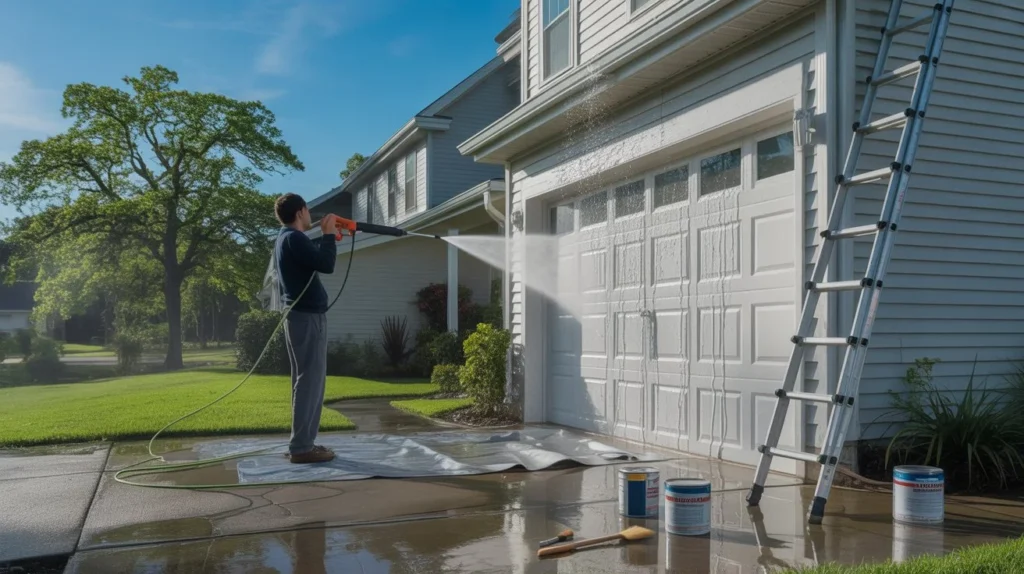
Painting a house without proper prep often leads to peeling, uneven finish, and wasted money. Dirt, dust, and mold block paint from sticking well. Clean surfaces help paint bond better and last longer over time. A quick wash removes layers you cannot see but that affect results. Should You Pressure Wash Your House Before Painting? The short answer is yes for most exterior surfaces that are dirty or exposed. A proper wash improves adhesion and gives a smooth base for paint. In many cases, a clean surface is the difference between a short-term job and a long-lasting finish. Why Pressure Washing Matters Before Painting Pressure washing removes buildup that blocks paint from bonding with the surface. Over time, walls collect dirt, grease, pollen, and mildew. These layers act like a barrier between the paint and the surface. Clean surfaces allow primer and paint to grip better. This reduces peeling and flaking later. It also helps paint spread evenly without patches or streaks. For homeowners looking into house washing services tracy ca, professionals like VJ Pressure Washing use the right methods to prepare surfaces safely. A professional wash ensures consistent cleaning across large areas, which is hard to achieve with DIY tools. Pressure washing also reveals hidden issues. Cracks, loose siding, and damaged areas become visible after cleaning. This allows you to repair problems before painting starts. When You Should Pressure Wash Before Painting You should pressure wash in the following situations: The surface has visible dirt or stains There is mold, mildew, or algae growth The house has not been cleaned in years Old paint is peeling or chalking The home is exposed to dust, traffic, or moisture If you plan to power wash before painting, timing matters. Clean the surface a few days before painting so it dries fully. Fresh cleaning helps primer stick better. It also prevents contaminants from mixing into the paint layer. When Pressure Washing May Not Be Necessary Not every project needs full pressure washing. In some cases, a light clean is enough. You may skip pressure washing when: The surface is newly built and already clean The area was recently washed and maintained You are painting indoors The surface is fragile and could be damaged by water pressure In these cases, a gentle rinse or manual cleaning works better than a full wash. Still, if you are unsure whether to pressure wash before painting, inspect the surface closely. Even light dirt can affect paint adhesion over time. Risks of Pressure Washing Incorrectly Using high pressure without care can cause damage. Common risks include: Water forced behind siding or cracks Wood surface damage or splintering Stripping loose paint layers unevenly Etching softer materials like stucco Incorrect use of a pressure washer can also push moisture into walls. This can lead to mold growth inside the structure. That is why many experts recommend controlled cleaning methods instead of aggressive washing. Choosing the right pressure and nozzle matters as much as the machine itself. Pressure Washing vs Soft Washing Pressure washing uses high force water to remove debris. Soft washing uses low pressure with cleaning solutions. Soft washing is often better for delicate surfaces like: Painted wood Vinyl siding Stucco walls Roof shingles Soft washing cleans deeply without forcing water into surfaces. It is often the preferred method when deciding whether to power wash before painting delicate exteriors. Pressure washing is better for hard surfaces like concrete driveways or brick walls. Choosing the right method depends on the material and its condition. In many home painting projects, a mix of both methods works best. Preparing the House Before Pressure Washing Preparation helps avoid damage and ensures effective cleaning. Before you begin: Close all windows and doors Cover electrical outlets and fixtures Remove outdoor furniture and decor Protect plants with plastic sheets Inspect the surface for cracks or loose parts Also check the weather. Avoid washing before rain or during high humidity. The surface must dry properly before painting. Preparation reduces risks and improves cleaning results. Skipping this step often leads to uneven work or damage. Proper Pressure Washing Techniques Technique plays a major role in results. Start from the top of the house and work downward. This allows dirt and water to flow naturally. Keep these tips in mind: Use a wide spray tip for walls Maintain a steady distance from the surface Move the wand in smooth, overlapping strokes Avoid staying in one spot too long Test pressure on a small area first For most exterior walls, moderate pressure is enough. High pressure should only be used on tough surfaces like concrete. If you are unsure about how to pressure wash before painting, practice on a hidden section first. This helps you avoid mistakes on visible areas. Cleaning Solutions and Detergents Water alone may not remove all contaminants. Cleaning solutions help break down grease, mold, and stains. Use detergents designed for exterior cleaning. Some solutions are made specifically for pre-paint preparation. Apply the solution using a low-pressure setting. Let it sit for a few minutes to loosen dirt. Then rinse thoroughly with clean water. Avoid harsh chemicals that can damage surfaces or affect paint bonding later. Always follow the manufacturer’s instructions. Additional Surface Preparation Steps Pressure washing is only one part of surface prep. After cleaning, additional steps are needed. Scrape off loose or peeling paint Sand rough or uneven areas Fill cracks and holes with filler Apply primer where needed These steps create a smooth base for paint. Even after you power wash before painting, proper surface repair is still required. Skipping these steps can lead to visible defects after painting. Good preparation ensures a clean and durable finish. DIY vs Hiring a Professional You can either do the job yourself or hire a professional service. DIY pressure washing works for small homes or light cleaning. It requires time, equipment, and basic knowledge of pressure settings. Hiring professionals like VJ Pressure Washing offers several benefits: Proper equipment and tools Knowledge of surface types Safe
Do Solar Panels Need to Be Cleaned
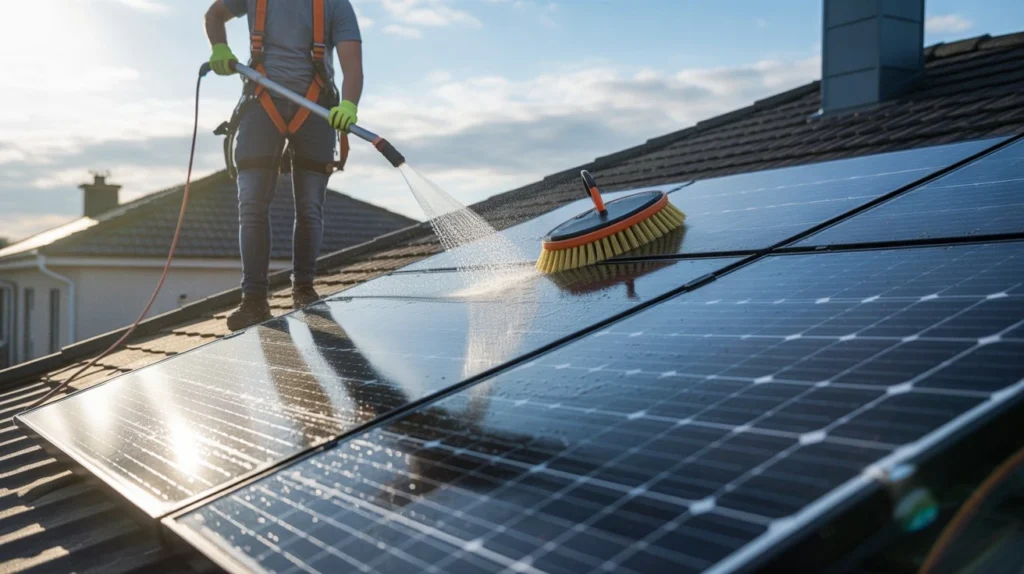
Solar panels sit on your roof day and night, exposed to dust, bird droppings, pollen, and pollution. Over time, that grime builds up and quietly steals your energy production. Most homeowners never think about cleaning them until they notice their electricity bill creeping back up. So, do solar panels need to be cleaned? Yes, they do. Skipping it can cost you real money each month. This guide breaks down exactly how often to clean them, the safest way to do it, and when it makes sense to call in a pro. Do Solar Panels Really Need Cleaning? Short answer: yes. Solar panels work by letting sunlight hit the photovoltaic cells beneath the glass surface. When dust, dirt, or bird droppings cover that glass, less light gets through. Less light means less energy produced. Studies from UC San Diego found that soiled solar panels can lose between 15% and 25% of their energy output depending on the level of dirt buildup. In dry, dusty regions like California’s Central Valley, that number can be even higher. If you’re a homeowner in the Stockton or Tracy area, panels can get coated with agricultural dust, pollen, and hard water deposits faster than in wetter climates. That’s exactly why local services like professional solar panel cleaning Tracy CA from VJ Pressure Washing exist to restore your panels to peak performance without risking damage from DIY mistakes. So do you have to clean solar panels? Not every week. But ignoring them entirely is a guaranteed way to lose output and money. What Happens If You Don’t Clean Solar Panels? Dirty panels don’t just look bad. They underperform, sometimes by a wide margin. Here’s what builds up on panels over time: Dust and pollen — fine particles that scatter light instead of letting it pass through Bird droppings — highly acidic and can cause permanent micro-etching on glass Hard water deposits — left behind when sprinklers hit panels, creates a calcium film Soot and smog — common in industrial or high-traffic areas Leaves and debris — can cause shading that affects entire panel strings Each of these layers acts like a thin curtain over your solar cells. You might not notice it right away, but your inverter data will show a slow decline in output. In worst-case scenarios, bird droppings left for months can cause hot spots areas where heat builds up unevenly on a panel. Hot spots can permanently degrade cells and shorten your panel’s lifespan. The financial impact is real. If your system produces 10,000 kWh per year and loses 20% to dirt, that’s 2,000 kWh you’re not getting. At even $0.15 per kWh, that’s $300 a year sitting on your rooftop in the form of grime. How Often Should Solar Panels Be Cleaned? Most experts recommend cleaning solar panels at least once or twice a year. But the right frequency depends on where you live and what’s around you. Here’s a simple guide: Environment Recommended Cleaning Frequency Rainy, mild climate Once a year Dry or dusty area 2–3 times a year Near trees or farmland Every 3–4 months Urban/high-pollution area Every 3–6 months Coastal area (salt air) Every 3–6 months If you live in a place with heavy pollen seasons, you’ll want to schedule a cleaning right after peak pollen months. Same goes for wildfire season ash and smoke residue can settle heavily on panels. The best way to know if your panels need cleaning is to monitor your inverter data. Most modern solar systems come with an app that tracks daily output. If production suddenly drops on a sunny day, dirt is often the culprit. Best Time to Clean Solar Panels Timing matters more than most people think. Early morning or late evening is the best time to clean solar panels. Here’s why: Panels are cool cold water on hot glass can cause thermal shock and cracking The sun isn’t directly hitting the surface, so your cleaning solution won’t dry too fast You’ll get better visual clarity to see streaks or spots Avoid cleaning in the middle of a sunny afternoon. Panels can reach temperatures above 65°C (150°F) in direct sunlight. Spraying cold water on a hot panel is a real risk. Also, clean panels after major weather events. A windstorm, heavy dust day, or wildfire event are all good triggers for a cleaning session. Spring and fall are natural cleaning seasons. Spring handles post-winter grime and pollen. Fall prep cleans off summer dust before low-sun winter months, when every bit of efficiency counts. Safe Ways to Clean Solar Panels Cleaning solar panels isn’t complicated, but doing it wrong can cause damage. Here’s the right approach. What You’ll Need Soft-bristle brush or microfiber cloth Squeegee with a long handle Hose with a gentle spray nozzle Bucket with mild soapy water (dish soap works fine) Deionized or distilled water for the final rinse (avoids hard water spots) Step-by-Step Process Turn off your solar system before you start. Check your inverter’s shutdown procedure. Rinse panels with low-pressure water to remove loose dust and debris. Apply soapy water with a soft brush. Work in sections. Scrub gently never use abrasive pads or steel wool. Rinse thoroughly with clean water to remove all soap residue. Squeegee dry to prevent water spots, especially in hard water areas. What to Avoid High-pressure washers — too much pressure can crack cells or damage seals Abrasive cleaners or scouring pads — they scratch the anti-reflective coating Harsh chemical solvents — they degrade the glass coating over time Standing on the panels — they are not designed to bear weight Should you clean solar panels while they’re mounted at a steep roof angle? In many cases, a long-handled brush and hose from the ground can do the job safely without roof access. Can Rain Clean Solar Panels? Rain helps, but it doesn’t do the full job. Light rain can rinse off loose dust and some pollen. But rain alone can’t remove bird droppings, hard water deposits, or thick layers of grime.
How to Remove Graffiti Fast: 7 Proven Methods That Actually Work

Graffiti can show up overnight and turn a clean wall into an eyesore. Whether it’s on your fence, brick wall, or storefront, the longer it sits, the harder it gets. The good news? You don’t always need a professional to fix it. Learning how to remove graffiti the right way saves you time and money. This guide covers every surface, every method, and every mistake to avoid so you can get your property looking clean again. What Is Graffiti and Why It’s Hard to Remove Graffiti is spray paint, markers, or other paint applied to surfaces without permission. It bonds quickly with porous surfaces like brick and concrete. Paint soaks into tiny gaps in the material, making it tough to lift out. The type of paint matters. Aerosol spray paint is oil-based and designed to stick. Permanent markers are alcohol-based. Both resist regular soap and water completely. Surface type also plays a role. Smooth surfaces like glass or metal are easier to clean. Rough or porous surfaces like brick, stone, and concrete hold paint deep inside the material. This is why graffiti removal is not as simple as wiping something down. The age of the graffiti also matters. Fresh graffiti from the past few hours is far easier to remove than paint that has cured for days or weeks. How to Remove Graffiti (Quick Overview) Here’s a simple breakdown of the process: Identify your surface type Choose the right removal method Test on a small hidden area first Apply your cleaner or solvent Scrub or pressure wash Rinse thoroughly Repeat if needed Apply anti-graffiti coating to prevent future vandalism Tools and Materials You’ll Need Before you start, gather your supplies. Having the right tools makes a real difference. For light graffiti: Acetone or nail polish remover Rubbing alcohol Graffiti remover spray (commercial grade) Soft cloths or rags Stiff-bristle brush Bucket of warm water For heavy graffiti: Pressure washer (1,500–3,000 PSI) Chemical graffiti stripper Wire brush (metal surfaces only) Safety gloves and eye protection Respirator mask (for enclosed spaces) Paint thinner or mineral spirits For finishing: Matching paint (for repainting) Anti-graffiti coating or sealant Painter’s tape (if painting over) Always wear gloves and eye protection when working with chemicals. Work in a well-ventilated area. How to Remove Graffiti from Different Surfaces Different surfaces need different approaches. Here’s how to handle the most common ones. Brick and Concrete These are the hardest surfaces to clean because they’re porous. Paint sinks into the material. Method: Apply a commercial graffiti remover or gel-based stripper Let it sit for 10–15 minutes Scrub with a stiff brush Rinse with a pressure washer at 2,000–3,000 PSI Repeat if paint remains For stubborn stains, a hot water pressure washer works better than cold water. If you’re in the Tracy, California area, tracy graffiti removal by VJ Pressure Washing uses professional-grade hot water systems specifically designed for brick and concrete surfaces. Wood Fences and Surfaces Wood is porous but softer than brick. Be careful not to damage the grain. Method: Try mineral spirits or paint thinner first Rub gently with a cloth in the direction of the wood grain If that doesn’t work, use a commercial graffiti remover Rinse with water and let dry Sand lightly if staining remains Repaint or restain the affected area Avoid wire brushes on wood. They’ll scratch and damage the surface. Metal Surfaces (Fences, Garage Doors, Dumpsters) Metal is non-porous, which makes removal easier. Method: Apply acetone, nail polish remover, or graffiti remover Let it sit for 2–3 minutes Wipe with a cloth or soft-bristle brush Rinse with water For stubborn areas, use a light sandpaper (400 grit) then repaint Avoid steel wool on painted metal. It causes rust. Glass and Windows Fresh graffiti on glass comes off easily. Older graffiti takes more work. Method: Apply acetone or rubbing alcohol to a cloth Rub the graffiti in circular motions For thick paint, use a razor blade scraper at a low angle Wipe clean and rinse with glass cleaner Never use abrasive pads on glass. They’ll scratch permanently. Stucco and Painted Walls These surfaces need a gentler approach to avoid damaging the paint underneath. Method: Try warm soapy water first for fresh graffiti Use a graffiti remover spray designed for painted surfaces Apply, wait 5 minutes, then wipe gently If graffiti remains, painting over is often the best option Plastic Surfaces Plastic is tricky because solvents can melt or warp it. Method: Use a product labeled safe for plastics Try baby wipes or rubbing alcohol first for light marks Avoid acetone it melts most plastics Rinse well after cleaning Best Graffiti Removal Methods 1. Chemical Graffiti Removers These are the most effective commercial solutions. Products like Graffiti Safewipes, Taginator, and Motsenbocker’s Lift Off are designed to break down spray paint fast. Best for: Brick, concrete, metal, wood How to use: Spray or apply to the surface Wait the recommended dwell time (usually 5–15 minutes) Scrub with a brush Rinse thoroughly Always read the label. Some products are not safe for certain surfaces. 2. Pressure Washing Pressure washing alone works on fresh graffiti. Combined with a chemical remover, it handles most cases effectively. Best for: Brick, concrete, stone, metal A pressure washer between 2,000 and 3,500 PSI removes most surface-level paint. Use a 25-degree nozzle for a good balance of power and coverage. Hot water pressure washing is even more effective because heat softens the paint. 3. Baking Soda Blasting This is a gentler alternative to pressure washing. It uses fine baking soda particles blasted at high speed to lift paint without damaging the surface underneath. Best for: Brick, stone, historic surfaces It’s used on surfaces where pressure washing could cause damage. It’s also more environmentally friendly than chemical solvents. 4. Dry Ice Blasting A newer method where dry ice pellets are blasted onto the graffiti. The extreme cold causes the paint to crack and flake off. Best for: Delicate surfaces, heritage buildings It leaves no chemical residue and is non-toxic. It’s typically a professional-only
How Much Does Roof Cleaning Cost? | 2026 Guide
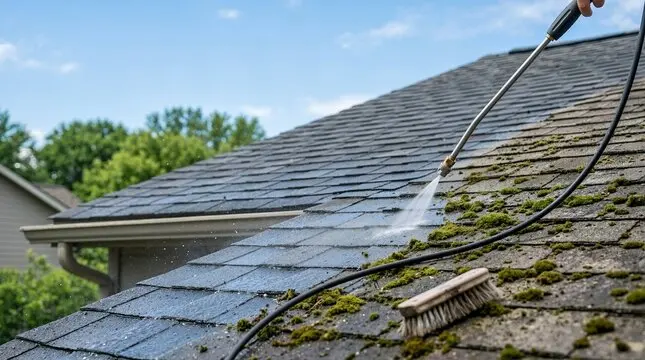
Professional roof cleaning usually costs $250 to $600 for a typical home. Larger roofs, heavy moss, steep slopes, and difficult access can raise the price to $1,000 or more. Roof material also matters because asphalt shingles, tile, metal, wood, and slate need different cleaning methods. The amount of dirt, algae, moss, and debris on the roof can also affect labor and treatment time. So, the price you see online is only a starting point, not a guaranteed quote for every home. If you are wondering how much does roof cleaning cost, many homeowners can expect about $0.15 to $0.70 per square foot. A simple roof with light staining may cost less, while a large or steep roof with heavy growth can cost much more. Knowing what affects the price helps you understand estimates and avoid unexpected charges. How Much Does Roof Cleaning Cost? The average homeowner may spend about $250 to $600 for professional roof cleaning. Some small and simple roofs cost less, while large or difficult roofs can cost $1,000 or more. The final price depends on more than the size of your roof. A cleaner may look at the roof material, slope, number of stories, staining, moss growth, and access before giving a quote. For example, two houses can have roofs of similar size but very different cleaning costs. A single-story home with light algae may need a simple soft wash. A two-story house with a steep roof and thick moss needs more setup, labor, and safety equipment. Some companies also have a minimum service charge. Because of this, a small roof may not always cost exactly what a simple square-foot calculation suggests. Typical Roof Cleaning Price Range Type of Roof Cleaning Approximate Cost Small, simple roof 200–350 Average residential roof 250–600 Large residential roof 500–1,000+ Heavy moss or growth 400–1,200+ Difficult steep roof 600–1,500+ These are planning ranges, not fixed quotes. Local labor rates and roof conditions can change the actual price. How Much Does Roof Cleaning Cost Per Square Foot? Many professional cleaners use a square-foot rate to estimate the basic service. A common range is around $0.15 to $0.70 per square foot, depending on the method and roof condition. A simple calculation looks like this: Roof area × cleaning rate = basic cleaning price For example, a 2,000-square-foot roof at $0.30 per square foot would produce a basic estimate of $600. But there is one important detail. Your home’s floor area is not always the same as your roof area. A roof has slopes, overhangs, valleys, and different sections. A house with a 2,000-square-foot footprint may have more roof surface than 2,000 square feet. The square-foot rate can also change when the roof needs extra treatment. Heavy moss, difficult access, or a steep pitch may require more labor. Roof Cleaning Cost by Roof Size Roof size gives you a useful starting point when planning your budget. Approximate Roof Size Possible Cleaning Range 750 sq. ft. 150–450 1,000 sq. ft. 200–600 1,500 sq. ft. 300–900 2,000 sq. ft. 400–1,200 2,500 sq. ft. 500–1,500 3,000 sq. ft. 600–1,800 These ranges are broad because roof size is only one part of the estimate. A 1,500-square-foot roof with easy access and light dirt may sit near the lower end. The same size roof with thick moss and several steep sections may cost much more. When comparing roof washing prices, ask what is included in the quoted price. One company may include treatment and cleanup, while another may charge for those services separately. What Factors Affect Roof Cleaning Cost? Several conditions can change the price of a roof cleaning job. Roof Size Larger roofs require more time, cleaning solution, labor, and equipment. This is why roof area is often the first number a contractor considers. Roof Pitch A steep roof is harder to work on than a low-slope roof. Workers may need extra safety equipment and more time to complete the job. Roof Material Asphalt shingles, tile, metal, wood, and slate all have different cleaning needs. A method that works well on one material may be unsuitable for another. Roof Condition Light dirt is usually easier to remove than thick moss, lichen, or long-term algae growth. If organic growth has been left untreated for years, the cleaner may need more time and additional treatment. Number of Stories A two-story house often takes longer to set up than a single-story property. Equipment must reach a higher working area, and safety precautions may increase. Roof Access A roof that is easy to reach from the driveway may be simpler to clean than one surrounded by fences, landscaping, narrow spaces, or other obstacles. Local Labor Rates Professional cleaning prices vary by location. Labor costs, business expenses, demand, and travel distance can all affect the estimate. Roof Cleaning Cost by Cleaning Method The cleaning method is one of the most important parts of the estimate. The cheapest method is not always the right method for your roof. Soft Washing Soft washing uses low water pressure with a cleaning solution. The solution helps break down algae, dirt, and organic growth without depending on strong water pressure. This method is commonly used for asphalt shingles and some other roofing materials. A typical soft-washing rate may fall around $0.15 to $0.60 per square foot, although actual prices vary by contractor and project. Soft washing can be useful when the main problem is biological growth rather than thick physical debris. Low-Pressure Roof Cleaning Some roofs require gentle cleaning because their surfaces can be damaged by aggressive pressure. Low-pressure cleaning can be useful for delicate roofing materials and older roofs. The cleaner should inspect the surface first and choose a method that suits the material. Pressure Washing The power wash roof cost can range from roughly $0.20 to $0.70 per square foot in some current pricing guides. However, pressure washing should not automatically be treated as the standard option for every roof. High pressure can damage asphalt shingles, remove protective granules, or affect older roofing materials. The correct
How Much Does Window Cleaning Cost: Complete Pricing Guide (2026)
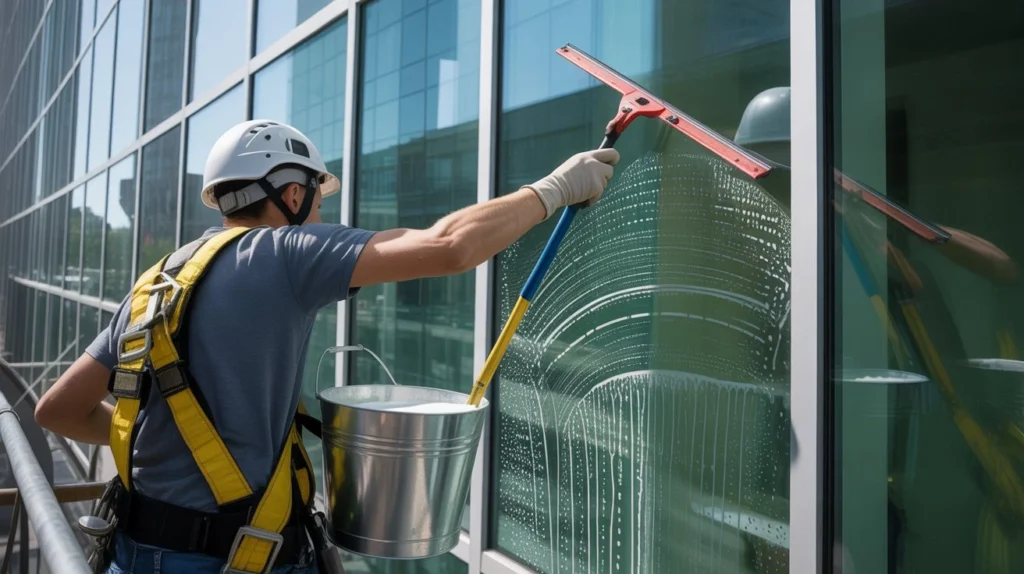
Window cleaning is one of those home services people delay until glass starts looking dull or streaked. Clean windows improve curb appeal, let in more light, and help maintain property value. Still, most homeowners are unsure what they should actually pay. Prices change based on home size, window type, and how dirty the glass is. Labor, height, and tools also matter. In this guide, we break down real costs in simple terms so you can plan better. If you are wondering How Much Does Window Cleaning Cost, the short answer is this: most homeowners pay between $150 and $400 for a standard house, while larger or multi-story properties can go well above $600 depending on complexity. Average Cost of Window Cleaning The average price for window cleaning depends on the type of service and property size. In most regions, professional cleaners charge either per window or per project. For residential homes, the typical rate ranges from $5 to $15 per window for basic cleaning. Full-home packages usually fall between $150 and $400. For commercial buildings, pricing is higher due to scale and safety needs. Small offices may pay $200 to $500 per visit, while large buildings can exceed $1,000. Local providers such as window cleaning service tracy ca often offer bundled packages for better value, especially when combined with exterior washing or gutter cleaning. Companies like VJ Pressure Washing also structure pricing based on window count and access difficulty. Most customers compare window cleaning prices before booking to understand fair market rates. Factors That Affect Window Cleaning Cost Several factors influence final pricing. Two homes with the same number of windows may still pay different amounts. 1. Property size The number of windows plays a major role in pricing. Larger homes with more glass surfaces require more time, effort, and cleaning solution. A small house with fewer windows is quicker to clean, while bigger properties naturally increase labor costs. 2. Window height and access Windows on higher floors or in hard-to-reach areas cost more to clean. Second-story windows, rooftop glass, or tight spaces require ladders, extension tools, or safety equipment. This adds both time and risk, which increases the final price. 3. Window condition Light dust and regular maintenance cleaning are cheaper. However, windows with heavy grime, grease, mold, or post-construction debris need deeper cleaning methods. The more buildup there is, the more time and effort required. 4. Window type Standard sliding windows are the easiest and most affordable to clean. In contrast, skylights, bay windows, and tinted or decorative glass require more care. Their shape and material can slow down the cleaning process, raising the cost. 5. Location Where you live also affects pricing. Urban areas usually have higher labor and service rates compared to rural locations. Travel distance, demand, and local competition all influence the final cost. 6. Service frequency Regular cleaning schedules are more cost-effective. When windows are cleaned often, dirt does not build up heavily. This reduces the time needed per visit and lowers the overall cost compared to one-time deep cleaning services. Understanding these factors helps you use a proper window cleaning pricing guide instead of guessing. Residential Window Cleaning Costs Residential pricing is the most common concern for homeowners. Small homes (up to 10 windows): $100 to $180 Medium homes (10–25 windows): $180 to $350 Large homes (25+ windows): $350 to $700+ Extra services may include: Screen cleaning Frame wiping Track cleaning A professional service like VJ Pressure Washing usually offers package deals to reduce per-window cost. Residential clients often ask How Much Does Window Cleaning Cost when comparing quotes, but final pricing depends on condition and access more than just window count. Commercial Window Cleaning Costs Commercial buildings follow different pricing models. Safety rules, height, and equipment matter more than window count. Small offices: $200 to $500 per visit Mid-size buildings: $500 to $1,200 Large commercial properties: $1,000 to $5,000+ For high-rise structures, pricing increases significantly due to rope access systems, lifts, and insurance. This is often called high rise window cleaning cost, and it can reach $10 to $25 per window depending on difficulty. Many businesses schedule monthly or quarterly cleaning contracts to reduce long-term window cleaning services prices. DIY vs Professional Window Cleaning Costs Some homeowners consider cleaning windows themselves to save money. But cost is not the only factor. DIY Costs Cleaning tools: $30 to $100 Ladder (if needed): $80 to $200 Cleaning solutions: $10 to $30 Total initial cost: $50 to $300 Professional Costs Average visit: $150 to $400 Includes labor, safety gear, and equipment DIY may look cheaper at first. But it requires time, safety risk, and effort. Professional cleaners deliver better results and reduce risk of injury. When comparing both options, most homeowners still return to asking How Much Does Window Cleaning Cost professionally because of convenience and quality. Tips to Save Money on Window Cleaning You can reduce costs without lowering quality. 1. Book regular cleaning Scheduling window cleaning on a regular basis helps prevent heavy dirt buildup. This keeps each visit quicker and reduces labor time, which can also lower overall cost. Clean windows maintained consistently stay in better condition and need less deep scrubbing compared to neglected ones. 2. Bundle services You can save money by combining window cleaning with other services like pressure washing or gutter cleaning. Many companies offer discounted packages when multiple services are booked together, which reduces the total cost compared to separate appointments. 3. Compare local quotes Always get at least 2–3 estimates from different providers before choosing. Prices vary based on experience, equipment, and service quality. Comparing quotes helps you understand fair market rates and choose the best balance between cost and results. 4. Clean seasonal dirt early Dust, pollen, and salt buildup can accumulate quickly depending on the season. If left too long, it becomes harder to remove and may require extra time or stronger cleaning methods. Early cleaning helps prevent stubborn stains and keeps maintenance costs lower. 5. Choose local experts Local companies often offer
How Much Does Gutter Cleaning Cost?
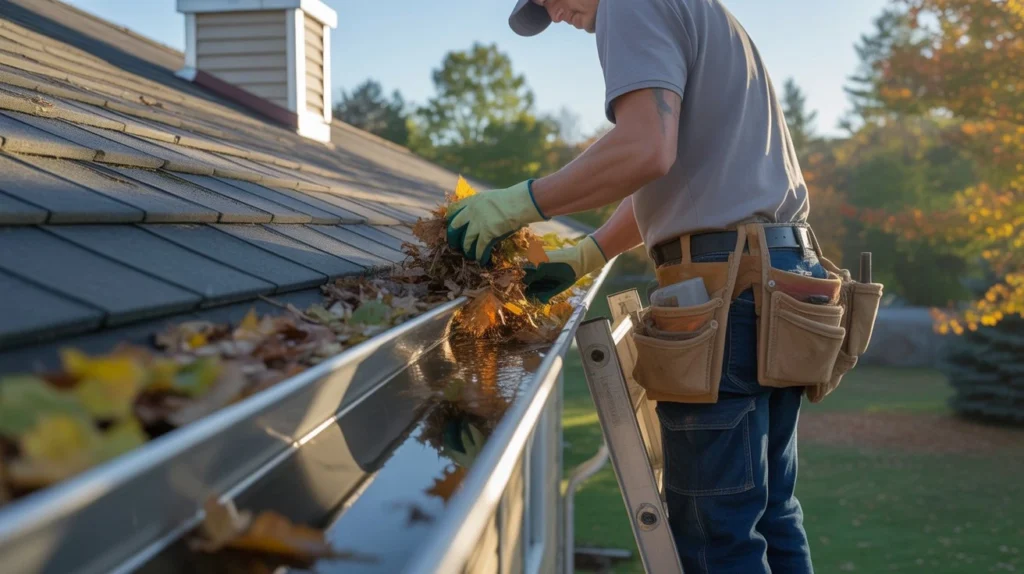
Gutter cleaning looks simple from the outside, but it protects your home in a big way. Clean gutters move rainwater away from your roof, walls, and foundation. When they clog, water damage starts fast and repairs get expensive. Most homeowners only think about gutters when something goes wrong, but regular cleaning avoids that risk. Prices vary based on home size, location, and how dirty the gutters are. Some homes need light cleaning, while others need heavy debris removal and flushing. How Much Does Gutter Cleaning Cost? Most homeowners in 2026 pay between $100 and $400 for a standard job. The final price depends on home height, gutter length, and service type. This guide breaks down real pricing so you know exactly what to expect before hiring a service. Average Cost of Gutter Cleaning The average cost of gutter cleaning in most regions falls between $0.80 to $2.00 per linear foot. For a typical home, that adds up to $120 to $350. Larger homes or homes with difficult access can reach $450 or more. In cities where labor costs are higher, pricing increases slightly. For example, homeowners searching for gutter cleaning tracy ca services often see mid-range pricing due to local demand and seasonal rainfall patterns. At VJ Pressure Washing, pricing is based on roof size, debris level, and safety needs. A small single-story home costs less than a two-story house with heavy buildup. Many companies also offer flat rates instead of per-foot pricing. That helps homeowners avoid surprises after inspection. Cost by Home Size / Stories Home size plays a major role in pricing. The higher the home, the more equipment and safety gear needed. Single-story homes: $100 to $200 Two-story homes: $150 to $350 Three-story homes: $250 to $500+ Tall homes take more time and require ladders or safety harness systems. That increases labor cost and risk. Cost by Pricing Method Gutter cleaning companies use different pricing models. Understanding them helps you compare quotes better. Per Foot Pricing This is the most common model. The gutter cleaning cost per foot ranges from $0.80 to $2.00. It depends on debris level and roof height. Hourly Pricing Some companies charge a gutter cleaning cost per hour, usually between $50 and $100 per worker. This works better for small jobs or partial cleanings. Flat Rate Pricing Flat pricing is common for standard homes. The cost to have gutters cleaned is agreed before work starts. It often ranges from $120 to $300. Flat pricing is preferred by most homeowners because it removes guesswork. Factors That Affect Gutter Cleaning Cost Several conditions change the final price of gutter cleaning. These include: Roof height and slope Length of gutters Amount of debris buildup Presence of trees near the home Accessibility around the house Condition of gutters and downspouts Homes near trees collect leaves faster. That increases cleaning time and cost. If gutters have not been cleaned in years, they may need flushing or manual debris removal. That raises labor time. Additional Services That Increase Cost Basic cleaning covers leaves, dirt, and flushing. But extra services can increase the total bill. Common add-ons include: Downspout unclogging Minor gutter repairs Gutter guard removal and cleaning Roof debris cleanup Mold or stain removal Each add-on can increase the total cost by $20 to $150 depending on complexity. Some homeowners also combine pressure washing with gutter cleaning for better results. Companies like VJ Pressure Washing often bundle services for better value. DIY vs Professional Gutter Cleaning Cost DIY gutter cleaning looks cheaper, but it comes with risk. DIY Cost Ladder rental or purchase Gloves and tools Safety equipment Total: $20 to $100 Professional Cost Full cleaning service Safety equipment included Proper disposal of debris Total: $120 to $400 DIY cleaning can save money, but it increases risk of injury. Falls from ladders are one of the most common home accidents. Professionals complete the job faster and inspect for damage at the same time. How Often Should You Clean Gutters Most homes need gutter cleaning twice a year. Spring: after pollen and storm season Fall: after leaves drop Homes near trees may need cleaning 3 to 4 times a year. Skipping maintenance leads to blockages, water overflow, and roof leaks. Regular cleaning reduces long-term repair costs. A consistent schedule also lowers future cost to have gutters cleaned because buildup stays light and easy to remove. How to Save Money on Gutter Cleaning There are simple ways to reduce gutter cleaning expenses without cutting quality. 1. Clean Regularly Cleaning your gutters on a regular schedule is one of the easiest ways to save money. When debris like leaves, dirt, and small twigs are removed early, they don’t turn into heavy blockages. Light buildup takes less time and effort to clean, which directly lowers the service cost. It also helps prevent overflow issues that can lead to expensive home repairs later. 2. Install Gutter Guards Gutter guards act as a protective cover that blocks large debris from entering your gutters. They significantly reduce leaf buildup and slow down clogging. This means fewer cleanings are needed each year, which lowers long-term maintenance costs. While there is an upfront investment, many homeowners find it pays off over time by reducing how often professional cleaning is required. 3. Bundle Services Bundling services is a smart way to reduce overall home maintenance costs. Many companies offer discounts when you combine gutter cleaning with roof washing, driveway cleaning, or full exterior pressure washing. Instead of booking separate visits, you save on labor charges and service fees. This approach also keeps your entire home exterior clean in one go. 4. Compare Quotes Never settle for the first price you receive. Getting at least two to three estimates helps you understand the real market rate in your area. Some companies include extra services in their pricing, while others charge separately. Comparing quotes ensures you get fair pricing without overpaying for the same level of work. It also helps you find more experienced and reliable providers. 5. Choose Local
How to Pressure Wash a House
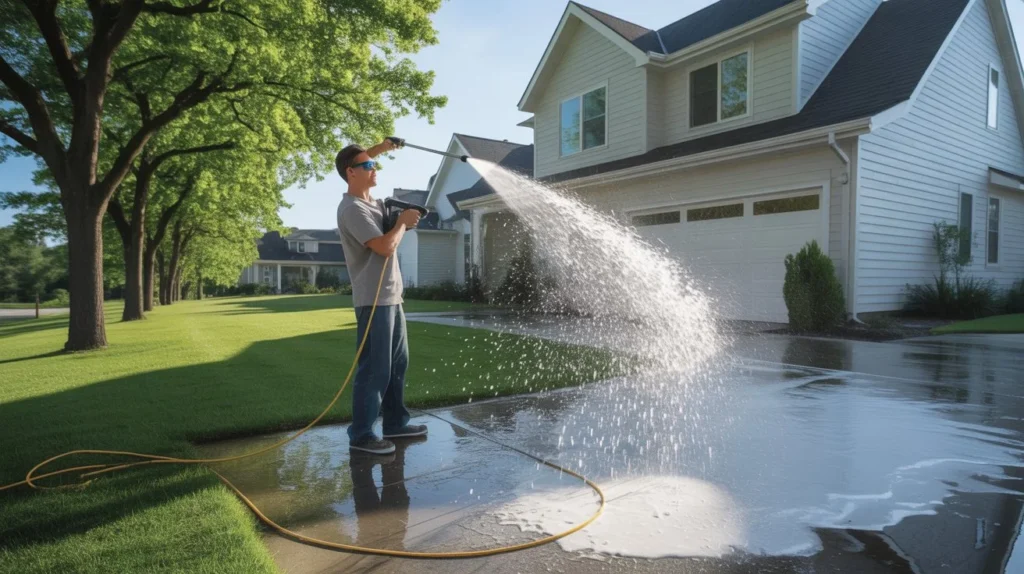
A pressure washer can make exterior house cleaning much faster, but using too much pressure or the wrong technique can create problems that are harder to fix than the dirt you started with. If you are learning How to Pressure Wash a House, the goal should not be to use the strongest machine or the highest pressure available. The goal is to remove dirt, mildew, algae, and other buildup while preserving the surface underneath. The same approach does not work for every home. Vinyl siding, painted wood, stucco, brick, and other materials have different cleaning requirements. Even two houses with the same siding can require different techniques if one has damaged areas or deteriorated caulking.This guide explains how to approach pressure washing your house step by step, including preparation, equipment, cleaning technique, safety, and situations where professional house washing may be the better option. Quick Answer To pressure wash a house safely, inspect the exterior first, protect windows and plants, choose a pressure and spray pattern appropriate for the surface, apply a suitable cleaner when needed, and work in controlled sections. Keep the spray moving, avoid forcing water behind siding, never pressure wash from a ladder, and test a small area before cleaning the entire exterior. Why Does Pressure Washing a House Require the Right Technique? Pressure washing combines water pressure, water volume, spray pattern, distance, and movement. Changing any of these can affect how aggressively the surface is cleaned. A narrow spray concentrated on one area can be much more aggressive than a wider spray used from a greater distance. That is why simply choosing the machine with the highest PSI is not necessarily the best approach. For house exteriors, start with the lowest effective pressure and a wider spray pattern. Always check the pressure washer manufacturer’s instructions and the siding or exterior material manufacturer’s cleaning recommendations before beginning. For example, Lowe’s recommends using the lowest PSI and widest spray pattern that effectively cleans the surface. Its guidance also notes that vinyl siding may be pressure washed within a specified range, but homeowners should check the siding manufacturer’s information first because some products may not be suitable for pressure washing. What Do You Need to Pressure Wash a House? Before starting, gather the equipment and supplies you actually need. Basic equipment Pressure washer Appropriate spray tips Garden hose Pressure washer hose Exterior cleaning detergent suitable for the surface Soft-bristle brush for areas that need gentle scrubbing Safety glasses or other recommended eye protection Hearing protection when appropriate Gloves Plastic sheeting or covers for sensitive items Extension wand or suitable accessories for high areas Read the pressure washer manual before connecting or operating the machine. The correct setup can vary between models. Step 1: Inspect the House Before Washing Do not immediately start spraying. Walk around the house and look for: Cracked or loose siding Missing or damaged caulk Peeling paint Cracked mortar Damaged stucco Loose trim Broken screens Open vents Loose outdoor fixtures Damaged windows or seals This inspection matters because pressure washing can expose existing weaknesses. If siding is already loose, spraying directly at the damaged area may make the problem worse. Likewise, water should not be intentionally forced into gaps, cracks, joints, vents, or openings. Mark areas that need repair so you can avoid them during cleaning. Step 2: Protect the Property Before turning on the pressure washer, prepare the work area. Close windows and doors securely. Move outdoor furniture and other loose objects away from the walls. Protect plants around the house by trimming back branches or vegetation that touches the exterior. Wetting and covering nearby plants can also help protect them from cleaning solutions. Pay special attention to exterior electrical fixtures and outlets. Keep water away from electrical connections and follow the safety instructions provided with your equipment. Also check the ground for hoses, toys, tools, and other objects that could create a tripping hazard. Preparation may take a little extra time, but it is one of the easiest ways to reduce preventable problems. Step 3: Choose the Right Pressure and Spray Pattern One of the biggest mistakes in power washing house projects is assuming more pressure automatically means better cleaning. It does not. The appropriate pressure depends on the material, its condition, the type of buildup, the spray tip, and your distance from the surface. A wider spray pattern generally spreads the force over a larger area. A concentrated spray delivers more force to a smaller area. Before cleaning the main wall, test your selected setting on a small, inconspicuous section. Watch the surface carefully. If you see paint lifting, marks appearing, siding flexing excessively, water getting behind the material, or another sign of damage, stop and reassess the pressure and technique. Step 4: Apply a Suitable Cleaning Solution Water can remove loose dirt, but some exterior buildup may require a compatible cleaning solution. Use only a product that is appropriate for the surface you are cleaning and follow its label instructions. Do not assume that a stronger concentration will produce a better result. The purpose of a cleaning solution is to help loosen buildup so you do not have to rely entirely on high-pressure water. Depending on the surface and product instructions, you may apply the cleaner using the pressure washer’s detergent system, a pump sprayer, or another suitable method. Keep the solution away from areas it could damage, and protect surrounding plants and sensitive materials. Step 5: Start Washing in Controlled Sections Once everything is prepared, begin cleaning one manageable section at a time. Do not randomly spray across the entire house. A controlled approach makes it easier to see where you have already cleaned and helps prevent uneven results. Keep the wand moving rather than holding the spray in one location. Maintain a consistent distance from the surface and adjust your position instead of constantly changing pressure. For power washing house siding, pay particular attention to the direction of the spray. Avoid directing water upward into seams, joints, or underneath