
Eco-Friendly Pressure Washing: Safe Ways to Clean Your Driveway

A clean driveway improves curb appeal and keeps your property looking well cared for. Dirt, oil, mold, and tire marks slowly build up on concrete and pavers. Many homeowners use harsh chemicals to remove these stains. That can harm plants, soil, and nearby water systems. A safer approach exists that still delivers strong cleaning results. Eco-Friendly Pressure Washing uses safer methods and biodegradable cleaners to remove stains without harming the environment. It protects your driveway surface, nearby landscaping, and local water systems while still providing deep cleaning. What Is Eco-Friendly Pressure Washing? Eco-Friendly Pressure Washing is a cleaning method that removes dirt, mold, and stains while reducing environmental impact. It relies on controlled water pressure and biodegradable cleaning solutions instead of harsh chemicals. Traditional pressure washing often uses strong detergents that flow into storm drains. These chemicals can affect plants and waterways. Green cleaning methods focus on safer products that break down naturally. Professionals also adjust water pressure based on the surface type. High pressure may damage concrete or decorative pavers. Eco-friendly methods balance pressure and cleaning agents to protect the material. Many homeowners search for sustainable cleaning solutions when hiring a driveway washing service tracy ca. Companies like VJ Pressure Washing use eco-safe products and water-saving equipment. This approach delivers strong results while protecting the local environment. Another part of this process is using an eco friendly pressure washer. These machines control water use and reduce waste while still providing enough power to remove stains. Why Eco-Friendly Driveway Cleaning Matters Protects Local Water Systems When chemicals wash off a driveway, they often enter storm drains. These drains lead to rivers and lakes. Harsh cleaners can pollute water and harm wildlife. Eco-safe cleaning solutions break down naturally. They reduce chemical runoff and keep nearby water cleaner. Protects Plants and Landscaping Strong detergents may damage grass, flowers, and shrubs. Many eco cleaners use plant-based ingredients. These products remove stains without harming nearby plants. Safer for Families and Pets Children and pets often walk or play in the driveway area. Harsh chemicals may leave residue on the surface. Eco cleaners reduce that risk. Preserves the Driveway Surface Very high pressure can crack concrete or loosen pavers. Eco-friendly methods rely on balanced pressure and targeted cleaning solutions. Common Driveway Stains and Green Cleaning Solutions Driveways face daily exposure to dirt, cars, and weather. Each stain type requires the right cleaning approach. Oil and Grease Stains Oil stains from vehicles are common. They soak into porous concrete and create dark patches. A natural eco friendly driveway cleaner often uses citrus or plant-based ingredients. These cleaners break down oil without harsh chemicals. Mold, Mildew, and Algae Moist areas allow mold and algae to grow. This makes the driveway look dirty and can also create slippery surfaces. Eco cleaning solutions remove these organic stains safely. They target the growth without harming nearby landscaping. Dirt and Tire Marks Cars leave rubber marks on the driveway. Dirt from rain and wind builds up over time. An eco friendly pressure washer combined with biodegradable detergent lifts these marks without damaging the surface. Rust and Mineral Stains Metal objects or water with high minerals may cause rust stains. Eco-safe cleaners designed for mineral buildup can remove these spots without harsh acids. Safe Eco-Friendly Pressure Washing Methods Cleaning a driveway safely requires the right methods and tools. Using Biodegradable Cleaning Solutions The most important step is choosing the right detergent. Eco cleaners break down naturally and do not stay in soil or water. These products remove stains while remaining safe for plants and pets. Controlled Water Pressure Concrete is strong but still vulnerable to excessive force. Professionals adjust pressure based on the material. Lower pressure combined with proper cleaning solutions removes stains without damage. Water Efficient Equipment Many modern machines use less water while producing strong cleaning power. A professional eco friendly pressure washer can clean a driveway using far less water than a hose. This helps conserve water while still achieving a deep clean. Soft Washing for Sensitive Areas Some driveways include decorative stone or sealants. These surfaces require a low-pressure method known as soft washing. Soft washing uses eco-safe cleaners and gentle pressure. It removes mold and dirt without harming the surface. Surface Cleaning Tools Flat surface cleaners attach to pressure washers. They clean evenly and reduce water waste. These tools also prevent streaks. Using these tools is part of responsible eco-friendly power washing. Benefits of Professional Eco-Friendly Pressure Washing Many homeowners try DIY driveway cleaning. While it may work for light dirt, professional service offers several advantages. Better Equipment Professional cleaners use commercial equipment designed for large surfaces. This allows deeper cleaning with less water waste. Proper Cleaning Solutions Experts know which eco friendly driveway cleaner works best for each stain type. Using the wrong cleaner may leave stains behind or damage the surface. Surface Protection Professional cleaning protects the driveway material. High pressure used incorrectly can cause cracks or erosion. Experienced technicians adjust pressure and cleaning solutions for safe results. Time and Effort Savings Driveway cleaning can take hours with basic tools. A professional team can complete the job quickly and effectively. Long-Term Maintenance Routine Eco-Friendly Pressure Washing prevents buildup that leads to permanent stains. Regular cleaning helps driveways last longer. Tips to Maintain a Clean Driveway Naturally Regular care keeps a driveway looking fresh between cleanings. Sweep the Driveway Weekly Loose dirt and debris build up quickly. Regular sweeping prevents grime from settling into the surface. Clean Spills Quickly Oil and fuel stains become harder to remove over time. Absorb spills early with baking soda or a natural cleaner. Rinse With Water Occasional rinsing removes dust and pollen. A simple rinse reduces buildup that may later require deeper cleaning. Seal the Driveway Concrete sealants protect the surface from moisture and stains. Sealing also makes future cleaning easier. Schedule Seasonal Cleaning Professional Eco-Friendly Pressure Washing once or twice a year helps maintain the driveway and prevent stubborn stains. Common Mistakes to Avoid Many homeowners accidentally damage
A Step-by-Step Guide to Driveway Washing: From Preparation to Finish
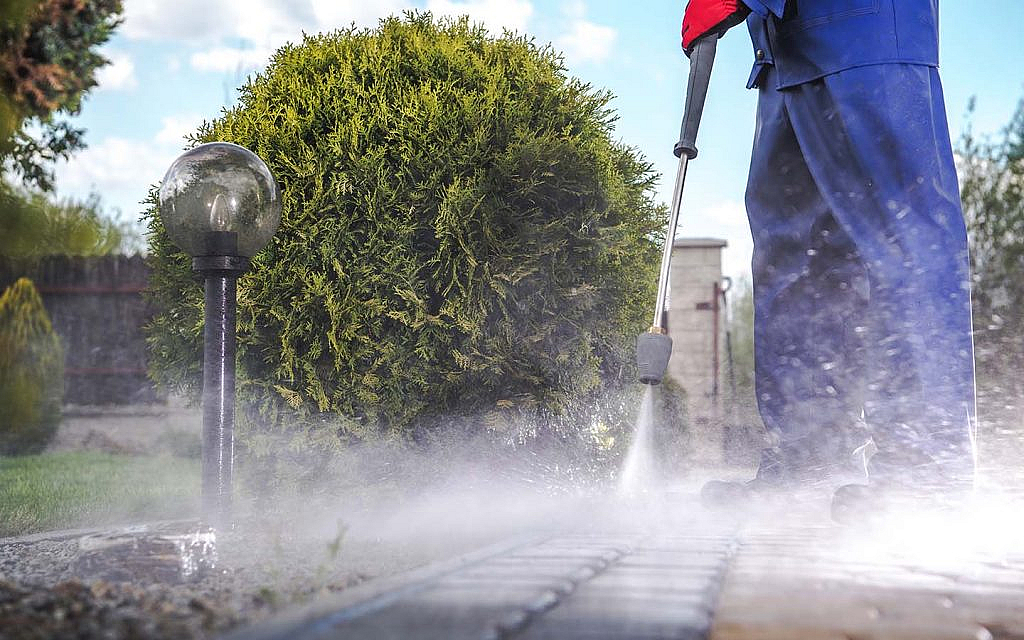
A clean driveway instantly improves your home’s curb appeal and prevents damage from dirt, oil, and moss. Over time, neglecting your driveway can lead to stains, cracks, and slippery surfaces, affecting safety and home value. A Step-by-Step Guide to Driveway Washing shows you how to restore your driveway efficiently. By following the right process, you can remove stubborn stains, protect your driveway material, and maintain a fresh, safe surface for years. This guide is practical, easy to follow, and uses safe, proven methods. Why Driveway Cleaning Matters Driveway cleaning is more than just appearance. Dirt, algae, and moss retain moisture, which can damage concrete, asphalt, or pavers. Oil spills and grime also degrade the surface over time. A clean driveway prevents slips, reduces long-term repairs, and keeps your property looking well-maintained. For reliable results, homeowners often hire tracy ca pressure washing professionals like VJ Pressure Washing. Experts provide proper techniques that ensure thorough cleaning without damaging the surface, saving time and effort while maintaining your driveway’s integrity. Common Driveway Contaminants Understanding what causes stains helps you choose the right cleaning method. Common driveway contaminants include: Oil and Grease Stains: Vehicle leaks leave dark, stubborn spots. Dirt and Mud: Regular traffic tracks soil and dust onto the surface. Algae, Moss, and Mold: Moist or shaded areas promote biological growth. Rust and Mineral Stains: Metal tools, outdoor furniture, or water can leave orange or white marks. Each contaminant requires specific attention for effective removal. Using the wrong method can damage the surface or leave stains behind. Tools and Materials You’ll Need To clean your driveway efficiently, gather the right tools: Pressure washer or hose with nozzle (choose correct PSI for material) Cleaning solutions such as degreasers or mild detergents Stiff brushes or brooms for scrubbing tough stains Safety gear: gloves, goggles, and boots Having the right tools ensures you can perform the cleaning safely while achieving the best results. Step-by-Step Driveway Washing Process Follow these steps to clean your driveway properly. Step 1 – Preparation Remove vehicles, furniture, and debris. Protect nearby plants and surfaces to avoid accidental damage from cleaning solutions or high-pressure water. Step 2 – Apply Cleaning Solution Select a solution appropriate for your stains. Oil and grease require degreasers, while algae and moss can be treated with eco-friendly cleaners. Allow the solution to sit for the recommended time to break down contaminants. Step 3 – Scrubbing Use a stiff brush or broom on stubborn spots. Focus on stains and moss patches. Scrubbing helps lift grime that water alone cannot remove. Step 4 – Pressure Washing Set your pressure washer to a safe level for your surface. Concrete can withstand higher PSI, while asphalt needs gentler pressure. Work in sections, maintaining consistent movement to avoid uneven cleaning. This is the best way to pressure wash driveway surfaces safely. Step 5 – Rinsing and Finishing Touches Rinse thoroughly to remove cleaning solution and loosened debris. Inspect for any remaining stains and repeat scrubbing or washing if needed. Allow the driveway to dry completely before use. DIY vs Professional Driveway Washing DIY cleaning saves money, but it carries risks. Incorrect pressure, harsh chemicals, or improper technique can damage the driveway or cause injury. DIY methods are best for small areas or light stains. Hiring professional driveway cleaning services like VJ Pressure Washing ensures safe, efficient results. Experts use specialized tools, proper cleaning solutions, and proven methods to remove tough stains without damaging your driveway. For large driveways or stubborn stains, professional service is usually the smarter choice. Maintenance Tips to Keep Your Driveway Clean Regular maintenance prolongs your driveway’s life and reduces cleaning frequency. Sweep debris weekly and remove stains promptly. Seal concrete or asphalt surfaces annually to prevent water and oil penetration. Trim overhanging branches to limit leaves and moss buildup. Monitoring your driveway periodically allows early action, preventing major cleaning efforts later. Safety Tips for Driveway Cleaning Driveway washing involves risks that should not be ignored. Wear gloves, goggles, and non-slip shoes. Keep children and pets away from the area. Follow cleaning product instructions carefully and avoid excessive pressure that can damage the surface. Proper safety ensures a clean driveway without accidents. Cost of Driveway Washing Costs vary based on size, material, and the level of staining. DIY cleaning mainly costs for tools and cleaning solutions. Professional service rates depend on driveway area, difficulty, and required chemicals. While hiring experts is costlier upfront, it saves time, ensures thorough cleaning, and reduces the risk of damage, making it a smart long-term investment. Conclusion A Step-by-Step Guide to Driveway Washing helps homeowners restore and maintain their driveways effectively. Whether you opt for DIY cleaning or hire VJ Pressure Washing for professional service, the key is proper technique, the right tools, and regular upkeep. A clean driveway not only boosts curb appeal but also extends the lifespan of your surface, prevents damage, and enhances safety. For reliable results, contact us today to schedule your driveway washing service and experience a cleaner, safer driveway. FAQs How often should I wash my driveway?Most driveways benefit from cleaning once or twice a year, or when stains appear. Can I use household cleaners for washing the driveway?Mild detergents work for light dirt, but tough stains need degreasers or professional solutions. What is the best way to pressure wash the driveway?Use a pressure washer with the right PSI for your surface, move in sections, and maintain a safe distance. Is professional driveway washing worth it?Yes. Professionals remove stubborn stains safely and ensure your driveway lasts longer. Can I prevent algae or moss growth?Trim trees, sweep regularly, and consider eco-friendly solutions to reduce growth over time.
11 Key Benefits of Gutter Cleaning: Why It’s Essential for Your Home
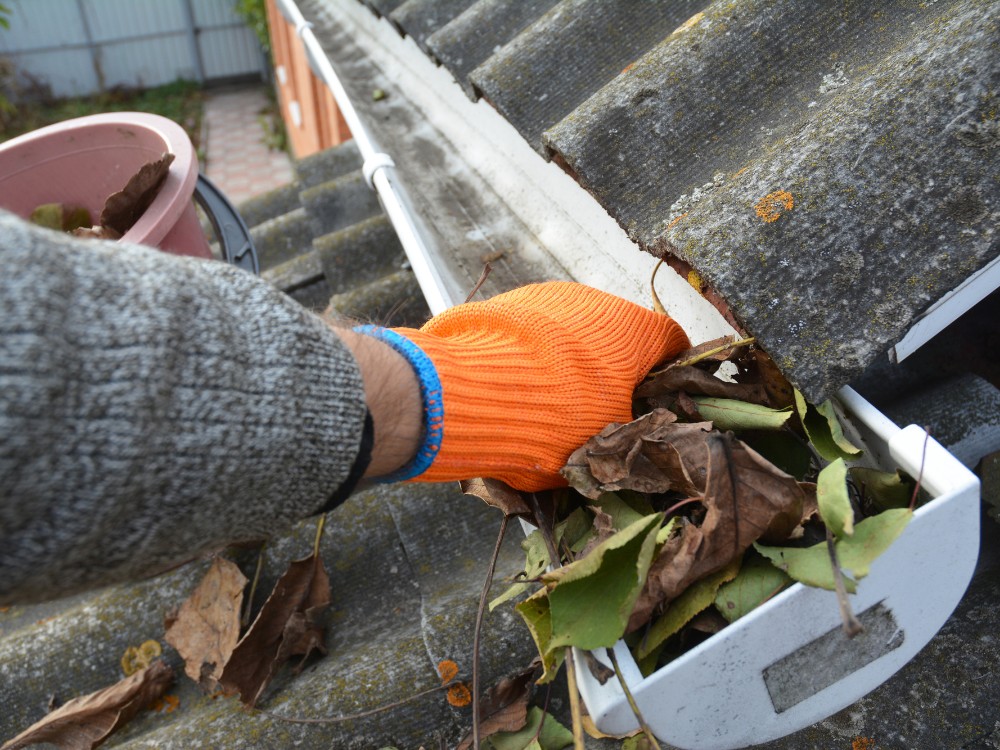
Gutters guide rainwater away from your home and protect key structural parts from damage. When they get clogged, water spills over and creates avoidable issues that grow over time. Regular cleaning keeps water moving and reduces risks that affect your roof, walls, and foundation. Understanding the Benefits of Gutter Cleaning helps homeowners make better maintenance decisions. Clean gutters prevent costly repairs and keep your home safe during heavy rain. They also support proper drainage, reduce stress on materials, and maintain the overall health of your property. 1. Prevents Water Damage to Your Home One of the most important Benefits of Gutter Cleaning is stopping water damage before it starts. When gutters fill with leaves and debris, water has nowhere to go. It spills over and runs down exterior walls. This overflow can damage siding, paint, and even interior ceilings. Over time, moisture weakens building materials and leads to repairs that could have been avoided with routine cleaning. 2. Protects Your Roof Clogged gutters trap water near the roof edge. This creates standing moisture that seeps under shingles. Once water enters the roof layers, leaks begin to form. Regular cleaning supports proper drainage and reduces strain on roofing materials. Many homeowners who invest in roof and gutter cleaning services notice fewer leaks and longer roof life. This is one of the core rain gutter cleaning benefits that protects your biggest home asset. 3. Avoids Foundation Problems Water that overflows from clogged gutters collects near the base of your home. Over time, this weakens the soil and puts pressure on the foundation. Cracks may form, and structural shifts can occur. In some regions, local services like gutter cleaning tracy ca help homeowners manage this risk before it leads to serious damage. Reliable maintenance from providers such as VJ Pressure Washing ensures water flows away from the foundation. This is one of the most critical Benefits of Gutter Cleaning for long-term stability. 4. Prevents Basement Flooding When water pools near the foundation, it often finds its way into basements. Even small leaks can lead to damp walls and standing water. Basement flooding can damage furniture, stored items, and electrical systems. Clean gutters reduce this risk by directing water away from the home. This also supports better indoor air quality and reduces repair costs. 5. Reduces Mold and Mildew Growth Moisture buildup creates the perfect environment for mold and mildew. These fungi grow on damp surfaces such as walls, ceilings, and insulation. One of the key Benefits of Gutter Cleaning is limiting excess moisture around your home. Clean gutters prevent water from sitting in unwanted areas. This reduces mold growth and protects both the structure and the health of occupants. 6. Keeps Pests Away Blocked gutters often become a home for pests. Insects, birds, and rodents use debris as nesting material. Standing water also attracts mosquitoes. Regular cleaning removes these breeding areas. This lowers the chance of infestations and keeps your roofline clear. It is one of the practical gutter maintenance tips that many homeowners overlook. 7. Extends Gutter Lifespan Debris buildup adds weight and stress to gutter systems. Over time, this can cause sagging, cracks, and rust. Clean gutters last longer because they remain free from constant moisture and blockage. Routine maintenance reduces the need for early replacement. This is a long-term financial benefit and another strong reason to understand the full Benefits of Gutter Cleaning. 8. Improves Rainwater Flow Efficiency Gutters are designed to carry rainwater away quickly. When clogged, the flow slows or stops completely. Efficient water movement prevents overflow and keeps drainage systems working as intended. Among all rain gutter cleaning benefits, proper flow is one of the most important for handling heavy rainfall without damage. 9. Protects Landscaping and Yard Overflowing gutters can wash away soil and damage plants. Strong water streams erode garden beds and disturb mulch. Clean gutters help maintain controlled water flow through downspouts. This protects lawns, flowers, and decorative landscaping. Homeowners who value curb appeal often include gutter cleaning as part of regular exterior care. 10. Prevents Ice Dams in Winter In colder climates, clogged gutters freeze easily. This leads to ice buildup that blocks water flow. Ice dams form when melting snow refreezes at the roof edge. Water then backs up under shingles and causes leaks. Clean gutters reduce this risk and help snowmelt drain properly. This seasonal issue highlights another important reason behind the Benefits of Gutter Cleaning for year-round protection. 11. Saves Money on Repairs Small maintenance tasks prevent large expenses later. Cleaning gutters is far less costly than repairing water damage, roof leaks, or foundation cracks. Ignoring clogged gutters problems often leads to emergency repairs that require time and money. Regular cleaning reduces these risks and keeps your home in good condition. Additional Insight: Why Regular Maintenance Matters Routine care is more effective than occasional fixes. Following simple gutter maintenance tips like seasonal cleaning, debris removal, and inspection helps avoid buildup. Professional roof and gutter cleaning services provide deeper cleaning and safety for hard-to-reach areas. They also spot early signs of damage before it worsens. Understanding the full Benefits of Gutter Cleaning allows homeowners to treat it as essential upkeep rather than an optional task. DIY vs Professional Gutter Cleaning DIY cleaning works for small homes with easy access. It involves ladders, gloves, and manual removal of debris. However, it comes with safety risks. Falls and improper cleaning can cause injury or missed blockages. Professional services such as VJ Pressure Washing use proper tools and techniques. They ensure complete cleaning, safe access, and proper inspection. For multi-story homes or heavy buildup, hiring experts is often the better choice. How Often Should You Clean Your Gutters? Most homes need gutter cleaning twice a year. Spring and fall are ideal times. Homes near trees may need more frequent cleaning due to falling leaves and debris. Areas with heavy rain or storms also require closer attention. Regular checks help maintain all the Benefits of Gutter Cleaning without letting debris accumulate. Conclusion Gutter cleaning
The Best Roof Cleaning Methods
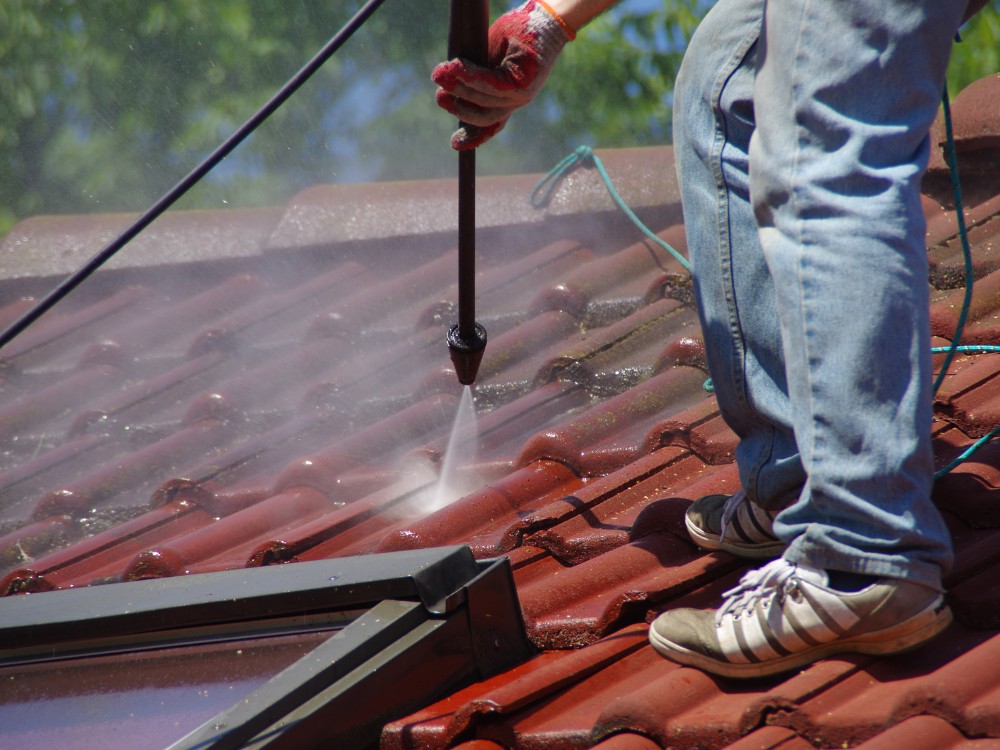
A dirty roof is more than just an eyesore. It can trap moisture, damage shingles, and shorten the life of your home. Algae, moss, and debris slowly break down roofing materials if left untreated. Cleaning your roof the right way protects your investment and keeps your home looking fresh. If you want safe and long-lasting results, understanding The Best Roof Cleaning Methods is key. The right method depends on your roof type, condition, and environment. Why Regular Roof Cleaning Matters Your roof takes constant exposure from sun, rain, and wind. Over time, dirt and organic growth build up and cause damage. Regular cleaning helps you: Extend the life of your roof Prevent costly repairs Improve curb appeal Maintain property value Moss and algae trap moisture. This leads to rot and weak shingles. A clean roof drains water properly and stays strong longer. Common Types of Roof Contaminants Algae Black streaks on roofs come from algae. It feeds on moisture and spreads fast, especially in humid areas. Over time, it can cover large sections of the roof and make it look old and dirty. Algae also reduces your roof’s ability to reflect sunlight, which can increase indoor heat. Moss Moss grows in damp and shaded areas. It holds water like a sponge and keeps the roof surface wet for long periods. This constant moisture can lift shingles and let water seep underneath. If not removed early, moss can cause serious structural damage. Lichen Lichen is tougher than moss and harder to remove. It forms a strong bond with the roof surface and spreads slowly over time. Lichen can create small pits in shingles, weakening them and making your roof more prone to cracks and leaks. Dirt and Debris Leaves, dust, and branches collect on roofs over time. This buildup blocks proper water drainage and can clog gutters. When debris stays on the roof for too long, it traps moisture and creates the perfect place for algae and moss to grow. Mold and Mildew Mold and mildew grow in wet and shaded areas of the roof. They can spread quickly if ignored and may damage roofing materials. In some cases, they can also affect air quality inside your home, especially if moisture seeps into the attic. The Best Roof Cleaning Methods Choosing the right method depends on your roof type and condition. Let’s break down The Best Roof Cleaning Methods used by professionals. Soft Washing Soft washing is the safest and most effective method for most roofs. It uses low-pressure water mixed with cleaning solutions. Kills algae, mold, and bacteria Prevents regrowth Safe for shingles and tiles This method works best for asphalt shingles and delicate surfaces. Many homeowners prefer it when comparing soft washing vs pressure washing roof options. If you are looking for expert-level results, companies like VJ Pressure Washing use this method for long-lasting cleaning. Pressure Washing Pressure washing uses high-pressure water to remove dirt and stains. Works well on metal or concrete roofs Removes heavy buildup quickly But it comes with risks. Too much pressure can damage shingles or remove protective layers. That is why this method should only be used when suitable. Chemical Cleaning This method uses cleaning solutions to break down algae and stains. Effective for deep cleaning Reaches hidden areas The key is using the right mixture. Harsh chemicals can harm your roof or plants. Professionals balance strength and safety. Manual Cleaning Manual cleaning involves brushing or scraping debris. Ideal for small areas Useful for removing moss It requires time and care. It is often combined with other roof cleaning techniques for better results. Roof Cleaning Tracy Services If you want reliable results without risk, consider roof cleaning tracy solutions offered by experts. They combine modern tools with proven methods to protect your roof while delivering a deep clean. DIY vs Professional Roof Cleaning Many homeowners ask if they should clean their roof themselves. DIY Cleaning DIY can save money, but it has limits. Risk of injury from heights Lack of proper tools Possible roof damage You also need to know how to clean a roof safely before starting. Professional Roof Cleaning Services Hiring professional roof cleaning services offers clear benefits: Proper equipment and experience Safe and effective methods Long-lasting results Professionals understand roof types and choose the right method. This reduces risk and improves results. Safety Tips for Roof Cleaning Roof cleaning involves real risks. Safety should always come first. Here are simple tips to follow: Use a stable ladder Wear non-slip shoes Avoid working in wet conditions Use safety harnesses if needed Protect plants and surroundings Learning how to clean a roof safely can prevent accidents and costly mistakes. How Often Should You Clean Your Roof? Cleaning frequency depends on your environment. Every 1–2 years in humid areas Every 2–3 years in dry climates More often if trees are nearby If you notice black streaks or moss, it is time to act. Regular cleaning keeps problems small and manageable. Choosing the Right Roof Cleaning Method Not all roofs are the same. Choosing the wrong method can cause damage. Consider these factors: Roof Material Asphalt shingles need gentle cleaning. Metal roofs can handle more pressure. Level of Dirt Light dirt may only need soft washing. Heavy buildup may need deeper cleaning. Budget DIY is cheaper upfront, but mistakes can cost more later. Long-Term Care Some methods last longer than others. Soft washing often provides extended results. Understanding soft washing vs pressure washing roof options helps you make the best choice. Eco-Friendly Roof Cleaning Options Many homeowners now prefer eco-friendly cleaning methods. These options reduce harm to the environment: Biodegradable cleaning solutions Low-water cleaning systems Plant-safe chemicals Eco-friendly methods are safe for your home, family, and surroundings. They also align with modern home care practices. Common Mistakes to Avoid Avoiding mistakes can save you time and money. Here are common errors: Using too much pressure Ignoring safety precautions Using harsh chemicals Skipping regular cleaning Choosing the wrong method These mistakes can damage your roof
How Solar Panel Guards Protect and Benefit Your Panels
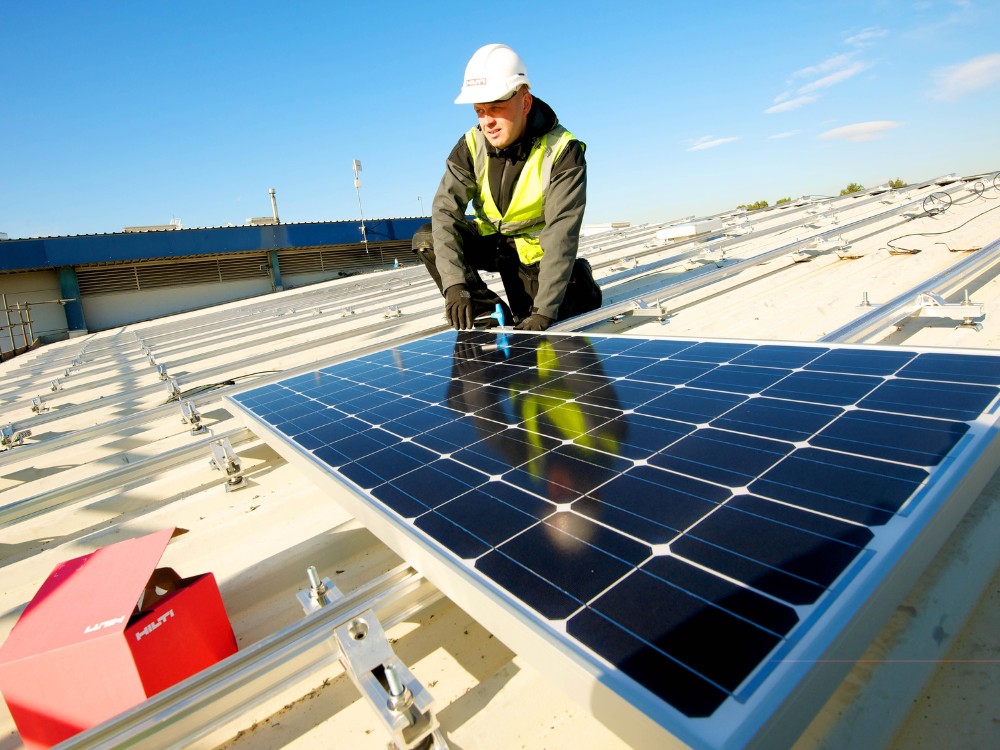
Solar panels spend most of their lives exposed to the outdoors. Sun, rain, wind, dust, leaves, and other environmental conditions are all part of normal operation. But there is another issue many homeowners do not consider until it happens: wildlife getting underneath the panels. The space between roof-mounted solar panels and the roof can provide shelter from weather and predators. Birds may use this protected space for roosting or nesting, and other pests may also find access underneath an array. Research has documented birds using the underside of photovoltaic panels for activities including nesting and roosting. Once animals move into this space, nesting material, feathers, droppings, and other debris can accumulate around the array. That is where solar panel guards can help. A properly designed guard creates a physical barrier around the accessible edges of the array, making it harder for wildlife to enter while still allowing the solar system to remain accessible for appropriate maintenance. Quick Answer Solar panel guards are physical barriers installed around the edges of a solar panel array to help prevent birds, rodents, and debris from getting underneath the panels. They can reduce nesting-related mess, protect access to wiring and other components, and make ongoing maintenance easier. The installation method matters, so guards should be fitted without damaging the panels, roof, or mounting system. What Are Solar Panel Guards? Solar panel guards are protective barriers, commonly made from mesh or similar materials, that are installed around the perimeter of roof-mounted solar panels. The purpose is simple: close the accessible gap beneath the panels so birds and other pests have less opportunity to get underneath them. Unlike a chemical repellent, a physical guard does not depend on an animal avoiding a smell, sound, or visual deterrent. It works by restricting physical access. Depending on the product and solar array, guards may be secured using clips or other attachment methods designed for the panel and mounting configuration. The exact material and fastening system matter because the barrier needs to remain secure without damaging the solar equipment or interfering with necessary maintenance. Why Do Birds and Pests Get Under Solar Panels? Solar panels can create an attractive sheltered space. The area underneath an array may provide: Protection from direct weather A relatively undisturbed nesting location Shelter from some predators Elevated access away from ground-level activity A protected area for nesting material Birds are known to interact with photovoltaic installations, including using the underside of panels for nesting and roosting. Once nesting begins, the problem can become more than an occasional bird visiting the roof. Twigs, feathers, leaves, droppings, and other material can accumulate underneath the array. Depending on the system and the type of wildlife involved, cables and other components may also become exposed to unwanted contact. How Do Solar Panel Guards Protect Your Panels? The main function of a guard is exclusion. Instead of trying to remove animals after they have already established a nesting location, the barrier limits access to the space underneath the panels. 1. They Help Prevent Bird Nesting Birds are one of the most common reasons homeowners consider solar panel guards. If birds can enter the open perimeter of an array, they may establish nests beneath the panels. A correctly installed mesh barrier can close that access point. This does not mean every bird-related problem disappears. Birds may still perch on or around the array, and droppings can still land on exposed surfaces. The guard’s primary purpose is to prevent access underneath the panels. 2. They Help Reduce Nesting Debris A nest can contain twigs, grass, feathers, leaves, and other materials. When this material accumulates beneath solar panels, it can make inspection and cleaning more difficult. A physical exclusion barrier can reduce the amount of new nesting material entering the protected space. 3. They Help Protect the Area Around Wiring Solar arrays contain electrical wiring and other components beneath the panels. Keeping wildlife out of the underside of the array can help reduce opportunities for animals to interact with those components. However, a solar panel guard should not be described as a guarantee against electrical damage. Existing cable damage, loose connections, or other electrical problems require appropriate inspection by a qualified professional. 4. They Can Reduce Maintenance-Related Problems When birds establish nests beneath panels, homeowners may eventually need to deal with: Nest removal Debris cleanup Dropping cleanup Inspection of the area underneath the array Wildlife-related damage Roof or gutter debris Preventing access in the first place can reduce some of these recurring maintenance concerns. What Are the Main Benefits of Solar Panel Guards? The value of a guard is not simply that it makes the panels look cleaner. Its broader benefit is protecting the space around the solar installation from unwanted wildlife activity. Protection from birds and some pests A perimeter barrier can restrict access beneath the array for birds and other animals that might otherwise enter the gap. Less nesting material Preventing access can reduce the accumulation of twigs, feathers, leaves, and other nesting debris beneath the panels. Easier future maintenance A cleaner space beneath the array can make future inspection and maintenance more manageable. Protection for the surrounding roof area Nesting and debris can affect not only the panels but also nearby roof surfaces and drainage areas. Keeping animals out can help reduce some of these problems. Long-term preventive maintenance Solar panel guards are primarily a preventive measure. Instead of waiting until a nesting problem becomes established, homeowners can consider exclusion as part of maintaining the area around their solar investment. Do Solar Panel Guards Affect Airflow? Airflow is an important consideration when installing anything around solar panels. Solar panels are exposed to outdoor conditions, and the space around and beneath an array should not be treated as an area that can simply be sealed without considering the system design. A properly selected guard should be appropriate for the particular panel arrangement and should not unnecessarily obstruct the space beneath the panels. Some solar mesh products are specifically designed with
How to Clean Solar PanelsHow to Clean Solar Panels the Right Way (Step-by-Step Guide)
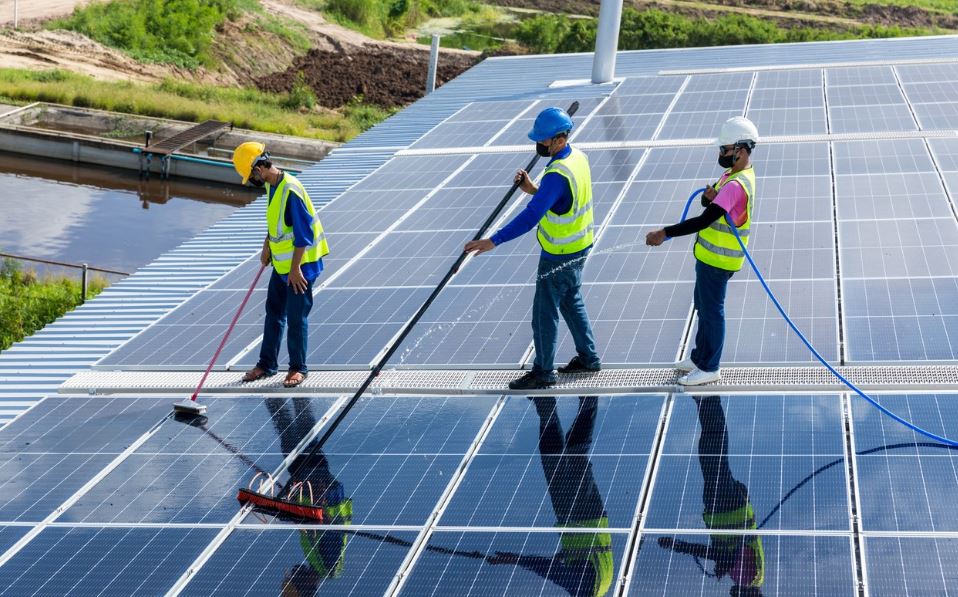
Dirty solar panels lose power. Dust, bird droppings, and pollen block sunlight from reaching the cells. That alone can cut your system’s output by 15% to 25%. You paid good money for solar, so keeping those panels clean is one of the easiest ways to protect your investment. Learning how to clean solar panels doesn’t take much. You need the right tools, the right time of day, and a safe method. This guide covers everything, from basic DIY cleaning to knowing when it’s time to call a pro. Why Cleaning Solar Panels Is Important Solar panels work by turning sunlight into electricity. When a layer of dirt sits on top of the glass, less light gets through. Less light means less power. Here is what buildup does to your system over time: Dust and pollen form a thin film that reduces light absorption. Bird droppings cause “hot spots,” which can permanently damage cells. Leaves and debris block large sections and create uneven shading. Hard water deposits leave mineral stains that get worse if ignored. A clean panel can produce 15% to 25% more energy than a dirty one. In a year, that adds up to real money. Good solar panel maintenance pays for itself. How Often Should You Clean Solar Panels? There’s no single answer. It depends on where you live and what’s around you. General rule: Clean your panels 2 to 4 times a year. But adjust based on your situation: Dusty or dry climates: Every 1 to 2 months. Places like California deserts or areas near farms get heavy dust buildup. Urban areas: Every 2 to 3 months. City pollution and soot coat panels faster than you’d think. Rainy climates: 2 times a year may be enough. Rain handles light dust well. Near trees or birds: Clean more often. Sap and droppings are stubborn. Most solar manufacturers recommend a professional inspection once a year along with regular cleaning. That keeps your warranty intact and your system running well. Signs Your Solar Panels Need Cleaning Your panels often tell you when they’re dirty. You just have to know what to look for. Watch for these signs: Your energy bill goes up but your usage doesn’t change. Your solar monitoring app shows a drop in production. You can visibly see dust, streaks, or bird droppings from the ground. Dark patches or shadows appear on the panels. It hasn’t rained in several weeks. If you notice a sudden drop in power output and live in an area with heavy bird activity or pollen, that’s usually the first clue. Don’t wait for it to get worse. If you’re unsure whether your panels need a basic rinse or a deep clean, a local specialist can assess them quickly. VJ Pressure Washing offers professional solar panel cleaning in Tracy, CA, and can spot damage, buildup, and shading issues most homeowners miss. Getting a professional set of eyes on your system once a year is smart solar panel maintenance. Tools and Supplies Needed to Clean Solar Panels You don’t need anything fancy. Most of what you need is probably already at home. Basic DIY solar panel cleaning kit: Soft-bristle brush or a solar panel cleaning brush (long handle preferred) A garden hose with a gentle spray nozzle A squeegee with a soft rubber edge A bucket of warm water A few drops of mild dish soap (optional, for stubborn grime) Microfiber cloths for drying edges Optional but helpful: Extendable pole so you can reach panels from the ground Deionized water system (removes mineral deposits better than tap water) Safety harness if you must go on the roof Keep everything soft. Solar panel glass is strong but can scratch if you use anything abrasive. What Not to Use on Solar Panels Some cleaning products and tools cause more harm than good. Avoid these: Pressure washers: High-pressure water can crack seals, loosen frames, and void your warranty. This is one of the most common mistakes in DIY solar panel cleaning. Abrasive scrubbers or steel wool: These scratch the anti-reflective coating on the glass. Harsh chemicals or bleach: They degrade the surface over time and leave residue. Tap water in hard water areas: Minerals in tap water leave white spots after drying. Use filtered or deionized water if possible. Detergents with strong fragrances or degreasers: These are too aggressive for panel surfaces. Stick to soft materials and plain water whenever you can. Less is more when it comes to solar panel maintenance. Step-by-Step Guide to Cleaning Solar Panels This is the safest and most effective way to clean your panels without damaging them. At VJ Pressure Washing, we follow this exact process on every job to make sure your panels stay protected and performing at their best. Step 1: Pick the Right Time Clean early in the morning or late in the evening. Panels get very hot during the day. Cold water on a hot panel can cause thermal shock and micro-cracks. Morning is best because dew softens dirt overnight. Step 2: Turn Off Your Solar System Before touching anything, shut down the system using the manufacturer’s shutdown procedure. Check your inverter manual or app for instructions. Safety first. Step 3: Remove Loose Debris First Use a soft dry brush or cloth to sweep off leaves, dust, and loose dirt. Start from the top and work down. Don’t press hard. Step 4: Rinse With Water Use a garden hose in a gentle setting. Rinse from top to bottom. This removes most surface dust without any scrubbing. Step 5: Gently Scrub Stubborn Spots Mix a few drops of mild dish soap in a bucket of warm water. Dip your soft brush and gently scrub any bird droppings or stuck-on grime. Don’t scrub in circles. Use straight strokes. Step 6: Rinse Again Do a final rinse to remove all soap. Soap residue attracts more dirt, so make sure it’s all gone. Step 7: Dry the Edges Use a clean microfiber cloth or squeegee to dry the edges and frame.
How to Install Gutter Guards
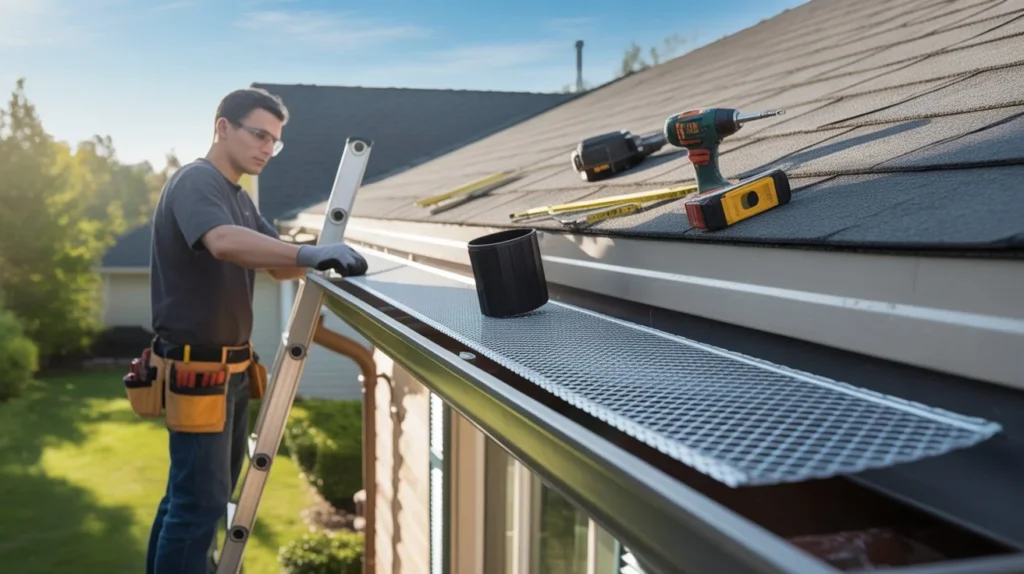
Clogged gutters cause real damage. Water overflows, rot sets in, and your foundation suffers. The fix is simpler than most people think. Gutter guards block debris before it builds up, saving you hours of cleaning and hundreds in repair costs. They work on almost every home and most types are made for DIY installation. So if you want to know how to install gutter guards without hiring someone, you’re in the right place. This guide walks you through every step, from picking the right type to finishing the job safely. No experience needed. Types of Gutter Guards Before you buy anything, know what’s out there. Not all gutter guards are equal. The right type depends on your roof, tree coverage, and budget. 1. Mesh Gutter Guards These are the most popular. A fine metal mesh sits over your gutter and blocks leaves, pine needles, and shingle grit. Water flows through easily. They work great in areas with heavy tree coverage. 2. Micro-Mesh Gutter Guards Even finer than standard mesh. These block tiny debris like seed pods and roof sand. They cost more but offer the best performance in most climates. 3. Reverse Curve (Surface Tension) Guards Water clings to the curved surface and drops into the gutter. Leaves fall off the edge. These are effective but can be tricky to install correctly. 4. Foam Gutter Guards Foam inserts sit inside the gutter. Water soaks through. Debris sits on top and dries out. Easy to install, but foam can harbor mold and algae over time. 5. Brush Gutter Guards Cylindrical brushes fit inside gutters. Leaves rest on top and blow away. Simple to put in but require frequent cleaning of the brushes themselves. 6. Screen Gutter Guards Flat screens that snap over gutters. Very affordable and easy to install. Best for areas with large leaf debris, not pine needles. Quick Tip: If you have large trees near your roof, go with a micro-mesh. If your area gets mostly large leaves, basic screen guards work fine. Tools and Materials Needed You don’t need a lot of gear. Here’s what to gather before you start: Tools: Ladder (extension ladder or step ladder depending on roof height) Tape measure Tin snips or utility knife Work gloves Safety glasses Drill (for screw-on guard types) Garden hose (for testing water flow) Materials: Gutter guards (enough to cover your total gutter length measure first) Screws or clips (often included with the guards) Caulk or gutter sealant (for any leaky joints found during prep) Gutter spikes or hangers (if your gutters need resetting) How Much to Buy: Measure the total linear footage of all your gutters. Add 10% for cuts and overlap. Most gutter guard panels come in 4-foot sections. Preparation Before Installation Skipping prep is the number one reason gutter guard installation fails. Take your time here. Step 1: Clean the Gutters First This is non-negotiable. Any debris left inside will clog your new guards from below. Use a gutter scoop or your gloved hands to clear everything out. Flush with a garden hose. Check that water flows freely to the downspout. Step 2: Inspect for Damage Look for sagging gutters, rust spots, separated joints, or loose hangers. Fix all of these before installing guards. Guards installed on damaged gutters will fail fast. Step 3: Check Gutter Pitch Water needs to slope toward the downspout. The correct pitch is about 1/4 inch of drop for every 10 feet of gutter. Use a level to check. Re-hang any sections that are sagging or pitched the wrong way. Step 4: Seal Any Leaks Apply gutter sealant to any joints or seams that drip. Let it cure fully before moving to installation. Thinking about skipping all this and just having someone do it right? If you’re in Northern California, check out the best gutter guard installers in Tracy, CA at VJ Pressure Washing. They handle cleaning, inspection, and full gutter guard installation in one visit. Step-by-Step Installation Process This is the core of how to install gutter guards. Follow each step in order. Step 1: Measure and Cut Your Guards Lay your first gutter guard panel next to the gutter section you’re starting with. Use tin snips or a utility knife to cut it to length. Always wear gloves — cut metal edges are sharp. For corners, miter-cut the panels at 45 degrees so they meet cleanly. Step 2: Position the First Panel Slide one edge of the guard under the first row of roof shingles. This tucks the guard in place and creates a solid anchor point. Don’t lift or bend shingles aggressively — just slide under them gently. Step 3: Clip or Screw Into Place Most guards clip onto the outer lip of the gutter. Press down firmly until you hear or feel the clip snap. For screw-type guards, pre-drill pilot holes and fasten with the included screws. Don’t overtighten — you can crack plastic guards. Step 4: Continue Down the Gutter Work from one end to the other. Overlap each panel slightly — about half an inch — to prevent gaps. Gaps let debris in and defeat the purpose of the guard. Step 5: Handle Downspout Areas When you reach a downspout opening, cut your panel to stop just before it. Don’t cover the downspout entry. Water needs a clear path to drain. Some systems include a specific downspout cover — install it per the manufacturer’s instructions. Step 6: Check Your Work Walk along the roofline and press on each panel. It should feel solid, not wobbly. Check that no panels are sticking up higher than the roofline — this can cause water to overshoot the gutter in heavy rain. Step 7: Test With Water Use a garden hose to run water along the full length of the gutter. Watch for overflow, pooling on top of the guards, or water escaping at joints. Adjust any problem panels immediately. How to Install Gutter Guards on Different Gutter Types Not all gutters are the same. Here’s a quick
How to Pressure Wash a Driveway?
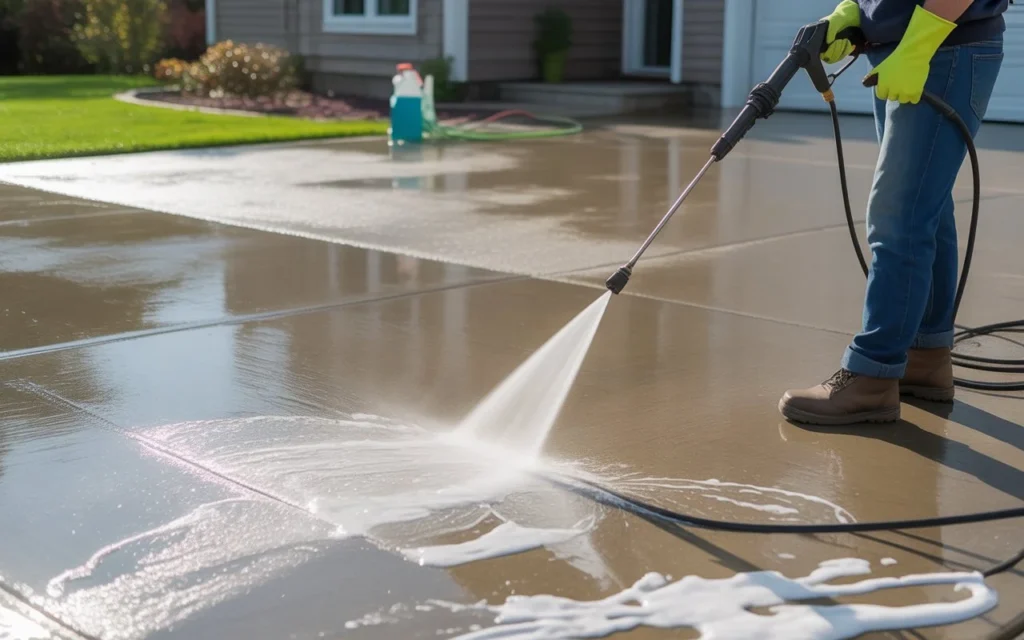
A clean driveway does more than improve curb appeal; it protects your home and prevents long-term damage. Dirt, oil, algae, and moss can degrade surfaces over time. Regular maintenance keeps your driveway safe, attractive, and functional. How to Pressure Wash a Driveway? is simpler than many think. With the right tools, techniques, and safety measures, you can remove stubborn stains, restore your driveway’s appearance, and extend its lifespan. Whether you tackle it yourself or hire professionals, this guide provides practical, step-by-step advice to get the job done efficiently. Why Pressure Washing Your Driveway Matters Driveway cleaning goes beyond appearance. Over time, dirt, algae, and oil create slippery, unsafe surfaces and can erode concrete, asphalt, or pavers. Pressure washing removes grime, prevents damage, and improves longevity. A well-maintained surface also enhances curb appeal and home value. For homeowners seeking professional help, services like driveway washing service tracy ca by VJ Pressure Washing offer safe and effective solutions. Experts use the right pressure and detergents to remove tough stains while protecting your driveway from damage, saving you time and effort. Tools and Equipment Needed To pressure wash your driveway effectively, gather these essentials: A pressure washer suitable for your surface type Cleaning solutions or degreasers for oil, rust, or algae stains Brushes or brooms for scrubbing stubborn spots A garden hose power washer can be used for lighter cleaning Protective gear such as gloves, goggles, and boots Having the right equipment ensures safety and efficiency while achieving a pressure washed driveway that looks clean and refreshed. Step-by-Step Guide to Pressure Washing a Driveway Step 1 – Preparation Remove all vehicles, furniture, and debris from the driveway. Protect nearby landscaping, walls, and plants from water and cleaning solutions. A clear surface prevents accidents and allows thorough cleaning. Step 2 – Pre-Treat Stains Apply appropriate cleaning solutions to tough stains like oil, grease, or rust. Let the product sit for 5–10 minutes to break down grime. Pre-treatment ensures the pressure washer can remove stains more easily. Step 3 – Set Up Your Pressure Washer Choose the correct nozzle and PSI for your surface. Concrete can handle higher pressure, while asphalt needs gentler settings. Test a small section first. Maintain a safe distance to avoid damaging the driveway. Step 4 – Pressure Washing Work in sections for even coverage. Move the nozzle consistently in sweeping motions. Focus on stubborn stains while avoiding prolonged pressure in one spot. This method ensures the best results for pressure wash driveway projects. Step 5 – Rinse and Inspect Thoroughly rinse the driveway to remove all cleaning solution and debris. Inspect for remaining stains. Repeat washing or scrubbing if necessary. Allow the driveway to dry completely before use. DIY vs Professional Pressure Washing DIY driveway cleaning saves money but carries risks. Improper technique, incorrect pressure, or harsh chemicals can damage surfaces or cause injury. Small driveways and light stains may be suitable for DIY work. Hiring professional driveway cleaning services like VJ Pressure Washing ensures safe, thorough results. Experts use proper tools, detergents, and techniques for a pressure washed driveway that lasts longer and avoids accidental damage. Professionals also save time and effort, especially for large or heavily stained driveways. Tips for Maintaining a Clean Driveway Regular upkeep reduces cleaning frequency and preserves your driveway: Sweep regularly to remove dirt and debris Seal driveway surfaces annually to prevent staining Address spills and stains immediately Trim overhanging branches to limit leaf and moss buildup Schedule periodic professional cleaning for a deep refresh Safety Precautions Pressure washing can be hazardous if done incorrectly: Wear gloves, goggles, and boots Keep children and pets away from the work area Avoid excessive pressure to prevent surface damage Follow manufacturer instructions for all equipment and cleaning products Following safety measures ensures an effective and accident-free cleaning process. Cost Considerations The cost of pressure washing varies by driveway size, surface type, and stain severity. DIY costs are limited to equipment and cleaning solutions. Professional services like VJ Pressure Washing are higher upfront but provide efficient, thorough results and prevent costly mistakes. Investing in professional cleaning can save money in the long term by avoiding damage and extending the life of your driveway. Conclusion How to Pressure Wash a Driveway? requires the right approach, tools, and care. Whether you choose DIY methods or hire VJ Pressure Washing for professional service, the goal is a safe, clean, and long-lasting driveway. Regular maintenance keeps your driveway looking its best, prevents damage, and improves home curb appeal. For tough stains or large surfaces, contacting professionals ensures the most effective results. Contact us today at VJ Pressure Washing to schedule expert driveway cleaning services and restore your driveway to pristine condition. FAQs How often should I pressure wash my driveway?Most driveways benefit from pressure washing once or twice a year. However, if you notice stains from oil, algae, or dirt buildup, it’s best to clean sooner. Regular cleaning prevents long-term damage and keeps your driveway looking fresh. What is the best way to pressure wash a driveway?Start by selecting the correct PSI for your driveway surface. Work in small sections, pre-treat stubborn stains with a suitable cleaner, and use a consistent sweeping motion. Finish by thoroughly rinsing the driveway to remove all debris and cleaning solution. Can pressure washing damage my driveway?Yes, improper pressure or incorrect technique can damage surfaces, especially asphalt or older concrete. Using a professional ensures the right pressure, distance, and tools are applied, minimizing the risk of cracks or erosion. Are professional services worth it?Absolutely. Professionals save time, ensure even and deep cleaning, and prevent accidental damage. They also have the expertise and equipment to handle tough stains that DIY methods may struggle with. Can a garden hose power washer be used instead?Yes, for light cleaning or minor dirt and debris, a garden hose power washer can help. However, it is less effective on tough stains like oil, rust, or algae, which usually require a higher-pressure solution.
What is Soft Washing? Understanding the Hidden Gem
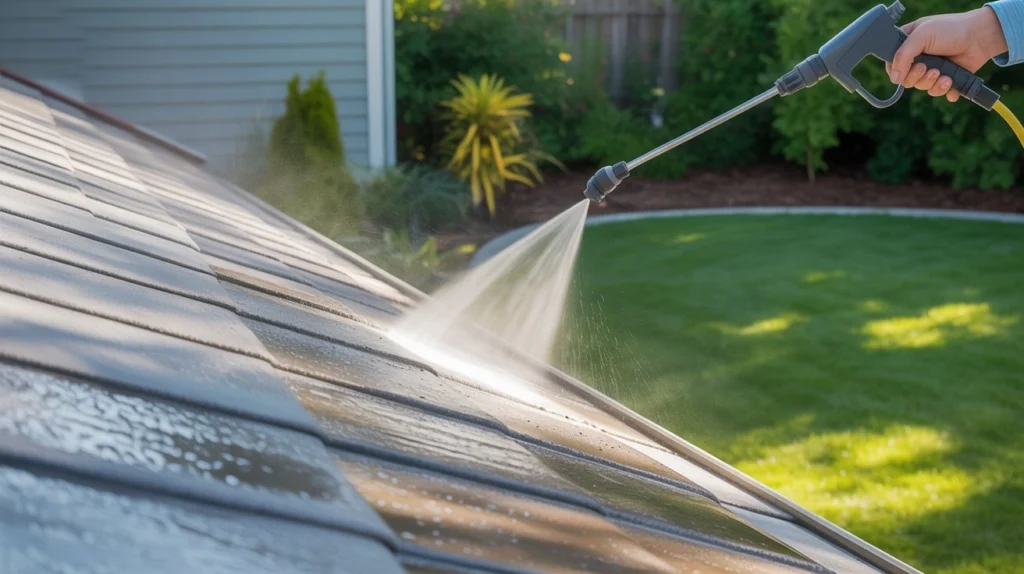
Your home’s exterior collects dirt, mold, algae, and grime over time. Regular garden hoses do not cut it. And plain pressure washing can crack siding, strip paint, or damage roof shingles. There is a better way to clean the outside of your home without causing harm. What is soft washing? It is a low-pressure cleaning method that uses water mixed with cleaning solutions to safely remove biological growth and stains from exterior surfaces. It cleans deeper than a hose and gentler than a pressure washer. What Is Soft Washing? Soft washing uses water pressure below 500 PSI far lower than a standard pressure washer, which runs between 1,500 and 4,000 PSI. The real work is done by the cleaning solution, not the water force. The solution typically contains: A surfactant (helps the solution cling to surfaces) Sodium hypochlorite (kills mold, algae, bacteria, and mildew at the root) Water (to dilute and rinse) This mix is applied to the surface, left to dwell for several minutes, and then rinsed off with low-pressure water. The result is a deep, lasting clean without physical damage to the surface. If you need soft exterior house washing Tracy CA, VJ Pressure Washing uses professional-grade solutions and equipment built for residential surfaces of all types. The Science Behind Soft Washing Understanding the science behind soft washing helps explain why it works so well. Mold, algae, mildew, and lichen are living organisms. They attach to surfaces and reproduce. Pressure washing blasts them off physically, but it does not kill the spores. Those spores stay behind and regrow within weeks. Soft washing uses sodium hypochlorite (similar to bleach but applied in controlled concentrations) to kill these organisms at the cellular level. When the solution contacts algae or mold, it breaks down the cell membrane. The organism dies completely. It cannot regrow from dead cells. This is why soft-washed surfaces stay clean longer. Pressure-washed surfaces often look dirty again in 30 to 60 days. Soft-washed surfaces typically stay clean for 1 to 3 years. The surfactant also plays a key role. It acts like dish soap. It reduces surface tension so the solution spreads evenly and penetrates into pores and cracks where organisms hide. Soft Washing vs. Pressure Washing People often use these terms as if they mean the same thing. They do not. Here is a clear breakdown: Feature Soft Washing Pressure Washing Water Pressure Under 500 PSI 1,500 – 4,000 PSI Cleaning Agent Yes (chemical solution) Sometimes Best For Roofs, siding, wood, painted surfaces Concrete, driveways, patios Risk of Damage Very low Higher on delicate surfaces How Long Results Last 1 – 3 years A few months Use soft washing for: Roof shingles Vinyl, wood, or fiber cement siding Painted surfaces Fences and decks (with care) Stucco and EIFS (synthetic stucco) Use pressure washing for: Concrete driveways and sidewalks Brick pavers Garage floors Unsealed stone surfaces Many professionals use both methods on the same property. The approach depends entirely on the surface. Benefits of Soft Washing There are real, practical reasons why soft washing has become the preferred method for exterior home cleaning. It protects your surfaces. High pressure can crack mortar, chip paint, lift shingles, and force water under siding. Low-pressure soft washing eliminates that risk entirely. It kills what causes the staining. Algae, mold, and mildew are the main causes of dark streaks, green patches, and black discoloration on home exteriors. Soft washing kills them instead of just moving them around. Results last much longer. Because the organisms are dead, not just dislodged, they cannot grow back immediately. Most homeowners see clean surfaces for 1 to 3 years after a single soft wash. It is safer for landscaping. Runoff from soft washing is diluted and manageable. A professional will also pre-wet your plants and rinse them after to prevent any solution from sitting on leaves. It extends the life of your home’s exterior. Mold and algae are not just cosmetic problems. Over time, they break down roofing materials, wood, and siding. Removing them regularly extends the life of those surfaces and saves you money on repairs. Common Problems Soft Washing Removes Soft washing handles a wide range of exterior problems that pressure washing often cannot fully address: Algae (Gloeocapsa Magma): The most common cause of black streaks on roofs. This blue-green algae spreads through airborne spores. Soft washing kills it completely. Mold and mildew: Common on shaded or north-facing surfaces. They appear as green, gray, or black patches. The cleaning solution kills them at the root. Lichen: A tough combination of fungus and algae that bonds tightly to surfaces. It is very difficult to remove with pressure alone. Chemical treatment breaks the bond. Moss: Often found on older roofs and shaded decks. Moss holds moisture, which accelerates deterioration. Soft washing removes and kills it. Dirt and pollution staining: Traffic exhaust, dust, and airborne particles settle on siding over time. The surfactant in soft wash solutions lifts this type of grime effectively. Oxidation on vinyl siding: The dull, chalky look on older vinyl often responds well to soft washing with the right cleaning agents. What Is Soft Washing a House? (How the Process Works) If you are wondering what is softwashing a house step by step, here is exactly how it goes: Pre-inspection: The technician checks the surface type, staining level, and any areas that need extra care. Plant and surface protection: Nearby plants, outdoor furniture, and fixtures get rinsed or covered as needed. Solution application: The soft wash mix is applied using low-pressure spray equipment, starting from the bottom and working up to avoid streaking. Dwell time: The solution sits on the surface for 5 to 15 minutes. This is when it does most of its work. Rinse: A low-pressure rinse removes the solution and dead biological matter from the surface. Post-rinse of plants: Any nearby plants are rinsed again to wash away any runoff. The full process for an average home takes 2 to 4 hours. DIY Soft Washing vs. Hiring a Professional