What Is the Best Time to Power Wash a House?
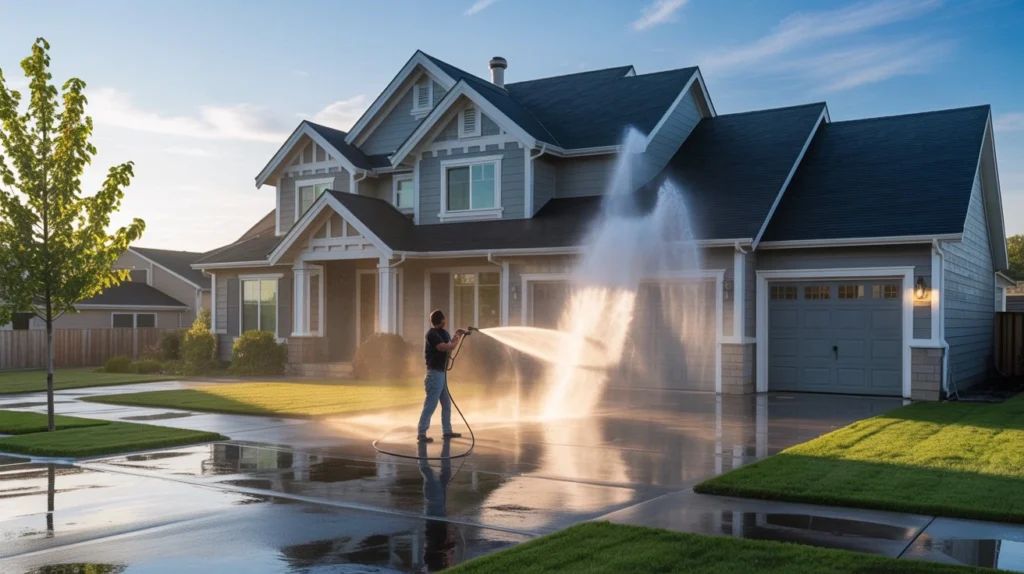
Power washing is one of the most effective ways to keep a home looking beautiful and lasting for many years. Over the years, exterior surfaces have become coated with grime, dirt, dust, mold, mildew, algae, bird droppings, and pollution. These pollutants stain your home’s siding and cause you to need to constantly paint your house; they can also begin to eat away at your siding, decks, driveways, and roofs. When is the Best Time to Power Wash a House? Many homeowners still ask, “When do I power wash my house? It varies a little with the season and weather, temperature, humidity, as well as the exterior surface you are cleaning. Knowing when is the best time of year to power wash your home, can assist you in preserving your investment and enhancing the look of your house. The best weather to clean the exterior of your home also guarantees a better cleaning job and will help you to avoid damaging your home. Also, homeowners should learn when to pressure wash their house safely to avoid possible accidents and surface damage. A Proper Schedule for House Exterior Cleaning. You want to ensure a clean, healthy home environment year-round, and to do that, having a good cleaning schedule for your house exterior is just as important as cleaning your interior. Importance of Power Washing a House Power washing is more than just improving curb appeal. Dirt, mold, and grime can damage your home over time. VJ Pressure Washing helps protect your home and keep it looking clean year-round. Benefits of Power Washing Among the benefits of power washing are: Improve the Visual Appeal of Your Home Eliminate Mold/Mildew and Stains Stops Long-Term Damage Adds Home Value Creates a Healthier Home Gets surfaces ready for painting or repairs What Is the Best Time to Power Wash a House? When is the Best Time to Powerwash a House? Spring and fall are ideal when it comes to power washing your home. The temps aren’t too hot, and it’s not too wet. However, the best timing might differ for a: Climate, how dirty the surface is, humidity, the siding or surface type, as well as the weather in the past. When to clean the house. The houses should be washed at a time when they can dry, and the cleaning agents may have their effect. Best Season for House Power Washing Selecting the right time of year for house power washing Tracy CA is important because weather conditions can affect cleaning results. Different seasons impact how well surfaces dry, how quickly mold grows, and how effective the cleaning process will be. Spring Power Washing What If I Told You That Spring Is The Best Time For Exterior Cleaning? Why Spring Is Ideal Homes gather dust: During winter, homes collect: Mud, Salt residue, damp stains on a wall, Mold or mildew, Dirt from storms. Power washing in spring cleans off all the winter accumulation and brightens up the look of your home. Benefits of Spring Cleaning Renews curb appeal after winter months Eliminates allergens such as pollen grains Inhibits mold during the moisture season Get patios ready for summertime fun! Assists homeowners in identifying winter damage Spring weather is generally moderate, allowing for an even drying of surfaces following washing. Summer Power Washing Summer is good for power washing, too, as long as you don’t live somewhere where it’s really hot outside. Benefits of Summer Cleaning Dry off faster More daylight hours! Easy Scheduling: There is nothing a busy homeowner appreciates more than our team being able to schedule them with minimal delays in the summer. High temperatures may cause the following: Heat can dry the soap before you rinse it. Soap dries too quickly. Mineral deposits and soil can leave streaks and water spots. Cleaning effectiveness is worse. You’re encouraged to power wash in the early morning or late night to avoid this. Fall Power Washing Fall is also a great time to power wash your house, and is often included in the best season to power wash your house! Why Fall Is Good The autumnal “falling” of leaves, moisture, and dust on outdoor surfaces and during Cleaning After Winter helps protect your house from cold-weather damage. For most of us, this is the perfect time to clean the windows and wash the house, no doubt! Benefits of Cleaning in the Fall Deters algae and mold growth in the winter. Protects your siding from freezing temperatures. Fall is an ideal season to do these outside jobs to ready your home for winter! You should clean the exterior of your house when the weather is cool and not too humid, which is usually advised. Power Washing in the Winter Season Winter cold is usually not advised in cold regions. Downsides of Cleaning in Winter Water can freeze on surfaces. Ice is a slipping hazard. Pipes and machinery can freeze. Surfaces don’t always dry out properly. Nevertheless, in warmer areas where the temperature does not drop below freezing, a limited winter washing is feasible. Ideal Weather Conditions for Power Washing Selecting the suitable weather to do the house cleaning outside is just as important as the time of year. Mild Temperatures The best temperature to power wash is usually: 50°F to 85°F / 10°C to 29°C This temperature will allow for: To clean effectively, solutions work. To dry Surfaces. To reduce freezing or overheating risk. Dry Conditions Dry is one of the key factors required for power washing success. Why Dry Weather Is Important Dry conditions: Help prevent streaking, Speed up drying time, Prevent moisture buildup, Prevent mold from returning sooner. When washings are followed by rains, the cleaning value of the washings is reduced. Low Humidity Conditions Low humidity permits rapid drying of surfaces, and moisture is not trapped within the siding or wood. Higher levels of humidity can encourage the growth of mold, even after cleaning. Calm Wind Conditions High winds can: Resuspend dirt onto surfaces, Impede spraying, Under clean, uneven surfaces. Calm weather
What Chemicals to Use When Pressure Washing Concrete
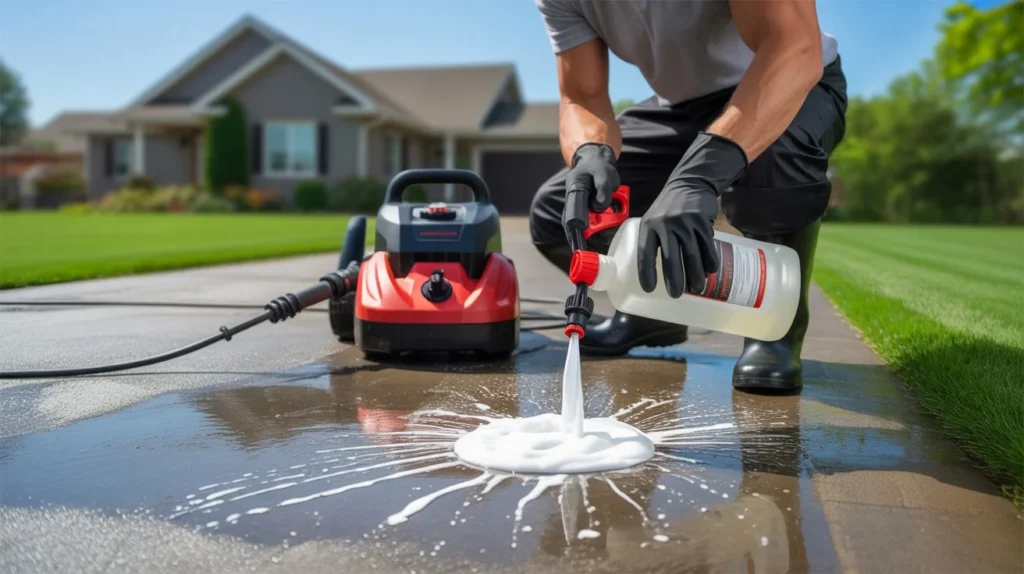
Knowing what chemicals to use when pressure washing concrete can make a big difference in the final result. Water and pressure can remove loose dirt, but some stains bond more strongly to porous concrete and need a suitable cleaning solution first. The right product depends on what you are trying to remove. A general concrete cleaner may be enough for dirt and grime, while oil, rust, algae, and efflorescence may need different treatments. Using the strongest chemical available is not necessarily the best approach. The goal is to choose a product that targets the stain without unnecessarily damaging the concrete, nearby landscaping, or surrounding surfaces. Quick Answer The best chemical for pressure washing concrete depends on the type of stain. A concrete detergent or degreaser works well for general dirt, oil, and grease. Specialty cleaners can help with rust and efflorescence, while products designed for organic growth may help with algae and mildew. Always follow the product label, test a small area first, and never mix cleaning chemicals. What Chemicals Are Used for Pressure Washing Concrete? Common pressure washing chemicals for concrete include: Concrete detergents Concrete and masonry cleaners Degreasers Oil stain removers Products designed for algae, mold, or mildew Rust removers Efflorescence removers Acid-based cleaners for specific applications The right choice depends on the stain and the condition of the concrete. For ordinary dirt, soil, and light grime, a concrete-safe detergent may be all you need. For oil and grease, a dedicated degreaser or oil stain remover is generally more appropriate. Manufacturers also make specialty products for rust and efflorescence. A useful rule is simple: identify the stain before choosing the chemical. Best Chemicals for Different Concrete Stains 1. Dirt and General Grime For everyday dirt, mud, dust, and surface grime, start with a concrete-safe detergent or general-purpose concrete cleaner. You usually do not need an aggressive chemical for this type of cleaning. Apply the cleaner according to the manufacturer’s instructions, allow it to work for the recommended time, and then pressure wash the surface. Some concrete cleaners are specifically formulated to remove soil, grease, and oil while being non-acidic. 2. Oil and Grease Oil stains are more difficult because concrete is porous. Oil can penetrate below the surface rather than remaining only on top. For these stains, look for a concrete-safe degreaser or oil stain remover. A specialty oil stain remover can be more appropriate than a general detergent. QUIKRETE, for example, lists an oil stain remover specifically for oil and grease on concrete, pavers, and masonry. Its concrete and asphalt cleaner is also intended for removing soil, grease, and oil. For an older or heavily penetrated oil stain, one pressure-washing pass may not completely remove the discoloration. Avoid assuming that increasing pressure will solve the problem. Excessive pressure can damage the concrete surface without necessarily removing deeply absorbed oil. 3. Mold, Mildew, and Algae Green, black, or slippery organic growth can often be treated with a cleaner formulated for exterior organic staining. Some products use bleach or other active ingredients designed to break down organic growth. However, you should always check the label to make sure the product is approved for concrete and suitable for the intended application. Do not automatically reach for household chemicals simply because they are strong. The product’s intended use, concentration, contact time, and rinsing requirements all matter. Also consider what is around the concrete. Runoff from a cleaning solution can reach grass, plants, soil, drains, or other surfaces, so take appropriate precautions before applying chemicals. 4. Rust Stains Rust requires a different approach from ordinary dirt. A rust-removal product formulated for concrete or masonry can target iron-based staining more effectively than a general detergent. Specialty products may also address mineral deposits or efflorescence. QUIKRETE’s efflorescence and rust remover, for example, is specifically designed for rust and efflorescence on concrete, pavers, brick, masonry, and stucco. The manufacturer recommends testing the product in an inconspicuous area first and warns that stronger concentrations can increase the risk of etching. Do not assume that more product or a longer contact time will produce better results. 5. Efflorescence Efflorescence appears as a white, chalky or powdery deposit on concrete and masonry. It is not the same thing as ordinary dirt. It is associated with soluble salts moving to the surface, so a standard pressure washing treatment may not fully address it. A specialty efflorescence remover can be used when appropriate. Follow the manufacturer’s dilution and application instructions carefully. Some products can etch concrete if they are too concentrated or left on the surface too long. How to Choose the Right Chemical for Concrete Cleaning When deciding between different chemicals for concrete cleaning, ask these questions: What type of stain am I removing? Is the product specifically intended for concrete or masonry? Is the concrete sealed, painted, stained, or bare? Does the product contain acid or another aggressive ingredient? What dilution does the manufacturer recommend? How long should it remain on the surface? How should the product be rinsed or removed? Could runoff affect plants, drains, or nearby surfaces? Reading the label before using the product is important. The manufacturer’s instructions are more reliable than assuming that a particular chemical concentration is appropriate for every concrete surface. How to Use Chemicals Before Pressure Washing Using chemicals correctly is just as important as choosing the right product. Step 1: Remove Loose Debris Sweep away leaves, dirt, sticks, and loose debris before applying the cleaner. This prevents unnecessary buildup and allows the cleaning solution to contact the actual stain. Step 2: Protect Nearby Areas Move items away from the work area and consider nearby plants, painted surfaces, vehicles, metal fixtures, and other materials that could react with the cleaning solution. Step 3: Test a Small Area Before treating the entire driveway, patio, walkway, or other concrete surface, test the chemical in a small, less noticeable area. This can help you determine whether the product causes discoloration, etching, or another unwanted reaction. Specialty concrete-cleaning products may specifically recommend test application
What Does a Basic House Cleaning Include?
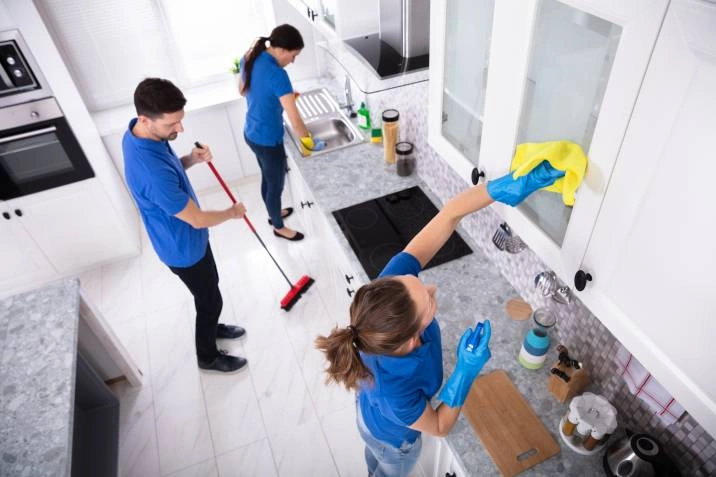
A Clean Home is Comfort, Well-being, relaxation, and a warm beverage on a cozy blanket. Basic House Clean. What is treated? Like most things in life, a basic clean-your-house-your-rules housecleaning service will be different from two very similar cleaners. A clean home is not only aesthetically pleasing but is a healthier environment for the family, children, and pets. Quite a few people were asking me about regular cleaning; they just wanted regular cleaning services without the luxury of deep-cleaning. A general cleaning service is focused on regular tidying and cleaning to maintain a house looking its best. A freshen up can make all the difference when it comes to the whole home, whether it’s tidying furniture or hoovering floors. What Does a Basic House Cleaning Include? A standard home clean from VJ Pressure Washing consists of regular cleaning duties that help remove dust, grime, and mildew from your home. These services are designed to refresh and maintain clean living spaces rather than provide deep restoration cleaning. Includes most regular cleaning services such as: Dust surfaces vacuum floors mop hard floors cleaning Bathrooms Wipe down the kitchen counters. Trash bins out Common areas to be picked up The precise duties/services are subject to change depending on the agency, home size, and customer demand. Importance of Basic House Cleaning But before we dive into the wild cleaning to-do, let’s discuss why cleaning your home is so important and why you should be doing it regularly. 1:Health Benefit Bacteria and mold build up quickly in homes. “Cleaning helps improve indoor air quality and decrease illness.” 2:Enhanced Appearance It is a very nice feeling to live in a clean house, whether you have just the family or guests with you. 3:Reduced Stress Cluttered surroundings have been found to raise stress and anxiety. Clean people are joyful people, and clean people are busy people. Easy house cleaning checklist Bottom line: A clean house is a clean house, so no corner should be left dirty during the cleaning process. Most professionals follow a room-based system to maintain consistent quality and efficiency. For exterior results that match, trust house power washing Tracy CA services from VJ Pressure Washing. This is a general outline of what you will receive in a basic house cleaning. 1:Cleaning the Bedroom Bedrooms ought to be kept clean and calm as they are places to rest and relax. House Cleaning in the Bedroom?ResourcesIncludedTasks: Clean a window. Squeeze a lemon! A basic bedroom cleaning may include: Dustfurniture Vacuum carpets Sweep floors Mopping floors, making beds, cleaning toilets, and cleaning mirrors. Remove dust from nightstands and dust around the room. Empty ashtrays. Empty trash cans. Record daily temperatures to track your status. Shelving off such floors, vacuuming carpets, dust, panic dust, Mop dust, removing carpet dust, and pet dander. Making beds, cleaning mirrors, dusting nightstands, and emptying wastebaskets Some cleaning companies will consider changing bed sheets as a special service. 2:Kitchen cleaning The kitchen is among the must-clean areas in a house cleaning checklist, as that is where the food is cooked. Cleaning the kitchen usually involves the following: Wipe down countertops Scrub the sink Sweep the floor Mop the floor Wipe down the appliances. Clean the cabinet doors.” Take out the trash Dust accessible surfaces With regular cleanings, you generally only need to worry about cleaning the outsides of appliances. For a deeper clean, you may want to opt out of interior oven cleaning or interior refrigerator cleaning. 3:Cleaning the Bathroom In order to keep bacteria from breeding in your bathroom, your bathroom needs to be cleaned regularly. Bathroom Cleaning 101: What’s Included in Basic Cleaning in the Bathroom Basic Cleaning Packages typically include: Wash toilets Scour sinks Wipe down mirrors Clean Countertops Swab the floors Sanitize surfaces Bath and showers cleaned, not included. Empty bins. 4:Dining Room Wiping Up the dining room is a mess! These are your winners from our basic block the dust list. Dining Room Cleaning Tasks Tables and chairs are dusted. Wiping down surfaces Rug cleaning with a vacuum cleaner Sweeping the floor Mopping the floors Wash mirrors or ornaments. A spotless dining room is a nice place for family meals and entertaining. 5:Corridors and entrances As hallways and doorways are busy places, hordes of dust bunnies are always hiding, and cleaning them on the regular is a necessity. Hallway Cleaning Agent: When Home Cleaning? The basics of cleaning are: Sweep floors Vacuum carpets Mop hard surfaces Dust the furniture Come Get Rid of That Cobweb! Doors are what guests open first when they come to your home, so keeping them clean improves the overall appearance of your home. 6:Floors and Carpets Cleaning the floor seems to be one of the vital tasks of all house cleaning regimens. What Does a Standard Floor Clean Include? Basic Cleaning Services tend to include the following: Sweeping Vacuuming Mopping Spot cleaning visible stains Deep carpet shampooing is rarely part of standard cleaning offerings. 7:Dusting Services Frequently Dusted areas Tables Shelves Picture frames Lamps Window Sills TV stands Ornaments Dusting contributes to the improved quality of indoor air and floor cleanliness in your home. Advantages of Engaging Standard Cleaning Services Many homeowners opt for professional standard cleaning service as it saves time and energy. 1:Saves Time Cleansing a house thoroughly may take ages. Professional cleaners provide busy homeowners with clean, happy homes. 2:Professional Results Skilled cleaners also use more effective cleaning methods and products, resulting in a superior clean. 3:Consistent Cleaning Routine cleaning appointments ensure your home stays clean. 4:Customizable Services Several companies enable customers to tailor the standard house cleaning. Why Regular Cleaning Increases Home Value Routine maintenance cleaning helps maintain a home. 1:Prevents Property Damage Water and dirt can damage floors, countertops, and furniture. 2:Improve Appearance Cleaned homes are much more likely to look as if they have been cared for. 3: Help during Home Sale A clean home is more attractive and photogenic, and can assist in selling your home. Conclusion If you ever wondered what
What chemical is used for house washing?
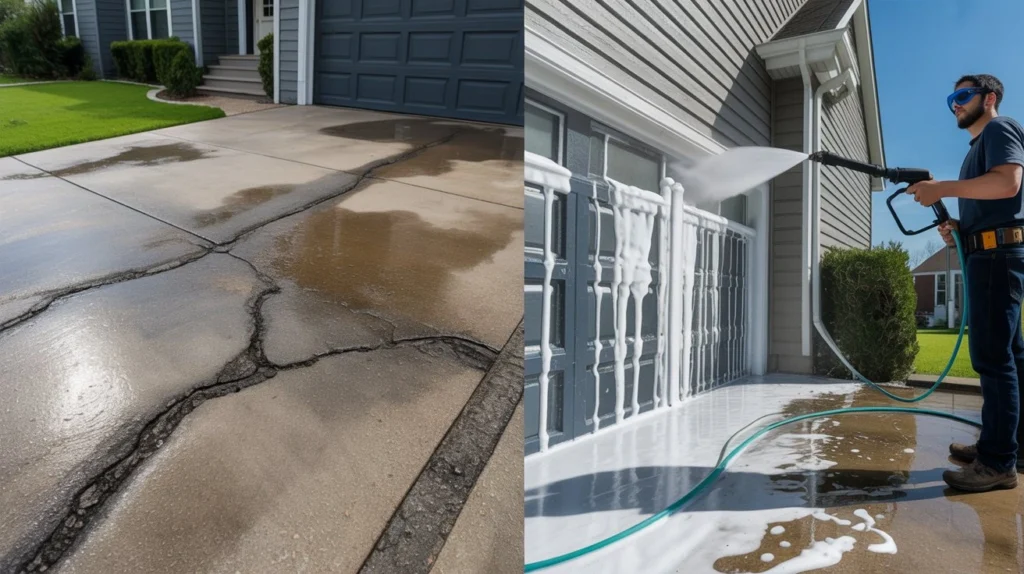
In the pressure washing industry, one of the major questions we get requested each day is, what chemical do you use? There isn`t simply one solution for that query due to the fact there are numerous distinctive chemical compounds used relying on what we’re cleaning, however the major one with the aid of using a long way is sodium hypochlorite. For years this became visible as an extremely taboo situation due to the fact 9 instances out of 10, “bleach” will be the time period used, and even as sodium hypochlorite is the lively element in bleach, don`t anticipate us to spray Clorox for your home. What are detergents? Detergents are regularly used as a synonym for cleaning soap and cleaners however they’re different. A detergent is an artificial combination of chemical compounds particularly formulated for cleaning. This is why you`ll discover many detergents which are designed to clean one material very well, along with laundry detergent for fabrics. Soaps are crafted from natural components like fats and oils, making them suitable for general exterior house soft wash tracy ca. However, they are often less powerful than detergents when tackling tough dirt, mold, and algae. While soaps can be the more eco-friendly choice, this is not always guaranteed. What is sodium hypochlorite? Without getting too technical, sodium hypochlorite is the salt shape of hypochlorite, that’s a strong and risky and consequently fallacious to be used through itself, after being become its salt shape, that’s a brine dissolving and turning the strong right into a liquid for its a couple of applications. Once on this liquid shape, it absorbs into the growth and denatures the proteins in organics, and breaks them down. How to Use Sodium Hypochlorite Safely? It is a sturdy cleaner and stain remover. But at VJ Pressure Washing, we always apply it carefully to protect your home’s surfaces and surrounding areas. 1:The Chemical Process Sodium hypochlorite breaks down natural dependents like mold, algae, and mildew. It kills them with the aid of converting their mobileular structure. That`s why it`s so true at getting rid of these difficult inexperienced and black stains on roofs and siding. It`s an incredible siding purifier. Safe Use in Soft Washing For sensitive surfaces like vinyl siding, painted areas, and roofs, tender washing is best. This approach makes use of low-pressure water with a vulnerable sodium hypochlorite solution. Usually, it`s 1-2% for siding and 3-5% for roofs. The chemical does the difficult work, sitting at the surface to kill the growth. Then, a mild rinse washes it away. This avoids the excessive strain which can harm fragile materials. Please don`t make the solution too sturdy, or it may motivate harm or discoloration. Always moist close by plant life and grass earlier than making use of the answer, and rinse them properly in a while to maintain them safe. Understanding Other Effective and Safe Cleaning Agents Besides sodium hypochlorite, different chemical substances are utilized in pressure washing. Each has its benefits. 1:Oxalic Acid This is specifically for putting off rust and brightening timber. It`s a milder acid than a few commercial cleaners. It could make weathered timber decks and fences appear new again. 2:Citric Acid This is a green option. It works nicely for mineral stains, rust, and a few natural growth. It`s frequently used on concrete. It`s a terrific preference in case you need a much less competitive purifier. 3:Degreasers For oil and grease stains on concrete driveways or storage floors, degreasers are very useful. These chemical substances damage down oil-primarily based total residues. This makes it less complicated to rinse away with pressure washing. The Benefits of Deep Cleaning Your Exterior Surfaces Getting your outside surfaces professionally wiped clean gives many benefits. Better Curb Appeal: A clean outside makes your property or business appearance a lot better. Higher Property Value: A well-saved outside can grow your property`s value. Prevents Damage: Mold and mould can harm surfaces over time. Regular deep cleansing stops this, saving you cash on repairs. Healthier Environment: Getting rid of mildew and mold reduces allergens. This improves the air around your property. Longer-Lasting Surfaces: Removing dust extends the lifestyles of your siding, roof, and concrete. This protects your investment. Pest Control: Dirt and particles can appeal to pests. An easy outside maintains them away and safe. Conclusion Understanding what chemical is used for house washing allows owners to comprehend that expert outside cleansing is predicated closely on specialised detergents and gentle wash solution now no longer simply water pressure. From sodium hypochlorite remedies to expert surfactants, those cleansing marketers assist do away with mould, algae, dirt, and stains accurately and effectively. Need an expert outside cleansing you may trust? Contact VJ Pressure Washing now for secure house washing services, superior gentle washing solution, and professional outside care that continues your property clean and protected FAQs What chemical is used for house washing? This is not something unusual, the chemical used for residence washing is a diluted sodium hypochlorite residence wash solution mixed with detergents and surfactants. Are house washing chemical compounds secure for siding? Yes, expert residence washing chemical compounds are usually secure while carried out efficiently through skilled technicians. What is a soft wash cleansing solution? A soft wash cleansing solution is a low-pressure cleansing aggregate designed to do away with mould, algae, dirt, and mould accurately from sensitive surfaces. What is protected in outside residence cleansing detergent? An exterior house cleansing detergent can also additionally consist of surfactants, cleansing marketers, mould remedies, and stain removers designed for outside surfaces. Why is sodium hypochlorite utilized in house washing? Sodium hypochlorite residence wash solutions are incredibly powerful at killing mold, algae, and micro organisms on outside surfaces.
How Do I Make My Driveway Look New Again? 7 Steps That Actually Work
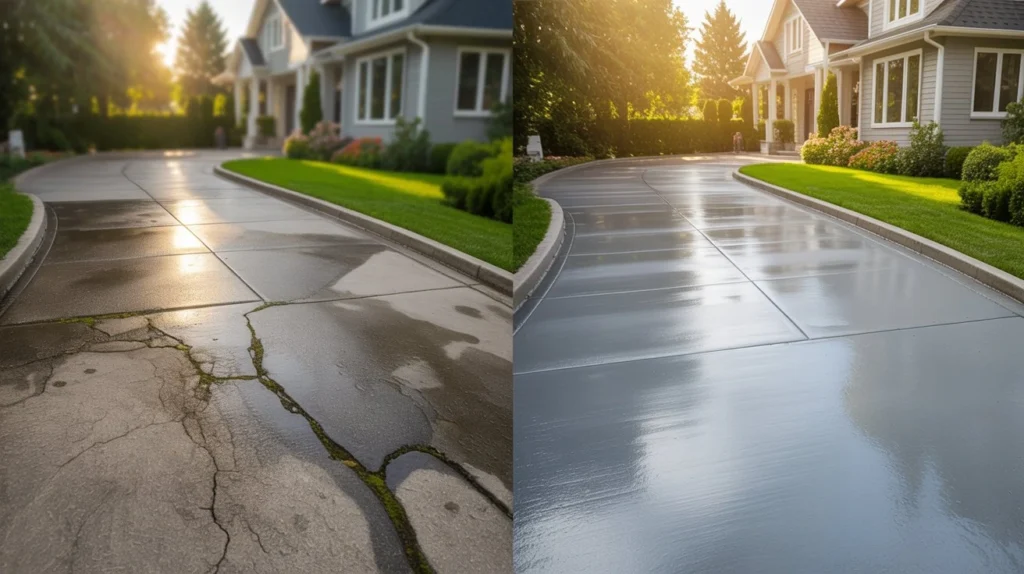
A worn-out driveway makes your whole home look neglected. Cracks, stains, faded color, and years of grime add up fast. The good news? You don’t always need to replace it. Most driveways can be fully restored without a major budget. How do I make my driveway look new again? Start with a deep clean, fix any cracks, then reseal the surface. That three-step process handles 90% of driveway aging. This guide walks you through every step in plain detail so you can get it done right. What Causes a Driveway to Look Old? Before you fix anything, it helps to understand why driveways age. Sun exposure breaks down asphalt binders and fades concrete color. UV rays cause oxidation over time, turning black asphalt gray and giving concrete a chalky look. Water damage is the biggest culprit. Water seeps into tiny surface cracks, freezes in winter, and expands. That expansion widens cracks and creates potholes. Oil and chemical spills soak into porous concrete and asphalt. They leave dark stains and weaken the surface over time. Heavy vehicle traffic compresses and stresses the surface. Combine that with age and weather, and surface crumbling starts. Lack of sealing speeds everything up. An unsealed driveway soaks up damage like a sponge. Knowing the cause helps you pick the right fix. Start with a Thorough Driveway Inspection Don’t skip this step. A quick inspection tells you exactly what you’re dealing with before you spend money on materials. Walk your entire driveway and look for: Hairline cracks — thin surface cracks that haven’t spread yet Wide cracks — anything wider than a quarter inch needs filler Potholes or depressions — soft spots that have caved in Staining — oil, rust, tire marks, or algae growth Surface crumbling — edges or corners breaking off Fading or oxidation — dull, gray, or chalky appearance Take photos as you go. This helps you track progress and decide if you need professional help or can handle it yourself. If you find deep structural damage, sunken sections, or widespread crumbling, a full replacement may be the smarter long-term investment. Clean the Driveway Properly This is the most important step. Everything else depends on it. A dirty surface won’t hold crack filler, sealant, or resurfacer. Cleaning isn’t optional — it’s the foundation. Basic cleaning steps: Sweep off all loose dirt and debris Pre-treat stains with appropriate cleaners (more on that below) Apply a concrete or asphalt degreaser to oily areas Pressure wash the entire surface at 2000–3500 PSI Let it dry completely — at least 24 hours before any treatment Pressure washing alone transforms how a driveway looks. Years of embedded grime, algae, and surface discoloration come off in one pass with the right equipment. If you don’t own a pressure washer, or your driveway is large and heavily soiled, professional help is worth it. VJ Pressure Washing provides driveway washing Tracy CA that gets the surface truly clean before restoration. Their commercial-grade equipment reaches spots a garden hose never will. How to Remove Common Driveway Stains Different stains need different treatments. Using the wrong cleaner wastes your time. Oil and grease stains Apply a commercial concrete degreaser. Let it sit for 20 minutes. Scrub with a stiff brush, then pressure wash. For old, set-in stains, repeat twice. Rust stains Use an oxalic acid-based cleaner. Apply, let dwell for 10–15 minutes, scrub, and rinse. Avoid bleach — it sets rust stains deeper. Tire marks A citrus-based degreaser works well here. Apply, scrub hard, and rinse. Some tire marks need two treatments. Algae, moss, and mildew A bleach-and-water solution (1:3 ratio) kills organic growth fast. Apply, let sit for 15 minutes, scrub, and rinse well. Keep it off grass and plants. Efflorescence (white powder on concrete) This is mineral salt coming to the surface. Use a diluted muriatic acid solution carefully, or a commercial efflorescence remover. Always wear gloves and eye protection. Leaf stains and tannin marks Oxygen bleach (like OxiClean) dissolved in warm water handles these well without harsh chemicals. Clean all stains before sealing. Sealer locks in whatever is under it including stains. Repair Cracks and Surface Damage Once the driveway is clean and dry, fix all cracks before sealing. For hairline cracks (under 1/4 inch) Use a liquid crack filler or concrete caulk. Pour or squeeze it in, smooth it flat, and let it cure per label instructions. These are easy DIY repairs. For wider cracks (1/4 to 1/2 inch) Use a polyurethane or epoxy crack filler. These flex with temperature changes, so they hold longer. Clean the crack out with a wire brush first. For large cracks and potholes Use a vinyl concrete patching compound for concrete. For asphalt, use a cold-patch asphalt repair product. Tamp it down firmly a tamper or even the flat of a shovel works. For crumbling edges Use a concrete resurfacer mixed slightly thicker to rebuild broken corners and edges. Use a form board to hold the material in shape while it cures. Let all repairs cure fully before applying sealant. Rushing this step causes peeling and cracking in the repair. Reseal the Driveway for a Fresh Look Sealing is what gives a driveway that “just paved” look. It also protects the surface for the next 2–5 years. For concrete driveways: Use a penetrating silicate sealer for older concrete. For a glossy finish, use an acrylic concrete sealer. Apply with a roller or sprayer in two thin coats. For asphalt driveways: Use a coal tar or asphalt emulsion sealer. Apply with a squeegee applicator and work in sections. Two thin coats outlast one thick coat every time. Application tips: Work on a dry day above 50°F Avoid direct midday sun if possible — it dries the sealer too fast Start from the highest point and work down toward the street Let the first coat dry 6–8 hours before applying the second Stay off the driveway for 24–48 hours after final coat Sealing is one of the highest-impact steps in driveway restoration. The color
Can Vinegar Clean Your Driveway?
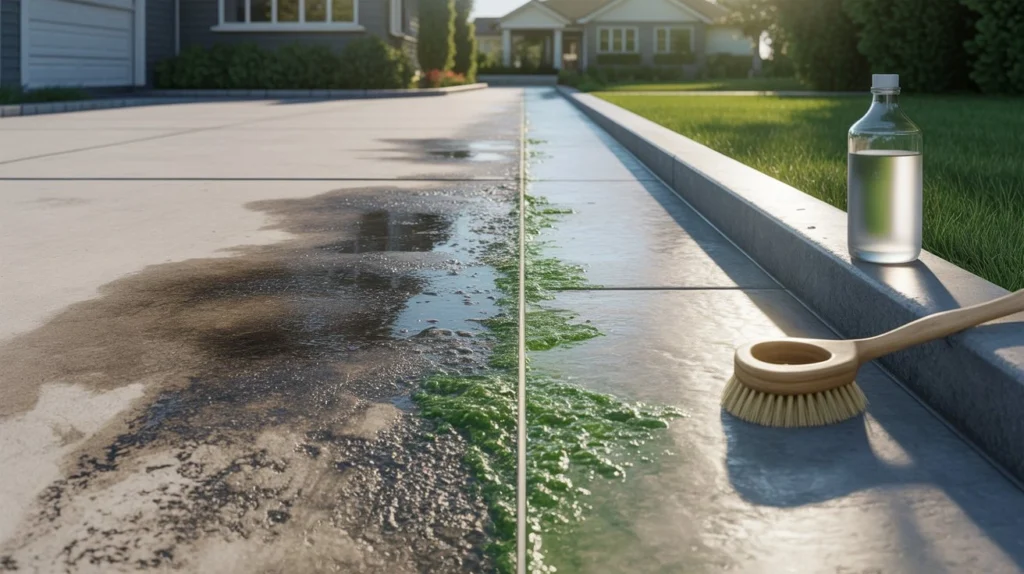
Yes, vinegar can help with certain types of driveway buildup, but it is not a universal driveway cleaner. It may be useful for small areas affected by algae, moss, or some light organic residue, but it is not the right solution for every stain or surface. Concrete and asphalt also require different considerations.Before pouring vinegar over an entire driveway, it is important to identify the surface, the type of buildup, and how severe the problem is. Quick Answer Can vinegar clean your driveway? Yes, vinegar can help treat some light organic growth such as moss and algae, but it is not an all-purpose driveway cleaner. It is less suitable for heavy oil, grease, deeply embedded dirt, and large areas of buildup. Use caution on concrete and test a small inconspicuous area first. Why Do People Use Vinegar to Clean Driveways? Vinegar is inexpensive, widely available, and contains acetic acid, which gives it acidic cleaning properties. That makes it tempting for homeowners looking for a simple DIY driveway cleaner. However, “natural” does not automatically mean that a cleaning solution is suitable for every surface. Household vinegar commonly has an acidity around 5%, while some horticultural vinegar products contain substantially higher concentrations of acetic acid. Those stronger products can be much more aggressive and should not be treated like ordinary kitchen vinegar. For driveway cleaning, the important question is not simply whether vinegar can clean something. The better question is: What are you trying to remove, and what is your driveway made of? What Can Vinegar Actually Clean From a Driveway? Vinegar may be useful for certain types of organic buildup, particularly on small affected areas. Potential applications include: Light algae growth Some moss growth Certain organic residues Small areas of surface buildup Some mineral-related deposits, depending on the material Oregon State University Extension specifically lists vinegar as an alternative treatment for moss and algae deposits on pavement. Its guidance recommends treating the affected area and then washing the pavement afterward. That does not mean vinegar is the best choice for every driveway. For example, a driveway covered in automotive oil requires a different cleaning approach from a driveway with a thin layer of green algae. Will Vinegar Damage a Concrete Driveway? The answer depends on the type, concentration, frequency, and exposure, so it would be misleading to say that vinegar will always damage concrete or that it can never cause a problem. Concrete is a cement-based, mineral surface, and acidic products can interact with mineral materials. This is particularly important with stronger vinegar products. University of Maryland Extension warns that higher-acidity vinegar used as an herbicide can cause staining, mottling, etching, or other harm to masonry surfaces. So, will vinegar damage concrete driveway surfaces? It can create a risk, particularly with stronger concentrations or repeated applications. For that reason, don’t assume that repeatedly soaking a concrete driveway in vinegar is harmless simply because household vinegar is commonly used around the home. If you’re considering vinegar on concrete: Test a small, inconspicuous area first. Avoid unnecessarily strong vinegar products. Don’t leave the solution on the surface longer than necessary. Rinse the area thoroughly afterward. Keep the solution away from plants and sensitive surrounding materials. If the entire driveway needs cleaning, a purpose-designed driveway cleaning method may be more appropriate than repeated vinegar treatments. Will Vinegar Damage an Asphalt Driveway? Will vinegar damage asphalt driveway surfaces? There isn’t a simple rule that ordinary household vinegar will automatically damage every asphalt driveway. However, vinegar is still not a universal asphalt-cleaning solution. Asphalt is different from concrete, and its surface condition can vary considerably. Older, weathered, cracked, or deteriorating asphalt should be treated carefully rather than experimenting with strong household acids. If you are considering vinegar on asphalt, test a small area first and rinse thoroughly. Avoid using stronger horticultural vinegar simply because you believe a higher concentration will clean faster. For general dirt, road film, and larger areas of buildup, a cleaning method designed for the specific pavement surface is a more controlled choice. Will Vinegar Kill Algae on Concrete? It can help treat algae and moss on pavement, but the result depends on the growth, surface conditions, and treatment method. Oregon State University Extension lists vinegar as one option for treating moss and algae deposits on pavement and recommends washing the driveway afterward. So, will vinegar kill algae on concrete? It can be useful for small patches, but don’t confuse treating visible algae with permanently solving the conditions that caused it. Algae and moss tend to become more persistent where surfaces remain damp and shaded. After removing the growth, look at the surrounding conditions. For example: Are sprinklers repeatedly wetting the driveway? Does water remain on the pavement? Are trees blocking sunlight? Is drainage poor? Is organic debris collecting along the edges? Fixing those conditions can help reduce recurring growth. How to Use Vinegar for a Small Driveway Cleaning Job If you have a small area of algae or moss and have decided that vinegar is appropriate for the surface, keep the process controlled. 1. Remove Loose Debris Sweep away leaves, dirt, twigs, and other loose material. There is little benefit in applying a cleaning solution over a layer of debris. 2. Protect Nearby Plants Vinegar can affect plants that it contacts. University of Maryland Extension specifically warns that vinegar-based herbicidal products can damage desirable vegetation through spray drift or direct contact. Cover or move vulnerable plants where appropriate, and avoid runoff into garden beds. 3. Test a Small Area Choose an inconspicuous section first. Apply your intended cleaning method and observe the surface after rinsing and drying. Look for any unexpected discoloration or surface change. 4. Treat the Affected Area Apply the vinegar only where it is actually needed rather than automatically covering the entire driveway. For moss and algae, Oregon State University Extension describes allowing a vinegar treatment to remain on the growth before washing the pavement afterward. Follow the product instructions if you’re using anything stronger than ordinary household
What does a house wash include?
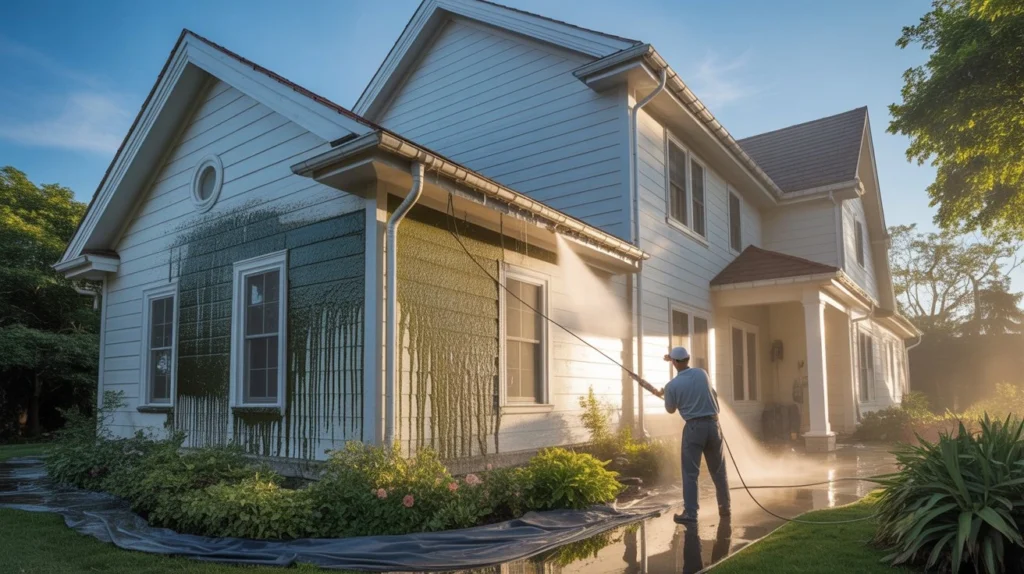
A house wash includes pressure washing or soft washing of your siding, soffits, gutters, windows, and walkways to remove dirt, mold, and grime. Most professional packages also cover light fixtures, the front porch, and outdoor furniture spots. So what does a house wash include exactly? It depends on the company, but a solid service hits every visible surface on your home’s exterior. If you’re getting quotes from house washing services, knowing what’s included helps you compare them fairly. Some companies do the bare minimum. Others go all in. Let’s break down what you should expect. What Is a House Wash? A house wash is an exterior cleaning service that removes dirt, algae, mold, pollen, and grime from your home’s outside surfaces. It’s different from just blasting your siding with a garden hose. Most companies use one of two methods: pressure washing or soft washing. Pressure washing uses high water pressure to strip away buildup. Soft washing uses lower pressure combined with cleaning solutions to kill mold and mildew at the root, not just rinse it off the surface. Your home’s siding material matters here. Vinyl siding can usually handle higher pressure. Stucco, wood siding, and painted surfaces often need the gentler soft wash approach to avoid damage. A good company checks your siding type before picking a method. What Does a Standard House Wash Include? A standard house wash covers the main exterior surfaces of your home. Here’s what’s typically part of the package: Siding cleaning comes first. This is the biggest part of the job since siding covers the most surface area and collects the most grime over time. Soffits and fascia get washed too. These are the parts under your roofline, and they trap spider webs, dust, and mildew that you can’t easily reach yourself. Window exteriors are usually included, at least a basic rinse to remove dirt and water spots. Some companies offer detailed window cleaning as an add-on. Gutter exteriors (not the inside) often get a once-over to remove streaking and grime buildup. Walkways and porches near your front entrance are typically cleaned as part of the package since they’re the first thing visitors see. This is the core of what does a house wash include for most companies. Anything beyond this list is usually an upgrade or add-on service. Areas Commonly Cleaned During a House Wash Beyond the basics, here’s where pros usually focus their attention: Vinyl, wood, brick, or stucco siding – the main surface getting treated, regardless of material. Soffits and eaves – these collect cobwebs and mildew that build up out of sight. Window frames and screens – exterior glass and frames get rinsed, though interior cleaning isn’t included. Garage doors – often overlooked by homeowners but easy for grime to collect on. Front porch and entryway – first impression areas that get extra attention. Outdoor light fixtures – wall-mounted lights collect dust and bugs over time. Driveways and walkways (sometimes as an add-on) – concrete surfaces near the house. Deck or patio areas attached to the home – depending on the package, this might be bundled in or sold separately. Knowing this list helps when you’re trying to figure out the best way to wash outside of house surfaces without missing spots that matter. What Is Usually Not Included in a House Wash? Not everything gets cleaned during a standard house wash. Here’s what’s commonly left out unless you ask for it specifically: Roof cleaning is its own service. Most house washing companies don’t include roof cleaning because it requires different equipment and safety precautions. Gutter interior cleaning (removing leaves and debris from inside the gutter) is usually a separate add-on, not part of the standard wash. Window interior cleaning almost never makes the list. House washing focuses on the outside, so interior glass stays untouched. Detailed power washing of large concrete areas like full driveways or large patios sometimes costs extra, depending on square footage. Fence cleaning is often optional too, especially if your fence isn’t directly attached to the house. Always ask your provider directly what’s bundled in and what costs more. This avoids surprise charges after the job is done. How Do Professionals Wash a House? Professional house washing follows a process that protects your home while getting it clean. Here’s how it usually works. First, the technician inspects your siding and identifies problem areas like mold, mildew, or heavy staining. This step decides whether they’ll use pressure washing or soft washing. Next, they apply a cleaning solution if soft washing is the method. This solution breaks down mold, algae, and grime before rinsing. Then comes the rinse. Using a pressure washer set to the right PSI for your siding material, they rinse from top to bottom. Working top down prevents dirty runoff from re-staining areas already cleaned. After the main wash, they spot check problem areas like corners, under eaves, and around windows where grime tends to hide. Finally, they do a walk-around to inspect the finished job and make sure nothing was missed. This process is why DIY attempts sometimes go wrong. Using too much pressure or the wrong angle can crack siding, force water behind panels, or strip paint. Benefits of Professional House Washing Hiring a professional comes with real advantages beyond just convenience. Better curb appeal. A clean exterior makes your whole property look newer and better maintained. This matters if you’re selling or just want your home to look good. Protects your siding investment. Mold, algae, and grime slowly damage siding over time if left untreated. Regular washing extends the life of your exterior materials. Prevents pest issues. Spider webs, wasp nests, and other pest hideouts get knocked down during a house wash, which can reduce pest problems near your home. Saves you time and effort. Washing a two-story home yourself with a ladder and pressure washer is risky and time consuming. Pros have the right equipment and experience to do it faster and safer. Identifies hidden issues. A good technician often
Can I Powerwash in October? Your Complete Fall Guide
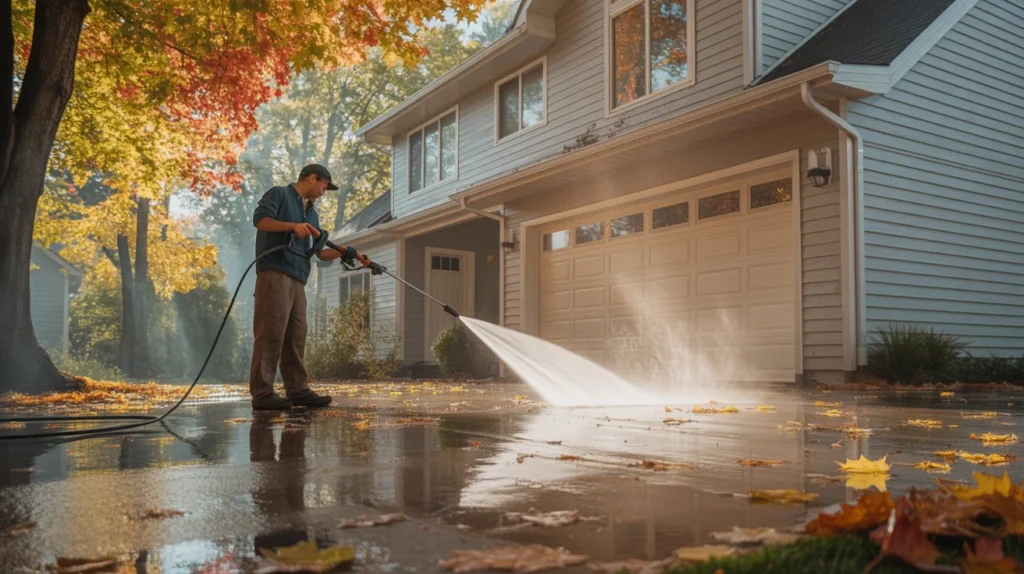
Fall is a great time to clean your home’s exterior. Leaves are falling, mud is building up, and winter is just around the corner. Getting ahead of that mess now can protect your siding, driveway, and deck from long-term damage. So, can I powerwash in October? Yes, you absolutely can. October is actually one of the best months to power wash, as long as temperatures stay above 40°F and no rain is expected for 24 to 48 hours after the job. What Is Power Washing? Power washing uses heated, high-pressure water to blast away dirt, grime, mold, algae, and stains from surfaces. The heat makes it more effective than cold-water pressure washing, especially on grease and oil. It works well on: Concrete driveways and sidewalks Vinyl, wood, and brick siding Decks and patios Fences Roofs (with the right technique) Power washing is not the same as pressure washing. Pressure washing uses cold or room-temperature water. Power washing uses heated water. Both clean well, but power washing cuts through tougher buildup faster. Can You Powerwash in October? Yes. October is a solid month for power washing in most parts of the United States. Here’s why it works. By October, summer algae and mold have had months to build up on your home’s exterior. Cleaning it now stops it from spreading further during wet fall and winter months. If you live in Tracy, CA, or similar climates in Central California, October is one of the best times of year to wash. Temperatures are mild, humidity is low, and rain is rare. Services like VJ Pressure Washing handle house power washing in Tracy, CA regularly in October because the conditions are nearly perfect. In colder states like Minnesota or Maine, you need to be more careful. If overnight temps drop below freezing, water can get into cracks and freeze, which makes existing damage worse. Bottom line: October works for most homeowners. Just check your local 5-day forecast before booking or starting. Ideal October Weather for Power Washing Temperature and weather are the two biggest factors. Here’s what to look for. Temperature The water needs time to dry after washing. Surfaces hold moisture longer when it’s cold. Aim for days where the temperature stays above 40°F throughout the day and the following night. If temps drop close to freezing right after you wash, standing water in cracks can expand and cause cracks in concrete or siding. No Rain Plan your wash on a day when no rain is forecast for at least 24 to 48 hours afterward. Washing right before rain is pointless. The rain will undo the work and leave surfaces wet longer than needed. Wind Light wind is fine. It actually helps surfaces dry faster. Avoid washing on windy days if you’re using cleaning solutions. The chemicals can drift onto plants, cars, or windows. Sunlight Sunny days are ideal. The sun speeds up drying and helps cleaning solutions activate properly. Early morning or late afternoon cleaning works best. Avoid washing in direct afternoon sun when surfaces are extremely hot, as solutions can dry too fast and leave streaks. What Surfaces Should Be Power Washed in October? Some surfaces need attention more than others going into fall. Here’s a surface-by-surface breakdown. Driveways and Sidewalks Concrete absorbs oil, tire marks, leaves, and moisture over the summer. A good wash in October preps the surface before winter. It also removes leaf stains before they set permanently. Home Siding Algae and mold love to grow on north-facing siding where the sun rarely hits. October is your last good chance to remove it before the cold locks in the moisture and spreads the growth further. Clean siding also improves curb appeal going into the holiday season. Decks and Patios Decks take a beating all summer. Food stains, mildew, bird droppings, and algae build up fast. Washing your deck in October, then sealing it, protects the wood from freeze-thaw cycles during winter. This one step can add years to the life of your deck. Fences Wooden fences are prone to mildew and dark staining. Washing before winter keeps the wood in better shape and reduces the need for repainting or staining in spring. Gutters (Exterior) The outside of your gutters collects black streaks from oxidation and organic buildup. October is the perfect time to clean them before they’re full of fall leaves. Roofs Roof washing requires a low-pressure approach (soft washing) to avoid damaging shingles. Black streaks on your roof are algae. Removing them in October protects the shingles through winter and stops further spread. When You Should Avoid Power Washing in October October isn’t perfect for every situation. Here’s when to wait. When temps are below 40°F If your area is already seeing frost or near-freezing nights, hold off. Water in cracks and porous surfaces can freeze and expand, making damage worse. After heavy rain Washing right after a storm is wasteful. Surfaces are already wet and saturated. Wait 24 to 48 hours after rain before washing. On fragile or aging surfaces Old, cracked concrete or weathered wood can’t handle high pressure well. In these cases, use a soft wash approach or hire a professional to assess the surface first. On painted surfaces that need repainting If you’re planning to repaint siding or a deck, wash first. But if the paint is chipping or peeling badly, high pressure will strip it off fast. That may actually be useful if you’re repainting, but it can be a mess if you’re not ready for it. Tips for Safe October Power Washing Follow these practical steps to get the best results without causing damage. Check the forecast first. Pick a 2-day window with no rain and above-40°F temperatures overnight. Use the right pressure for each surface. Concrete handles high pressure (3,000+ PSI). Wood siding needs lower pressure (1,200 to 1,500 PSI). Roofs need soft washing under 1,000 PSI. Apply a cleaning solution before washing. A pre-soak with a surface-appropriate cleaner loosens dirt and kills mold before the water hits.
Can I Pressure Wash Roof Tiles? (Complete Safety & Cleaning Guide)
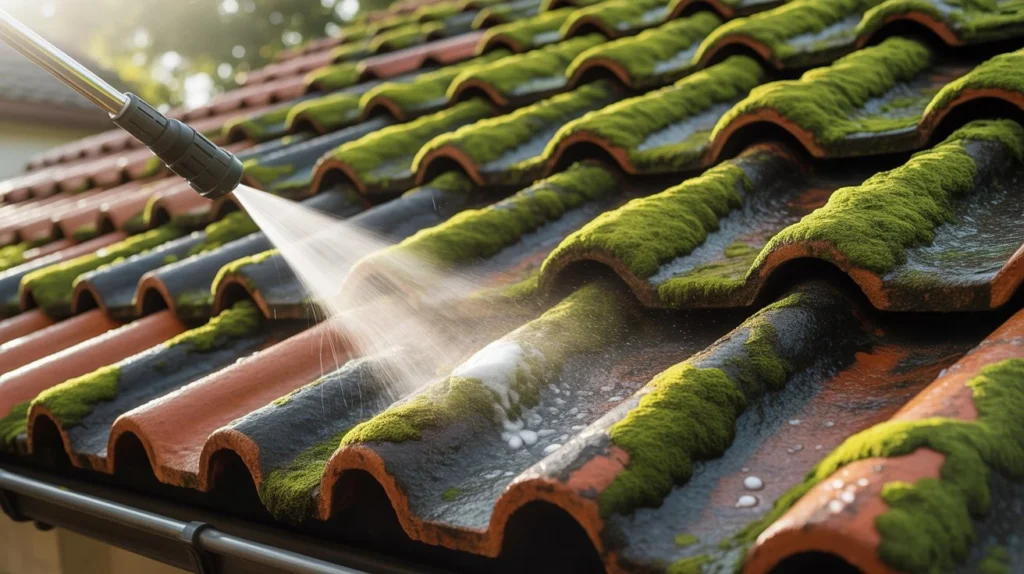
Roof tiles protect your home from rain, heat, wind, and debris. Over time, they collect dirt, moss, algae, and lichen that can make a roof look old and neglected. Many homeowners think a pressure washer is the fastest way to restore a clean appearance. While it can remove stains quickly, it is not always the safest choice for every roof. So, Can I Pressure Wash Roof Tiles? The short answer is yes, but only in certain situations and with the right technique. Using too much pressure can damage tiles, remove protective coatings, and even create leaks. Understanding the risks and safer alternatives can help you make the right decision. Why Roof Tile Cleaning Matters A dirty roof is not just a cosmetic issue. Moss, algae, and debris can hold moisture against the surface of the tiles. Over time, this moisture may weaken roofing materials and shorten the life of the roof. Regular cleaning helps: Improve curb appeal Prevent moss and algae growth Extend roof lifespan Reduce moisture-related damage Support proper drainage A clean roof also allows homeowners to spot damaged areas before they become expensive repairs. What Are Roof Tiles Made Of? Different roof tiles react differently to cleaning methods. Before considering pressure washing roof tiles, it is important to know what material covers your roof. Concrete Roof Tiles Concrete tiles are strong and durable. They can handle more cleaning pressure than many other materials. Even so, excessive force can remove protective coatings and wear down the surface. Clay Roof Tiles Clay tiles are attractive and long-lasting. They are also more brittle than concrete. High-pressure cleaning can crack or chip them. Slate Roof Tiles Slate is a natural stone product. While durable, slate can break if handled incorrectly. Professional cleaning methods are usually recommended. Composite Roof Tiles Composite tiles are manufactured from blended materials. Their cleaning requirements vary by manufacturer. Always check manufacturer recommendations before cleaning. Can You Pressure Wash Roof Tiles? Many homeowners ask, “Can I Pressure Wash Roof Tiles?” because they want a quick and affordable solution. Pressure washing roof tiles can remove dirt, algae, moss, and stains. In some cases, it may be appropriate for certain concrete roofs in good condition. However, high pressure often causes more problems than it solves. Professional roof cleaners rarely rely on extreme pressure. Most prefer low-pressure methods combined with specialized cleaning solutions. These approaches clean effectively while reducing the risk of damage. The answer depends on: Tile material Roof age Existing roof condition Amount of moss or algae growth Pressure settings used Risks of Pressure Washing Roof Tiles Understanding the risks helps explain why many roofing experts avoid high-pressure cleaning. Tile Cracking and Breakage Roof tiles are designed to protect against weather, not direct high-pressure water streams. A strong spray can crack, chip, or loosen tiles. Loss of Protective Coatings Many tiles have protective finishes that help repel water and resist UV damage. Pressure cleaning roof tiles can strip away these coatings. Water Intrusion Water forced beneath tiles can enter the roofing system. This can lead to leaks, mold growth, and structural damage. Reduced Roof Lifespan Repeated high pressure clean roof tiles treatments can wear down surfaces and shorten the life of roofing materials. Safety Risks Working on a roof while handling pressure washing equipment increases the chance of slips and falls. Signs Your Roof Tiles Need Cleaning Not every dirty roof requires aggressive cleaning. Watch for these signs: Moss Growth Moss traps moisture on roof tiles and keeps them damp for long periods. Over time, this can weaken roofing materials, encourage further growth, and shorten the life of your roof. Black Algae Streaks Black streaks are usually caused by algae growth. They spread across roof surfaces, make the roof look dirty, and can become harder to remove if ignored. Lichen Buildup Lichen attaches tightly to roof tiles and can be difficult to remove. As it grows, it may gradually wear down the tile surface and affect your roof’s appearance. Dirt Accumulation Dust, leaves, and debris can build up over time and make the roof look older than it is. This buildup can also create conditions that support moss and algae growth. Drainage Problems Debris on the roof can block water flow and prevent proper drainage. This may lead to standing water, moisture issues, and potential roof damage if not addressed. What Is the Safest Way to Clean Roof Tiles? For most roofs, soft washing provides the safest solution. Soft Washing Soft washing uses low-pressure water combined with cleaning solutions designed to kill algae, moss, and lichen. Benefits include: Reduced risk of tile damage Longer-lasting results Better treatment of biological growth Improved roof appearance Manual Moss Removal Professionals often remove thick moss by hand before any washing begins. This helps prevent damage to roof tiles. It also stops large moss clumps from spreading spores during cleaning. Low-Pressure Rinsing Low-pressure rinsing is used to gently wash away loose dirt and remaining debris. It cleans the surface without forcing water under the tiles, which helps protect the roof structure. Professional Roof Cleaning Experienced roof cleaners know how different tile types react to moisture and cleaning solutions. They adjust their methods based on roof condition, which reduces risk and improves long-term results. Pressure Washing vs. Soft Washing Roof Tiles Both methods clean roofs, but they produce different results. Pressure Washing Advantages: Fast dirt removal Immediate visual improvement Disadvantages: Higher risk of damage Potential water intrusion Removal of protective coatings Soft Washing Advantages: Safe for most tile types Kills algae and moss at the source Longer-lasting cleanliness Disadvantages: Requires specialized cleaning solutions May take longer to show full results For most homeowners, soft washing offers the best balance of safety and effectiveness. How Professionals Clean Roof Tiles Safely Professional roof cleaners follow a structured process to protect both the roof and the property. Step 1: Roof Inspection The roof is carefully checked for cracked tiles, weak spots, and any existing damage. This step helps decide the safest cleaning method and prevents further issues during
Can you wash your driveway?
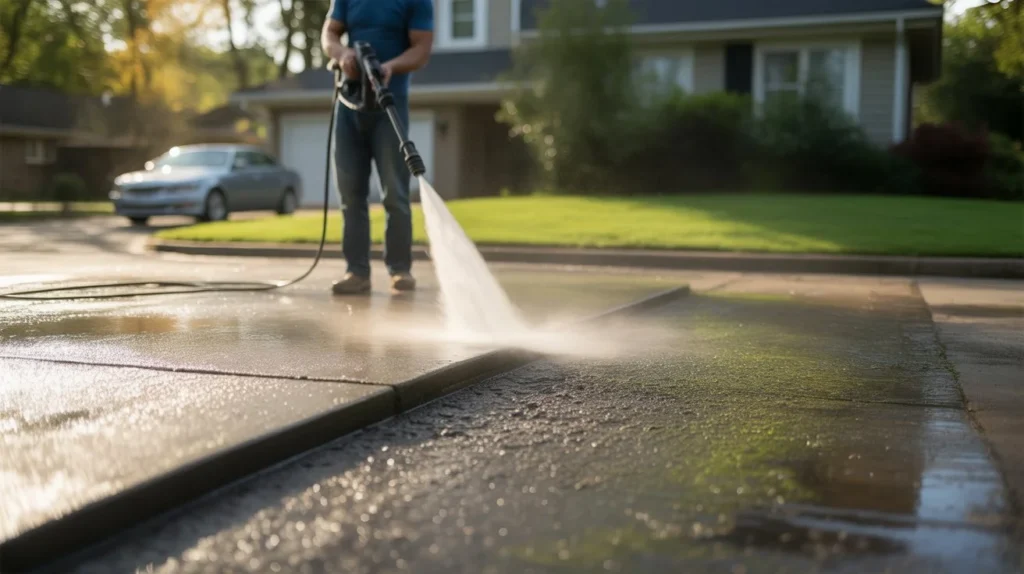
Your driveway is one of the first matters for people and they ask about your property. Even if your home seems smooth and well-maintained, a stained or grimy driveway can negatively have an effect on the general look of your property. Dirt, oil stains, mold, algae, tire marks, and particles slowly increase over time, making concrete surfaces appear antique and neglected. That`s why many owners ask, Can you wash your driveway yourself, and if so, what’s the nice manner to do it properly and effectively? So yes you could smooth your driveway yourself using the use of the right techniques and equipment. At VJ Pressure Washing, we assist owners repair and guard their driveways using superior cleansing structures designed for long-lasting results. Why Driveway Cleaning is Essential for Home Maintenance Your driveway is more than only a course in your garage—it`s a key characteristic of your house`s outside. Over time, dirt, oil stains, and climate exposure could make it appear worn and uninviting. But cleansing your driveway is more than simply appearances. Regular protection allows it to shield it from damage, prolonging its lifespan and making sure protection in your own circle of relatives and guests. At VJ Pressure Washing, we recognize the significance of taking care of each component of your domestic. That`s why we provide a complete 18-factor indoors and outside domestic protection package, together with driveway cleansing. With a focal point on preventative domestic protection, we make sure all those “honey-do” obligations are finished efficiently and professionally, saving you time, money, and stress. Tools You Need to Pressure Wash a Driveway The proper equipment and substances are critical for a hit driveway washing project. You`ll want a strain washing machine, a wheeled floor purifier, and a general wand. Pressure Washer You’ll want both an electric powered or a gas strain washing machine. Electric strain washers are much less effective than fuel line washers and cost $90 to $180 for starter models. Gas strain washers variety from about $200 to $500. Surface Cleaner A floor purifier is an attachment to the strain washing machine that has wheels and a covered, rotating wand. Pressure washers typically do not include floor cleaners, so that you have to purchase one separately ($70 to $120) Wand and Nozzles Most strain washers include a general guide and the induced water gun. The wand is 21 inches long and springs with as a minimum one or nozzle tip ends. Materials Use pre- and post-remedy substances for the cleanest effects with much less effort: For soaking pre-treatments, Byersdorf recommends an answer like 30 Seconds Outdoor Cleaner Concentrate or a moderate detergent made for strain washers. For post-treatments, Byerseorf makes use of a diluted answer of sodium hypochlorite, a form of bleach, to assist save you similarly moss growth. How to Pressure Wash Your Driveway in 6 Steps Step 1: Pick the Right Pressure Washer Driveways need power. You’ll need a pressure washing machine with at least 2,500 PSI and 2.5 GPM to remove oil stains, embedded dirt, and algae. Gas-powered units and high-powered electric models are ideal for this job. If you want professional results without the hassle, many homeowners trust expert driveway power washing tracy ca services to handle deep driveway cleaning safely and effectively. Step 2: Clear the Area Before you get to blasting, prep your canvas means area: Move cars, bikes, potted flowers and whatever else withinside the way. Sweep off free particles like gravel, leaves, or twigs. Cover close by siding, fencing, or flowers in case you are the usage of detergent. It`s additionally a first-rate time to look at the concrete or asphalt for erosion or cracks. Pressure washing could make the trouble regions on your driveway greater visible, so that you recognise what to patch later. Step 3: Pre-Treat Stains Oil and grease stains are stubborn. Spray them with a concrete-secure degreaser or driveway purifier and permit take a seat down for 10–15 minutes. This offers the detergent time to interrupt down the filth so your pressure washing machine can carry it away greater easily. Dealing with rust or tire marks? There are focused removers for those, too—simply ensure they`re secure to be used in your driveway material (whether or not concrete, asphalt, or pavers) and well matched with your preferred stress washing machine. Step 4: Start Washing! Now for the amusing part! Begin with a take a look at spray in a much less substantive nook of your driveway to get an experience for the pressure. Hold the pressure washer wand approximately 12 inches from the floor and operate in overlapping passes. Move in a consistent, sweeping motion. Don`t forestall and move or you could possibly depart choppy lines. If you`re the usage of a floor purifier attachment, you may move a touch quicker and cowl greater floor whilst preserving matters easy and uniform. Work in sections, specifically if you`re stress washing your driveway in direct sunlight. This allows safe water spots or choppy drying. Step five: Rinse and Repeat Once you`ve made your first pass, rinse the entirety off and determine your paintings. Some spots, specifically oil stains may want a 2nd round. Reapply your stain remover, wait some minutes, and move once more with a targeted spray or a rapid nozzle. Step 6: Seal the Deal If your concrete seems notable and also you need to hold it that way, recall making use of a concrete sealer as soon as the entirety is dry (generally 24–48 hours after pressure washing). Sealing allows safe destiny staining, reduces water absorption, and offers your driveway an extended life. Can You Wash Your Driveway Yourself? Yes, house owners can carry out primary driveway cleansing themselves, in particular for mild dust and floor debris. However, attaining professional-stage consequences relies upon on: Proper equipment Cleaning knowledge Correct stress settings Appropriate cleansing products Simple rinsing may also dispose of dust, however deeper stains commonly require greater superior techniques. Many house owners underestimate how tough pressure washing driveway stains can grow to be