
How do professionals clean houses so fast?
Most people spend 3–4 hours cleaning their home. A professional cleaner finishes the same job in under 90 minutes. That gap isn’t luck. It’s training, habit, and a clear system applied every single time. Pros don’t clean harder, they clean smarter. So, how do professionals clean houses so fast? The short answer: they eliminate all the guesswork. Every move is intentional. No wandering from room to room, no re-cleaning, no wasted steps. Why Professional Cleaners Are So Efficient Professional cleaners don’t rush. They follow a system. Every visit follows the same order. The same tools. The same rhythm. This removes decision fatigue completely at VJ Pressure Washing. Think about it. When you clean at home, you probably: Start in one room, get distracted, move to another Go back to get a product you forgot Clean the floors, then wipe dust down onto them Pros never do any of that. Their efficiency comes from habit stacking: one action flows into the next with zero waste. They also pre-load everything. Before touching a single surface, their caddy is fully stocked. Products, microfiber cloths, scrubbers all in one hand as they walk through the door. The Professional “Top-to-Bottom” Cleaning Method This is the foundation of all professional house cleaning techniques. The rule is simple: always clean from top to bottom, left to right. Why it works: Dust and debris fall downward. If you clean floors first and then dust shelves, you’re cleaning floors twice. Pros dust ceiling fans, shelves, and countertops before they ever touch the floor. Here’s the order professionals follow in every room: Ceiling fans and vents — dust falls to the floor, not onto clean surfaces High shelves and tops of furniture — same logic Countertops and middle surfaces — wiped down after overhead dust settles Appliances and fixtures — cleaned with targeted products Baseboards and floor edges — just before the final sweep Floors last — vacuumed or mopped only when everything above is done This single rule alone cuts cleaning time by 20–30% because you never repeat work. Room-by-Room Cleaning Strategies Professionals Use Kitchen Pros spray all surfaces first counters, stovetop, sink and let the product dwell while they do other tasks. This is called dwell time strategy. The cleaner does the work so the human doesn’t have to scrub. While the spray soaks in, they wipe down cabinet fronts and appliance exteriors. Then they come back to the surfaces, wipe in one pass, and move on. Time saved: roughly 10 minutes per kitchen visit. Bathroom Bathrooms are the most time-intensive rooms. Pros attack them with speed by following a fixed pattern: Spray toilet, tub, and sink simultaneously Clean mirrors while products dwell Wipe toilet (lid, tank, seat, bowl — in that order) Scrub tub or shower Clean sink last Mop or wipe floor on the way out They never move backward. Forward motion only. Bedroom Pros change bedding at the start, let the room air while they clean other areas, then return to fluff pillows and straighten at the end. Dusting follows the top-to-bottom rule. Clutter is grouped and placed, not put away individually. Living Room Dust first, vacuum last. Cushions get flipped and straightened before vacuuming so debris falls to the floor. Remote controls, coasters, and loose items are grouped on surfaces rather than placed one by one. Time-Saving Cleaning Techniques Professionals Follow These are the time-saving cleaning hacks professionals use that most homeowners never think about. 1. The Two-Cloth Rule One cloth for dusting, one for wiping. Never cross-contaminate. Switching mid-room to grab a new cloth wastes 5–10 minutes per job. 2. Carry Everything A well-stocked caddy travels with the cleaner everywhere. No trips back to the supply closet. No “just one more thing to grab.” Every product needed for a room is already in hand. 3. Spray Ahead Before entering a room, spray surfaces. Walk in, do other tasks, come back to wipe. Products do their job while the cleaner does something else. 4. Set a Timer Per Room Professionals often use mental or physical timers. Kitchen: 15 minutes. Bathroom: 12 minutes. This prevents over-cleaning and keeps pace consistent. 5. Clean in Zones, Not by Task Most homeowners dust every room, then vacuum every room, then mop every room. Pros finish one entire room before moving to the next. This reduces back-and-forth travel time significantly. 6. Microfiber Over Paper Towels Microfiber cloths pick up dust and bacteria without streaking. They require no spray for light dusting. Paper towels leave lint and take more passes to clean the same surface. Teamwork Makes Cleaning Faster When a professional cleaning crew shows up, time drops even further. This is one of the clearest answers to how professionals clean houses so fast, more hands, clear roles. A two-person crew might split like this: Person A: handles all wet areas kitchen, bathrooms Person B: handles all dry areas bedrooms, living spaces, vacuuming No overlap. No confusion. No waiting. Both finish at roughly the same time. Solo professionals use a similar mental split: they batch all bathroom work before moving on, rather than mixing bathroom and bedroom tasks together. Professional Cleaning Habits Homeowners Can Copy You don’t need to hire someone to clean faster. These efficient cleaning systems used by pros work at home too. Build a cleaning caddy. Keep all your products in one portable bucket or tray. No more running to the cabinet for each product. Clean before it gets dirty. Pros maintain homes rather than rescue them. Wiping a counter daily takes 30 seconds. Scrubbing a sticky, built-up counter takes 10 minutes. Own fewer cleaning products. Most homes have 15+ cleaning products. Pros often carry 5 or 6 quality ones that handle multiple surfaces. Fewer products = faster decisions. Work the clock. Pick a time limit per room and hold to it. This alone will cut your cleaning time in half within a week. Declutter before you clean. Picking up items off the floor before vacuuming is not cleaning it’s prep. Pros assume surfaces are clear.
Can You Pressure Wash a Brick House?
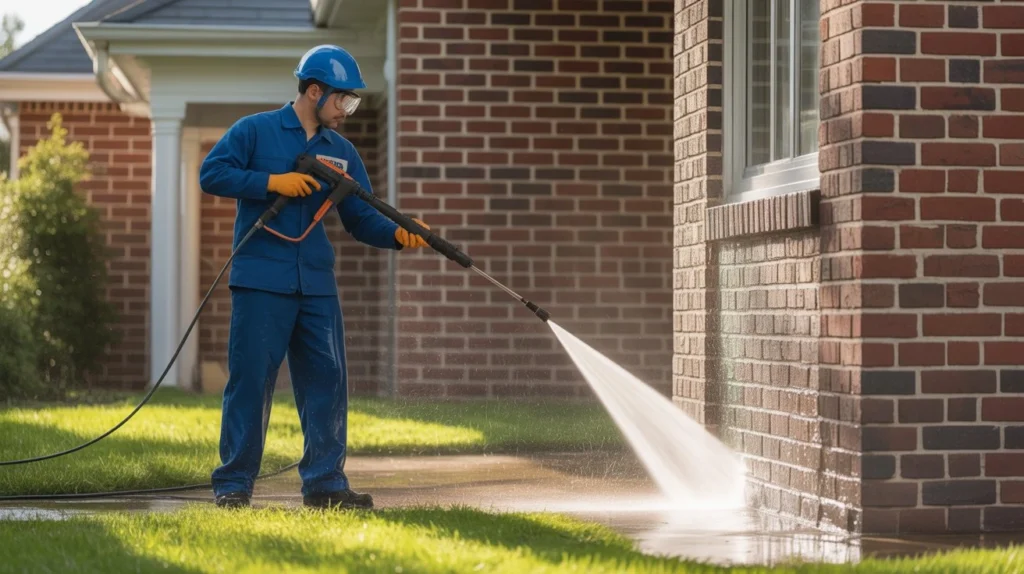
Can a brick house be power- washed? Yes, however, there are a few things to keep in mind when power washing bricks. Brick may be the toughest substance to use for a home’s exterior, but cleaning it safely can be a challenging task. Bricks are porous like concrete, so the bricks can hold water. Thankfully, the face is vertical and isn’t really bathed in the weather like a driveway or patio. This post will hopefully convey the dos and don’ts of pressure washing a brick home. Understanding Brick Surfaces Before Pressure Washing Brick is a durable material, but it has the following: It has huge pores, and so it soaks up water. It depends on the mortar joints that are softer than the bricks. It can be a magnet for dirt, mould, algae, and pollution stains. Because of these qualities, pressure washing bricks should be done gently and carefully. Too much pressure can damage not only the brick surface but also the mortar between them. At VJ Pressure Washing, we use controlled pressure and the right cleaning solutions to protect your brick while still delivering a deep, effective clean. Professionals say that you can clean brick with a pressure washer. It just takes a little caution and the right technique. Benefits of Brick Pressure Washing If performed properly, brick pressure washing has the following benefits : 1: Rids Dirt and Grime Dust, mud, and contaminants build up on brick surfaces over time. Their natural color is brought back with pressure washing. 2: Gets Rid of Mold and Algae Green or black stains are commonly caused by moist conditions. 3: Enhances Curb Appeal A washed brick home looks newer and more appealing. 4: Promotes longevity Maintaining chronic degeneration at bay. Best Pressure Settings for Brick Cleaning Selecting the correct pressure is the most important aspect when pressure washing brick house surfaces. Recommended PSI Levels 500-1000 PSI: Suitable for most bricks. Up to 1500 PSI: Ceiling for more recent, tougher bricks. Always start at the lowest pressure, increasing gradually. Choosing the Right Equipment For a successful brick pressure washing, you will need: Pressure washer with variable PSI Fan spray nozzle (25° or 40°) Use gloves and goggles as safety equipment Ladder for elevated areas Avoid the needle or turbo nozzles as they concentrate the pressure and can damage bricks. pressure washing a brick house Step 1: Check the surface repair cracks or damaged bricks before cleaning Step 2: Pre-Soak the Brick Spray the solution on the surface and water mist it so it does not soak into the substrate. Step 3: Purchase a Brick Cleaning Solution Mild brick cleaners to”: Water + Dish Soap Vinegar + water solution Special brick cleaners Test the solution on a small area before use. Step 4 :Use low pressure. Start at low pressure and hold the distance no more than 12 to 18 inches. Step 5: clean from top to bottom. This helps to avoid streaking and clean evenly. Step 6: Rinse Well. Evacuate cleaning agent residues to avoid staining. Soft Washing vs Pressure Washing Brick Experts advise soft washing as opposed to harsh power washing. Soft Washing Uses low pressure Is dependent on cleaning solutions OLDER BRICKS OR DELICATE BRICKS: Soft wash is recommended. Pressure Washing With more pressure Faster cleaning Call, more caution is needed. In most cases, a mix of utilizing both techniques will yield the best results. What Is the Best Brick Cleaning Solution? Pressure and choice of brick cleaning solution are equally important. Safe Options Mild detergent Vinegar solution Commercial brick cleaners Do not use strong acids or bleach. For homeowners searching for a reliable house pressure washing service fremont ca, using the right cleaning method matters just as much as the equipment. Water-soluble surface active agents are often the best choice because they break down dirt, mold, and grime without damaging surfaces. In most cases, low-pressure washing combined with a mild cleaning solution delivers better and safer results than high-pressure washing alone. This approach protects your paint, siding, and brick while still giving your home a fresh, clean look. Professional Brick Pressure Washing You should think about bringing in the professionals when: Is there such a thing as a multilevel bakery? The bricks are old or fragile. You don’t have the right tools. Commercial Technicians Adhere to a Scheduled Maintenance Approach. Similar to a Service Schedule for your HVAC Engine, Profession Commercial Technicians Follow a Scheduled Maintenance Approach, like Maintenance on Your Air Conditioning system or Furnace Outside Cleaning. They take Commercial House Cleaning Service Scheduling for their Exterior Maintenance Services Seriously Consistency Safety They also use advanced techniques like: Soft washing Green solutions Controlled pressure systems. Common Mistakes to Avoid When you are brick pressure washing, avoid making the following mistakes: Applying too much pressure Positioning the spray nozzle too close Neglecting to check the surface Using strong chemicals Not adhering to safety measures. Maintenance is but one slip-up away from costing repairs. Tips for Best Results: Before doing anything else, test it out in a small area. Apply with wide spray nozzles. Maintain the same distance. Don’t vary the distance between you and the nozzle as you work. Work in segments Conclusion Is It Safe to Powerwash a Brick House? This question is perfect for answering with a “pros and cons” list! When you are pressure washing brick, take note of the following: Apply the pressure between 500-1,500 psi (pounds per square inch) The Correct Nozzle to Use Apply a mild cleaning solution suitable for bricks. Keep the Distance Soft wash is the Better Choice for more delicate surfaces. Soft wash is the Best Method for Cleaning Risky and finely detailed surfaces, such as Stucco and Wood. How long should I pressure wash a brick house? After that, the popping pressure washer on your brick house will be a complete success, and you will not be scared that you are deteriorating the integrity of
How Do Professionals Clean Driveways?
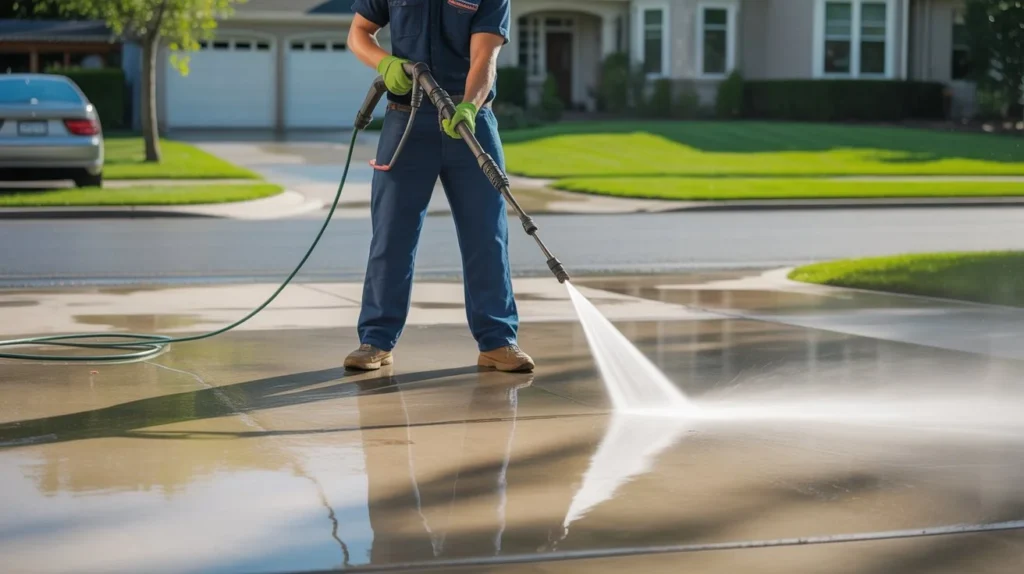
Keeping your driveway clean lies not only in how it looks to the eye but in how it helps you in keeping your driveway protected, damage-free, and safe. Many people conduct a walk-around, but professionals can delve deeper with superior equipment and techniques, yielding a more thorough result that lasts longer. So, how do the professional driveway cleaners clean? The Drainage Solutions Guide to Driveway Pressure Washing will explain the driveway washing procedure and also guide you on professional driveway cleaning methods and how you can clean the right way on different driveway types, and more… Plus, you’ll get some pro tips regarding how to deal with stains on concrete driveway slabs! Understanding Different Driveway Surfaces Before you find out how the pros clean driveways, you should know that the cleaning methods differ for each material. At VJ Pressure Washing, we use different techniques for concrete, brick, pavers, and asphalt surfaces to ensure safe and effective cleaning without causing damage. 1:Concrete Driveways. It is most common and durable, but it is susceptible to oil stains and yellowing. 2:Asphalt Driveways More fragile, so it needs less pressure to prevent harm. 3:Paver Driveways If made of bricks or stones, the cleaning process has to be approached with a lot of care in order not to damage the joints. 4. Gravel Driveways Not usually pressure-washed: get them cleaned by raking and removing weeds. Professional cleaning of each of them, if you want to clean your driveway like a professional. Driveway Pressure Washing Methods Pressure washing is one of the best ways to restore a dirty driveway. That said, How Do Professionals Clean Driveways? Professionals do much more than simply hose down the surface. They use specialized driveway pressure washing techniques, proper water pressure, and targeted cleaning solutions to remove deep stains, dirt, algae, and oil safely and effectively. 1. Basic pressure washing Utilizes a high-pressure water spray Cleans dust, dirt and mild stains on the surface Good for most types of concrete surfaces 2. Power Washing (Hot Water Cleaning) It employs heated water Works well on oil, grease and other stubborn stains Hot water is better than cold water 3. Surface Cleaner Attachment Rotating surface cleaner attachment to pressure washers No Streaks Cleaning evenly without streaks Great for large areas with its rotating discs, it is Perfect for large areas with ease and with a finish free of streaks 4.Soft Washing Pressure clean with very low pressure used for soft washing to apply the products For use on sensitive surfaces, including asphalt and pavers These techniques are chosen depending on the condition of the driveway Best Way to Clean Driveway Surfaces What to do if the driveway is dirty? I’m just listing the basic tasks that are followed in most situations by professionals. How to go about cleaning a driveway will really depend on what it is made from and how dirty it is: Inspection and preparation. Surface pre-treated with cleaning solution, Power Washing, or Pressure Washing, Spot Treatment of Stain, Final Rinse, and Drying. It is this systematic change that guarantees the cleanest and longest end result. Equipment Used by Professionals Professional driveway cleaning requires the use of specialized equipment that is much more powerful than what you would find in the average home. For reliable driveway washing Tracy CA services, professionals use commercial-grade pressure washers, surface cleaners, and stain treatment solutions to remove deep dirt, oil stains, mold, and grime effectively. Among the standard Tools Are: Commercial pressure washers Surface cleaners Chemical sprayers Brush machines (like roller scrubbers) Water treatment systems These devices enable the professionals to clean effectively and uniformly. Professional Driveway Cleaning Techniques NowDay Professional Driveway Cleaning Methods. Among our services is a broad range of cleaning services available to you, which You 1:Pre-Treatment with Cleaning Solutions The experts employ unique products to disintegrate: Oil stains Mold and Algae Filth Build Up This action “softens up the contaminants beneath the surface, but it doesn’t wash them.” 2 Agitation To tackle particularly tough stains, they bring out brushes or power tools. This lifts stains that pressing alone will not eliminate. 3. Brush Detergent Cleaning There are several chemicals to handle various stains. Oil degreaser cleaner Rust with acid-based cleaning materials For molds, one should use algaecides. 4. Post-Treatment Rinse A final rinse after washing is another way to prevent residue from lingering. How to Remove Stains from a Concrete Driveway Oil and grease stains Put on a degreaser Wait the rest10-15mins Brush and wash with water. Rust Stains Use acid-based products. Don’t go overboard; you can do damage. Mold and Mildew Spray with a commercial bleach-based or DIY solution. Apply detergents that are mild. Tire Marks Try a specialized or stain-specific detergent. Lightly scrub and rinse. Paint Stains Use paint thinners or paint removers. Then, pressure washes it out. Then, pressure washes it out. Specialists have a mere few seconds to apply the ideal mixture of chemicals and procedures to protect the surface. Best Way to Clean Driveway Surfaces Material and condition dictate the best approach for cleaning driveway surfaces, but the professionals typically rely on this method: Examen et préparation, Pretreatment with cleaning solutions, Pressure or power washing, Spot cleaning for stains, Final rinse and drying. This methodical process guarantees good cleaning results and durable effects. Conclusion From professional driveway cleaning tips to advice on how to clean stains from concrete driveway areas, How Do Professionals Clean Driveways? It involves much more than simply spraying water on the surface. Professionals inspect the driveway, treat stains properly, and use the right cleaning methods to remove dirt, oil, mold, and grime without damaging the concrete. To have a driveway that looks good, lasts longer, and stays protected, you really can’t go wrong with professional cleaning. Regular maintenance helps prevent stains, surface damage, and buildup that can wear down your driveway over time. If you want reliable results and a cleaner driveway, contact us today to schedule a professional driveway cleaning service. FAQs What do professionals use to clean driveways?
How to wash walls in house
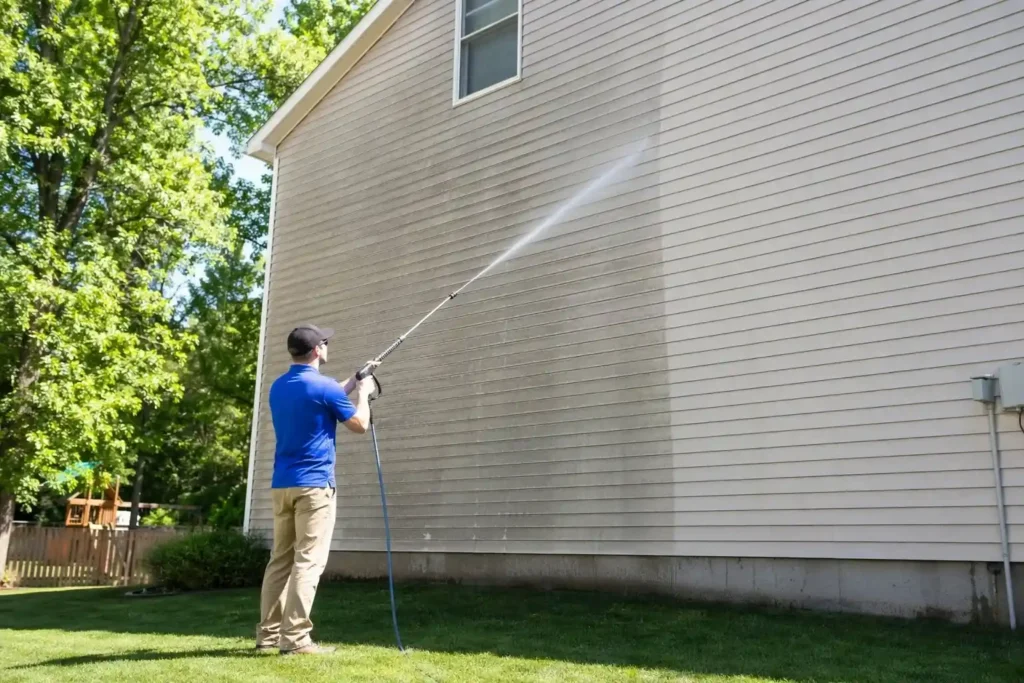
Dirty walls make even a clean room feel grimy. Scuff marks, grease, crayon lines, and dust buildup slowly steal the life out of your home. Most people clean floors and counters regularly but forget the walls entirely until the damage is obvious. The truth is, walls need attention too. Learning how to wash walls in house settings is easier than most people think. You don’t need expensive equipment. A few basic supplies, the right method, and a little patience go a long way. This guide walks you through everything, step by step. Signs Your Walls Need Cleaning Here are the clearest signs it’s time to clean: Visible dirt lines near light switches and door frames Yellow or brown stains from cooking grease or smoke Crayon, pen, or marker marks from kids Dust buildup along the top edges and baseboards Scuff marks from furniture, shoes, or bags A dull, flat look on paint that used to look bright If you see two or more of these, your walls are overdue. House cleaning habits often connect across different services, and this insight matters in both home and exterior care. House power washing Tracy CA Pro tip from VJ Pressure Washing: Walls in kitchens and hallways need cleaning more often than bedrooms. High-traffic areas collect grease, skin oils, and fingerprints fast. This same rule applies to dumpsters and surrounding areas too. High-use zones always need more frequent cleaning because buildup happens faster where activity is hea Tools and Supplies You’ll Need You don’t need much. Most of this is already in your home. Basic supplies: Two buckets (one for cleaning solution, one for rinse water) Soft sponges or microfiber cloths A soft-bristle scrub brush for tough spots A flat mop with a microfiber head (great for high areas) Drop cloths or old towels Painter’s tape Cleaning solutions: Wall Type Best Cleaner Painted walls (latex) Warm water + dish soap Semi-gloss or gloss paint All-purpose cleaner Flat/matte paint Very mild soap, minimal water Wallpaper Dry sponge or specialized cleaner Wood paneling Wood-safe cleaner, barely damp cloth Avoid bleach on painted walls. It strips color and damages the surface. Prepare the Room Before Washing Walls Skipping prep is where most people go wrong. Don’t rush this step. Step 1: Move furniture away from walls. Pull sofas, shelves, and tables at least two feet from the wall. This gives you space to work and protects your furniture. Step 2: Lay down drop cloths. Water drips. The cleaning solution drips. Protect your floors and any furniture you can’t move. Step 3: Remove wall art, frames, and outlet covers. Clean walls should be bare walls. This prevents water damage to anything hanging on them. Step 4: Dust the walls first. Use a dry microfiber cloth or a dry mop to wipe down the entire wall. Start from the top and go down. This removes loose dust and cobwebs before any water touches the surface. Step 5: Test your cleaner on a hidden spot. Before you commit to the whole wall, test your cleaning solution in a small, hidden area. Wait a few minutes. If the paint lifts, fades, or changes texture, switch to a milder cleaner. How to Wash Walls Step by Step This is the method that works. It’s straightforward and delivers clean results without damaging paint. Step 1: Mix Your Cleaning Solution Fill one bucket with warm water and a few drops of liquid dish soap. Don’t go heavy on the soap. Too many suds leave a residue that’s hard to rinse off. Fill the second bucket with clean water only. This is your rinse bucket. Step 2: Start from the Top, Work Down This is non-negotiable. If you start at the bottom, dirty water drips onto areas you’ve already cleaned. Always top to bottom. Wet your sponge or cloth, wring it out well, and start wiping. The cloth should be damp, not soaking. Step 3: Work in Small Sections Clean a two-by-two foot section at a time. Scrub gently in circular motions. For flat paint, use even less pressure. Step 4: Rinse Each Section After cleaning each section, go over it with your rinse cloth dipped in clean water. This removes soap residue. Soap left on walls attracts more dirt over time. Step 5: Dry as You Go Use a clean, dry microfiber towel to lightly dry each section before moving to the next. This prevents water streaks and keeps moisture from soaking into the drywall. Step 6: Tackle Stubborn Stains For grease, try a small amount of baking soda paste (baking soda + water). Apply it gently, let it sit for 2 minutes, then wipe clean. For crayon, a small amount of rubbing alcohol on a cotton ball works well on most painted surfaces. For scuff marks, a melamine foam eraser (like a Magic Eraser) does the job fast. But use it carefully on flat paint — it can dull the finish. Step 7: Clean Baseboards and Trim Last Once the main wall surface is clean and dry, wipe down the baseboards, trim, and door frames. These collect the most dust and grease. A damp cloth with a mild cleaner is usually enough. Best Way to Clean Different Wall Types Not all walls are the same. The best way to wash walls depends on your paint finish and surface material. Flat or Matte Paint This is the most delicate finish. It scratches and scuffs easily when scrubbed. Use a barely damp cloth Avoid scrubbing; blot gently Don’t use harsh cleaners Eggshell or Satin Paint More durable than flat paint. Handles mild soap and light scrubbing well. Warm water and dish soap work great Wring out your cloth thoroughly before use Rinse and dry quickly Semi-Gloss or Gloss Paint The easiest to clean. Common in kitchens, bathrooms, and trim areas. Can handle more scrubbing All-purpose cleaners are safe here Great at resisting moisture Wallpaper Never soak wallpaper. It warps, bubbles, and peels. Use a dry cleaning sponge for light dirt For small spots, a
What are the cons of pressure washing?
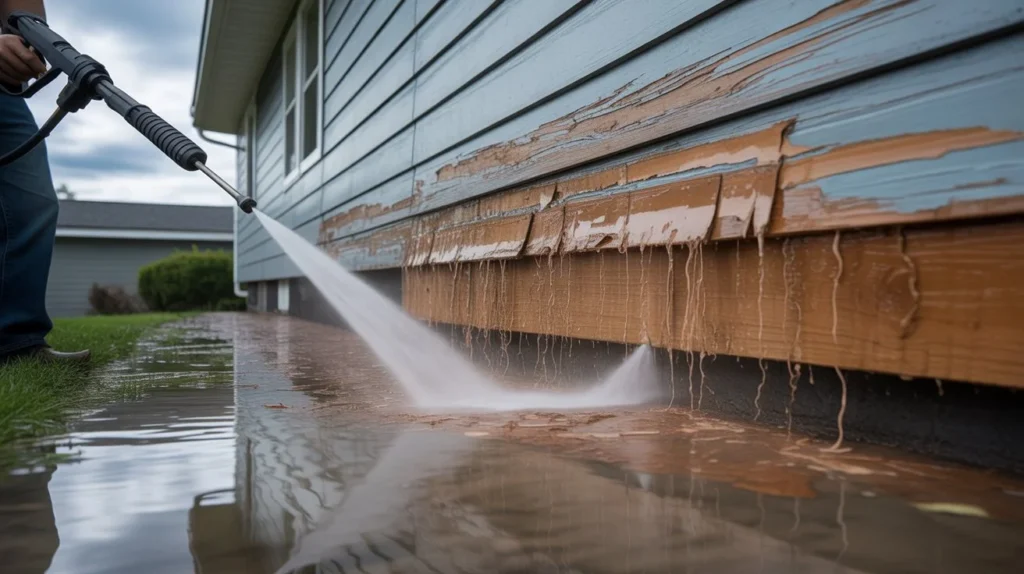
Pressure washing can clean fast, but it can also cause damage if used wrong. It uses high-pressure water that can harm surfaces, waste water, and create safety risks. Many homeowners focus on the shine but miss the downsides that come with it. So, what are the cons of pressure washing? The main issues include surface damage, water leaks, safety risks, and cost. In this guide, you will learn the real pressure washing risks so you can make a smart decision. Risk of Surface Damage One of the biggest disadvantages of power washing is how easily it can damage surfaces. The strong water stream can strip, crack, or wear down materials. Wood is very sensitive. High pressure can cause splintering and leave rough marks. Painted surfaces can lose their coating in seconds. Once paint peels, you may need a full repaint. Vinyl siding can bend or loosen. Even concrete is not fully safe. Too much pressure can leave visible lines or etching marks. This is a common case of pressure washer damage to surfaces. Many people think more pressure means better cleaning. That is not true. It often leads to costly repairs. If you are cleaning a roof, the risk is even higher. Shingles can break or lose their protective layer. This reduces their life and can lead to leaks. Water Intrusion Issues Water does not just clean the surface. It can also get inside places where it should not go. When water is forced into cracks, it can reach insulation, wiring, or wooden frames. Over time, this trapped moisture leads to mold growth. Mold is not just ugly. It can affect air quality and health. Fixing mold damage is often more expensive than the cleaning itself. Doors and windows are common weak spots. If seals are old, pressure washing can push water inside your home. This is one of the hidden pressure washing risks many homeowners ignore. You may not notice the problem right away, but it can show up weeks later. Safety Hazards Pressure washers are powerful tools. If handled wrong, they can cause serious injury. The water jet is strong enough to cut skin. Many accidents happen when users point the nozzle too close to their body. Even a short mistake can lead to deep wounds. Slippery surfaces are another issue. After washing, decks and driveways can become very slick. This increases the chance of falls. There are also electrical dangers. Using water near outlets or wires can lead to shocks. This is one of the major pressure washing safety concerns. Ladders add another level of risk. Many people use pressure washers while standing on a ladder. The force can push them off balance. Environmental Concerns Pressure washing may look clean, but the runoff water tells a different story. The water often carries dirt, oil, paint chips, and chemicals. This runoff can enter storm drains and reach local water sources. Plants and grass can also suffer. Strong water pressure can damage roots or wash away soil. Cleaning agents can harm nearby greenery. Water waste is another concern. A pressure washer uses a large amount of water in a short time. This can be a problem in areas with water limits. These environmental issues are often overlooked but are a key part of the disadvantages of power washing. Cost and Maintenance Factors Many people think pressure washing saves money. That is not always true. Buying a good pressure washer can be expensive. On top of that, you need hoses, nozzles, and cleaning solutions. Maintenance also adds cost over time. Repairs can cost even more. If you damage your siding or deck, fixing it may cost more than hiring a professional from the start. This is why some homeowners choose services like exterior house washing services tracy ca offered by VJ Pressure Washing. A trained team can reduce mistakes and long-term costs. Still, hiring experts also comes with a price. This makes cost one of the key factors when asking, what are the cons of pressure washing? Not Suitable for All Surfaces. Pressure washing is not a one-size-fits-all solution. Some surfaces need a gentler method called soft washing. This uses lower pressure and special cleaners. Older bricks can crumble under high pressure. Stucco can crack or chip. Wooden decks can lose their smooth finish. Roofs are another example. High pressure can damage shingles and void warranties. Many manufacturers do not recommend pressure washing at all. Understanding where not to use it helps avoid serious pressure washer damage to surfaces. Time and Skill Requirements Pressure washing may seem easy, but it takes skill to do it right. You need to know the correct pressure level for each surface. Using the wrong setting can cause damage in seconds. Technique also matters. Holding the nozzle too close or staying in one spot too long can leave marks. Learning these skills takes time. Beginners often make mistakes that lead to extra work or repairs. This is why many people underestimate the effort when asking, what are the cons of pressure washing? Noise and Disturbance Pressure washers are loud machines. The noise can disturb neighbors, especially in quiet areas. If you live in a residential zone, this can become a problem. Some areas even have noise rules for certain hours. The sound can also be stressful if used for long periods. It is not a major risk, but it is still a drawback worth noting. Risk of Overcleaning Cleaning too often can also cause harm. At VJ Pressure Washing, we often see issues caused by overuse. Repeated pressure washing can wear down surfaces over time. Paint fades faster, and wood becomes weaker, which can lead to costly repairs if not handled properly. Many homeowners think frequent cleaning keeps things in good shape. In reality, it can shorten the life of materials. This adds to the list of pressure washing risks that are easy to overlook. Conclusion Pressure washing is useful, but it is not risk-free. It can damage surfaces, cause water leaks, and create
Is powerwashing a driveway worth it?
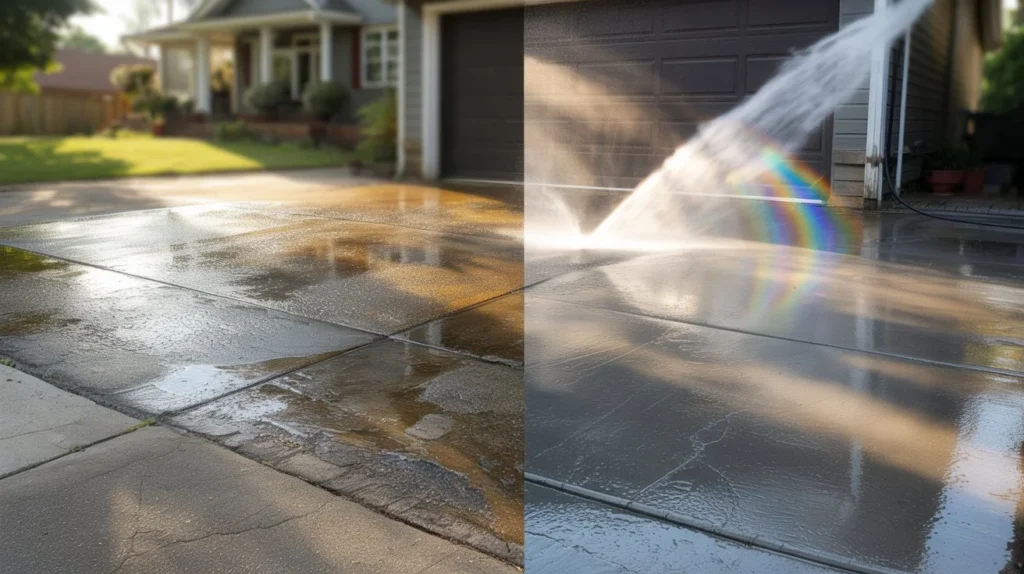
A dirty driveway changes how a home feels before you even step inside. Stains, moss, and oil marks build up slowly over time. Regular rain and traffic make it worse. Many homeowners ignore it until the surface looks old or unsafe. Cleaning it with high pressure water can restore the original look fast. Most people ask one simple thing before spending money or time on it. Is powerwashing a driveway worth it? The answer depends on the condition of your surface and how you maintain it. In many cases, it improves safety, appearance, and long term durability. It also helps remove buildup that normal washing cannot handle. Benefits of Power Washing a Driveway Power washing gives results that basic cleaning cannot match. It uses strong water pressure to lift deep dirt from concrete pores. This is where most stains sit. One of the main driveway pressure washing benefits is visual improvement. A clean driveway makes the whole property look fresh and cared for. This matters if you plan to sell your home or host guests. It also improves safety. Algae and moss can make concrete slippery. This is common in shaded or damp areas. Power washing removes this layer and reduces slip risk. Another benefit is long term protection. Dirt and grime can slowly break down concrete. Cleaning it regularly prevents early cracks and surface wear. Many homeowners also use it as part of seasonal upkeep. It pairs well with sealing and minor repairs. A clean surface helps sealant stick better. Signs Your Driveway Needs Cleaning Not every driveway needs frequent washing. But some signs are clear: Dark oil spots that spread over time Green or black patches from algae Rough or sticky surface texture Dust buildup that returns quickly after rain Visible tire marks that won’t fade If you notice these issues, cleaning becomes more than cosmetic. It turns into basic care. How Power Washing Works Power washing uses a machine that pushes water at high pressure through a nozzle. The force breaks dirt loose from concrete pores. Some cleaners also use mild detergents for tough stains. Hot water systems are used for oil-heavy surfaces. Cold water is enough for dust and algae in most cases. The key is pressure control. Too much pressure can damage older concrete. This is why technique matters more than power. Potential Drawbacks Power washing is useful, but it is not perfect. First, wrong pressure settings can damage concrete. Older driveways are more sensitive. Surface lines or etching can appear if used carelessly. Second, it is not a permanent fix. Dirt returns over time. Without maintenance, results fade in a few months. Third, water usage can be high. This may matter in dry areas. Lastly, DIY attempts can go wrong without experience. Many people overuse pressure and end up with uneven cleaning marks. When It Is Worth It There are situations where cleaning clearly makes sense. If your driveway has oil stains, algae growth, or heavy dirt, cleaning brings strong value. It improves safety and appearance in one step. It is also worth it before selling a home. First impressions matter in real estate. A clean driveway often improves perceived property value. Homeowners using services like driveway washing service tracy ca from VJ Pressure Washing often see fast visual improvement without risking surface damage. In these cases, is power washing a driveway worth it? becomes an easy yes because the return is clear and immediate. When It May Not Be Necessary There are times when you can skip it. If your driveway is fairly new and clean, simple rinsing may be enough. Light dust does not need deep cleaning. If there are no stains, algae, or buildup, pressure washing adds little value. Budget also matters. If the concrete cleaning cost is too high for your current situation, you can delay it and focus on spot cleaning instead. In dry climates with low debris, annual washing may be enough instead of frequent cleaning. DIY vs Professional Power Washing Many homeowners debate between doing it themselves or hiring a service. DIY Approach DIY can save money. Rental machines are available at hardware stores. You control timing and effort. But there are risks: Incorrect pressure can damage concrete Uneven cleaning marks may appear Oil stains often need stronger treatment No professional-grade equipment DIY works best for light cleaning, not deep stains. Professional Service Professional cleaners understand pressure levels and surface types. They also use better equipment and cleaners. They can handle stubborn issues like oil spots and deep grime. They also work faster and reduce risk of damage. When comparing results, professionals usually deliver a more even finish. Many homeowners compare concrete cleaning cost with time saved and risk avoided. In most cases, hiring a service becomes more practical. For example, VJ Pressure Washing handles full driveway restoration with controlled pressure and safe cleaning methods. How to Remove Oil Stains from Driveways Oil stains are one of the hardest problems. Basic rinsing does not work. You need degreasers or hot water pressure washing. The longer oil sits, the deeper it sinks into concrete. A good method includes: Absorbing fresh oil quickly with powder or sand Using degreaser before washing Applying high pressure in controlled passes Repeating treatment if needed These exterior surface cleaning tips help reduce long term staining and improve results. Maintenance Tips After Power Washing Cleaning once is not enough. Maintenance keeps results longer. Sweep driveway weekly Rinse spills quickly Avoid parking leaking vehicles on bare concrete Apply sealant every 1–2 years Clean light stains early Small habits reduce future cleaning effort. Environmental Considerations Power washing uses water and sometimes detergents. Eco-friendly cleaning products reduce impact on soil and plants. Many professionals now use biodegradable cleaners. Proper drainage also matters. Water should not flow into garden beds or storm drains with chemicals. Responsible cleaning protects both the surface and surroundings. DIY vs Professional Cost Comparison DIY costs include rental machines, water, and cleaning agents. It may seem cheaper upfront. Professional services cost more but
How much does it cost to pressure wash a house
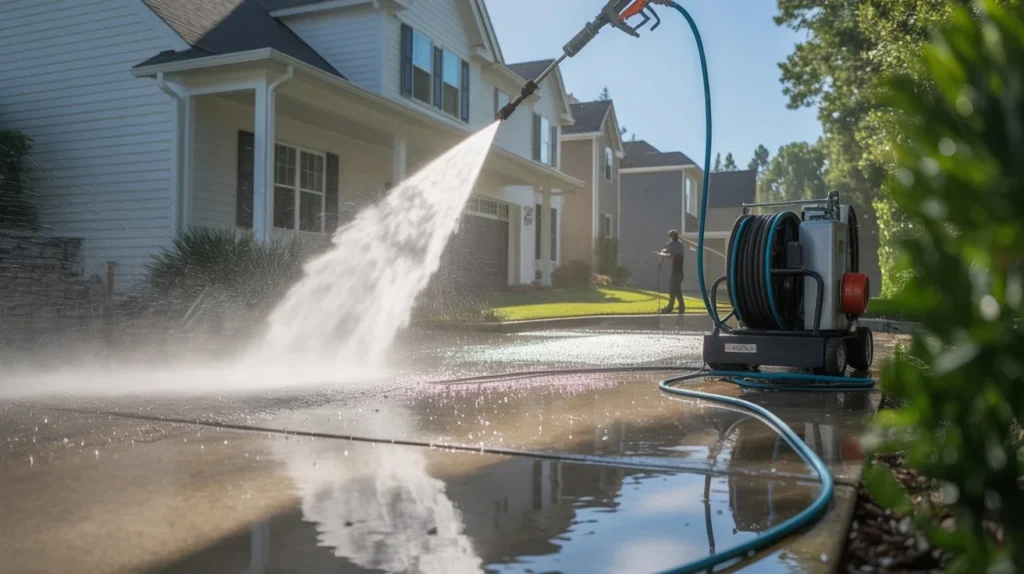
Over time, grime, mildew and different materials can increase to your deck, roof and siding. That ought to bring about discoloration, terrible slash appeal, and withinside the case of mildew, fitness risks. Pressure washing may be the efficient manner to dispose of stains and undesirable outside debris. Of course, there`s a value to pressure washing, and it’s going to hinge on elements just like the size of your home and whether or not you do the work yourself or outsource it. If you are new to pressure washing, you`ll need to recognize what price you`re searching at and whether or not it can be paid to a professional. Factors that Impact How Much Pressure Washing Costs Understanding price elements allows you to expect wherein your mission might also additionally fall at the stress washing pricing spectrum. 1:Square Footage Many experts calculate pricing primarily based totally on square ft, which allows a correct estimate for surfaces of various sorts and sizes. The usual price falls between $0.08 and $0.50 in keeping with square foot, relying on how tough the floor is to smooth and the extent of buildup. For distinctive regions, right here is how square ft is usually measured: Siding: Combined top x width of every outdoors wall Driveways and walkways: Length × width of floor Decks and fences: Floor area, plus railings if included Roofs: Combined length x width of every segment of the roof, adjusted to account for steepness 2:Home Size For house power washing Tracy CA, home length is a key price factor. Larger houses take more time, need more cleaning solutions, and may require a different cleaning method, which increases the overall cost. Less than 1,000 sq. ft.: $300-$800 1,000-2,000 sq. ft.: $375-$1,600 2,000 – 3,000+ sq. ft: $600-$2,000+ 3:Home Height Height is regularly certainly considered one among the most important elements affecting price. Tall houses require extra tools, like extension wands, ladders, or protection systems to get admission to better regions safely. One-tale houses: Typically variety among 900 to 1,200 square ft and are commonly the less expensive at $72-$1,000. Two-tale houses: Typically variety among 1,500 to 2,000 rectangular ft, requiring extra time and reach. Pressure washing a two-tale domestic can price $120-$1,600. Three-tale houses or houses with peaks and dormers: Typically variety among 2,500 to 3,000 rectangular ft. Accessing the 1/3 tale is normally beyond the scope of all pressure washing companies, that means this mission would require a scissor elevator or a few different manners to the 1/3 tale. In those situations, stress washing can cost anywhere from $200 to $2,800. 4:Project Type Different regions of your home might also additionally have distinctive price primarily based totally on length, accessibility, and soil level. Here are common sorts and what to expect: Exterior residence washing: A complete wash gets rid of mold, mildew, and dust from siding and trim. This is normally priced better than single-floor tasks as it covers a massive area. Driveways: Driveways regularly gather oil stains, tire marks, and dust, so they will require extra attempt or pre-treatment. Patios and walkways: Concrete, stone, and pavers advantage from periodic cleansing to save you discoloration and slippery buildup. Deck and fence cleansing: Wood and composite substances require a mild touch, regularly with tender washing or cautiously controlled stress. Roof washing: To keep away from adverse shingles, roofs are usually tender washed. Gutters: This gets rid of oxidation and streaks to assist brighten the advent of your home`s trim. 5:Surface Type Each cloth reacts in a different way to pressure, so experts alter cleansing techniques accordingly. This enables shield surfaces at the same time while clean. Vinyl siding: Requires slight pressure, expenses variety from $0.30-$0.40 according to square foot Brick: Durable however can lure dust in crevices, expenses variety from $0.31-$0.37 according to square foot Stucco: Porous and delicate, expenses variety from $0.33-$0.45 according to square foot Wood decks or fences: Prone to splintering if washed too aggressively, expenses variety from $0.35-$0.50 according to rectangular foot Composite decks: Sensitive to excessive pressure, expenses variety from $0.50-$2.00 according to square foot Metal siding: Often used to clean Asphalt: Most usually use material for roof shingles, expenses variety from $0.50-$1.00 according to rectangular foot. Pressure washing price per square foot. The nationwide average cost to pressure wash a home ranges from about $0.08 to $0.47 per square foot for houses between under 1,000 and 5,000 square feet. With VJ Pressure Washing, your exact price will depend on where you live and the specific pricing model used, ensuring a fair and accurate estimate for your home. Here’s a examine countrywide common pressure charges through a property’s general square ft: Square footage Average fee Square Footage Price Range (USD) 1,000 or less $190 – $291 1,000 – 2,000 $273 – $408 2,000 – 3,000 $331 – $488 3,000 – 4,000 $414 – $599 4,000 – 5,000 $550 – $834 How a whole lot does it feel to stress wash a residence? In common, the cost to pressure wash a residence stages from around $241-$418. Here’s a examine expenses primarily based totally at the property’s height: 1 story: $218-$363 2 stories: $279-$472 3 stories: $286-$509 Remember: These expenses can differ depending on the sort of siding you have, the rectangular footage, how grimy your property is, and more. Your residence’s siding is one in all many things you could stress wash. Here’s a rundown of the countrywide common expenses to pressure wash different regions and systems round your home. How to save on pressure washing. If you`re on a good budget, attempt the usage of those techniques to shop cash: Take Advantage of Seasonal Discounts and Promotions Look for seasonal reductions and promotions. Pressure washing provider companies to your place may also provide seasonal reductions and promotions. These reductions assist you to save money, specifically in case you plan your cleansing initiatives accordingly. Search for unique gives throughout slower seasons, which include wintry weather or early spring. During those times, strain washing agencies can
What’s the best way to clean a driveway?
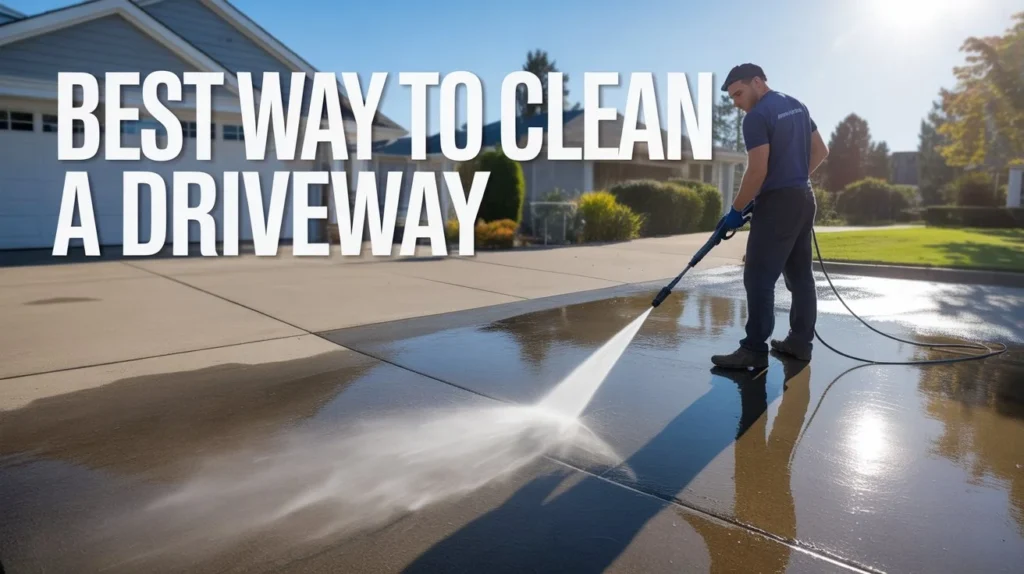
Your driveway is sort of a carpet for your car. It`s a platform for displaying your car because it slowly works its way once in a while pausing for photos, of course in your garage. But in case your driveway is stained, dirty, or in any other case unsightly, what precisely are you displaying off? Instead of hiding out from your neighbors and the paparazzi, reclaim your glamorous popularity with the aid of analyzing our manual on a way to smooth your driveway. What Gets Your Driveway So Dirty? Driveways are designed to get beat up. A fleet of cars frequently pulls in and out, and wind, rain, and the solar frequently beat at the pavement`s surface. So, it shouldn`t be too sudden that now and again driveways get dirty. Specifically, driveways are liable to a number of hazards: Black algae Dirt and mud Grease and oil Green algae Moss The natural growths indexed right here thrive in damp, darkish environments. If your driveway sits withinside the coloration, otherwise you stay in a humid area, you’re much more likely to cope up with those issues. On the other hand, grease and oil stains are not an unusual place on driveways, mainly in case you maintain a car parked out of doors as opposed to for your garage. If your driveway is crafted from asphalt, they’ll be much less noticeable, however they nevertheless require cleaning. Should I Be Cleaning My Driveway? Cleaning your driveway can look like a massive task, however it’s far one which wishes doing each as soon as in at the same time as. From concrete, to tarmac to paving stones, every fabric has its very own traits that dictate the handiest cleansing methods. For example, concrete is porous and might soak up stains, while asphalt is softer and greater at risk of floor harm. Understanding the fabric of your driveway guarantees you pick out the best cleansing merchandise and techniques, and may save you any harm alongside the way. Professional driveway washing service Tracy CA can help prevent damage that may shorten the lifespan of your driveway, saving you from costly paving repairs sooner than expected. Checklist: Tools and Cleaning Products for Driveways Cleaning a driveway correctly begins with the use of the suitable gear and tools tailor-made to the sort of surface you have. Essential gear consist of a high pressure washer, a strong scrub brush, a broom, and a lawn hose. When selecting cleansing agents, it`s essential to suit the product in your driveway fabric. For example, an expert concrete cleanser works great on concrete, at the same time as a milder asphalt cleanser is more appropriate for asphalt surfaces. For a greener approach, take into account green options along with vinegar or baking soda solutions. What are the one of a kind driveway cleansing methods? There are 3 driveway cleansing methods. Here are the common ones discussed below. Using a pressure washer Some people like to smooth driveways with the aid of using pressure washers themselves. These beneficial driveway-cleansing offerings are to be had for buy or rent. We need to stress that mistaken coping with pressure washers ought to result in injuries, so first-time customers should exercise utmost care with the aid of reading, understanding, and following the practice guide earlier than the use of them. As with any do-it-yourself (DIY) task, continually put on protection tools while the use of this gadget. Cleaning your driveway manually This driveway cleansing technique calls for a multi-purpose cleansing answer and guide scrubbing to eliminate cussed stains and unfasten debris. Avoid the use of cleansing dealers with sturdy chemical compounds that might harm your driveway, and pick ones which are well suited together along with your paving materials. You can smooth your driveway manually when you have the time, competencies, and power to spare. Professional cleansing Hiring authentic driveway cleaners is the first-class method of getting a smooth driveway. Professionals like us have the proper competencies and gadgets to offer fantastic consequences and prevent you from spending your weekend brushing and scrubbing. The fee of cleansing offerings will rely on numerous factors, along with the dimensions of your driveway and the sort of floor that desires cleansing. You may also need to spend extra on extra offerings like driveway sealing. How to easy a driveway Regular maintenance will maintain your driveway easy and alluring for years to come. Below, you`ll locate the satisfactory driveway cleansing practices. Assess your driveway`s situation Evaluate your driveway`s situation earlier than beginning. Look for regions with cussed stains, cracks, or any essential repairs. Understanding the troubles will assist you select the most appropriate cleansing methods, products, and different mission requirements. Gather the essential gear and materials To easy your driveway effectively, accumulate the subsequent gear and materials: Broom or leaf blower to cast off free debris Stiff-bristle brush or broom for scrubbing Pressure washing machine or lawn hose with an adjustable nozzle Cleaning answer suitable to your driveway material (e.g., detergent, degreaser, or particular cleaners) Safety goggles, gloves, and protecting clothing Before starting up to paintings, you need to recognize the pressure washer commands and decide the satisfactory cleansing solution to your driveway floor. Prepare the area Prepare the encompassing area with the aid of disposing of any objects, vehicles, or barriers from the driveway. Cover closed plants, sensitive surfaces, or gadgets sensitive to cleansing sellers or strain washing. Apply the cleansing solution Use an industrial or home made cleanser to cast off hard stains. Concrete driveway stains and greases can be eliminated by the use of slight detergent, water, or a concrete cleanser. Follow the product commands for dilution ratios and methods. Specific stains, like rust, mould, or mildew, may also require different cleansing products. Seek expert advice. Asphalt driveways are greater touchy, so keep away from harsh chemical substances which could harm them. For paver driveways, keep away from acid-primarily based totally cleaners which could discolour or harm the pavers. Apply the cleansing solution throughout
What Is Gutter Cleaning
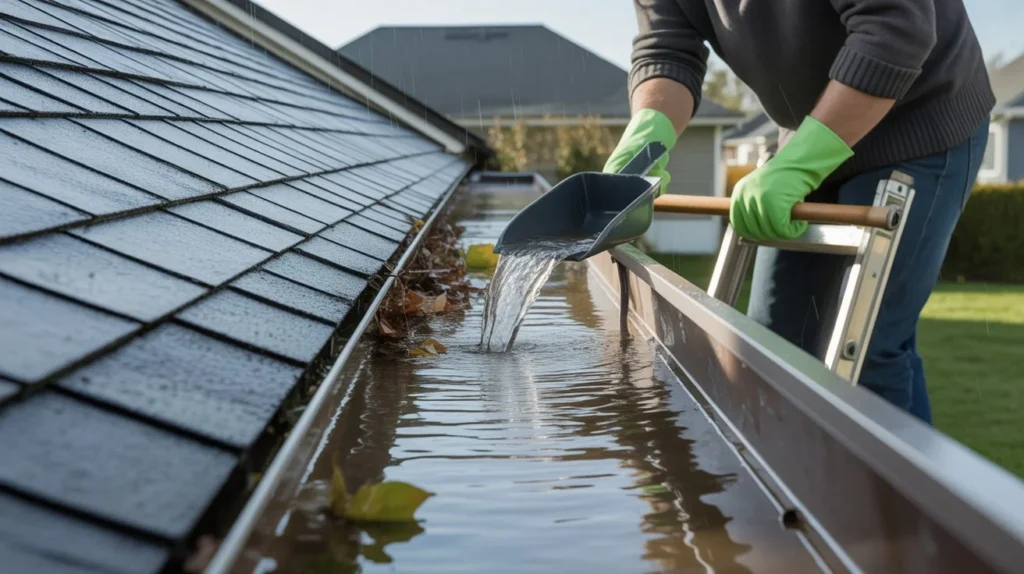
Gutters protect your home by moving rainwater away from the roof and walls. When they clog, water spills over and causes damage. Leaves, dirt, and debris build up fast, especially during seasonal changes. If ignored, this small issue can lead to costly repairs. Keeping gutters clean is one of the simplest ways to protect your home and avoid stress later. So, what is gutter cleaning? It is the process of removing debris from gutters and downspouts to keep water flowing properly. It also connects to a common concern, how often should i clean gutters, which most homeowners ask when planning maintenance. What Is Gutter Cleaning? Let’s keep it simple. What is gutter cleaning? It is the process of clearing leaves, dirt, twigs, and other debris from your gutter system. Gutters sit along the edge of your roof. Their job is to carry rainwater away from your home. When they get blocked, water cannot flow properly. So, gutter cleaning means removing anything that stops water from draining. This includes cleaning both the gutters and the downspouts. You can do it by hand, with tools, or by hiring professionals. The goal is always the same. Keep water moving safely away from your home. Why Gutter Cleaning Is Important The importance of gutter maintenance cannot be ignored. Clean gutters protect your home from several problems. First, they prevent water damage. Blocked gutters overflow and soak your walls. Second, they protect your roof. Water buildup can cause leaks and wood damage. Third, they keep your foundation safe. Water pooling near your home can cause cracks. Fourth, they reduce pest problems. Debris attracts insects and small animals. When you clean the gutters regularly, you avoid these issues and keep your home in good shape. For reliable results and safe service, you can always trust VJ Pressure Washing to handle your gutter maintenance with care and expertise. What Happens If You Don’t Clean Gutters? Ignoring gutter cleaning leads to bigger problems over time. Water starts to overflow during rain. This damages siding and walls. Roof leaks may develop. Moisture weakens wood and causes mold. Your foundation may crack. Water collects around your home and weakens the base. Plants can grow in gutters. This adds weight and causes sagging. Pests may move in. Birds and insects love clogged gutters. So, if you wonder again what is gutter cleaning, think of it as prevention. It stops small issues from turning into expensive repairs. How Gutter Cleaning Works The process is simple but important. It requires care and attention. First, debris is removed by hand or with tools. Leaves, dirt, and twigs are cleared out. Next, gutters are flushed with water. This checks if water flows properly. Then, downspouts are cleaned. Any blockages are removed to ensure proper drainage. Finally, the system is inspected. Any cracks or loose parts are fixed. If you want reliable results, professionals like VJ Pressure Washing offer expert help. Their gutter cleaning services tracy ca ensure your gutters are cleaned safely and completely. This step-by-step method explains what is gutter cleaning in real action. Tools Used for Gutter Cleaning You need the right tools to do the job safely. A sturdy ladder helps you reach the gutters. Always place it on stable ground. Gloves protect your hands from dirt and sharp debris. A scoop or small tool helps remove debris quickly. A garden hose is used to flush out remaining dirt. Safety gear like goggles adds extra protection. Using proper tools makes it easier to clean the gutters without risk. DIY vs Professional Gutter Cleaning Homeowners often ask whether to do it themselves or hire help. DIY Cleaning DIY cleaning saves money. You can do it with basic tools at home. But it takes time and effort. Climbing ladders can also be risky. You must be careful and follow safety steps. Professional Cleaning Professionals handle the job quickly and safely. They have the right tools and experience. They also inspect your gutters for damage. This helps prevent future problems. For large homes or heavy buildup, professional cleaning is the better option. Benefits of Regular Gutter Cleaning Regular cleaning offers long-term benefits It protects your roof from water damage and saves repair costs It keeps your foundation strong by directing water away properly It improves home safety by reducing the risk of leaks and mold It extends gutter life so they last longer and work better The importance of gutter maintenance becomes clear when you look at these benefits. Tips to Keep Gutters Clean Longer You can reduce cleaning time with a few simple steps Install gutter guards to block large debris from entering Trim nearby trees to reduce leaf buildup Check gutters after storms and remove small debris early Make sure gutters are properly sloped so water flows easily These tips help reduce how often you need to clean the gutters. Common Mistakes to Avoid Many homeowners make simple mistakes that lead to damage Cleaning once a year is not enough because debris builds up quickly Ignoring downspouts is a common issue since blockages stop water flow Skipping safety steps can be dangerous, so always use a stable ladder Waiting too long makes the job harder as small clogs turn into big problems Avoid these mistakes to keep your gutters working well Extra Insight: How Often Should You Clean Gutters? Even though this article explains what is gutter cleaning, many homeowners also ask about timing. Most homes need cleaning twice a year. Spring and fall are the best times. Homes with many trees may need cleaning more often. Storm-prone areas also require extra checks. So, when asking how often should i clean gutters, think about your surroundings and weather. Conclusion Gutter cleaning may seem like a small task, but it plays a big role in home care. It protects your roof, walls, and foundation from damage. Now you know what is gutter cleaning and why it matters. It is simply the process of removing debris to keep water flowing properly. If you stay
How Often Should I Clean Gutters? The Complete Homeowner’s Guide
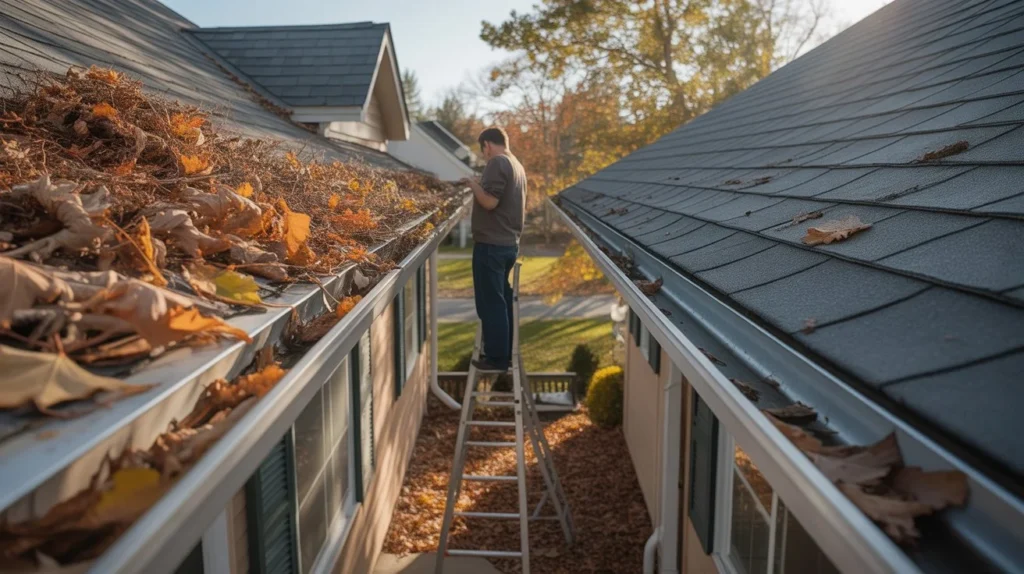
Gutters do one job: move water away from your home. But when they fill up with leaves, dirt, and debris, they fail fast. Most homeowners ignore them until something goes wrong, and that’s where the real damage starts. A little maintenance now saves you a lot of money later. So, how often should I clean gutters? For most homes, twice a year is the standard. But depending on your trees, roof type, and local weather, you may need to clean them more. This guide covers everything you need to know to stay ahead of it. How Often Should I Clean Gutters? How Often Should I Clean Gutters? The short answer: clean your gutters at least twice a year. Once in late spring and once in late fall. But that’s a baseline, not a rule for everyone. Here’s a quick breakdown based on your situation: Situation Recommended Frequency Few trees nearby Twice a year Moderate tree coverage 3 times a year Heavy tree coverage (pine, oak) 4+ times a year After major storms As needed Gutter guards installed Once a year minimum If you live in an area with heavy rainfall or frequent storms, check your gutters after each major weather event. Even a “cleaned” gutter can collect fast-moving debris in a single bad storm. Why Regular Gutter Cleaning Is Important Gutters protect your home’s foundation, walls, roof, and landscaping. When they clog, water has nowhere to go. It overflows, seeps into places it shouldn’t, and causes damage that builds silently. Here’s what regular cleaning actually protects: Your foundation — Overflowing water pools around the base of your home and can cause cracks over time. Your roof — Standing water in a clogged gutter can back up under shingles and rot the wood. Your siding — Water constantly running down the outside of your walls stains and warps siding. Your basement — Flooded gutters are one of the top reasons basements take on water. Your landscaping — A waterfall effect from clogged gutters destroys flower beds and erodes soil. Regular gutter maintenance isn’t just about the gutters. It’s about protecting your entire home. If you’re in the Central Valley and want this handled by professionals, VJ Pressure Washing offers a trusted gutter cleaning service Tracy CA homeowners rely on for thorough, reliable results. Signs Your Gutters Need Cleaning Don’t wait for the calendar to tell you it’s time. Your gutters will show you. Watch for these warning signs: Water spilling over the sides This is the most obvious sign. If rain pours over the edges instead of through the downspout, there’s a blockage. Plants growing in your gutters Dirt, seeds, and moisture are all that a weed needs. If you see greenery sprouting from your gutters, they’ve been neglected too long. Sagging gutters Wet, heavy debris weighs down gutters. If they’re pulling away from the fascia board, clean them immediately before the hardware fails. Staining on siding Dark streaks running down your exterior walls mean water is overflowing consistently. Animals or pests near your roof line Birds, squirrels, and insects love clogged gutters. Debris makes a perfect nesting spot. No water coming from downspouts during rain If it’s raining hard and nothing’s coming out of your downspout, the gutter or the downspout is blocked. Basement dampness after rain This one isn’t always obvious, but consistent moisture in the basement after rainstorms often traces back to gutters that are dumping water against the foundation. What Happens If You Don’t Clean Gutters? Skipping gutter cleaning isn’t just a maintenance issue. It’s a financial risk. Here’s what can happen when gutters go uncleaned for too long: Roof damage — Water backing up under shingles leads to rot, mold, and leaks. A roof repair can cost thousands. Foundation cracking — Water that pools around the foundation due to overflowing gutters puts pressure on concrete. Foundation repair is one of the most expensive fixes a homeowner faces. Fascia and soffit rot — The wood behind your gutters absorbs standing moisture and begins to rot. This weakens the structure that holds your gutters in place. Mold growth — Moisture from clogged gutters seeps into walls and attic spaces, creating conditions for mold to spread. Mold remediation is costly and disruptive. Ice dams in winter — In colder climates, clogged gutters trap water that freezes and expands. Ice dams form and push back under shingles, causing serious leaks when things thaw. Pest infestations — Stagnant water in gutters breeds mosquitoes. Wet debris attracts rodents, birds, and insects. These pests can work their way into your home. The cost of cleaning gutters twice a year is minor compared to any one of these repairs. Factors That Affect Gutter Cleaning Frequency How often do you need to clean gutters? That depends on several factors specific to your property. Tree Coverage This is the biggest factor. If you have oak, pine, maple, or other heavy-shedding trees near your roofline, debris falls constantly. Pine needles in particular are notorious for getting past gutter guards and causing blockages. Your Roof Pitch Steeper roofs shed debris faster into gutters. Low-pitched or flat roofs collect more debris on the surface, which eventually slides into gutters during rain. Your Climate Areas with heavy rain, frequent storms, or strong seasonal winds will need more frequent cleaning. If you get a lot of fall foliage, budget for at least one cleaning after the leaves drop. Type of Gutters Wider gutters (6-inch K-style) handle more debris than standard 5-inch gutters. If your gutters are older or smaller, they clog faster. Gutter Guards Gutter guards reduce cleaning frequency but don’t eliminate it. You still need to check and clean at least once a year. Fine mesh guards handle small debris better than cheaper screens. Your Home’s Age Older homes often have gutters that weren’t installed correctly. Poor slope, low-quality hangers, or undersized downspouts mean faster clogging. Inspect older systems more often. DIY Gutter Cleaning vs Professional Service Both options work. The right choice depends on your comfort level, safety,