
Eco-Friendly Pressure Washing: Safe Ways to Clean Your Driveway

A clean driveway improves curb appeal and keeps your property looking well cared for. Dirt, oil, mold, and tire marks slowly build up on concrete and pavers. Many homeowners use harsh chemicals to remove these stains. That can harm plants, soil, and nearby water systems. A safer approach exists that still delivers strong cleaning results. Eco-Friendly Pressure Washing uses safer methods and biodegradable cleaners to remove stains without harming the environment. It protects your driveway surface, nearby landscaping, and local water systems while still providing deep cleaning. What Is Eco-Friendly Pressure Washing? Eco-Friendly Pressure Washing is a cleaning method that removes dirt, mold, and stains while reducing environmental impact. It relies on controlled water pressure and biodegradable cleaning solutions instead of harsh chemicals. Traditional pressure washing often uses strong detergents that flow into storm drains. These chemicals can affect plants and waterways. Green cleaning methods focus on safer products that break down naturally. Professionals also adjust water pressure based on the surface type. High pressure may damage concrete or decorative pavers. Eco-friendly methods balance pressure and cleaning agents to protect the material. Many homeowners search for sustainable cleaning solutions when hiring a driveway washing service tracy ca. Companies like VJ Pressure Washing use eco-safe products and water-saving equipment. This approach delivers strong results while protecting the local environment. Another part of this process is using an eco friendly pressure washer. These machines control water use and reduce waste while still providing enough power to remove stains. Why Eco-Friendly Driveway Cleaning Matters Protects Local Water Systems When chemicals wash off a driveway, they often enter storm drains. These drains lead to rivers and lakes. Harsh cleaners can pollute water and harm wildlife. Eco-safe cleaning solutions break down naturally. They reduce chemical runoff and keep nearby water cleaner. Protects Plants and Landscaping Strong detergents may damage grass, flowers, and shrubs. Many eco cleaners use plant-based ingredients. These products remove stains without harming nearby plants. Safer for Families and Pets Children and pets often walk or play in the driveway area. Harsh chemicals may leave residue on the surface. Eco cleaners reduce that risk. Preserves the Driveway Surface Very high pressure can crack concrete or loosen pavers. Eco-friendly methods rely on balanced pressure and targeted cleaning solutions. Common Driveway Stains and Green Cleaning Solutions Driveways face daily exposure to dirt, cars, and weather. Each stain type requires the right cleaning approach. Oil and Grease Stains Oil stains from vehicles are common. They soak into porous concrete and create dark patches. A natural eco friendly driveway cleaner often uses citrus or plant-based ingredients. These cleaners break down oil without harsh chemicals. Mold, Mildew, and Algae Moist areas allow mold and algae to grow. This makes the driveway look dirty and can also create slippery surfaces. Eco cleaning solutions remove these organic stains safely. They target the growth without harming nearby landscaping. Dirt and Tire Marks Cars leave rubber marks on the driveway. Dirt from rain and wind builds up over time. An eco friendly pressure washer combined with biodegradable detergent lifts these marks without damaging the surface. Rust and Mineral Stains Metal objects or water with high minerals may cause rust stains. Eco-safe cleaners designed for mineral buildup can remove these spots without harsh acids. Safe Eco-Friendly Pressure Washing Methods Cleaning a driveway safely requires the right methods and tools. Using Biodegradable Cleaning Solutions The most important step is choosing the right detergent. Eco cleaners break down naturally and do not stay in soil or water. These products remove stains while remaining safe for plants and pets. Controlled Water Pressure Concrete is strong but still vulnerable to excessive force. Professionals adjust pressure based on the material. Lower pressure combined with proper cleaning solutions removes stains without damage. Water Efficient Equipment Many modern machines use less water while producing strong cleaning power. A professional eco friendly pressure washer can clean a driveway using far less water than a hose. This helps conserve water while still achieving a deep clean. Soft Washing for Sensitive Areas Some driveways include decorative stone or sealants. These surfaces require a low-pressure method known as soft washing. Soft washing uses eco-safe cleaners and gentle pressure. It removes mold and dirt without harming the surface. Surface Cleaning Tools Flat surface cleaners attach to pressure washers. They clean evenly and reduce water waste. These tools also prevent streaks. Using these tools is part of responsible eco-friendly power washing. Benefits of Professional Eco-Friendly Pressure Washing Many homeowners try DIY driveway cleaning. While it may work for light dirt, professional service offers several advantages. Better Equipment Professional cleaners use commercial equipment designed for large surfaces. This allows deeper cleaning with less water waste. Proper Cleaning Solutions Experts know which eco friendly driveway cleaner works best for each stain type. Using the wrong cleaner may leave stains behind or damage the surface. Surface Protection Professional cleaning protects the driveway material. High pressure used incorrectly can cause cracks or erosion. Experienced technicians adjust pressure and cleaning solutions for safe results. Time and Effort Savings Driveway cleaning can take hours with basic tools. A professional team can complete the job quickly and effectively. Long-Term Maintenance Routine Eco-Friendly Pressure Washing prevents buildup that leads to permanent stains. Regular cleaning helps driveways last longer. Tips to Maintain a Clean Driveway Naturally Regular care keeps a driveway looking fresh between cleanings. Sweep the Driveway Weekly Loose dirt and debris build up quickly. Regular sweeping prevents grime from settling into the surface. Clean Spills Quickly Oil and fuel stains become harder to remove over time. Absorb spills early with baking soda or a natural cleaner. Rinse With Water Occasional rinsing removes dust and pollen. A simple rinse reduces buildup that may later require deeper cleaning. Seal the Driveway Concrete sealants protect the surface from moisture and stains. Sealing also makes future cleaning easier. Schedule Seasonal Cleaning Professional Eco-Friendly Pressure Washing once or twice a year helps maintain the driveway and prevent stubborn stains. Common Mistakes to Avoid Many homeowners accidentally damage
A Step-by-Step Guide to Driveway Washing: From Preparation to Finish
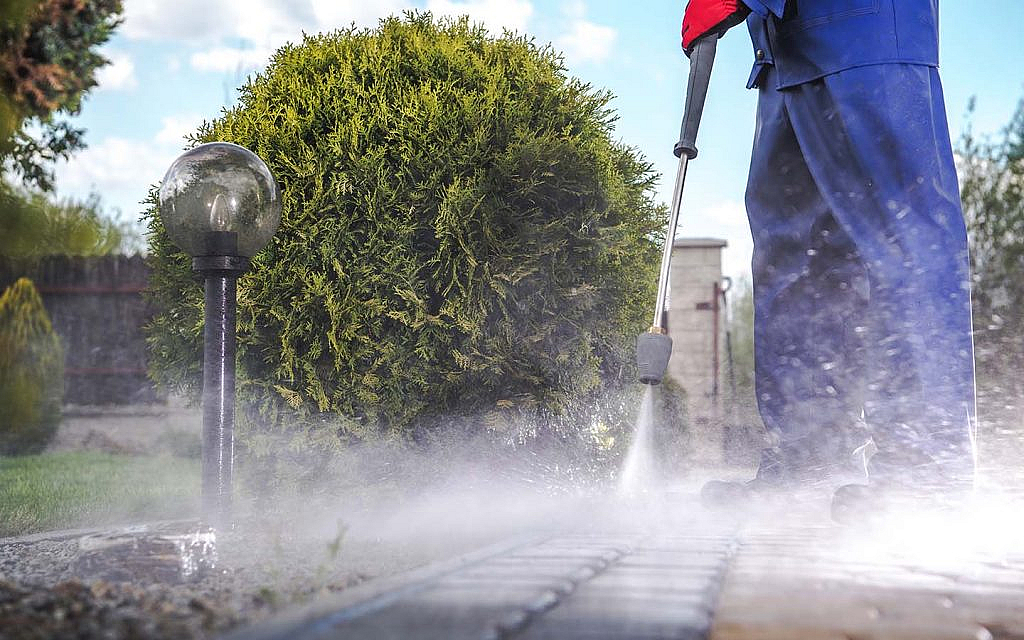
A clean driveway instantly improves your home’s curb appeal and prevents damage from dirt, oil, and moss. Over time, neglecting your driveway can lead to stains, cracks, and slippery surfaces, affecting safety and home value. A Step-by-Step Guide to Driveway Washing shows you how to restore your driveway efficiently. By following the right process, you can remove stubborn stains, protect your driveway material, and maintain a fresh, safe surface for years. This guide is practical, easy to follow, and uses safe, proven methods. Why Driveway Cleaning Matters Driveway cleaning is more than just appearance. Dirt, algae, and moss retain moisture, which can damage concrete, asphalt, or pavers. Oil spills and grime also degrade the surface over time. A clean driveway prevents slips, reduces long-term repairs, and keeps your property looking well-maintained. For reliable results, homeowners often hire tracy ca pressure washing professionals like VJ Pressure Washing. Experts provide proper techniques that ensure thorough cleaning without damaging the surface, saving time and effort while maintaining your driveway’s integrity. Common Driveway Contaminants Understanding what causes stains helps you choose the right cleaning method. Common driveway contaminants include: Oil and Grease Stains: Vehicle leaks leave dark, stubborn spots. Dirt and Mud: Regular traffic tracks soil and dust onto the surface. Algae, Moss, and Mold: Moist or shaded areas promote biological growth. Rust and Mineral Stains: Metal tools, outdoor furniture, or water can leave orange or white marks. Each contaminant requires specific attention for effective removal. Using the wrong method can damage the surface or leave stains behind. Tools and Materials You’ll Need To clean your driveway efficiently, gather the right tools: Pressure washer or hose with nozzle (choose correct PSI for material) Cleaning solutions such as degreasers or mild detergents Stiff brushes or brooms for scrubbing tough stains Safety gear: gloves, goggles, and boots Having the right tools ensures you can perform the cleaning safely while achieving the best results. Step-by-Step Driveway Washing Process Follow these steps to clean your driveway properly. Step 1 – Preparation Remove vehicles, furniture, and debris. Protect nearby plants and surfaces to avoid accidental damage from cleaning solutions or high-pressure water. Step 2 – Apply Cleaning Solution Select a solution appropriate for your stains. Oil and grease require degreasers, while algae and moss can be treated with eco-friendly cleaners. Allow the solution to sit for the recommended time to break down contaminants. Step 3 – Scrubbing Use a stiff brush or broom on stubborn spots. Focus on stains and moss patches. Scrubbing helps lift grime that water alone cannot remove. Step 4 – Pressure Washing Set your pressure washer to a safe level for your surface. Concrete can withstand higher PSI, while asphalt needs gentler pressure. Work in sections, maintaining consistent movement to avoid uneven cleaning. This is the best way to pressure wash driveway surfaces safely. Step 5 – Rinsing and Finishing Touches Rinse thoroughly to remove cleaning solution and loosened debris. Inspect for any remaining stains and repeat scrubbing or washing if needed. Allow the driveway to dry completely before use. DIY vs Professional Driveway Washing DIY cleaning saves money, but it carries risks. Incorrect pressure, harsh chemicals, or improper technique can damage the driveway or cause injury. DIY methods are best for small areas or light stains. Hiring professional driveway cleaning services like VJ Pressure Washing ensures safe, efficient results. Experts use specialized tools, proper cleaning solutions, and proven methods to remove tough stains without damaging your driveway. For large driveways or stubborn stains, professional service is usually the smarter choice. Maintenance Tips to Keep Your Driveway Clean Regular maintenance prolongs your driveway’s life and reduces cleaning frequency. Sweep debris weekly and remove stains promptly. Seal concrete or asphalt surfaces annually to prevent water and oil penetration. Trim overhanging branches to limit leaves and moss buildup. Monitoring your driveway periodically allows early action, preventing major cleaning efforts later. Safety Tips for Driveway Cleaning Driveway washing involves risks that should not be ignored. Wear gloves, goggles, and non-slip shoes. Keep children and pets away from the area. Follow cleaning product instructions carefully and avoid excessive pressure that can damage the surface. Proper safety ensures a clean driveway without accidents. Cost of Driveway Washing Costs vary based on size, material, and the level of staining. DIY cleaning mainly costs for tools and cleaning solutions. Professional service rates depend on driveway area, difficulty, and required chemicals. While hiring experts is costlier upfront, it saves time, ensures thorough cleaning, and reduces the risk of damage, making it a smart long-term investment. Conclusion A Step-by-Step Guide to Driveway Washing helps homeowners restore and maintain their driveways effectively. Whether you opt for DIY cleaning or hire VJ Pressure Washing for professional service, the key is proper technique, the right tools, and regular upkeep. A clean driveway not only boosts curb appeal but also extends the lifespan of your surface, prevents damage, and enhances safety. For reliable results, contact us today to schedule your driveway washing service and experience a cleaner, safer driveway. FAQs How often should I wash my driveway?Most driveways benefit from cleaning once or twice a year, or when stains appear. Can I use household cleaners for washing the driveway?Mild detergents work for light dirt, but tough stains need degreasers or professional solutions. What is the best way to pressure wash the driveway?Use a pressure washer with the right PSI for your surface, move in sections, and maintain a safe distance. Is professional driveway washing worth it?Yes. Professionals remove stubborn stains safely and ensure your driveway lasts longer. Can I prevent algae or moss growth?Trim trees, sweep regularly, and consider eco-friendly solutions to reduce growth over time.
11 Key Benefits of Gutter Cleaning: Why It’s Essential for Your Home
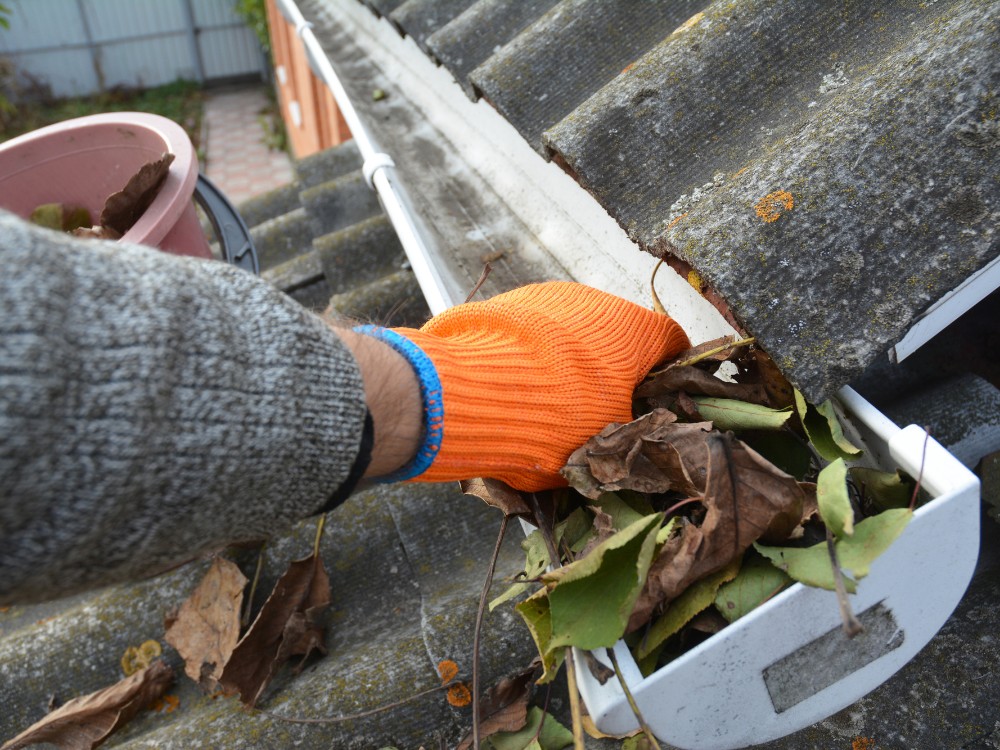
Gutters guide rainwater away from your home and protect key structural parts from damage. When they get clogged, water spills over and creates avoidable issues that grow over time. Regular cleaning keeps water moving and reduces risks that affect your roof, walls, and foundation. Understanding the Benefits of Gutter Cleaning helps homeowners make better maintenance decisions. Clean gutters prevent costly repairs and keep your home safe during heavy rain. They also support proper drainage, reduce stress on materials, and maintain the overall health of your property. 1. Prevents Water Damage to Your Home One of the most important Benefits of Gutter Cleaning is stopping water damage before it starts. When gutters fill with leaves and debris, water has nowhere to go. It spills over and runs down exterior walls. This overflow can damage siding, paint, and even interior ceilings. Over time, moisture weakens building materials and leads to repairs that could have been avoided with routine cleaning. 2. Protects Your Roof Clogged gutters trap water near the roof edge. This creates standing moisture that seeps under shingles. Once water enters the roof layers, leaks begin to form. Regular cleaning supports proper drainage and reduces strain on roofing materials. Many homeowners who invest in roof and gutter cleaning services notice fewer leaks and longer roof life. This is one of the core rain gutter cleaning benefits that protects your biggest home asset. 3. Avoids Foundation Problems Water that overflows from clogged gutters collects near the base of your home. Over time, this weakens the soil and puts pressure on the foundation. Cracks may form, and structural shifts can occur. In some regions, local services like gutter cleaning tracy ca help homeowners manage this risk before it leads to serious damage. Reliable maintenance from providers such as VJ Pressure Washing ensures water flows away from the foundation. This is one of the most critical Benefits of Gutter Cleaning for long-term stability. 4. Prevents Basement Flooding When water pools near the foundation, it often finds its way into basements. Even small leaks can lead to damp walls and standing water. Basement flooding can damage furniture, stored items, and electrical systems. Clean gutters reduce this risk by directing water away from the home. This also supports better indoor air quality and reduces repair costs. 5. Reduces Mold and Mildew Growth Moisture buildup creates the perfect environment for mold and mildew. These fungi grow on damp surfaces such as walls, ceilings, and insulation. One of the key Benefits of Gutter Cleaning is limiting excess moisture around your home. Clean gutters prevent water from sitting in unwanted areas. This reduces mold growth and protects both the structure and the health of occupants. 6. Keeps Pests Away Blocked gutters often become a home for pests. Insects, birds, and rodents use debris as nesting material. Standing water also attracts mosquitoes. Regular cleaning removes these breeding areas. This lowers the chance of infestations and keeps your roofline clear. It is one of the practical gutter maintenance tips that many homeowners overlook. 7. Extends Gutter Lifespan Debris buildup adds weight and stress to gutter systems. Over time, this can cause sagging, cracks, and rust. Clean gutters last longer because they remain free from constant moisture and blockage. Routine maintenance reduces the need for early replacement. This is a long-term financial benefit and another strong reason to understand the full Benefits of Gutter Cleaning. 8. Improves Rainwater Flow Efficiency Gutters are designed to carry rainwater away quickly. When clogged, the flow slows or stops completely. Efficient water movement prevents overflow and keeps drainage systems working as intended. Among all rain gutter cleaning benefits, proper flow is one of the most important for handling heavy rainfall without damage. 9. Protects Landscaping and Yard Overflowing gutters can wash away soil and damage plants. Strong water streams erode garden beds and disturb mulch. Clean gutters help maintain controlled water flow through downspouts. This protects lawns, flowers, and decorative landscaping. Homeowners who value curb appeal often include gutter cleaning as part of regular exterior care. 10. Prevents Ice Dams in Winter In colder climates, clogged gutters freeze easily. This leads to ice buildup that blocks water flow. Ice dams form when melting snow refreezes at the roof edge. Water then backs up under shingles and causes leaks. Clean gutters reduce this risk and help snowmelt drain properly. This seasonal issue highlights another important reason behind the Benefits of Gutter Cleaning for year-round protection. 11. Saves Money on Repairs Small maintenance tasks prevent large expenses later. Cleaning gutters is far less costly than repairing water damage, roof leaks, or foundation cracks. Ignoring clogged gutters problems often leads to emergency repairs that require time and money. Regular cleaning reduces these risks and keeps your home in good condition. Additional Insight: Why Regular Maintenance Matters Routine care is more effective than occasional fixes. Following simple gutter maintenance tips like seasonal cleaning, debris removal, and inspection helps avoid buildup. Professional roof and gutter cleaning services provide deeper cleaning and safety for hard-to-reach areas. They also spot early signs of damage before it worsens. Understanding the full Benefits of Gutter Cleaning allows homeowners to treat it as essential upkeep rather than an optional task. DIY vs Professional Gutter Cleaning DIY cleaning works for small homes with easy access. It involves ladders, gloves, and manual removal of debris. However, it comes with safety risks. Falls and improper cleaning can cause injury or missed blockages. Professional services such as VJ Pressure Washing use proper tools and techniques. They ensure complete cleaning, safe access, and proper inspection. For multi-story homes or heavy buildup, hiring experts is often the better choice. How Often Should You Clean Your Gutters? Most homes need gutter cleaning twice a year. Spring and fall are ideal times. Homes near trees may need more frequent cleaning due to falling leaves and debris. Areas with heavy rain or storms also require closer attention. Regular checks help maintain all the Benefits of Gutter Cleaning without letting debris accumulate. Conclusion Gutter cleaning
The Best Roof Cleaning Methods
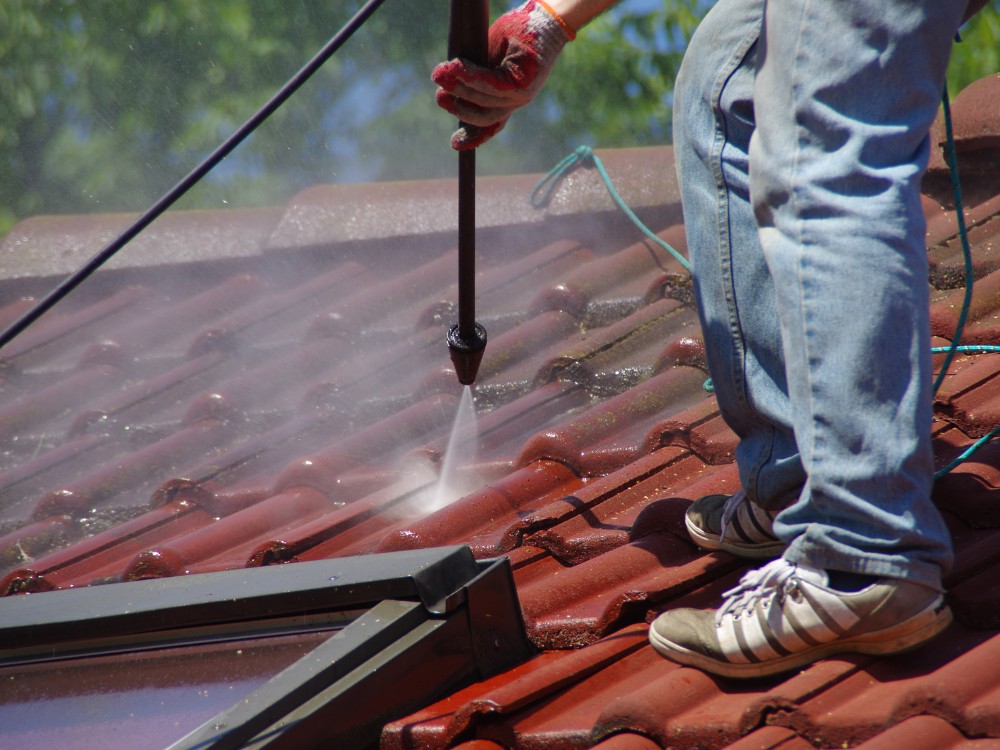
A dirty roof is more than just an eyesore. It can trap moisture, damage shingles, and shorten the life of your home. Algae, moss, and debris slowly break down roofing materials if left untreated. Cleaning your roof the right way protects your investment and keeps your home looking fresh. If you want safe and long-lasting results, understanding The Best Roof Cleaning Methods is key. The right method depends on your roof type, condition, and environment. Why Regular Roof Cleaning Matters Your roof takes constant exposure from sun, rain, and wind. Over time, dirt and organic growth build up and cause damage. Regular cleaning helps you: Extend the life of your roof Prevent costly repairs Improve curb appeal Maintain property value Moss and algae trap moisture. This leads to rot and weak shingles. A clean roof drains water properly and stays strong longer. Common Types of Roof Contaminants Algae Black streaks on roofs come from algae. It feeds on moisture and spreads fast, especially in humid areas. Over time, it can cover large sections of the roof and make it look old and dirty. Algae also reduces your roof’s ability to reflect sunlight, which can increase indoor heat. Moss Moss grows in damp and shaded areas. It holds water like a sponge and keeps the roof surface wet for long periods. This constant moisture can lift shingles and let water seep underneath. If not removed early, moss can cause serious structural damage. Lichen Lichen is tougher than moss and harder to remove. It forms a strong bond with the roof surface and spreads slowly over time. Lichen can create small pits in shingles, weakening them and making your roof more prone to cracks and leaks. Dirt and Debris Leaves, dust, and branches collect on roofs over time. This buildup blocks proper water drainage and can clog gutters. When debris stays on the roof for too long, it traps moisture and creates the perfect place for algae and moss to grow. Mold and Mildew Mold and mildew grow in wet and shaded areas of the roof. They can spread quickly if ignored and may damage roofing materials. In some cases, they can also affect air quality inside your home, especially if moisture seeps into the attic. The Best Roof Cleaning Methods Choosing the right method depends on your roof type and condition. Let’s break down The Best Roof Cleaning Methods used by professionals. Soft Washing Soft washing is the safest and most effective method for most roofs. It uses low-pressure water mixed with cleaning solutions. Kills algae, mold, and bacteria Prevents regrowth Safe for shingles and tiles This method works best for asphalt shingles and delicate surfaces. Many homeowners prefer it when comparing soft washing vs pressure washing roof options. If you are looking for expert-level results, companies like VJ Pressure Washing use this method for long-lasting cleaning. Pressure Washing Pressure washing uses high-pressure water to remove dirt and stains. Works well on metal or concrete roofs Removes heavy buildup quickly But it comes with risks. Too much pressure can damage shingles or remove protective layers. That is why this method should only be used when suitable. Chemical Cleaning This method uses cleaning solutions to break down algae and stains. Effective for deep cleaning Reaches hidden areas The key is using the right mixture. Harsh chemicals can harm your roof or plants. Professionals balance strength and safety. Manual Cleaning Manual cleaning involves brushing or scraping debris. Ideal for small areas Useful for removing moss It requires time and care. It is often combined with other roof cleaning techniques for better results. Roof Cleaning Tracy Services If you want reliable results without risk, consider roof cleaning tracy solutions offered by experts. They combine modern tools with proven methods to protect your roof while delivering a deep clean. DIY vs Professional Roof Cleaning Many homeowners ask if they should clean their roof themselves. DIY Cleaning DIY can save money, but it has limits. Risk of injury from heights Lack of proper tools Possible roof damage You also need to know how to clean a roof safely before starting. Professional Roof Cleaning Services Hiring professional roof cleaning services offers clear benefits: Proper equipment and experience Safe and effective methods Long-lasting results Professionals understand roof types and choose the right method. This reduces risk and improves results. Safety Tips for Roof Cleaning Roof cleaning involves real risks. Safety should always come first. Here are simple tips to follow: Use a stable ladder Wear non-slip shoes Avoid working in wet conditions Use safety harnesses if needed Protect plants and surroundings Learning how to clean a roof safely can prevent accidents and costly mistakes. How Often Should You Clean Your Roof? Cleaning frequency depends on your environment. Every 1–2 years in humid areas Every 2–3 years in dry climates More often if trees are nearby If you notice black streaks or moss, it is time to act. Regular cleaning keeps problems small and manageable. Choosing the Right Roof Cleaning Method Not all roofs are the same. Choosing the wrong method can cause damage. Consider these factors: Roof Material Asphalt shingles need gentle cleaning. Metal roofs can handle more pressure. Level of Dirt Light dirt may only need soft washing. Heavy buildup may need deeper cleaning. Budget DIY is cheaper upfront, but mistakes can cost more later. Long-Term Care Some methods last longer than others. Soft washing often provides extended results. Understanding soft washing vs pressure washing roof options helps you make the best choice. Eco-Friendly Roof Cleaning Options Many homeowners now prefer eco-friendly cleaning methods. These options reduce harm to the environment: Biodegradable cleaning solutions Low-water cleaning systems Plant-safe chemicals Eco-friendly methods are safe for your home, family, and surroundings. They also align with modern home care practices. Common Mistakes to Avoid Avoiding mistakes can save you time and money. Here are common errors: Using too much pressure Ignoring safety precautions Using harsh chemicals Skipping regular cleaning Choosing the wrong method These mistakes can damage your roof
How Solar Panel Guards Protect and Benefit Your Panels
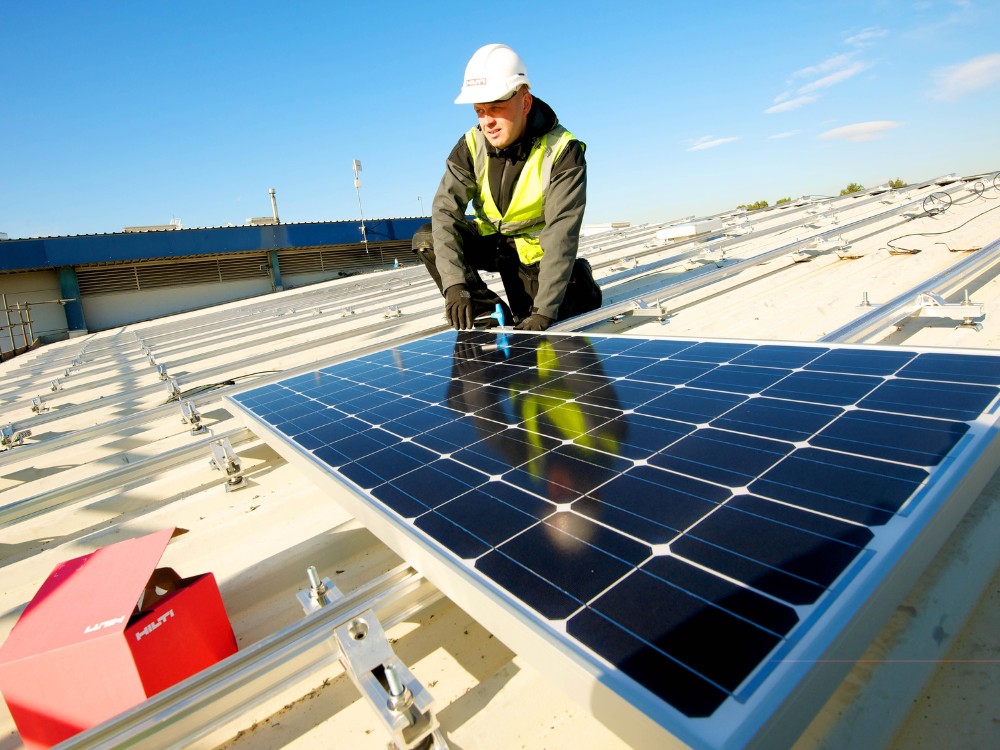
How Solar Panel Guards Protect and Benefit Your Panels Solar panels are a valuable investment in renewable energy, helping homeowners and businesses save on electricity bills while reducing their carbon footprint. However, to keep them working well and lasting longer, they need proper care. One effective way to protect solar panels is by using solar panel guards. This article explains how solar panel guards work, their benefits, and why they are important for keeping your solar energy system in good shape. What Are Solar Panel Guards? Solar panel guards are protective covers or screens placed around solar panels to protect them from various hazards. These guards help prevent damage from physical impacts, weather conditions, and biological growths that could affect the efficiency and durability of solar panels. Solar panel guards come in different forms, such as mesh screens, solid shields, or custom-fit covers. They are usually made from strong materials like aluminum, stainless steel, or durable plastics that can handle tough weather and provide long-lasting protection. How Solar Panel Guards Work Solar panel guards work by creating a barrier around the panels to prevent or reduce damage. Here’s how they provide protection: 1. Protection from Physical Impacts Solar panels are exposed to various physical impacts, such as falling branches, hail, and debris carried by strong winds. These impacts can cause cracks or other damage, reducing the panels’ efficiency and leading to costly repairs. Solar panel guards act as a shield against these impacts. By covering the panels with a protective layer, they absorb and deflect the force of falling objects, lowering the risk of damage. This helps keep the panels intact and ensures they continue to work efficiently 2. Shielding from Harsh Weather Conditions Extreme weather, like heavy rain, snow, and strong winds, can negatively affect solar panels. Rain and snow can lead to dirt, debris, and growths like algae and moss, which block sunlight and reduce the panels’ efficiency. Strong winds can also carry debris that might scratch or damage the panels. Solar panel guards help solve these problems by keeping the panels clean and free from debris. They provide a barrier that stops dirt and growths from building up on the panels, helping them receive the most sunlight and stay efficient, even in bad weather. 3. Preventing Biological Growth Growths like algae, moss, and lichen can thrive on solar panels, especially in damp or shaded areas. These growths not only block sunlight but can also damage the panel’s surface. Over time, this can significantly reduce the panel’s energy output and lifespan. Solar panel guards help prevent biological growth by stopping organic materials from accumulating. With a guard in place, the chance of moss and algae growing on the panels is greatly reduced, keeping the surface clean and functional. 4. Reducing the Risk of Wildlife Damage Birds and small animals can sometimes damage solar panels. Birds may peck at the panels or nest underneath them, while rodents might chew on wires or insulation. This can lead to problems and safety issues. Solar panel guards can also help with this by covering the panels and creating a barrier that keeps animals away. This helps protect the system from potential damage caused by wildlife. Benefits of Solar Panel Guards Installing solar panel guards offers several important benefits: 1. Increased Durability One of the main benefits of solar panel guards is increased durability. By protecting the panels from physical damage, weather problems, and biological growths, guards help extend the life of your solar energy system. This means fewer repairs and replacements, saving you money over time. 2. Enhanced Efficiency The efficiency of solar panels depends on how much sunlight they can absorb. Any damage or blockage can reduce their ability to capture and convert sunlight into energy. Solar panel guards help keep the panels clean and free from debris, so they can perform at their best. 3. Cost Savings While there is an initial cost for installing solar panel guards, the long-term savings can be significant. By preventing damage and reducing maintenance needs, guards help you avoid expensive repairs and replacements. Keeping your panels in good condition also means they operate efficiently, leading to more energy savings. 4. Improved Appearance Solar panel guards can also make your solar energy system look better. By providing a clean and uniform look, guards help your panels blend in with the rest of your roof or building. This can be important if you are concerned about how the panels look on your property. 5. Peace of Mind Knowing that your solar panels are protected gives you peace of mind. With solar panel guards in place, you can be confident that your investment is safe from common issues like physical damage, weather problems, and biological growths. This allows you to enjoy the benefits of solar energy without worrying about potential problems. Conclusion Solar panel guards are important for protecting and benefiting your solar energy system. They shield your panels from physical damage, harsh weather, biological growths, and wildlife, helping your panels stay in excellent condition and work efficiently. With benefits like increased durability, enhanced efficiency, cost savings, improved appearance, and peace of mind, solar panel guards are a smart investment. When choosing guards, consider factors like material durability, fit, and ease of installation to find the best option for your needs.
How to Clean Solar Panels
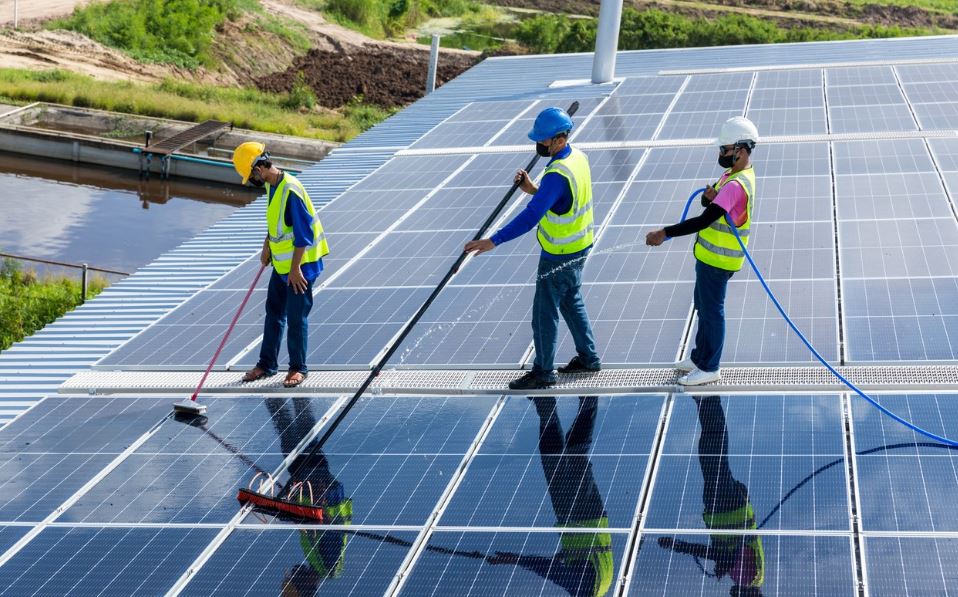
Dirty solar panels can lose up to 20% of their efficiency. Dust, bird droppings, and pollen block sunlight and reduce energy output. The good news is cleaning them is simple, safe, and does not take much time. With the right method, you can boost performance and extend panel life. If you’re wondering How to Clean Solar Panels, the answer is simple: use soft tools, gentle water, and avoid harsh methods. This guide will show you exactly how to do it step by step. Why Cleaning Solar Panels Is Important Solar panels work by absorbing sunlight. When dirt builds up, less light reaches the cells. This directly lowers energy production. Regular solar panel cleaning helps you: Increase energy output Lower electricity bills Protect long-term performance Prevent damage from buildup Real example: A homeowner in a dusty area saw a 15% energy drop. After cleaning solar panels, output returned to normal within a day. Clean panels are not just about looks. They are about performance and savings. How Often Should You Clean Solar Panels? There is no one-size answer. It depends on your location and environment. In general, you should clean your solar panels every 6 to 12 months. You may need to clean them more often if you live in a dusty or dry area, have many trees nearby, notice birds frequently sitting on your roof, or experience very little rainfall. While rain can help rinse off loose dust, it does not remove sticky dirt or bird droppings effectively. Signs Your Solar Panels Need Cleaning Not sure when to clean? Look for these signs: Visible dust, stains, or bird droppings A sudden drop in energy output Uneven panel appearance Debris like leaves stuck on panels If you notice these issues, it may be time for professional solar panel cleaning tracy ca services from VJ Pressure Washing for a deeper and safer clean. Tools and Materials You’ll Need Before you start cleaning solar pv panels, gather these tools: Soft brush or sponge Garden hose with low pressure Bucket with mild soap Microfiber cloth or squeegee Safety gear (gloves, non-slip shoes) Avoid using anything rough. Panels have a protective glass layer that can scratch easily. Step-by-Step Guide: How to Clean Solar Panels 1. Turn Off the System Safety comes first. Always shut down your solar system before you begin. This reduces the risk of electrical issues and keeps you safe while working around the panels. Check your system manual if you are unsure how to turn it off properly. 2. Clean Early or Late in the Day Solar panels heat up quickly under direct sunlight. Cleaning them when they are hot can cause water to evaporate too fast and leave streaks. It can also lead to small cracks due to sudden temperature changes. Choose early morning or evening when the panels are cool. 3. Remove Loose Dirt Start by rinsing the panels with a garden hose using low pressure. This step helps remove dust, leaves, and loose debris sitting on the surface. It prepares the panels for deeper cleaning solar panels without scratching them. 4. Gently Wash the Surface Use a soft sponge or cloth with a bucket of mild soapy water. Gently wipe the surface in smooth motions. Do not apply too much pressure, as this can damage the protective layer. This is the most important step in cleaning solar panel cleaning safely and effectively. 5. Rinse Thoroughly After washing, rinse the panels again with clean water. Make sure all soap is removed. Any leftover residue can leave streaks or reduce how much sunlight the panels absorb. 6. Let Panels Dry Allow the panels to air dry naturally. You can also use a squeegee or microfiber cloth to remove excess water and prevent spots. This final step keeps your panels clear and improves overall results. That’s the simple process for How to Clean Solar Panels without causing damage. What to Avoid When Cleaning Solar Panels Many people damage panels by using the wrong methods. Avoid: Pressure washers Harsh chemicals Abrasive brushes Walking on panels Cleaning during peak heat These mistakes can scratch or crack the surface. DIY vs Professional Solar Panel Cleaning DIY Cleaning DIY cleaning is best for single-story homes where panels are easy to reach. It is a low-cost option and simple to do if you have the right tools. However, it comes with safety risks, especially if you are working on a roof. It can also be hard to clean areas that are out of reach. Professional Cleaning Professional cleaning is a better choice for large systems or panels in hard-to-reach places. Experts provide a safe and thorough service using proper tools and methods, saving you time and effort. The main drawback is the higher cost compared to doing it yourself. At VJ Pressure Washing, professionals use purified water systems and safe techniques for solar panel cleaning, ensuring your panels stay efficient and undamaged while maximizing energy output. Safety Tips for Cleaning Solar Panels Safety should never be ignored. Use a stable ladder Wear non-slip shoes Avoid wet or windy conditions Never clean panels alone Turn off electricity before starting If your roof is steep, do not risk it. Hire experts instead. Maintenance Tips to Keep Panels Clean Longer You can reduce how often you need to clean your solar panels by following a few simple tips. Trim nearby trees to prevent leaves and debris from accumulating. Install bird deterrents to avoid droppings that block sunlight. Check your panels every few months to spot dirt or damage early. Keep gutters clean so water flows freely and doesn’t cause buildup around your panels. Monitor energy output regularly to detect efficiency drops that may indicate cleaning is needed. These small steps can make a big difference in maintaining peak performance. Common Mistakes to Avoid Even simple jobs can go wrong. Avoid these mistakes: Using hard water that leaves spots Ignoring safety steps Cleaning too often without need Skipping inspections Using rough tools Proper cleaning solar pv panels means being gentle
How to Install Gutter Guards
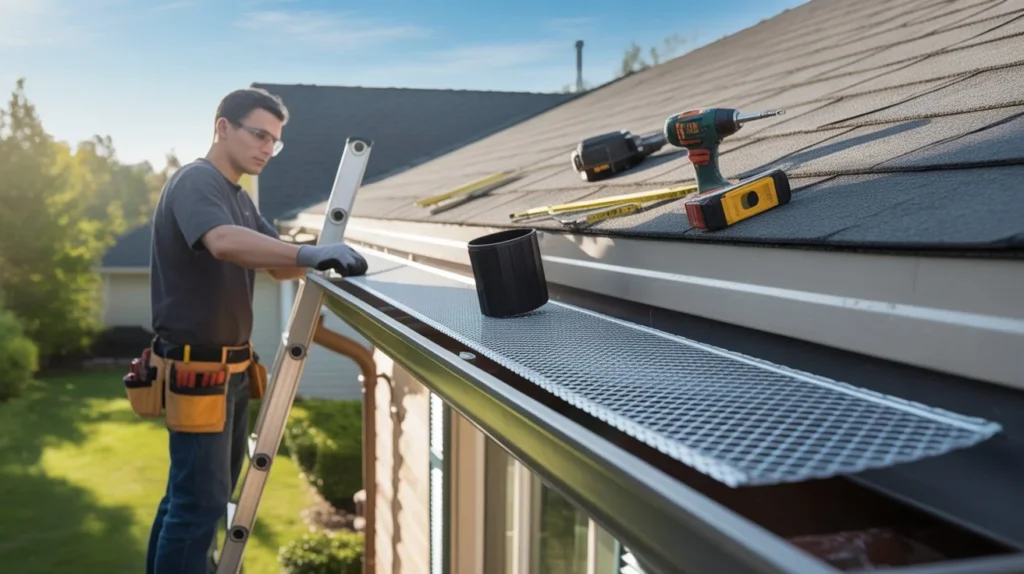
Clogged gutters cause water damage, roof leaks, and costly repairs. Gutter guards stop leaves and debris from blocking water flow. With the right tools and steps, most homeowners can handle this task and protect their home for years. If you want a simple and proven method, this guide on How to Install Gutter Guards walks you through each step in plain terms so you can do it right the first time. Gutter guards are covers that sit on top of your gutters. They block debris but let water pass through. This keeps your gutter system clean and working well. They reduce the need for frequent cleaning. They also help prevent pests, rust, and overflow issues. Many homeowners choose gutter guard installation to save time and protect their property. Types of Gutter Guards 1. Mesh Gutter Guards Mesh gutter guards use a fine metal or plastic layer that blocks even the smallest debris. They are a strong choice for homes surrounded by trees or areas with heavy leaf fall. These guards are known for their durability and long life. When installed properly, they offer one of the most effective solutions for keeping gutters clear. 2. Screen Gutter Guards Screen gutter guards have larger openings compared to mesh systems. They are simple to install and are often chosen by homeowners looking for a budget-friendly option. While they do a decent job at blocking larger debris, smaller particles can still get through, which means you may need to clean your gutters more often. 3. Reverse Curve Guards Reverse curve guards work by directing water over a curved surface and into the gutter while pushing leaves and debris off the edge. This design performs well during heavy rain and can handle strong water flow. However, they must be installed at the correct angle to function properly, which makes careful setup very important. 4. Foam Gutter Guards Foam gutter guards sit inside the gutter and allow water to pass through while blocking debris on top. They are quick and easy to install, making them a popular DIY option. Over time, though, dirt and small particles can build up inside the foam, which may reduce their effectiveness and require cleaning or replacement. 5. Brush Gutter Guards Brush gutter guards look like large pipe cleaners placed inside the gutter. They catch leaves and debris while letting water flow through. These are one of the easiest options for DIY installation. However, they need regular maintenance since debris can get stuck in the bristles and build up over time. Tools and Materials Needed Before you start, gather these items: Sturdy ladder Work gloves Measuring tape Drill or screwdriver Gutter guards (your chosen type) Screws or clips Garden hose Having everything ready saves time and avoids mistakes. Preparation Before Installation Clean Your Gutters Start by removing all leaves, dirt, and debris from your gutters. You can use a scoop, gloves, or even a small garden tool. Once cleared, rinse the gutters with water to wash away fine particles. A clean surface helps the guards sit properly and improves overall performance. This step is essential before installing gutter guards to avoid trapping debris underneath. Inspect for Damage Take a close look at your gutter system. Check for cracks, rust spots, holes, or sections that are pulling away from the roof. Even small damage can lead to leaks later. Repair or replace any weak areas before moving forward. A strong and stable gutter system is the base of a successful gutter guard installation. Check Water Flow Use a garden hose to run water through the gutters. Watch how it flows toward the downspouts. If water pools in certain spots or drains slowly, there may be a slope issue or blockage. Fix these problems now so your system works efficiently after you install gutter guards. Secure Loose Parts Inspect all brackets, hangers, and fasteners along the gutter. Tighten any loose screws and make sure each section is firmly attached to the fascia board. Loose gutters can shift over time, which affects how well the guards perform. A secure setup ensures long-term results and a smoother installation process. Good prep work is key to successful gutter cover installation. Step-by-Step Guide: How to Install Gutter Guards Step 1: Measure Your Gutters Start by measuring the full length of your gutter system. Use a measuring tape and note each section, including corners and downspout areas. Accurate measurements help you avoid waste and ensure a tight fit. If your gutters have different sections or angles, measure each part separately. This step is very important when installing gutter guards, as even small errors can lead to gaps where debris can enter. Step 2: Cut the Guards Once you have your measurements, cut the gutter guards to match each section. Use tin snips or a suitable cutting tool based on the material. Make clean, straight cuts to avoid sharp edges or uneven ends. When working around corners or joints, cut carefully so the pieces fit snugly together. A proper cut makes the entire gutter guard installation look neat and work better over time. Step 3: Position the Guards Now place the guards onto the gutters. Depending on the type, they may sit on top, snap into place, or slide inside the gutter. Make sure each section lies flat and lines up with the gutter edge. Check that there are no bends or raised areas. Poor positioning can block water flow or allow debris to slip through. Take your time here, as correct placement is key when you install gutter guards. Step 4: Secure the Guards After positioning, secure each guard using screws, clips, or built-in locking systems. Follow the instructions provided with your product. Space the fasteners evenly to keep the guards stable. Do not overtighten screws, as this can damage the material. At the same time, avoid leaving them loose. A secure fit prevents guards from shifting during strong winds or heavy rain. Step 5: Check Shingle Placement Some gutter covers are designed to slide under the
How to Pressure Wash a Driveway?
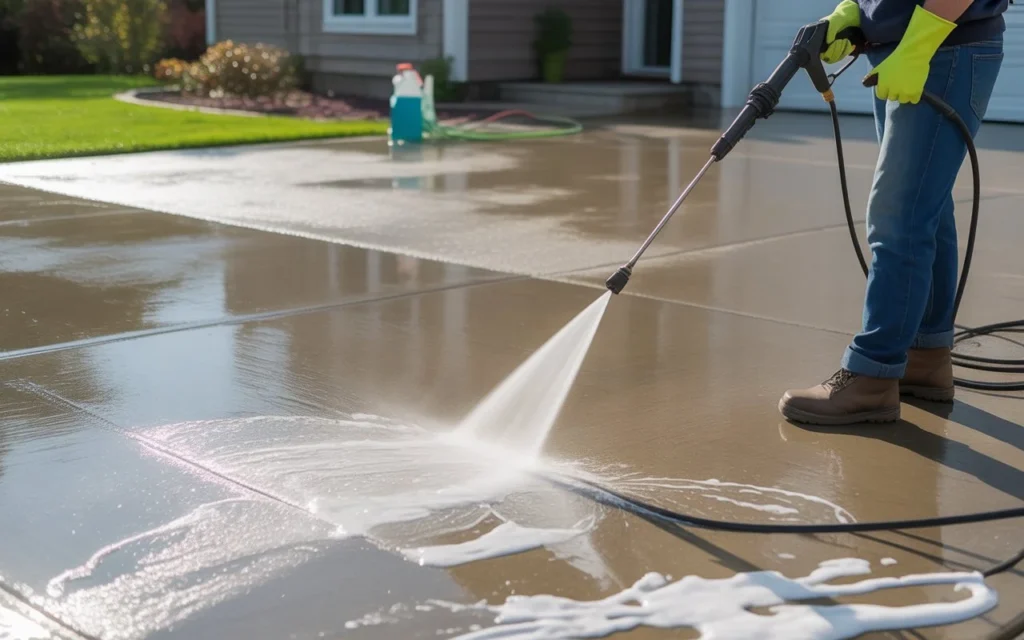
A clean driveway does more than improve curb appeal; it protects your home and prevents long-term damage. Dirt, oil, algae, and moss can degrade surfaces over time. Regular maintenance keeps your driveway safe, attractive, and functional. How to Pressure Wash a Driveway? is simpler than many think. With the right tools, techniques, and safety measures, you can remove stubborn stains, restore your driveway’s appearance, and extend its lifespan. Whether you tackle it yourself or hire professionals, this guide provides practical, step-by-step advice to get the job done efficiently. Why Pressure Washing Your Driveway Matters Driveway cleaning goes beyond appearance. Over time, dirt, algae, and oil create slippery, unsafe surfaces and can erode concrete, asphalt, or pavers. Pressure washing removes grime, prevents damage, and improves longevity. A well-maintained surface also enhances curb appeal and home value. For homeowners seeking professional help, services like driveway washing service tracy ca by VJ Pressure Washing offer safe and effective solutions. Experts use the right pressure and detergents to remove tough stains while protecting your driveway from damage, saving you time and effort. Tools and Equipment Needed To pressure wash your driveway effectively, gather these essentials: A pressure washer suitable for your surface type Cleaning solutions or degreasers for oil, rust, or algae stains Brushes or brooms for scrubbing stubborn spots A garden hose power washer can be used for lighter cleaning Protective gear such as gloves, goggles, and boots Having the right equipment ensures safety and efficiency while achieving a pressure washed driveway that looks clean and refreshed. Step-by-Step Guide to Pressure Washing a Driveway Step 1 – Preparation Remove all vehicles, furniture, and debris from the driveway. Protect nearby landscaping, walls, and plants from water and cleaning solutions. A clear surface prevents accidents and allows thorough cleaning. Step 2 – Pre-Treat Stains Apply appropriate cleaning solutions to tough stains like oil, grease, or rust. Let the product sit for 5–10 minutes to break down grime. Pre-treatment ensures the pressure washer can remove stains more easily. Step 3 – Set Up Your Pressure Washer Choose the correct nozzle and PSI for your surface. Concrete can handle higher pressure, while asphalt needs gentler settings. Test a small section first. Maintain a safe distance to avoid damaging the driveway. Step 4 – Pressure Washing Work in sections for even coverage. Move the nozzle consistently in sweeping motions. Focus on stubborn stains while avoiding prolonged pressure in one spot. This method ensures the best results for pressure wash driveway projects. Step 5 – Rinse and Inspect Thoroughly rinse the driveway to remove all cleaning solution and debris. Inspect for remaining stains. Repeat washing or scrubbing if necessary. Allow the driveway to dry completely before use. DIY vs Professional Pressure Washing DIY driveway cleaning saves money but carries risks. Improper technique, incorrect pressure, or harsh chemicals can damage surfaces or cause injury. Small driveways and light stains may be suitable for DIY work. Hiring professional driveway cleaning services like VJ Pressure Washing ensures safe, thorough results. Experts use proper tools, detergents, and techniques for a pressure washed driveway that lasts longer and avoids accidental damage. Professionals also save time and effort, especially for large or heavily stained driveways. Tips for Maintaining a Clean Driveway Regular upkeep reduces cleaning frequency and preserves your driveway: Sweep regularly to remove dirt and debris Seal driveway surfaces annually to prevent staining Address spills and stains immediately Trim overhanging branches to limit leaf and moss buildup Schedule periodic professional cleaning for a deep refresh Safety Precautions Pressure washing can be hazardous if done incorrectly: Wear gloves, goggles, and boots Keep children and pets away from the work area Avoid excessive pressure to prevent surface damage Follow manufacturer instructions for all equipment and cleaning products Following safety measures ensures an effective and accident-free cleaning process. Cost Considerations The cost of pressure washing varies by driveway size, surface type, and stain severity. DIY costs are limited to equipment and cleaning solutions. Professional services like VJ Pressure Washing are higher upfront but provide efficient, thorough results and prevent costly mistakes. Investing in professional cleaning can save money in the long term by avoiding damage and extending the life of your driveway. Conclusion How to Pressure Wash a Driveway? requires the right approach, tools, and care. Whether you choose DIY methods or hire VJ Pressure Washing for professional service, the goal is a safe, clean, and long-lasting driveway. Regular maintenance keeps your driveway looking its best, prevents damage, and improves home curb appeal. For tough stains or large surfaces, contacting professionals ensures the most effective results. Contact us today at VJ Pressure Washing to schedule expert driveway cleaning services and restore your driveway to pristine condition. FAQs How often should I pressure wash my driveway?Most driveways benefit from pressure washing once or twice a year. However, if you notice stains from oil, algae, or dirt buildup, it’s best to clean sooner. Regular cleaning prevents long-term damage and keeps your driveway looking fresh. What is the best way to pressure wash a driveway?Start by selecting the correct PSI for your driveway surface. Work in small sections, pre-treat stubborn stains with a suitable cleaner, and use a consistent sweeping motion. Finish by thoroughly rinsing the driveway to remove all debris and cleaning solution. Can pressure washing damage my driveway?Yes, improper pressure or incorrect technique can damage surfaces, especially asphalt or older concrete. Using a professional ensures the right pressure, distance, and tools are applied, minimizing the risk of cracks or erosion. Are professional services worth it?Absolutely. Professionals save time, ensure even and deep cleaning, and prevent accidental damage. They also have the expertise and equipment to handle tough stains that DIY methods may struggle with. Can a garden hose power washer be used instead?Yes, for light cleaning or minor dirt and debris, a garden hose power washer can help. However, it is less effective on tough stains like oil, rust, or algae, which usually require a higher-pressure solution.
What is Soft Washing? Understanding the Hidden Gem
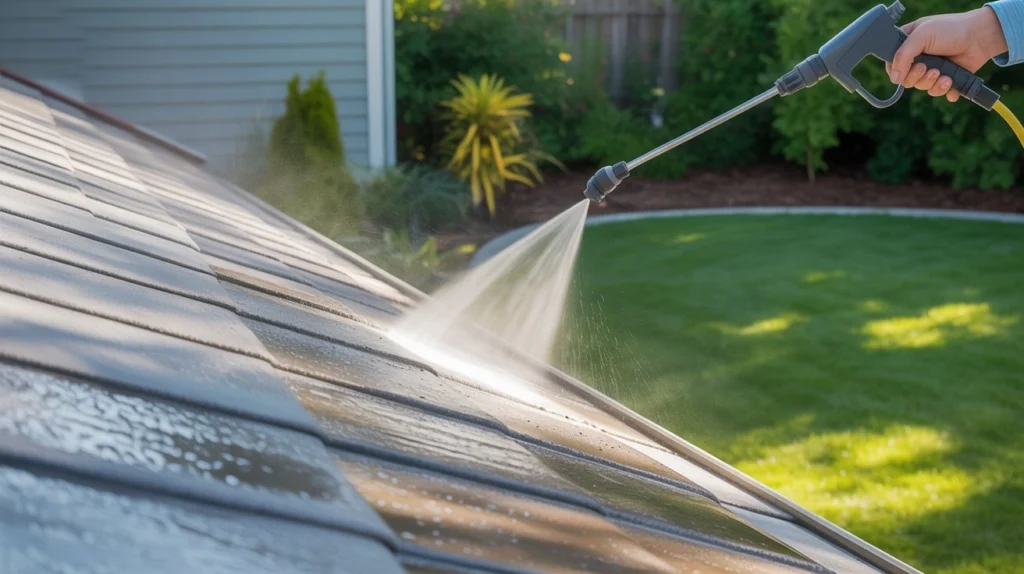
Keeping your home’s exterior clean is about more than looks; it protects your surfaces from damage caused by mold, algae, and dirt buildup. Neglected areas can lead to costly repairs over time, affecting roofs, siding, and driveways. What is Soft Washing? is a gentle, effective cleaning method that uses low-pressure water combined with specialized detergents. Unlike traditional pressure washing, soft washing removes algae, mold, and grime without damaging delicate surfaces. Whether applied to roofs, siding, or driveways, this method ensures lasting results and preserves the structural integrity of your home. How Soft Washing Works Soft washing uses low-pressure water combined with biodegradable cleaning solutions to remove dirt, algae, moss, and mildew. The cleaning solution penetrates and kills the root causes of stains rather than just blasting them away. This method prevents the regrowth of mold and algae for a longer period compared to high-pressure washing. For homeowners looking for professional results, house washing services Tracy CA provide expert soft washing to keep roofs, siding, and exteriors clean while protecting surfaces from damage. By applying soft+washing techniques, homeowners can clean roofs, siding, and driveways without worrying about cracked shingles, chipped paint, or surface erosion. The process usually involves spraying a mixture of water and safe detergents, letting it dwell for a few minutes, and then rinsing gently. Soft Washing vs Pressure Washing Pressure washing relies on high-pressure water streams to physically remove dirt. While effective for concrete or stone, it can damage delicate surfaces like asphalt shingles, vinyl siding, or painted wood. Soft washing is safer for these sensitive surfaces. It uses minimal pressure and chemical action to eliminate contaminants. If you’re wondering what is soft wash pressure washing, the key difference is that soft washing targets microbial growth while protecting your home’s exterior. For many homeowners, it’s the preferred choice for roofs and older structures. Benefits of Soft Washing Soft washing provides multiple advantages: Surface Protection: Gentle cleaning avoids cracks, chips, and erosion. Long-Lasting Results: Killing algae and mold at the root prevents rapid regrowth. Eco-Friendly Options: Many solutions are biodegradable and safe for plants. Cost Savings: Reduces the need for frequent cleaning or repairs. This method is particularly effective for what is soft washing a house, ensuring exterior surfaces remain clean and safe without unnecessary wear. Tools and Materials Needed for Soft Washing To perform soft washing effectively, you’ll need: A low-pressure sprayer or soft wash system Biodegradable cleaning solutions Brushes or scrubbing tools for stubborn stains Protective gear: gloves, goggles, and boots Having the proper tools ensures a thorough clean while minimizing damage. Professionals, like VJ Pressure Washing, have advanced soft wash systems for consistent results. Step-by-Step Soft Washing Process Step 1 – Preparation Clear the area of furniture, vehicles, and debris. Protect landscaping, shrubs, and delicate plants with tarps or covers. Proper preparation reduces the risk of damage. Step 2 – Apply Cleaning Solution Spray the solution evenly across the surface. Allow it to sit for 5–10 minutes to break down algae, moss, or mildew. For driveways, consider hiring a driveway washing service tracy ca for professional application. Step 3 – Gentle Rinse Rinse surfaces with low-pressure water, removing debris and solution residue. Avoid high-pressure streams to prevent surface damage. Inspect for areas needing touch-ups and reapply if necessary. Step 4 – Final Inspection Check all surfaces for leftover stains. Soft washing should leave roofs, siding, and driveways visibly clean and free of microbial growth. Regular inspections help maintain long-term cleanliness. DIY vs Professional Soft Washing DIY soft washing saves money for smaller jobs but has risks: using incorrect chemical ratios, wrong nozzle settings, or unsafe ladders can damage surfaces or injure the user. Professional services, like VJ Pressure Washing, provide trained technicians, correct cleaning solutions, and industry-grade soft wash equipment. They handle roofs, siding, and driveways safely, delivering results that last longer than typical DIY efforts. Safety Precautions Wear gloves, goggles, and boots to protect from chemicals Keep pets and children away from the work area Avoid mixing chemicals that can react dangerously Follow manufacturer instructions for equipment and solutions Following safety measures ensures an effective, accident-free soft washing experience. Cost Considerations Soft washing costs vary depending on surface type, size, and severity of contamination. DIY methods require low-pressure equipment and cleaning solutions, costing less upfront. Professional soft washing costs more initially but offers better results, time savings, and reduced risk of damage. Hiring VJ Pressure Washing ensures the job is done efficiently and correctly, protecting your home investment. Conclusion What is Soft Washing? is a gentle, effective cleaning method that removes algae, mold, mildew, and grime without damaging surfaces. Compared to high-pressure washing, soft washing extends the lifespan of roofs, siding, and driveways while using eco-friendly solutions. For safe, lasting results, homeowners should consider professional services like VJ Pressure Washing. Whether DIY or expert-assisted, soft washing ensures clean, well-maintained surfaces that enhance curb appeal and prevent costly repairs. Contact us at VJ Pressure Washing to schedule a soft washing service and keep your home looking its best. FAQs Is soft washing safe for all surfaces?Yes, it’s ideal for delicate surfaces like asphalt shingles, vinyl siding, and painted wood. How often should I soft wash my home?Once every 1–3 years or when stains and algae appear. Can soft washing remove all mold and algae?Yes, if applied properly with the correct cleaning solutions. Is soft washing better than pressure washing?For sensitive surfaces, yes. It cleans effectively while preventing damage. Do I need professional help for soft washing?Professional services like VJ Pressure Washing ensure safety, efficiency, and longer-lasting results.